























Car ownership in Canada has always carried hidden costs, but the financing side has become harder to ignore. Higher vehicle prices, stubbornly elevated used-car values, longer loan terms, and growing payment stress have created a setup where a manageable monthly bill can mask a much more expensive reality. That is why these 11 surprises matter right now. Together, they show how a car loan can quietly become far costlier than many buyers expected, long after the keys are handed over.
The Monthly Payment Can Look Safe While the Total Cost Balloons
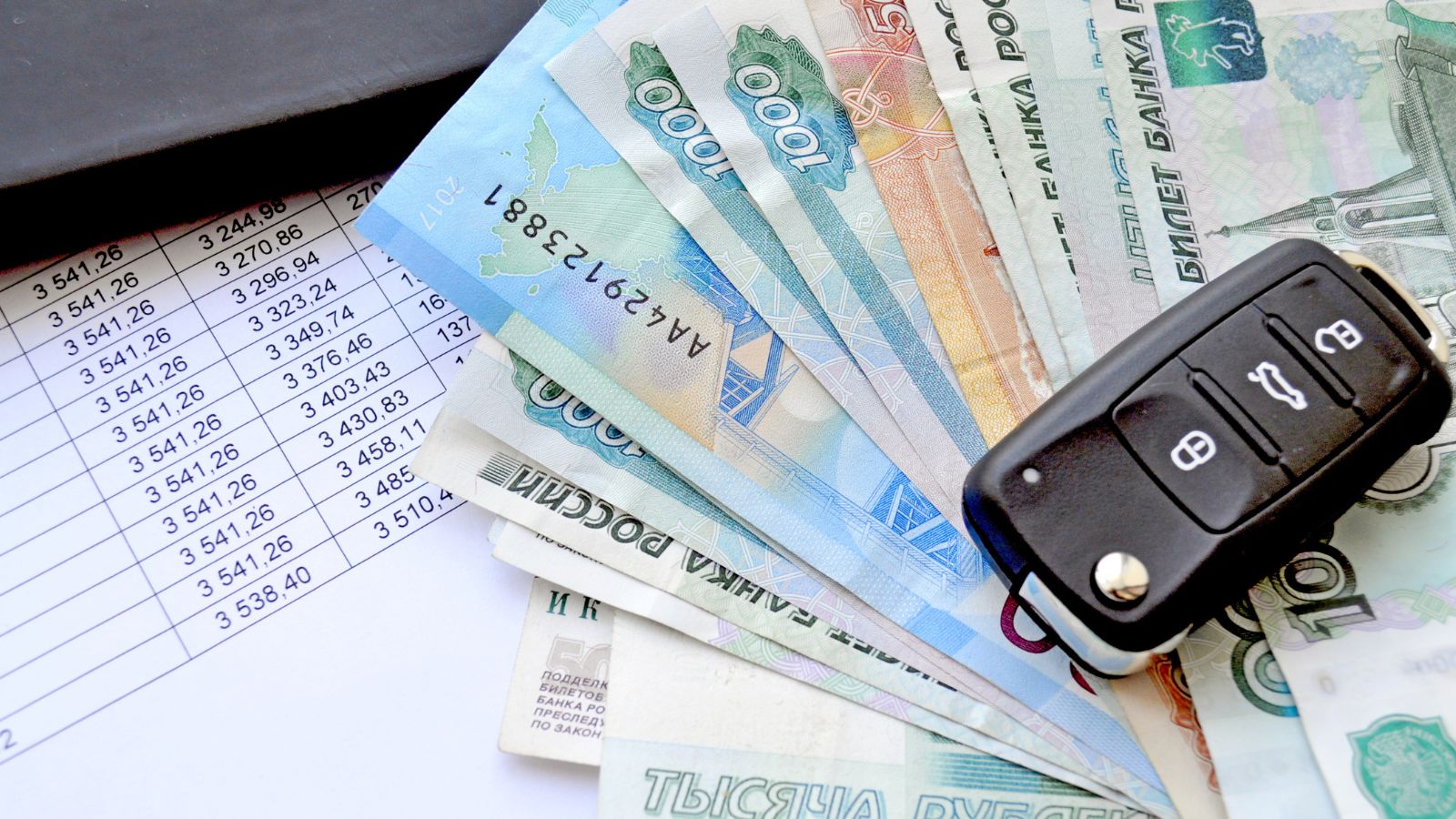
A low payment is often what closes the deal, especially when a dealer stretches the term to make the number feel manageable. That can make a vehicle seem affordable even when the total borrowing cost is moving in the wrong direction. In Canada, longer terms have become a core affordability tool, which means many drivers are solving for the monthly amount first and the full price second.
That trade-off gets expensive fast. FCAC’s own example shows that financing a $25,000 car at 5% over 36 months brings the total cost to $26,974, while stretching that same loan to 84 months pushes the total to $29,681. The payment falls, but the overall bill climbs. For a household already juggling housing, food, and insurance costs, that extra interest is not just a math problem. It is money that disappears slowly enough to feel harmless, until the borrower looks back and realizes how much more the car actually cost.
Bigger Loan Balances Start With Higher Vehicle Prices

Many drivers think the financing pain begins with the interest rate. In reality, it often starts with the price of the vehicle itself. When the amount borrowed is already large, even a decent rate can still produce a heavy payment and a long stretch of interest charges. Canada’s market may have stabilized in some areas, but it has not returned to a truly cheap-car environment.
That matters because Canadians are still financing large amounts. Equifax reported that the average amount on a new auto loan in Q2 2025 climbed to $35,586, up $1,567 year over year. Statistics Canada also reported that passenger vehicle prices were up 4.1% year over year in June 2025. Put simply, many buyers are borrowing against a higher starting point before taxes, fees, insurance, or extras are even added. A family crossover that felt mainstream a few years ago can now carry a loan balance that looks closer to a small mortgage payment than an everyday transportation decision.
Used Cars Are Not Automatically the Budget Escape Hatch
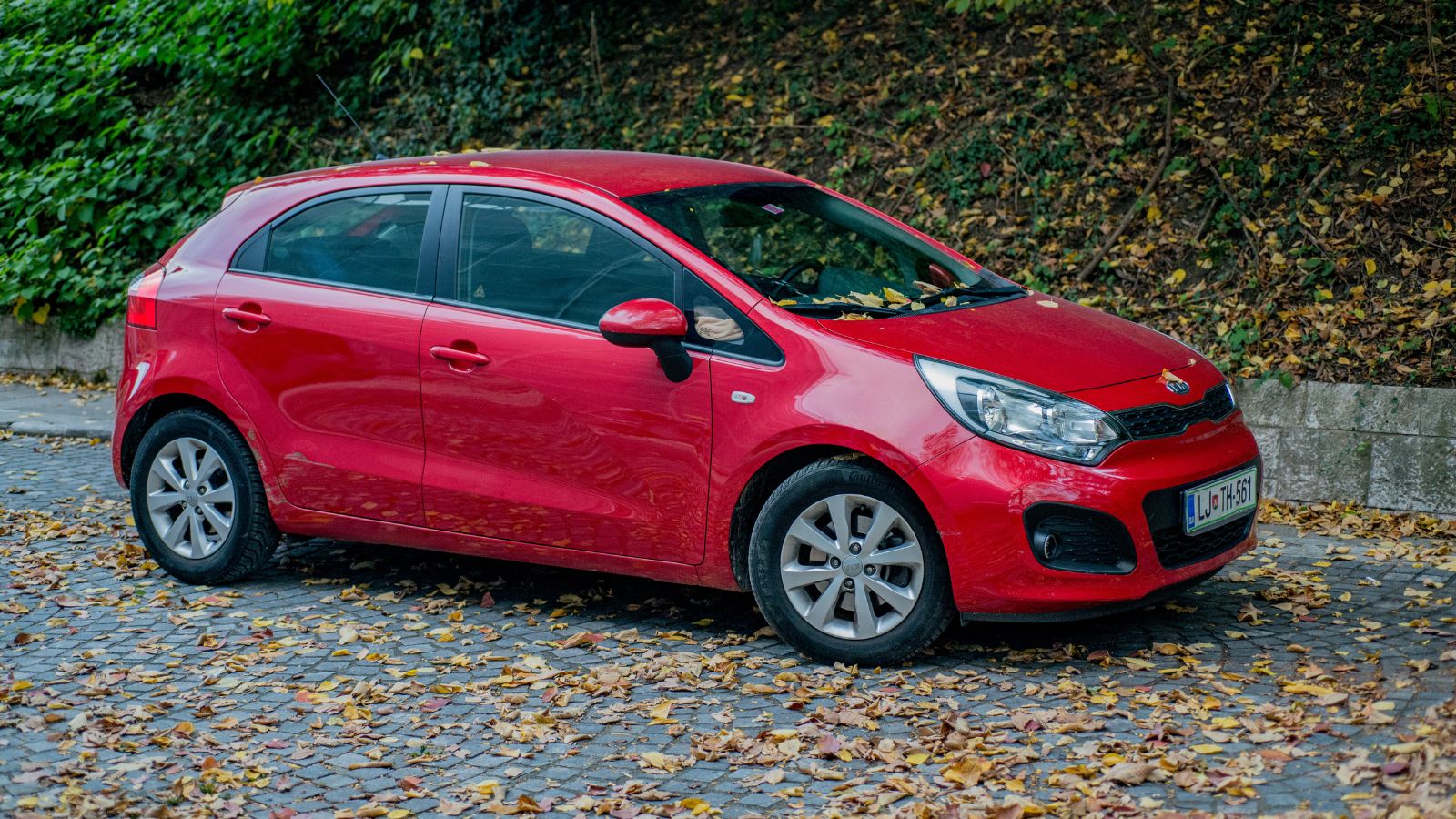
For years, the simple advice was to skip new and buy used. That still makes sense in plenty of situations, but it is no longer the automatic bargain many people assume. The used market remains expensive enough that some buyers walk in expecting relief and walk out financing a vehicle that still carries a surprisingly large principal balance.
That surprise is showing up in national data. AutoTrader reported that average used vehicle prices in Canada finished 2025 at $35,201, about 2% higher than a year earlier, and Statistics Canada said used passenger vehicle prices rose 1.7% year over year in June 2025 after 18 months without a year-over-year increase. That does not mean used is a bad move. It means the old shortcut no longer works on its own. A buyer may save versus new, but still end up with a long loan on a higher-mileage vehicle that brings more repair risk and far less room for financial error.
Taxes and Required Charges Can Quietly Become Borrowed Money Too
A lot of people budget for the sticker price and maybe a rough monthly payment, but the financed amount is often larger than expected because it can absorb much more than the base vehicle. In Ontario, for example, dealers must advertise all-in pricing for mandatory dealer charges, but HST and licensing are still extra. That means the number on the ad is not always the amount that ends up being financed.
This is where the bill climbs without much drama. Once taxes and permitted charges are folded into the deal, the borrower is not just paying them once. They may also be paying interest on them over time. FCAC notes that a disclosure statement should spell out the total cost of borrowing before the agreement is finalized, yet many buyers still focus mainly on the payment schedule. The result is familiar: a vehicle that looked reasonable in an ad ends up costing materially more once tax, licensing, and the full financed balance are finally laid bare on the contract.
Optional Add-Ons Can Turn a Reasonable Deal Into an Expensive One
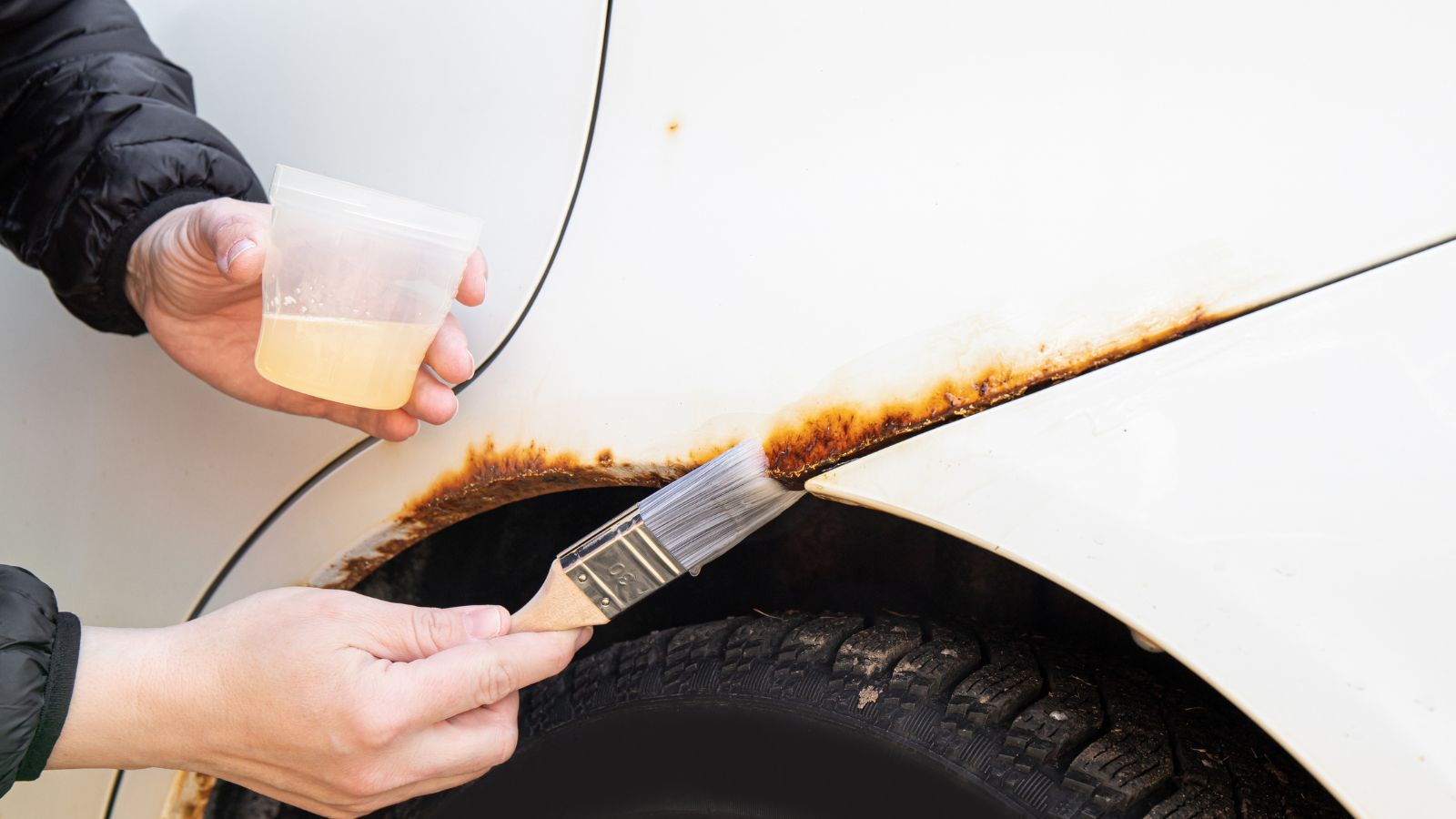
The finance office is where many ordinary purchases get quietly upgraded into costly ones. Extended warranties, protection packages, rustproofing, VIN etching, and similar extras are often presented in a fast, paperwork-heavy moment when the buyer is already mentally committed. Some of those products can be useful in the right scenario. The problem is that once they are added to the contract, they lift the amount borrowed immediately.
Ontario’s vehicle sales regulator says optional add-ons can include extended warranties, protection packages, VIN etching, and rustproofing, and that they must appear on the bill of sale if chosen. FCAC also says loan insurance offered by federally regulated financial institutions is optional and requires express consent. That matters because buyers sometimes treat these products as bundled necessities when they are not. Even a few thousand dollars in extras can keep compounding through the loan. The surprise is not just that the products cost money. It is that many drivers end up paying interest on those extras for years after the sales pitch is forgotten.
Financing Often Means Insurance Costs Stay Higher Than Expected
A driver who owns a car outright has more freedom to trim coverage as the vehicle ages and its value falls. Financing changes that equation. Once a lender has a stake in the car, the insurance conversation stops being only about what the driver wants and starts including what protects the collateral behind the loan.
That can make the monthly cost of ownership much heavier than borrowers expected when they looked only at the finance payment. Ontario’s standard policy requires minimum liability coverage, while collision and comprehensive are optional in a normal sense. But insurers and brokers routinely note that financed vehicles often come with lender requirements for physical-damage coverage, and FCAC explains that car-loan claims typically include a loss payee clause naming the lender as beneficiary. In practical terms, that means many financed drivers cannot simply strip coverage down to the legal minimum to save cash. The loan may feel fixed, but the insurance obligation tied to it can keep the real monthly burden much higher.
A Write-Off Can Leave the Debt Alive Even After the Car Is Gone

One of the harshest surprises in auto financing is that the vehicle can disappear while the debt remains. Many borrowers assume insurance will simply wipe everything clean after a major crash or theft. That only works neatly when the car’s value and the loan balance still line up. In a long loan, they often do not.
FCAC warns that negative equity can become a serious issue if the vehicle is a total loss. Insurance generally settles based on the car’s value before the accident, not automatically on what remains on the loan. FCAC also notes that when a financed vehicle is insured, the lender is usually the beneficiary through a loss payee clause. So the insurance money goes toward the balance first. If the payout falls short, the borrower may still owe money on a car that no longer exists. That is the kind of surprise that turns a routine financing decision into a lingering debt problem, especially for buyers who took long terms or rolled other costs into the contract.
Trading In Early Can Trap Drivers in Negative Equity
A lot of drivers do not keep a vehicle for the full life of the loan. They trade after two or three years, especially when tastes change, a family grows, or another deal appears. The problem is that car loans and car values do not decline at the same speed. In the early years, the vehicle often loses value faster than the balance falls.
FCAC lays out the danger clearly. It says a new car may be worth 25% less after one year and can keep losing 15% to 25% a year over the next four years. In its example of long-term negative equity, after two years the car is worth $8,520 less than what is owed. CAA, meanwhile, says depreciation is often the largest ownership expense. Put those ideas together and the early trade-in becomes risky. A borrower may think they are moving on to a fresh vehicle, but what they are really doing is carrying yesterday’s unpaid depreciation into tomorrow’s loan, making the next payment look deceptively normal while the debt quietly grows underneath.
The Loan Can Outlast the Warranty

A long car loan does not just mean more interest. It can also mean the borrower is still making payments when the vehicle has already moved into a more expensive phase of ownership. That is where the financing problem shifts from the purchase price to the repair bill. The loan is still alive, but the manufacturer’s protection may be fading or gone.
Government guidance notes that a manufacturer’s warranty is limited to a specific period, and Consumer Reports says nearly all new-car warranties last at least three years while maintenance and repair costs rise as vehicles age. That creates a bad overlap for borrowers on six- or seven-year terms. In the early years, the car is usually quiet and protected. Later on, the driver may still be paying the lender while also paying for brakes, tires, suspension work, electronic faults, or other age-related repairs. That is when financing starts to feel heavier than expected. The borrower is no longer just paying for the car. They are paying for the car and for the consequences of keeping it on the road.
A Fixed Loan Payment Does Not Protect Drivers From Rising Running Costs

The monthly loan payment may be fixed, but the rest of the driving budget is not. That matters more now because household affordability problems are not coming from one place. Even if the loan itself never changes, fuel, insurance, and maintenance can move enough to turn a previously manageable budget into a stressed one.
Statistics Canada reported that transportation prices were up 3.7% year over year in March 2026, and its gasoline index jumped sharply from 196.3 in February to 238.0 in March. That kind of surge does not have to last forever to do damage. It only has to arrive while the borrower is already locked into a loan payment, insurance premium, and the usual living costs. CAA’s driving-cost framework also reinforces that the true cost of vehicle ownership extends far beyond the finance line. For many households, the surprise is not that gas and upkeep cost money. It is how quickly rising operating costs can crowd out breathing room when the loan itself leaves so little margin.
Missed Payments Can Hurt Long After the Immediate Crisis Passes

A missed car payment is rarely just a one-month problem. It can trigger a chain of consequences that lasts far longer than the original cash crunch. That is especially important now because Canadian credit data shows the strain is not theoretical. It is already visible in delinquency trends.
FCAC says negative information on a credit report can include late or missed payments, and that such information may remain for years depending on provincial rules. Equifax reported that Ontario saw the sharpest increases in missed payments on non-mortgage products in Q2 2025, with a 90-plus-day balance delinquency rate of 1.75%, while younger Canadians were showing some of the highest delinquency levels for auto loans and credit cards. TransUnion also said Canadian household debt reached $2.6 trillion in Q4 2025. For a driver, that means one rough season can echo into future borrowing, future insurance pricing, and the ability to refinance or replace a vehicle later. The payment that gets missed today can keep charging a price long after it is caught up.
22 Things Canadians Do to Their Cars in Spring That Mechanics Hate

Spring brings relief to many Canadian drivers after months of snow, freezing temperatures, and icy roads that put serious strain on vehicles. As temperatures rise across the country, drivers begin washing cars, switching tires, and preparing vehicles for warmer weather and upcoming road trips. However, mechanics across Canada notice the same mistakes every spring when drivers attempt to recover from winter damage. Road salt, potholes, and harsh winter driving conditions often leave vehicles with hidden problems that drivers ignore. Some spring habits even create new mechanical issues that could have been avoided with proper maintenance. Here are 22 things Canadians do to their cars in spring that mechanics hate.