


























A used vehicle can look like a smart financial move right up until the repair bills start arriving. Shiny paint, a tidy cabin, and a low asking price often hide the details that matter most: past damage, skipped maintenance, title issues, and mechanical wear that only shows up after the papers are signed.
These 18 warning signs separate a solid used-car buy from the kind of vehicle that drains a budget in stages. Some point to fraud, some to neglect, and some to expensive systems already nearing failure. Taken together, they offer a practical way to judge whether a supposedly affordable used vehicle is actually a bargain or a future money pit.
Service Records That Never Materialize
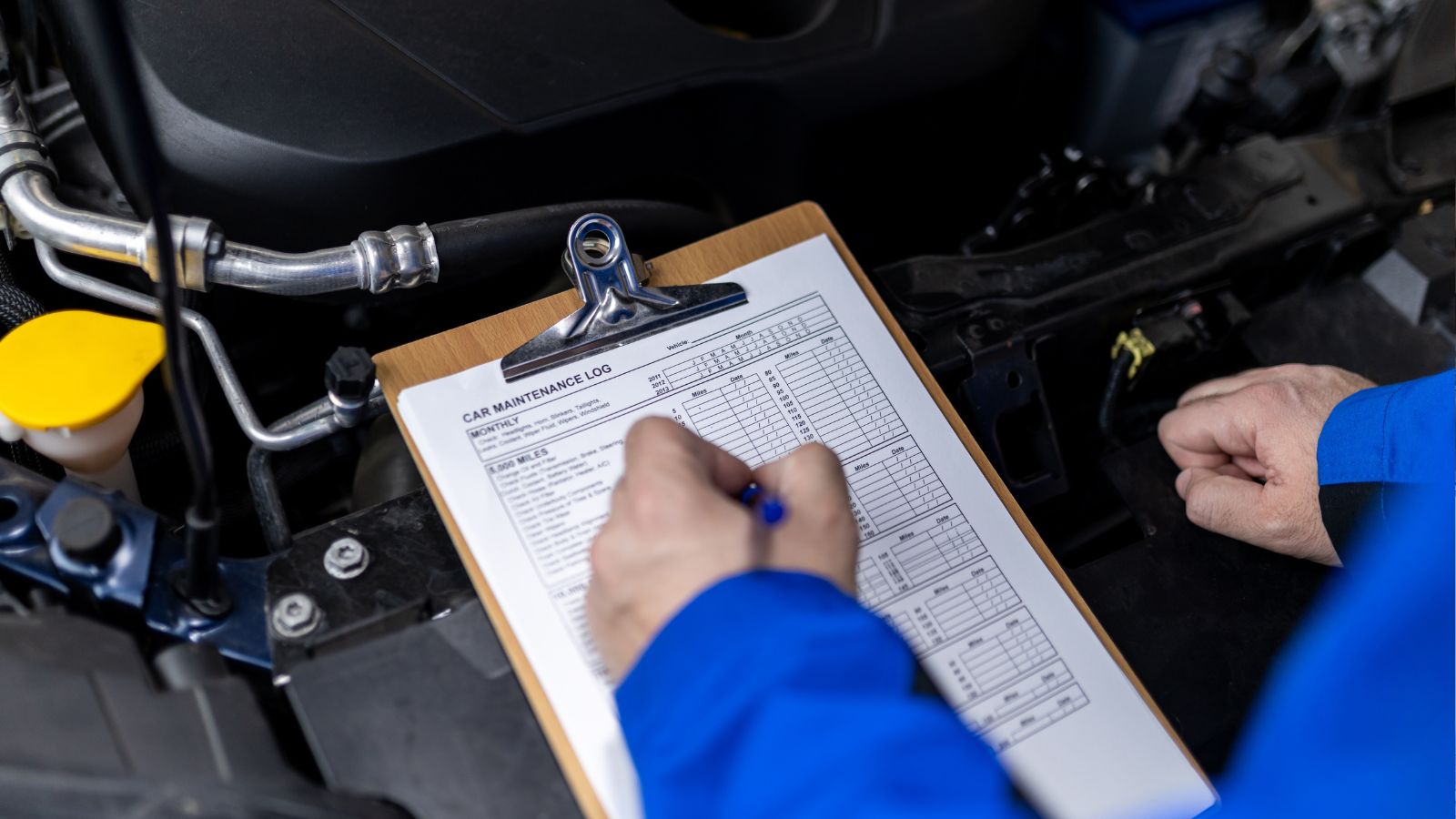
A used vehicle does not need a perfect binder of receipts to be worth buying, but a complete absence of maintenance history should slow the process down. Routine work such as oil changes, brake service, coolant replacement, and transmission maintenance tells a story about whether the vehicle was cared for or simply driven until something broke. When a seller answers every service question with a shrug, the real concern is not missing paper. It is missing proof.
That matters because deferred maintenance rarely stays cheap. A vehicle can run smoothly on a short test drive and still be overdue for expensive items such as tires, brakes, fluid services, or timing-related work. An organized record trail often signals responsible ownership, while gaps force the next owner to assume the risk. In practice, a low-mileage listing with no records can be more financially dangerous than a higher-mileage vehicle with clear evidence of steady upkeep.
A Branded Title Hiding Behind a “Clean” Story

Few warnings deserve more attention than words like salvage, rebuilt, irreparable, or flood. These title brands exist for a reason: they flag vehicles that have already been written off, badly damaged, or rebuilt after major loss. Some repaired vehicles do return to the road and operate normally, but the burden of proof should be much higher. A branded history changes value, insurance assumptions, and the odds of hidden future problems.
The bigger risk is that some vehicles do not advertise that past clearly. Title washing exists because damaged vehicles can be moved, retitled, or presented in ways that make the history look cleaner than it really is. That is why relying on the current title alone can be dangerous. A crossover that looks like a deal may actually be a former flood or total-loss vehicle wearing a more attractive paper trail, which is exactly how money-pit purchases happen.
Paperwork That Does Not Match the Vehicle

A used vehicle should match its documents cleanly and immediately. The VIN on the dashboard, the door jamb, the ownership papers, and the history report should line up without hesitation or explanation. If the paperwork shows a different color, conflicting odometer history, altered information, or anything that feels improvised, the issue is bigger than clerical sloppiness. It raises the possibility of fraud, cloning, or a vehicle whose history is being disguised.
This is especially important in private sales, where buyers often assume the documents handed over are complete and trustworthy. In Ontario, the Used Vehicle Information Package is meant to expose ownership history, lien information, and historical odometer readings, which makes discrepancies hard to ignore. A seller who treats those mismatches as minor details is really asking the next owner to absorb major legal and financial uncertainty.
Mileage That Looks Too Good to Be True

Low mileage is one of the strongest selling points in the used market, which is exactly why it deserves skepticism. The odometer should fit the whole vehicle. Worn pedal rubbers, shiny steering wheels, flattened seat bolsters, and replacement tires on a supposedly low-mileage car deserve extra scrutiny. A number on the dash means less when the rest of the cabin suggests a much harder life.
This is not a theoretical risk. Odometer fraud remains a real consumer problem because mileage dramatically changes price and perceived condition. A vehicle advertised with unusually low kilometres can command a premium even when the true wear is much higher. That makes every inconsistency expensive. If the title, maintenance records, inspection stickers, and physical wear do not tell the same story, the safer assumption is that the odometer number is the least trustworthy part of the sale.
A Seller Who Is Not the Real Owner

A simple question reveals a lot in a private sale: who actually owns the vehicle? If the seller’s identification does not match the ownership, or the explanation involves a cousin, a friend, or “selling it for someone else,” the risk rises fast. Unregistered sellers and curbsiders rely on that fuzziness because it helps them move vehicles without the normal transparency expected from a legitimate sale.
The financial danger goes beyond awkward paperwork. Ownership confusion often travels with missing history, undisclosed branding, or hidden liens. In Ontario, the UVIP is specifically valuable because it can show ownership history, lien information, and past odometer readings. That means a seller who cannot or will not line up personal ID, ownership papers, and vehicle history is not just being casual. That seller may be asking the buyer to inherit problems that should have been disclosed before money changed hands.
A Price That Feels Unreal

A bargain is one thing. A price that makes no sense is another. Used vehicles are heavily comparison-shopped, so truly under-market listings are rarely accidents. When a vehicle is priced far below similar models, the missing value is usually hiding somewhere: accident history, branding, mechanical trouble, ownership problems, or urgency from someone who wants the car gone before hard questions start.
That pattern shows up often enough that regulators explicitly warn about it. In Ontario, suspiciously low pricing is one of the classic curbsider signs because it helps questionable sellers move odometer-tampered or rebuilt vehicles quickly. The emotional trap is obvious. A low sticker can make a buyer feel clever before the inspection, title check, and repair estimate catch up. The cheapest vehicle on the screen often becomes the most expensive one in the driveway once the real story appears.
No Independent Inspection Allowed

A seller’s reaction to a pre-purchase inspection is one of the clearest tests of the entire deal. A confident seller may not love the inconvenience, but a reputable one usually understands the request. When the response is a hard no, a rush tactic, or a suggestion that the vehicle is “already certified” and does not need another look, that should be treated as a serious warning.
There is a good reason consumer agencies push this step. A history report can show accidents, flood records, or title issues, but it will not reliably reveal worn suspension, fluid leaks, transmission behaviour, or pending engine trouble. That is why independent mechanical inspections remain so valuable. A seller who blocks outside scrutiny is not protecting efficiency. More often, that seller is protecting the transaction from information that could collapse the asking price or kill the sale altogether.
Mold, Moisture, or Water Stains in the Cabin
Flood damage is one of the most deceptive ways a cheap vehicle becomes a brutal one. The cabin may be detailed, deodorized, and freshly photographed, but mildew, damp carpet, water stains, trapped moisture behind plastic lenses, or debris in hidden compartments tell a different story. Water does not just leave cosmetic evidence. It can trigger long-tail problems in wiring, sensors, connectors, and safety systems that fail weeks or months later.
That is why interior smell matters so much. A vehicle that smells overly perfumed or oddly “clean” can be covering the scent of mold and mildew rather than proving the cabin is fresh. Flood-damaged vehicles also re-enter the market more often than many buyers realize, sometimes with partial disclosure and sometimes without it. A damp spare-tire well or fogged instrument cluster may look minor during a viewing, but those clues can point to an electrical nightmare waiting beneath the carpet.
Panels and Paint That Do Not Line Up

Bodywork can reveal more than a history report summary. Uneven panel gaps, doors that shut differently from one side to the other, trim pieces that sit oddly, or sections of paint with a slightly different shade can suggest prior collision repair. That does not automatically make a vehicle a bad buy, but it does raise the question of how severe the damage was and how well it was repaired.
The expensive part is what may sit underneath those cosmetic clues. Poorly repaired structural or body damage can lead to alignment issues, wind noise, water intrusion, premature tire wear, and weaker crash protection. Even when the repair is not dangerous, it can still hurt resale value and make future work more complicated. Many buyers see a shiny exterior and move on. The smarter approach is to treat mismatched paint or misaligned panels as an invitation to investigate rather than admire.
Rust in Places That Actually Matter
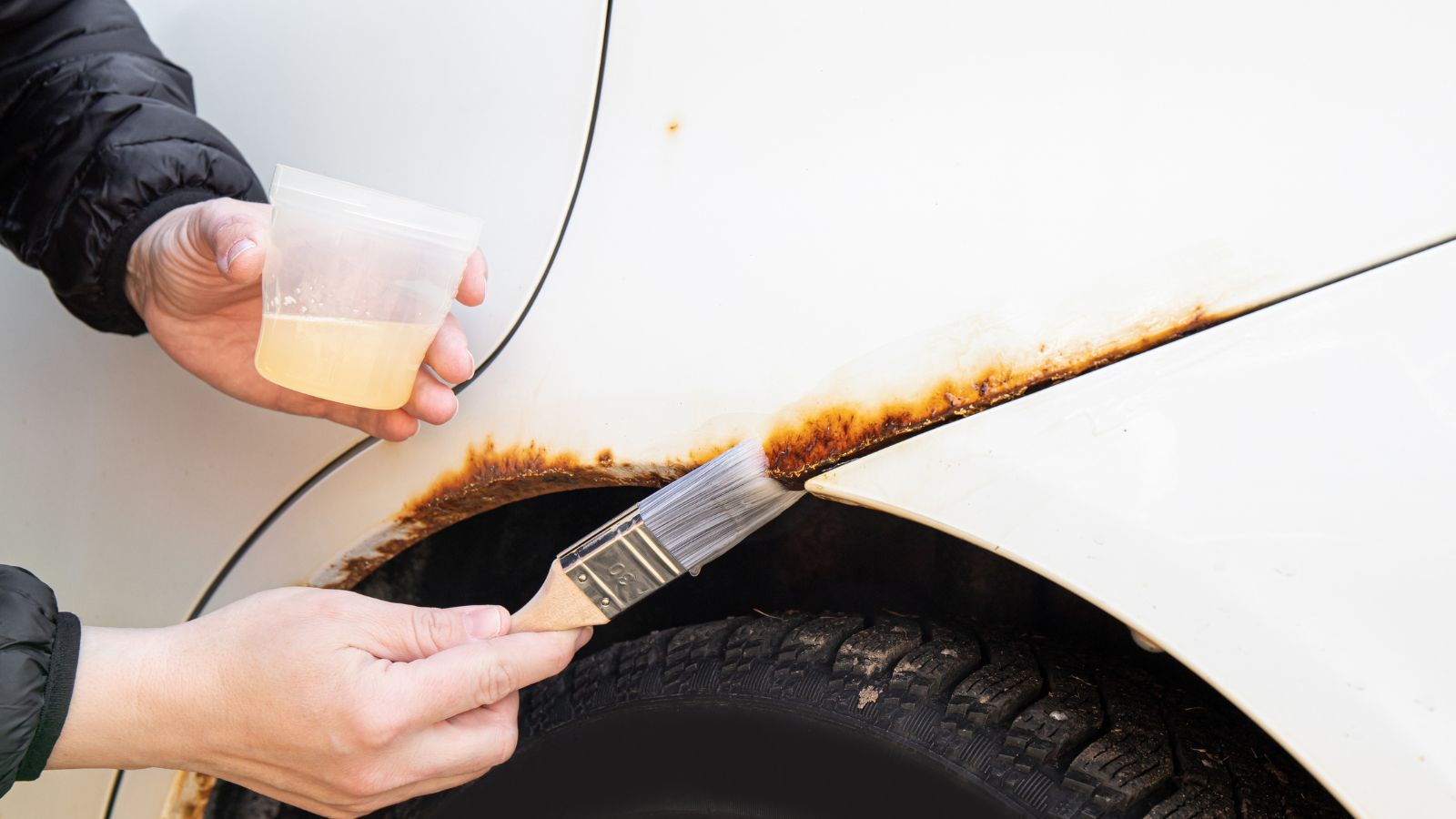
Not all rust is equal. Surface corrosion on an older vehicle may be ugly but manageable. Rust on frame rails, suspension mounting points, brake lines, rocker panels, floor sections, or underbody structural areas is a different story. That is where a used vehicle stops being merely worn and starts becoming expensive, difficult to certify, or unsafe to keep for long.
This matters even more in Canadian climates, where salt and winter moisture accelerate damage in places casual walkarounds miss. Bubbling paint in unusual areas, flaky scale underneath, or corrosion around structural points should not be dismissed as normal aging. Rust repairs are rarely tidy or cheap because the visible section is often only part of the problem. What looks like a small undercarriage issue during a driveway viewing can become welding, component replacement, and repeated inspection trouble once the vehicle is properly lifted.
Warning Lights That Behave Strangely

Dashboard lights should follow a predictable pattern. At startup, the vehicle’s warning lights should briefly illuminate, then most should go out once the systems complete their checks. If critical lights never come on at all, that can be as worrying as lights that stay on. It may point to tampering, a removed bulb, or a seller hoping no one notices a system that should be reporting a fault.
A vehicle can look and drive normally while hiding trouble in emissions, airbags, ABS, traction systems, or engine controls. Consumer experts routinely warn buyers to watch the startup sequence because it is one of the simplest ways to catch a disguised issue without tools. A check-engine light that does not appear when the ignition is switched on is not a reassuring sign. It can be the quietest clue in the whole sale and one of the costliest to ignore.
Smoke, Leaks, and Burning Smells
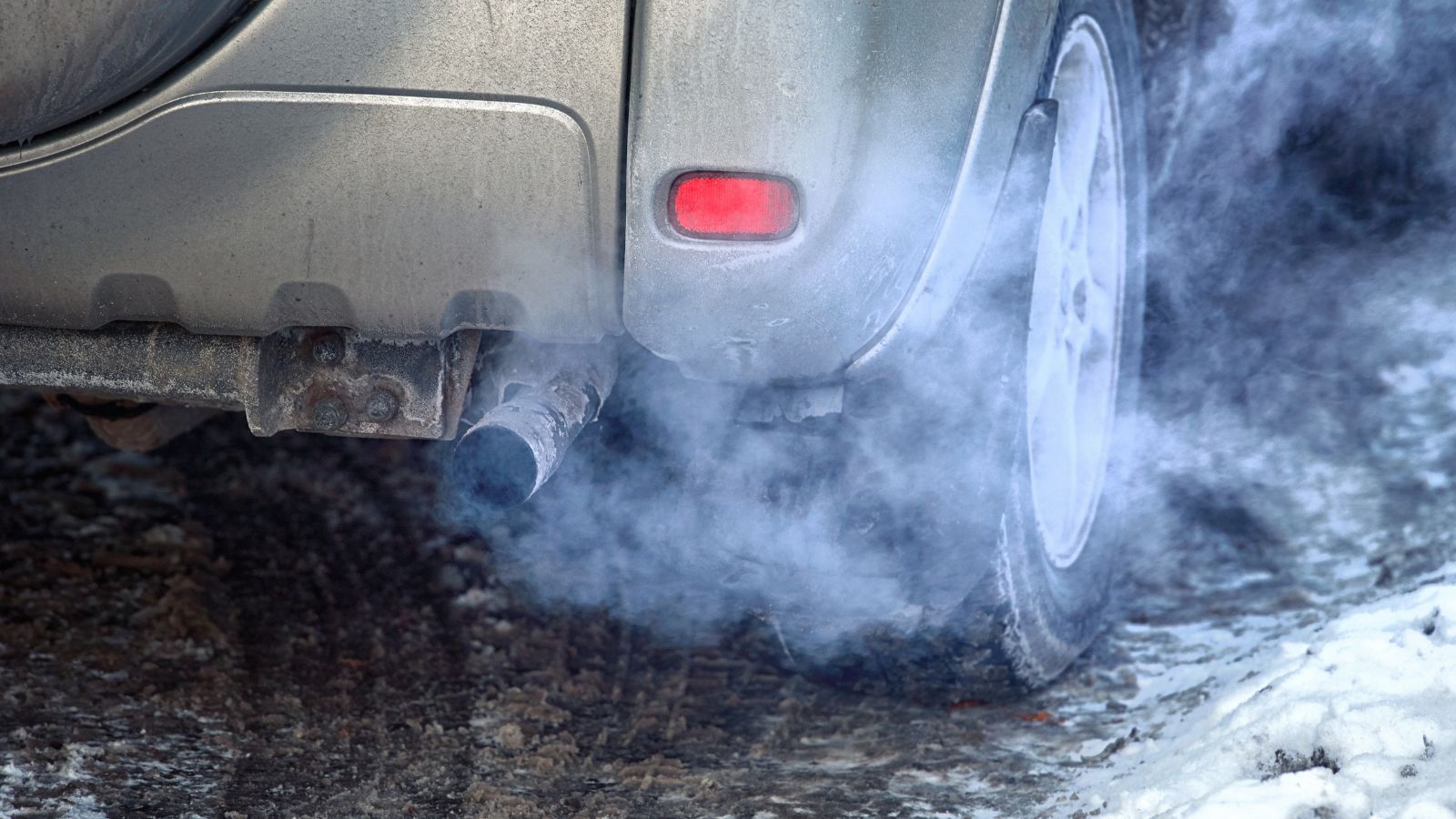
Exhaust smoke still tells an old-fashioned truth. Persistent white smoke can point to coolant entering the combustion chamber. Dark smoke can suggest a rich-running engine or oil-burning problem. Visible leaks underneath the vehicle add another layer of concern because they hint at active failures rather than cosmetic wear. A small drip can become a large repair when it involves engine oil, coolant, transmission fluid, or power-steering components.
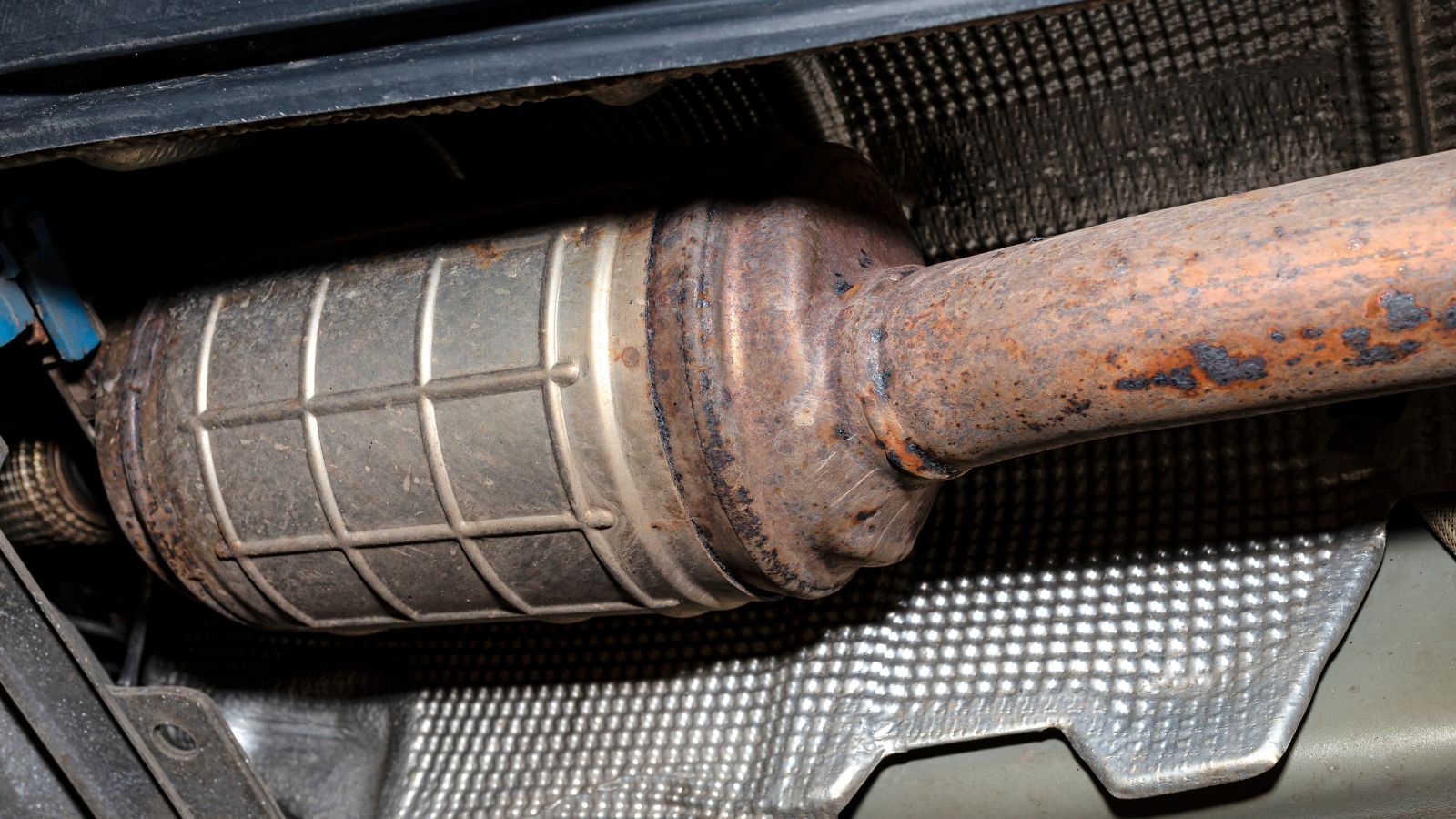
The trouble with these signs is that they tempt buyers into optimism. Many convince themselves the smoke is just condensation or the leak is only a cheap gasket. Sometimes that is true. Too often it is not. What makes this red flag especially expensive is that it rarely arrives alone. A smoky engine may also carry neglected maintenance, overheating risk, catalytic-converter damage, or internal wear that turns a seemingly affordable used vehicle into one that never really stops asking for money.
Knocks and Rattles on a Cold Start

A vehicle that sounds fine after warming up can still reveal major issues in the first few moments of a cold start. Loud knocking, heavy ticking, chain rattle, or harsh mechanical clatter should never be brushed aside with “they all do that.” Some brief startup sounds are harmless on certain engines, but persistent or aggressive noise suggests the buyer is hearing wear, poor lubrication, or components already past their comfortable lifespan.
This is why experienced shoppers often want the seller not to pre-warm the vehicle before the viewing. A warmed-up engine can mask exactly the noises that matter most. Cold-start behaviour is one of the few moments when a used vehicle tells the truth before fluids circulate and metal expands. A car that sounds unhappy before breakfast may run well enough for a test drive, but it often turns into the kind of ownership story that starts with curiosity and ends with an estimate.
A Transmission That Hesitates, Slips, or Clunks

Transmission trouble is one of the fastest ways a used vehicle purchase stops feeling cheap. Delayed engagement when shifting into drive, slipping under acceleration, harsh shifts, flaring revs, or obvious clunks should be treated as more than quirks. These are the kinds of symptoms that buyers hope are minor but mechanics often describe as warnings that the transmission has been struggling for a while.
The financial pain comes from how rarely transmission repairs stay modest. Even before a full replacement is needed, diagnosis, fluid issues, valve-body work, torque-converter problems, or internal wear can make ownership frustrating and expensive. A used car may feel attractive because the sticker price is below market, but one suspicious shift during a test drive can wipe out that savings quickly. Smooth gear changes are not a luxury detail. They are one of the clearest protections against buying a budget-killer.
Tires That Are Telling a Bigger Story
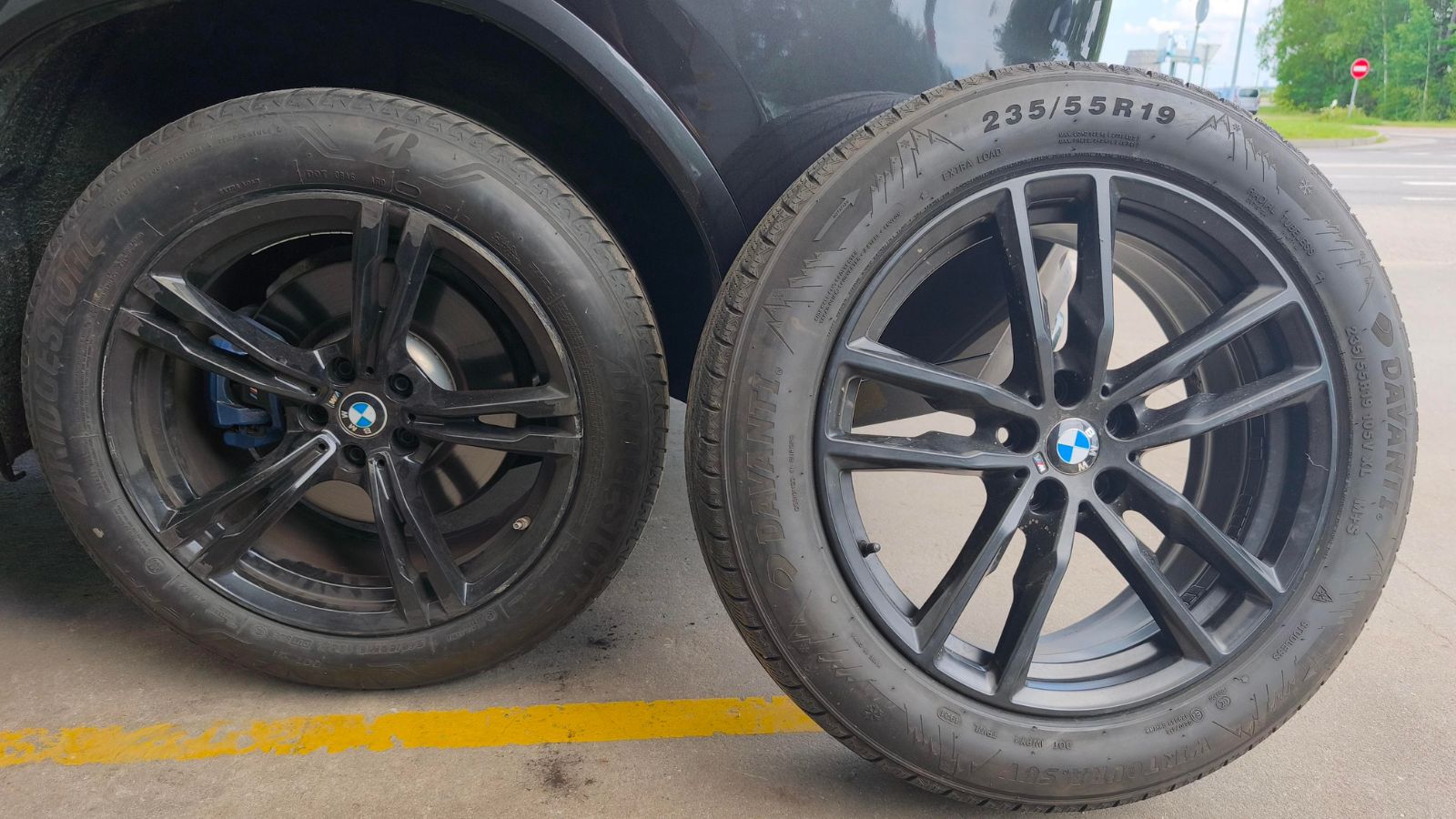
Tires are easy to overlook because they are so visible that buyers assume they have already been judged. In reality, tires often reveal problems far beyond rubber. Uneven tread, cupping, unusual shoulder wear, or four mismatched brands can point to poor maintenance, bad alignment, suspension trouble, or damage that was fixed incompletely. Tires are one of the few parts that translate the vehicle’s real-life behaviour into a visible pattern.
That makes them invaluable during a viewing. Consumer experts warn that mismatched tires can be an early sign of trouble, and cupped wear can indicate larger steering, suspension, or brake issues. A seller may frame old or uneven tires as a routine replacement item, and sometimes that is fair. But a used vehicle that has been chewing through tires unevenly is rarely asking only for new rubber. It may be asking for the underlying repair that caused the wear in the first place.
Brakes That Feel Soft, Grabby, or Unsettled

A brake pedal should feel firm, progressive, and predictable. If it sinks too easily, feels spongy, grabs abruptly, pulses, or pulls the vehicle to one side, the issue is not merely annoyance. It signals a system that may already need attention in pads, rotors, calipers, hydraulic lines, fluid condition, or more serious components. A short urban test drive can hide some of that, which is why varied-speed braking matters.
The cost risk is obvious, but the trust issue is just as important. Brakes are a basic health check on how a vehicle has been maintained. A seller willing to list a vehicle with poor brake feel may also have been casual about other safety-critical items. Consumer Reports flags spongy brakes as a major used-car warning sign for good reason. In ownership terms, soft brakes rarely remain a small problem. They tend to become a repair bill that arrives quickly and feels entirely avoidable.
A Ride That Bounces, Leans, or Feels Loose
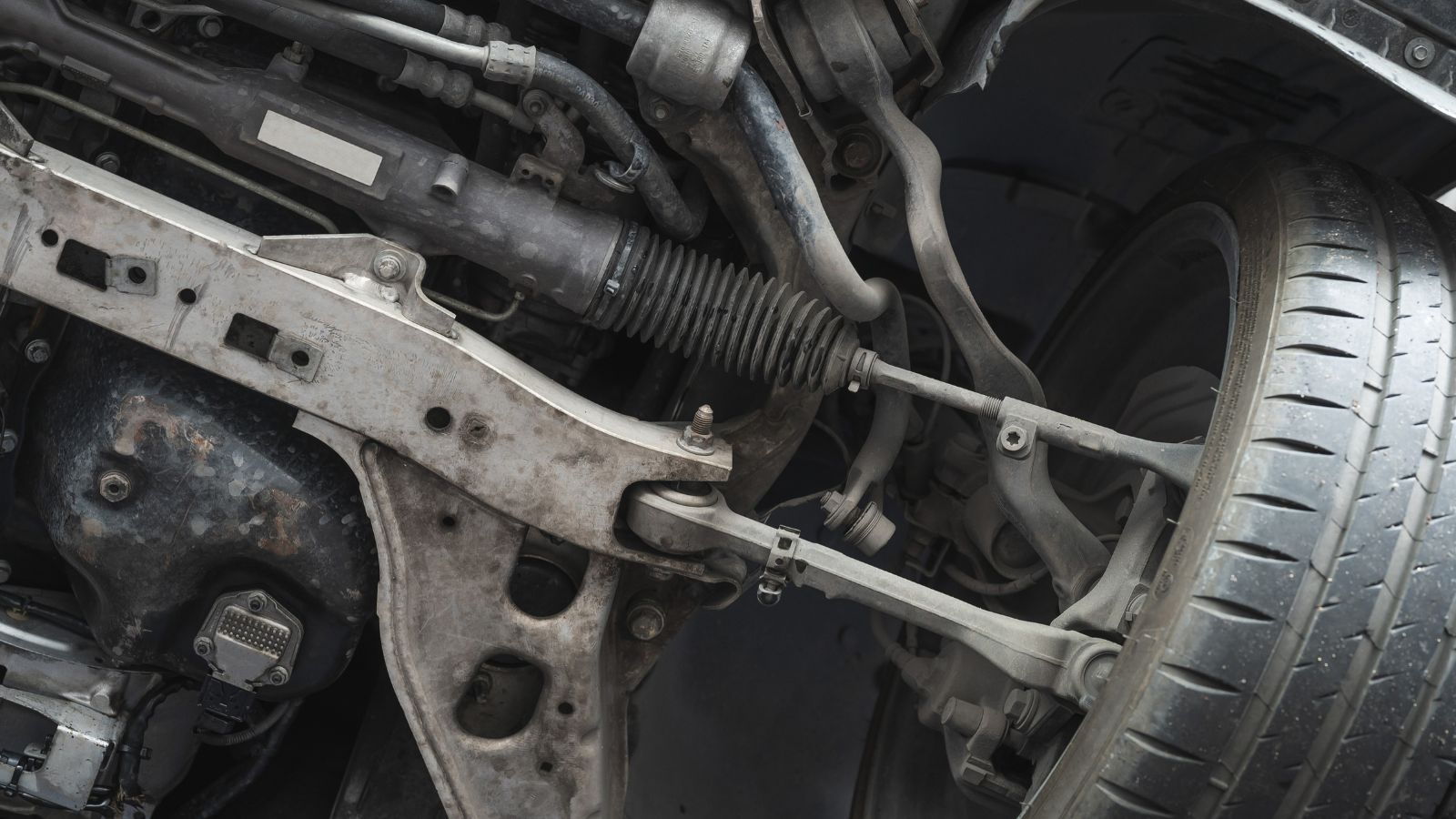
Suspension issues often disguise themselves as the normal feel of an older vehicle. A used SUV that bounces excessively after bumps, leans heavily in turns, dives under braking, or feels unsettled over rough pavement may be wearing tired shocks or struts. Those parts do not always fail dramatically. They can fade slowly enough that the vehicle still feels acceptable to an inattentive driver while steadily becoming more expensive to sort out.
That matters because worn suspension rarely affects just comfort. It can lengthen stopping distances, accelerate tire wear, make steering less precise, and expose other worn components. Consumer guidance routinely lists worn shocks and struts among major used-car red flags, and even simple driveway checks can reveal clues if the body continues bouncing after pressure is applied at each corner. A floaty ride can seem livable for a week. By month two, it often feels like the start of a parts list.
Open Recalls That Never Got Fixed

A used vehicle with unresolved recalls may already be carrying a known safety defect. That can involve airbags, brakes, fuel systems, steering, or other components serious enough for a manufacturer or regulator to issue an official repair campaign. The danger is that recalls are easy to ignore in listings, especially when the vehicle looks clean and the seller wants to keep the focus on price and appearance.
This is not a niche problem. In Canada, CARFAX Canada said one in four vehicles searched in 2025 had at least one unfixed issue, and the company reported nearly one million open recalls on used vehicles for sale that year. Both NHTSA and Transport Canada offer VIN-based recall lookup tools because unresolved recalls are common enough to warrant constant checking. A used vehicle can still be worth buying with an open recall, but only if the issue is identified and the repair path is clear before the purchase becomes final.
19 Things Canadians Don’t Realize the CRA Can See About Their Online Income

Earning money online feels simple and informal for many Canadians. Freelancing, selling products, and digital services often start as side projects. The problem appears at tax time. Many people underestimate how much information the CRA can access. Online platforms, banks, and payment processors create detailed records automatically. These records do not disappear once money hits an account. Small gaps in reporting add up quickly.
Here are 19 things Canadians don’t realize the CRA can see about their online income.