























Used-SUV shopping is full of tempting math: more space, more features, and sometimes even a premium badge for the price of a new compact car. That is what makes the category so seductive. A vehicle that once sat far above a family budget can suddenly look sensible once depreciation does the hard work.
These 17 used SUVs show how that logic can break down. Some are mainstream models with one expensive weak point that changes the ownership story. Others are luxury SUVs whose secondhand prices fall much faster than their repair costs. The pattern is familiar: the test drive feels like a win, the purchase price feels clever, and then the maintenance line starts rewriting the whole deal.
Ford Explorer (2011–2019)
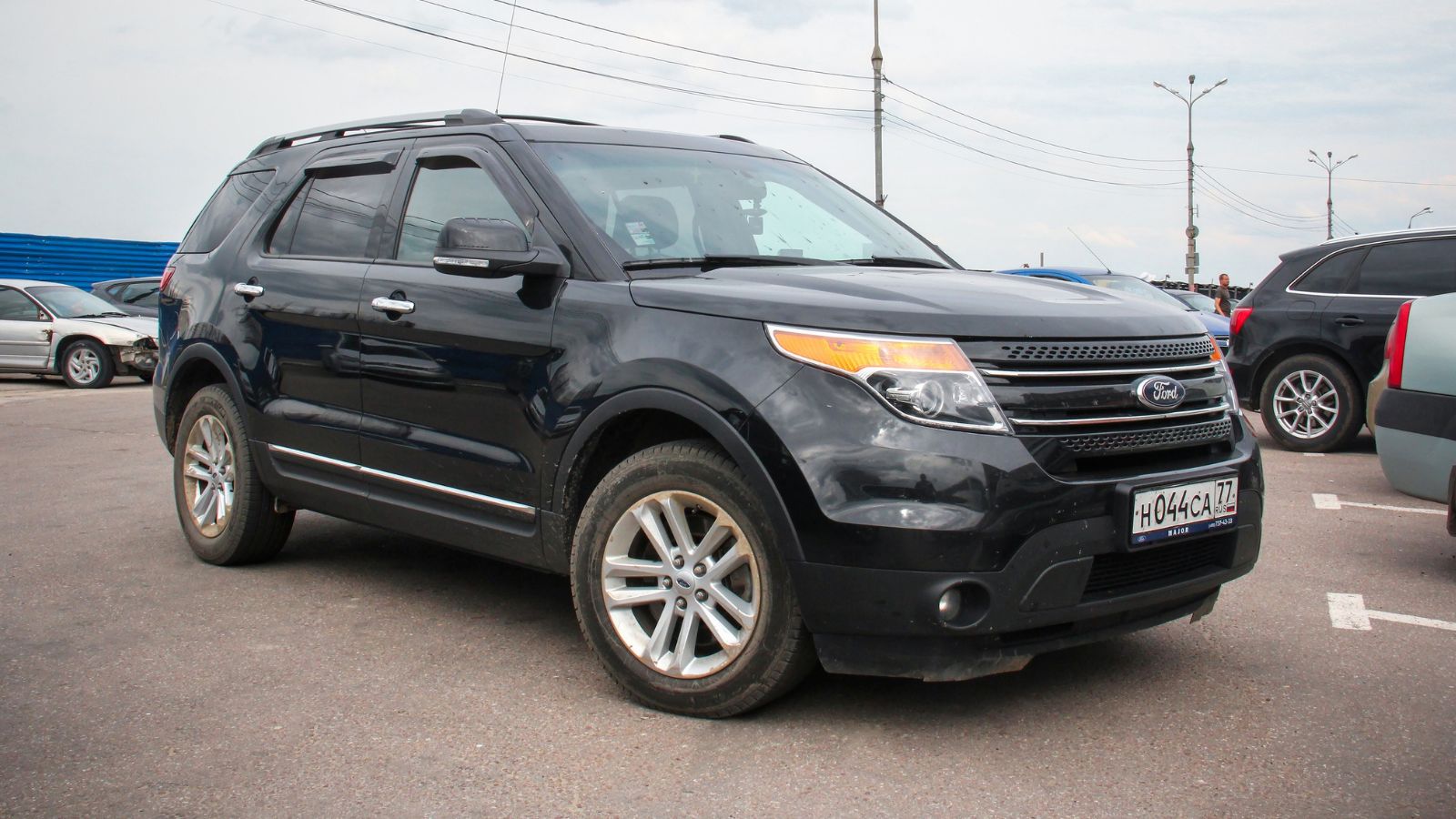
A used Ford Explorer often makes immediate sense on paper. It is roomy, easy to find, and usually cheaper than the most sought-after Japanese rivals. For families who want three rows without paying Highlander money, it can look like the practical middle ground. That first impression is helped by the Explorer’s familiar styling and broad trim range, which means even older examples can still feel well-equipped.
The problem is that one major repair can erase the savings fast. Long-term maintenance projections run above the segment average, and the Explorer’s major-repair odds are not especially comforting either. When a bigger job lands, the math gets ugly in a hurry. A water-pump replacement alone can climb well into four figures, which is the kind of bill that turns a smart-looking used buy into an expensive lesson.
Jeep Grand Cherokee (2011–2020)
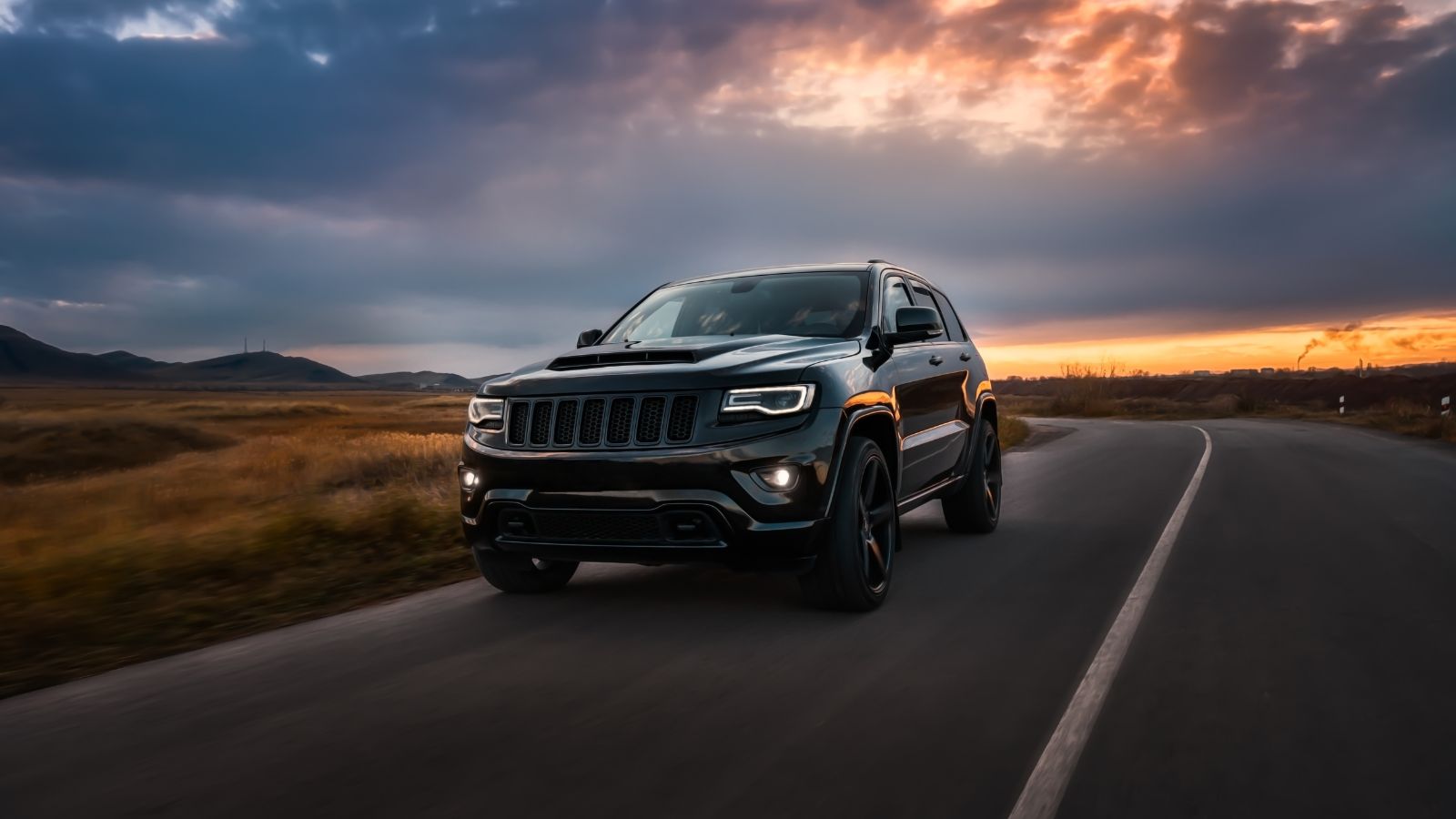
The Jeep Grand Cherokee is one of those SUVs that sells an image as much as a vehicle. It feels tougher and more upscale than many mainstream rivals, and on the used market it often looks like a bargain version of a luxury SUV. That mix of comfort, capability, and strong curb appeal explains why older Grand Cherokees still attract buyers who want something nicer than a typical family crossover.
Ownership costs are where the romance starts fading. Long-term maintenance estimates sit well above the average for popular SUVs, and the probability of a major repair is meaningfully higher than many shoppers expect. The sting is even sharper on air-suspension-equipped versions, where a single failed component can cost nearly two thousand dollars before taxes and shop rates change the picture. The result is a vehicle that can feel premium at purchase and expensive everywhere afterward.
Dodge Durango (2011–2020)
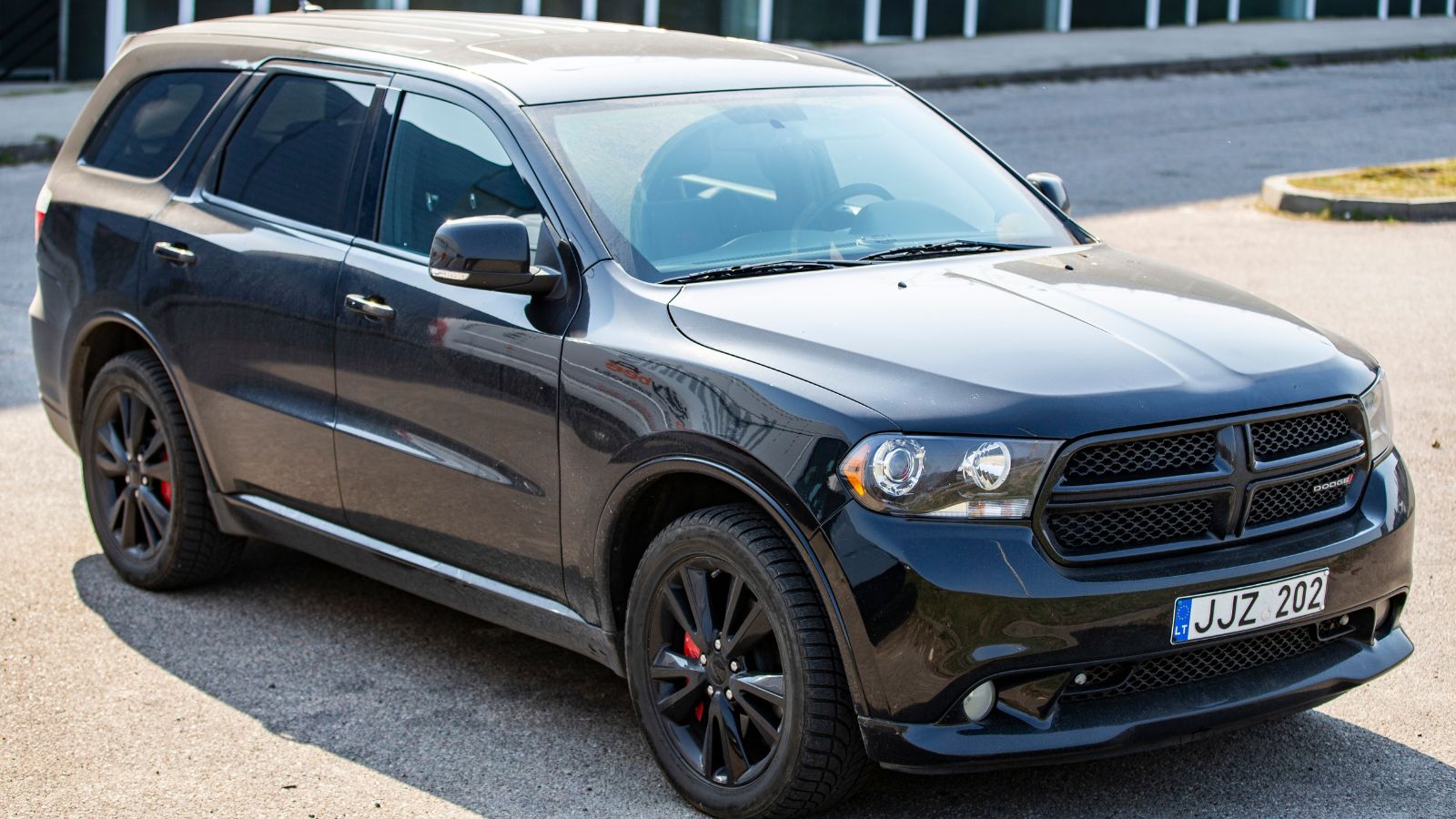
The Dodge Durango has always benefited from looking more special than the average three-row SUV. It offers rear-wheel-drive roots, available V8 power, and a tougher stance than most family haulers. On the used market, that combination can feel like a clever move for shoppers who want space without buying something bland. It is especially easy to understand the appeal when comparable full-size SUVs still carry much higher asking prices.
The trouble is that the long-term ownership math is not especially friendly. Maintenance and repair projections over ten years run well above the average for mainstream SUVs, and the chance of a major repair is higher than ideal. Even routine age-related repairs are not always cheap. A water-pump replacement, for example, can approach the kind of number that makes an owner postpone other work. That is how a used Durango becomes a budget stretch instead of a budget win.
GMC Acadia (2007–2016)
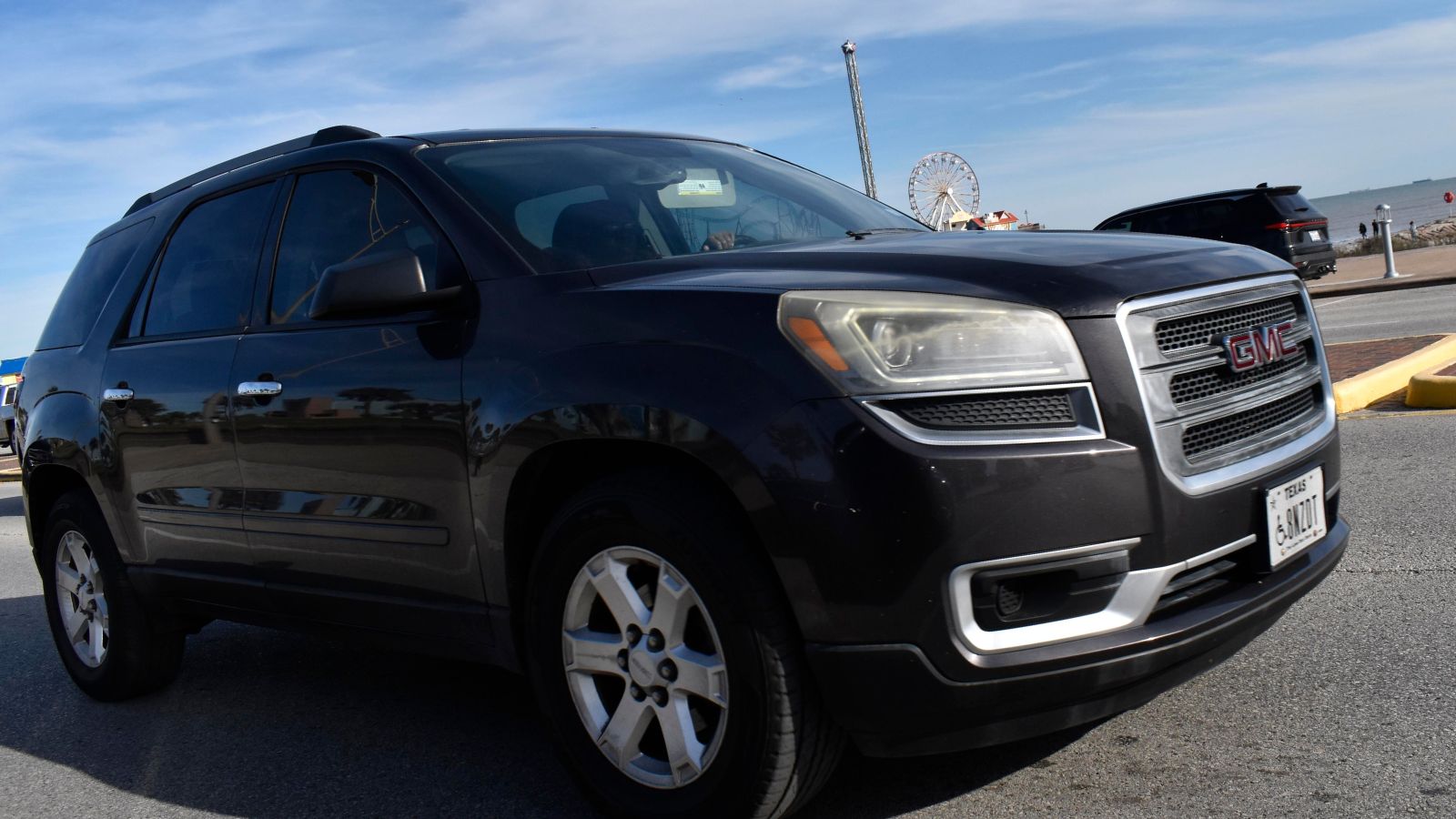
Older GMC Acadias can look like excellent value because they offer a lot of vehicle for the money. There is usable family space, an upscale-enough cabin on better trims, and a nameplate that still feels more polished than some rivals from the same era. Plenty of shoppers see one and think they have found a practical way into a roomy SUV without stepping up to a more expensive Tahoe or Yukon.
The trap is that some of those savings exist for a reason. The Acadia’s long-term maintenance outlook sits above the average for similar SUVs, and one of the ugliest examples of that comes when timing-related engine work enters the picture. Timing-chain and gear-set repairs can run into several thousand dollars, which is a brutal bill on a vehicle whose market value may already be modest. That mismatch between purchase price and repair exposure is exactly what makes older Acadias risky.
Chevrolet Traverse (2009–2017)
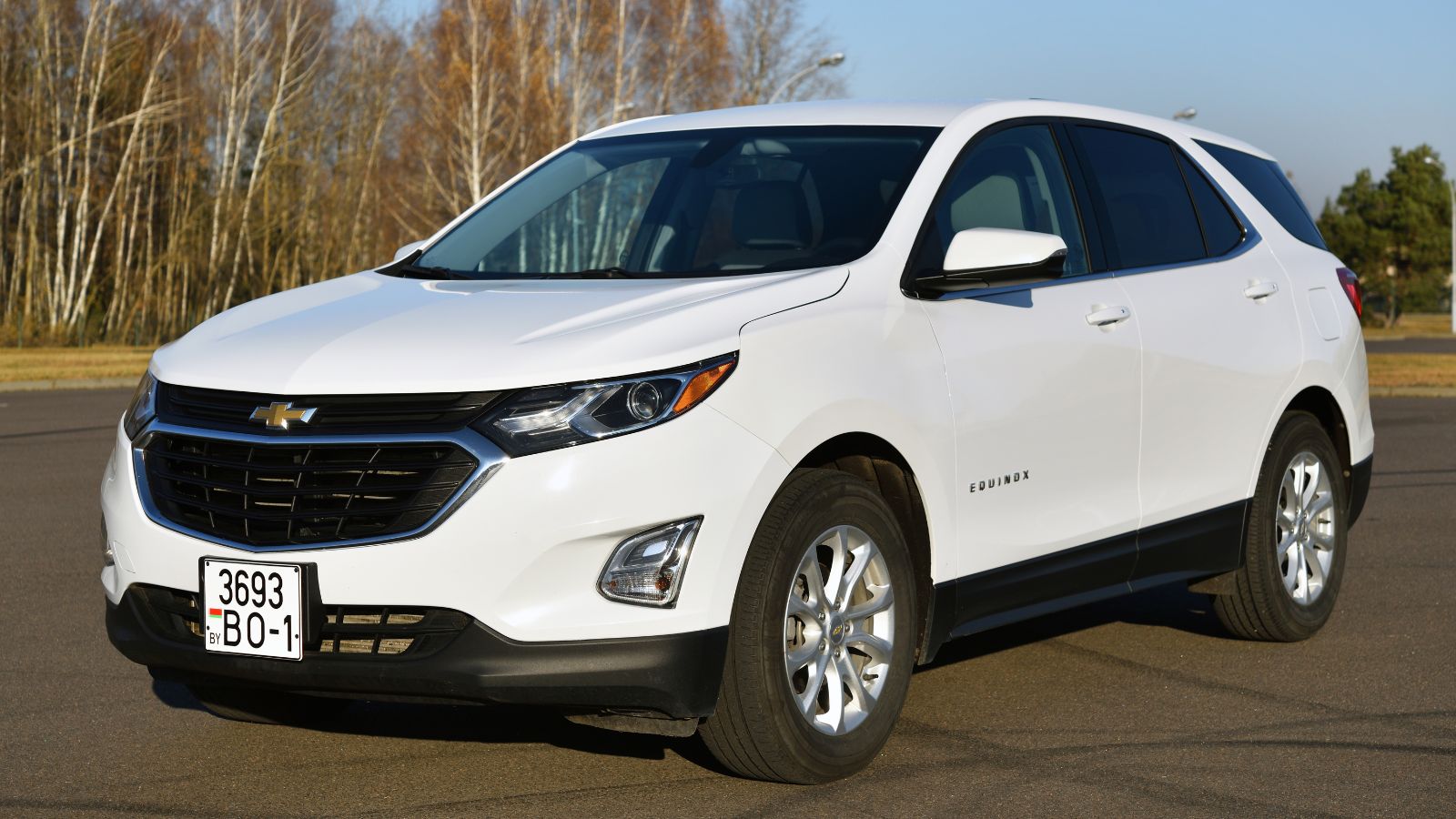
A used Chevrolet Traverse usually appeals to shoppers who prioritize space above everything else. It offers a huge cabin, genuinely useful third-row room, and enough presence to feel bigger and more substantial than many midsize crossovers. For parents comparing square footage per dollar, it often looks like a smart compromise between a minivan and a full-size truck-based SUV.
That value proposition weakens once repair exposure is added to the conversation. Long-term maintenance costs come in well above the segment average, and the model’s major-repair risk is not trivial. Timing-related engine work is a particularly painful example, because the repair can run high enough to make owners question whether the vehicle is worth saving. The Traverse is not hard to understand as a used purchase, but it is also not hard to understand why owners start feeling trapped after the first really big bill.
Volkswagen Tiguan (2009–2017)
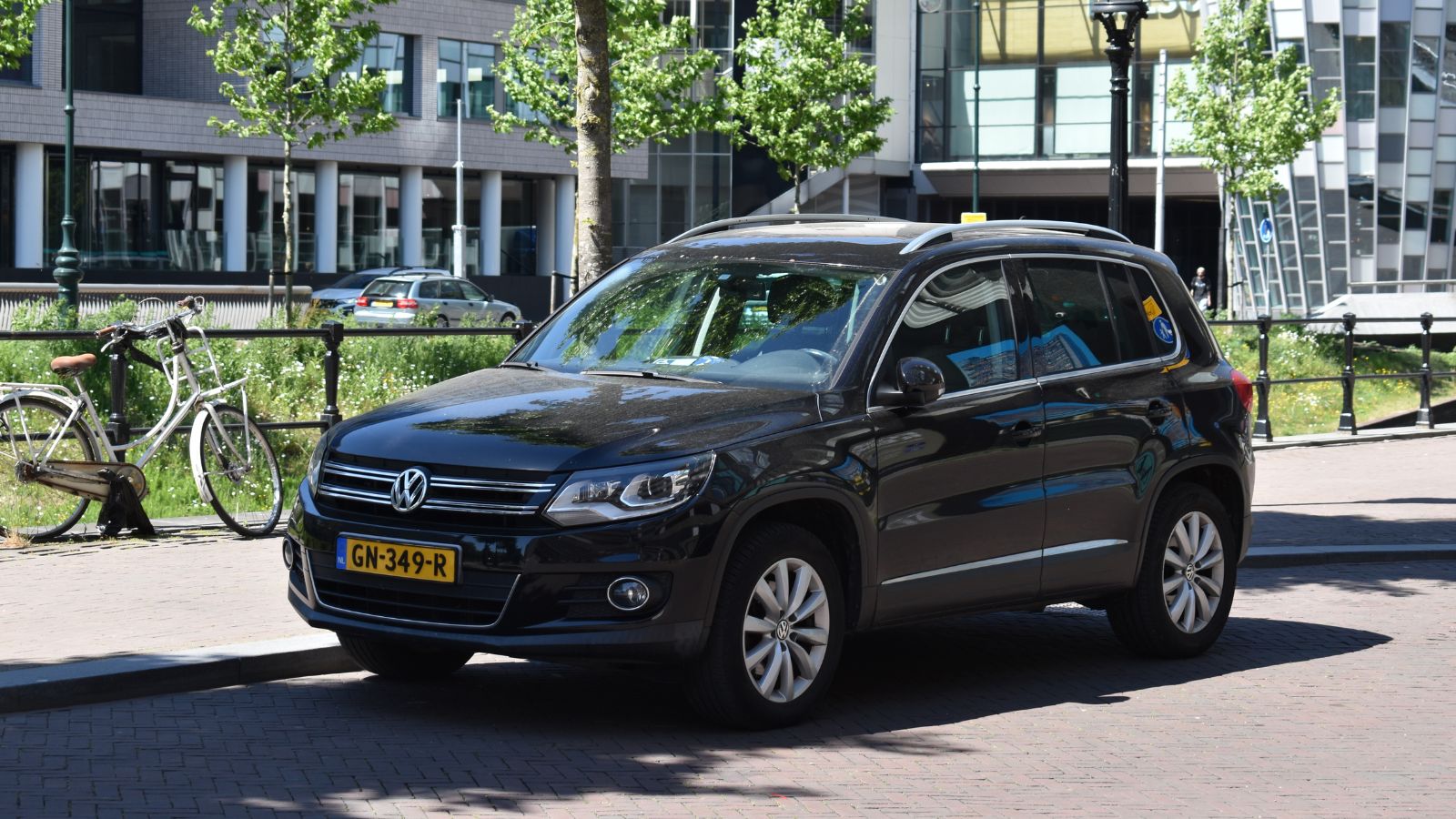
The first-generation Tiguan has always had a strong showroom trick, even in used form: it feels more refined than its price suggests. The cabin design, road manners, and overall German character can make it seem like a smarter alternative to more ordinary compact SUVs. For buyers who want something smaller but not stripped down, a used Tiguan can come across like the grown-up choice.
The problem is that European polish does not automatically bring low operating costs. Average annual repair spending sits above the compact-SUV norm, and certain engine-related repairs can turn a low purchase price into a false economy. Timing-chain tensioner work is a good example, because the cost can quickly move past what many owners expected when buying a modestly priced used crossover. That is the danger here: the Tiguan often feels more expensive in ownership than it first appears on a classified ad page.
INFINITI QX60 / JX35 (2013–2020)
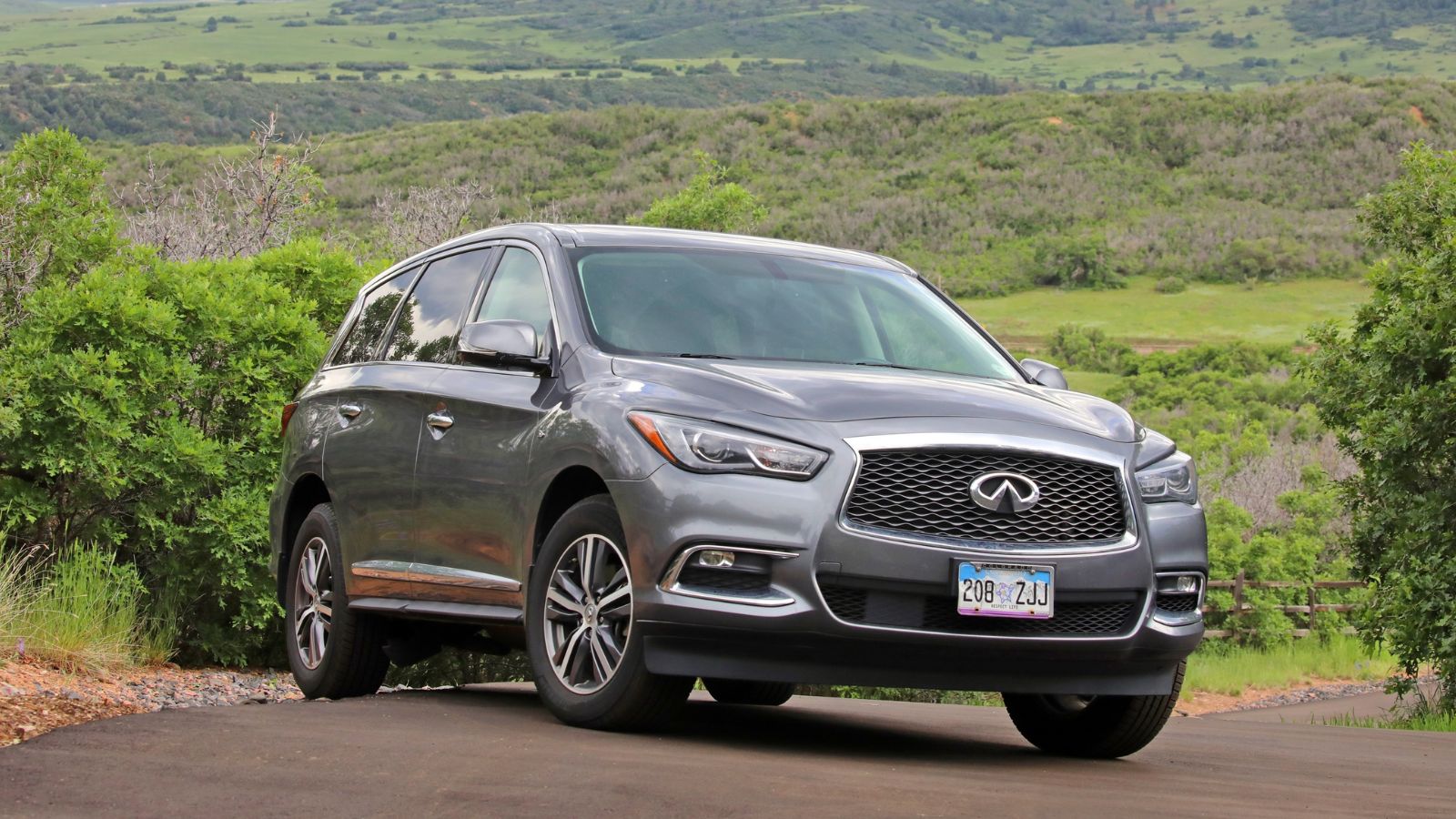
A used QX60 or earlier JX35 often looks like a savvy family upgrade. It usually undercuts comparable luxury SUVs, offers a generous cabin, and carries an upscale badge without the intimidating purchase price attached to German rivals. For buyers focused on comfort and second-row friendliness, it can feel like one of the easiest luxury crossovers to justify.
Routine upkeep is not what makes this one uneasy. The bigger issue is the transmission history hanging over certain model years. INFINITI issued service actions related to CVT behavior and later extended warranty coverage on affected vehicles, which tells the whole story about why shoppers need to be careful. A used luxury SUV may seem like a clever steal until it comes with a transmission paper trail that changes the risk profile entirely. In that situation, the real bargain is often the one a shopper skips.
Hyundai Santa Fe Sport (2013–2018)
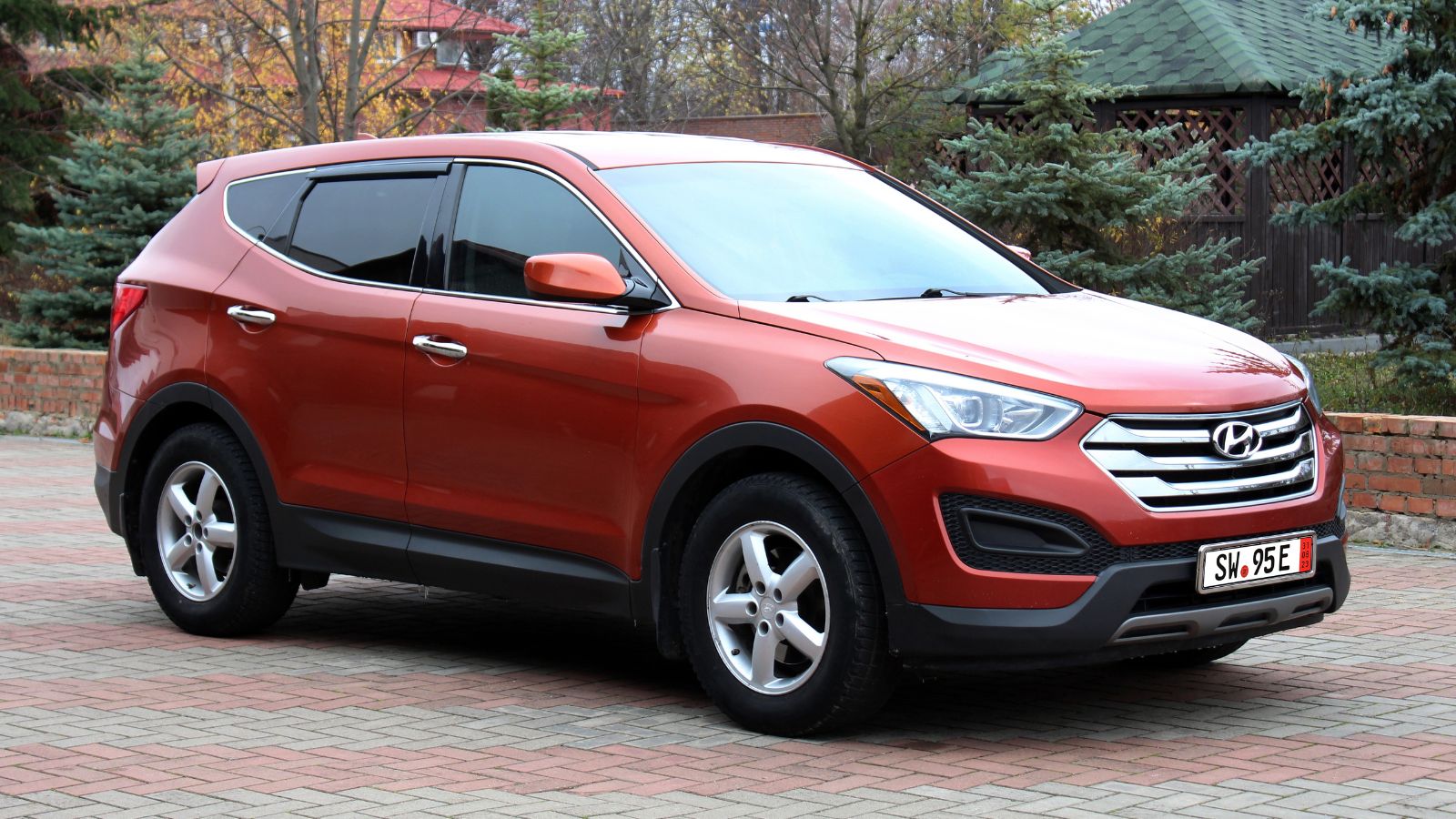
The Santa Fe Sport has the kind of used-market profile that naturally attracts practical buyers. It is comfortable, nicely sized, and often priced low enough to feel like a smarter move than paying extra for a Toyota or Honda badge. Many examples also look well kept, which only adds to the impression that this is a safe, rational used-SUV choice.
The caution is not about every Santa Fe Sport. It is about certain engine-affected examples that became part of Hyundai’s broader recall and campaign history around engine failure risk. Once a model develops a reputation for major engine concern, the buying equation changes even if the sticker price looks attractive. A bargain used SUV loses a lot of charm when the owner has to spend time chasing VIN history, software updates, and recall completion records before feeling comfortable with the purchase.
Jeep Cherokee (2014–2020)
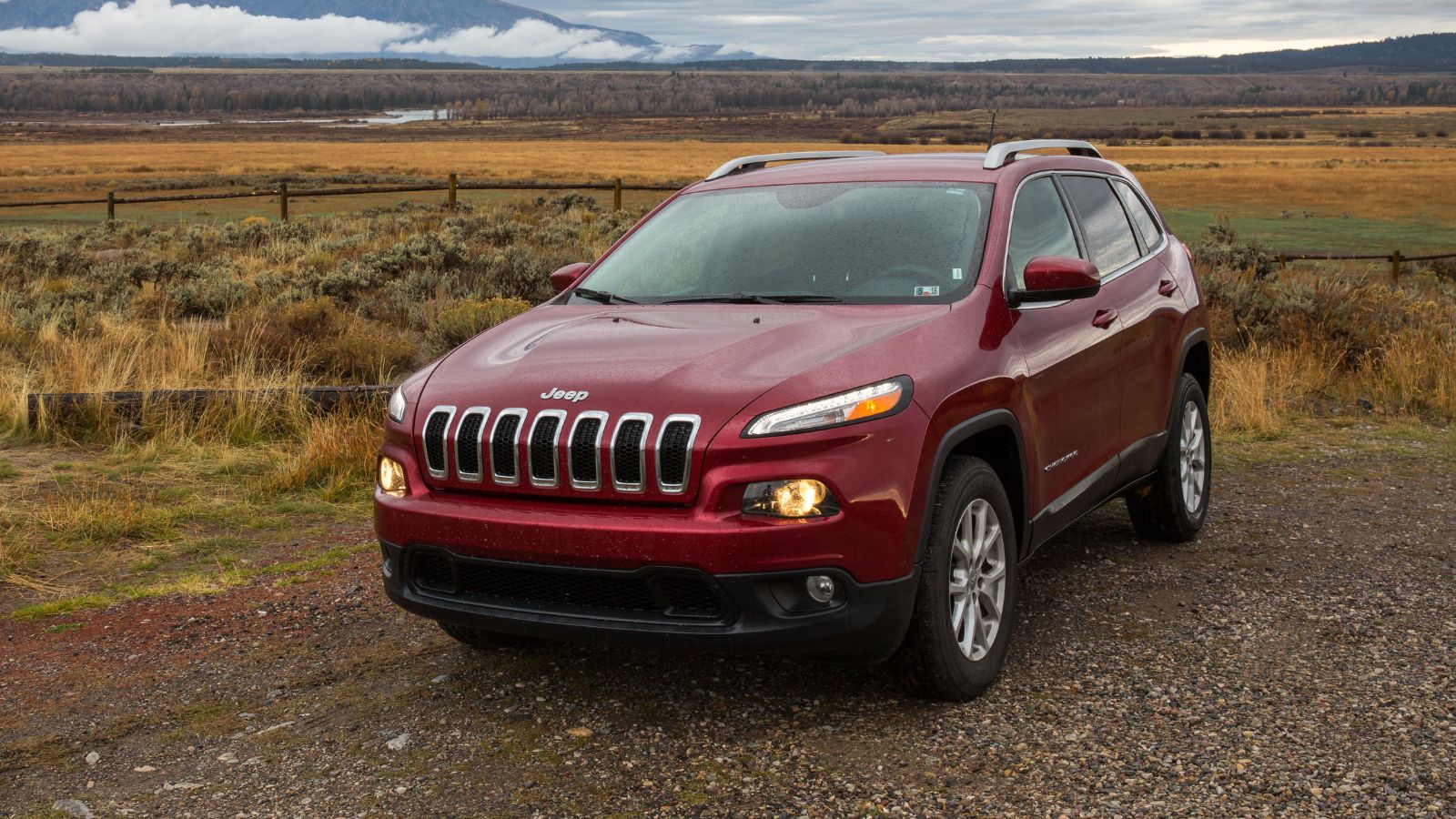
The modern Jeep Cherokee often wins buyers over because it promises more personality than a typical compact crossover. It offers useful size, a respectable feature set, and a Jeep badge that hints at ruggedness even when the vehicle will spend most of its life on pavement. On the used market, that combination can feel like a more interesting alternative to the usual CR-V or RAV4 logic.
What unsettles the value story is the transmission history attached to certain examples. Jeep documents show warranty extensions and later customer-satisfaction actions involving 9-speed transmission concerns, and that is not the kind of ownership narrative bargain hunters want to inherit. The Cherokee’s average annual repair spending does not look outrageous at first glance, but transmission uncertainty changes the emotional cost of ownership. A vehicle stops feeling like a deal once the owner starts wondering whether the next shift flare is a warning sign.
BMW X5 (2011–2018)
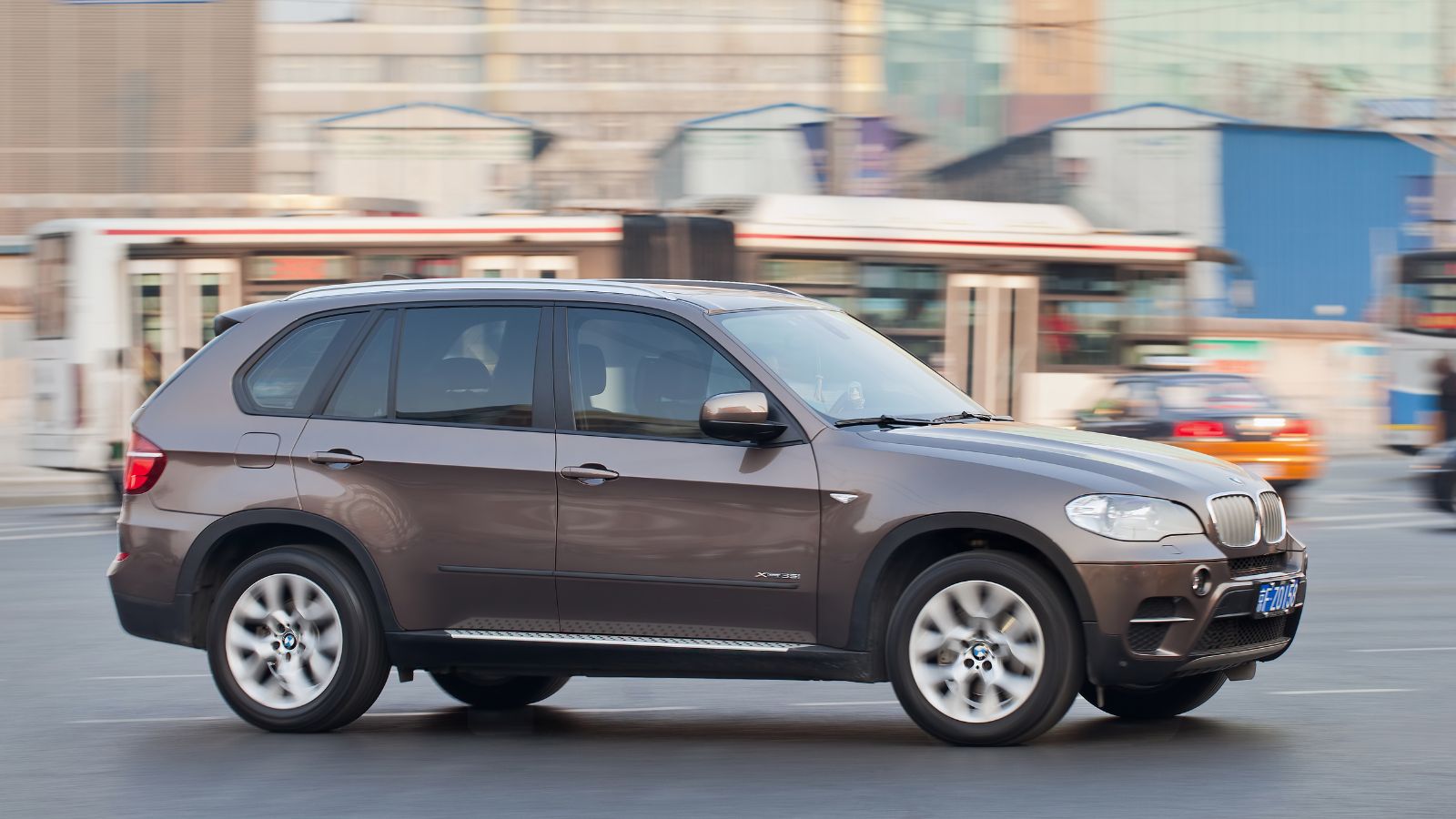
Few used luxury SUVs are more convincing at first glance than the BMW X5. The badge still carries weight, the interior often ages well, and the driving experience can make many mainstream SUVs feel dull by comparison. Depreciation does a lot of heavy lifting here, which is why older X5s regularly tempt buyers who would never consider a new one.
The catch is that BMW-level engineering keeps BMW-level repair costs even after the market value falls. Average annual repair spending is high, long-term maintenance projections are significantly above the luxury-SUV norm, and the chance of a major repair is hard to ignore. Then there are the specific repair examples that remind owners how expensive “premium” really is. A water-pump job can push well past a thousand dollars, while gasket-related work can climb higher still. That is how a used X5 turns from aspirational to exhausting.
BMW X3 (2011–2017)
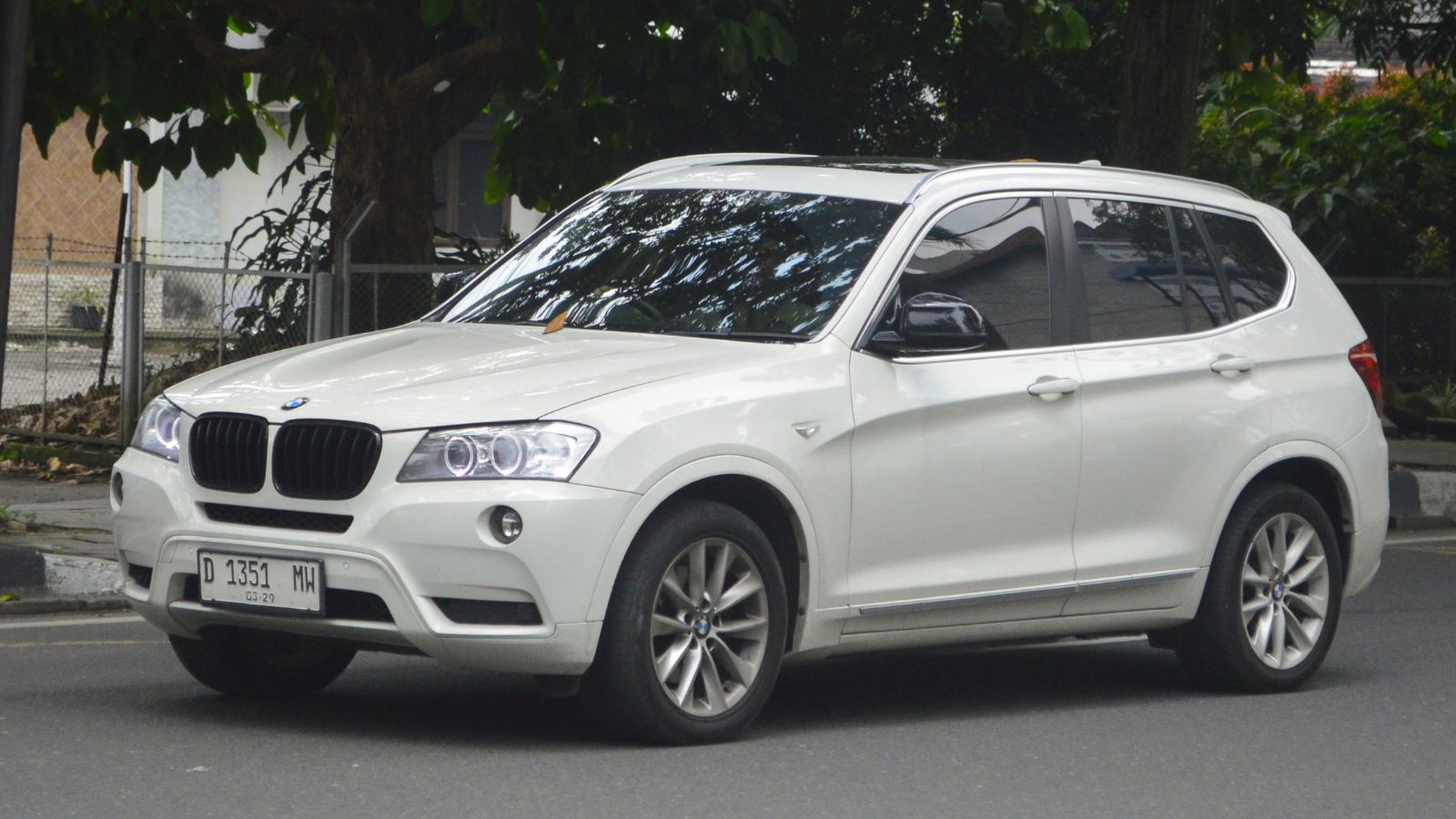
The BMW X3 is easy to rationalize because it feels like the mature choice in the compact-luxury crowd. It is not as flashy as some rivals, which actually helps it on the used market. Buyers see a tasteful interior, a respected badge, and a size that works in everyday life. It looks like a sensible way to get premium quality without stepping into a larger, thirstier SUV.
But the ownership numbers tell a colder story. Average annual repair costs run well above the segment average, and long-term maintenance projections land thousands above what many competing luxury SUVs are expected to cost. The major-repair probability is also a warning sign. Once age and mileage catch up, even seemingly ordinary repair items can get pricey. Valve-cover-gasket and oil-cooler-related work are the kind of jobs that turn a polished compact luxury SUV into a recurring service appointment.
Audi Q7 (2011–2017)
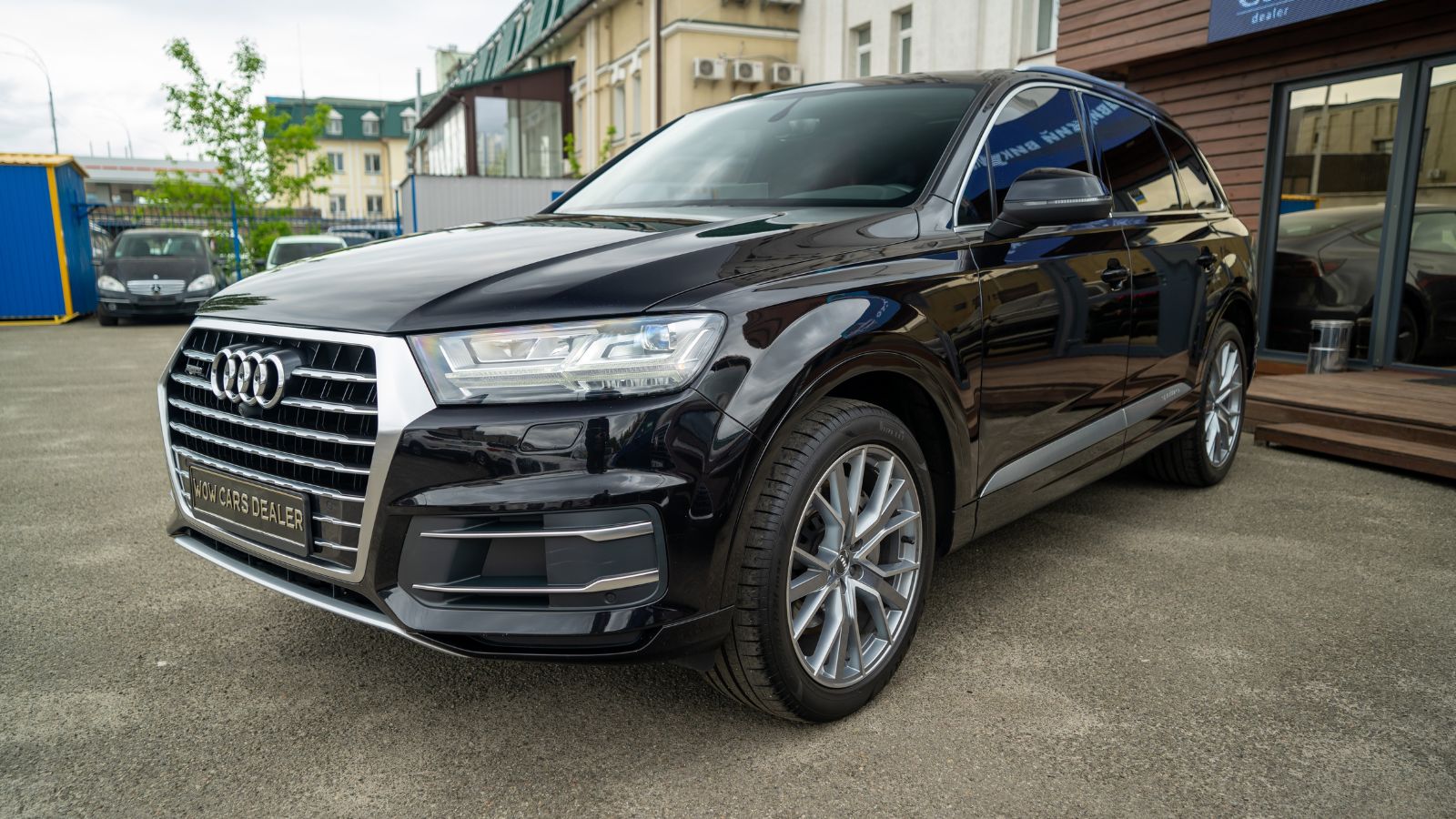
The Audi Q7 is one of the most convincing used luxury SUVs because it still feels expensive long after the price has dropped. It offers understated design, a sophisticated cabin, and a substantial road presence that makes many similarly priced used SUVs feel ordinary. For buyers who want a premium family vehicle without a new-car payment, the Q7 can seem like a masterstroke.
The problem is that the repair bills do not depreciate as gracefully as the purchase price. Average annual maintenance is high, and long-term repair projections stay above the luxury-SUV average. More importantly, the Q7 carries the sort of repair examples that can wreck a budget on a single visit. Air-suspension work can run deep into four figures, and timing-chain tensioner repairs can move into truly uncomfortable territory. That is the Q7’s central contradiction: it becomes affordable to buy before it becomes affordable to fix.
Mercedes-Benz GL / GLS (2013–2019)
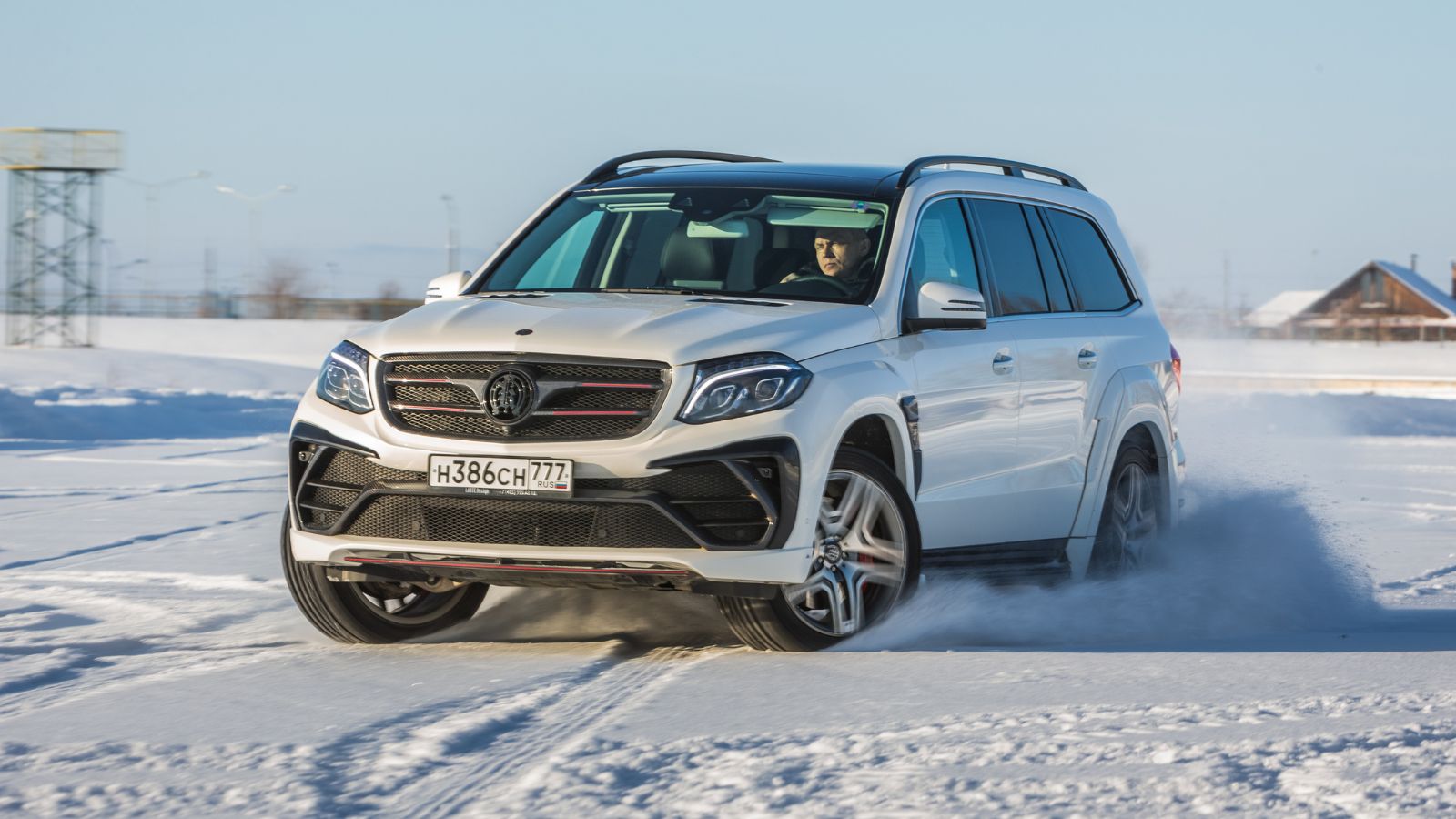
The GL and later GLS are classic “dream SUV at used-car money” machines. They are big, handsome, and unmistakably luxurious, which makes them feel like brilliant value once the first owner has absorbed the steepest depreciation. For families who want real three-row comfort and a premium badge, few used SUVs make a stronger first impression.
Long-term ownership, though, can get serious very quickly. Maintenance projections over ten years are several thousand dollars above the luxury-SUV average, and the probability of a major repair is substantial. The big-ticket repair examples are where this model really loses its bargain aura. Suspension-related work can become remarkably expensive, especially on vehicles loaded with more complex components. That means a used GL or GLS can be delightful right up until it needs the kind of repair that reminds the owner this was never meant to be a budget vehicle in the first place.
Porsche Cayenne (2011–2018)
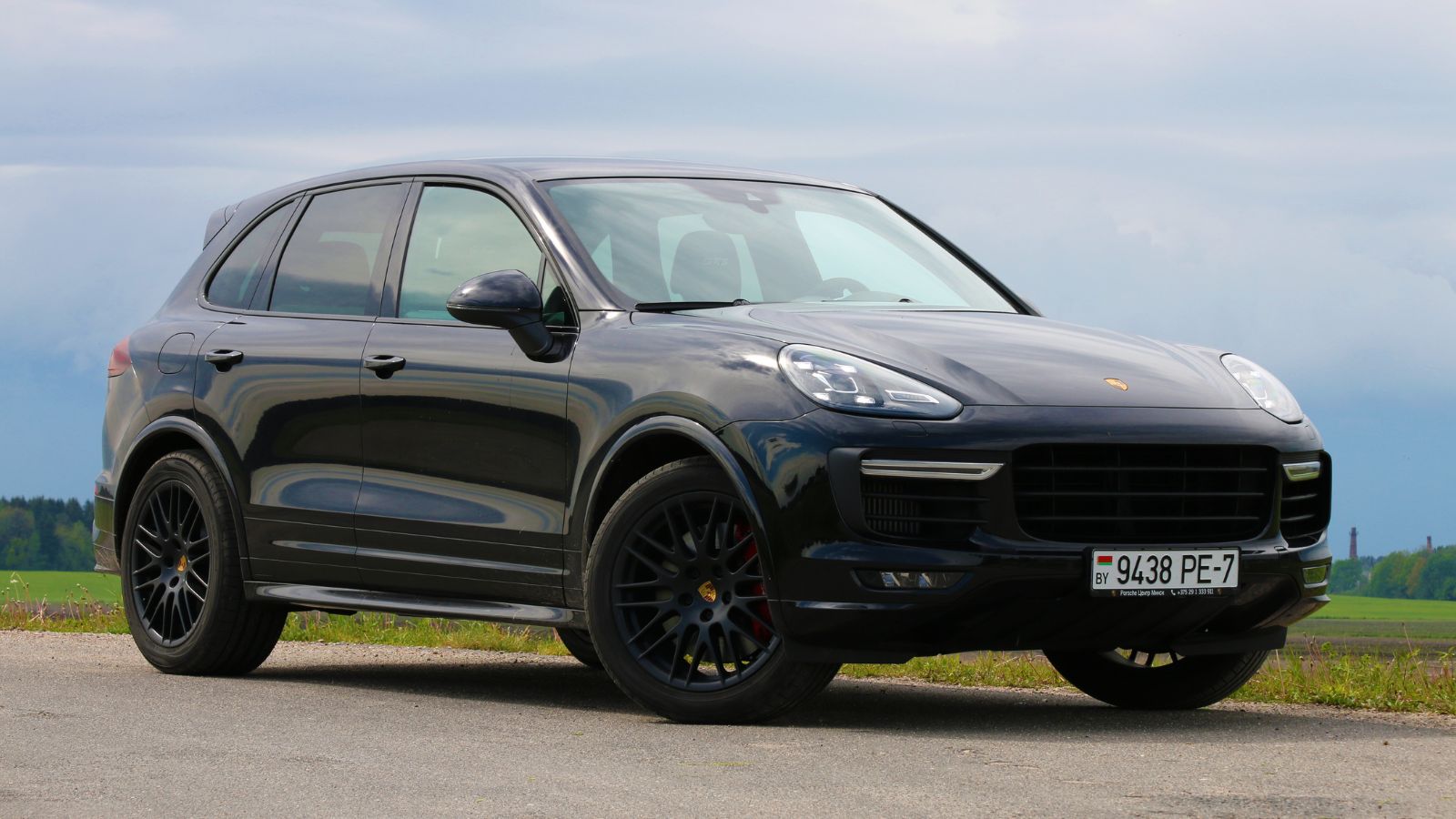
The used Cayenne may be the purest example of premium depreciation creating false confidence. It carries the Porsche badge, still looks expensive, and often drives far better than the average SUV at a similar used price point. That combination is powerful. Many shoppers convince themselves they are buying a high-end machine for mainstream money, which sounds like intelligent opportunism rather than indulgence.
Then the service reality shows up. RepairPal rates the Cayenne poorly for ownership costs relative to its segment, and average annual repair spending sits far above the overall vehicle average. Once an aging Cayenne needs real work, the numbers can jump fast. Water-pump repairs are already pricey, and suspension-related repairs can reach the kind of figures that completely alter the ownership mood. The purchase price may say “deal,” but the maintenance profile still says “Porsche.”
Range Rover Sport (2014–2021)
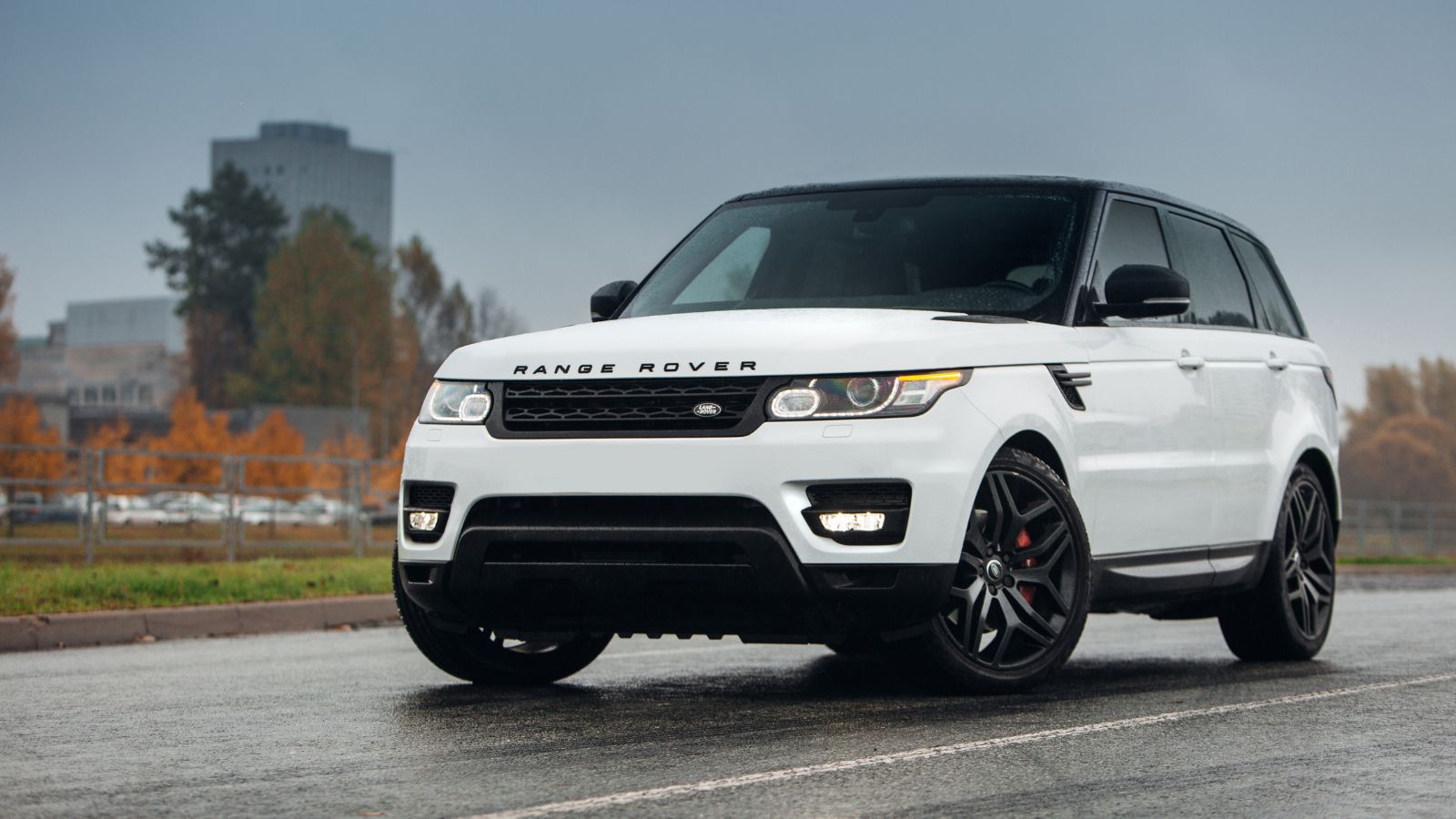
The Range Rover Sport is one of the easiest used SUVs to fall for. It has presence, status, and an interior that can still feel richly expensive years later. On the secondhand market, it often looks like a way to buy far more prestige than the money should normally allow. That illusion is exactly what gives it such strong used-car appeal.
The issue is that this is one of the clearest cases where depreciation flatters the wrong number. Long-term maintenance projections are extremely high, the major-repair probability is uncomfortable, and average annual repair costs already sit in premium territory before any serious failure occurs. Once air-suspension components or compressors need attention, the bill becomes the story. That is why so many used Range Rover Sports seem attractive at first glance: the selling price falls quickly, but the complexity underneath stays every bit as expensive as before.
Land Rover LR4 (2010–2016)
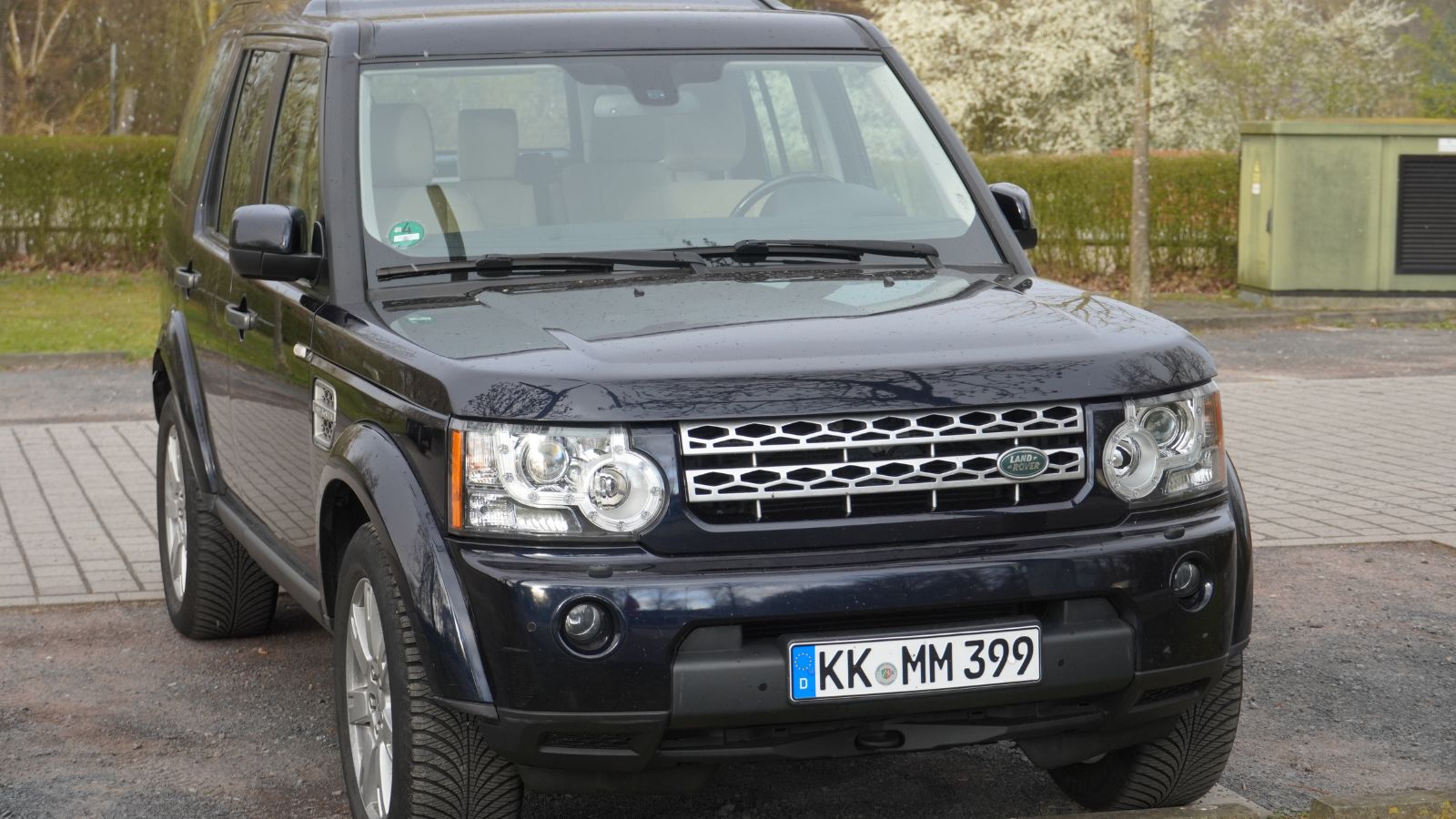
The LR4 has a cult appeal that makes it easy to defend emotionally. It looks purposeful, feels upscale in an old-school way, and offers the kind of visibility and road presence many modern crossovers no longer have. Buyers who want something more distinctive than a mainstream three-row SUV often see the LR4 as a clever, character-rich alternative.
Financially, though, it can be a very demanding kind of character. Average annual repair spending is high, and RepairPal ranks it near the bottom of its class for reliability. That means the ownership risk is not just theoretical. Air-suspension repairs alone can push into four figures, and even other suspension work carries premium-style cost exposure. The LR4 is a good reminder that charm and durability are not the same thing. A used SUV can feel wonderfully solid and still be a poor match for anyone without a healthy repair reserve.
Range Rover (2013–2021)
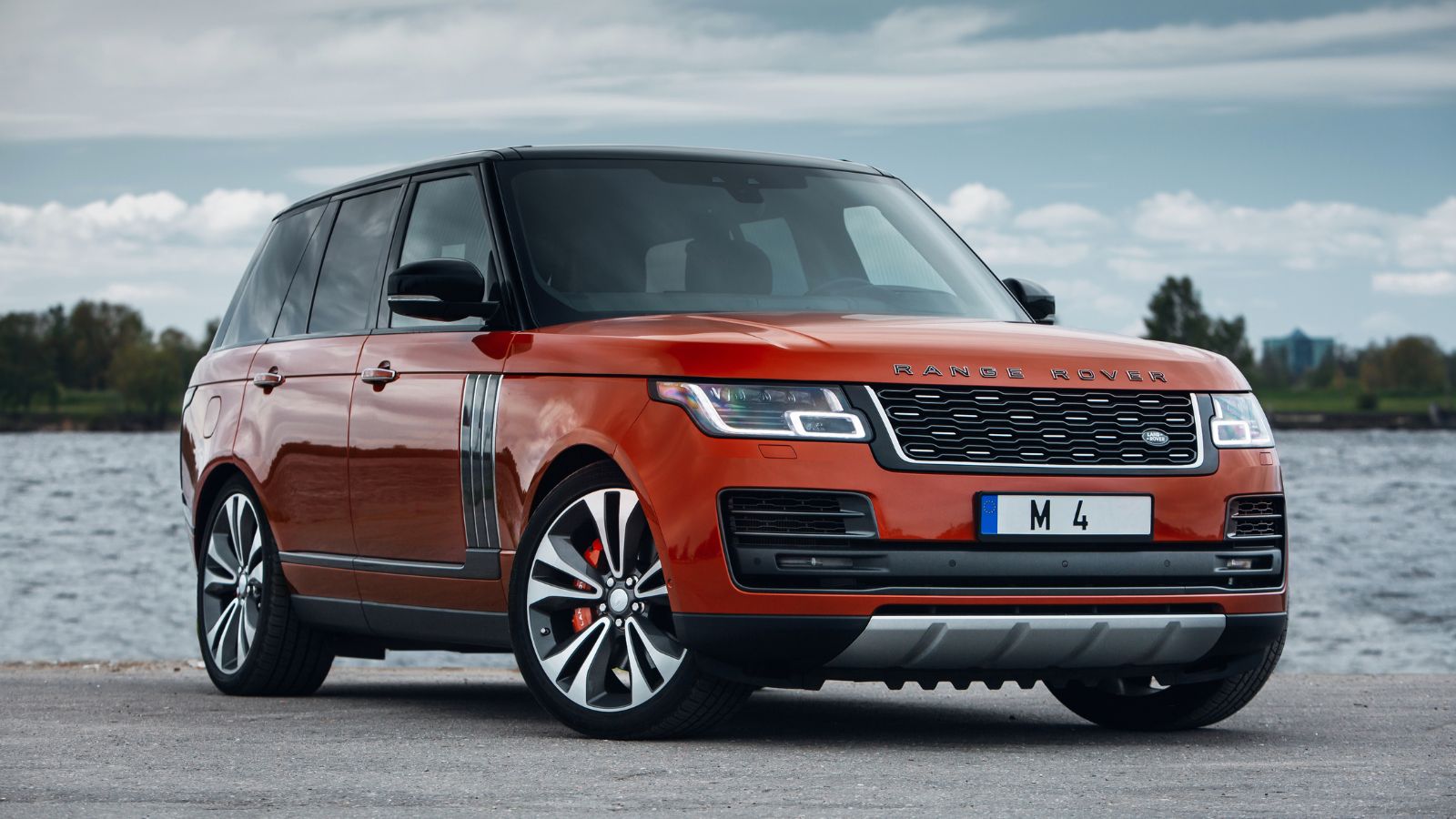
The full-size Range Rover is perhaps the ultimate secondhand temptation. When new, it is priced for a very small slice of buyers. After depreciation, it enters a much wider market and suddenly looks attainable. That creates a powerful illusion of value: iconic badge, commanding design, sumptuous cabin, and a used price that seems almost too good relative to its original sticker.
That is usually where the mistake begins. Long-term maintenance projections are among the harshest in the category, and the odds of a major repair are high enough to make any bargain-minded buyer pause. The annual repair spend is elevated before a truly ugly bill even arrives. When one of the suspension-related repairs does arrive, the numbers can be painful enough to overshadow the entire purchase decision. The used Range Rover often feels like winning the depreciation game, right until ownership proves the game was never really about the purchase price.
19 Things Canadians Don’t Realize the CRA Can See About Their Online Income

Earning money online feels simple and informal for many Canadians. Freelancing, selling products, and digital services often start as side projects. The problem appears at tax time. Many people underestimate how much information the CRA can access. Online platforms, banks, and payment processors create detailed records automatically. These records do not disappear once money hits an account. Small gaps in reporting add up quickly.
Here are 19 things Canadians don’t realize the CRA can see about their online income.