























Modern vehicles are packed with technology that feels impressive in a showroom and even more persuasive on a trim chart. Bigger screens, smarter interfaces, and premium convenience features can make a new car seem more advanced, more luxurious, and easier to live with. Yet the features that inflate the sticker price are not always the ones that earn their keep once everyday driving begins.
These 20 features stand out because they often sound more useful than they prove to be in real Canadian ownership. Some are replaced by smartphones, some are too fiddly to bother with, and some simply solve problems most drivers do not really have. The result is a familiar pattern: money spent up front, brief curiosity in the first few weeks, and then months or years of near-total neglect.
Built-In Navigation
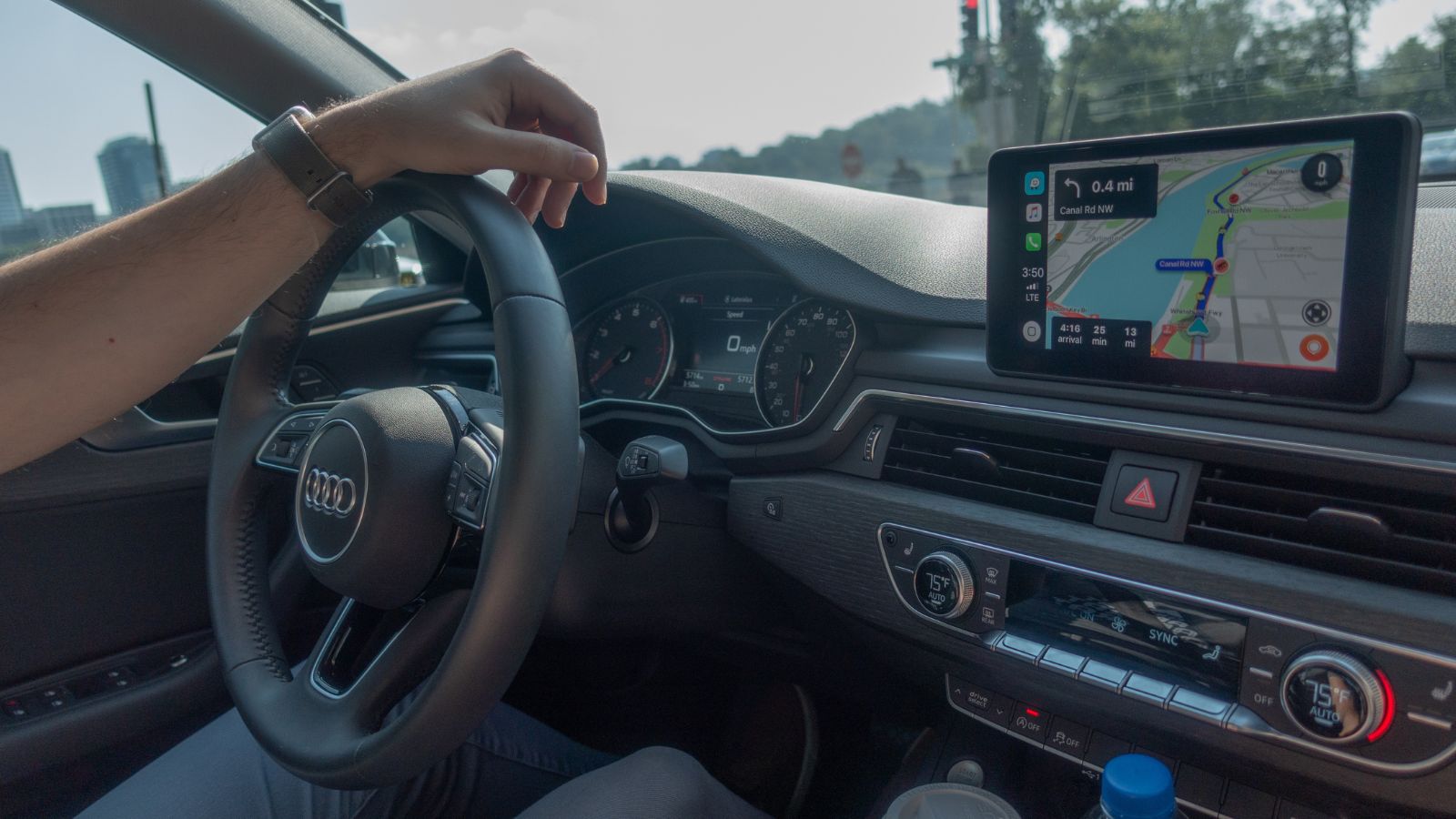
Factory navigation still carries a premium aura, especially when it is bundled into a higher trim with larger screens and nicer materials. On paper, it sounds ideal for Canadian drivers who split their time between city commuting, highway stretches, cottage-country routes, and unfamiliar construction zones. In practice, though, built-in navigation often loses the moment Apple CarPlay or Android Auto enters the picture. Smartphone maps update faster, traffic data tends to be more dynamic, and drivers already know how the apps behave before they even leave the dealership.
That is why built-in navigation often becomes a feature people technically own but rarely choose. It may still come in handy in weak-service areas or when a phone battery is low, but that is not the same as daily usefulness. For many buyers, the navigation system ends up acting like an expensive backup plan rather than a core reason to move up a trim. It looks premium on the window sticker, but in real life it often sits quietly behind Google Maps and Waze.
Built-In Voice Recognition
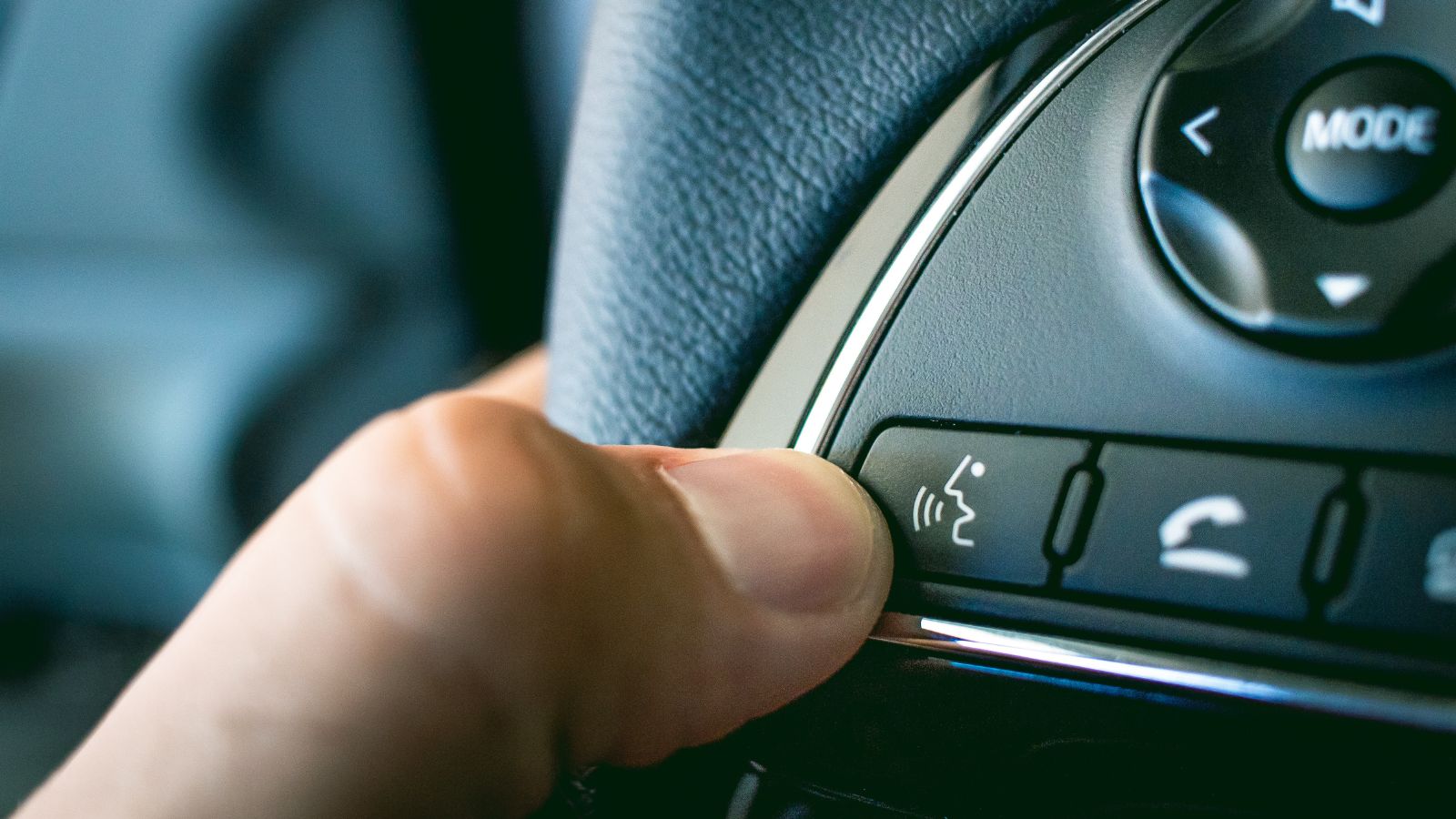
Voice control sounds like the perfect feature for a country full of long drives, winter gloves, and distracted- driving rules. The pitch is easy to understand: keep both hands on the wheel, say a command naturally, and let the car handle directions, calls, audio, or climate settings. The problem is that many in-car voice systems still feel slower and less intuitive than the phone assistants drivers already trust. If the system misunderstands a street name, a coffee order, or a contact name once or twice, the learning curve ends quickly.
That is where the feature starts fading into the background. Owners may try it early, mostly to see what the car can do, but then fall back to the touchscreen, steering-wheel controls, or their phone. A feature meant to simplify driving can start to feel like one more interface to manage. In busy real-world use, most people do not want to memorize special command phrasing just to find the nearest gas station or change the cabin temperature. Once that friction shows up, voice recognition often becomes something the car has rather than something the owner truly uses.
Gesture Controls
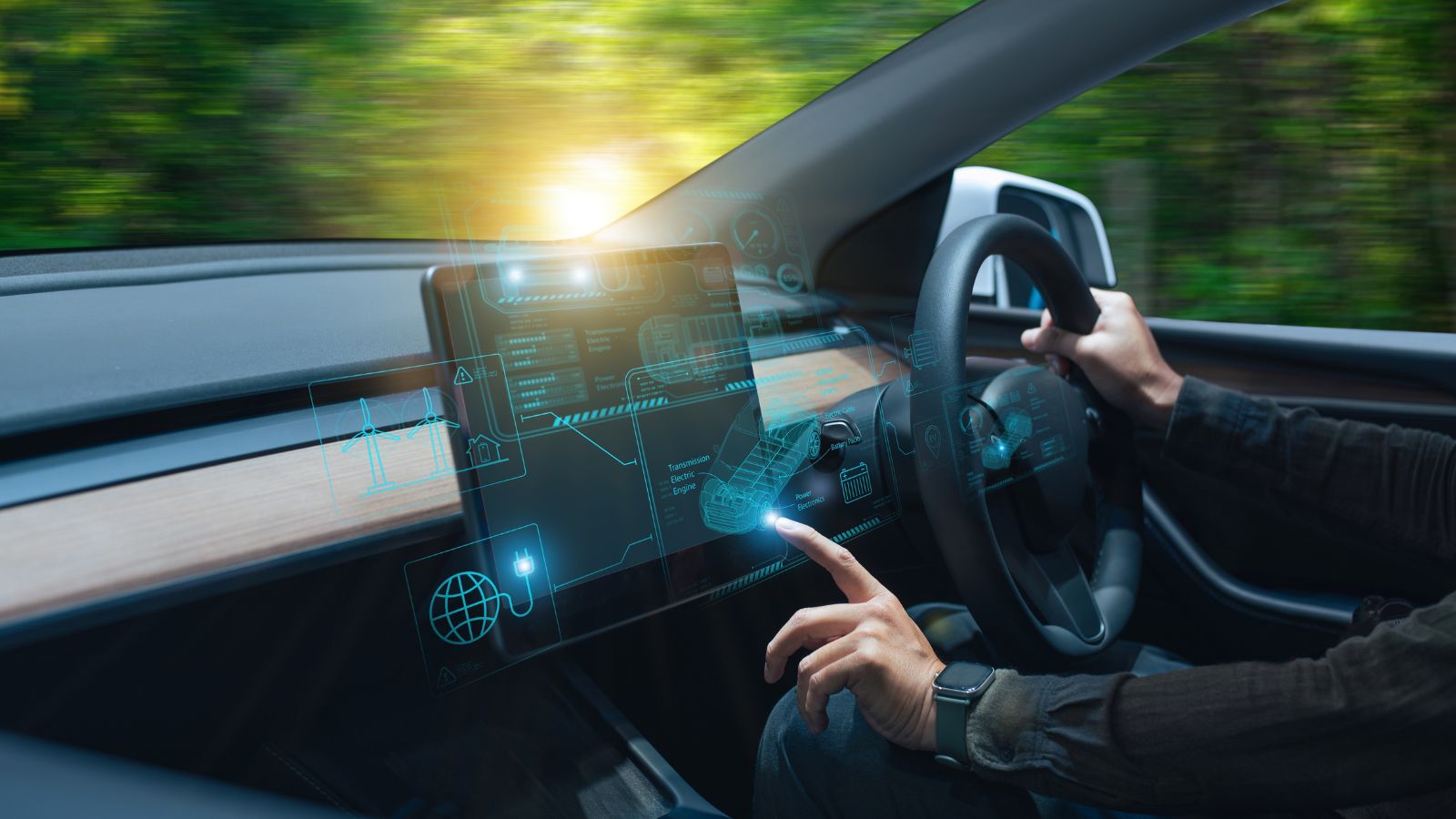
Gesture controls are one of the clearest examples of technology arriving before demand. Swiping a hand in midair to change volume or skip a track can look futuristic during a demo, and it gives a vehicle a high-tech personality that automakers love to advertise. The trouble is that normal driving already involves a lot of movement: reaching for a coffee, pointing during conversation, adjusting mirrors, or waving a hand while talking. When a system mistakes ordinary motion for a command, the novelty wears off very fast.
That helps explain why gesture controls often feel more like showroom theatre than meaningful convenience. Drivers tend to prefer controls that are immediate, physical, and predictable, especially on rough roads or in traffic. A button, knob, or steering-wheel toggle may not look as futuristic, but it is easier to trust. In daily Canadian driving, where gloves, winter jackets, potholes, and stop-and-go traffic add enough friction already, a feature that asks for precision hand choreography can feel like work. Buyers pay for the wow factor, then quietly stop bothering with it.
Fingerprint Readers
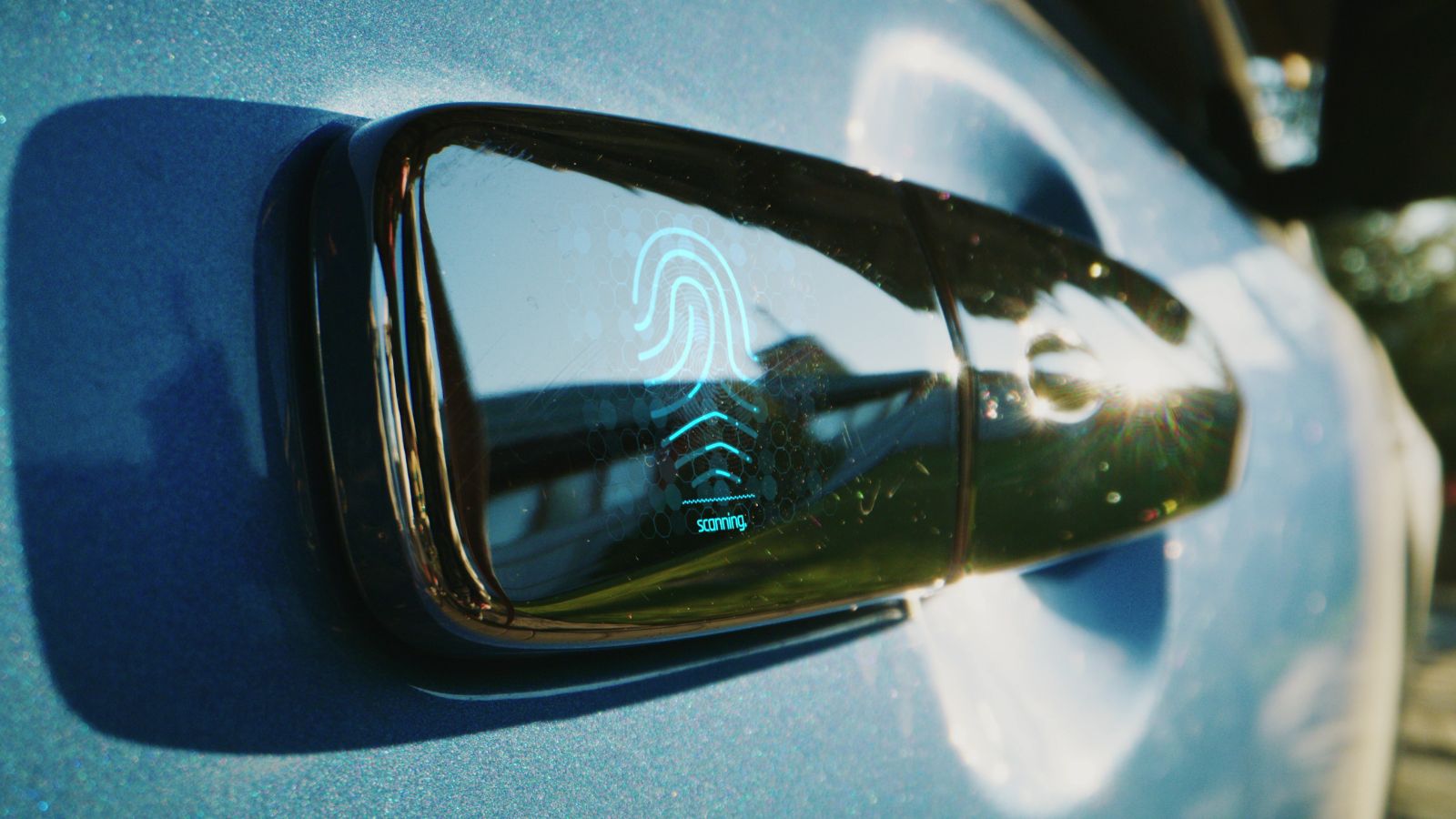
Fingerprint authentication borrows its appeal from smartphones. It promises quick personalization, secure driver identification, and a slick, modern ownership experience. In a luxury vehicle, that can sound like exactly the sort of detail that justifies a higher trim. Yet cars are not phones. Most drivers are not swapping accounts all day, and most do not need biometric access to start a vehicle, load a seat position, or approve an infotainment purchase. A key fob, profile memory, or paired phone already handles most of that with less fuss.
That is why fingerprint readers often land with more curiosity than lasting value. In a vehicle, the added step can feel unnecessary rather than helpful. Cold weather, wet hands, gloves, dust, and inconsistent sensor placement all make the feature feel less elegant than it does in marketing language. Once owners realize the car works perfectly well without them actively engaging that system, fingerprint access slides down the priority list. It becomes one of those features people remember showing friends in the first month, then largely ignore for the rest of the ownership cycle.
Facial Recognition Login
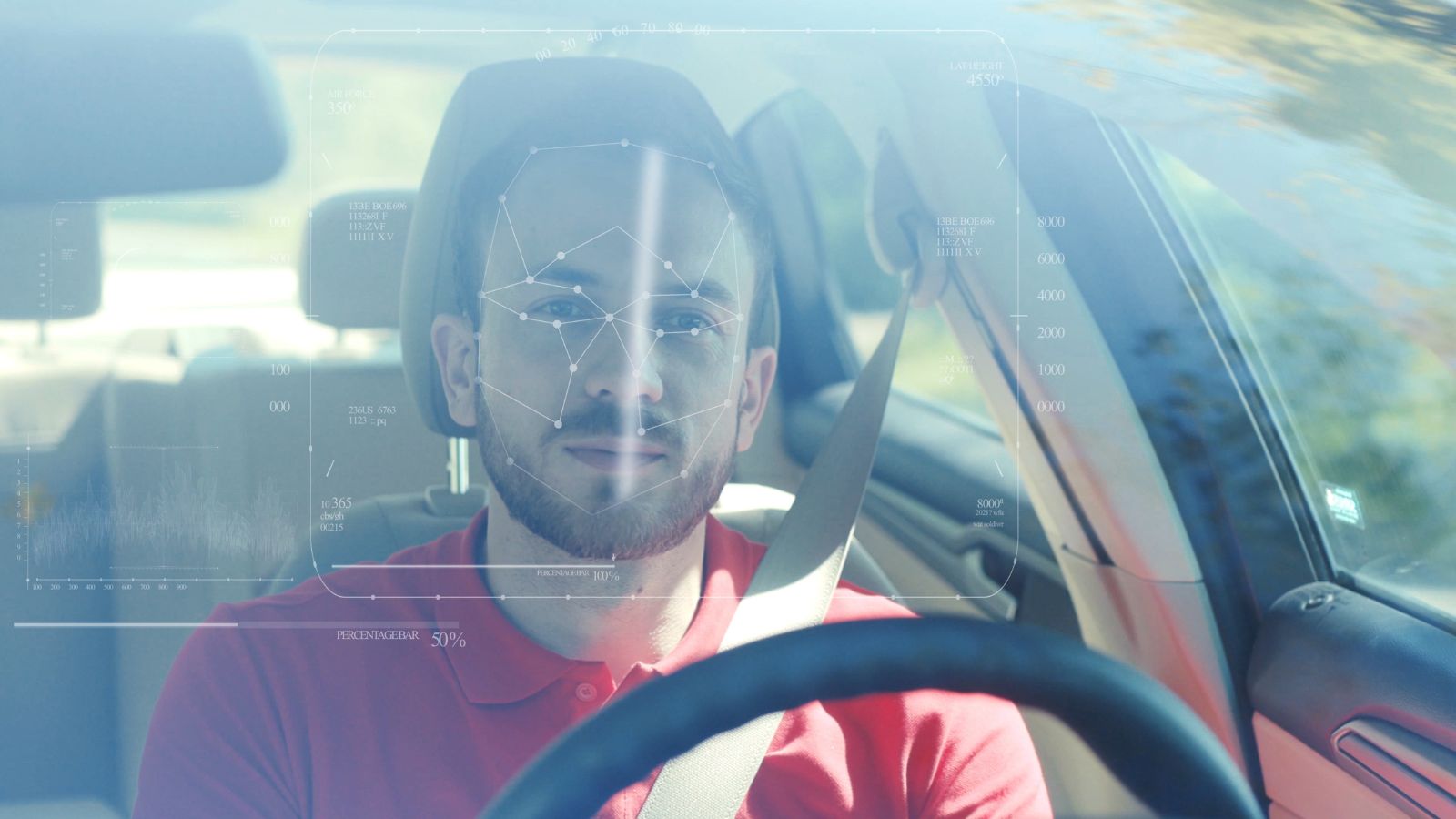
Facial recognition carries the same futuristic pull as fingerprint access, but with an even bigger showroom effect. It suggests seamless personalization: walk up, get recognized, and have the car load preferences as if it already knows who is arriving. That sounds impressive in theory, especially in households that share a vehicle. In reality, a car cabin is not a controlled tech environment. Sunglasses, hats, poor lighting, winter darkness, and camera positioning can all make a simple task feel less automatic than advertised.
The deeper issue is that many drivers do not really need this layer of intelligence. They are not looking for a biometric identity experience every time they head to work, hockey practice, or the grocery store. They mostly want the vehicle to start quickly and behave predictably. When a feature adds complexity without saving meaningful time, it becomes optional in the worst way: not removed from the car, just mentally removed from the owner’s routine. Facial recognition can still impress on delivery day, but it often settles into the same category as many flashy premium features—interesting, expensive, and mostly forgotten.
Driver-Monitoring Biometrics
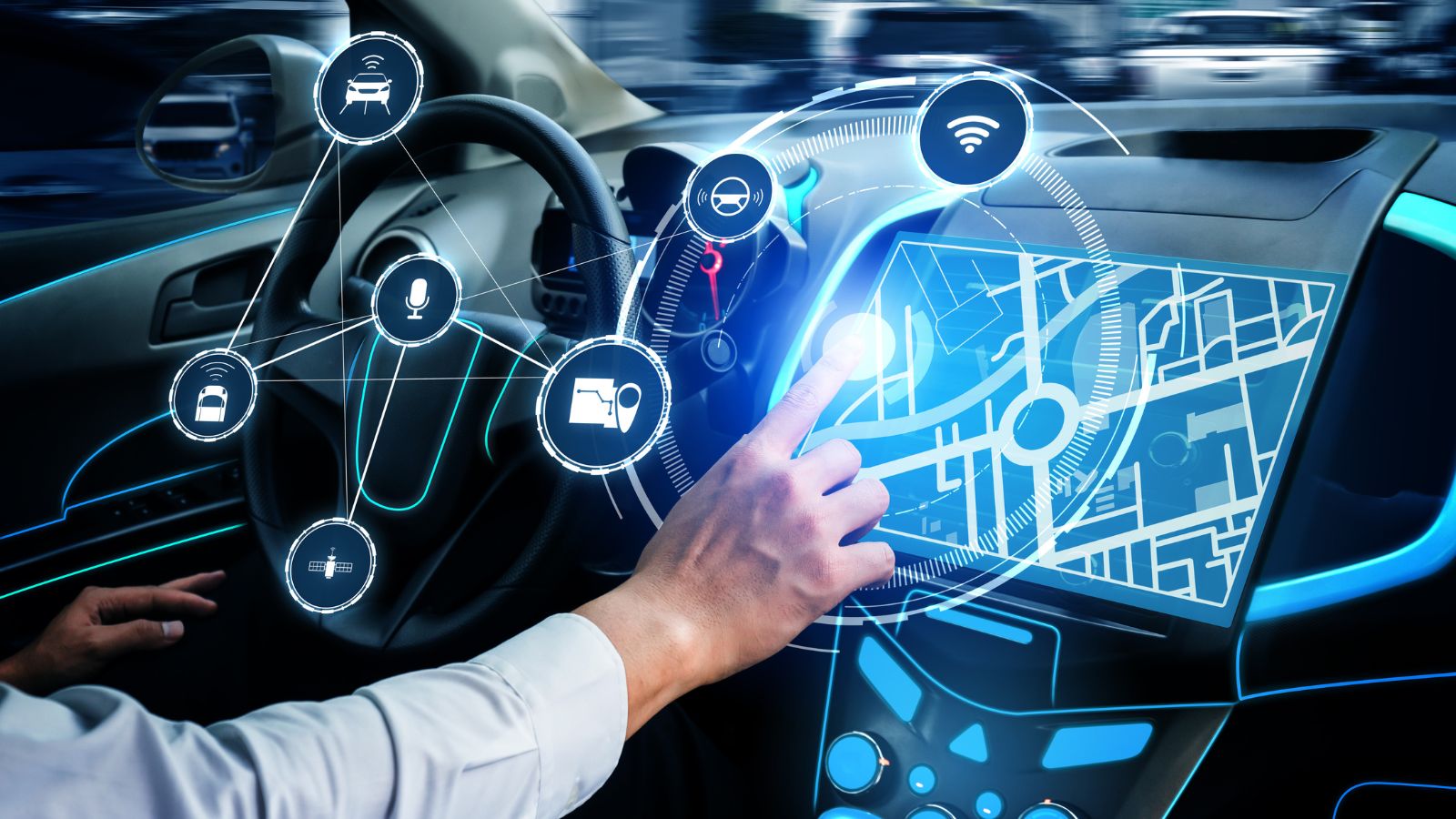
Advanced driver-monitoring systems are different from gimmicky features because they are tied to safety. They can track eye movement, attention, or signs of distraction and fatigue, and there is a clear logic behind them. Still, many buyers encounter these systems not as a life-changing aid but as part of a larger expensive technology package. When that happens, the feature can feel less like a valuable layer of protection and more like a constant digital supervisor that interrupts rather than helps.
That tension matters. A useful safety feature still needs to feel understandable and well-calibrated, otherwise owners never really embrace it. In some vehicles, the system can seem overly sensitive, inconsistent, or simply unclear about what it wants from the driver. That does not mean the feature lacks purpose; it means the user experience can make it feel more irritating than beneficial. For many Canadians, especially those navigating snow glare, sunglasses, heavy urban traffic, or long highway days, the difference between “protective” and “nagging” is everything. When a feature gets that balance wrong, it tends to be tolerated rather than appreciated.
Phone-Based Digital Keys
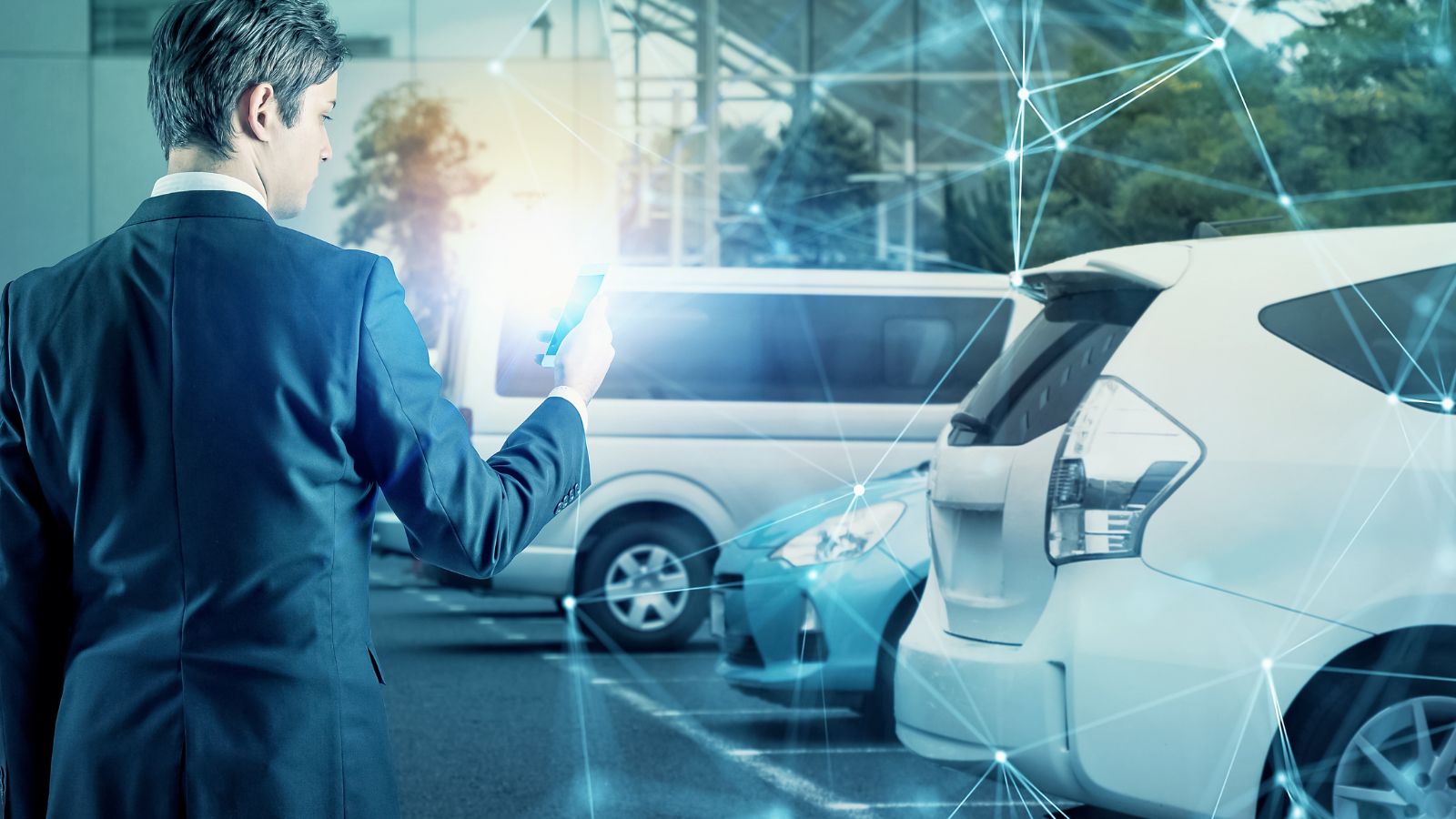
Using a smartphone as a car key sounds exactly like the kind of convenience modern buyers should love. Leave the bulky fob behind, unlock the vehicle from an app, share access digitally, and treat the car more like an extension of the rest of a connected life. That is an elegant idea, especially for households that share vehicles or want easier handoffs. Yet the low-friction fantasy can unravel quickly when real life steps in: dead batteries, software hiccups, valet situations, repair visits, weak connectivity, or the simple comfort of having a physical backup.
That is why digital keys often feel more interesting than essential. Most owners do not wake up thinking the key fob is the biggest inefficiency in their day. In Canada, cold weather adds another layer; drivers want reliability when they are heading out into a freezing driveway, not another point of possible failure. The traditional key may not be glamorous, but it is fast, familiar, and easy to trust. Digital access still makes sense for some owners, but for many it remains a clever extra rather than a daily habit, and that makes it hard to justify as a major reason to spend more.
Front Passenger Displays
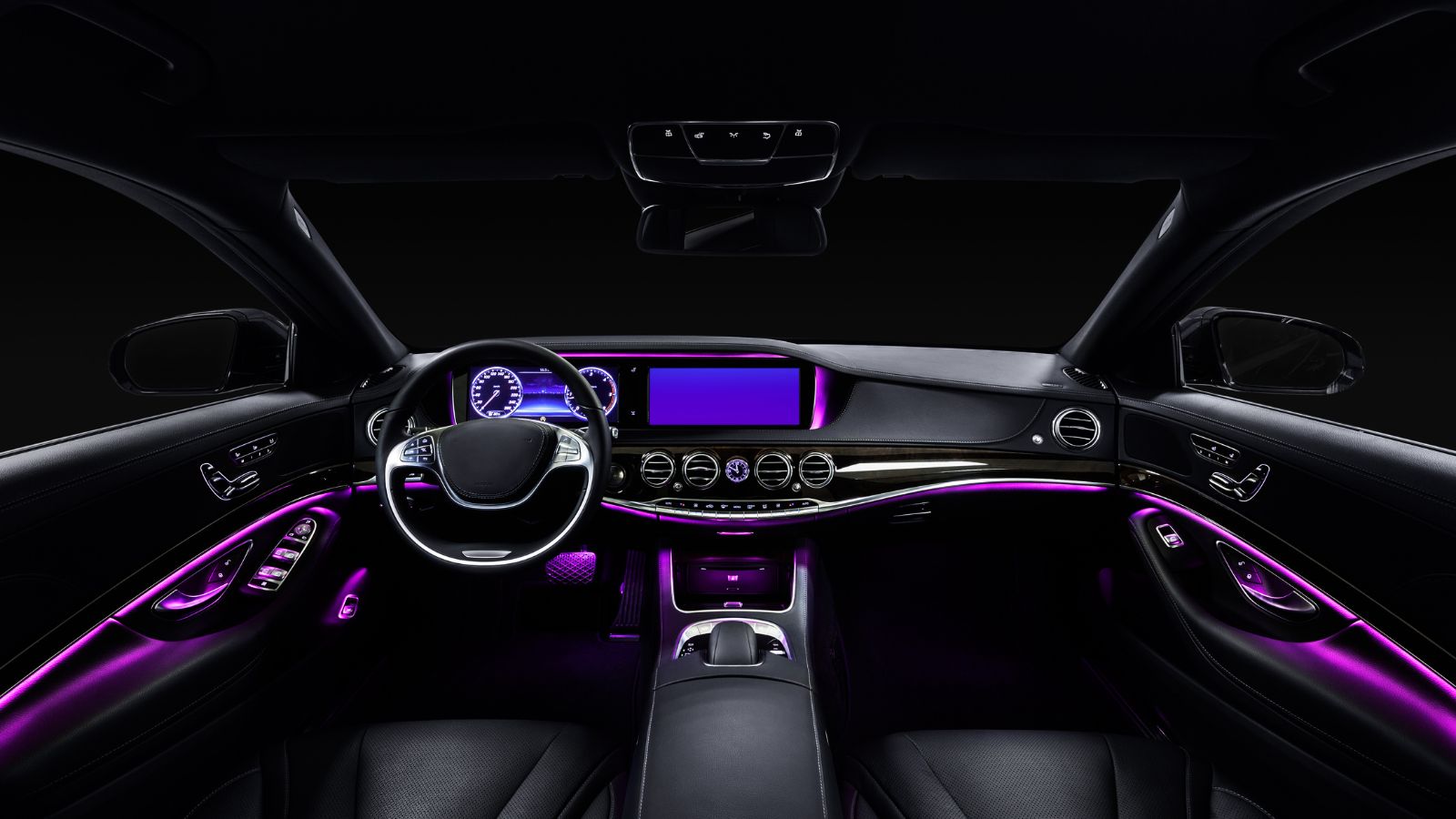
Passenger-side screens are a perfect example of a feature designed to look premium at first glance. In a luxury SUV or EV, a second front display instantly makes the dashboard seem more advanced and more expensive. It also gives automakers another talking point in a market obsessed with screen real estate. The problem is simple: a feature can be visually dramatic and still not be very necessary. Most everyday trips do not involve a passenger who needs their own dedicated control center, and even when someone is riding shotgun, they already have a phone in hand.
That gap between visual impact and practical value is what makes passenger screens easy to overspend on. They add cost, complexity, and one more surface to learn, clean, and manage. On daily routines such as commuting, school pickups, errands, or short city hops, the screen often sits idle. It is not useless in every situation, but it is far from essential. For many buyers, it ends up being a luxury flourish that contributes more to perceived sophistication than real utility. It makes the cabin feel cutting-edge, even if it rarely changes the ownership experience in any meaningful way.
In-Vehicle Shopping Marketplaces
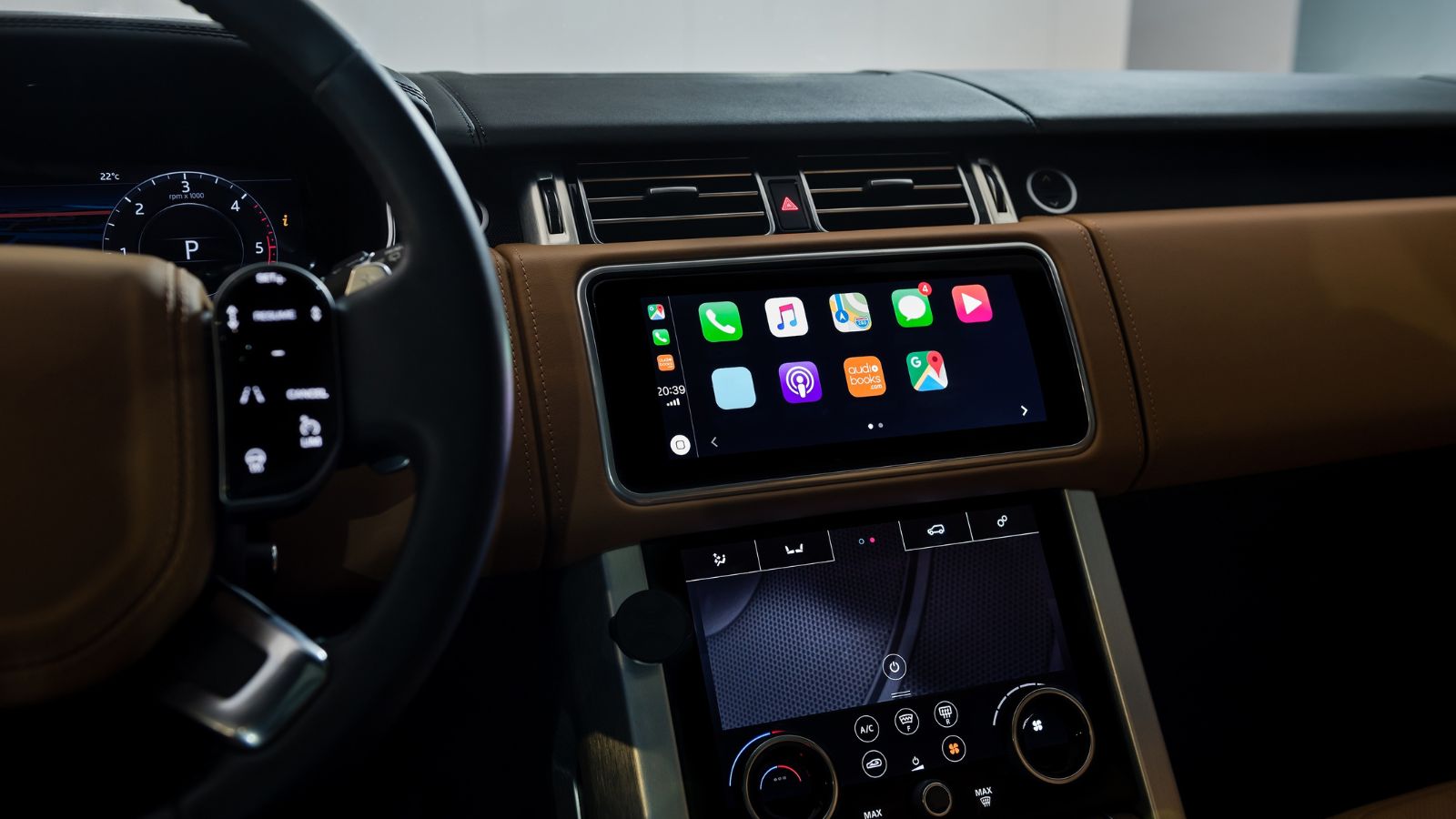
Automakers have spent years trying to turn infotainment systems into retail platforms. Order coffee from the dash, browse services from the screen, or purchase extras directly through the car—it all sounds like a natural evolution of connected driving. But the automotive version of online shopping has never fully matched the simplicity people expect from their phones. Once interfaces become layered, slow, or overly specific, most drivers lose patience. They would rather handle the task before getting in the car or with a familiar app while parked.
That is why in-vehicle shopping often feels like a solution in search of a real problem. Buying something through the car only makes sense when it is genuinely faster and more seamless than using a phone. Too often, it is the opposite. Drivers already juggle route planning, media, messages, and climate settings; adding another digital storefront to that mix can feel unnecessary. In Canada, where many trips are routine commutes or practical errands rather than leisurely road-trip experiments, this kind of feature can spend most of its life untouched. It sounds innovative, but it rarely becomes part of anyone’s regular rhythm.
In-Vehicle Payments
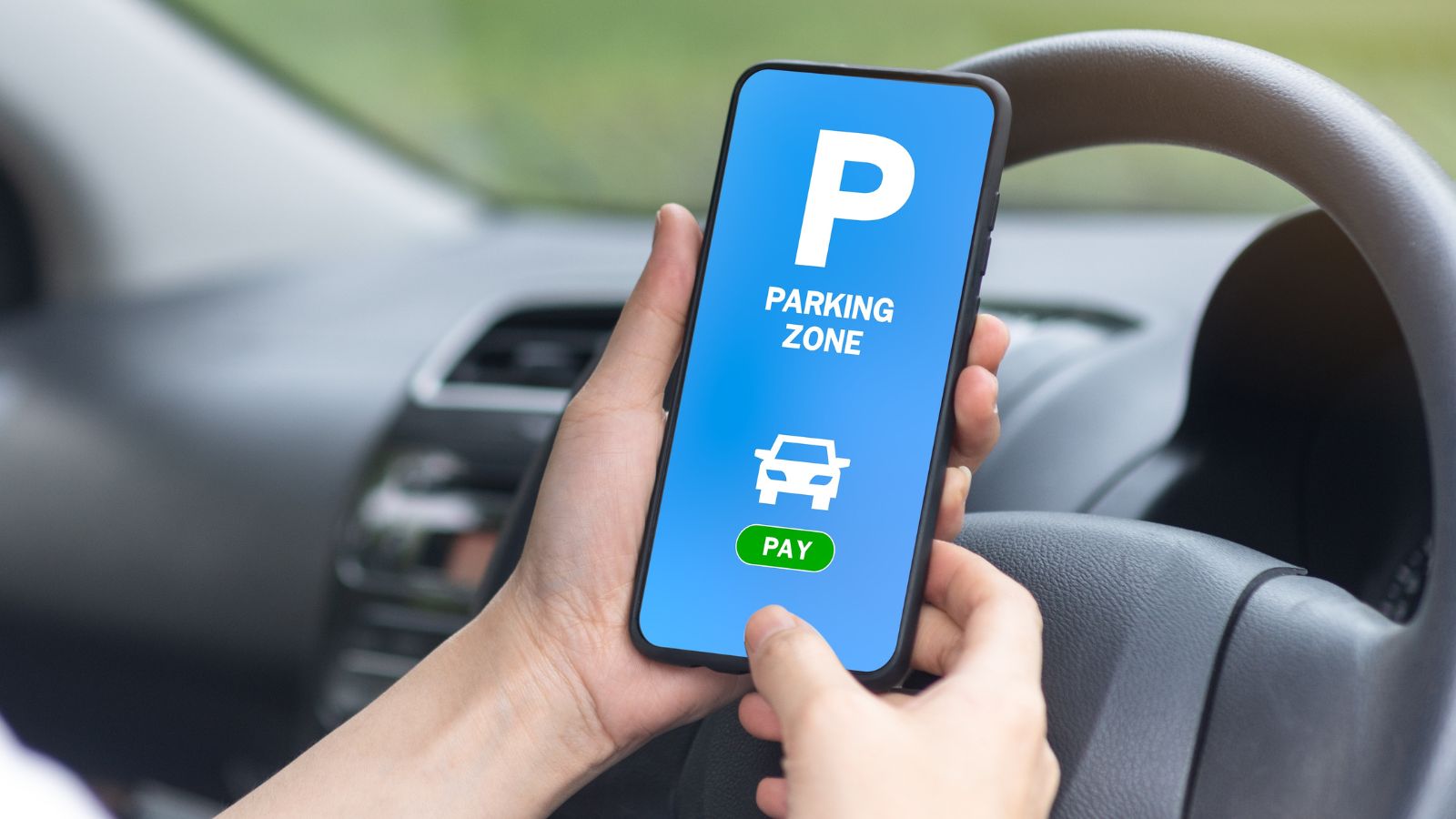
In-vehicle payments are more promising than broad in-car shopping because they target specific moments: charging, fuel, parking, or tolls. Those are all real frictions, and the idea of letting the vehicle handle them automatically is easy to like. Even so, the feature is still narrower than its marketing suggests. A driver may appreciate it on a road trip, at a public charger, or in a downtown parking structure, but that does not mean it will see regular use every week. Much depends on where the vehicle is driven and how often those exact situations come up.
That makes in-vehicle payments a feature with clear potential but limited everyday reach for many Canadians. A suburban crossover owner who fuels up at the same station and mostly parks at home and at work may barely encounter a use case. Even when the feature is available, some owners simply do not feel a strong need to switch from tap cards, apps, or existing accounts that already work. The convenience is real, but so is the possibility that it becomes an occasional tool rather than a daily one. Paying extra for a feature used a handful of times a month is not always the bargain it first appears to be.
Connected-Services Subscriptions
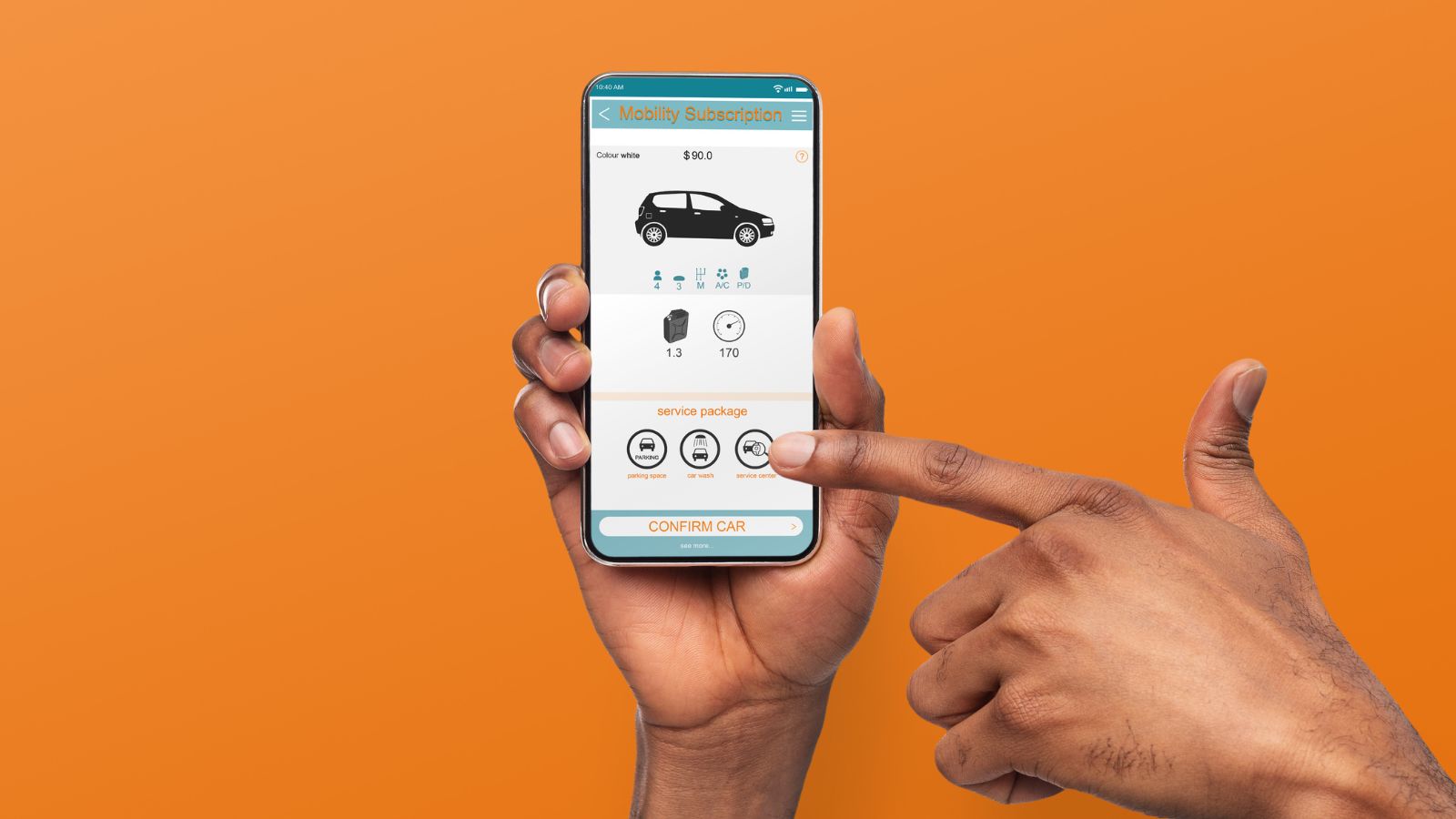
Connected-services bundles often arrive wrapped in modern language: convenience, security, remote access, personalization, data, and peace of mind. Buyers hear about remote start, vehicle status, lock and unlock controls, maintenance alerts, Wi-Fi, concierge services, or emergency support, and the package can sound difficult to refuse. The issue is not that none of those features matter. It is that many owners never fully activate them, never build them into habit, or stop paying when the free trial ends because the real value does not match the monthly cost.
That pattern is especially easy to understand today. Drivers already pay for phone plans, streaming services, navigation apps, and smart-home subscriptions. Adding another recurring fee only works when the benefits are obvious and frequent. If the setup is confusing, dealership explanations are weak, or the features overlap with what a phone already does, enthusiasm drops quickly. In Canada, where buyers are already feeling the squeeze from vehicle prices, insurance, fuel, and financing, a subscription that sounds nice but feels optional becomes an easy cut. Many people buy the capability, sample it briefly, and then let it fade into the background.
Insurance-Discount Telematics Integration

One of the more practical connected-car pitches is the promise of insurance savings. If the vehicle can securely share driving data, the owner may qualify for a discount through a telematics program. That sounds like exactly the kind of feature Canadians would appreciate in a market where insurance bills can sting, especially in major urban regions. Yet even genuinely practical features can be underused when they require extra enrollment, raise privacy concerns, or deliver savings that feel too modest to change behavior.
That is why telematics integration often sits in a strange middle ground: more useful than a gimmick, less adopted than expected. Drivers may like the idea in theory but hesitate once the trade-offs become clearer. Some do not want another app or data-sharing layer. Others are unsure how their driving will be interpreted, or whether the discount is large enough to be worth the monitoring. The result is a feature with real economic logic that still fails to become routine for many owners. It is not ignored because it is silly; it is ignored because even practical tech has to feel simple, trustworthy, and meaningfully rewarding.
Self-Parking Systems
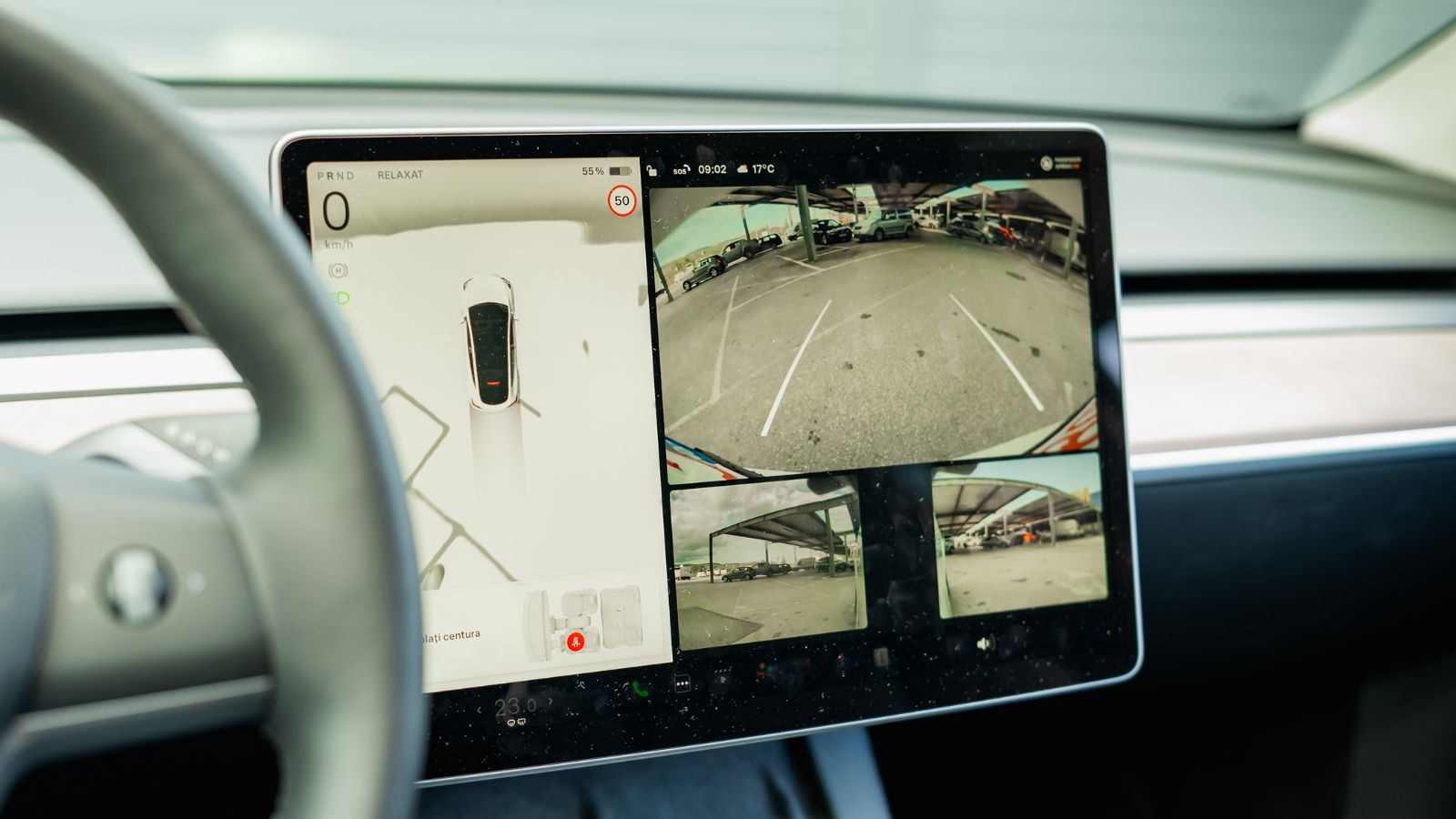
Self-parking systems have been around long enough that most drivers know what they are, yet many still treat them like a novelty rather than a tool. The feature is genuinely clever. It can measure spaces, steer into them, and reduce the little stress spikes that come with parallel parking on a tight street. In testing, the technology has often performed better than people expect. But psychology matters more than capability here. Many drivers would still rather trust their own instincts, even if the car can technically do the job more cleanly.
That reluctance makes self-parking one of the classic underused paid features. It is easier to admire than to rely on. A buyer may activate it once or twice to see how it works, maybe show it to a passenger, and then go right back to parking manually for the next three years. In a dense Canadian downtown, where snowbanks, faded lines, impatient traffic, and uneven curbs can make parking feel messy, some people also worry the system will be too slow or too awkward for the moment. The technology works, but owner confidence often does not keep pace, and that is why the feature so often ends up sitting idle.
Remote Parking Assistance
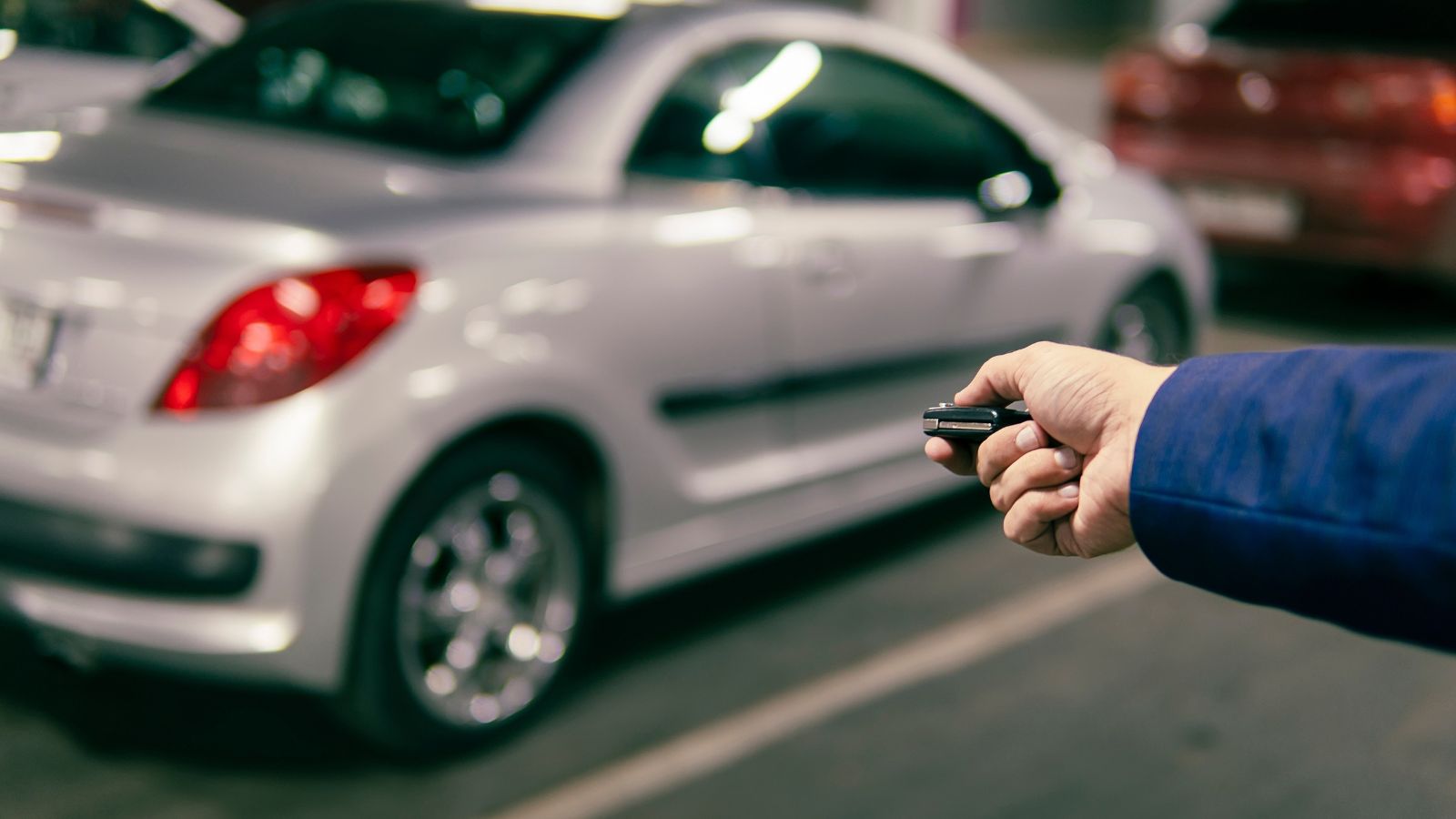
Remote parking assistance takes the self-parking idea a step further. Instead of staying in the driver’s seat, the owner can stand outside and let the car creep into or out of a tight spot. It is the sort of feature that instantly communicates modern luxury. It also has a real use case: extremely narrow spaces where opening a door would be difficult. Still, that use case is narrower than the showroom pitch suggests. Most drivers are not dealing with that exact scenario often enough to build a habit around it.
That limited relevance is a problem when the feature adds cost and complexity. Remote parking can feel brilliant the few times it applies and completely irrelevant the rest of the year. It also asks for a level of trust and patience that many owners never fully develop. If the process feels too slow, too specific, or too rare, people stop thinking of it as part of the car’s everyday value. It becomes one of those capability-list features that signals status more than usefulness. In a market where practical convenience matters, a feature that shines mostly in edge cases is easy to pay for and surprisingly easy to ignore.
Adaptive Cruise Control
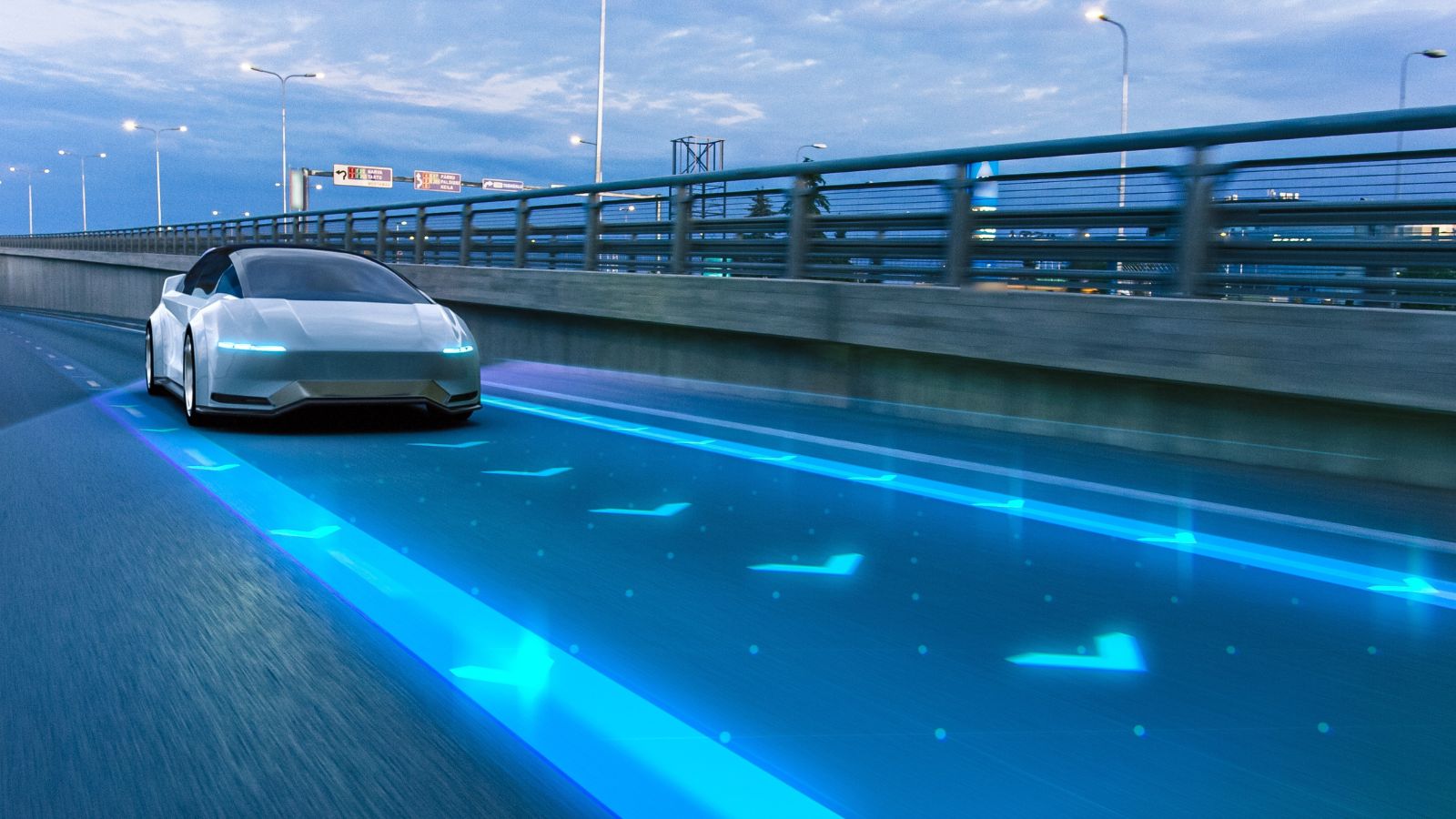
Adaptive cruise control is more useful than many features on this list, but that does not mean it is used as often as buyers imagine. On a long, steady highway run, it can reduce fatigue and smooth out pacing beautifully. That matters on major Canadian corridors where traffic flow can vary but still remain predictable for long stretches. The catch is that many people do not spend enough time in those ideal conditions to use it regularly. Urban traffic, winter weather, lane churn, and aggressive merging can push drivers back toward ordinary cruise or full manual control.
Trust and understanding matter here too. When people are not fully sure what the system is sensing, how it reacts, or when it will disengage, they become cautious. That caution does not always mean they dislike the feature; it means they use it selectively. So even a genuinely helpful technology can become something reserved for road trips, clear-weather highway stints, and very specific commutes. Buyers pay for it because it sounds like a must-have modernization, but many end up treating it like a part-time assistant. It is valuable, just not always valuable enough to justify how often it gets bundled into pricey technology packages.
Lane-Centering Assist
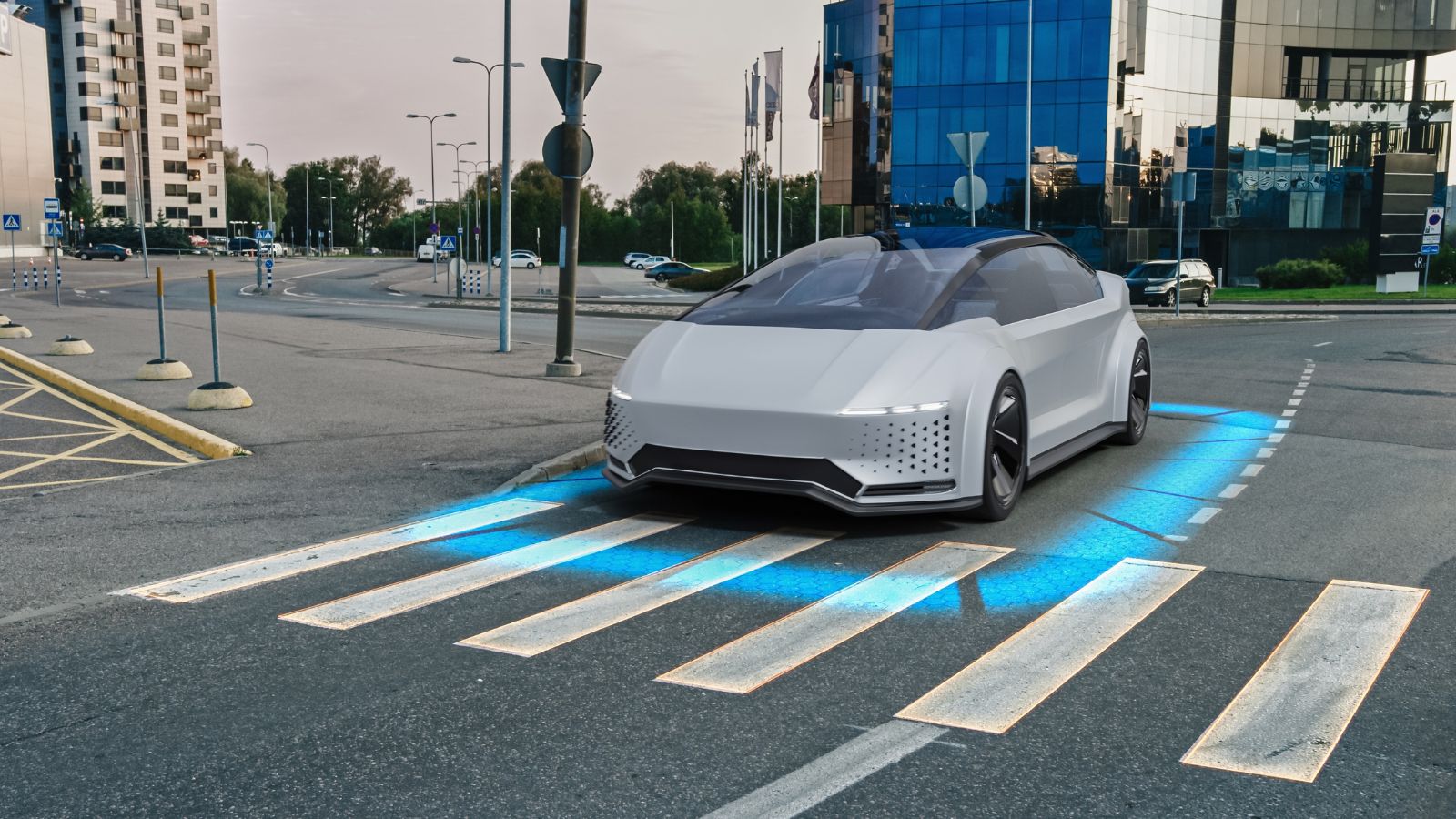
Lane-centering assist often gets sold as part of a broader promise: less stress, more confidence, and a more relaxed highway experience. In the best conditions, it can absolutely contribute to that. The problem is that lane-centering depends heavily on clarity. Worn markings, road construction, slush, glare, narrow lanes, or faded paint can all make the system less predictable. In a country with long winters and endless seasonal road work, that matters. A feature that feels calm and competent on a clean summer highway may feel inconsistent on a February commute.
That inconsistency is a big reason many owners never make lane centering a core part of their routine. If drivers cannot always tell when the system is active, when it is not, or why it suddenly stops assisting, confidence gets chipped away. The feature becomes something people sample rather than fully embrace. They may appreciate it on ideal roads but decline to lean on it in everyday driving, which is where the value equation starts looking weaker. Paying extra for a system that only feels trustworthy in near-perfect conditions can leave buyers feeling like they purchased a promise that only partially arrived.
Hands-Free Driving Packages
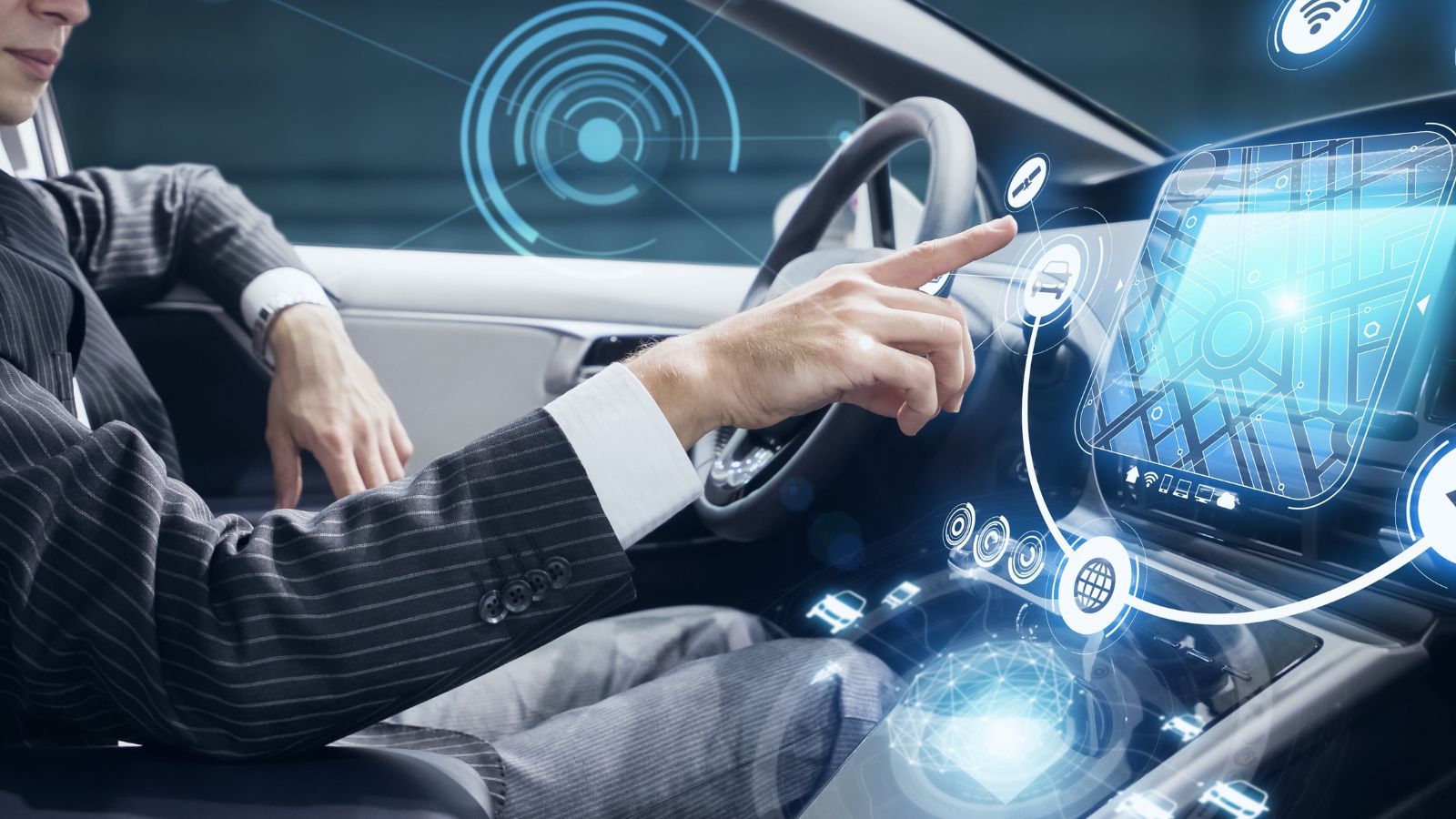
Hands-free or near-hands-free driving packages are among the most expensive tech upsells in the current market. They are marketed as a major leap forward, and in certain controlled situations some of them work impressively well. Even so, mainstream driver appetite remains more cautious than the branding around these systems suggests. People may admire the idea of automation, but admiration is not the same as routine dependence. Many still want the vehicle to help, not take over the experience.
That gap between interest and comfort is why these packages can be underused. Owners may save them for perfect highways, light traffic, good weather, and stretches of road they already know well. Outside those conditions, they often revert to traditional driving. That means a premium feature can end up being used occasionally rather than constantly, despite carrying one of the highest perceived technology values on the order sheet. For many Canadians, especially those dealing with unpredictable weather, construction, and variable road quality, fully leaning into automated driving still feels like a bridge too far. The feature may be impressive, but impressive is not the same as indispensable.
Wireless Charging Pads
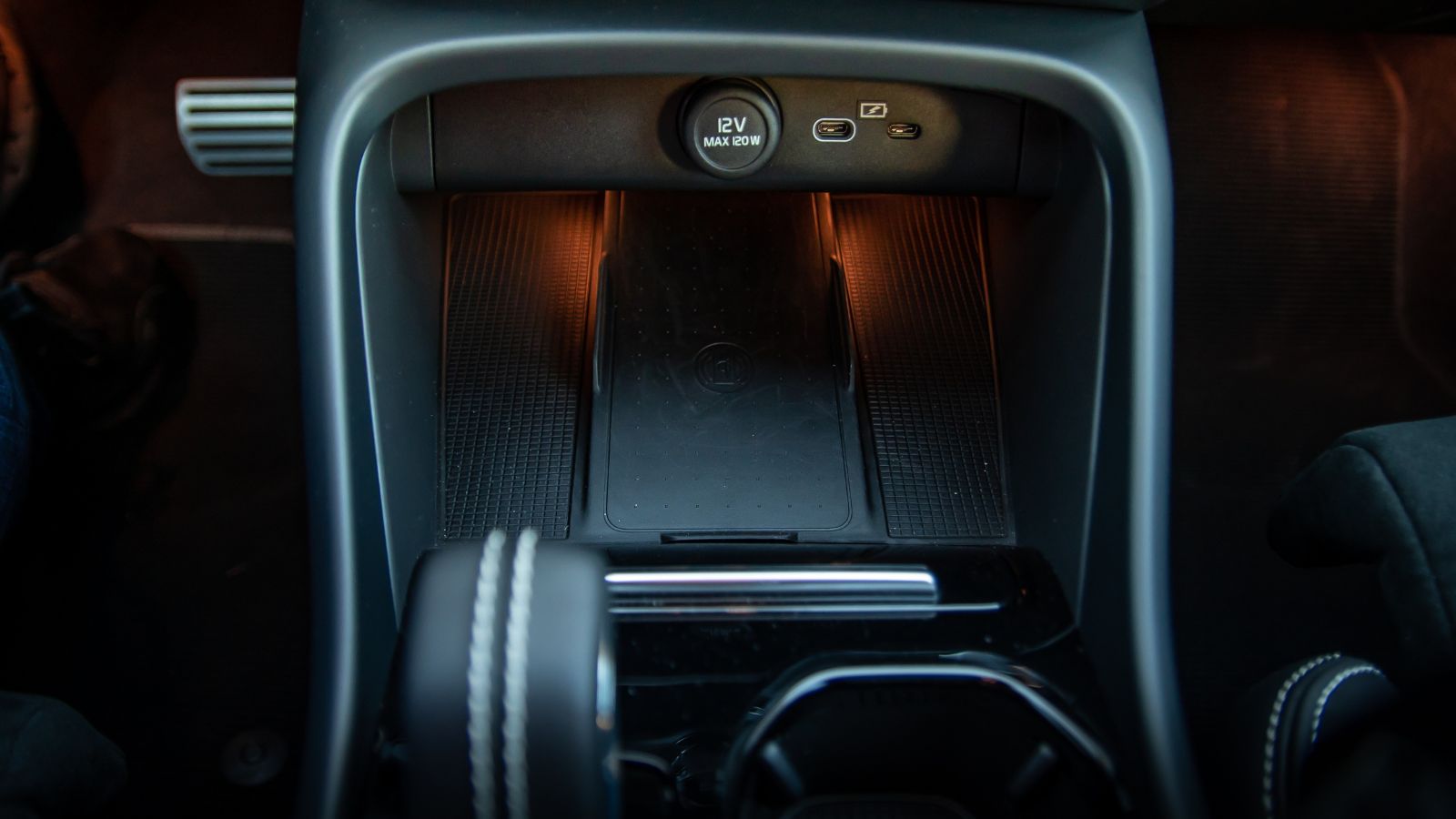
Wireless charging pads are easy to love conceptually because they promise the cleanest kind of convenience. Drop the phone in place, avoid cable clutter, and keep the cabin looking modern. That is a simple, attractive idea, especially as more automakers design consoles around phone storage. Yet this is one of the most common examples of small annoyance ruining a good concept. If the phone has to be positioned just right, if a bump knocks it out of alignment, or if charging runs hot or slow, drivers often go back to a cable without much hesitation.
That fallback happens because reliable convenience always beats elegant inconvenience. A cord may be less pretty, but it is usually faster, more dependable, and easier to verify at a glance. When wireless pads work well, owners appreciate them. When they are fussy, they become decorative trays. In vehicles where mobile phone integration is already one of the biggest ownership pain points, a charging solution that adds one more layer of inconsistency is hard to love. It is exactly the kind of feature buyers assume they will use every day, only to discover that a basic cable often does the job with less drama.
Rear-Seat Entertainment Systems
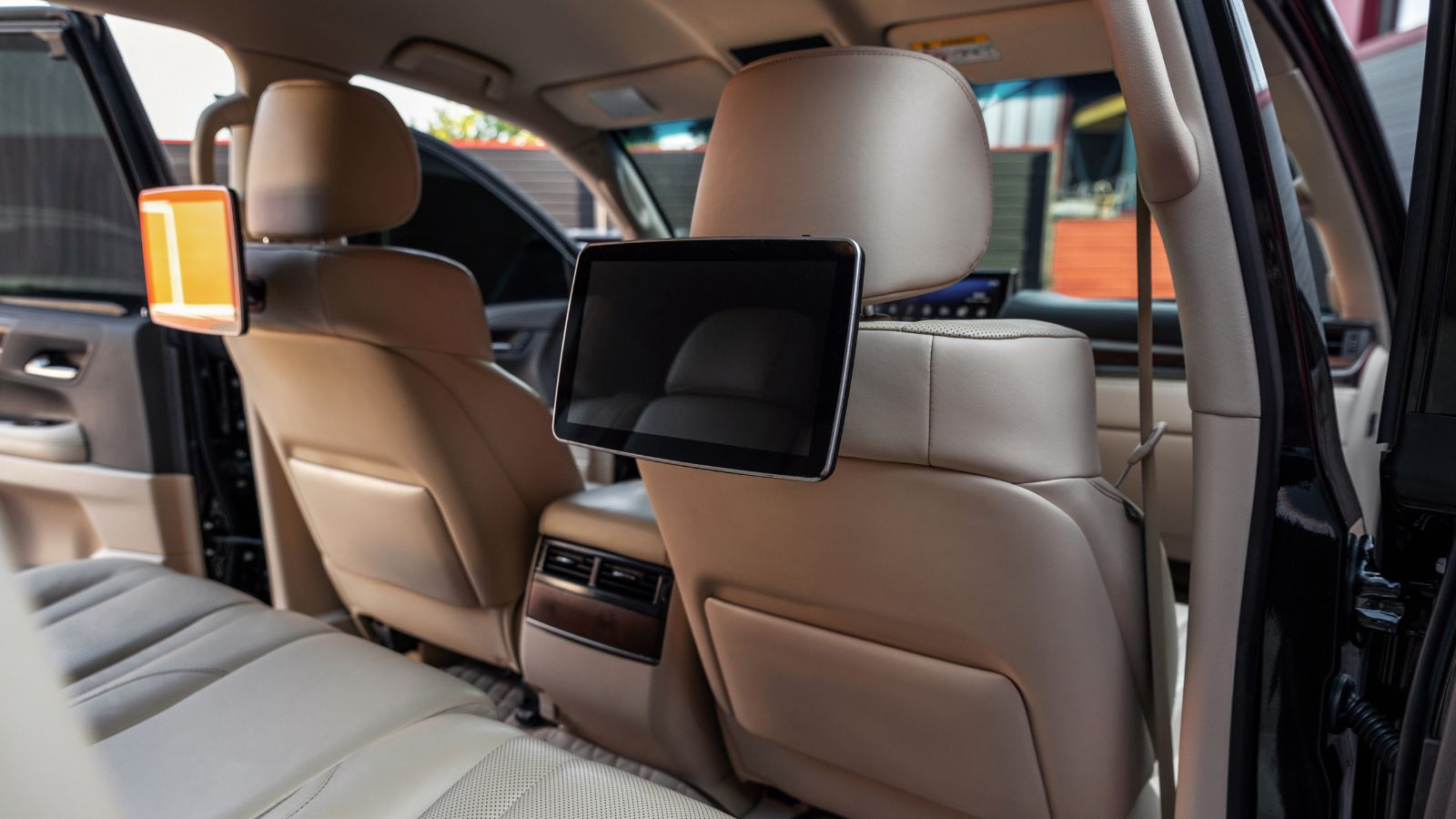
Rear-seat entertainment used to feel like a genuine family luxury. A built-in screen could transform long drives, quiet restless kids, and make a minivan or big SUV feel like a smarter road-trip machine. That value still exists on certain trips. The problem is that the broader tech landscape changed. Tablets are cheaper, more flexible, easier to update, and already loaded with the apps, downloads, and controls families know. Once that shift happened, the factory screen stopped feeling like the obvious premium choice.
That makes rear entertainment one of the easiest features to overpay for in a family vehicle. It may still shine on vacation drives, but many daily school, sports, and grocery runs are too short for it to matter. Built-in systems can also bring extra compromises, from compatibility headaches to visibility issues and forced package costs. Parents often end up realizing that a pair of tablets can accomplish the same core mission with less money and more flexibility. The factory setup still looks upscale, but the ownership logic has changed. What once felt like a standout feature now often feels like a pricey version of something the household already solved.
Car Wash Mode
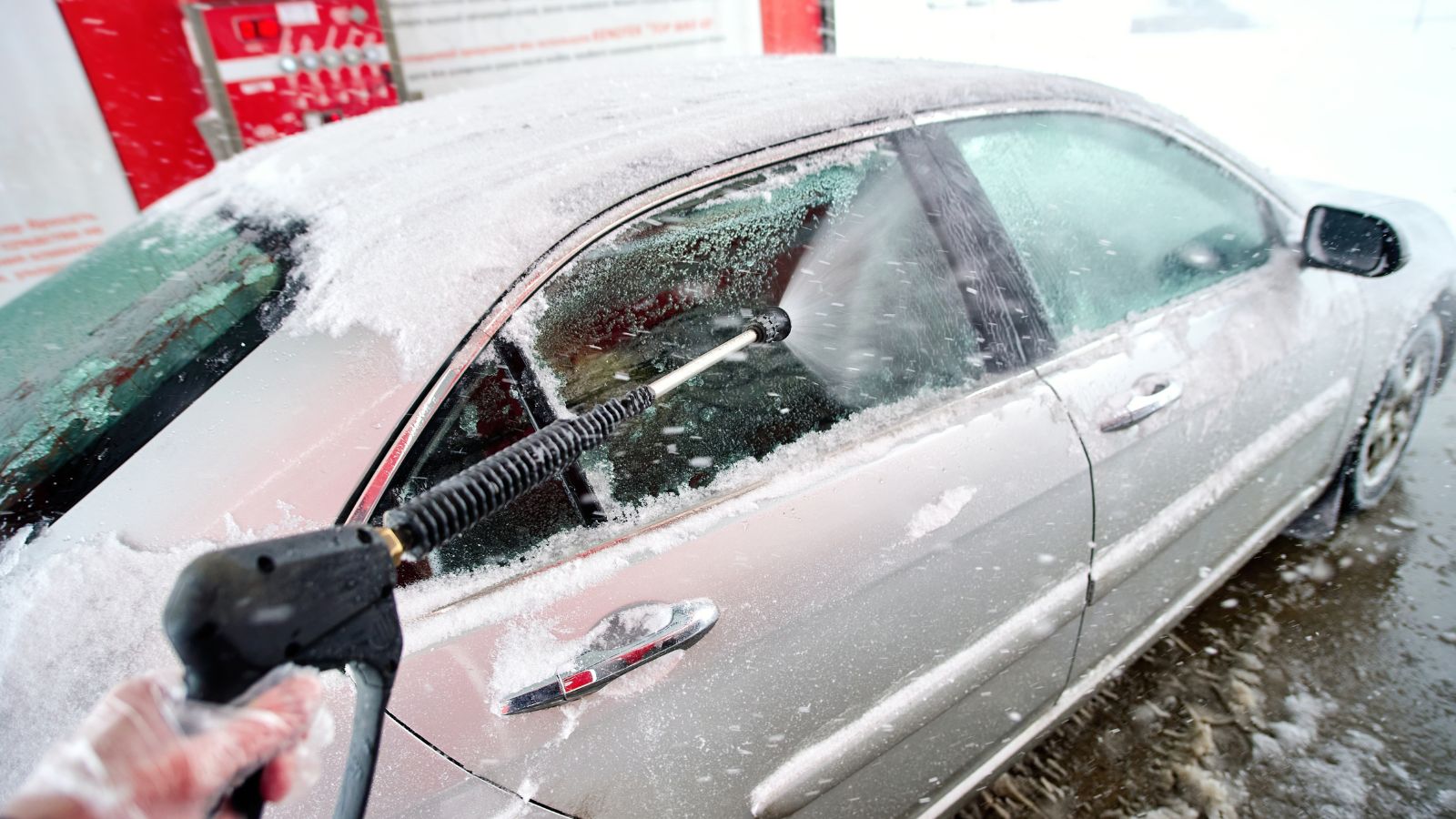
Car wash mode is a wonderfully modern idea: one command that closes windows, disables wipers, and gets the vehicle ready to roll through an automated wash. It is the kind of small convenience feature that seems tailor-made for busy owners who just want the car to prepare itself properly. Yet this is also a perfect case study in why good ideas can still go underused. If a feature is buried in menus, slow to access, or unclear in the moment, its usefulness collapses under pressure—especially when there is already a line behind the vehicle.
That is exactly what happens with many low-frequency convenience functions. Drivers do not use them often enough to memorize where they live, so each attempt feels like relearning the system. Instead of feeling clever, the feature feels like one more hidden trick inside a complex infotainment setup. Many owners would rather just manually check the windows and wipers than hunt through a screen while other cars wait. It is a smart feature on paper, but paper is not where people use their vehicles. In real life, the simpler solution often wins, and the paid feature becomes something owners forget exists until the next wash line.
22 Things Canadians Do to Their Cars in Spring That Mechanics Hate

Spring brings relief to many Canadian drivers after months of snow, freezing temperatures, and icy roads that put serious strain on vehicles. As temperatures rise across the country, drivers begin washing cars, switching tires, and preparing vehicles for warmer weather and upcoming road trips. However, mechanics across Canada notice the same mistakes every spring when drivers attempt to recover from winter damage. Road salt, potholes, and harsh winter driving conditions often leave vehicles with hidden problems that drivers ignore. Some spring habits even create new mechanical issues that could have been avoided with proper maintenance. Here are 22 things Canadians do to their cars in spring that mechanics hate.