


























Big cars often promise big practicality. Buyers expect roomy trunks that match the vehicle’s footprint. That expectation does not always hold true. Styling choices, battery packaging, and drivetrain layouts can eat into cargo space. Some models look huge outside, but disappoint once you open the trunk. Others prioritize design over daily usability. This list highlights vehicles that feel mismatched in size and storage. Each one has its reasons, but the result stays the same. You get less usable space than expected. Here are 25 cars with trunks that are weirdly small for their size.
Toyota C-HR
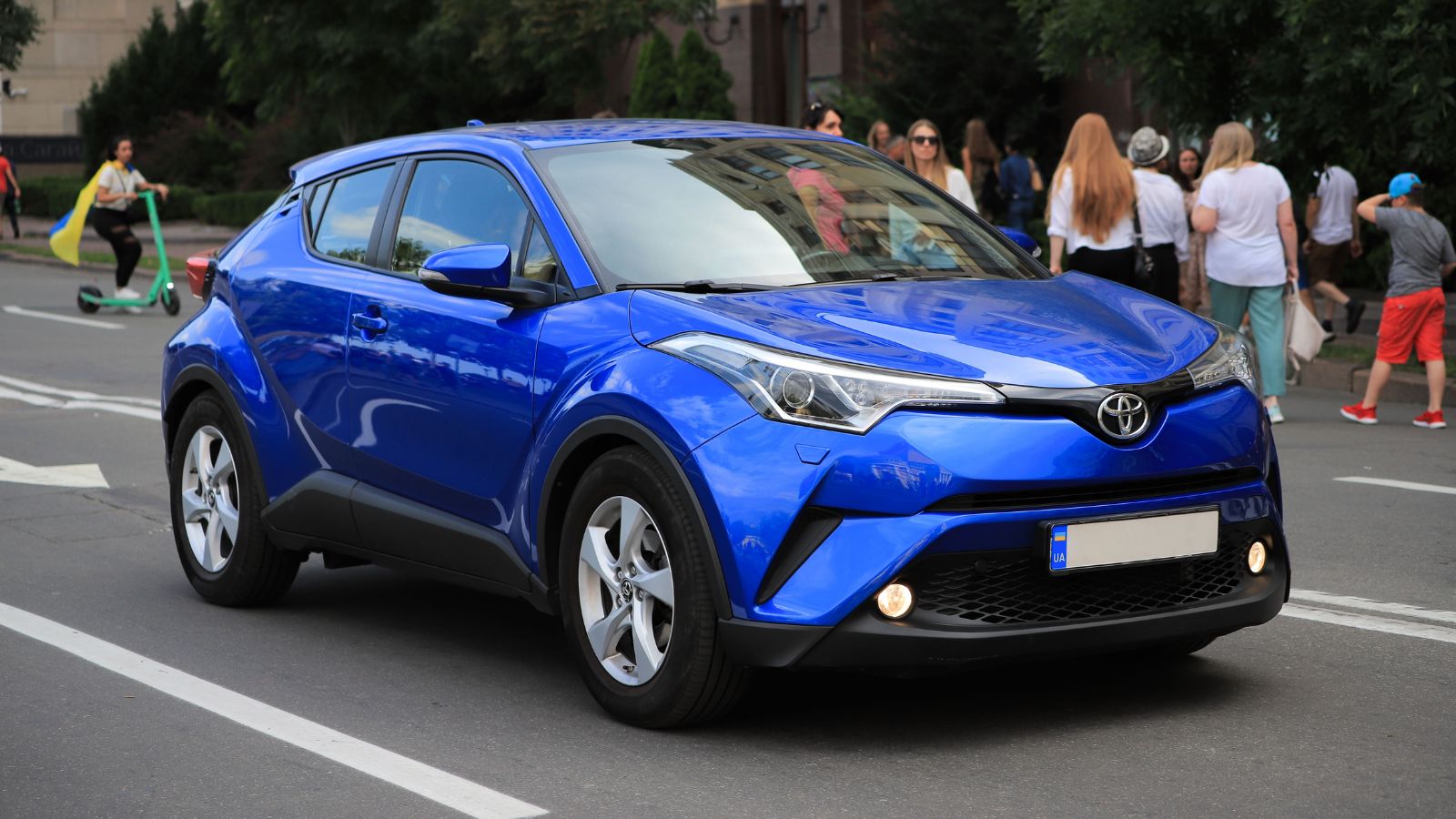
The Toyota C-HR looks bold and chunky from the outside. You expect a roomy rear area. The reality feels tighter than most rivals. The sloping roofline eats into cargo height. The high load floor reduces usable depth. Rear visibility also feels compromised. It does not help with packing bulky items. Groceries fit fine, but larger luggage becomes tricky. The design leans toward style more than function. Many buyers notice this quickly. For a crossover, expectations run higher. The C-HR misses that mark when it comes to trunk practicality.
Mazda CX-30
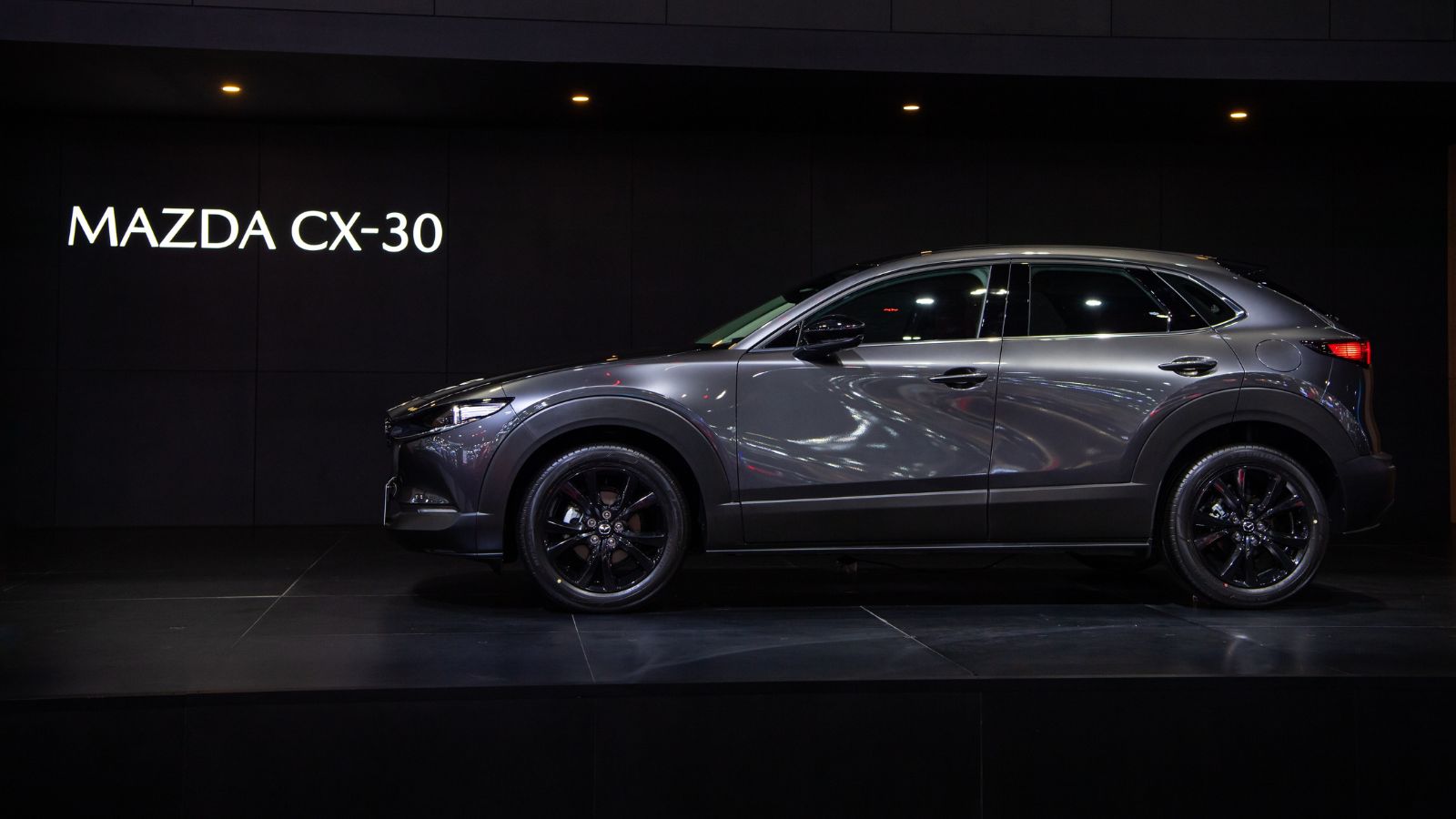
The Mazda CX-30 sits between segments. It looks larger than a typical small crossover. Inside, cargo space tells a different story. The rear opening feels narrow. The floor height cuts into the vertical room. The shape limits stacking flexibility. Weekend bags fill it faster than expected. The interior feels premium, though storage takes a hit. Buyers often assume more utility from its stance. That assumption does not hold in daily use. The CX-30 focuses on driving feel and design. Cargo space becomes a secondary concern here.
Hyundai Kona
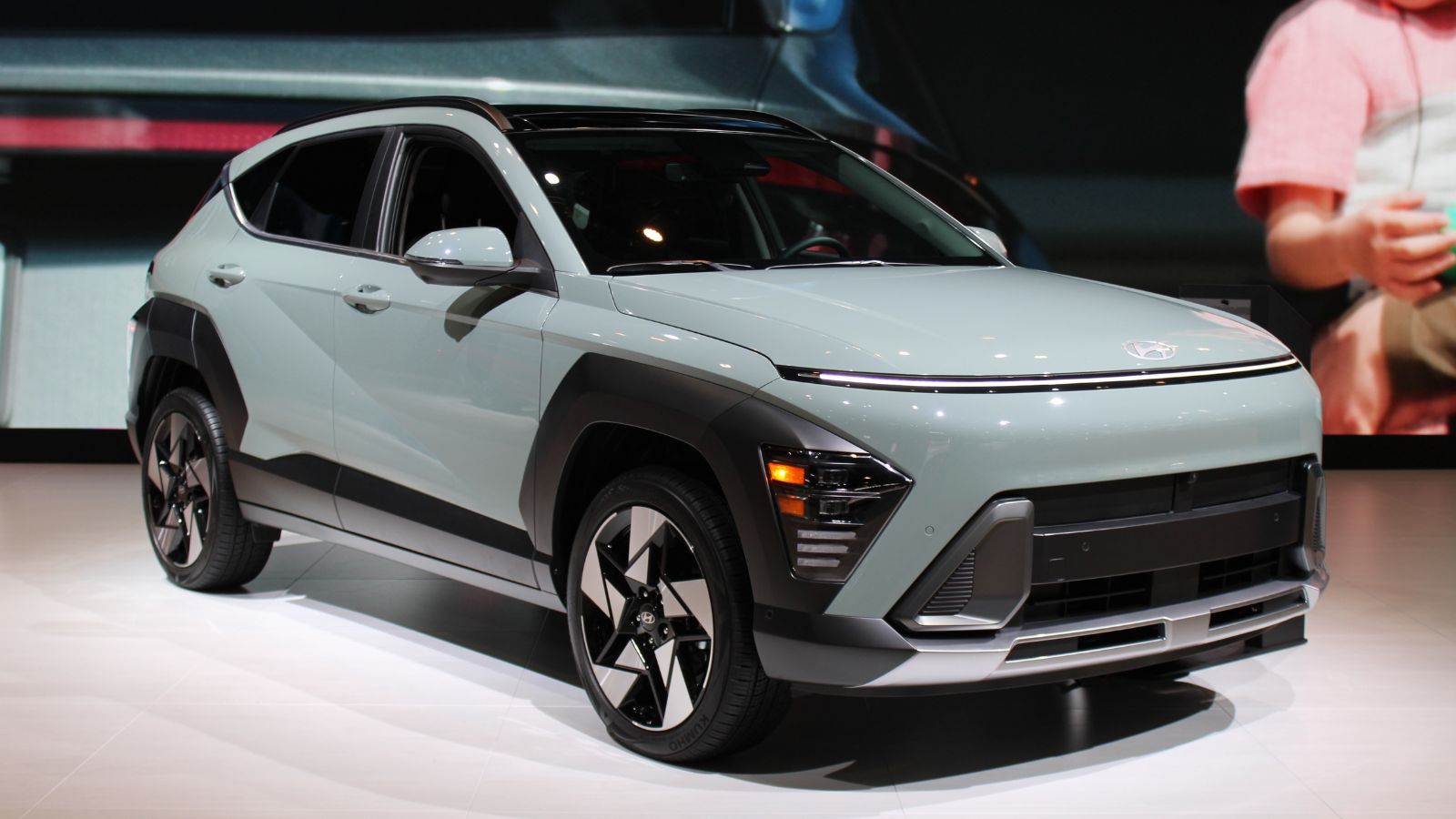
The Hyundai Kona has a tall body and SUV branding. That creates strong expectations for space. The trunk area feels surprisingly tight. The rear seats sit high, reducing cargo depth. The opening also limits larger items. It works for short errands and light packing. Travel with multiple bags becomes a challenge. Compared to competitors, it falls behind in practicality. The design favors compact proportions over storage. Buyers who value cargo capacity may feel restricted. The Kona performs well elsewhere, but trunk space remains a weak spot.
Nissan Juke
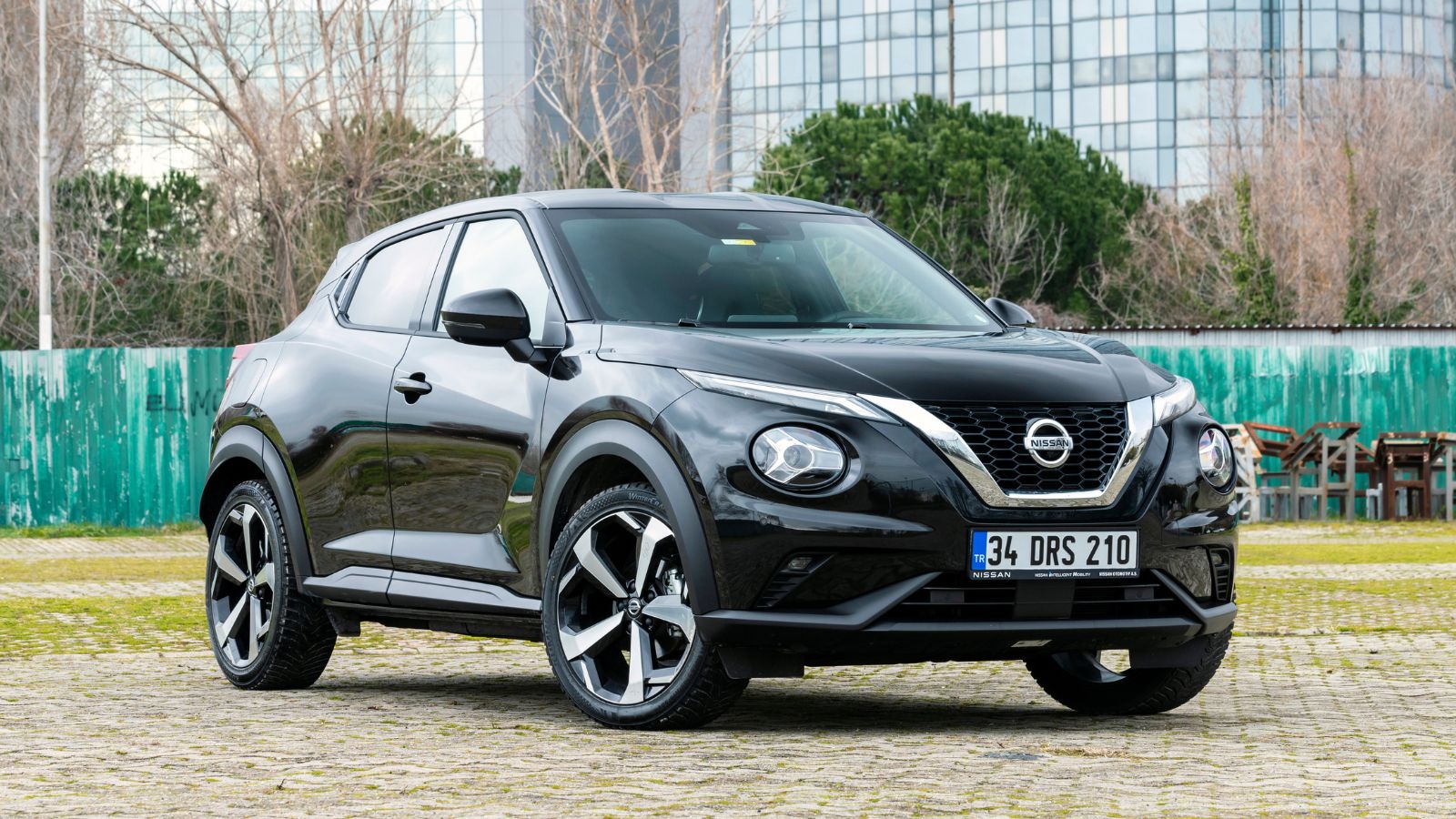
The Nissan Juke stands out with its quirky design. That style comes at a cost. The trunk area feels cramped for its size. The sloped rear reduces usable height. The floor sits higher than expected. Loading larger items becomes difficult. Even daily grocery runs can feel tight. The design leaves less room for flexibility. Buyers often choose it for looks and personality. Storage rarely becomes the priority. Compared to rivals, it offers less usable cargo space. The Juke trades practicality for character in a noticeable way.
Chevrolet Camaro
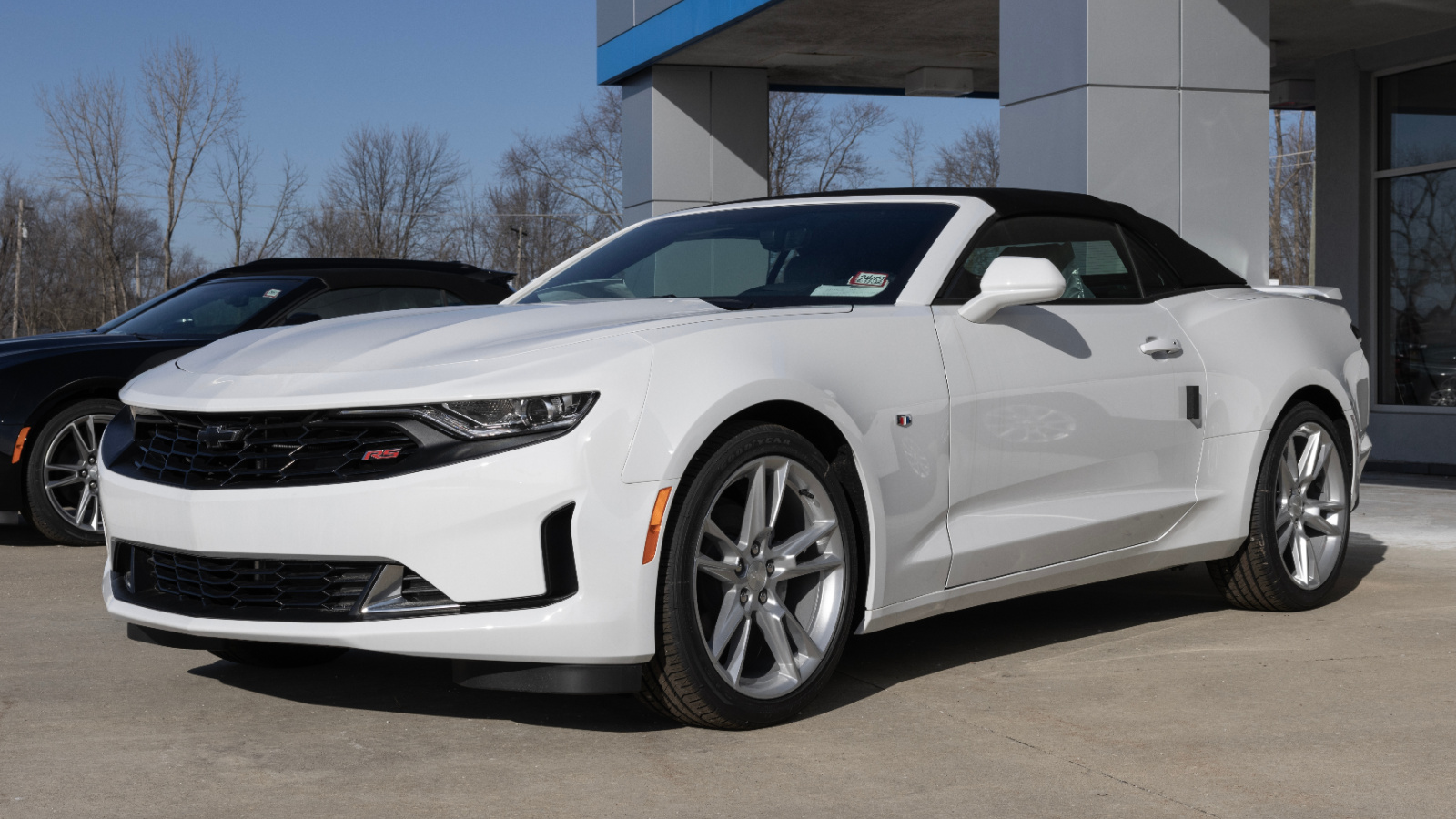
The Chevrolet Camaro looks wide and muscular. You might expect a decent trunk. The opening is narrow and awkward. The space inside feels limited for the car’s size. The design restricts access more than capacity. Larger bags struggle to fit through the opening. The high sill adds another challenge. It works for small items and short trips. Long travel requires careful packing. The focus stays on performance and styling. Cargo space becomes an afterthought. Many owners accept this trade, but it surprises first-time buyers.
Ford Mustang
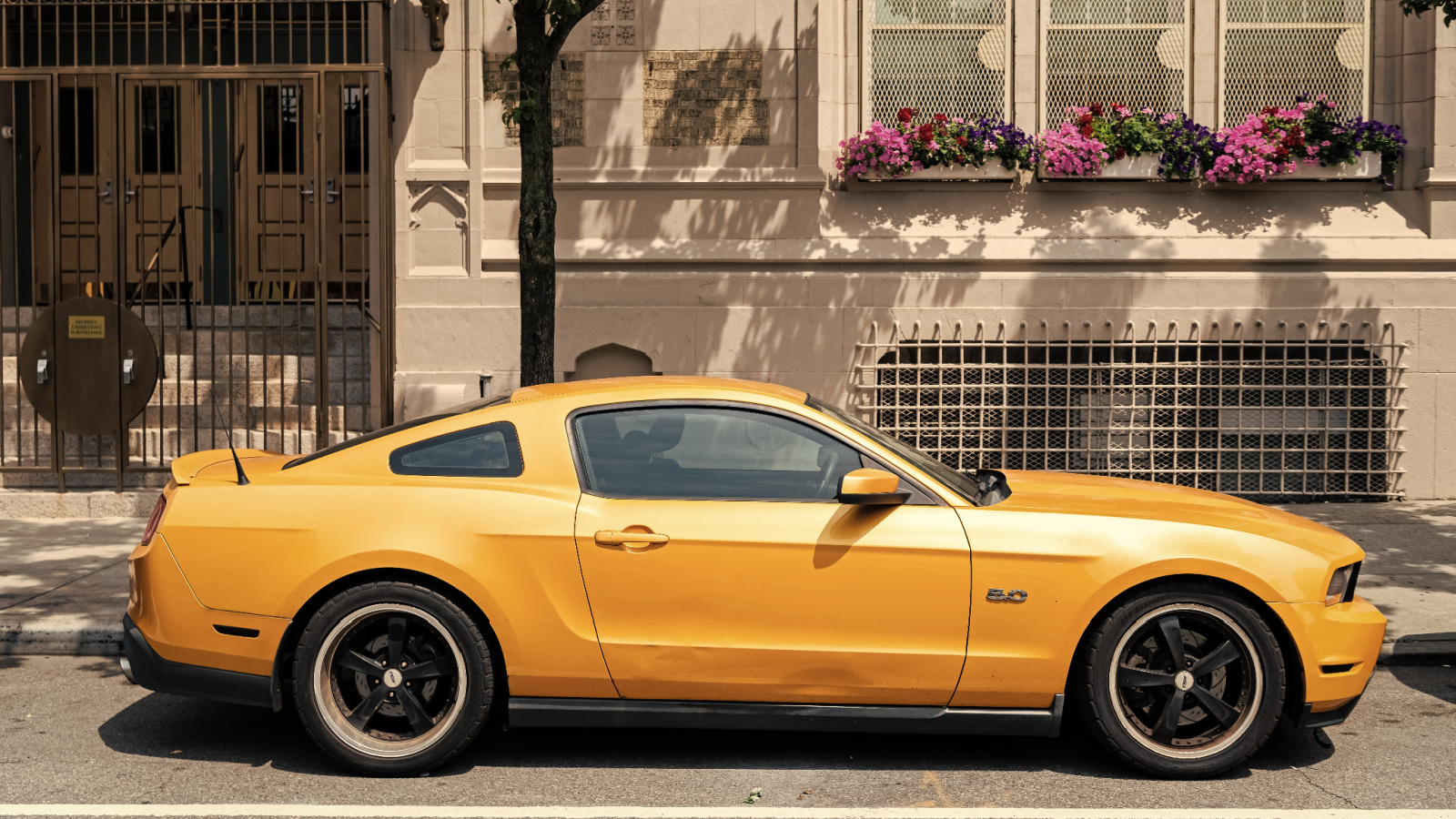
The Ford Mustang offers a larger trunk than expected at first glance. The issue lies in usability. The opening limits access for bulky items. The shape inside feels restrictive. The rear seat area does not help expand storage much. Weekend travel requires smart packing. The design prioritizes driving experience. That focus shows in cargo compromises. Buyers often assume better practicality due to its size. The reality feels tighter than expected. It works fine for daily needs. Larger hauling tasks quickly expose its limitations.
Dodge Challenger
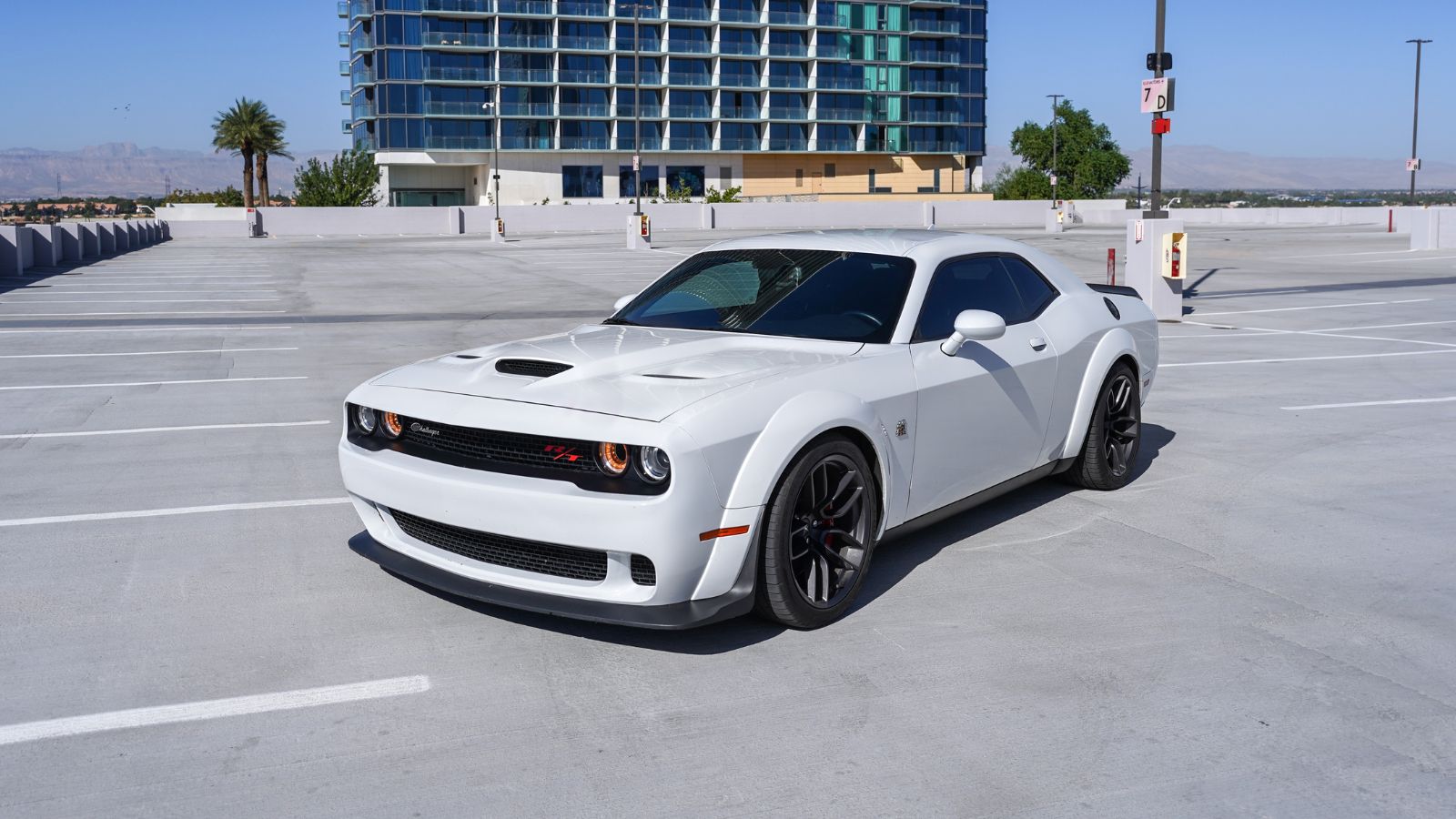
The Dodge Challenger appears massive on the road. You expect a spacious trunk. The actual space feels smaller than the exterior suggests. The opening remains narrow. The interior shape limits usable room. Large suitcases become tricky to fit. The design leans toward retro styling. Practicality takes a back seat. The rear seats fold, but access still feels awkward. Buyers often assume better cargo capacity. The mismatch becomes clear with real use. It works for casual storage, but not for bigger needs.
Tesla Model 3
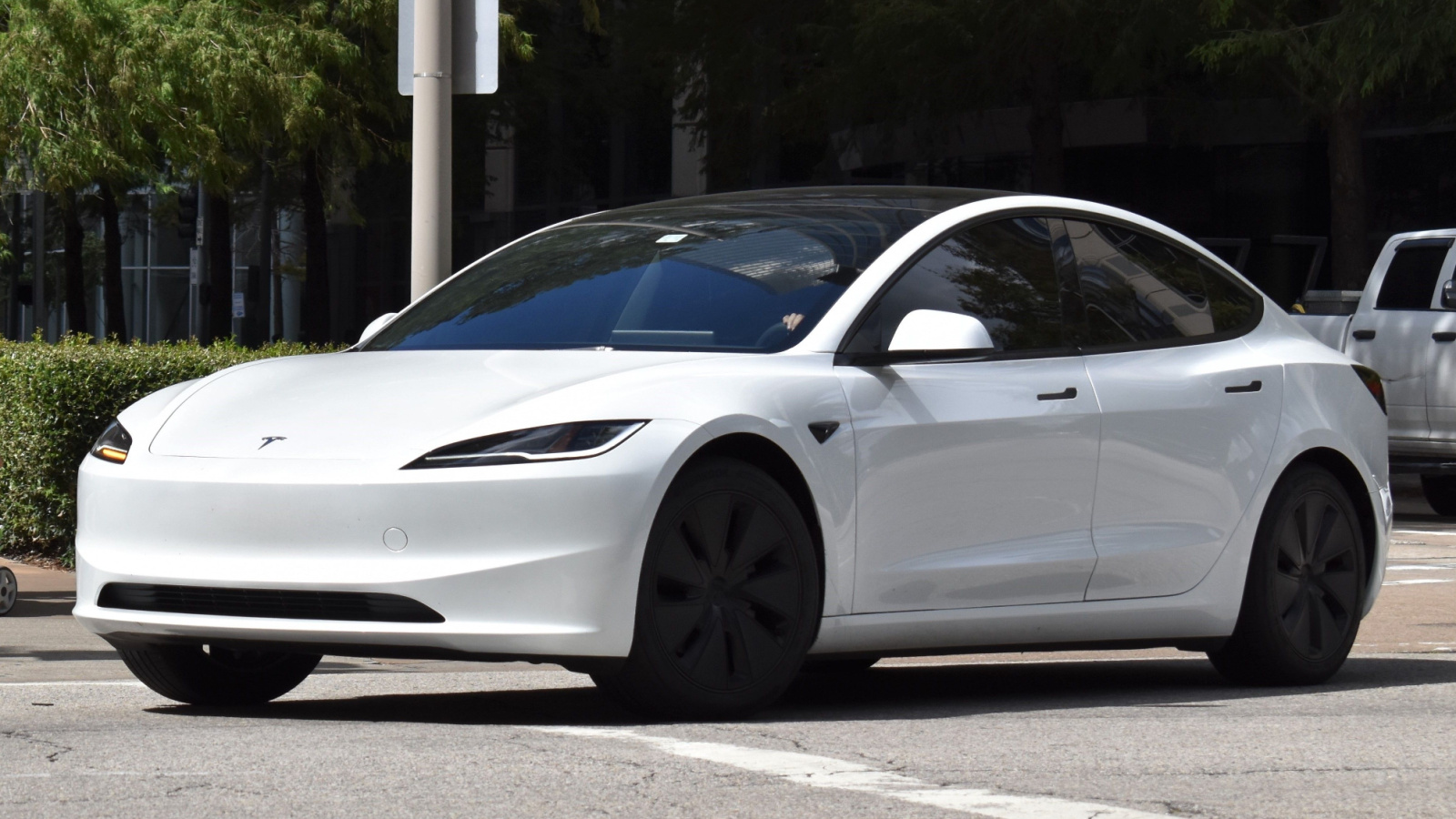
The Tesla Model 3 includes a front trunk and a rear trunk. Combined space sounds impressive. The rear trunk opening feels small. The shape limits larger items. The floor design reduces flexibility. The frunk helps, but it cannot handle bulky cargo. The rear seat opening also feels tight. Packing larger objects becomes a puzzle. The design prioritizes aerodynamics and battery placement. That affects cargo layout. Buyers expecting traditional sedan space may feel surprised. It works well for smaller loads but struggles with bigger ones.
Tesla Model S
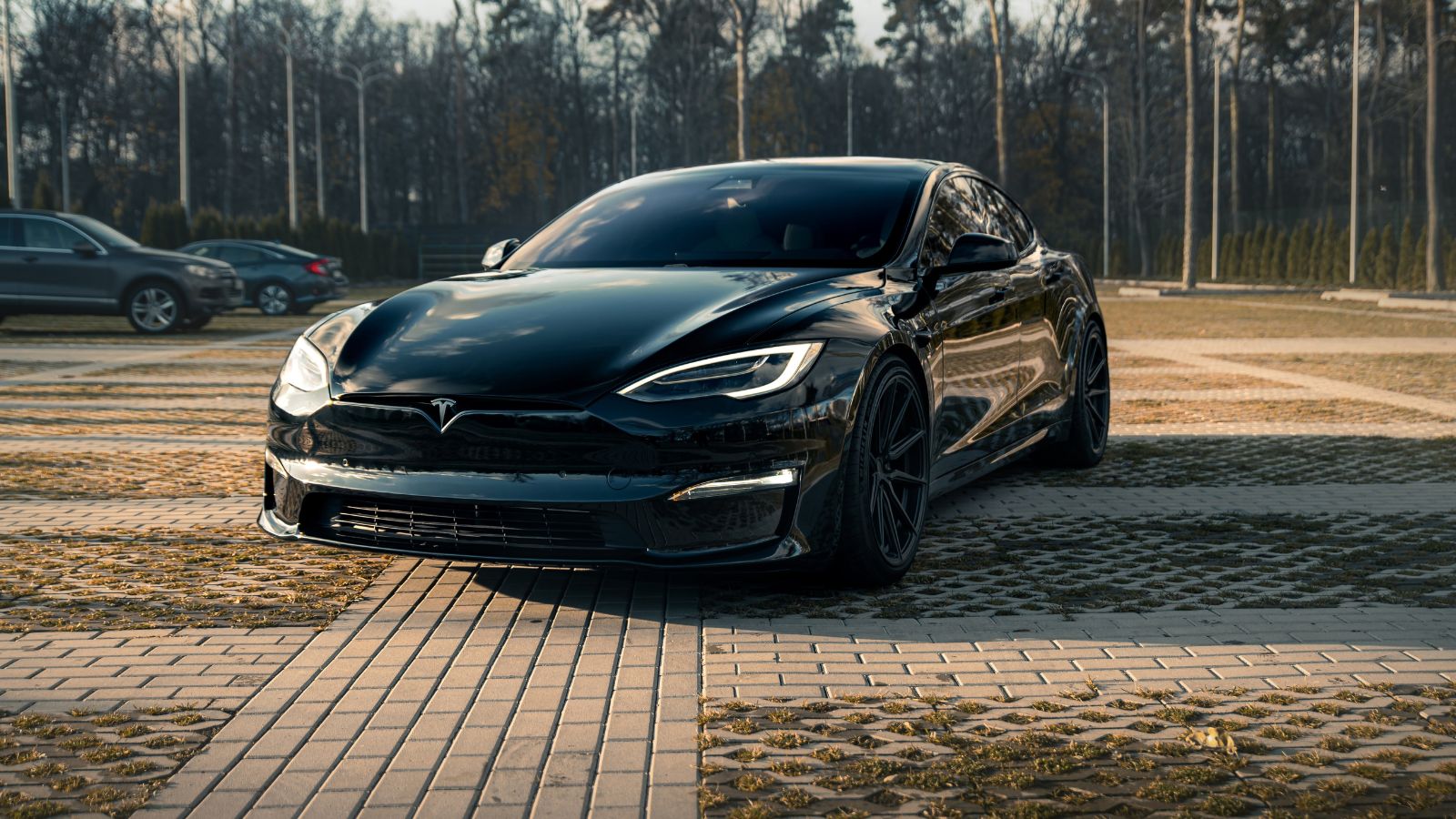
The Tesla Model S looks large and spacious. The hatchback design helps access. Battery placement reduces floor depth. The usable space feels less than expected. The rear compartment has odd shapes. Packing large items needs planning. The frunk adds extra room, though it remains small. The overall layout feels split rather than open. Buyers often expect more from a car this size. The design balances performance and storage. That balance leans away from maximum cargo space in daily use.
BMW 4 Series Gran Coupe
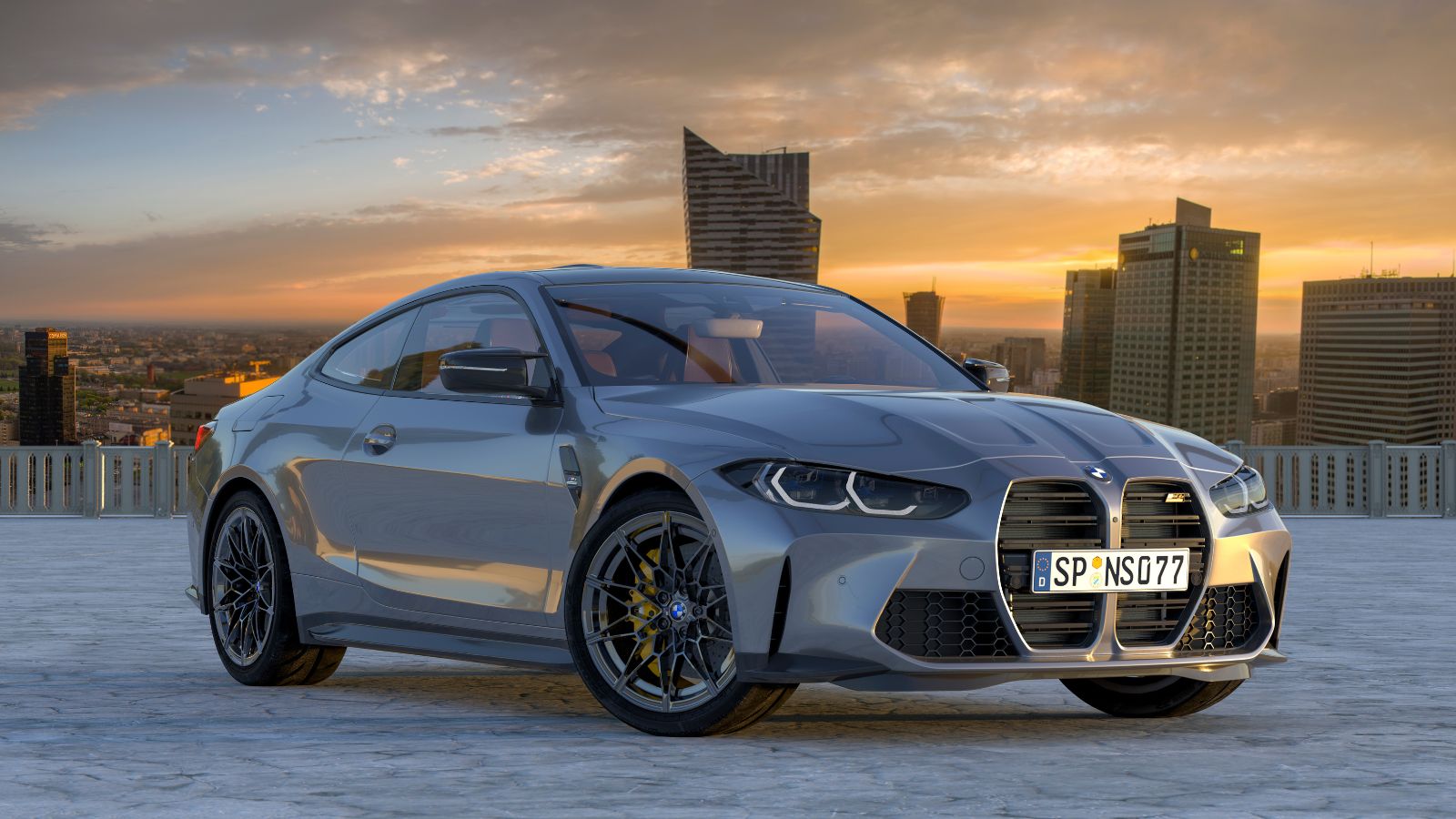
The BMW 4 Series Gran Coupe combines style and practicality. The sloping roofline limits cargo height. The trunk looks wide but feels shallow. The hatch opening helps access. Larger items still struggle with the shape. The rear seats fold, but space remains limited. The design prioritizes sleek proportions. That choice affects cargo usability. Buyers often expect more from a larger luxury car. The reality feels tighter than anticipated. It works for light travel, but not for bulky loads.
Audi A7
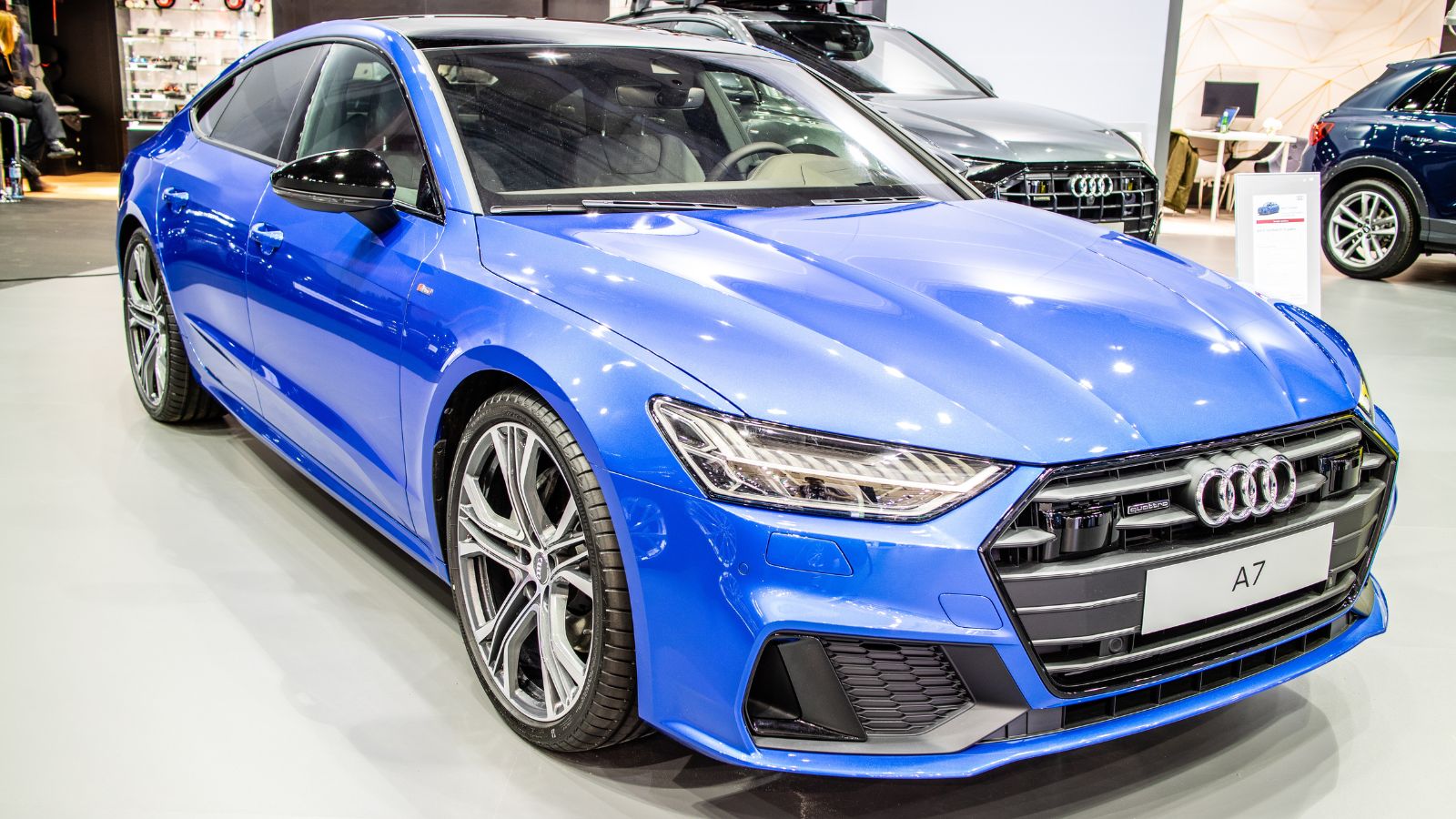
The Audi A7 stretches long and looks ready for serious hauling. The hatchback design suggests flexibility, but the sloping roof cuts into vertical room quickly. The cargo floor also sits higher than expected, limiting depth. Packing larger suitcases needs careful positioning to avoid wasted space. The opening feels wide, though usable height becomes the main issue. Buyers often assume wagon-like practicality, which does not fully appear here. It works well for daily errands and short trips. Once bulkier items enter the picture, the compromises become obvious and harder to ignore.
Mercedes-Benz CLA
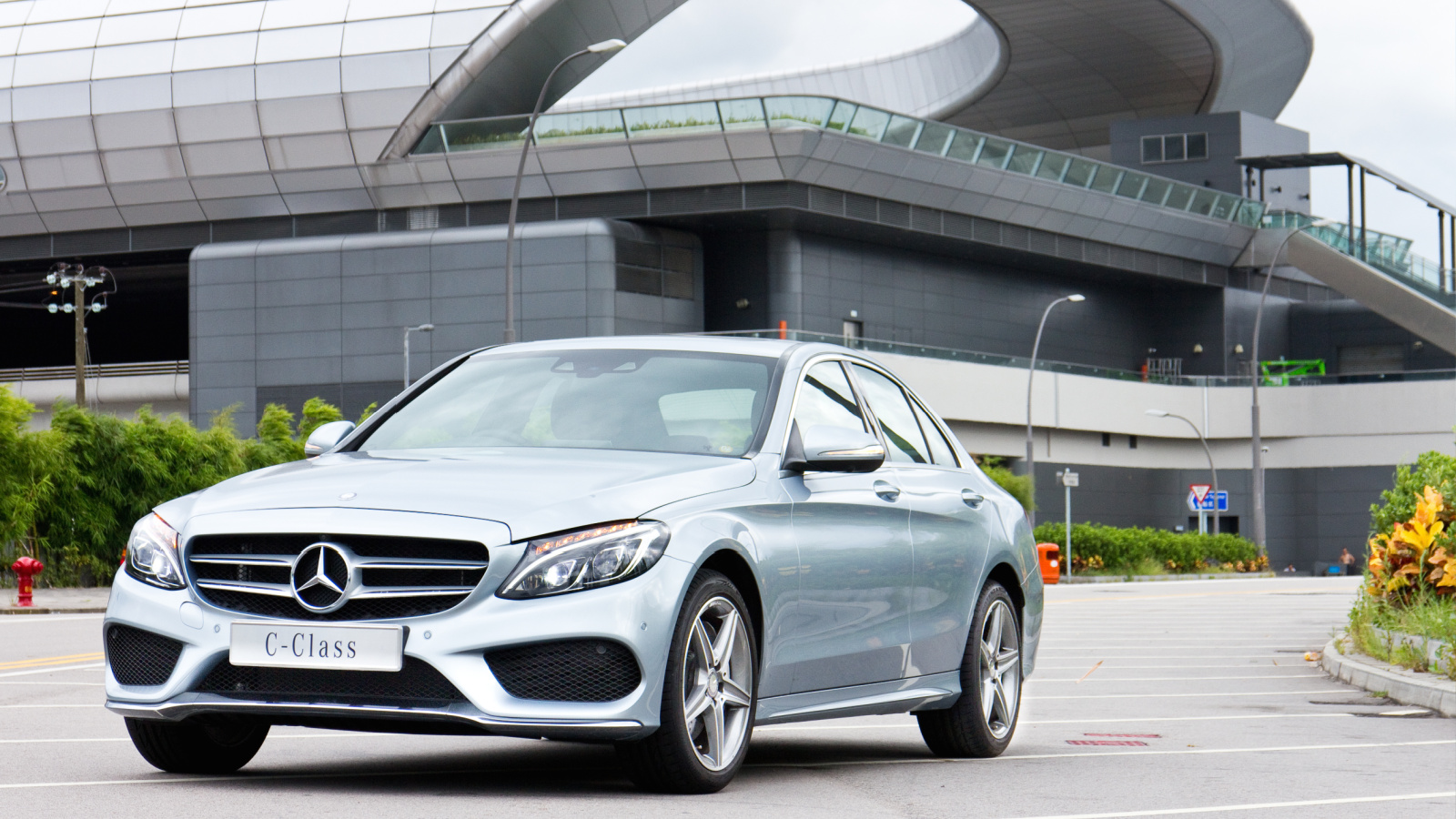
The Mercedes-Benz CLA presents a sleek coupe shape that draws attention immediately. That design shrinks the trunk opening more than expected. The interior space feels shallow, which limits how items stack. Even medium luggage can feel awkward to place inside. The car looks larger from the outside than it behaves in real use. Buyers often expect stronger practicality from a luxury sedan. The focus here clearly leans toward styling and brand appeal. It handles smaller loads easily, but frequent travel or shopping trips can highlight its surprisingly limited storage area.
Honda Insight
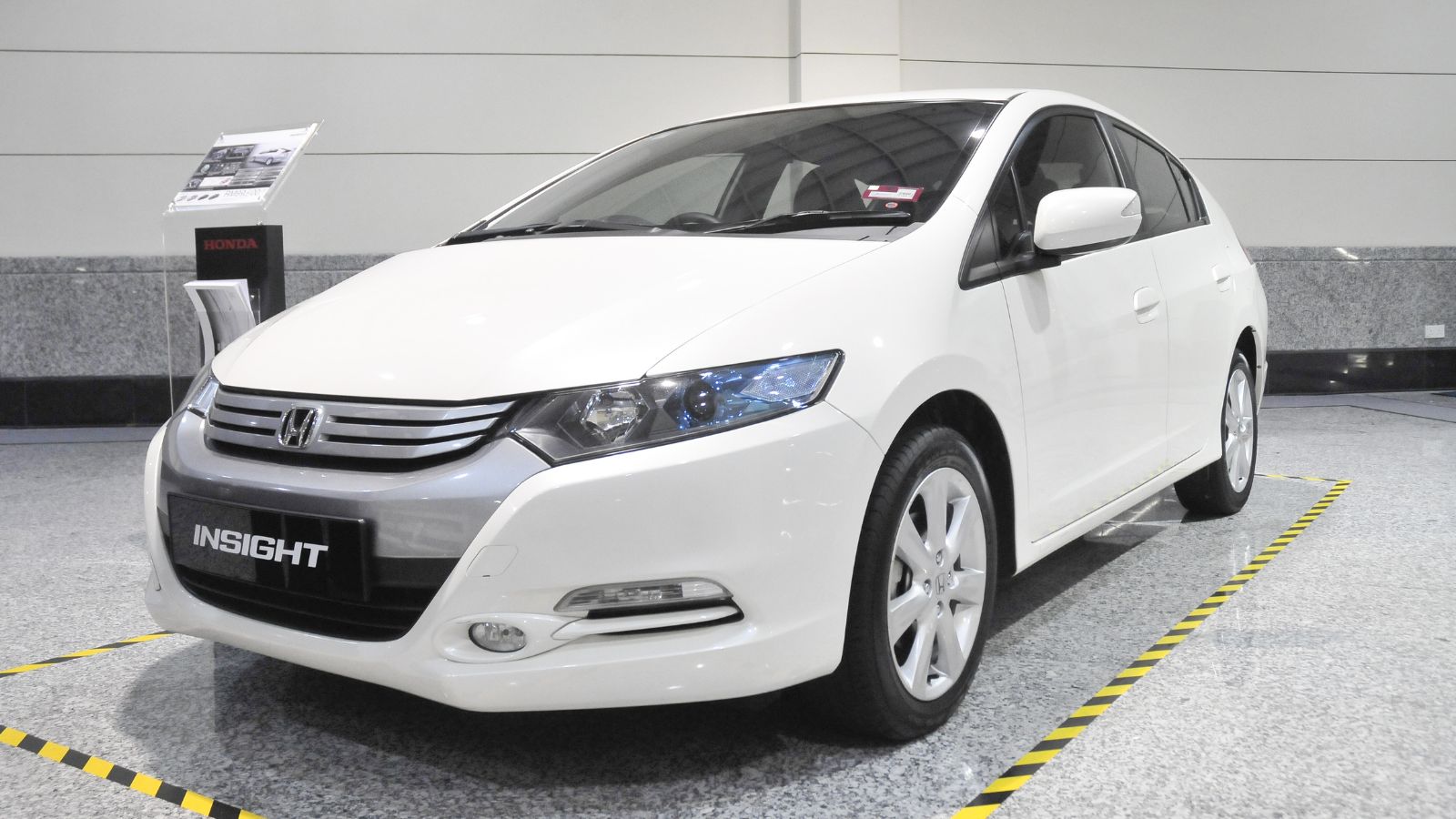
The Honda Insight aims for efficiency and comfort, but cargo space takes a hit. Battery placement raises the trunk floor noticeably. That change reduces depth and limits how much you can stack. The opening also feels slightly restrictive for wider objects. Buyers often expect Civic-like practicality, which feels misleading here. The trunk works fine for groceries and daily use. Longer trips with multiple bags require more planning than expected. The hybrid layout shapes these compromises clearly. It remains practical enough for regular errands, but falls short when larger loads become necessary.
Toyota Prius
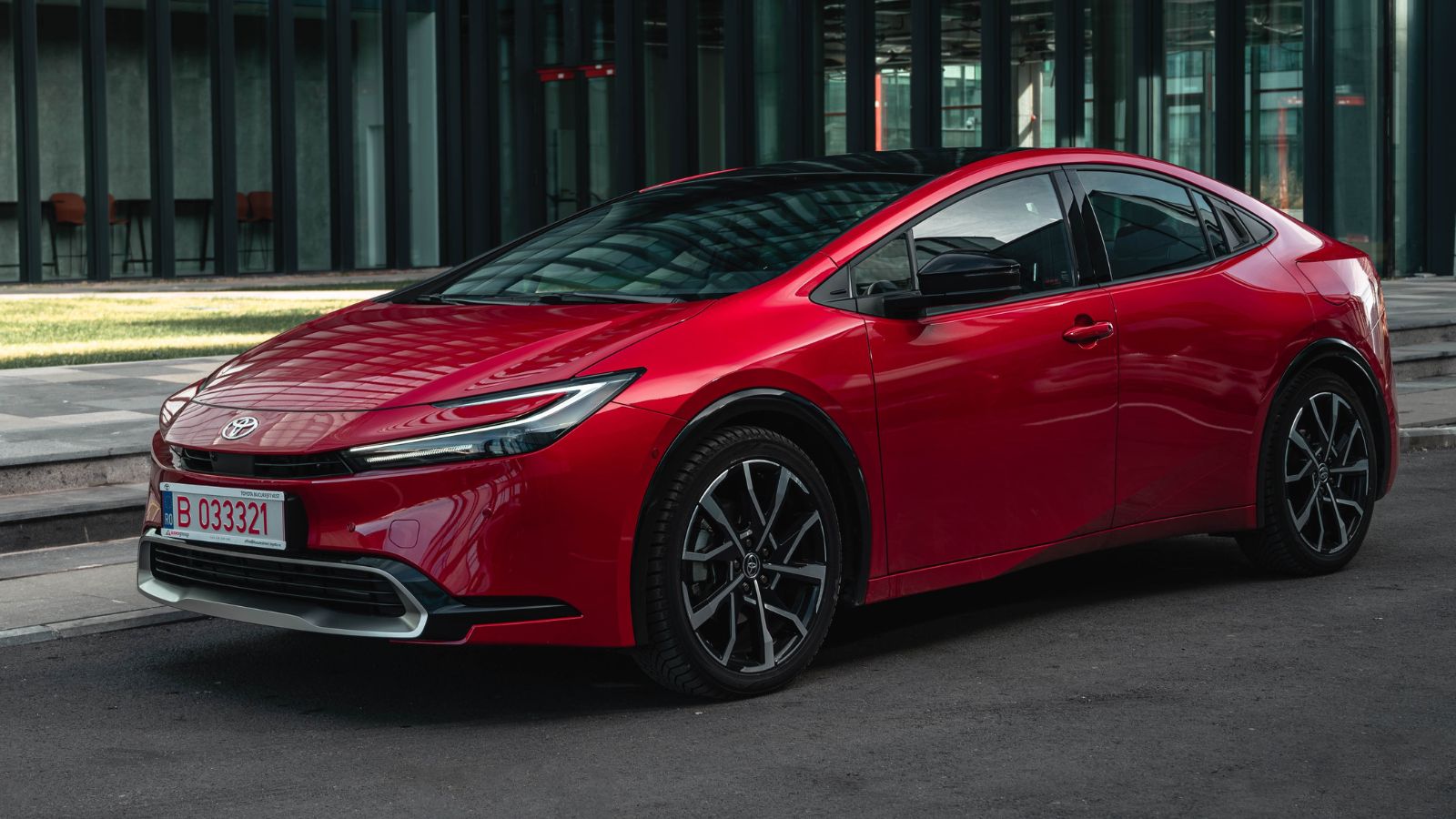
The Toyota Prius offers a hatch design that promises flexibility at first glance. The battery layout changes how usable the space feels. The floor sits unevenly, which complicates loading. The split rear glass also affects how items fit inside. Larger objects become tricky to position without wasting space. Buyers often expect strong practicality from a hatchback, yet the shape limits that advantage. It performs well with smaller loads and everyday errands. Bulkier items quickly expose the compromises. The Prius focuses on efficiency first, leaving cargo usability as a secondary concern.
Kia Stinger
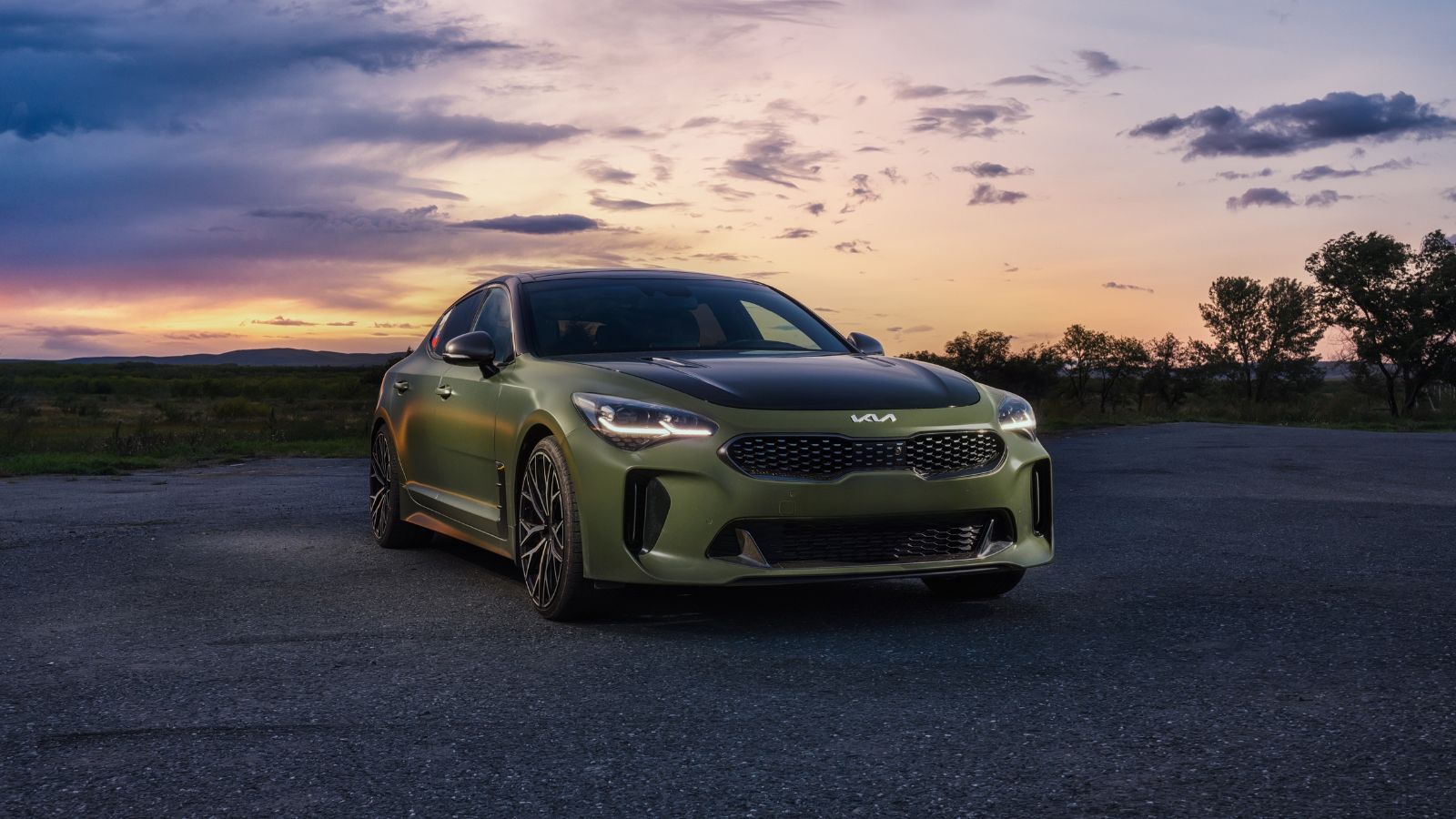
The Kia Stinger uses a hatchback layout that suggests generous storage. The sloping roofline quickly reduces usable height inside. The trunk looks large but feels restricted once loaded. The shape makes it harder to fit taller or boxier items. Buyers often expect more flexibility from a car this size. The opening helps access, yet the interior space remains the real limitation. The design clearly favors performance and style over practicality. It works well for daily driving and smaller bags. Larger loads demand careful arrangement to avoid wasting already limited space.
Porsche Panamera
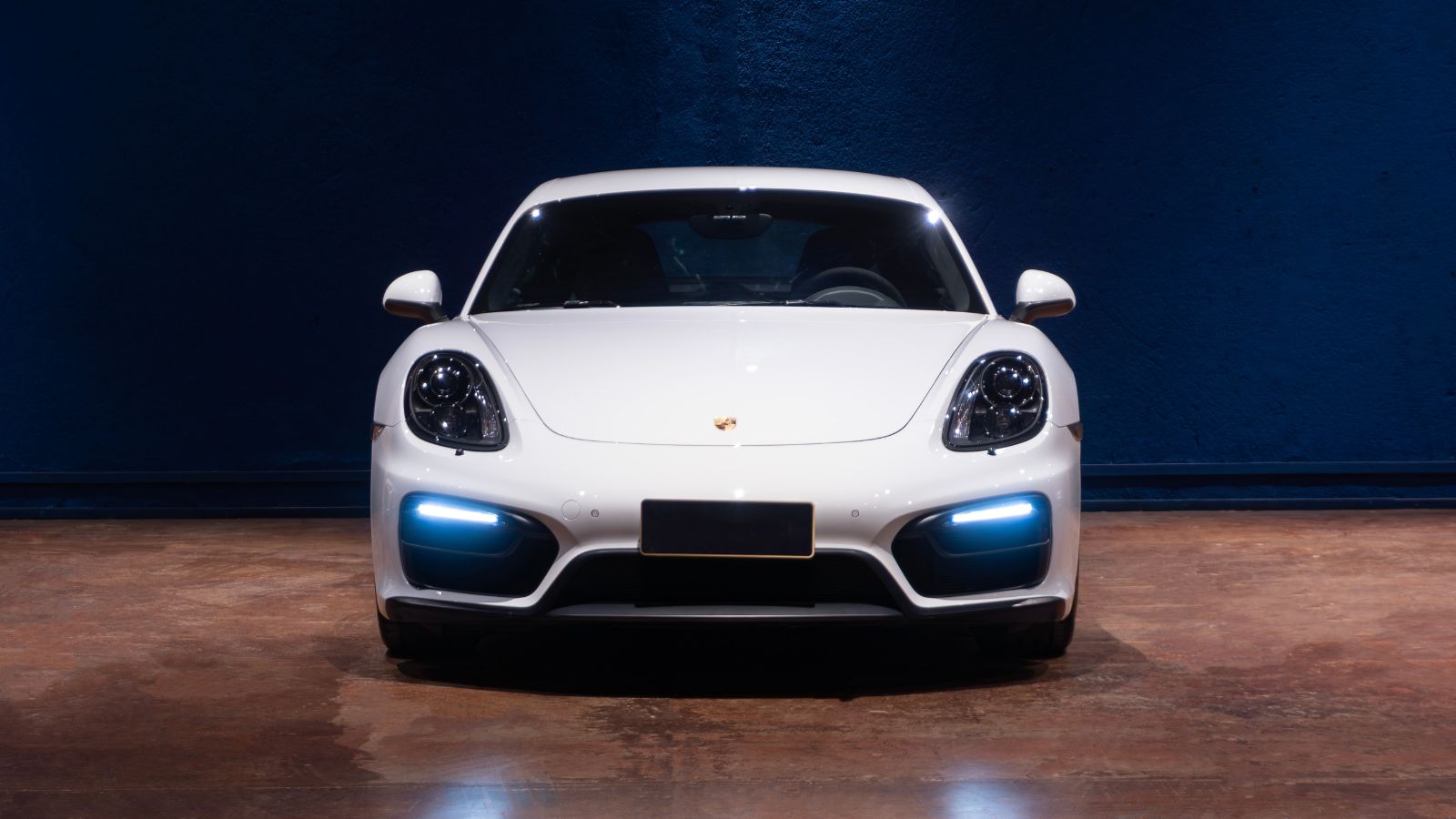
The Porsche Panamera appears wide and long, which sets high expectations. The hatchback design improves access, but the roofline limits usable height. The cargo area feels smaller than the exterior suggests. The shape inside reduces flexibility when packing bulkier items. Buyers often expect luxury cars to offer better practicality. The Panamera balances performance with storage, though that balance leans away from maximum capacity. It handles light travel well without much effort. Larger loads need planning and careful placement. The design prioritizes driving feel first, leaving cargo space as a compromise.
Range Rover Evoque
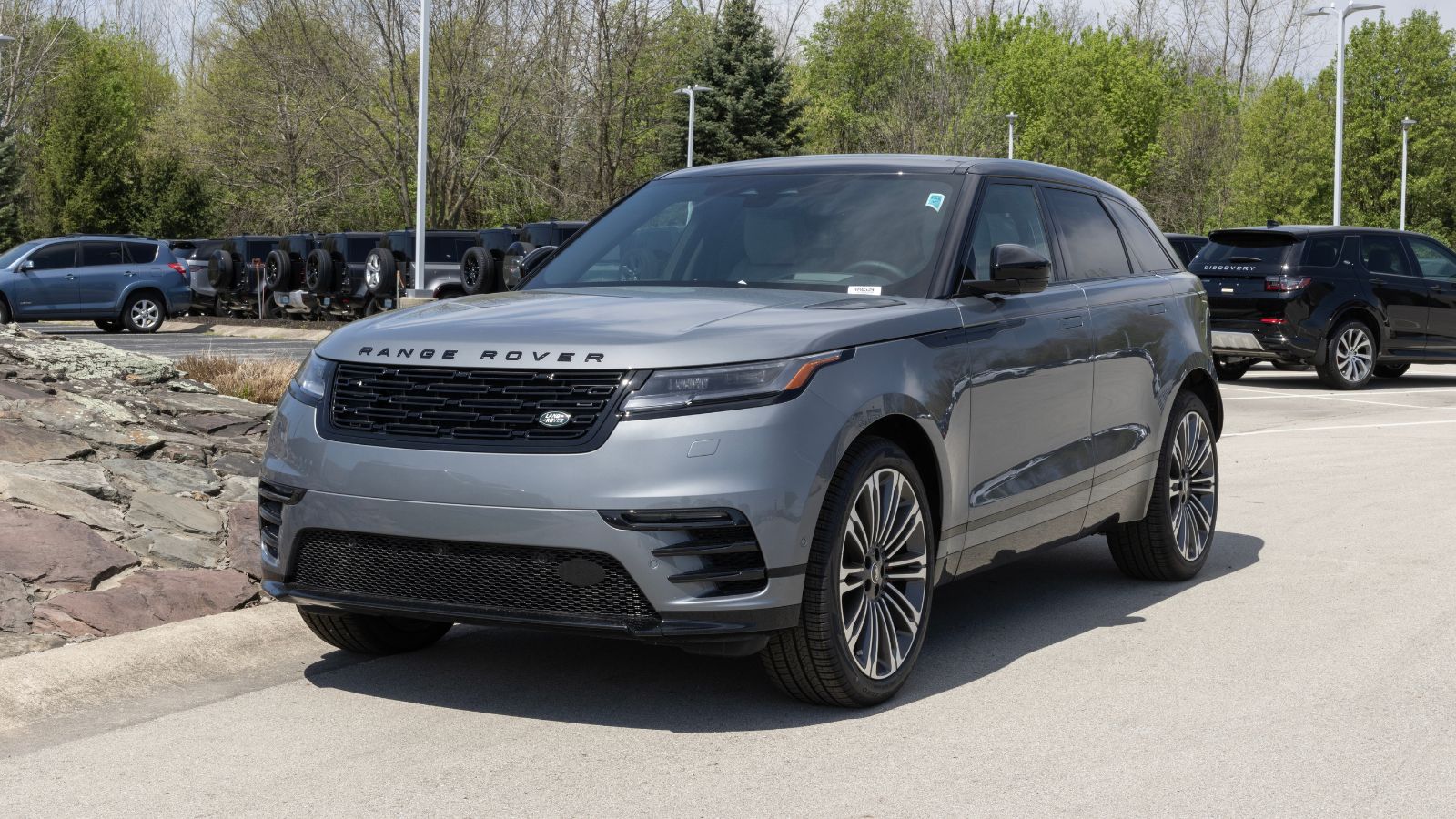
The Range Rover Evoque has a strong stance that suggests solid practicality. The sloping rear design cuts into cargo height more than expected. The floor sits higher, which reduces usable depth. The opening also limits how large items fit inside. Buyers often expect SUV-level space, but the reality feels tighter. The Evoque clearly focuses on style and presence. It handles daily errands without much trouble. Longer trips with luggage reveal its limits quickly. The design choices make sense visually, yet they reduce how much you can actually carry.
Jaguar E-Pace
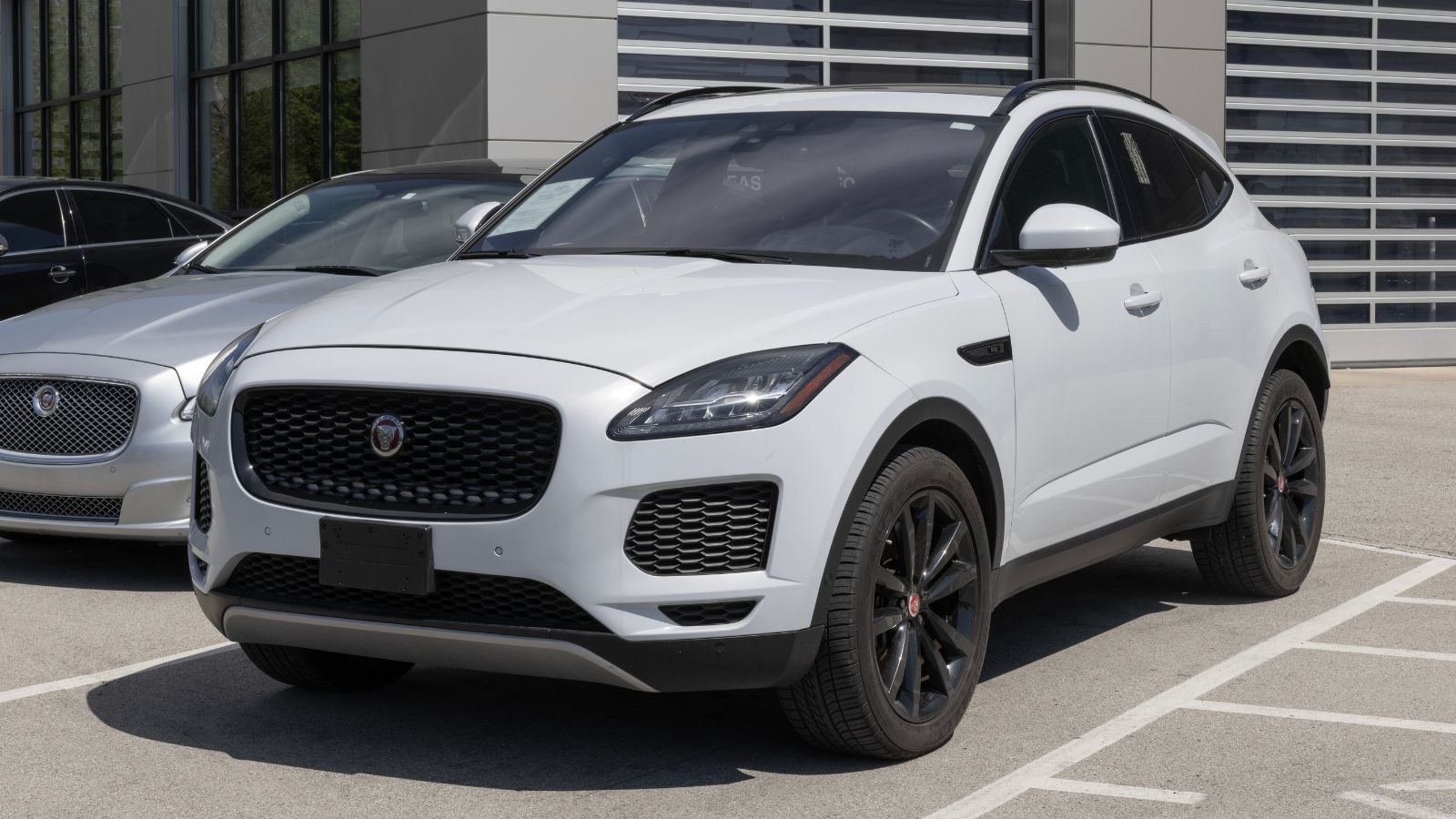
The Jaguar E-Pace looks bold and slightly larger than its class suggests. The trunk space feels smaller once you begin loading items. The shape limits how efficiently you can use the area. The floor height reduces depth, making stacking harder. The opening also feels narrower than expected for a crossover. Buyers often assume more practicality from its size. The design leans toward performance and style instead. It works fine for smaller loads and daily use. Larger items become difficult to manage without careful placement and some compromise.
Lexus UX
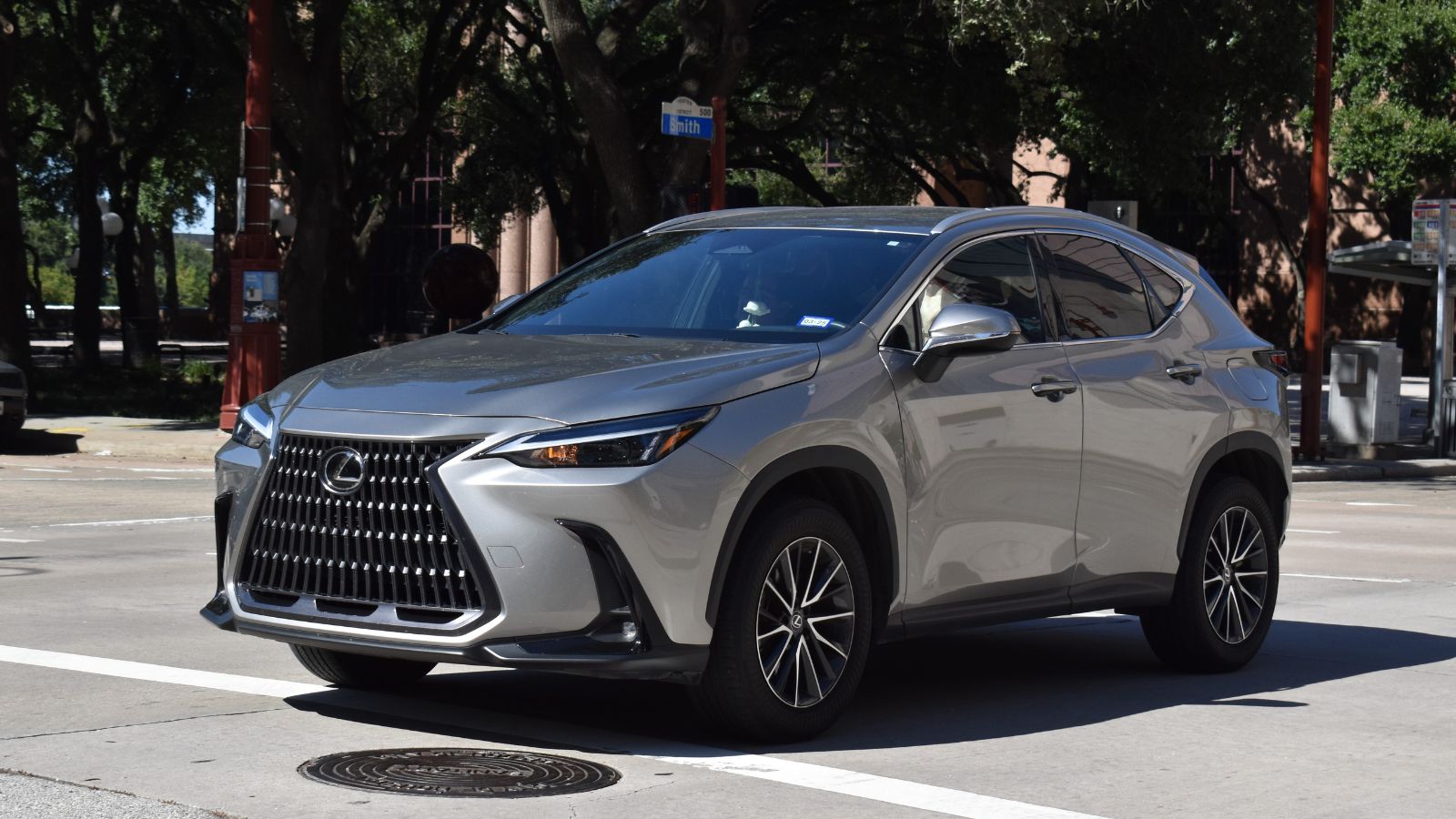
The Lexus UX appears like a compact SUV with decent utility. The hybrid system noticeably changes the cargo layout. The trunk floor sits high, which reduces usable depth. The space feels tighter than expected, given its exterior. The opening also limits wider items from fitting comfortably. Buyers often expect crossover versatility, but the UX feels restricted. It handles light errands and small bags easily. Travel with multiple suitcases becomes a challenge. The design focuses on efficiency and comfort, leaving cargo space as a noticeable compromise during regular use.
Infiniti QX30
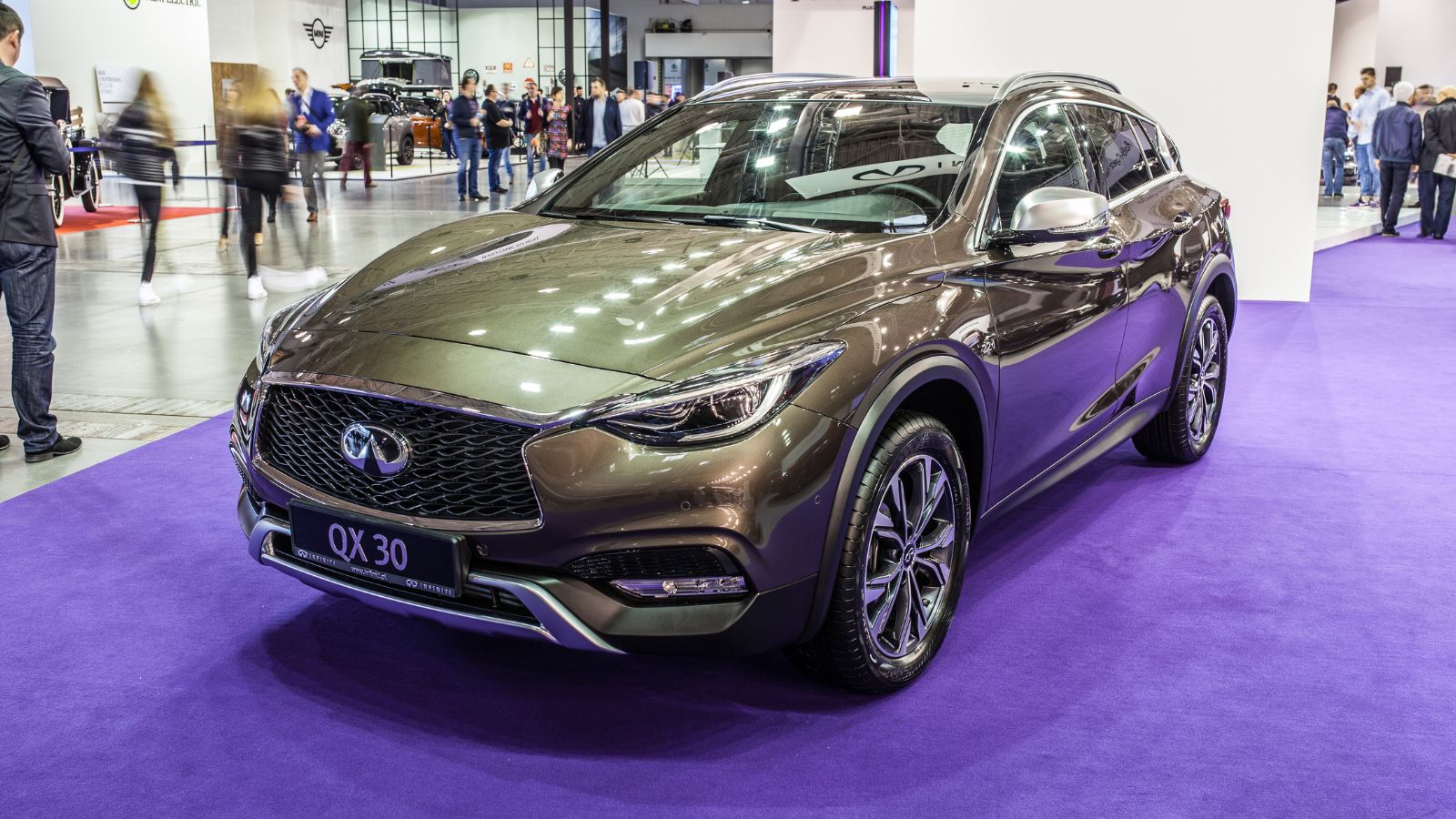
The Infiniti QX30 shares its platform with hatchbacks, which affects its storage. The trunk feels smaller than the exterior suggests. The shape limits how effectively items can be arranged. The floor height reduces usable depth. The opening also feels slightly narrow for larger objects. Buyers often expect crossover practicality, yet the QX30 delivers less. It handles everyday errands without much issue. Packing for longer trips requires more planning than expected. The design focuses on style and driving feel. That choice leaves cargo space feeling restricted in real use.
Mini Countryman
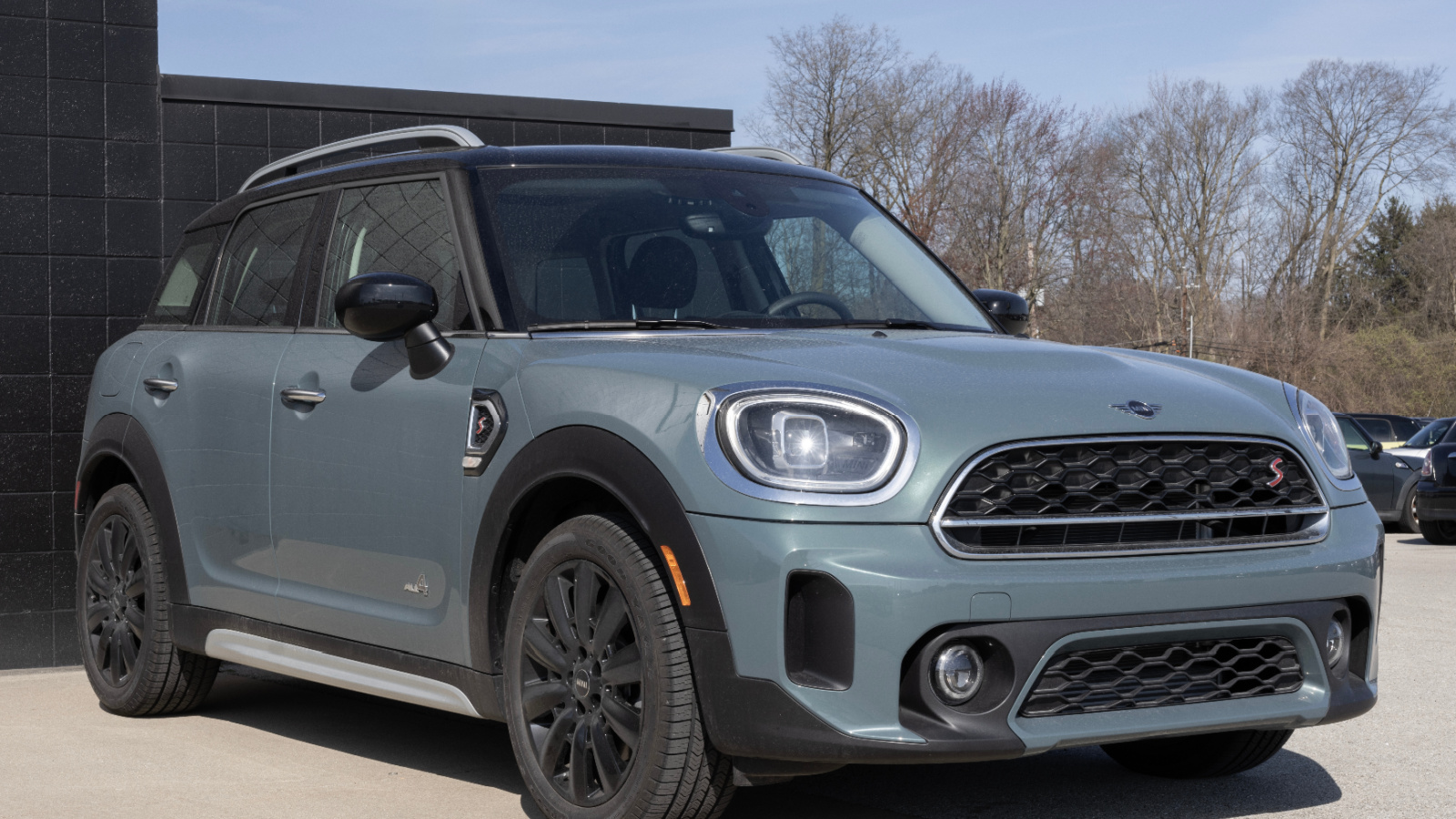
The Mini Countryman looks larger than typical Mini models, which raises expectations. The trunk space feels modest once you start loading items. The shape limits how efficiently luggage can be placed. The floor height reduces usability further. The opening feels tighter than expected for a crossover. Buyers often assume more flexibility from its size. The design focuses on character and driving feel. It works well for small loads and daily errands. Larger items quickly become tricky to manage, especially when trying to maximize the limited available space.
Jeep Compass
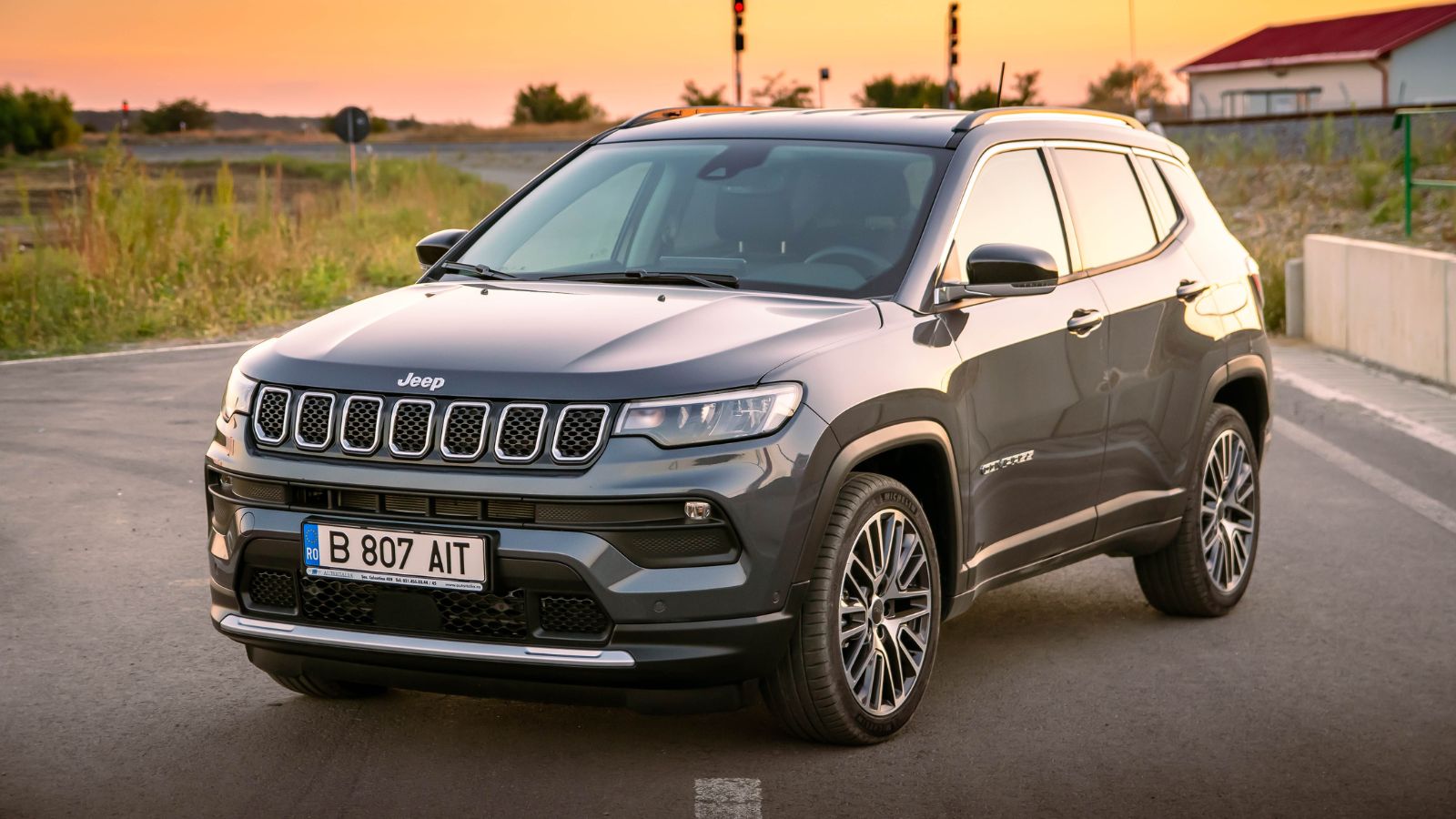
The Jeep Compass carries a rugged image that suggests strong practicality. The trunk space feels average despite the exterior size. The shape limits how well items can be arranged. The floor height reduces usable depth slightly. The opening also restricts larger objects from fitting easily. Buyers often expect more cargo room from an SUV like this. The Compass handles daily errands without issues. Longer trips with more luggage reveal their limits. The design leans toward off-road styling. That choice leaves cargo space feeling less generous than expected.
Chevrolet Blazer
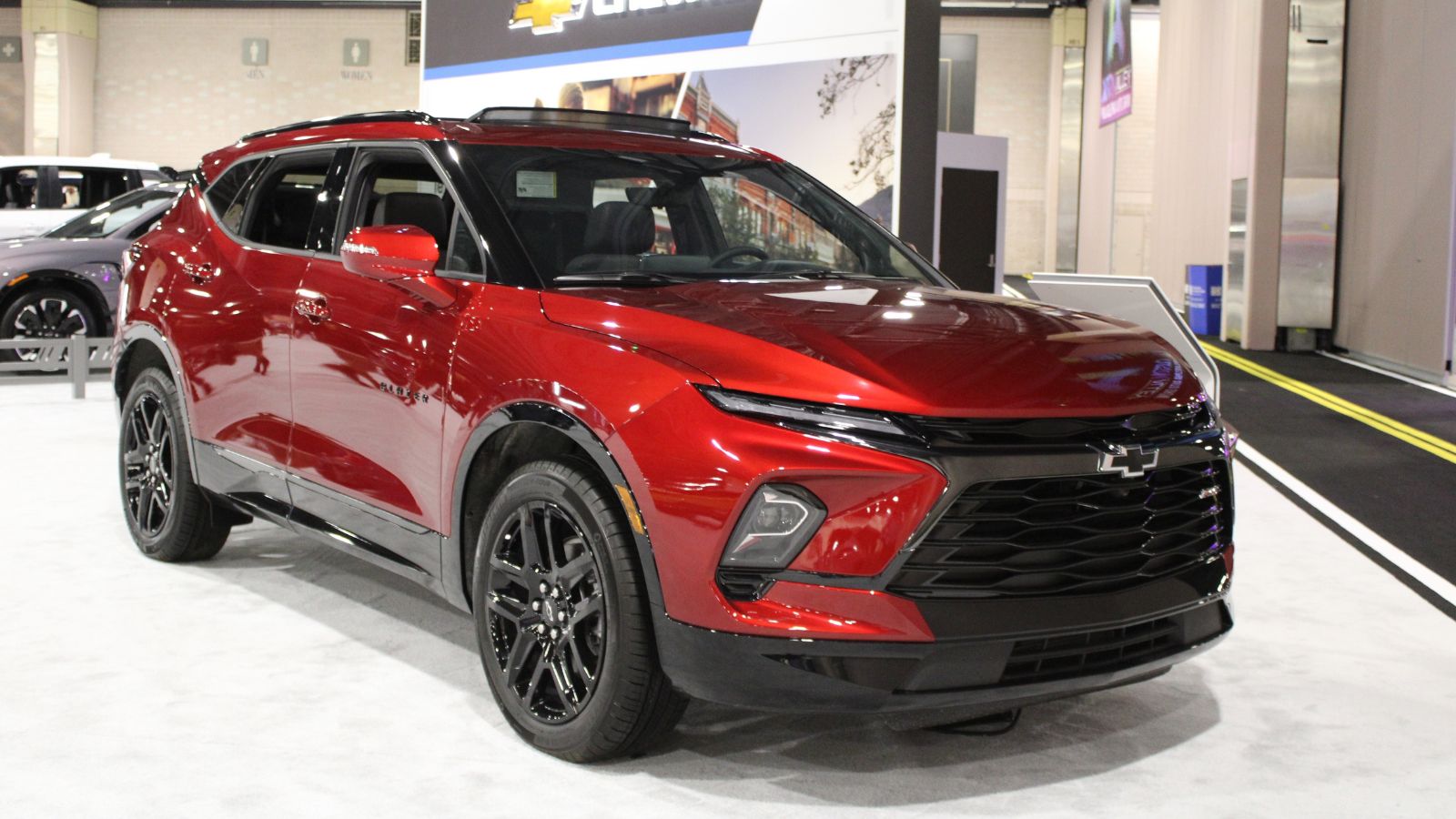
The Chevrolet Blazer looks wide and bold, which sets strong expectations. The trunk space feels smaller once you begin using it. The sloping rear reduces vertical room significantly. The shape limits how efficiently items can be placed. The floor height also cuts into usable depth. Buyers often expect more from a mid-size SUV. The Blazer focuses heavily on style and presence. It handles everyday use well enough. Larger loads and travel packing quickly expose its limitations. The design sacrifices some practicality in favor of a more aggressive appearance.
Ford Mustang Mach-E
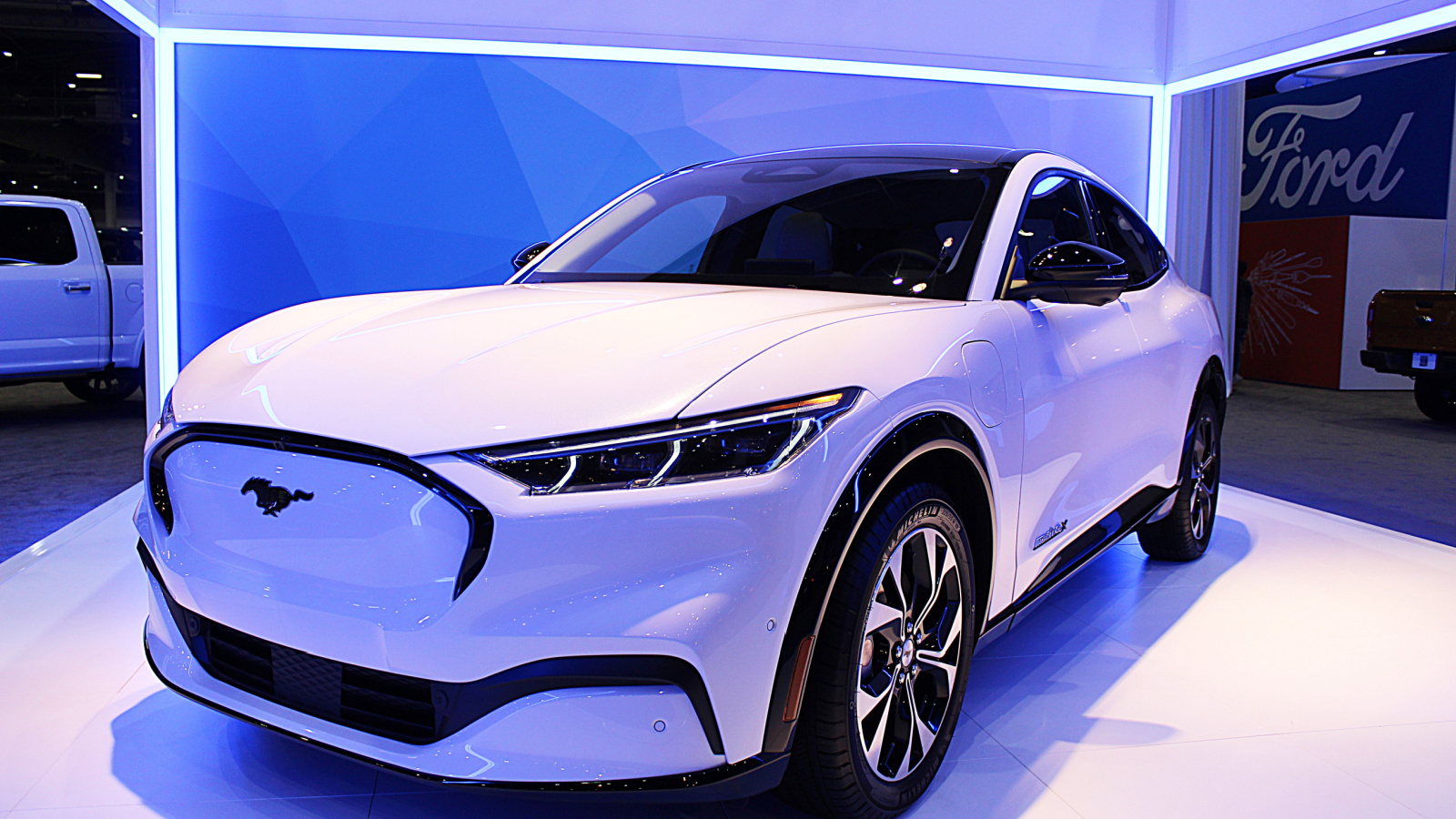
The Ford Mustang Mach-E offers both a rear trunk and a small front compartment. The rear area feels smaller than expected for an SUV. The shape limits how larger items can be placed. The floor height reduces usable depth further. The front trunk helps, but it cannot replace missing space. Buyers often expect strong practicality from an electric SUV. The Mach-E focuses on design and aerodynamics. It works well for lighter loads and daily errands. Larger items require careful planning, as the available space fills up quickly.
Subaru Crosstrek
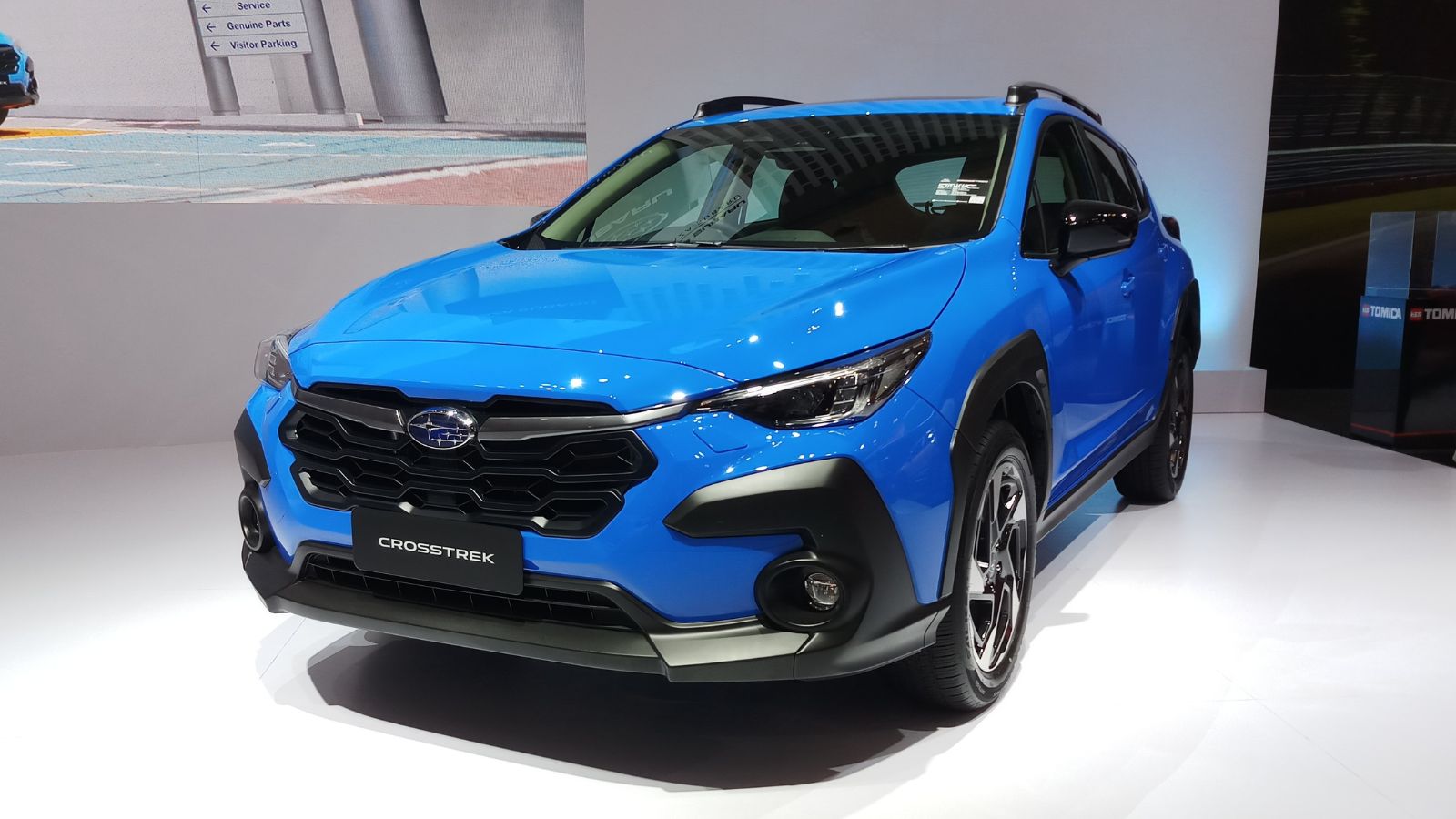
The Subaru Crosstrek looks ready for outdoor use and adventure. The trunk space feels modest compared to its stance. The shape limits how efficiently items can be arranged. The floor height reduces usable depth slightly. The opening also feels narrower than expected. Buyers often expect better cargo flexibility from a crossover like this. The Crosstrek works well for everyday errands and small loads. Packing for longer trips requires planning. The design focuses on capability and ride height. That choice leaves cargo space feeling smaller than anticipated in regular use.
22 Things Canadians Do to Their Cars in Spring That Mechanics Hate

Spring brings relief to many Canadian drivers after months of snow, freezing temperatures, and icy roads that put serious strain on vehicles. As temperatures rise across the country, drivers begin washing cars, switching tires, and preparing vehicles for warmer weather and upcoming road trips. However, mechanics across Canada notice the same mistakes every spring when drivers attempt to recover from winter damage. Road salt, potholes, and harsh winter driving conditions often leave vehicles with hidden problems that drivers ignore. Some spring habits even create new mechanical issues that could have been avoided with proper maintenance. Here are 22 things Canadians do to their cars in spring that mechanics hate.