




















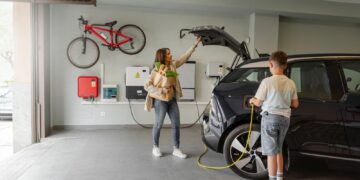

Modern cars are packed with safety features that promise peace of mind. In theory, more alerts should mean safer driving. In reality, some systems feel like overprotective backseat drivers who never stop talking. From constant lane warnings to seatbelt chimes that escalate quickly, these sounds can become exhausting on daily drives. Many drivers admit they spend more time silencing alerts than focusing on the road. The issue is not safety itself, but how aggressively it is delivered. Some vehicles simply overdo it. Here are 20 cars with the most annoying safety beeps and alerts.
Toyota Corolla
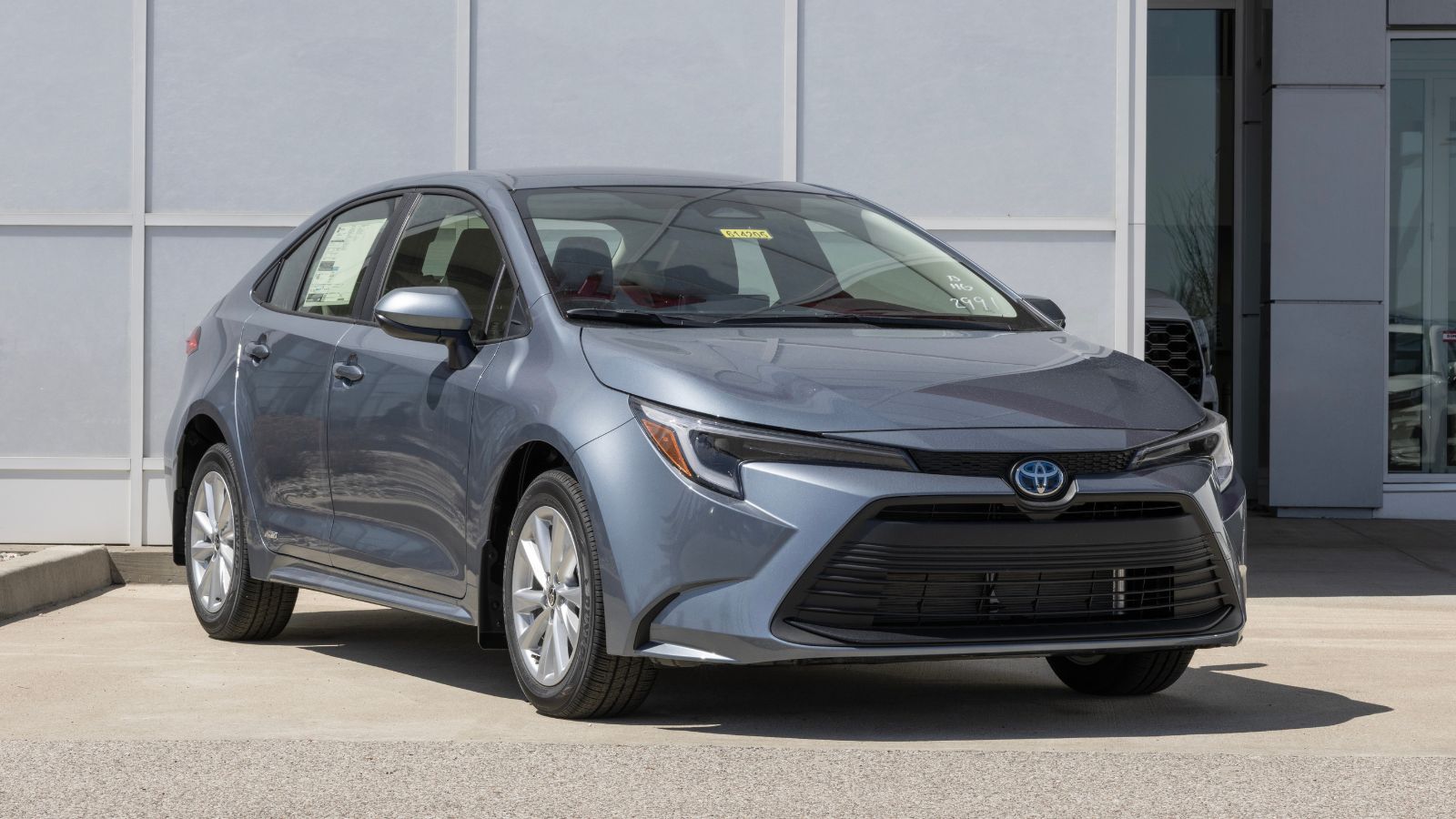
The Toyota Corolla packs many safety features into an affordable package. That sounds great until the alerts start stacking up. Lane departure warnings trigger often on narrow roads. The system beeps even with slight steering corrections. Seatbelt alerts escalate quickly and loudly. Parking sensors can sound off in tight city spaces. The forward collision system also intervenes early. Drivers often report constant interruptions during normal driving. While these systems aim to protect, they can feel excessive. Many owners end up disabling features. That defeats the purpose of having them. The Corolla stays safe, but not always peaceful.
Honda Civic
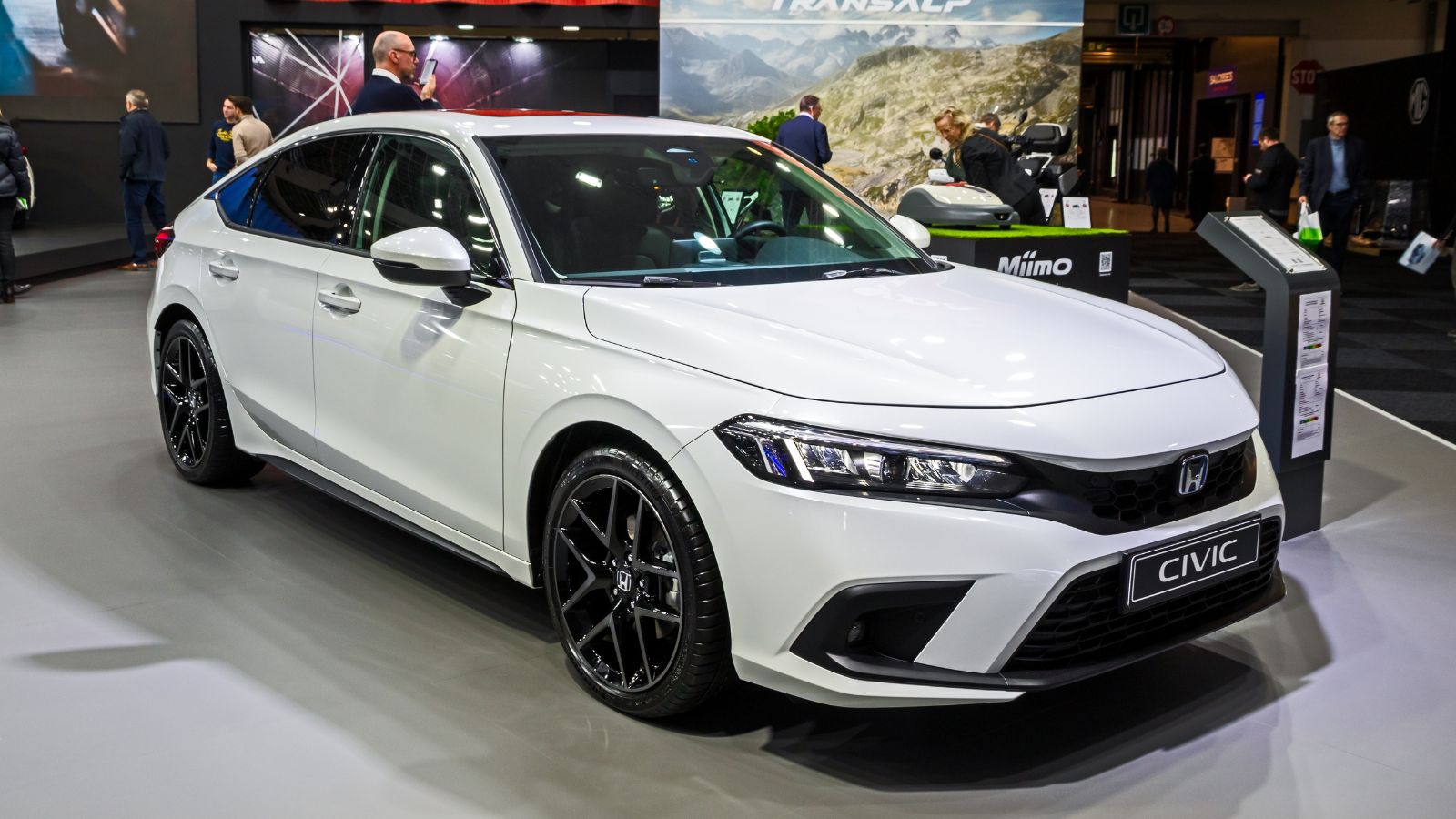
The Honda Civic offers a strong suite of driver assistance features. However, the alerts can feel relentless in heavy traffic. Lane keeping assist gently nudges the wheel, then beeps if ignored. Adaptive cruise control also chimes frequently. Traffic situations trigger repeated warnings. Even slight drifting within the lane can cause alerts. The system feels overly cautious at times. Parking sensors add another layer of noise. Urban drivers notice this the most. The constant feedback can feel distracting. It turns simple drives into a series of interruptions. The Civic stays alert, but sometimes too alert.
Subaru Outback
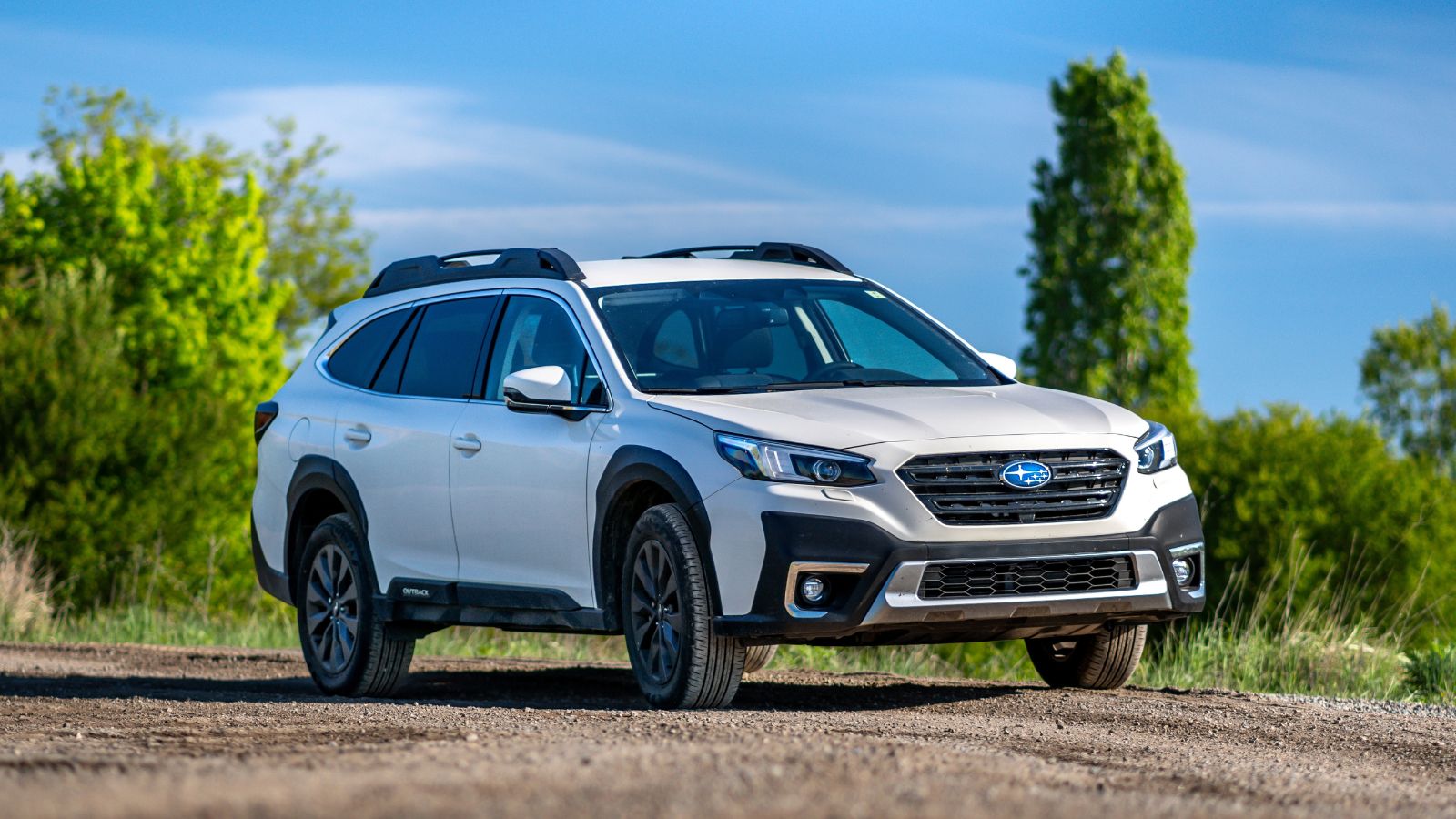
The Subaru Outback includes the EyeSight safety system. It monitors nearly everything around the vehicle. The problem is how often it speaks up. Driver attention monitoring beeps if your gaze shifts. Even short glances can trigger warnings. Lane departure alerts also activate quickly. The system reacts strongly to road curves. Collision alerts add urgency to the mix. Drivers feel watched at all times. While helpful on highways, it becomes tiring in daily use. Some drivers disable features entirely. That reduces the intended benefit. The Outback protects well, but can feel overbearing.
Tesla Model 3
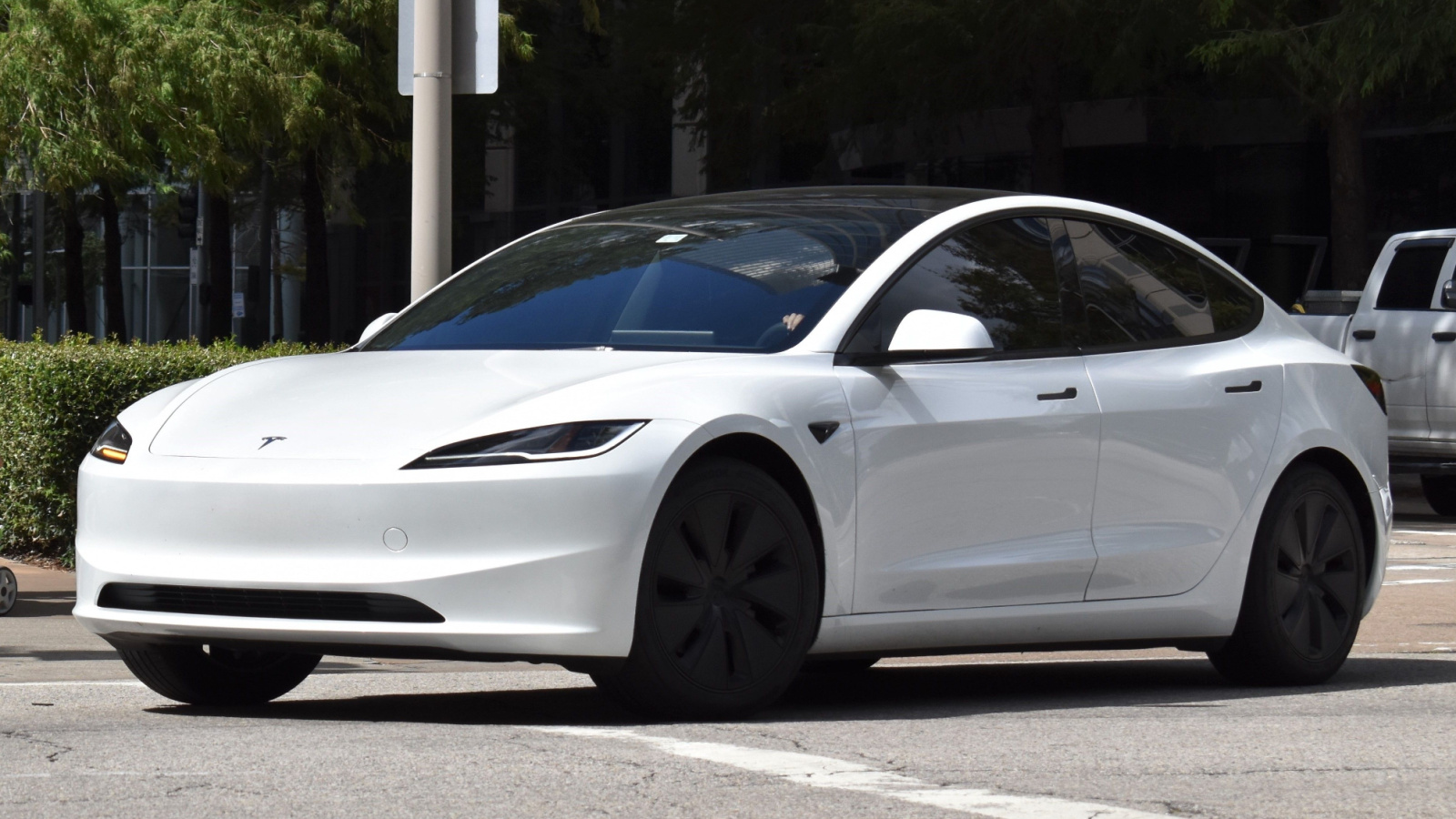
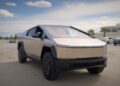
The Tesla Model 3 relies heavily on software-driven safety systems. Alerts come through both sounds and screen messages. Autopilot warnings can be frequent. The car demands constant driver attention. Even slight resistance triggers alerts. Speed limit chimes also interrupt drives. Parking proximity sounds are sharp and persistent. The system feels strict about rules. Some drivers appreciate the reminders. Others find them excessive during normal use. Software updates sometimes change alert behavior. That keeps drivers guessing. The Model 3 stays advanced, but not always quiet.
Hyundai Tucson
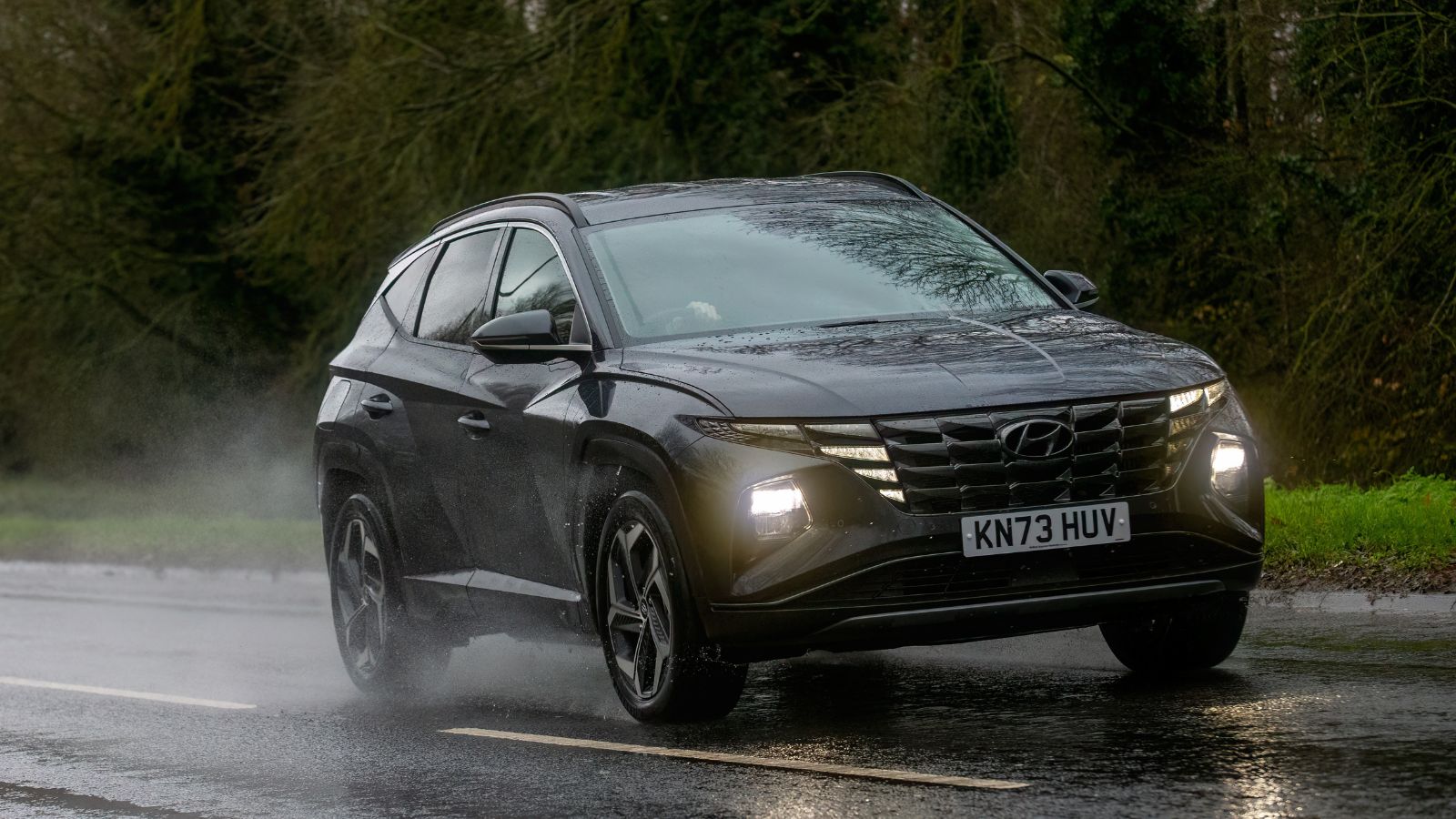
The Hyundai Tucson offers impressive safety features for its class. Unfortunately, the alerts can pile up quickly. Lane keeping assist beeps often on imperfect roads. Blind spot monitoring adds extra chimes. Rear cross traffic alerts trigger in parking lots. The system reacts to minor movements. Drivers report frequent interruptions. The sounds are not subtle either. They grab attention immediately. While that improves awareness, it also creates fatigue. Long drives become noisy experiences. Owners sometimes adjust sensitivity settings. Even then, alerts remain frequent. The Tucson stays helpful, but can feel overwhelming.
Kia Seltos
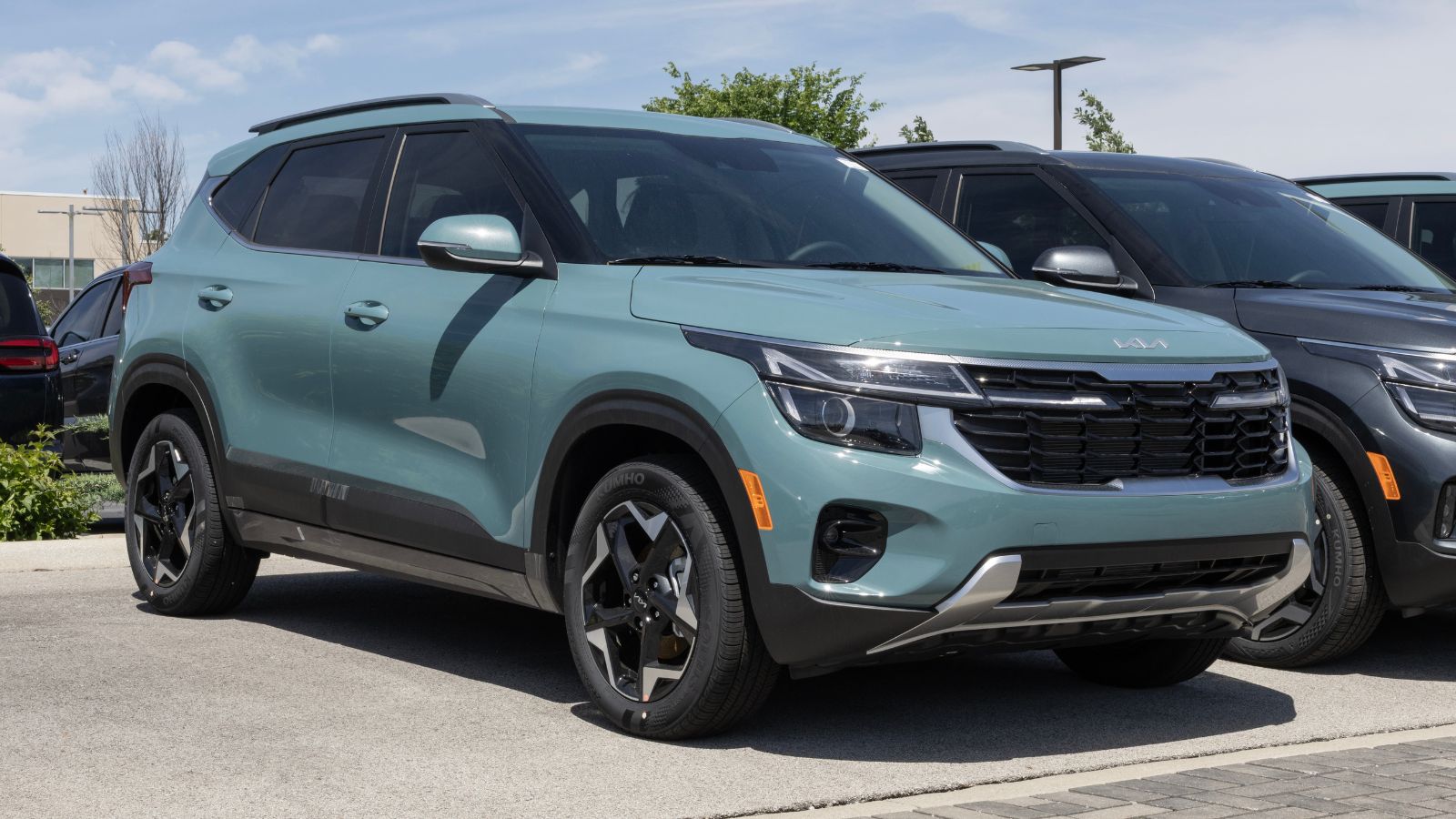
The Kia Seltos shares many features with Hyundai models. That includes similar alert behavior. Lane departure warnings activate quickly. Steering corrections trigger beeps. Parking sensors react strongly in tight areas. The system also warns about driver fatigue. That adds another layer of alerts. Some drivers find it helpful. Others feel it interrupts too often. The sounds can overlap in busy conditions. That creates confusion rather than clarity. Adjusting settings helps slightly. Still, the system remains active. The Seltos delivers safety, but with constant reminders.
Mazda CX-5
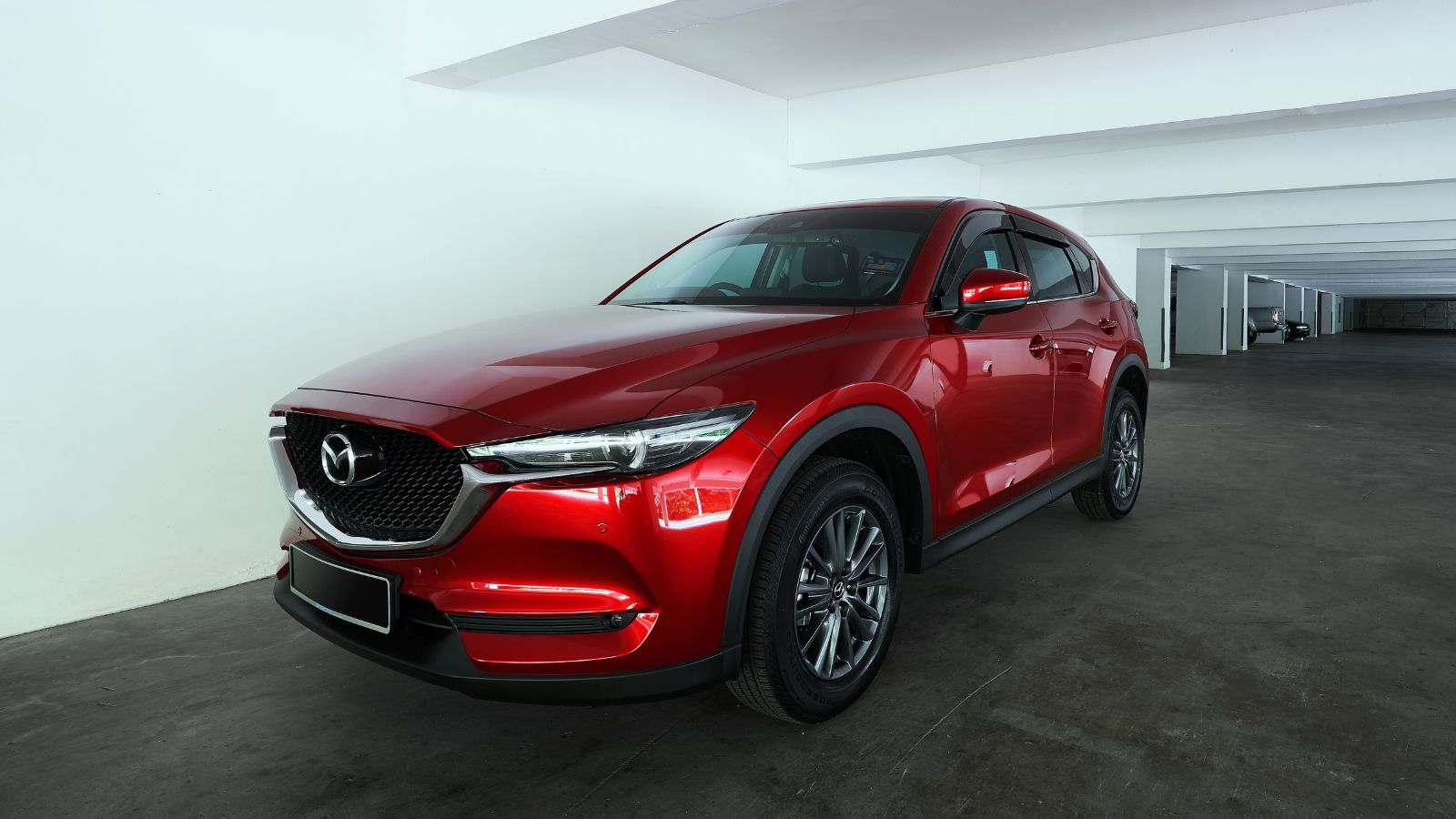
The Mazda CX-5 balances driving feel with safety tech. However, its alerts can feel sharp. Lane departure warnings are sudden. The sound is noticeable and frequent. Blind spot monitoring adds more notifications. Parking sensors respond quickly in close spaces. The system is sensitive to small changes. Drivers often notice alerts during normal driving. The feedback can feel abrupt. While effective, it lacks subtlety. Many drivers prefer quieter systems. The CX-5 focuses on awareness, but sometimes overdoes it.
Ford Escape
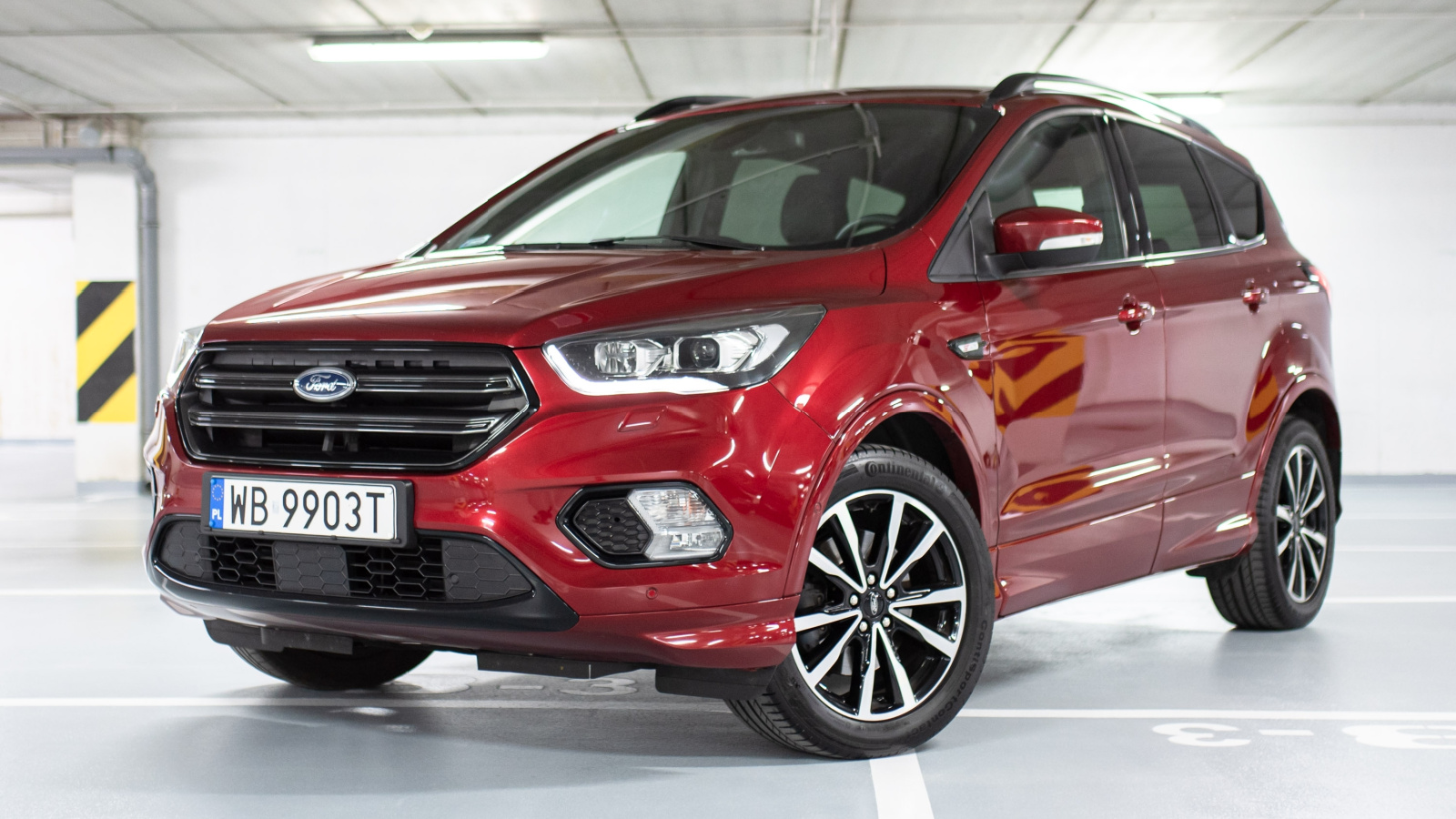
The Ford Escape includes multiple driver assistance features. Each system brings its own set of alerts. Lane keeping warnings activate often. Adaptive cruise control chimes regularly. Parking sensors add continuous feedback. The system reacts to small movements. Drivers notice alerts in daily commutes. The sounds can overlap in heavy traffic. That creates a noisy cabin environment. While safety improves, comfort decreases. Many drivers adjust settings. Even then, alerts remain frequent. The Escape prioritizes safety, but not silence.
Volkswagen Tiguan
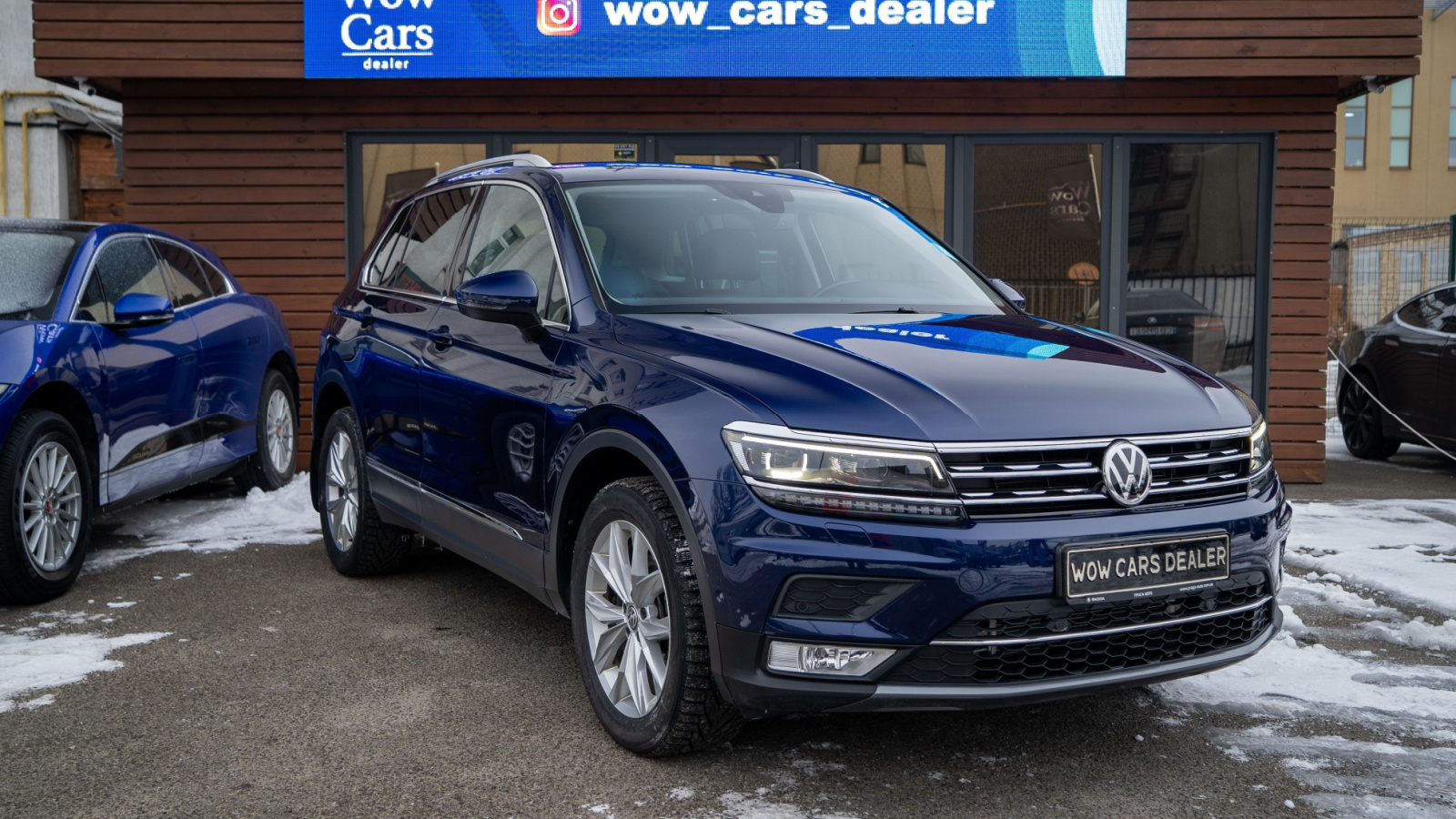
The Volkswagen Tiguan offers refined driving, but alert systems can interrupt. Lane assist beeps often on uneven roads. The system reacts to minor drifting. Parking sensors trigger frequently in cities. Collision warnings add urgency. The alerts are clear but persistent. Drivers report repeated interruptions. The system feels cautious in tight spaces. That leads to constant feedback. While helpful in theory, it becomes tiring. Many drivers try to ignore it. The Tiguan remains safe, but not always calm.
Nissan Rogue
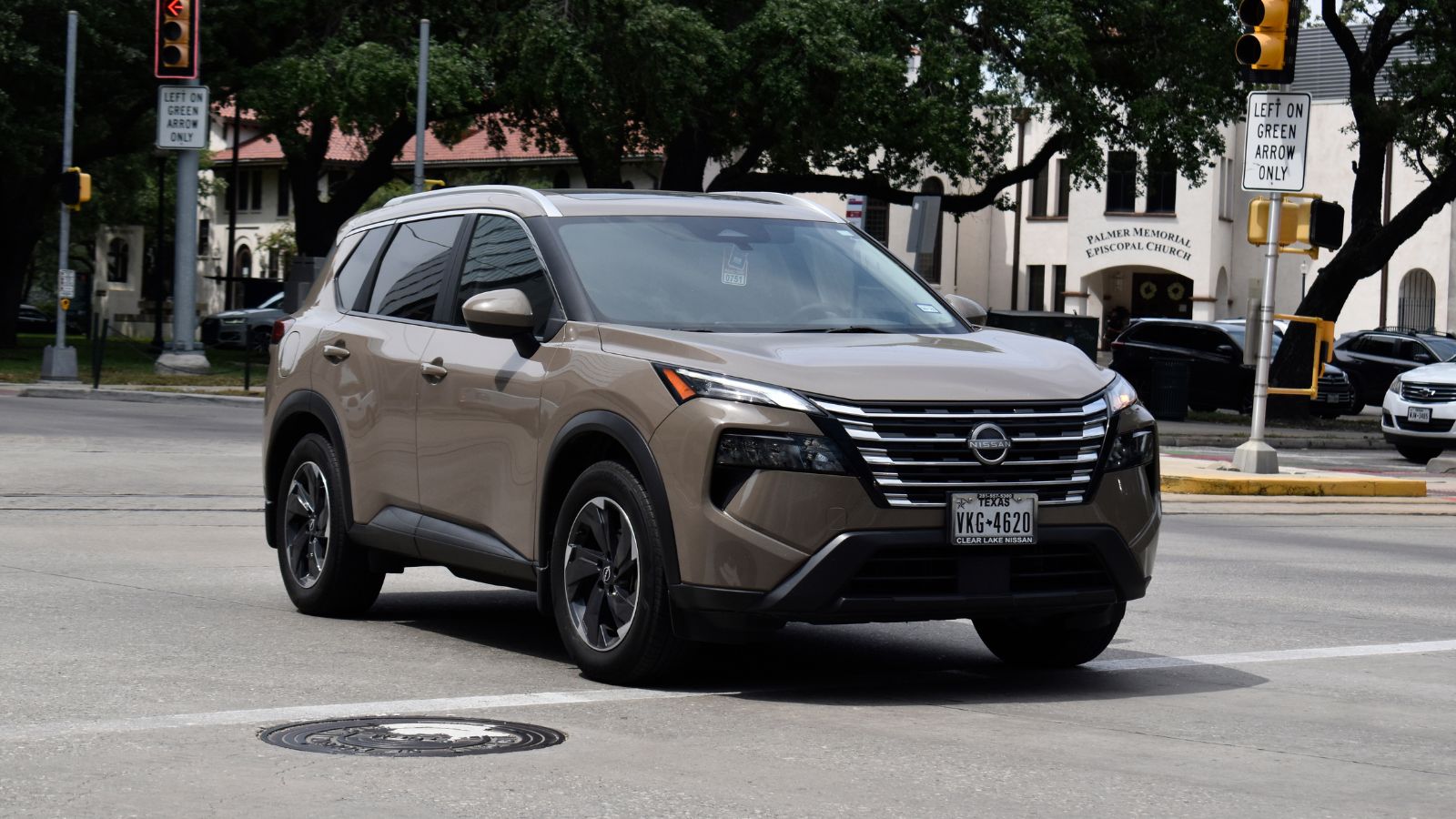
The Nissan Rogue includes ProPILOT Assist and other features. These systems bring frequent alerts. Lane departure warnings trigger often. Steering assist adds feedback sounds. Parking sensors react quickly. The system also monitors driver attention. That introduces more alerts. Drivers notice this during long trips. The constant reminders can feel distracting. While safety improves, comfort suffers. Many owners adjust settings. Some still find it excessive. The Rogue keeps drivers aware, but rarely quiet.
Chevrolet Equinox
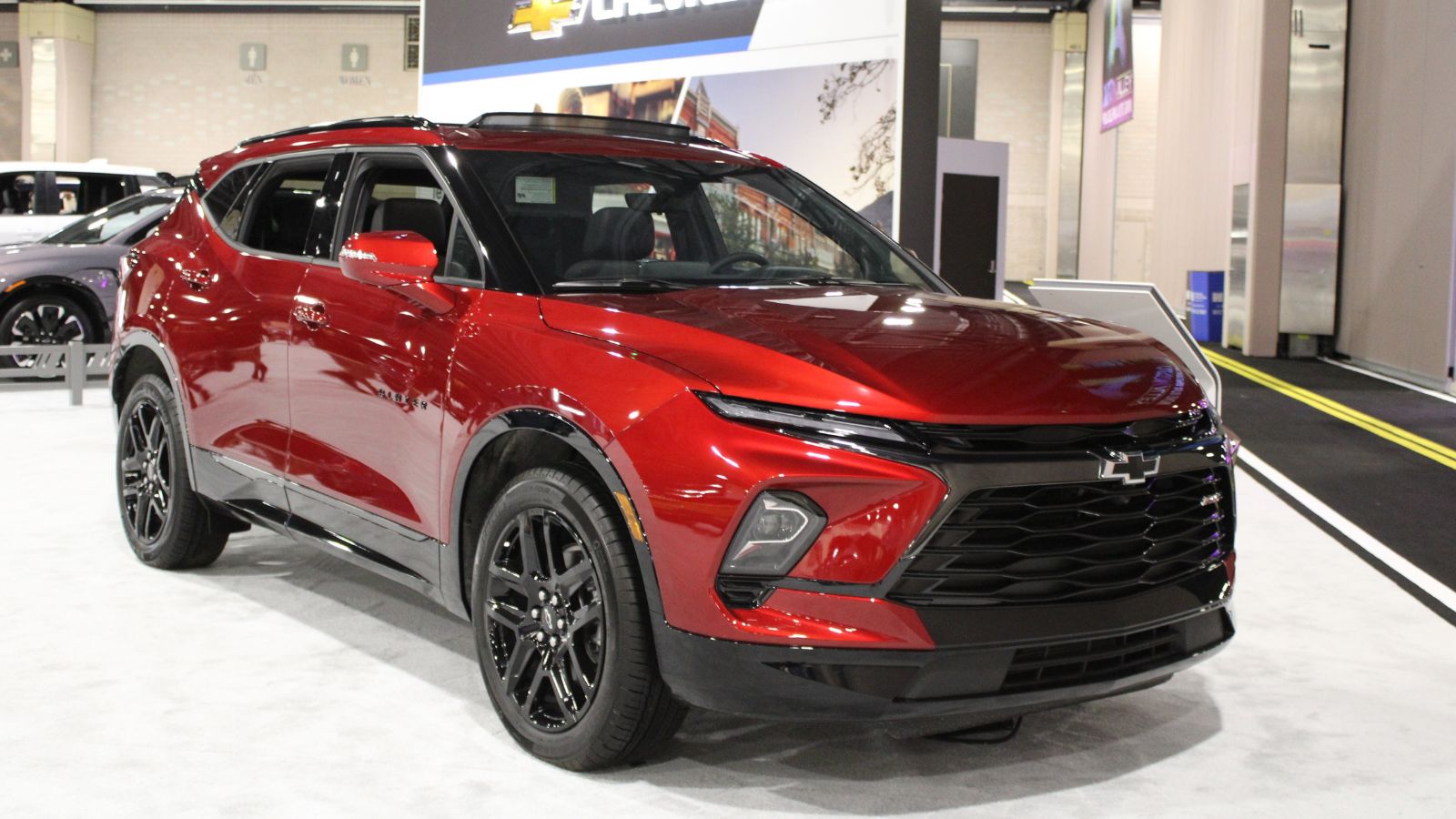
The Chevrolet Equinox includes a range of safety features. Alerts are clear and noticeable. Lane departure warnings activate quickly. Forward collision alerts can feel aggressive. Parking sensors add frequent sounds. The system reacts to everyday situations. Drivers report repeated interruptions. The alerts can feel excessive in traffic. While helpful, they become tiring. Many drivers have lower sensitivity. Even then, alerts persist. The Equinox focuses on awareness, but sometimes too much.
Jeep Grand Cherokee
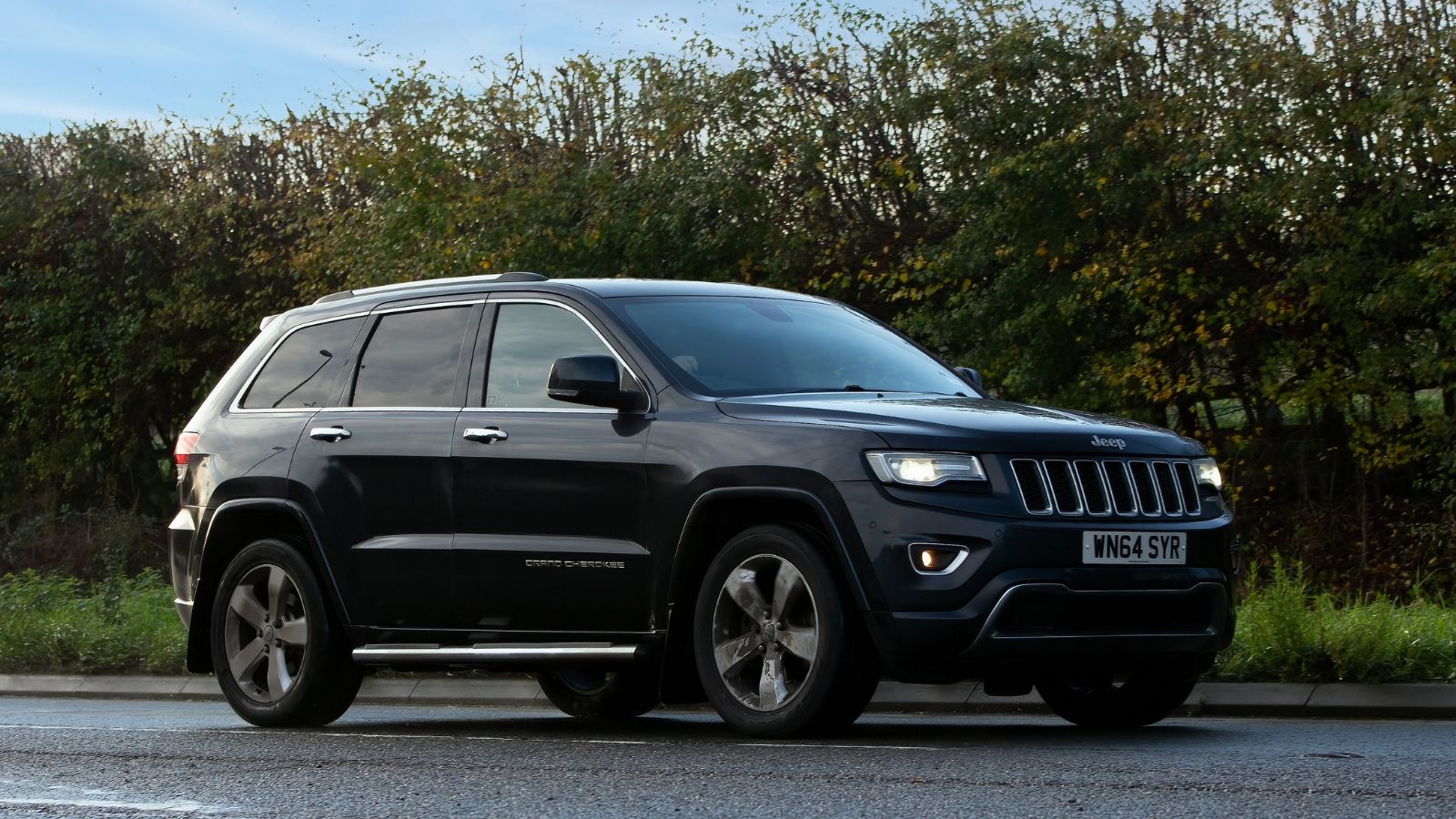
The Jeep Grand Cherokee combines luxury with safety tech. Alerts come from multiple systems. Lane assist beeps often. Parking sensors react strongly in tight spots. Collision warnings add urgency. The system feels cautious in urban driving. Drivers notice frequent interruptions. The alerts can overlap in busy conditions. That creates noise inside the cabin. While helpful off-road, it feels excessive in cities. Many drivers adjust settings. The Grand Cherokee stays capable, but not always quiet.
BMW X3
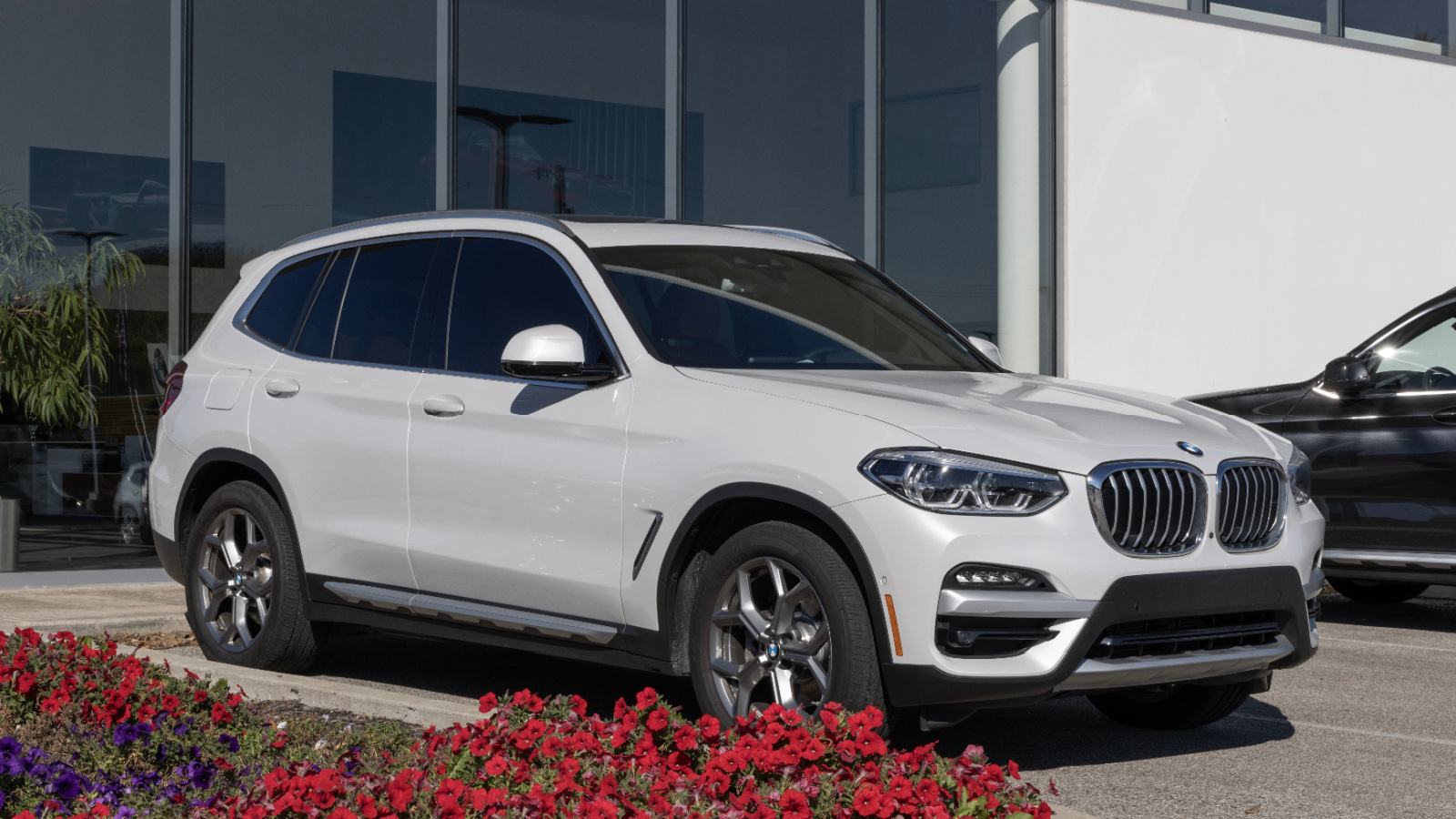
The BMW X3 offers advanced driver assistance features that aim to improve safety. Alerts feel precise but can become frequent during daily driving. Lane departure warnings activate even with slight steering corrections. Blind spot monitoring adds quick chimes during lane changes. Parking sensors respond strongly in tight urban spaces. The system reacts to small movements that feel normal. Drivers often notice repeated alerts in traffic. The sounds feel sharp and hard to ignore. While effective, they interrupt driving flow. Many drivers expect a quieter experience. The X3 delivers safety, but the constant feedback stands out.
Mercedes-Benz GLC
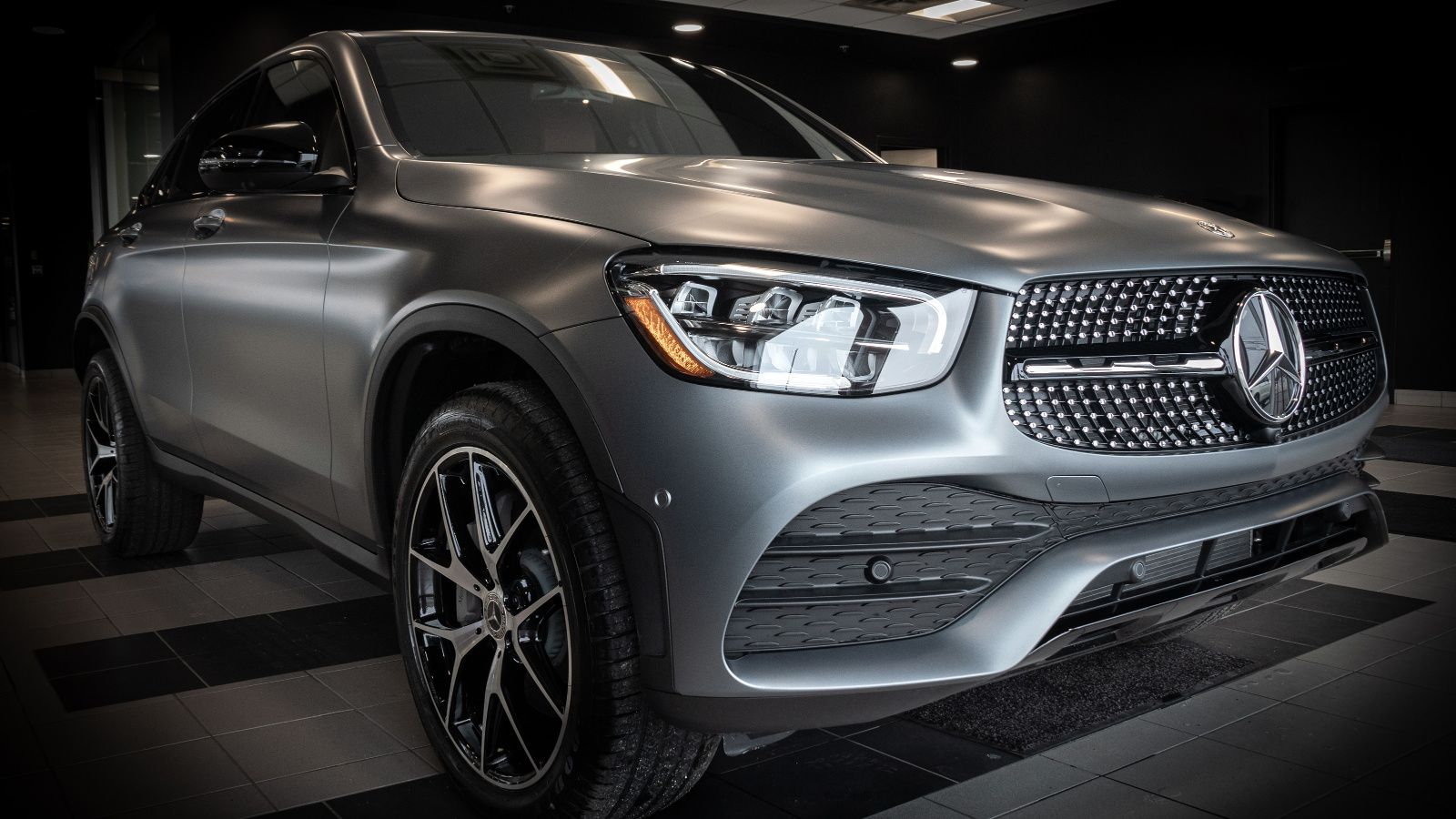
The Mercedes-Benz GLC includes several advanced safety systems that monitor the surroundings closely. Alerts arrive through both sounds and visual cues. Lane keeping assist beeps often on uneven roads. Collision warnings activate quickly in heavy traffic. Parking sensors add steady feedback in tight spots. The system reacts to subtle changes around the car. Drivers report frequent interruptions during city drives. The alerts can feel intrusive over time. While designed for safety, they may distract. Many drivers adjust settings to reduce noise. The GLC remains refined, but the alerts can feel persistent.
Audi Q5
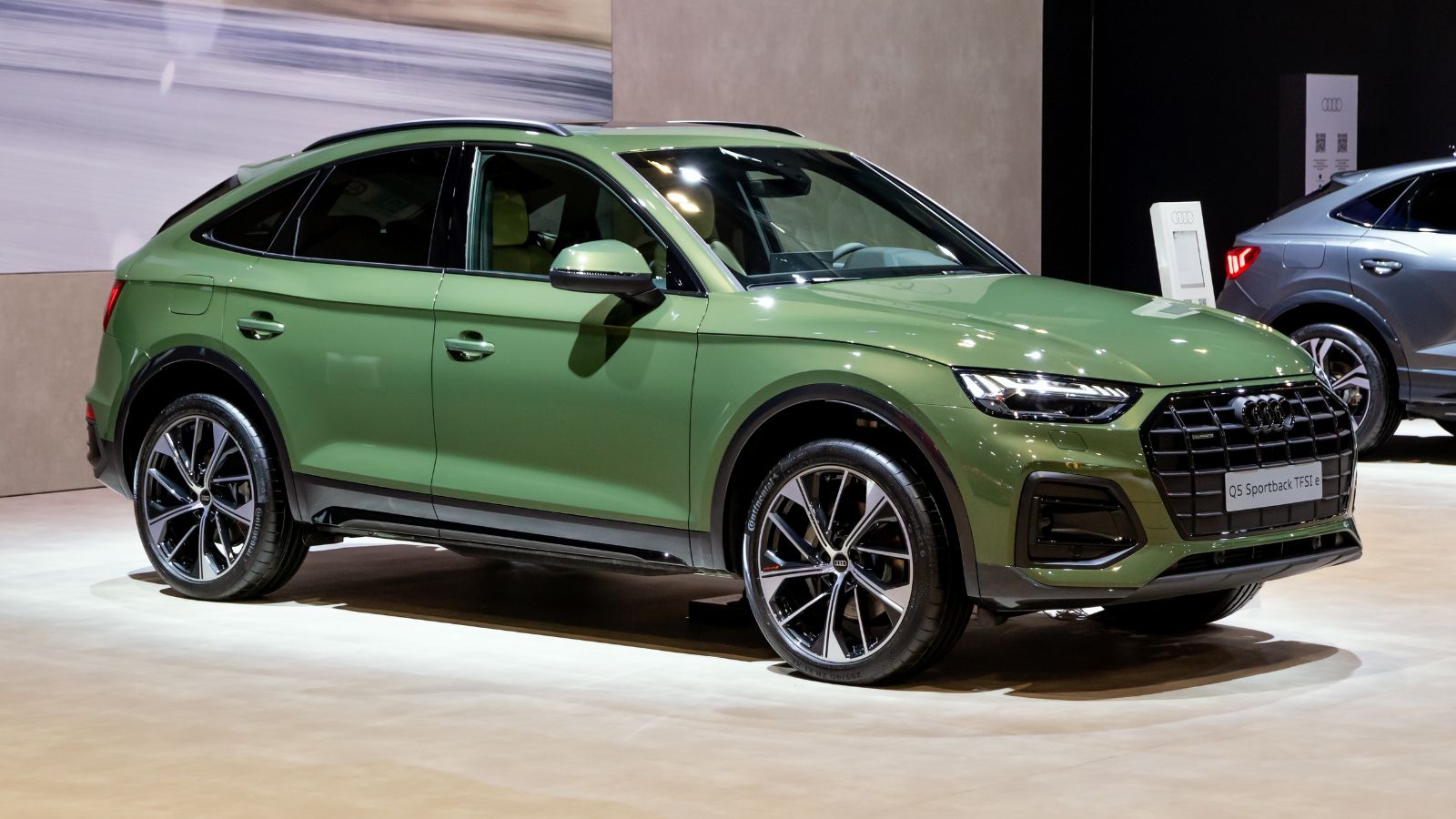
The Audi Q5 blends comfort with a full suite of safety technology. Alerts are consistent and noticeable in everyday use. Lane departure warnings trigger often on narrow roads. Parking sensors react quickly in close spaces. Collision alerts bring sharp, urgent sounds. The system feels sensitive during normal driving conditions. Drivers notice repeated beeping in heavy traffic. The sounds can overlap when multiple systems activate. That creates a distracting experience inside the cabin. While helpful, it becomes tiring over time. Many drivers adjust sensitivity levels. The Q5 remains refined, but rarely quiet on busy roads.
Volvo XC60
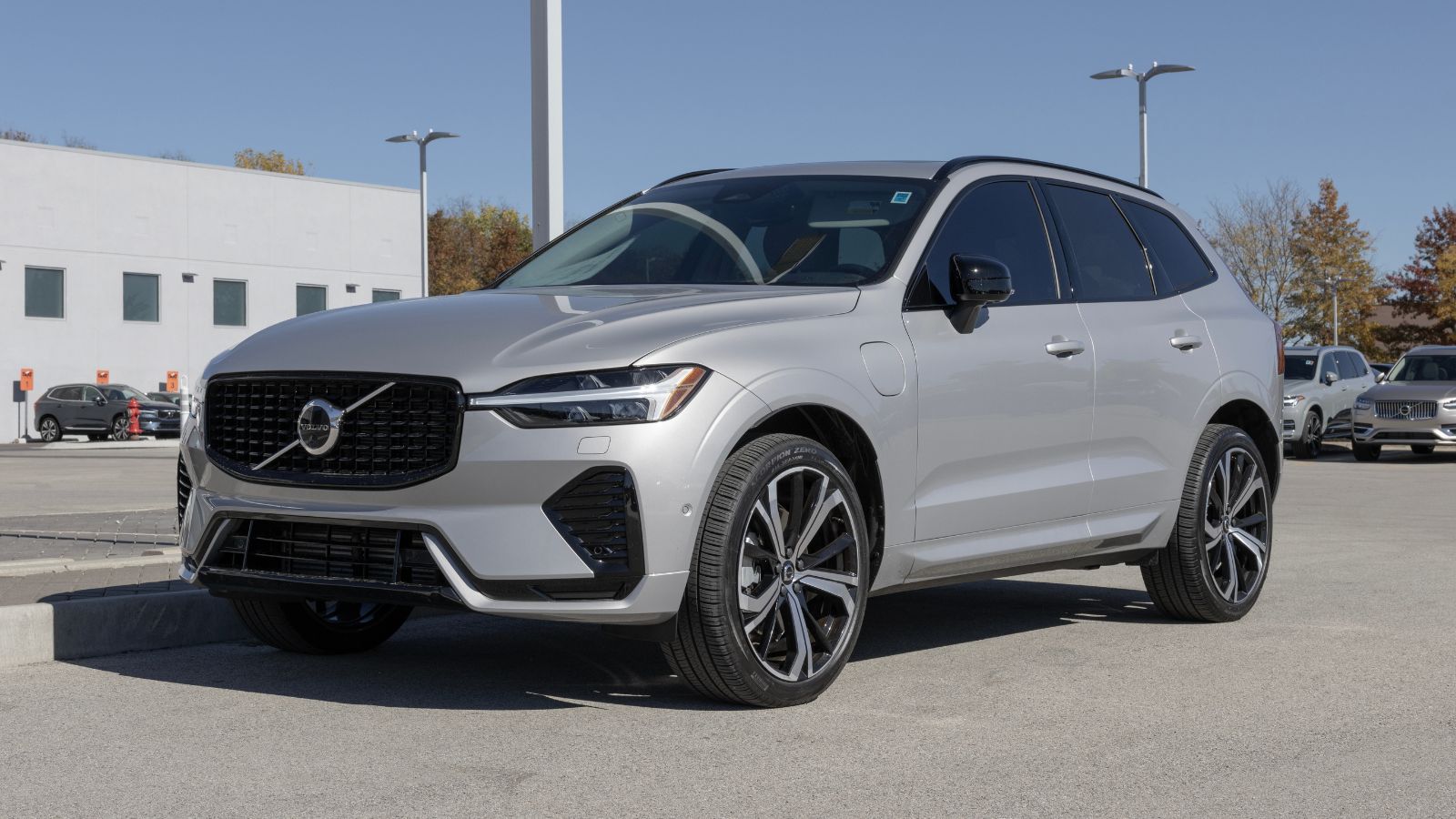
The Volvo XC60 places safety at the center of its design philosophy. That shows clearly in its alert systems. Lane keeping assist beeps often during minor drifting. Collision warnings activate early and feel urgent. Parking sensors provide constant feedback in tight areas. The system monitors several factors at once. Drivers feel closely guided at all times. While reassuring, it can feel excessive in daily driving. Alerts are frequent and hard to ignore. Some drivers appreciate the caution. Others find it overwhelming on longer trips. The XC60 stays protective, but the constant alerts can feel demanding.
Hyundai Creta
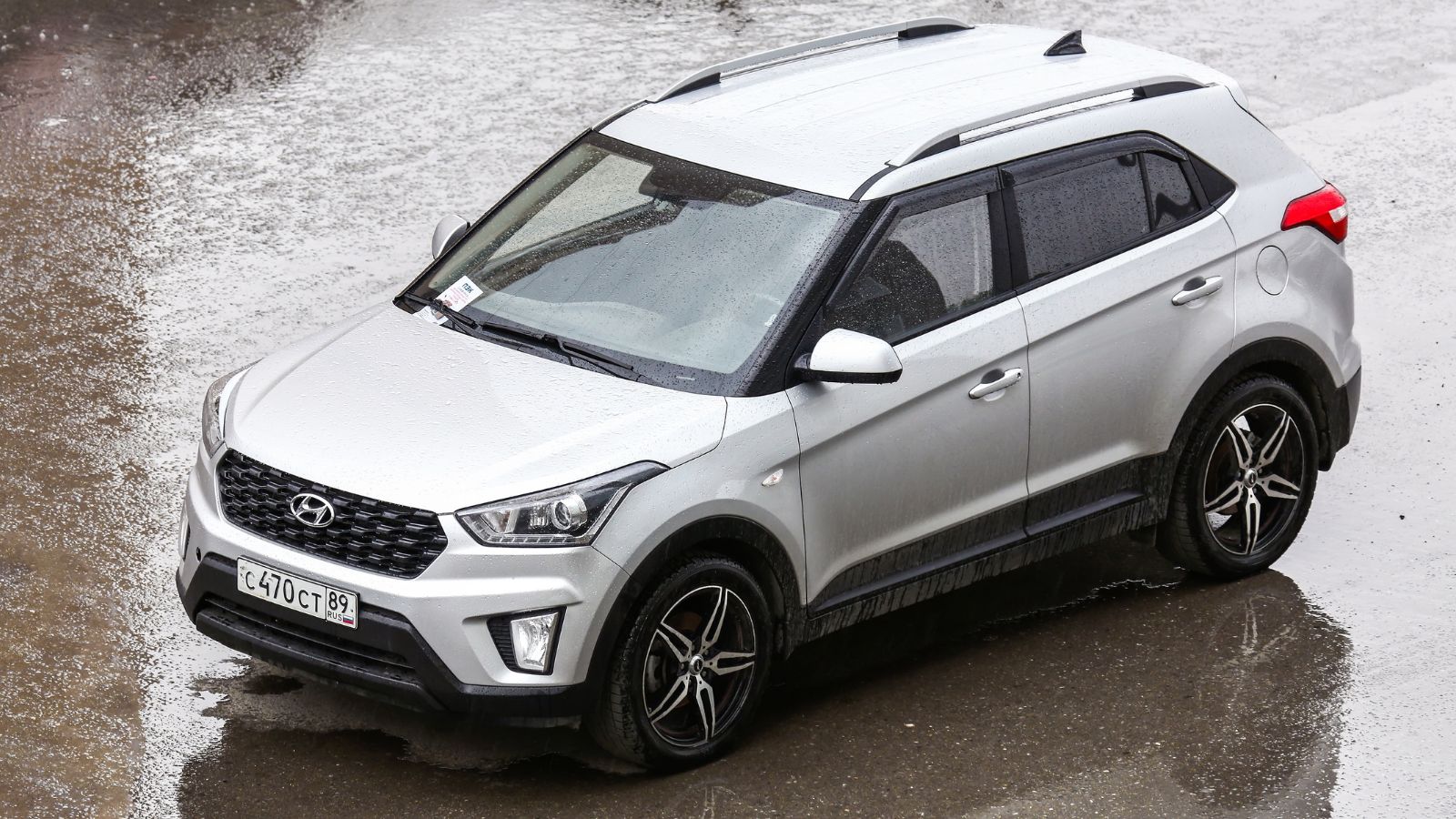
The Hyundai Creta offers strong safety features for its segment. Alerts can feel frequent, especially in city traffic. Lane departure warnings activate quickly on uneven roads. Parking sensors react strongly in tight parking areas. Blind spot alerts add more sounds during lane changes. The system responds to small, everyday movements. Drivers often notice constant feedback while driving. The sounds are clear and sometimes sharp. While helpful, they interrupt smooth driving experiences. Many owners try adjusting settings for relief. The Creta remains practical, but the frequent alerts can feel tiring over time.
MG Hector
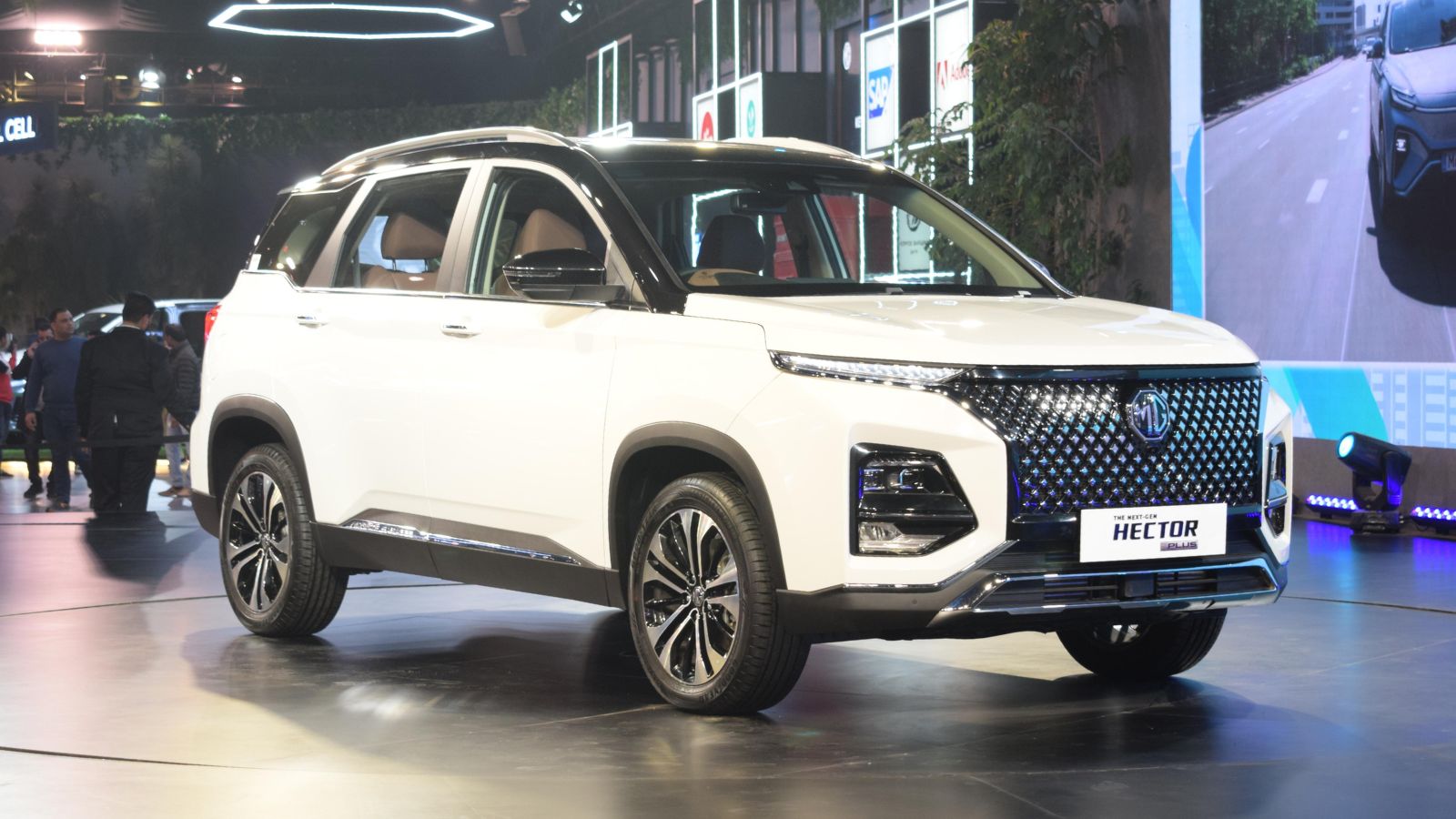
The MG Hector focuses heavily on technology and connected features. Its safety alerts reflect that approach. Lane departure warnings trigger often during regular driving. Parking sensors react quickly in crowded spaces. Collision alerts add sharp and urgent sounds. The system feels sensitive in daily traffic conditions. Drivers report frequent interruptions from overlapping alerts. The sounds can create confusion instead of clarity. While the features aim to improve awareness, they may feel excessive. Many drivers adjust alert settings to reduce noise. The Hector stays tech-focused, but the alerts can feel overwhelming at times.
Skoda Kushaq
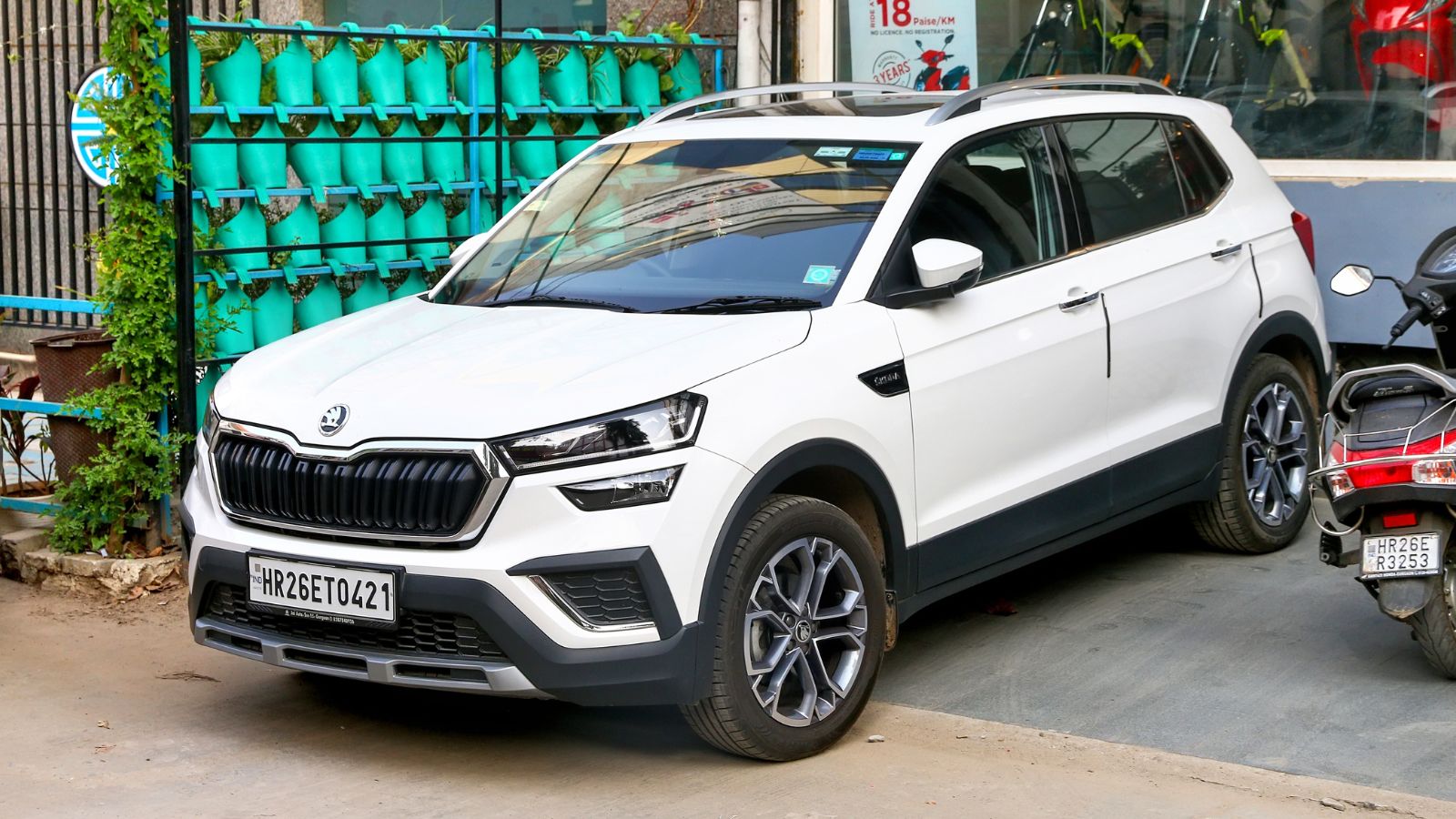
The Skoda Kushaq offers a balance between driving fun and safety technology. Alerts are noticeable and sometimes frequent during normal use. Lane departure warnings activate with minor steering changes. Parking sensors respond quickly in tight environments. The system reacts to small, routine movements. Drivers often hear repeated beeping in city traffic. The sounds can feel sharp and distracting. While helpful, they interrupt the driving experience. Many drivers adjust sensitivity to reduce frequency. Even then, alerts remain present. The Kushaq stays engaging to drive, but the alert system can feel a bit intrusive.
Tata Harrier
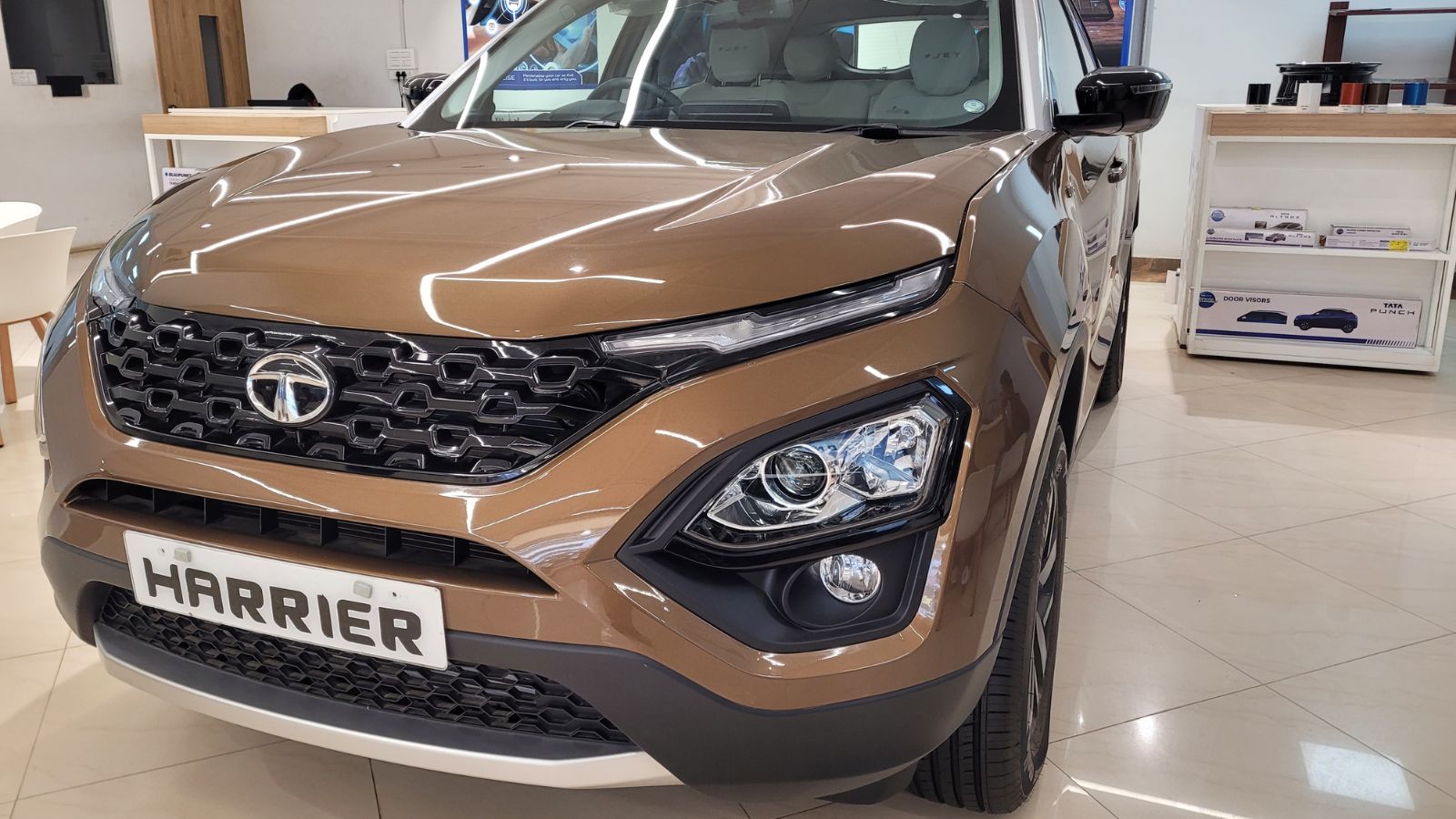
The Tata Harrier includes modern safety features designed to enhance driver awareness. Alerts can feel frequent in everyday driving. Parking sensors react strongly in tight urban spaces. Collision warnings add an urgent sound to traffic. The system feels cautious even during routine movements. Drivers report repeated interruptions from alert sounds. The beeps are noticeable and persistent over time. While helpful, they may distract from driving focus. Many drivers adjust settings to reduce noise levels. The Harrier remains capable and safe, but the alert system can feel overly active in busy conditions.
22 Things Canadians Do to Their Cars in Spring That Mechanics Hate

Spring brings relief to many Canadian drivers after months of snow, freezing temperatures, and icy roads that put serious strain on vehicles. As temperatures rise across the country, drivers begin washing cars, switching tires, and preparing vehicles for warmer weather and upcoming road trips. However, mechanics across Canada notice the same mistakes every spring when drivers attempt to recover from winter damage. Road salt, potholes, and harsh winter driving conditions often leave vehicles with hidden problems that drivers ignore. Some spring habits even create new mechanical issues that could have been avoided with proper maintenance. Here are 22 things Canadians do to their cars in spring that mechanics hate.