


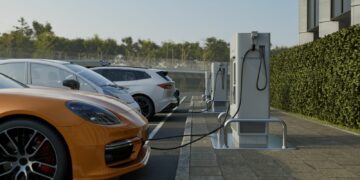


















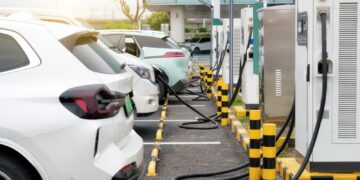
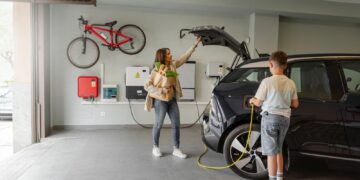

Electric vehicles promise quiet drives and lower running costs, but daily charging habits shape the real experience. Home charging turns ownership into a simple overnight routine. Public charging changes everything. Waiting, planning, and pricing become part of every trip. Some EVs handle this better than others. A few models feel almost designed for home setups, not shared chargers. Range, charging speed, and efficiency all play a role. Still, convenience often comes down to where you plug in. Without a home charger, certain EVs can feel frustrating fast. Here are 24 EVs that are great… if you have home charging (and not if you don’t).
Tesla Model 3
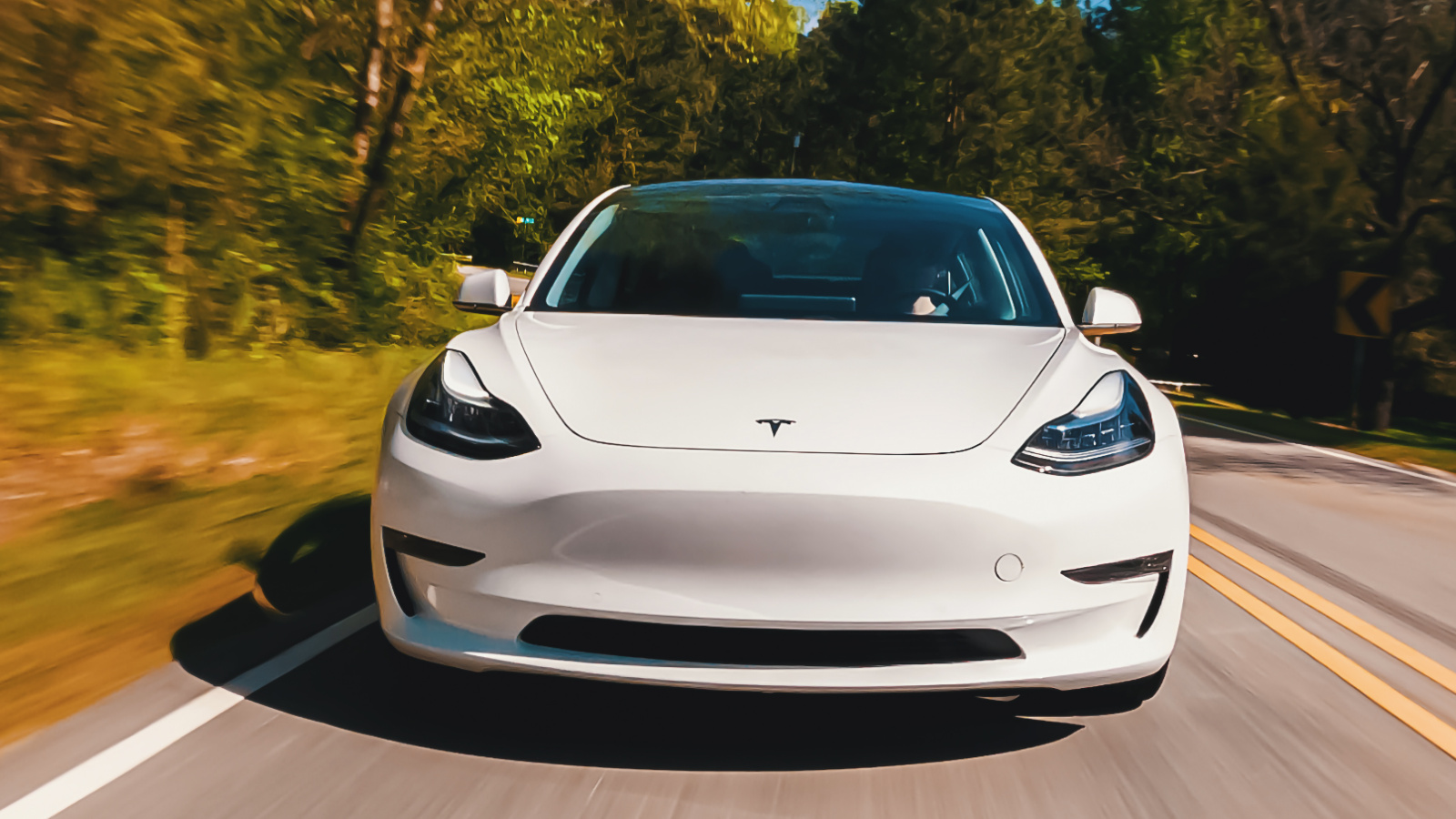
The Tesla Model 3 works best when you wake up to a full battery every day. Its real strength is overnight charging at home. Public charging works, but busy stations can slow things down. Superchargers help, though they are not always nearby. The car charges quickly, yet relying on public networks adds waiting time. Cold weather also affects the range more than expected. With home charging, those issues fade into the background. Without it, planning becomes routine. Owners often find themselves checking charging maps often. That routine can feel tiring over time. At home, it feels simple and effortless.
Tesla Model Y
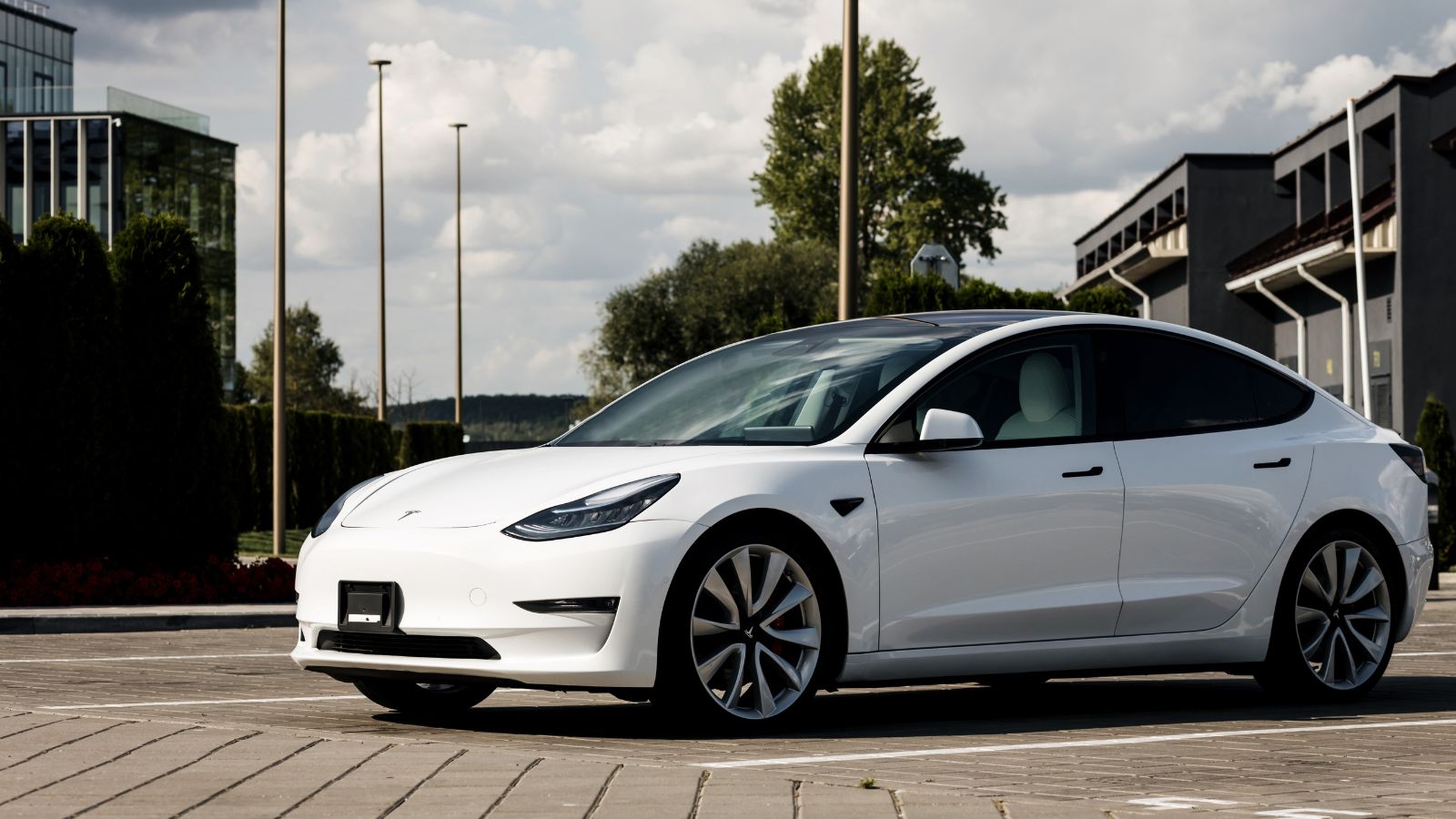
The Model Y shares many traits with the Model 3. It suits drivers who can charge overnight. Public charging can work, but peak hours create delays. Its range looks strong on paper, though real use varies. Families may feel the inconvenience more during busy weeks. Quick errands turn into charging stops if you rely on public stations. Home charging avoids that pattern entirely. The car feels ready every morning without effort. Without it, small inconveniences add up quickly. The flexibility disappears faster than expected. It becomes less about range and more about access.
Chevrolet Bolt EV
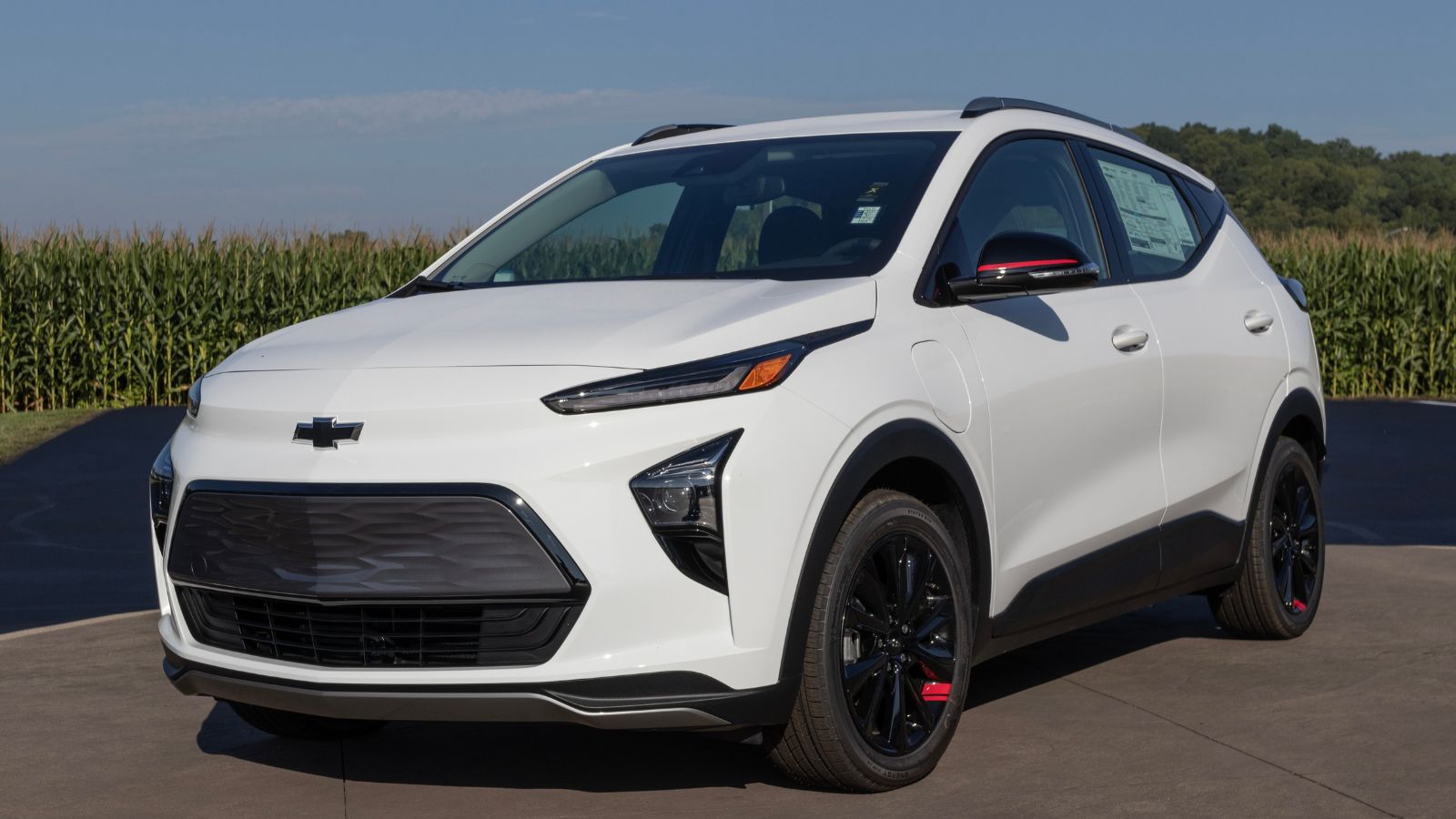
The Bolt EV offers solid range for its price, but charging speed is limited. Fast charging works, yet it is slower than newer rivals. That makes public charging sessions longer than many expect. Owners with home setups rarely notice this issue. They simply plug in overnight and move on. Without home charging, long waits become common. It can turn a short stop into a longer pause. That affects daily schedules more than expected. The car remains efficient and practical otherwise. Still, it’s slower charging suits a home-based routine better.
Nissan Leaf
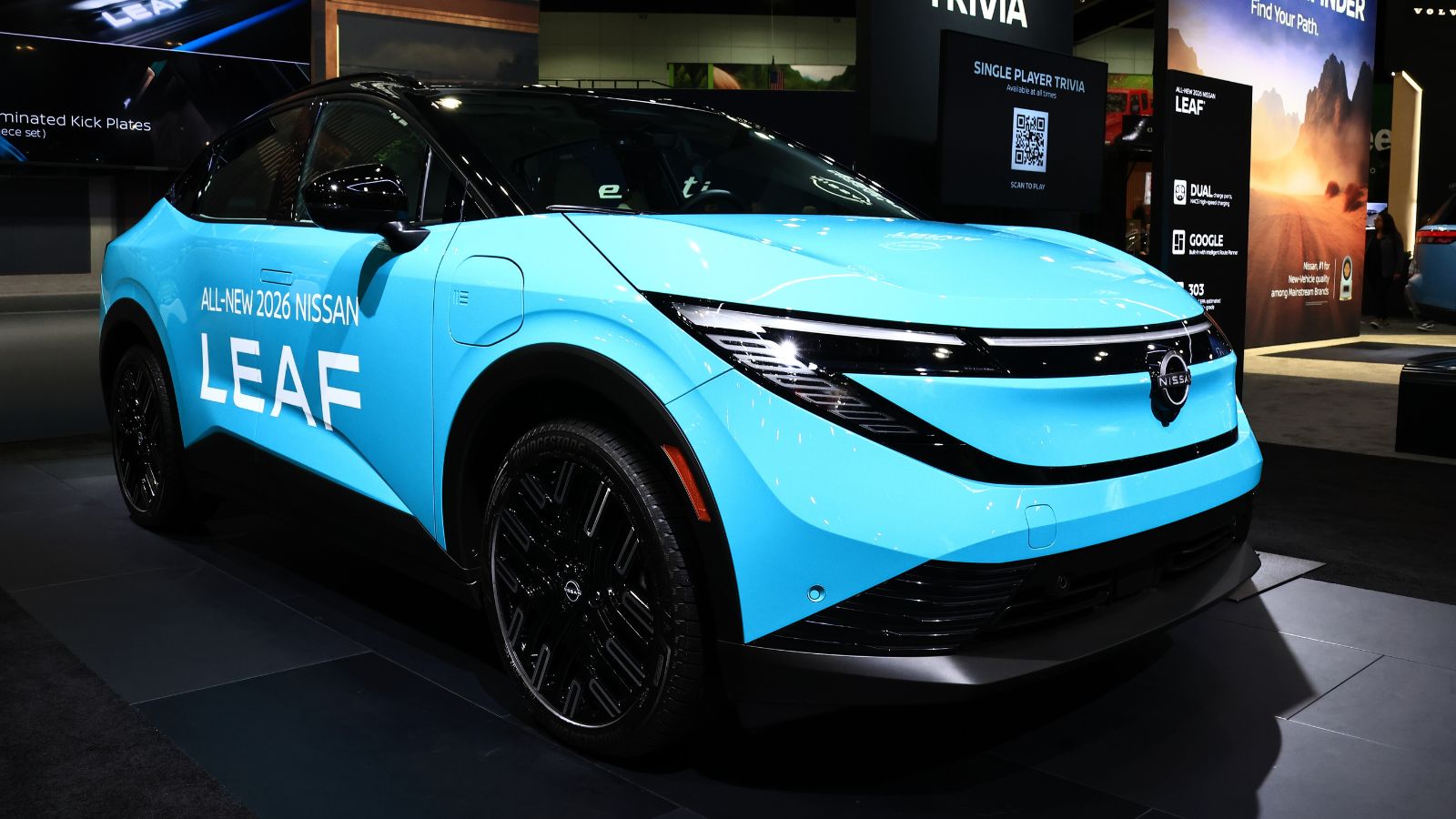
The Nissan Leaf remains one of the simplest EVs available today. It works best for predictable, short commutes. Home charging fits that use perfectly. Public charging is less reliable due to limited fast charging options. Its charging standard also restricts station availability in some regions. That creates extra planning for longer trips. With a home charger, those concerns disappear. Drivers enjoy consistent daily use without thinking about infrastructure. Without one, flexibility drops quickly. The car feels tied to nearby charging points. That limits its appeal for many users.
Hyundai Kona Electric
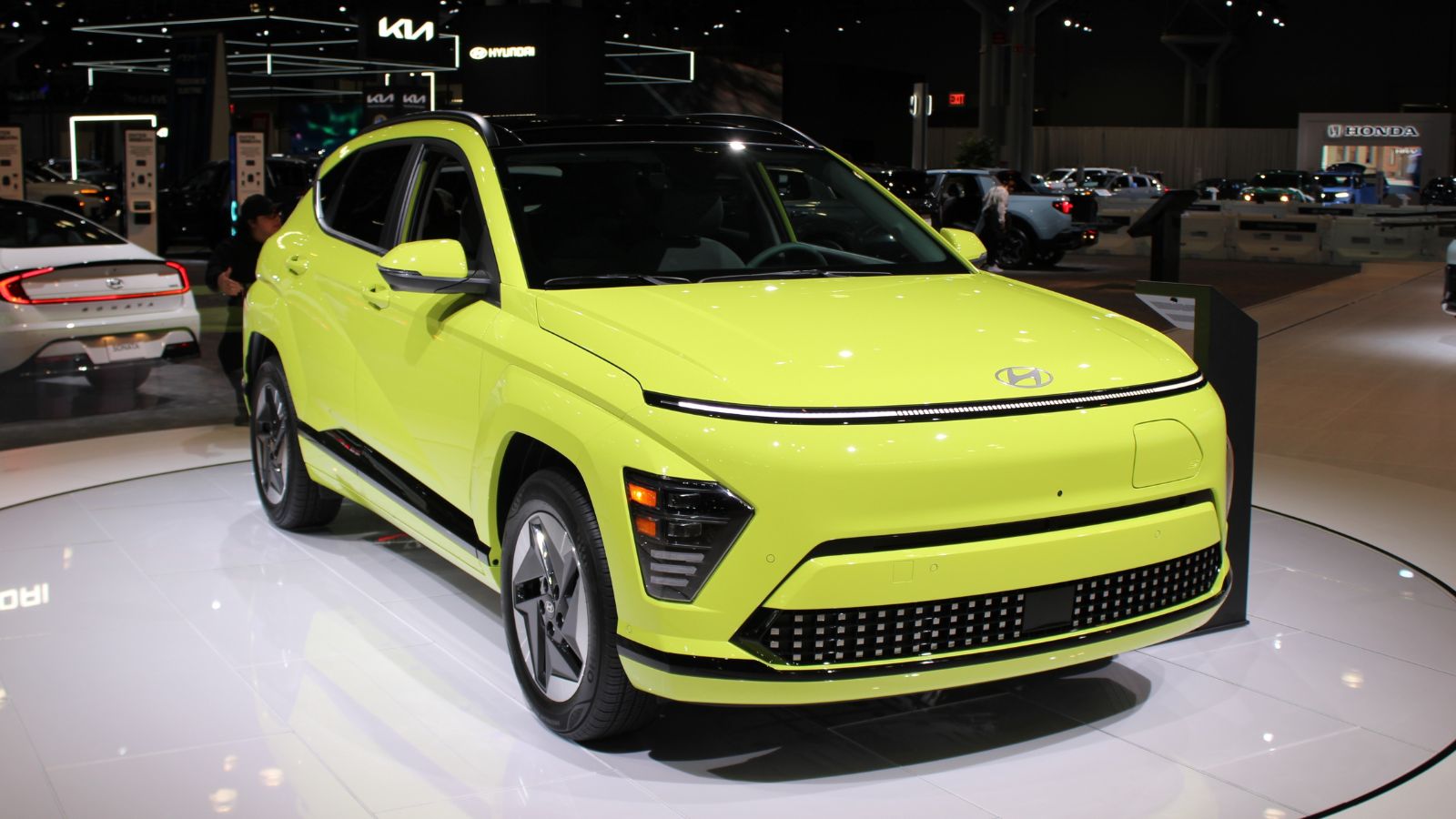
The Kona Electric delivers strong efficiency and a useful range. It shines when charged at home overnight. Public charging is workable, though not always fast. Charging speeds are decent but not class-leading. Waiting times can stretch during busy periods. That makes spontaneous trips harder to manage. With home charging, the car feels dependable and easy. Without it, charging becomes a task to plan around. The experience shifts from smooth to slightly inconvenient. Over time, that difference becomes noticeable. Convenience plays a bigger role than expected.
Kia Niro EV
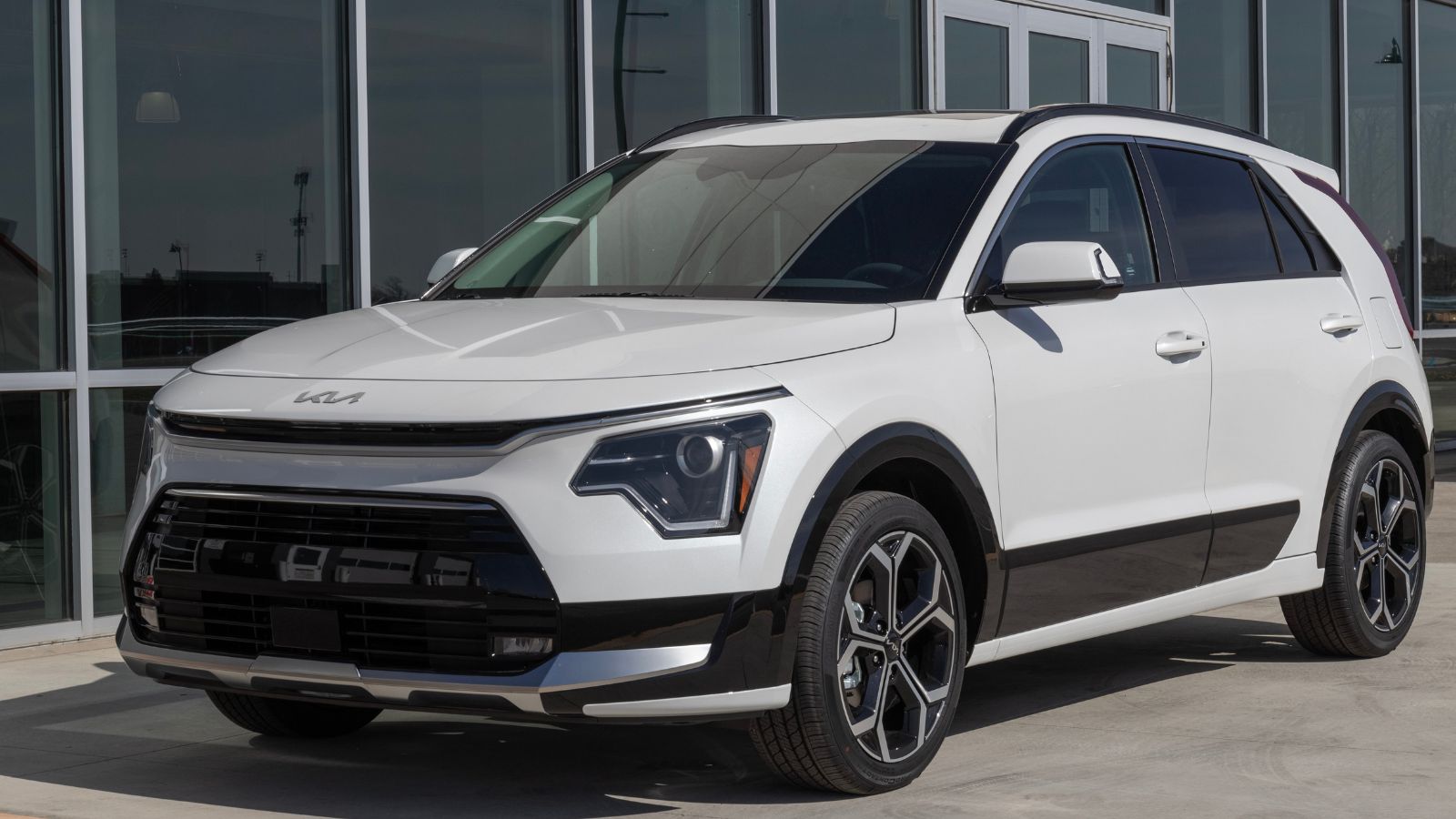
The Kia Niro EV offers comfort and efficiency in daily driving. Its charging setup favors overnight home use. Public chargers work fine, though speeds are moderate. That can extend charging stops beyond expectations. Drivers without home charging may feel the extra time. It becomes part of weekly routines rather than occasional use. With a home charger, the process feels invisible. Without it, planning becomes necessary for basic errands. The car itself remains practical and smooth. The difference lies in how easily it fits into daily life.
Volkswagen ID.4
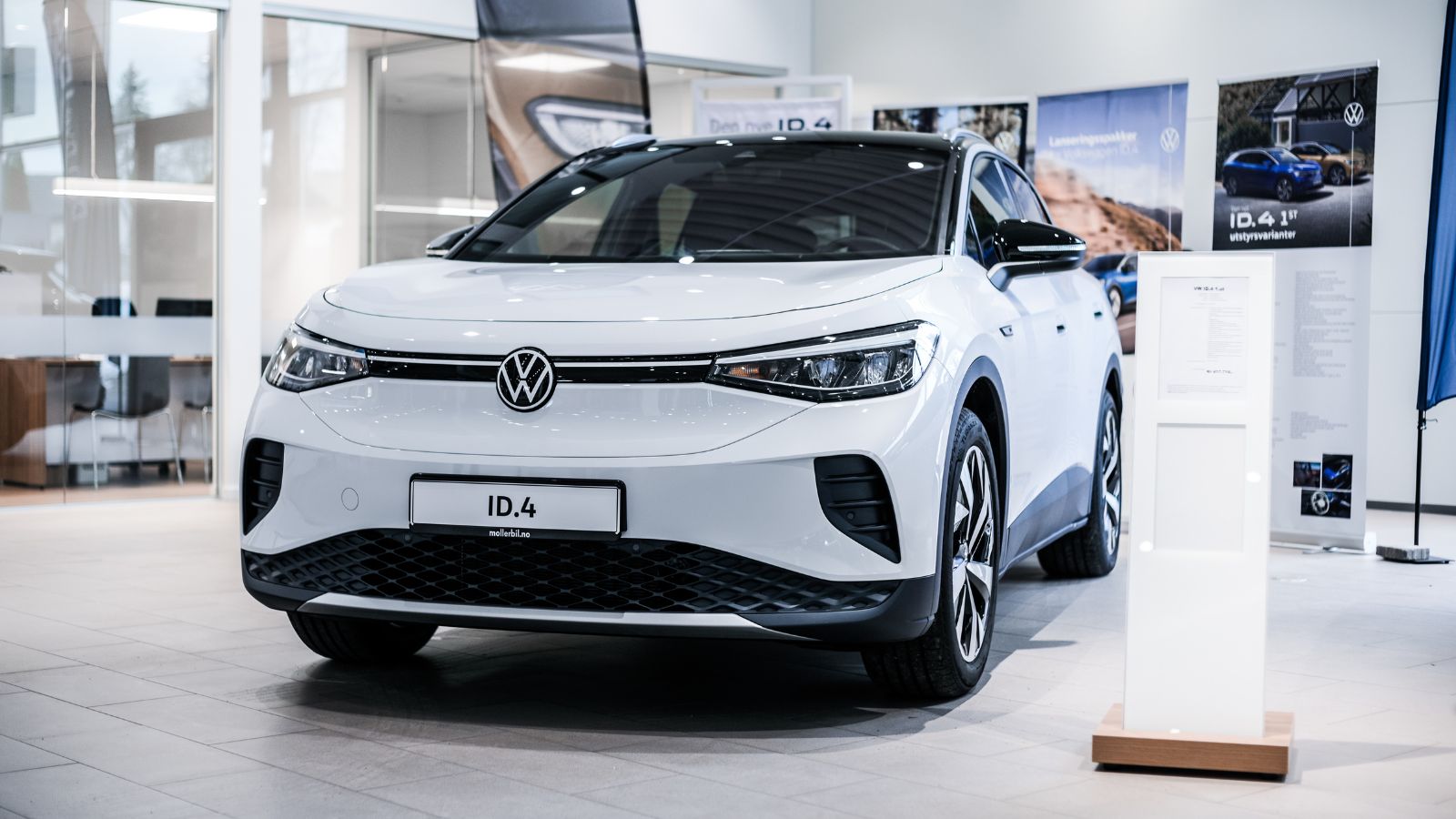
The ID.4 is designed as a family-friendly EV. It performs well when charged regularly at home. Public charging networks vary in reliability depending on location. Charging speeds are decent, though not always consistent. That can lead to longer stops than planned. With home charging, the car feels ready every morning. Without it, range anxiety can creep in during busy days. The ID.4 works best when charging is predictable. Public-only use introduces small but frequent inconveniences. Over time, those interruptions can feel frustrating.
Ford Mustang Mach-E
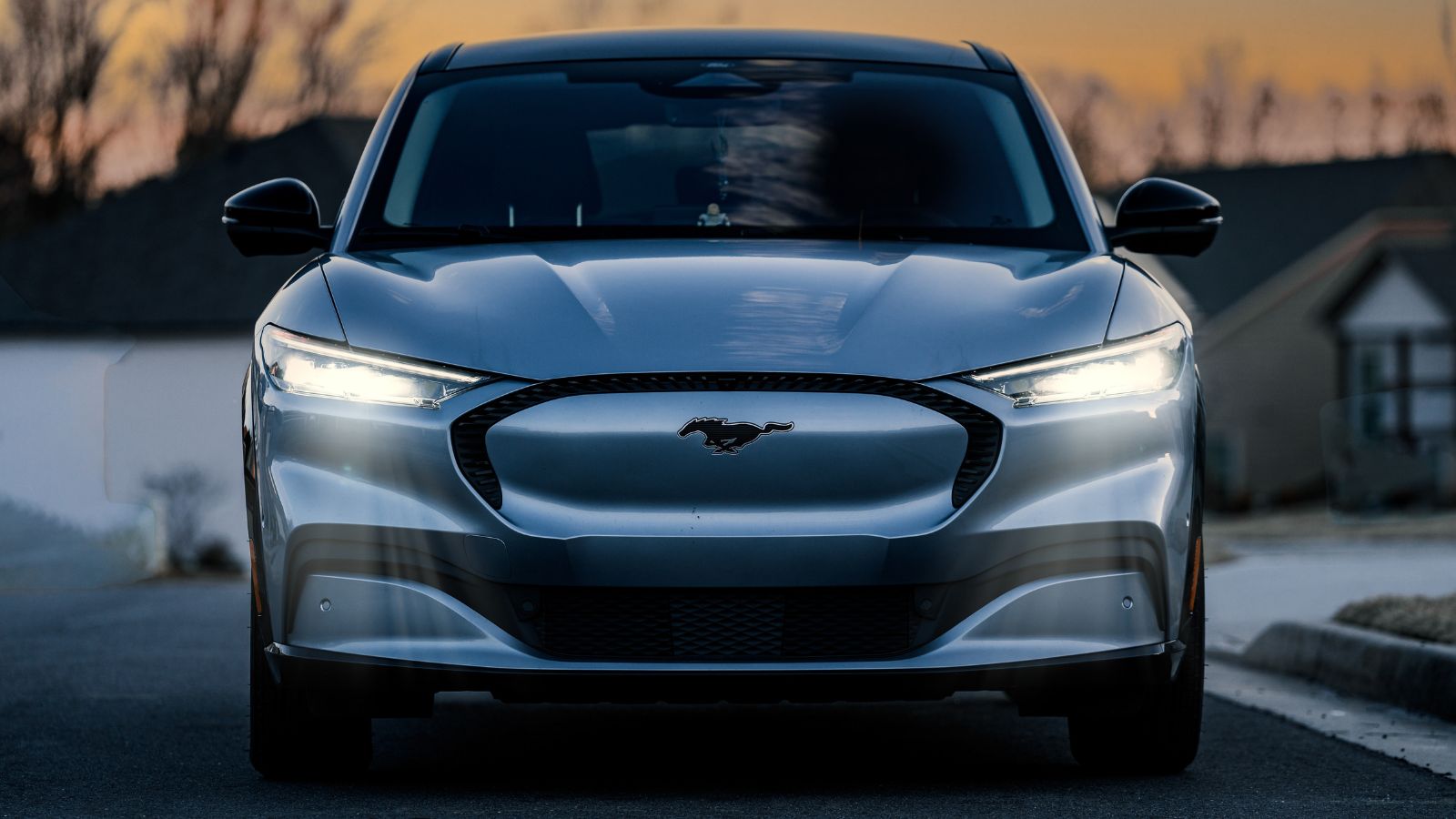
The Mach-E blends performance with everyday usability. It benefits greatly from overnight home charging. Public charging works, but availability varies widely. Fast charging speeds are solid, though not always consistent. That creates uncertainty during longer trips. With a home setup, the car feels easy to live with. Without it, drivers may need to plan around charging stops. The sporty nature of the car contrasts with that routine. It feels less spontaneous when relying on public stations. Home charging keeps the experience smooth.
Hyundai Ioniq 5
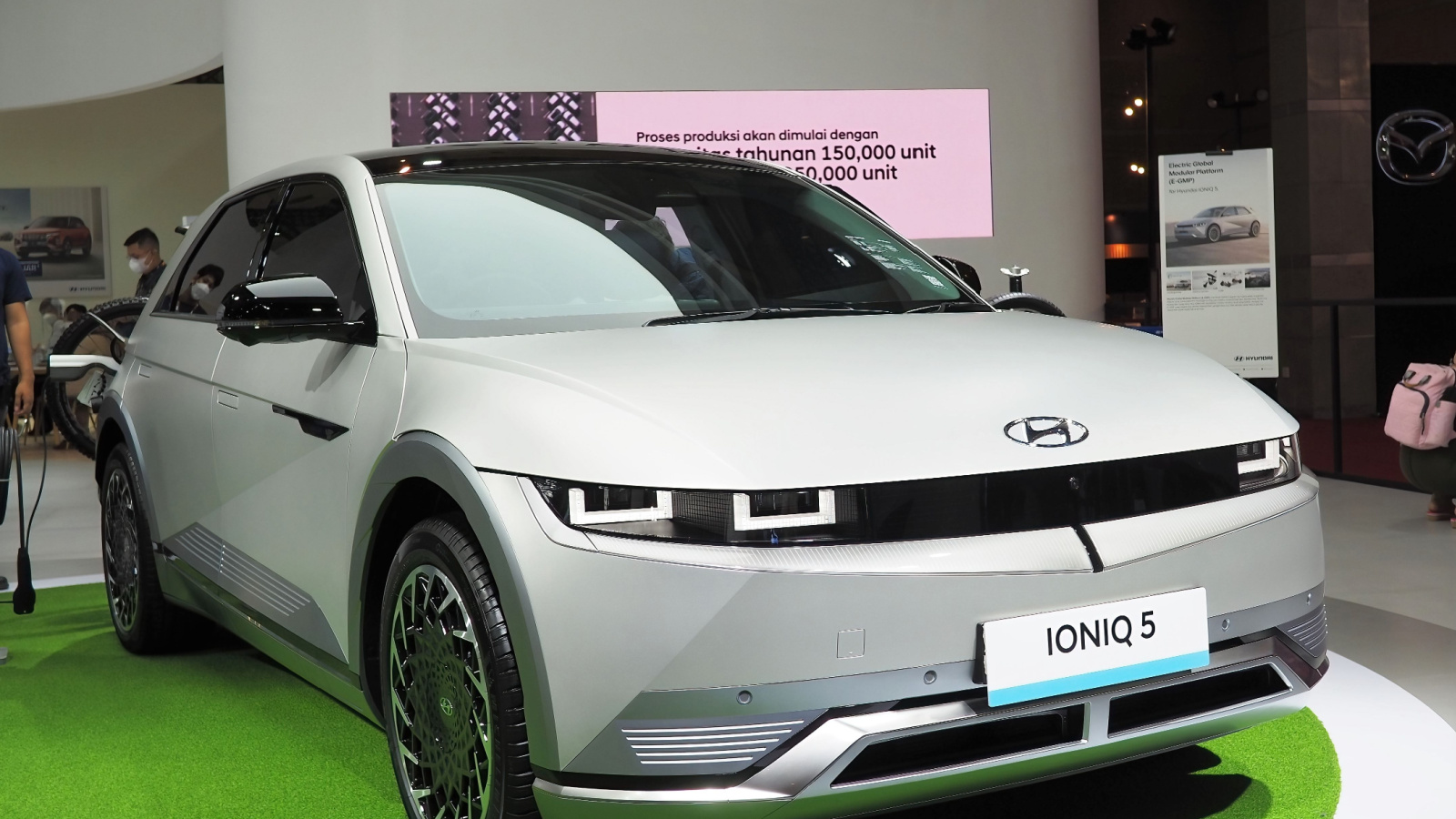
The Ioniq 5 supports very fast charging when conditions are ideal. That sounds perfect for public charging use. In reality, those speeds depend on specific high-output stations. Not every charger delivers that performance consistently. Drivers often spend time searching for the right setup. With home charging, that effort disappears completely. You plug in overnight and start fresh each day. Without it, charging becomes something you plan around. The car still feels modern and smooth. Convenience just shifts depending on how you charge.
Kia EV6
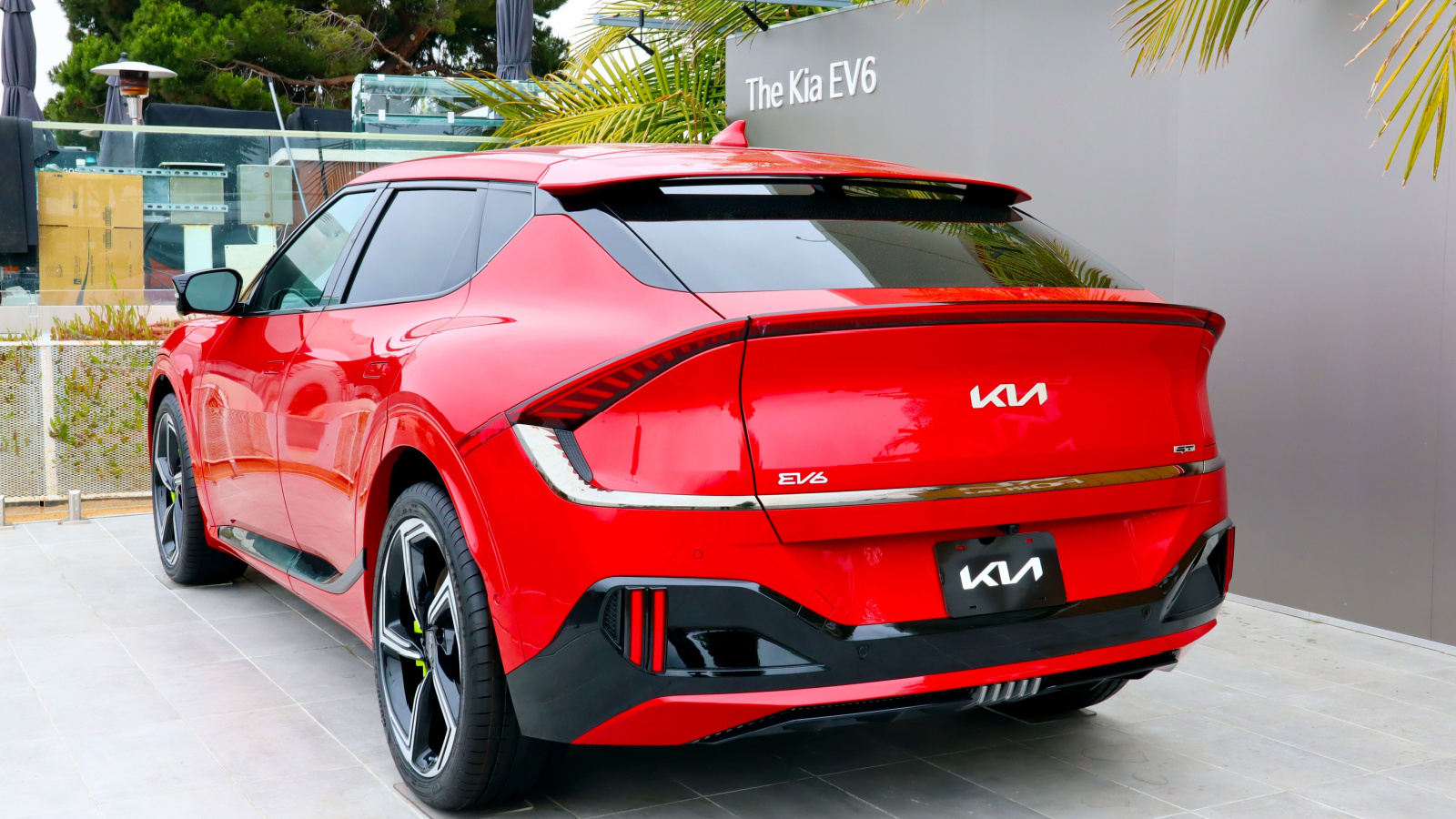
The Kia EV6 offers sharp styling and strong performance for daily use. It shares fast charging capability with its Hyundai sibling. However, public chargers do not always deliver peak speeds. That creates small delays during longer trips or busy hours. With home charging, the car feels ready every morning. Without it, drivers may need to schedule charging stops often. That adds a layer of planning to simple drives. The EV6 remains enjoyable overall. Charging access shapes how effortless it feels.
Toyota bZ4X
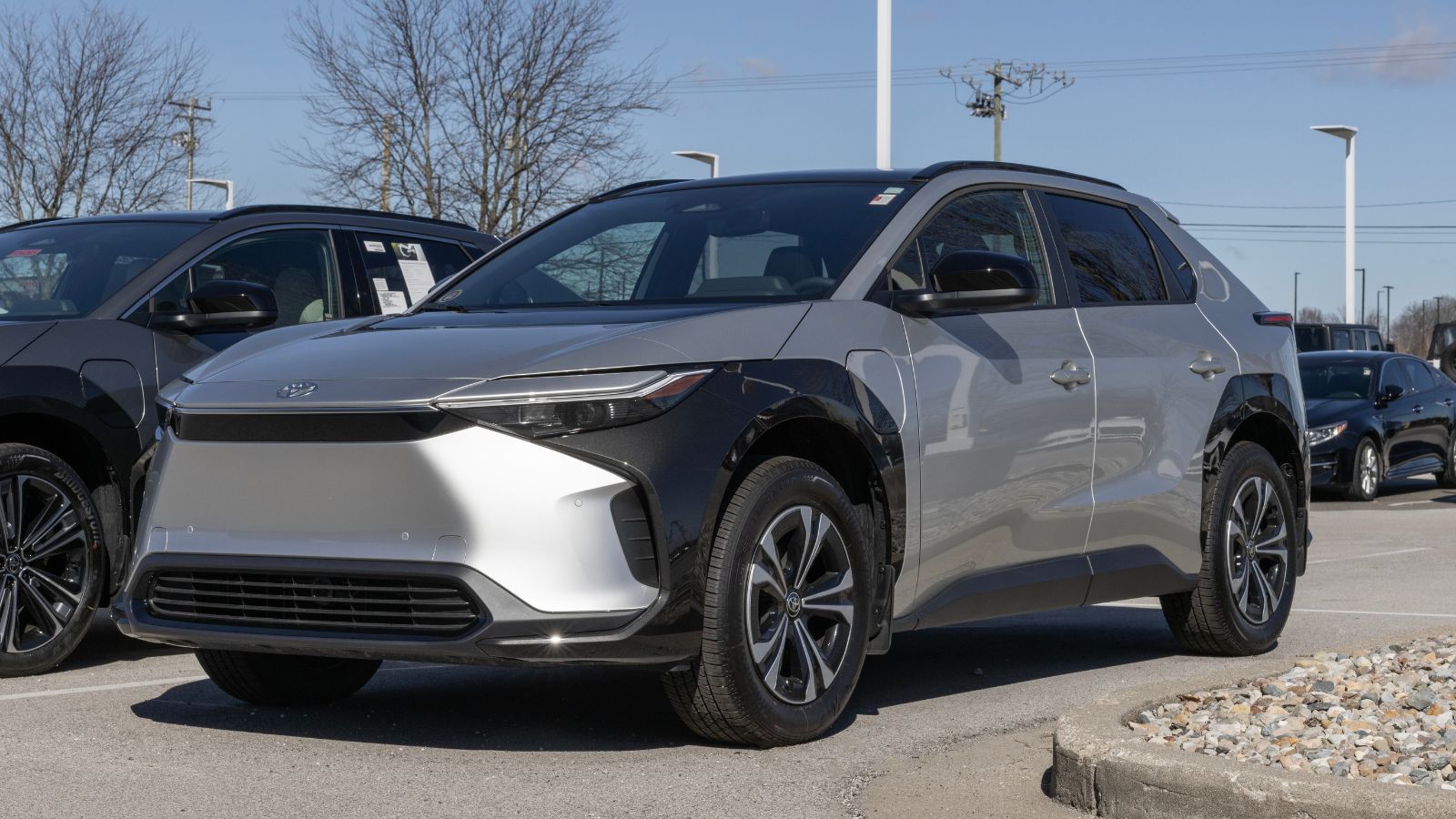
The bZ4X focuses on comfort and ease rather than quick charging speeds. Its charging performance feels average compared to newer rivals. Public charging sessions can stretch longer than expected. That becomes noticeable during routine use. With home charging, those delays rarely matter. You charge overnight and avoid waiting altogether. Without it, charging stops become part of weekly plans. The car itself stays quiet and stable on the road. Convenience depends heavily on charging access.
Subaru Solterra
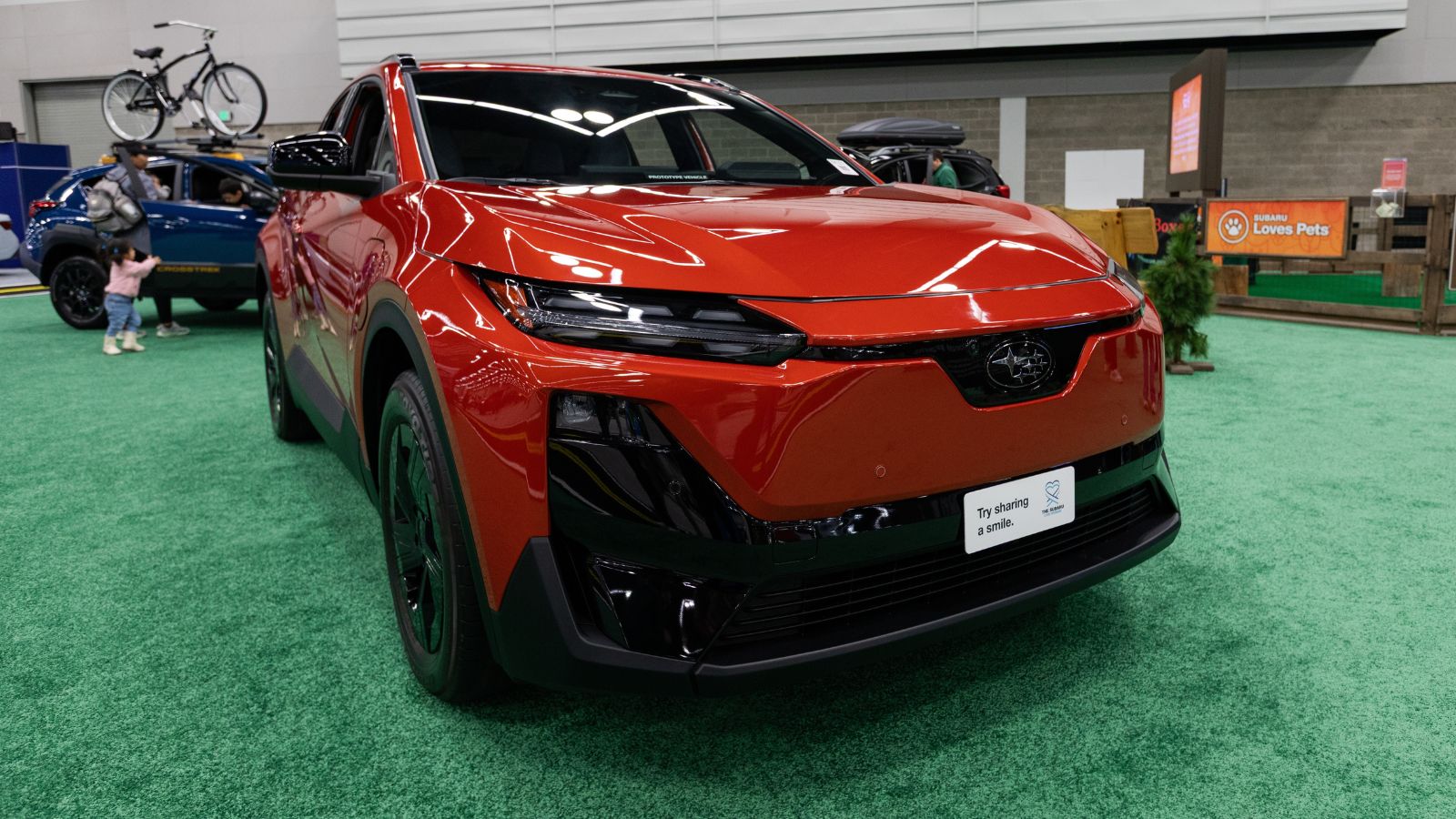
The Solterra shares its setup with the Toyota bZ4X. It offers steady performance and familiar SUV comfort. Charging speeds remain moderate in real-world conditions. Public charging can feel slower compared to newer options. With home charging, that difference becomes less noticeable. The car fits into daily life with ease. Without it, drivers may need to think ahead more often. Charging stops start shaping travel decisions. The vehicle stays practical overall. Charging access changes how flexible it feels.
Audi Q4 e-tron
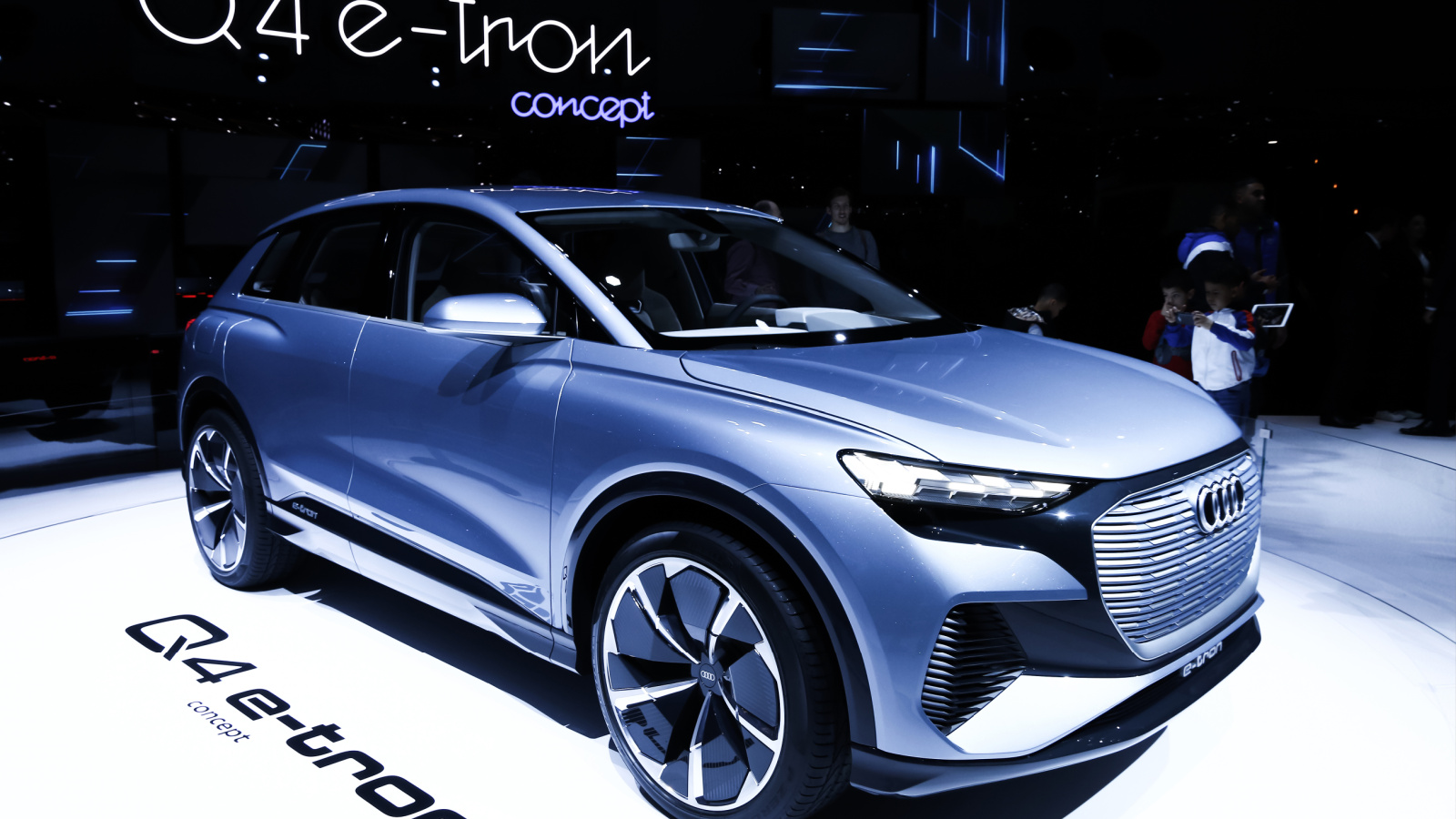
The Audi Q4 e-tron delivers a calm and refined driving experience. It works best when charging happens overnight at home. Public charging is available, but it is not always quick or consistent. Waiting times vary depending on demand and location. With home charging, the car feels effortless to use daily. Without it, small interruptions become more noticeable. Charging stops break the otherwise smooth experience. The vehicle remains comfortable and quiet. Ease of ownership depends on charging convenience.
BMW i4
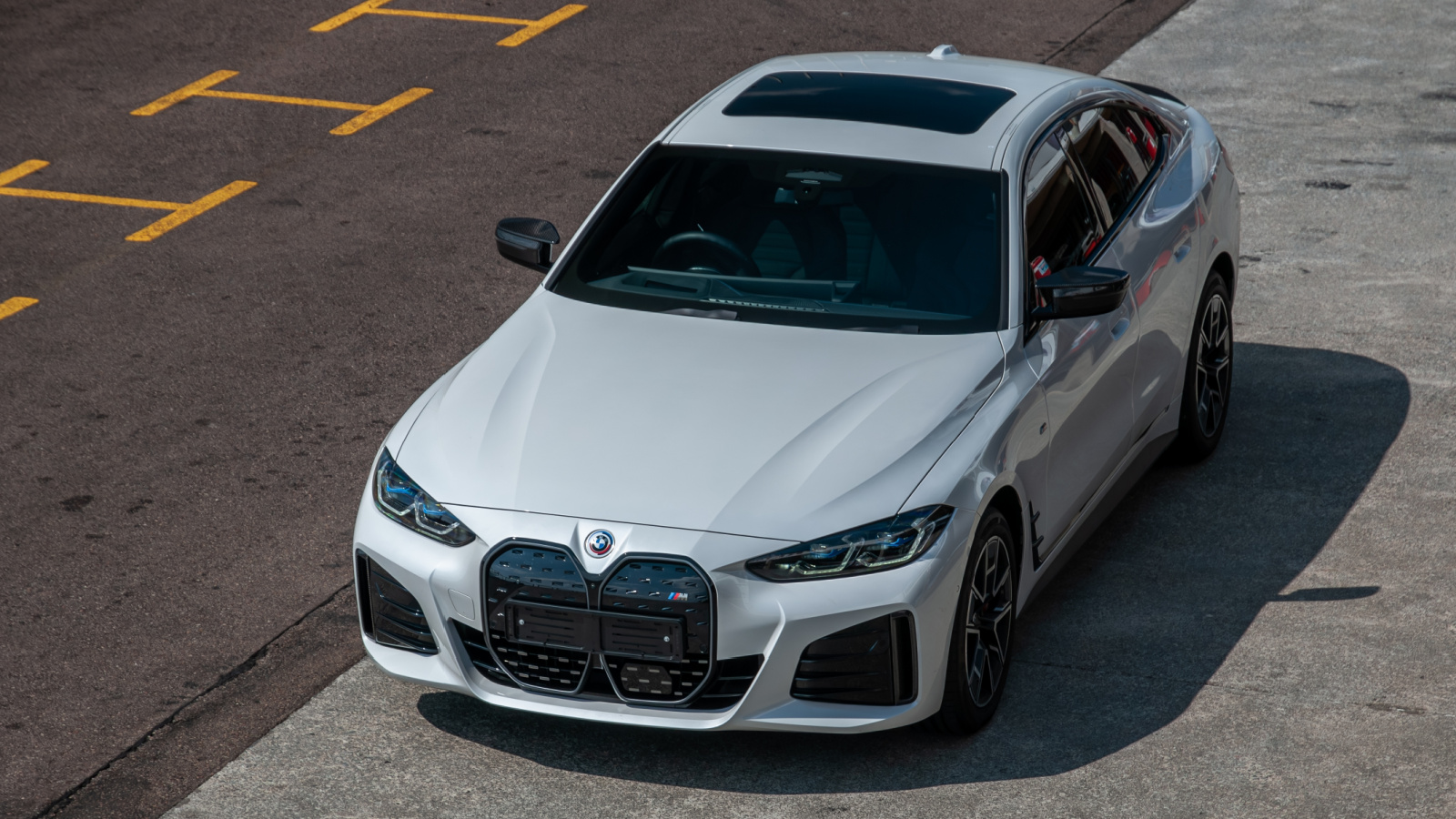
The BMW i4 blends performance with everyday usability. It suits drivers who can charge regularly at home. Public charging works, though it requires some planning. Fast charging speeds help, but availability still matters. Without home charging, routines may shift around charging stops. That affects spontaneity more than expected. With home access, the car feels seamless and ready. It fits into daily life without much effort. Charging access defines how convenient ownership feels.
Polestar 2
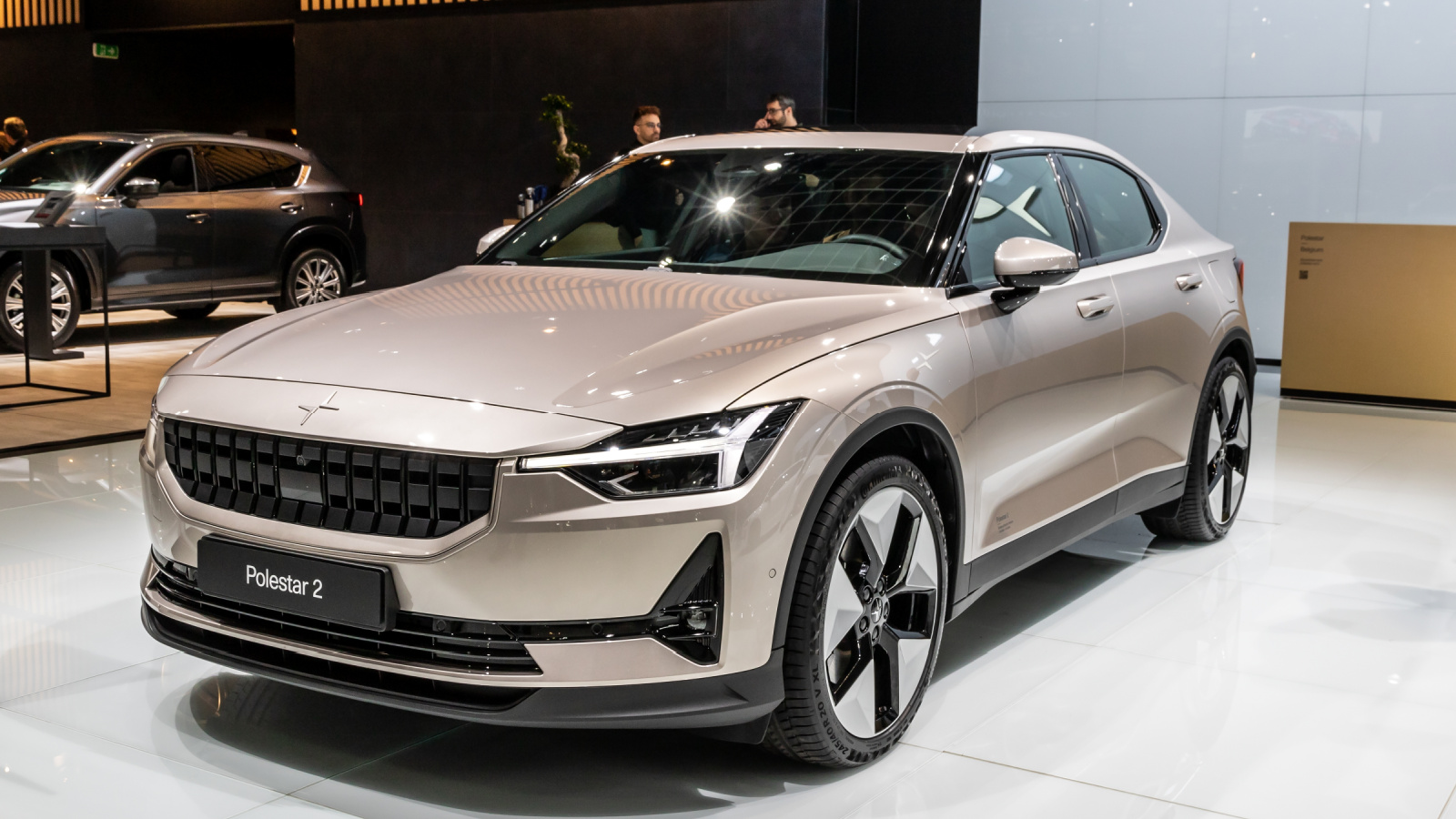
The Polestar 2 offers a clean design and balanced ride quality. It benefits from a consistent home charging routine. Public charging works, though it is not always predictable. Charging speeds are decent but not leading the segment. Without home charging, drivers may notice delays more often. That can affect daily schedules over time. With home access, the experience feels steady and simple. The car becomes easier to manage. Charging access plays a bigger role than expected.
Volvo XC40 Recharge
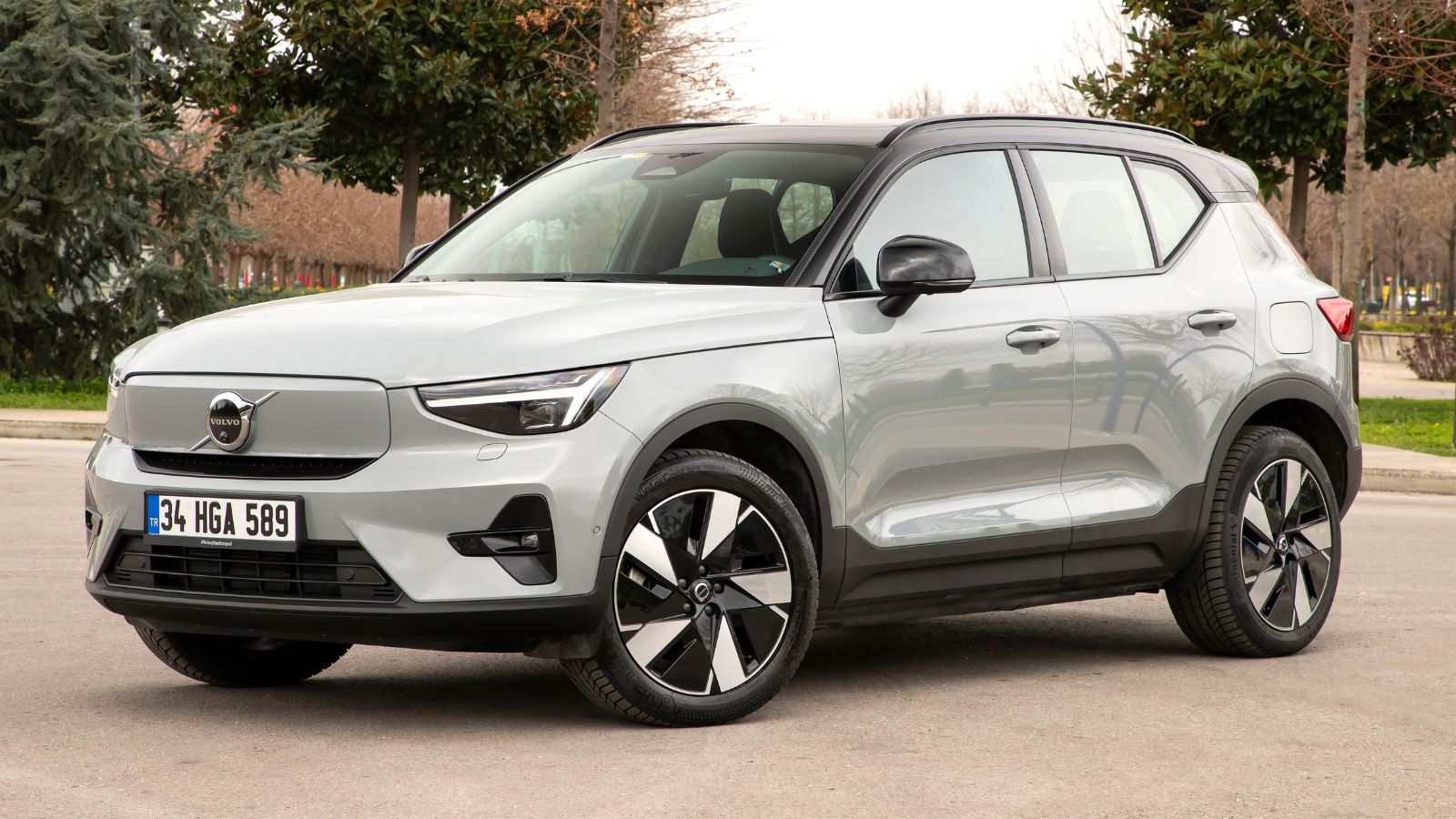
The XC40 Recharge focuses on comfort and safety in daily driving. It performs best with reliable home charging access. Public charging works, though speeds remain moderate. Waiting times can vary depending on usage patterns. Without home charging, flexibility drops slightly. Drivers may plan their week around charging stops. With a home setup, the car feels simple to live with. Charging becomes part of the routine. That difference shapes the overall ownership experience.
Mercedes-Benz EQB
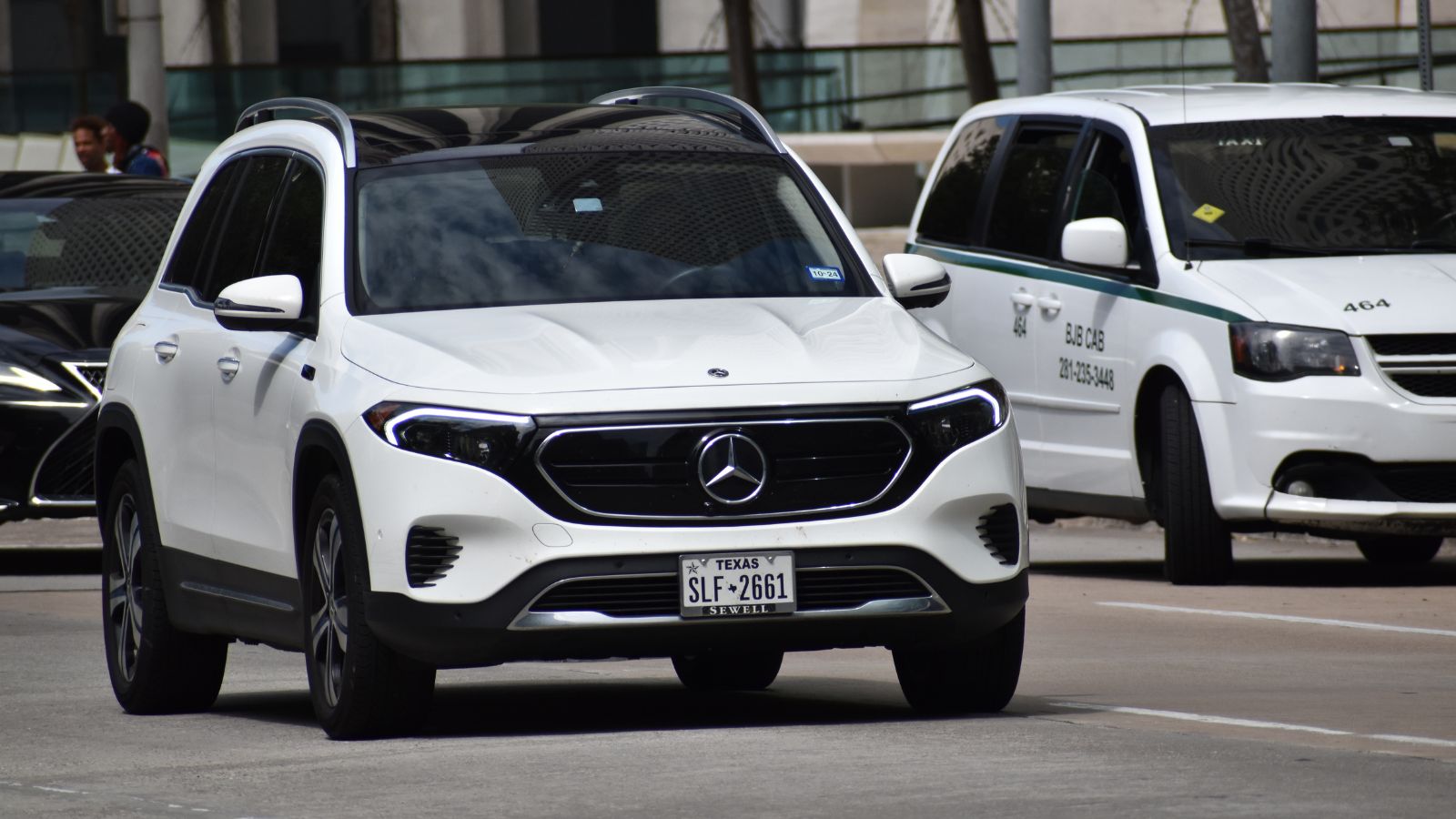
The EQB delivers a premium feel with added practicality. It benefits from overnight charging at home. Public charging is available, but not always quick. That can affect convenience during busy schedules. Without home access, drivers may need to think ahead often. With it, the car feels predictable and easy to use. The luxury experience remains consistent when charging is simple. Without that ease, small interruptions appear. Charging access influences daily comfort.
Jaguar I-Pace
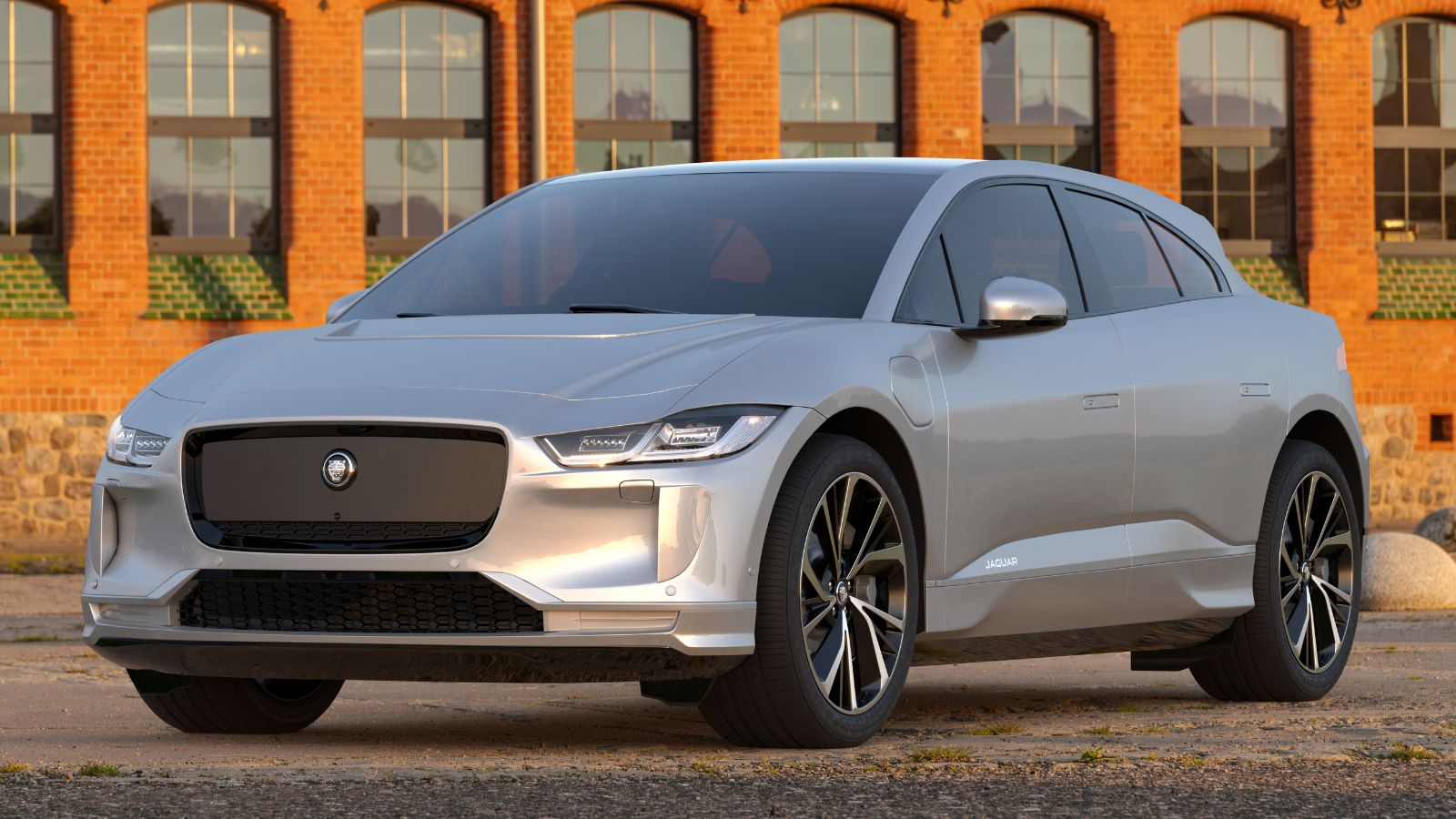
The I-Pace stands out with strong performance and bold styling. Its charging speeds are slower than those of newer EVs. Public charging sessions can take longer than expected. That becomes noticeable without home access. With home charging, those delays fade into the background. The car feels easier to live with day to day. Without it, longer stops become part of ownership. The driving experience stays engaging. Charging convenience defines how practical it feels.
Mini Cooper SE
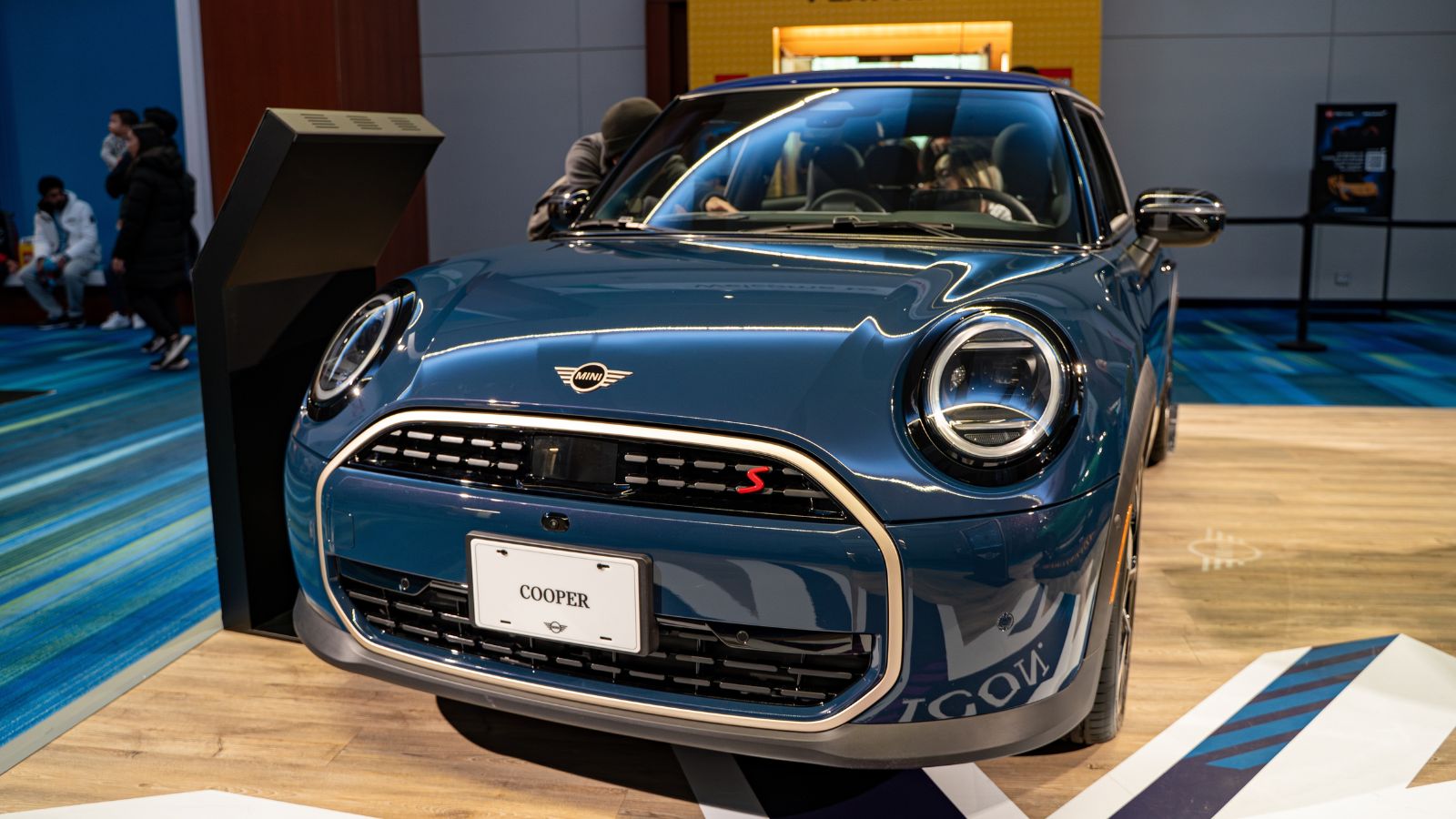
The Mini Cooper SE suits short city commutes best. Its limited range works well with home charging. Public charging becomes necessary more often without it. That reduces convenience quickly. With home access, the car feels simple and fun. Without it, frequent stops interrupt daily use. The small battery charges easily overnight. Public reliance changes the experience entirely. The car fits best into predictable routines.
Mazda MX-30
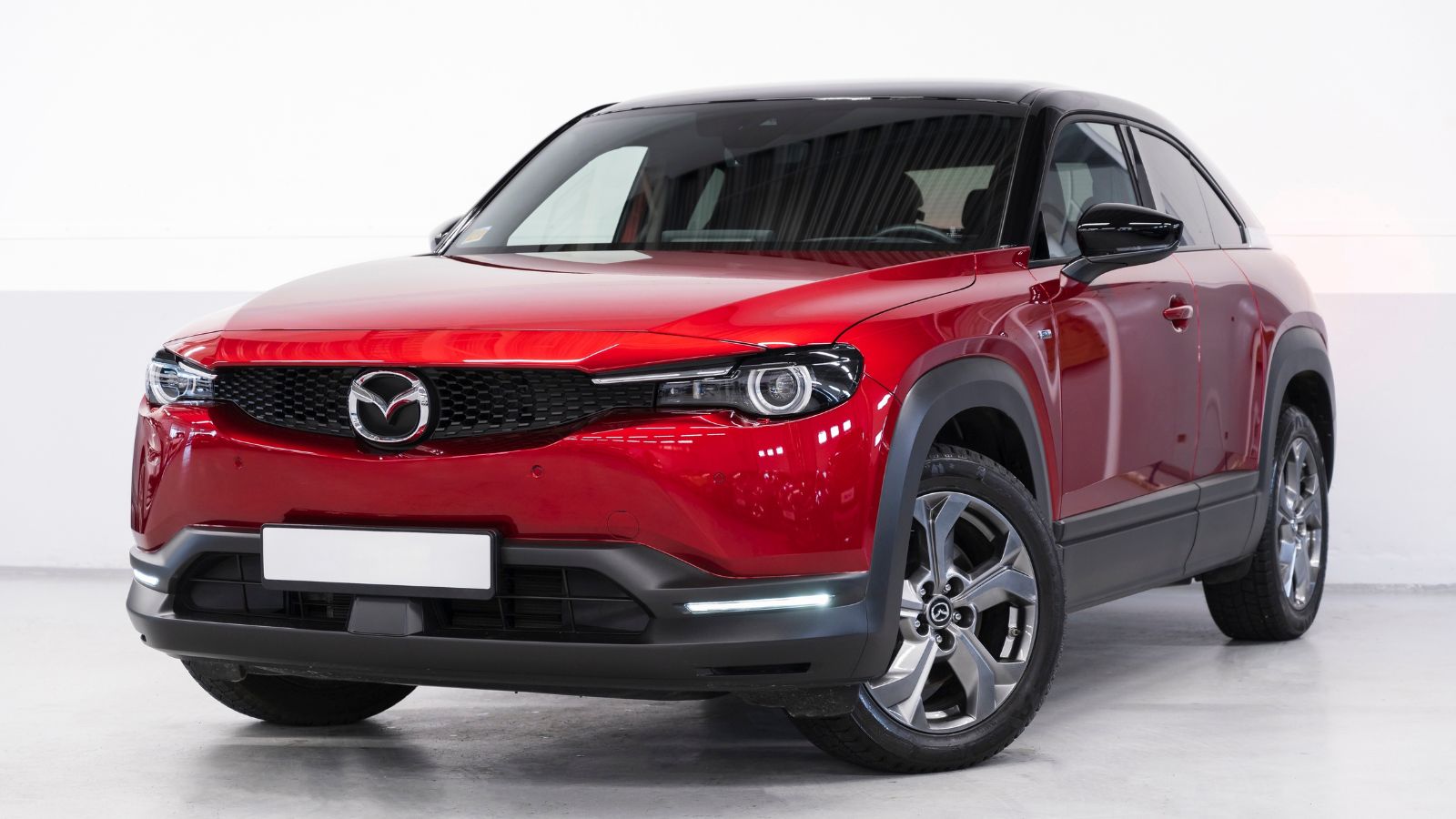
The MX-30 has one of the smallest batteries in its class. It works best with consistent home charging. Public charging becomes frequent without that setup. That can feel inconvenient over time. With home access, it fits short commutes well. Without it, range limits become more noticeable. The car focuses on comfort and design. Charging access shapes how practical it feels daily. Home charging makes a clear difference.
Honda Prologue
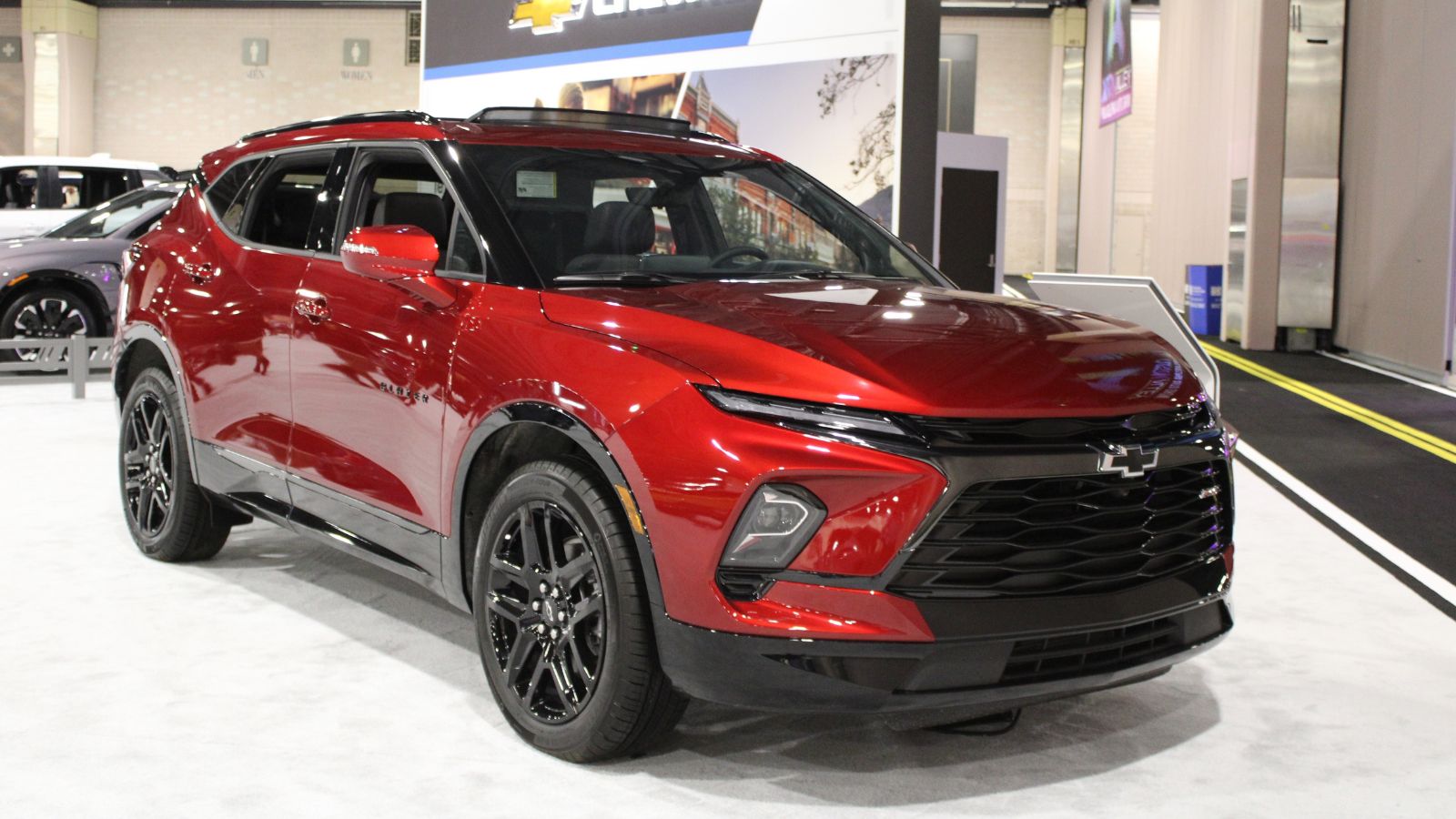
The Prologue offers a balanced electric driving experience. It benefits from reliable home charging routines. Public charging continues to improve, but still varies widely. Without home access, drivers may rely on planning more often. That affects convenience during busy weeks. With home charging, the car feels steady and predictable. Daily use becomes easier to manage. Without it, flexibility drops slightly. Charging access shapes how enjoyable ownership feels.
Chevrolet Blazer EV
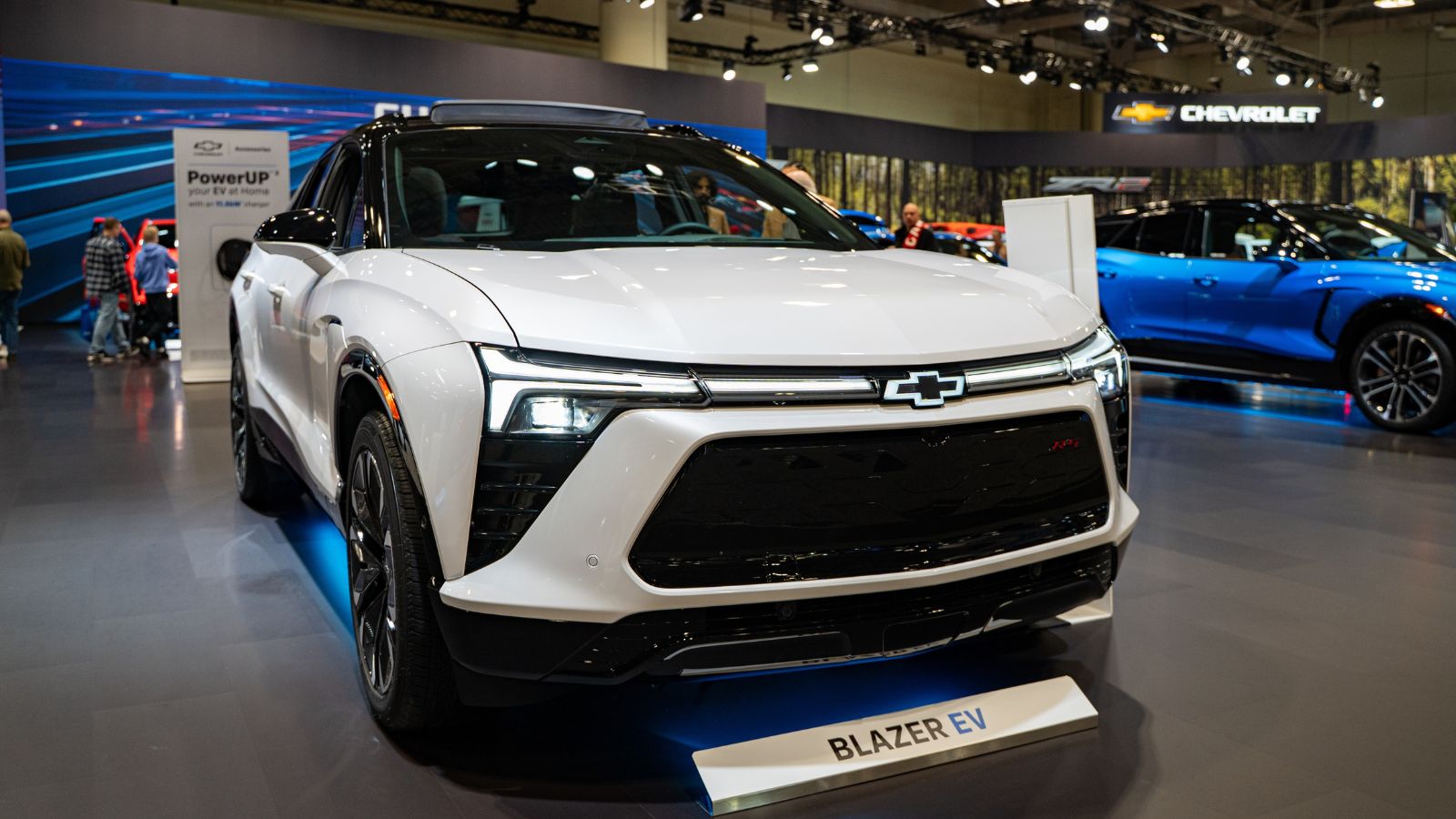
The Blazer EV combines bold styling with modern features. It works best with consistent home charging access. Public charging is available but can vary by location. Without home charging, drivers may need to plan trips more carefully. That changes how the car fits into daily routines. With home access, it feels simple and ready to go. Without it, small inconveniences appear more often. Charging access defines ease of use.
Rivian R1S
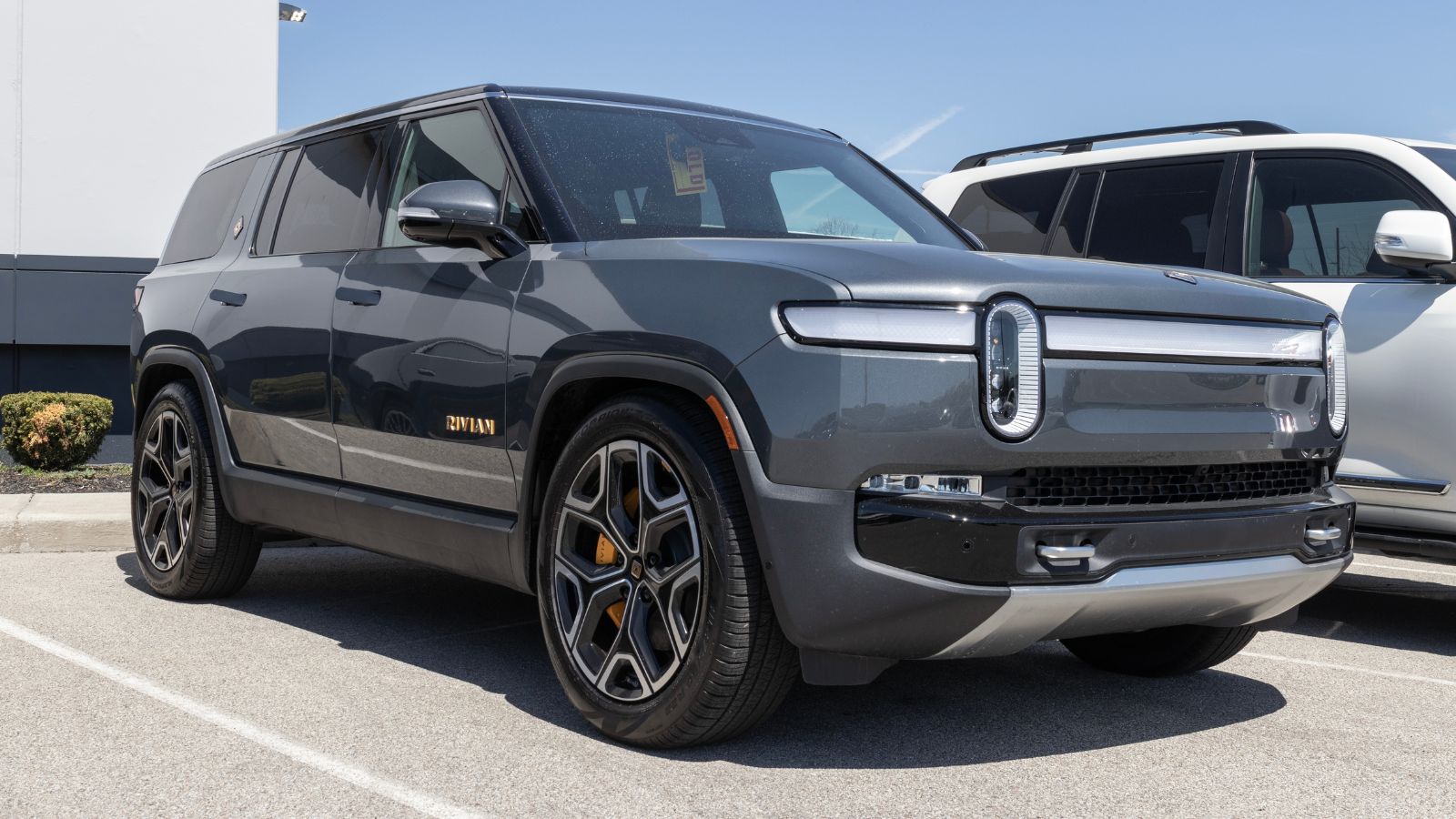
The R1S offers strong performance and off-road capability. Its large battery takes time to charge fully. Public charging sessions can be lengthy without home access. That affects convenience during regular use. With home charging, the process feels more manageable. Drivers start each day with a full battery. Without it, longer waits become routine. The vehicle remains capable and powerful. Charging access shapes how practical it feels.
Lucid Air
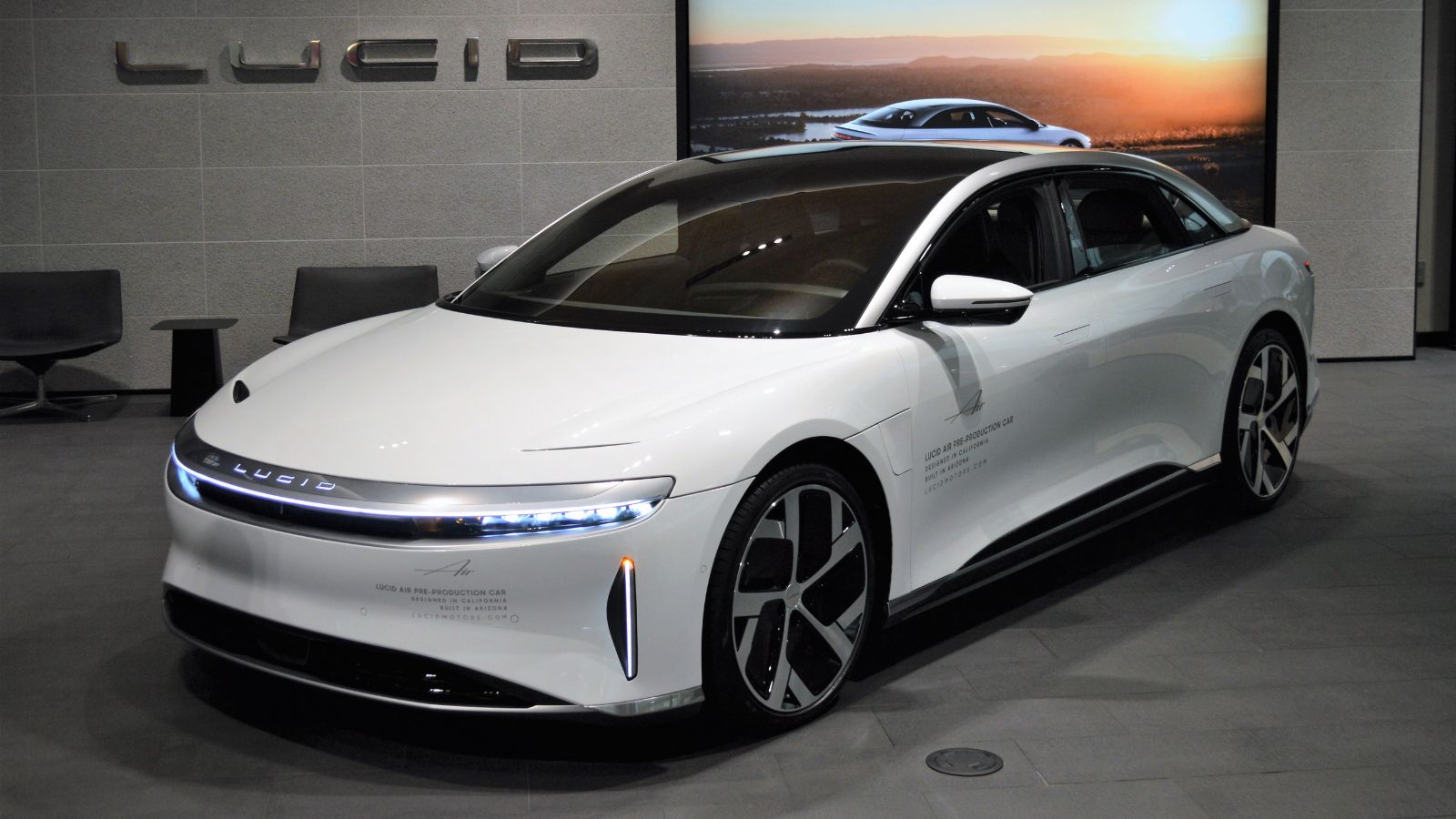
The Lucid Air delivers impressive range and smooth performance. It supports fast charging under ideal conditions. Public charging still depends on station availability. Without home charging, drivers may often plan around chargers. That adds effort to daily routines. With home access, the car feels effortless to own. It stays ready without much thought. Without it, convenience drops slightly. Charging access shapes how seamless the experience feels.
22 Things Canadians Do to Their Cars in Spring That Mechanics Hate

Spring brings relief to many Canadian drivers after months of snow, freezing temperatures, and icy roads that put serious strain on vehicles. As temperatures rise across the country, drivers begin washing cars, switching tires, and preparing vehicles for warmer weather and upcoming road trips. However, mechanics across Canada notice the same mistakes every spring when drivers attempt to recover from winter damage. Road salt, potholes, and harsh winter driving conditions often leave vehicles with hidden problems that drivers ignore. Some spring habits even create new mechanical issues that could have been avoided with proper maintenance. Here are 22 things Canadians do to their cars in spring that mechanics hate.