


























Used SUVs are where practicality and optimism often collide. A roomy cabin, all-weather confidence, and a price tag that undercuts a comparable new model can make almost any listing feel sensible at first glance. That is exactly why bad deals in this corner of the market can be so convincing: the vehicle looks useful, the savings look immediate, and the expensive problems stay hidden until ownership begins.
The real difference between a bargain and a budget trap is rarely one dramatic flaw. More often, it is a pattern of clues. These 19 signs separate a genuinely smart buy from the kind of used SUV that only looks like value on the lot, in the listing, or during a quick walk-around.
A Price That Sits Far Below the Market
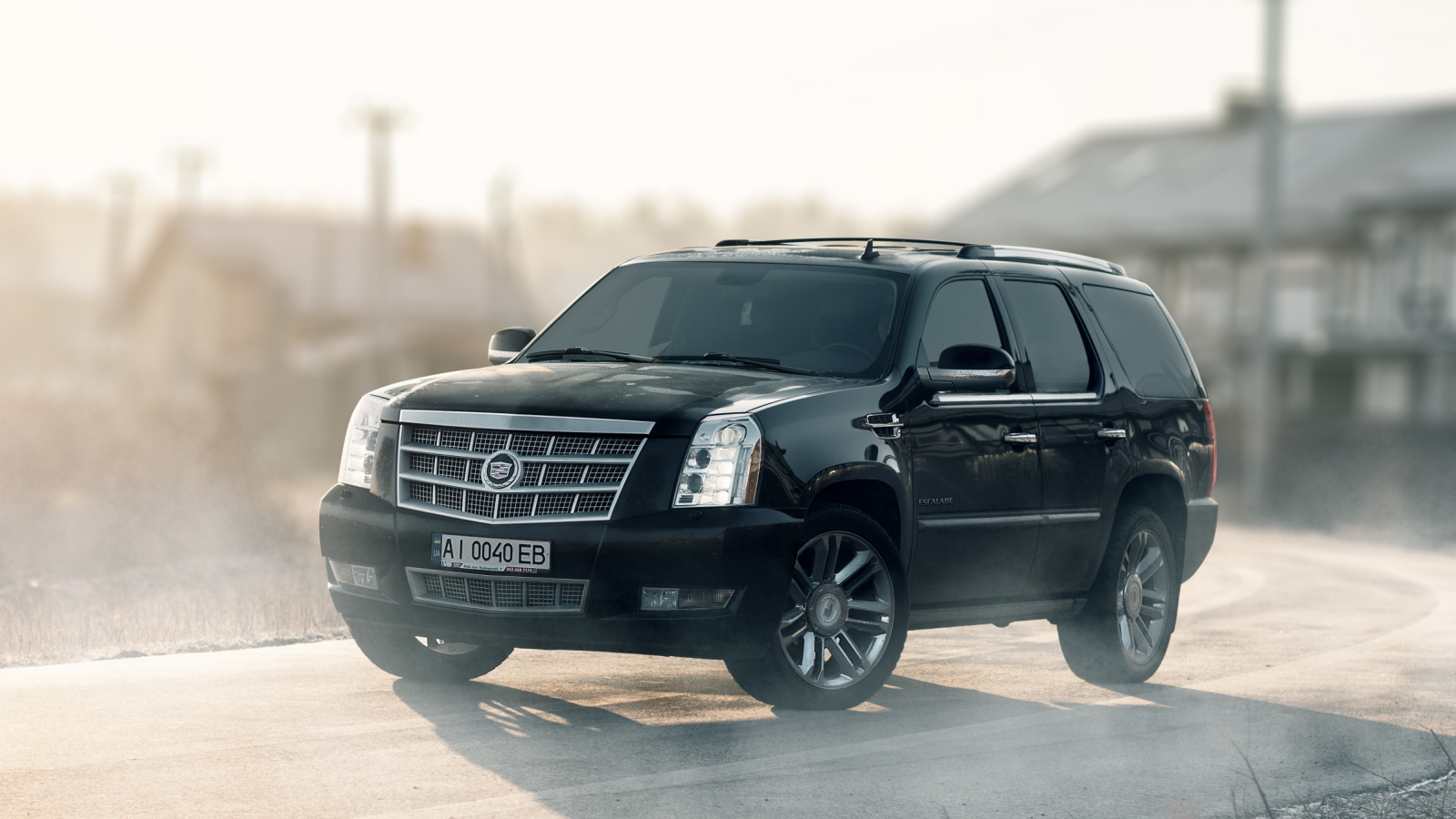
A used SUV priced well under comparable listings can feel like a lucky break, but the smartest shoppers treat it as an investigation, not a celebration. Pricing guides are useful here because they are built from real transactions, listings, mileage, condition, and regional data. When an SUV is thousands below a credible fair-market estimate, there is usually a reason: hidden accident history, a branded title, deferred maintenance, or fees that surface only when paperwork appears. The discount is often real, but so is the risk behind it.
That matters even more now because advertised prices do not always tell the whole story. Some dealers still lean on low headline numbers and recover profit with mandatory fees or add-ons later in the process. A budget-minded family looking at a discounted three-row SUV may think they found the rare clean, low-cost option, only to discover reconditioning charges, documentation fees, or “required” products tacked on at signing. A true deal usually survives scrutiny; a fake one gets more expensive the longer the conversation lasts.
“As Is” Paperwork and Vague Warranty Language

The phrase “as is” sounds routine until the first repair bill lands. On a used SUV, that phrase can turn a tempting price into an immediate financial gamble because it generally means the dealer is not promising to fix post-sale problems. Larger vehicles bring higher costs for tires, brakes, suspension components, and driveline parts, so a thin warranty matters more than many buyers expect. A bargain-priced crossover with an “as is” label may still be worth buying, but only if the condition has been independently verified and the price truly reflects the risk.
What raises concern is not simply limited coverage; it is fuzzy language around what is and is not covered. If the seller cannot clearly explain exclusions, deductible amounts, repair obligations, and whether the “warranty” is actually a separate service contract sold for extra money, the deal is weaker than it looks. Many unpleasant used-car stories begin with a buyer assuming protection exists, only to learn later that the coverage was narrow, optional, or difficult to use. On a used SUV, ambiguity is expensive.
Financing That Somehow Is Not Final

A deal is not really a deal if the numbers can change after the SUV leaves the lot. One of the most frustrating versions of this is conditional financing, sometimes called spot delivery, where the buyer is allowed to take the vehicle home before the lender has fully approved the contract. The monthly payment may look manageable in the showroom, the keys are handed over, and the transaction feels complete. Then comes the call: return to the dealership, the terms changed, and the interest rate or down payment is suddenly worse.
That kind of structure can turn a modestly priced used SUV into a far more expensive purchase over the life of the loan. The emotional trap is obvious. Once the vehicle is in the driveway, backed into the daily routine, and mentally “owned,” many people accept terms they would have rejected the day before. The warning sign is simple: if financing is described as pending, conditional, or subject to final approval, the vehicle’s apparent affordability may be temporary. Good deals do not need to be renegotiated after the handoff.
A Seller Who Resists an Independent Inspection

Few red flags are more revealing than a seller who does not want an outside mechanic to inspect the SUV. Vehicle history reports are helpful, but they do not usually expose worn suspension bushings, a tired transmission, cooling-system issues, or underbody damage waiting to become a major repair. That is why a pre-purchase inspection remains one of the clearest dividing lines between a careful sale and a risky one. When a seller blocks that step, the buyer is being asked to trust appearance over evidence.
The resistance can sound reasonable at first. There may be talk about scheduling problems, insurance restrictions, or a claim that the dealership already inspected everything. None of that changes the basic principle. A clean-looking used SUV can still hide expensive trouble, and a truly confident seller usually has little to fear from an independent opinion. Many mechanics can perform these inspections quickly, and some mobile services will even come to the lot. A refusal does not prove disaster, but it often suggests that the price depends on unanswered questions staying unanswered.
A Missing, Stale, or Suspicious History Report

A vehicle history report is not a magic shield, but the absence of one should slow the process immediately. On a used SUV, the report can reveal title issues, ownership changes, odometer readings, accident records, and in some cases repair history. If the seller has no recent report, shows a blurry screenshot, or pushes a report from an unfamiliar site no one has heard of, the supposed bargain starts losing credibility. Legitimate sellers know shoppers expect documentation, especially in a market where buyers increasingly shop online before they ever see the vehicle in person.
The trick is remembering that even a clean report has limits. Mechanical problems often do not appear there, and not every event is captured. That means a missing report is bad, but blind faith in a report is also a mistake. The strongest version of a good used-SUV deal usually includes both: a legitimate history report from a recognized source and an independent inspection that checks what databases cannot. If the seller acts as though paperwork alone should end the conversation, the transaction is being framed around convenience, not confidence.
Title Brands, Rebuilt Status, and Flood Labels

Title branding changes the meaning of a low price. A used SUV with a salvage, flood, or rebuilt title may be legal to sell, but that does not make it a straightforward buy. These titles exist because the vehicle was previously declared a total loss or sustained major damage that materially changed its history. Even when repairs are completed, the buyer is no longer comparing that SUV to an ordinary clean-title equivalent. The lower price is compensation for uncertainty, reduced resale value, and the possibility that not every problem was truly resolved.
The bigger concern is when the title story feels inconsistent. If the SUV spent time in a flood-prone state after a hurricane season, appears unusually cheap, or has a confusing chain of ownership across states, caution is warranted. Title washing is not an urban legend; it is a real fraud problem, and flood-damaged vehicles can look perfectly presentable after cleanup. A seller who minimizes the significance of a rebuilt or prior flood label is often relying on a buyer to focus on cosmetics instead of consequences.
A Cabin That Smells Damp, Looks Too Fresh, or Acts Electrically Strange

Flood damage rarely introduces itself politely. More often, it shows up as a faint mildew smell, oddly clean carpeting, staining on seat belts, rust on screws, moisture in light housings, or electrical features that behave inconsistently. SUVs are particularly vulnerable to this trap because they are marketed as family haulers and adventure machines; buyers expect a few scuffs, so an overly detailed interior can seem like a selling point instead of a cover-up. The problem is that water damage can keep generating issues long after the cabin has been shampooed and deodorized.
That is why musty air or unexplained electrical quirks should never be waved away as minor annoyances. Power windows, infotainment systems, liftgates, sensors, and seat motors can all suffer from corrosion after submersion. A seller may describe those issues as “just a fuse” or “one little sensor,” but flood-related problems are notorious for appearing in waves. A discounted SUV that smells like damp fabric in the cargo area is not merely less pleasant to own. It may be announcing a much deeper story the price is trying to outrun.
Mileage That Does Not Match the Wear
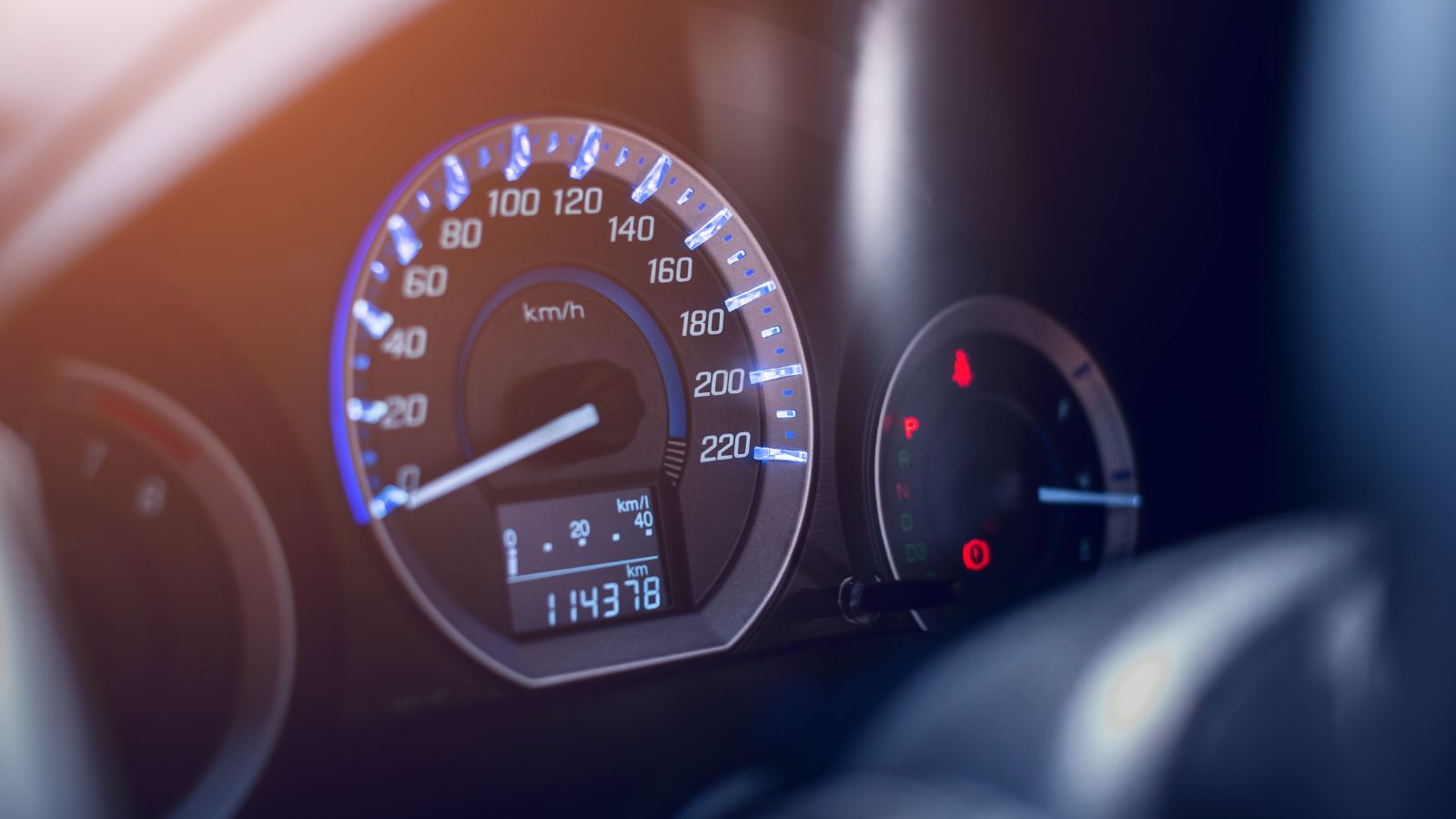
A low odometer reading looks wonderful in a listing, but it only matters if the rest of the SUV tells the same story. Worn pedals, shiny steering-wheel leather, sagging seat bolsters, and heavily used switchgear on a supposedly low-mileage vehicle deserve scrutiny. Mileage fraud still exists because it changes perception instantly; a six-figure SUV can look far more desirable when its displayed mileage appears dramatically lower. When the cabin wear feels older than the number on the cluster, the discount often stops being attractive and starts becoming suspicious.
The best comparison is across documents and physical evidence. Titles, maintenance records, inspection paperwork, under-hood stickers, and vehicle-history entries should line up with the current odometer reading. If they do not, that inconsistency matters more than any polished exterior ever will. High mileage is not automatically disqualifying on a well-kept SUV, but false mileage changes the entire value equation. Buyers can plan around honest wear. They cannot make a sound decision when one of the most important facts about the vehicle may be fiction.
Mismatched Paint, Overspray, and Uneven Body Gaps
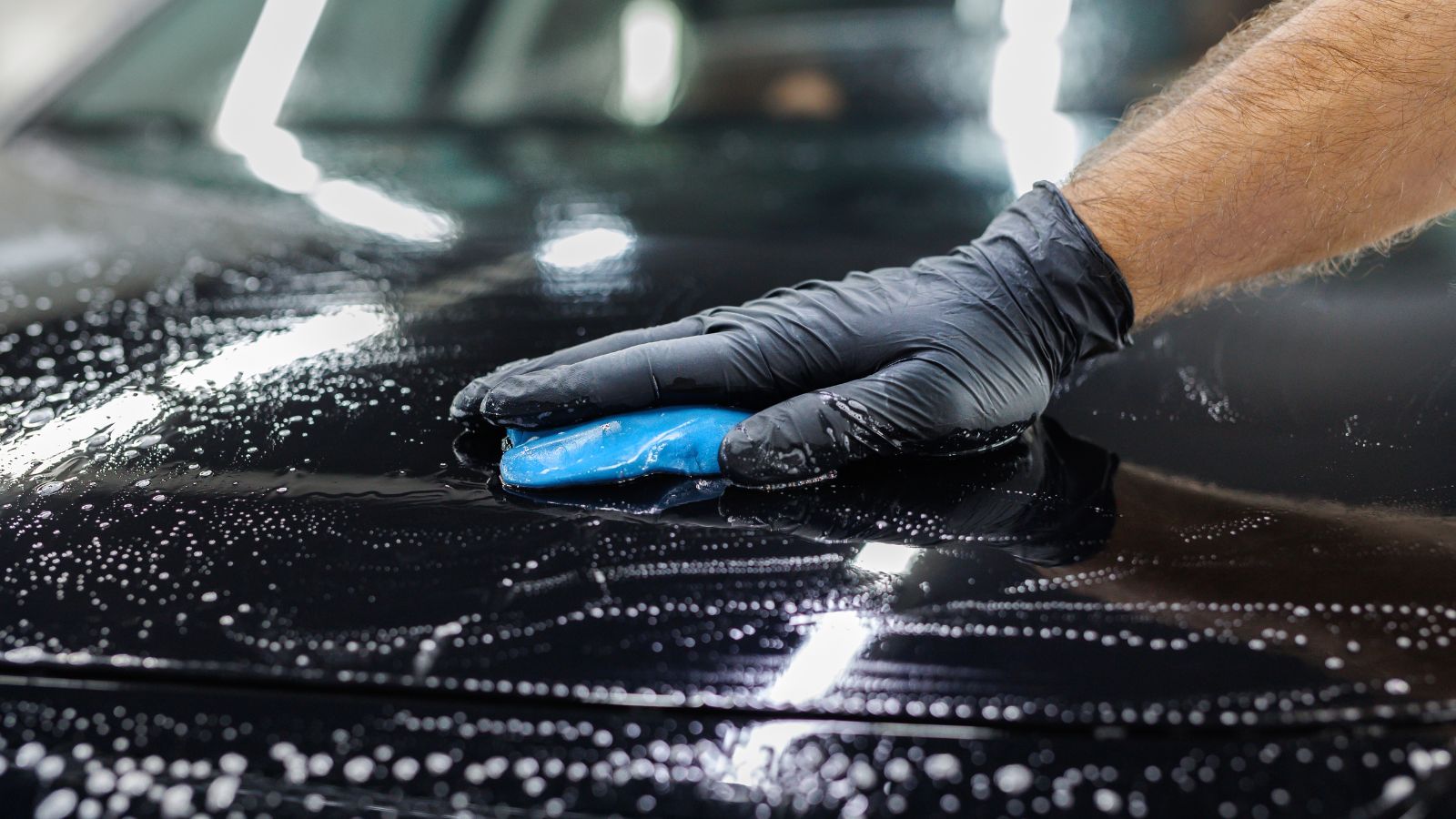
Fresh paint is not always a problem, but uneven paint is a story. If one door is a slightly different shade, body-panel gaps vary side to side, or overspray shows up on trim and rubber seals, the SUV may have had bodywork after a collision. That does not automatically make it unsafe or unsellable; many repaired vehicles are back on the road. The issue is whether the repair history is transparent, professionally documented, and already reflected in the price. Cosmetic tidying can make crash damage look distant even when the underlying repair quality is not.
This is where shoppers sometimes get lulled by surface polish. A freshly detailed midsize SUV with glossy paint and new floor mats can create the impression of care, while subtle clues say otherwise. Doorjamb overspray, a hood that sits slightly proud, or panel lines that do not match often signal that appearance came first. On a used SUV, that matters because hidden crash repair can affect alignment, tire wear, sensor calibration, and resale value. When the finish looks newly corrected but the story around it is vague, the “deal” may simply be camouflage.
Tires That Wear Unevenly

Uneven tire wear is one of the simplest clues and one of the most ignored. An SUV’s tires can reveal alignment problems, worn suspension parts, improper inflation, or prior impact damage more honestly than a sales pitch ever will. Feathering, inside-edge wear, cupping, or one tire that looks far newer than the others should lead to questions about how the vehicle tracks on the road and what repairs were deferred. On heavier SUVs, tire problems are especially informative because weight amplifies the effect of alignment and suspension issues.
The cost angle also matters. Replacing four SUV tires is not a minor follow-up errand; it can erase a big chunk of the apparent savings almost immediately. Worse, new tires alone do not solve the underlying issue if the root cause is a bent component or worn suspension hardware. That is why a seller who says the tires “just need rotating” may be understating the problem. When the tread tells a crooked story, the low asking price is often just the opening charge on a more expensive repair sequence.
Warning Lights That Stay On or Never Come On

Dashboard lights are supposed to communicate, not negotiate. When a warning light stays on after startup, the problem may be obvious enough: an emissions, tire-pressure, charging, or engine issue that still needs attention. The more deceptive red flag is when a light never appears during the startup cycle at all. On many vehicles, those indicators should briefly illuminate as a basic function check. If the check-engine light never shows, some buyers rightly wonder whether the bulb was disabled or the system manipulated to hide a fault.
That concern is not paranoid. The malfunction indicator light is tied to the onboard diagnostic system, and it exists precisely to alert the driver to problems that need repair. On a used SUV, suppressed warning behavior can hide issues that range from emissions faults to more expensive drivability concerns. A seller may insist that no lights means no problems, but that is only reassuring if the startup sequence behaves normally. A bargain that depends on silence from the dashboard is rarely the kind of bargain anyone wants after the first week of ownership.
Hesitation, Slipping, or a Burnt-Smelling Transmission
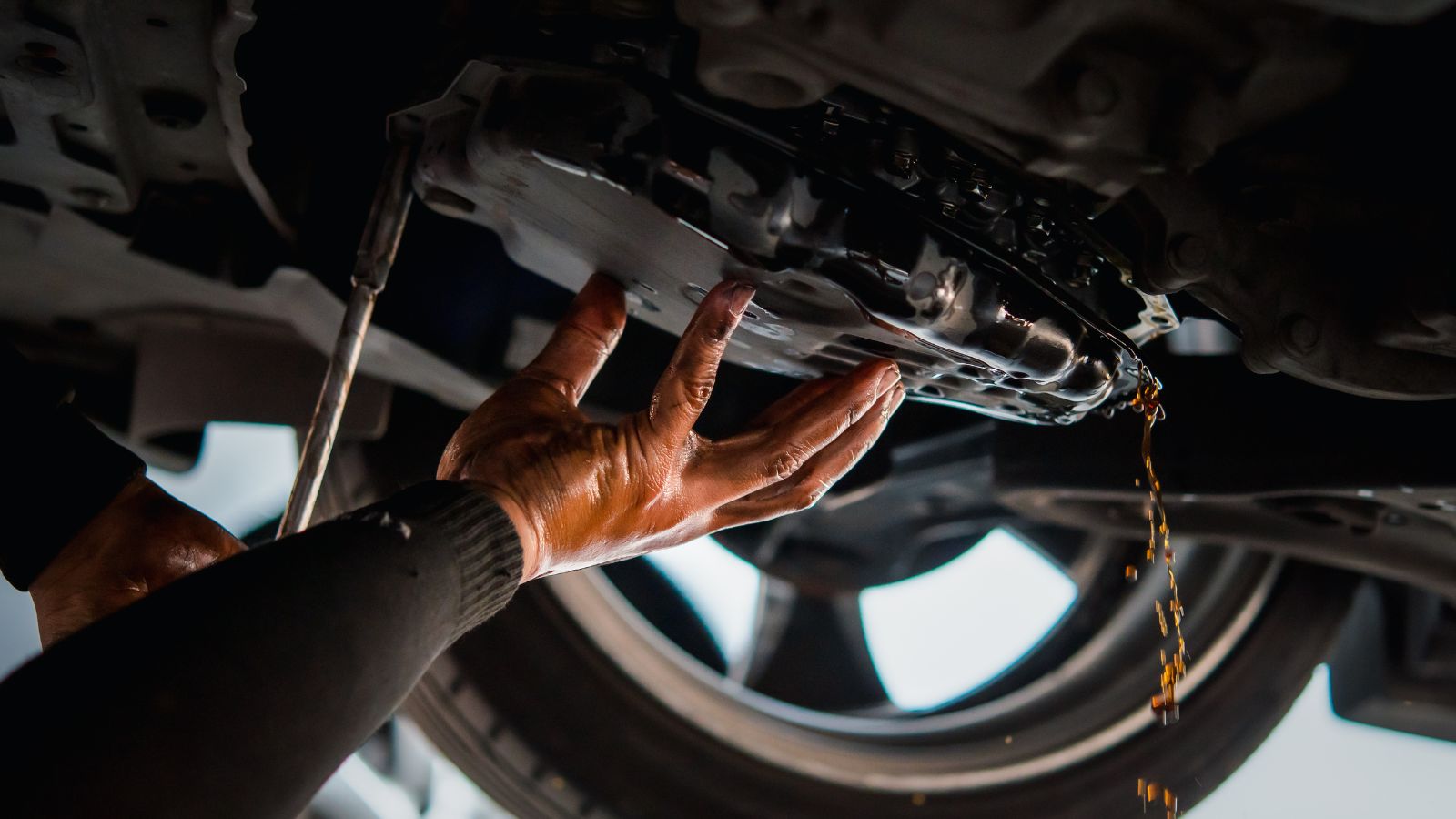
Few components can destroy the economics of a used SUV faster than a failing transmission. The early signs are often subtle enough to be rationalized away during a short drive: a pause before engaging drive, a lazy upshift, a hard downshift, a flare in engine revs, or a faint burnt smell after the vehicle warms up. Those symptoms are easy to miss when the cabin is quiet and the seller is talking. They are also exactly the kinds of signals that turn a “great price” into a repair estimate large enough to overshadow the purchase itself.
SUVs are especially vulnerable because many have spent years hauling families, cargo, steep commutes, or trailers. Heavy use is not disqualifying, but it raises the importance of clean service history and smooth operation. Burnt or degraded fluid, delayed shifts, and heat-related warning signs suggest wear that may already be advanced. Some sellers will describe the behavior as normal for that model or harmless until the next service interval. That is wishful framing. A transmission that feels uncertain during a test drive is often making the cheapest statement it will ever make.
Leaks, Dirty Fluids, and Signs of Neglect Under the Hood
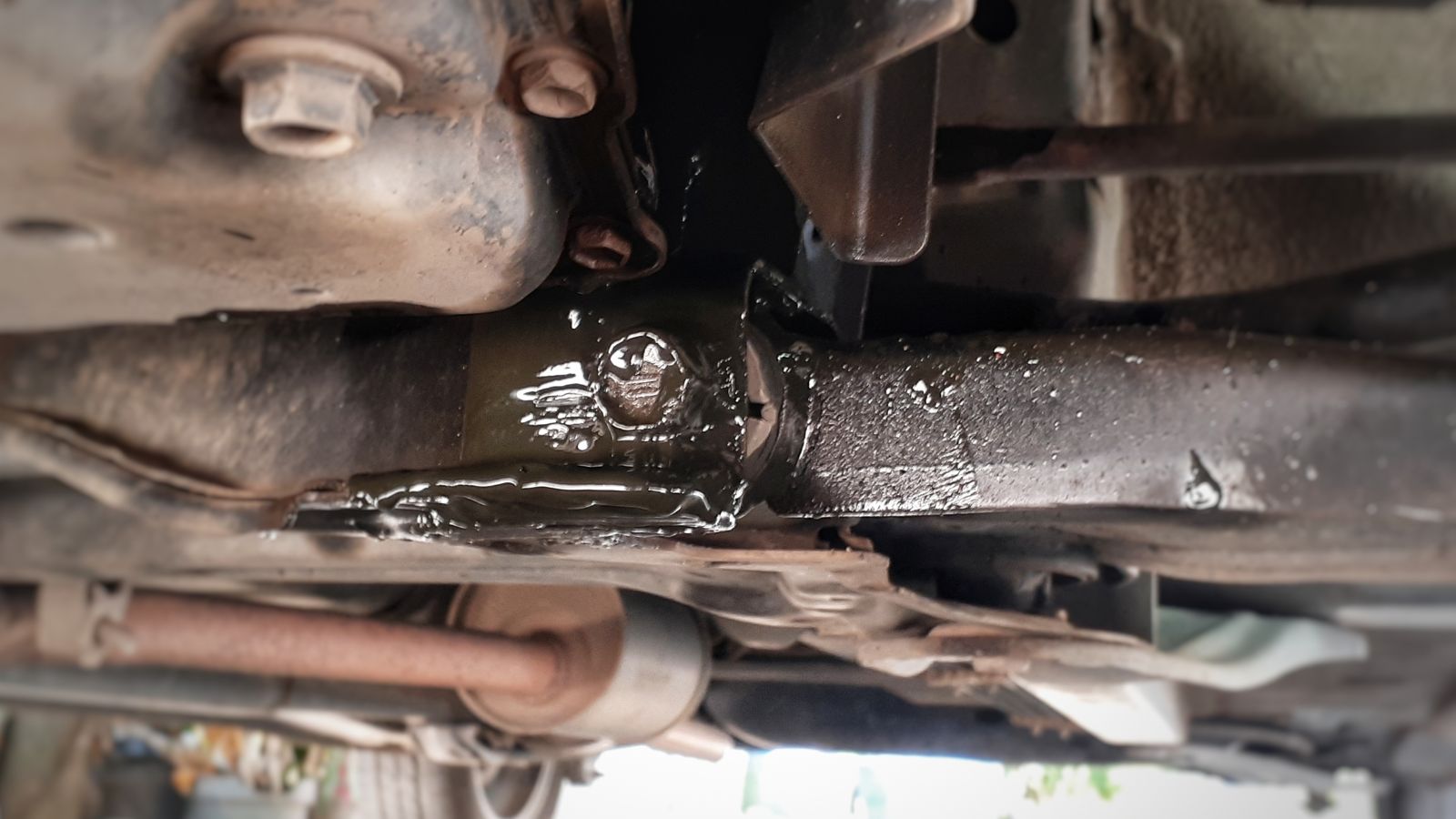
A used SUV does not need to be spotless under the hood, but it should make sense. Foamy oil, suspiciously low brake fluid, stained coolant areas, or puddles under the vehicle can point to problems that are far more serious than a routine service visit. The same goes for fluids that look heavily contaminated or overdue. A small leak may be manageable, but a bargain-price SUV with multiple fluid concerns often reflects something broader: maintenance was postponed until the owner decided it was time to sell.
That pattern matters because neglected fluids rarely stay isolated to one cheap repair. Low or contaminated fluid can accelerate wear in the engine, brakes, steering, or transmission, and the resulting failures can stack quickly. The FTC’s own used-car guidance lists oil leakage among major defects buyers should watch for, which is a useful reminder that this is not nitpicking. When a seller has polished the paint but ignored basic fluid condition, the vehicle is telling a clear story about what was prioritized and what was not.
Rust Where Rust Should Not Be
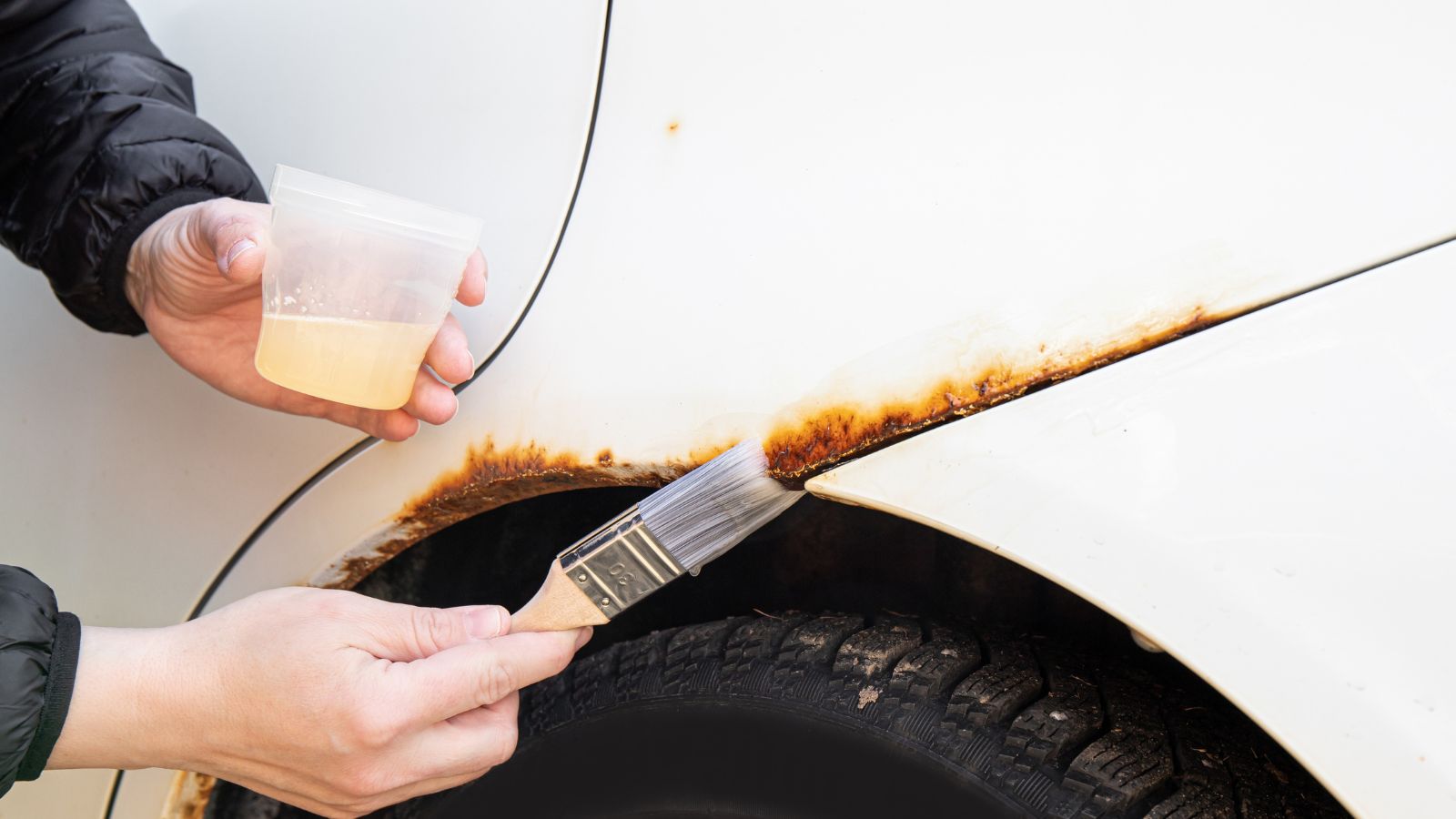
Surface rust on an older vehicle is one thing; corrosion in the wrong places is another. Underbody rust, flaky frame sections, corroded suspension mounting points, or rust that has eaten through structural metal can turn a cheap SUV into a poor long-term bet even if it currently drives acceptably. SUVs that spent time in snow-belt states, coastal regions, or flood conditions deserve special scrutiny underneath, not just around the wheel arches. Serious corrosion weakens both value and confidence, and it rarely gets cheaper with time.
The tricky part is that sellers often frame rust as cosmetic when it is not. Federal used-car guidance specifically highlights frame cracks, corrective welds, and rust-through as important defects to watch. That language exists for a reason. Rust on structural components affects safety, alignment, and repairability, and it can even complicate future inspections or resale. A buyer standing under a lifted SUV at an independent shop will usually learn more in five minutes than a polished listing can reveal in twenty photos. Beneath the shine, corrosion has a way of speaking plainly.
Service Records That Stop at the Easy Stuff
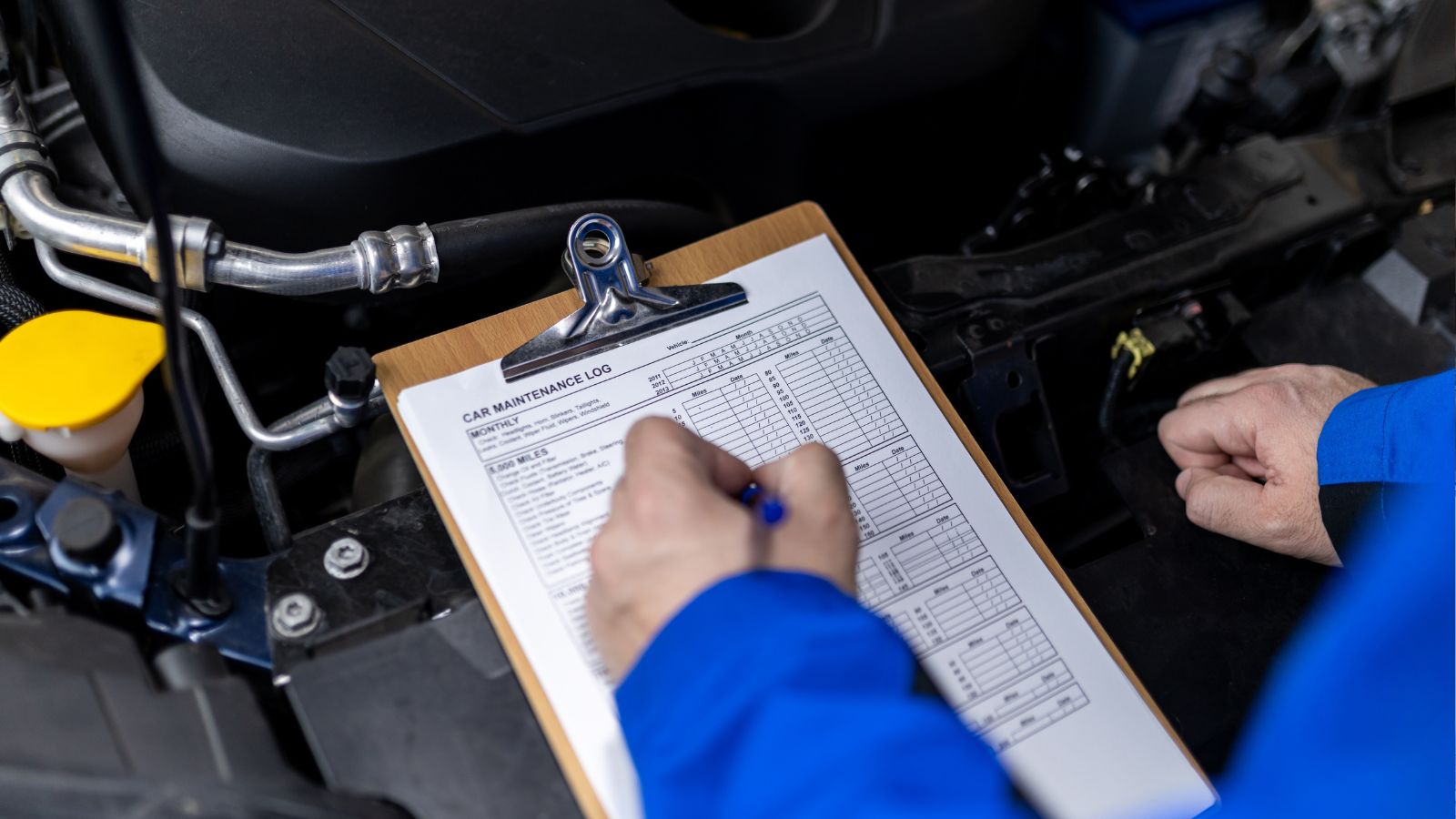
Not every honest owner keeps a perfect folder, but a glaring lack of maintenance records changes the odds. On a used SUV, service history helps explain whether oil changes were timely, whether differential or transmission service was done, and whether larger wear items were handled before they turned urgent. Without that paper trail, the buyer is left reconstructing the vehicle’s life from clues and assumptions. That uncertainty might be acceptable at a very low price, but it should never be mistaken for value.
Gaps matter as much as total volume. A stack of receipts for wiper blades and air filters does not offset silence around major scheduled work. Recent guidance from both consumer and automotive organizations continues to treat service-record gaps as a practical red flag for used-vehicle shoppers. In everyday terms, that makes sense. An SUV can look clean, idle smoothly, and still be one overdue coolant service or transfer-case issue away from a costly surprise. If the story of upkeep becomes blurry right when the expensive intervals should appear, the deal is less solid than it looks.
Too Many Owners in Too Little Time

Ownership history is one of those details that sounds minor until it starts looking odd. A used SUV that has changed hands repeatedly over short stretches may be perfectly fine, but it may also be a vehicle that several people tried to live with and quickly abandoned. Frequent ownership changes do not diagnose a specific defect; they flag instability. That can point to recurring reliability issues, unresolved drivability complaints, unpleasant fuel economy, or the kind of hidden problem that only becomes obvious after a few weeks of daily use.
This sign works best in combination with other clues. Multiple owners plus service-record gaps, a rebuilt title, or inconsistent seller claims is a much stronger warning than ownership count alone. That nuance matters because some shoppers overvalue the phrase “one-owner” while others ignore the pattern entirely. The better question is not whether an SUV had many owners, but why the timeline looks restless. When a vehicle seems unable to stay with anyone for long, the low price may reflect history’s quiet opinion of the experience.
Open Recalls That Nobody Has Resolved
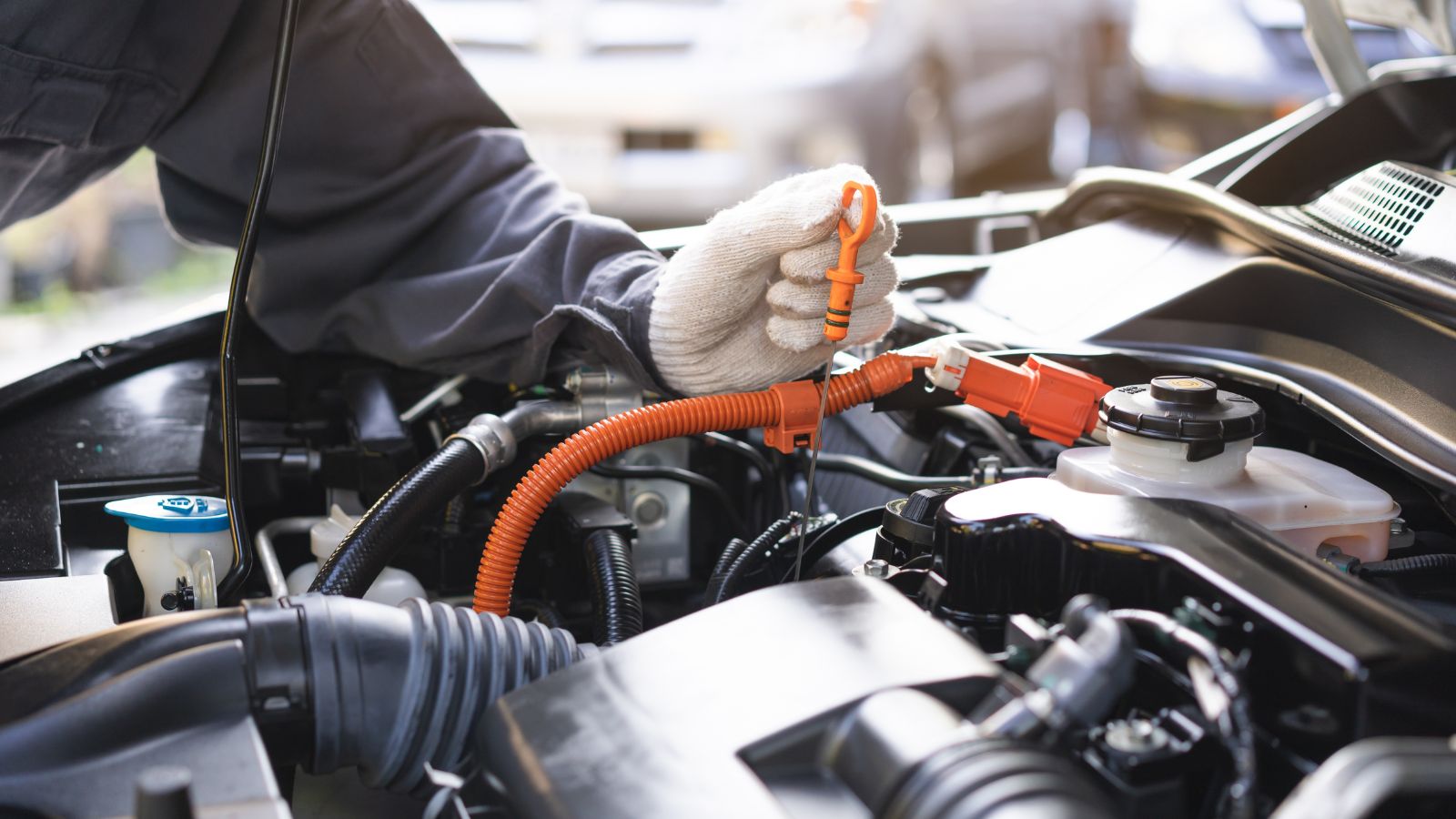
An SUV can be listed attractively, photographed beautifully, and still have an unrepaired safety recall attached to its VIN. That matters because recalls are not cosmetic footnotes; they exist when a manufacturer or NHTSA determines there is an unreasonable safety risk or a failure to meet safety standards. The problem may be minor, or it may involve brakes, airbags, electrical fire risk, or steering-related defects. Either way, unresolved recall work weakens the idea that the vehicle is ready to deliver hassle-free value.
What makes this red flag frustrating is how easy it is to check. A VIN search can reveal whether a specific vehicle still needs recall repair, and the FTC’s Buyers Guide explicitly tells shoppers to check. When a seller has not done that homework, the impression of a fully sorted used SUV starts to crumble. It does not always mean the vehicle is a bad purchase, especially if the repair can be completed promptly and at no cost. But a “great deal” should not depend on the buyer discovering unfinished safety work after the listing succeeds.
A Test Drive That Is Too Short, Too Controlled, or Too Convenient

A quick spin around the block is excellent theater and poor evaluation. Used SUVs need to be driven in the kinds of situations they will actually face: stop-and-go traffic, rough pavement, braking from speed, turns, and ideally some highway time. Anything less makes it easier for a seller to steer attention away from vibration, wind noise, transmission behavior, steering pull, or braking issues that appear only under load. The shorter and more controlled the route, the more the price begins to rely on limited evidence.
That does not mean every seller with time constraints is hiding something. It means the buyer should recognize what is being sacrificed when the drive is reduced to a convenience lap. Federal consumer guidance still recommends test-driving under varied road conditions, and that advice remains practical because mechanical problems are often situational. A family-friendly SUV that feels calm on a flat side street may reveal shuddering brakes, weak acceleration, or unstable tracking once speed rises. A real bargain usually gets stronger on a proper drive. A fake one often needs the drive to end quickly.
Steering Play, Brake Pulsation, and Suspension Noise
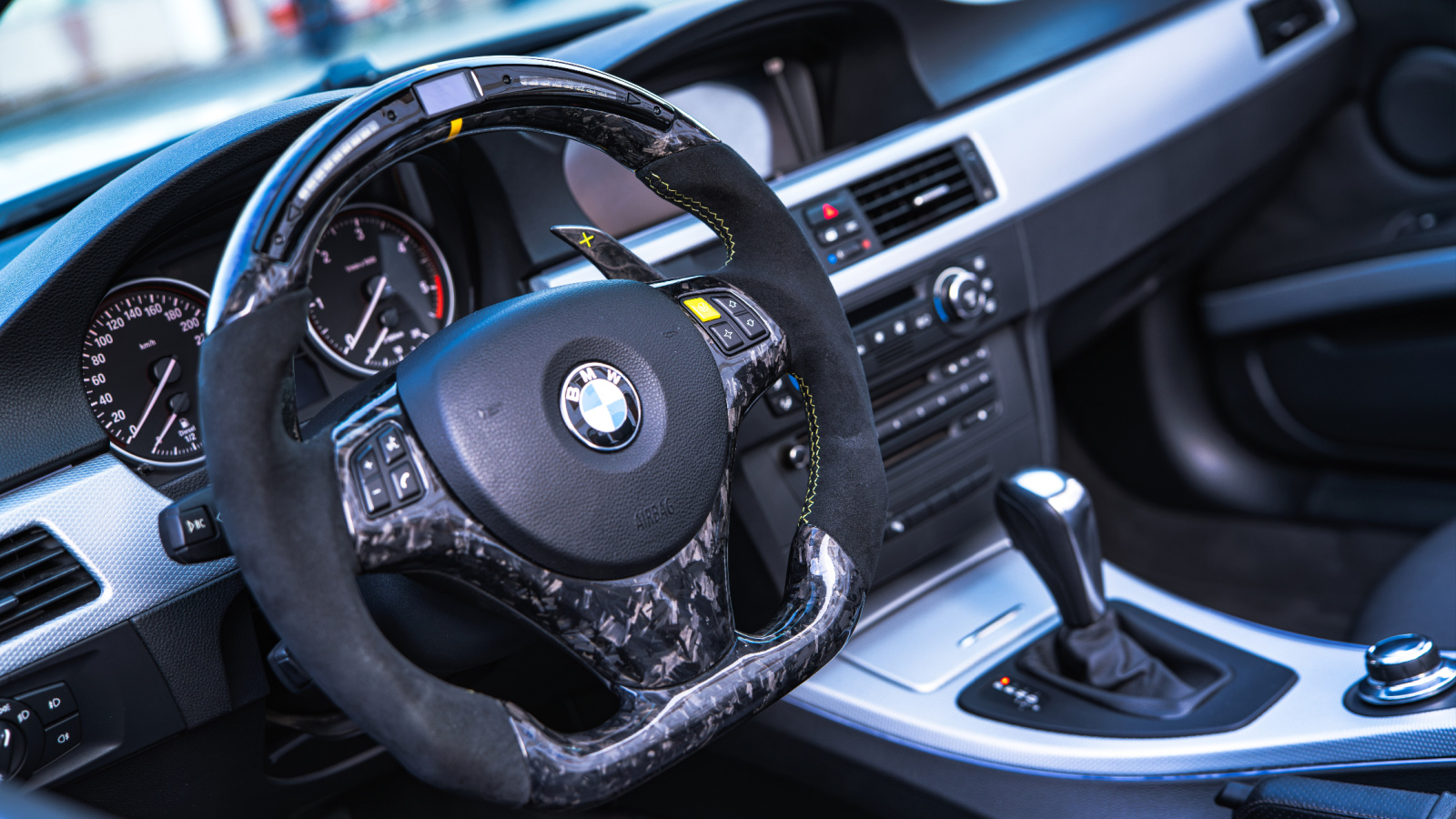
An SUV that clunks over bumps, pulses through the brake pedal, or feels loose in the steering is not merely “used.” It is communicating pending expense. These are the kinds of symptoms people learn to tolerate when they already own the vehicle, then forget to disclose clearly when it is time to sell. Larger SUVs can mask wear surprisingly well at first because their mass softens the sensation, but the underlying repairs can be costly: control arms, hubs, wheel bearings, shocks, struts, brake hardware, or steering components.
The important distinction is between normal age and evident instability. Consumer testing guidance has long treated steering play, brake pulsation, and suspension noise as meaningful signs because they can indicate both safety concerns and expensive repair needs. If the SUV pulls under braking, wanders when driven straight, or thumps over simple road imperfections, the low price is probably not generous; it is calibrated. The “deal” exists because the next owner is expected to inherit the work. Once that becomes clear, the bargain stops being misunderstood and starts being accurately priced.
22 Things Canadians Do to Their Cars in Spring That Mechanics Hate
Spring brings relief to many Canadian drivers after months of snow, freezing temperatures, and icy roads that put serious strain on vehicles. As temperatures rise across the country, drivers begin washing cars, switching tires, and preparing vehicles for warmer weather and upcoming road trips. However, mechanics across Canada notice the same mistakes every spring when drivers attempt to recover from winter damage. Road salt, potholes, and harsh winter driving conditions often leave vehicles with hidden problems that drivers ignore. Some spring habits even create new mechanical issues that could have been avoided with proper maintenance. Here are 22 things Canadians do to their cars in spring that mechanics hate.