


























Warm-weather plans have a way of exposing vehicle choices that seemed sensible in February. A monthly payment that felt manageable can look very different once cottage weekends, highway drives, camping gear, bikes, trailers, and family passengers all enter the picture. In Canada, where long distances and varied road conditions are part of ordinary travel, summer often becomes the season when practicality finally wins the argument.
These 16 regrets tend to surface when travel gets more frequent and a vehicle’s real-world limits become impossible to ignore. Some are buying mistakes, others are leasing or ownership choices, but all have the same pattern: the vehicle worked well enough for routine life, then summer asked more of it than expected.
Buying for the Commute Instead of the Summer Calendar
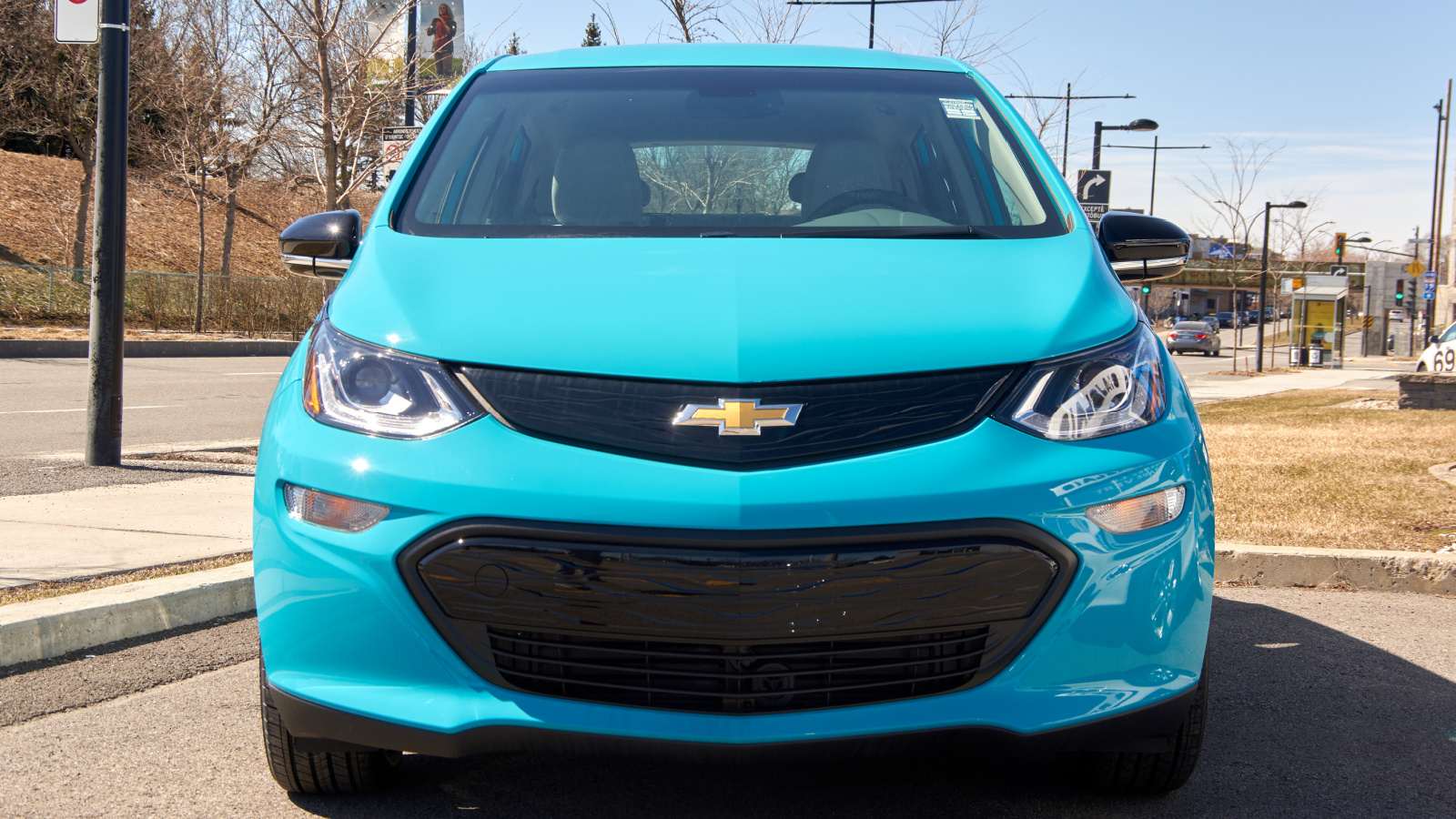
A vehicle that feels perfect for weekday errands can start to feel undersized the moment summer plans arrive. A compact crossover may be easy to park and economical in daily traffic, but long drives with coolers, sports equipment, camping gear, or extra passengers expose every compromise in cargo space and rear-seat comfort. That is especially true for households trying to combine family travel with outdoor equipment, where a car that looked efficient in the showroom starts requiring creative packing, folded seats, and last-minute decisions about what gets left behind.
The regret is rarely about outright dissatisfaction. It is usually about realizing the purchase was optimized for the shortest trips of the year rather than the most demanding ones. Canadian auto clubs routinely advise drivers to match cargo solutions carefully to the vehicle and to verify roof-rack fit and load limits before travel. In practice, that means many people discover too late that their vehicle can handle daily life but not the version of life that shows up between June and August.
Going Too Big for the Way It Actually Gets Used
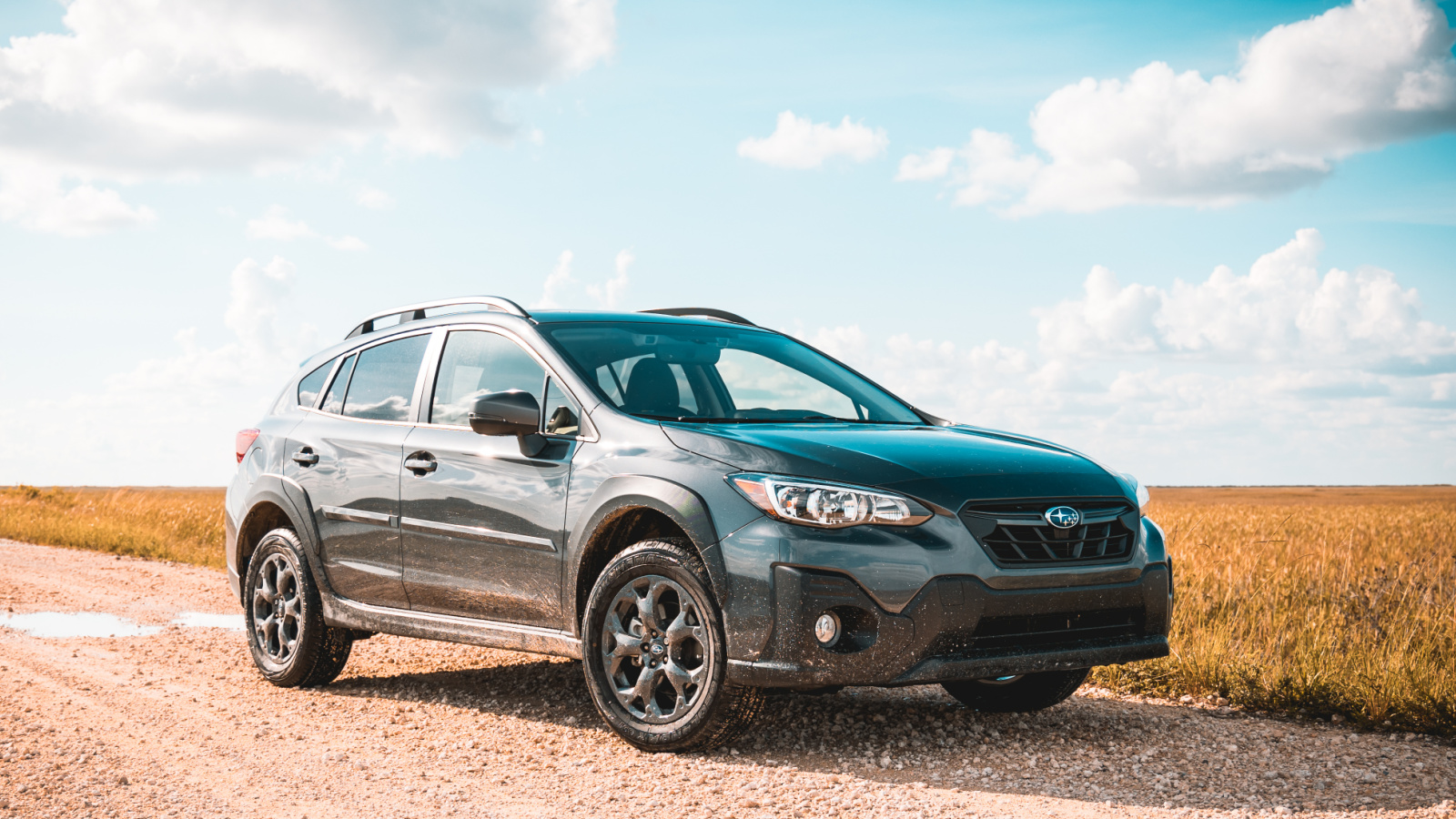
The opposite mistake is just as common. Many Canadians buy a larger SUV or pickup for a handful of hypothetical summer weekends, then spend most of the year paying for fuel and operating costs that come with hauling around unused size. Bigger vehicles can absolutely make sense for towing, work, or large families, but when those needs are occasional rather than constant, the extra mass and thirst follow the owner every day, not just on holiday weekends.
That regret becomes sharper once gas receipts pile up and the vehicle still spends most of its time carrying one or two people. Natural Resources Canada’s fuel data consistently shows meaningful consumption gaps between compact cars, crossovers, larger SUVs, and pickups, and federal commuter-fuel tables tell a similar story at the class level. Summer plans often expose a hard truth: some buyers did not purchase capability so much as they purchased the feeling of capability, and then paid for it all year long.
Signing a Lease With a Kilometre Allowance That Looked Fine on Paper

A lease can feel like a smart, low-friction way to get into a newer vehicle, especially when the annual kilometre cap seems generous during ordinary routines. Then summer begins. Weekend trips, extra family visits, cottage runs, and longer holidays can push usage far beyond the pace set in colder months. By the time lease-end approaches, a contract that once looked tidy can turn into an unpleasant lesson in overage charges.
This is one of the more predictable regrets because the structure is not hidden. Automakers and leasing guides make clear that extra kilometres are billed if the vehicle is returned over its allowance, and many Canadian lease arrangements still cluster in ranges that can become tight for households with heavy seasonal travel. Summer does not create the problem; it simply accelerates it. What owners regret is not leasing itself, but choosing a kilometre limit based on ordinary weeks instead of the months when the vehicle is asked to do far more.
Choosing a Vehicle That Cannot Tow the Summer Equipment
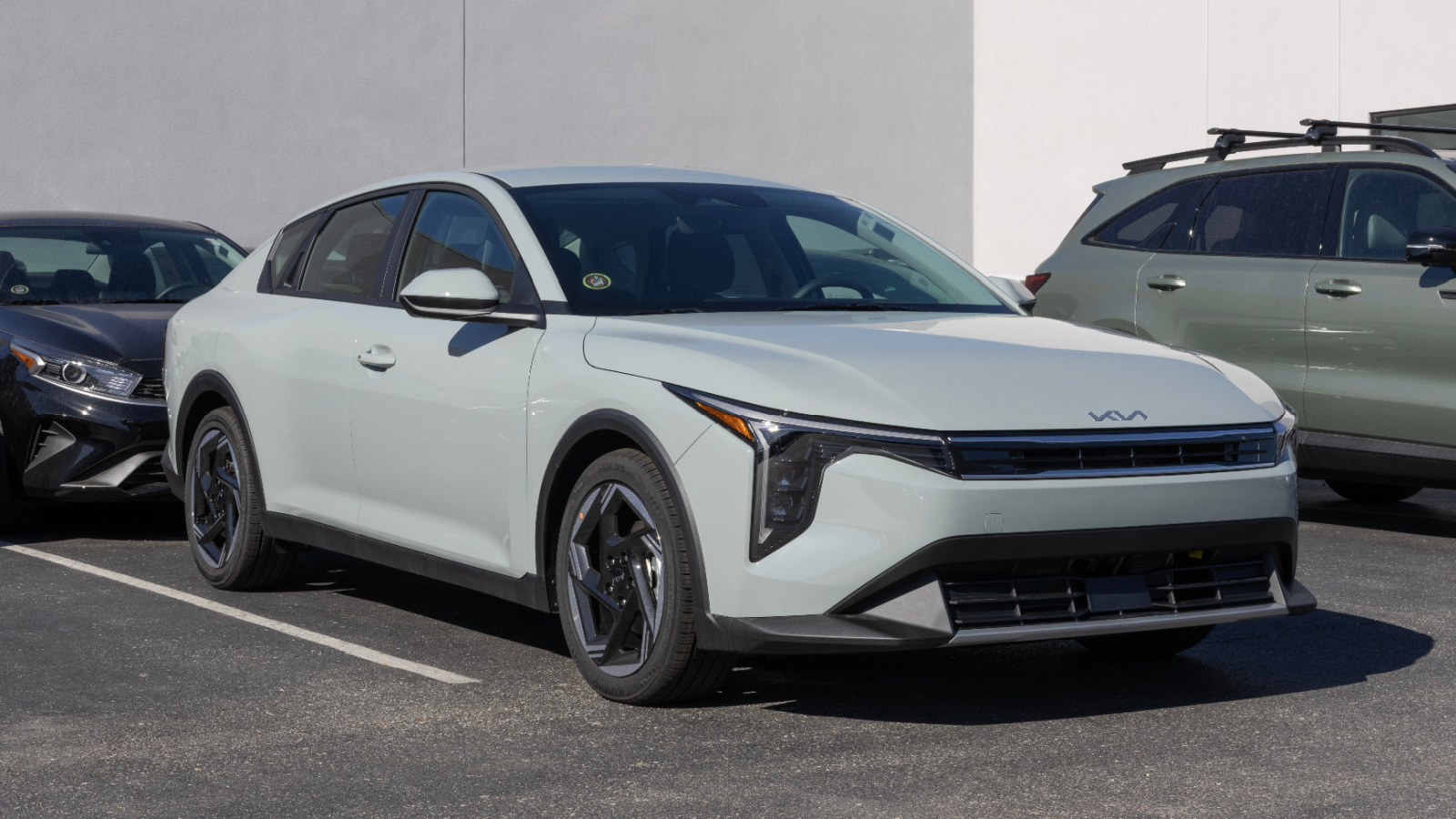
Towing dreams are often cheap in the imagination and expensive in reality. The vehicle looks capable enough, the trailer seems modest, and the plan sounds simple: bring the small camper, boat, utility trailer, or personal watercraft along for the season. Regret arrives when the actual tow rating, hitch setup, braking requirements, or loaded trailer weight say otherwise. A vehicle that seemed versatile suddenly cannot legally or comfortably do the job it was expected to do.
Canadian towing guidance is explicit that advertised towing capacity is only part of the picture. Real-world towing depends on how the trailer is loaded, whether passengers and cargo are already in the vehicle, and whether the correct equipment is installed. Summer has a way of exposing bad assumptions because towing is no longer theoretical. Once bookings are made and gear is ready, many owners realize they bought a vehicle that could maybe tow in a brochure scenario, but not in the much heavier version of summer they actually live.
Forgetting That Payload Matters as Much as Tow Rating

Some regrets begin with a single number printed in a brochure. Buyers fixate on maximum towing capacity and miss payload, even though payload governs how much weight the vehicle can actually carry in passengers, luggage, hitch weight, and cargo. That matters enormously in summer, when second rows are full, coolers are packed, and bikes or camping supplies are added on top. A vehicle may technically pull a trailer, yet become overloaded once the family and gear are counted properly.
This catches people because payload feels less dramatic than towing, but it is often the more immediate limit. CAA and provincial towing guides both emphasize that loaded trailer tongue weight counts against payload, as do passengers and everything else in the cabin or bed. Summer plans make that math unavoidable. What owners regret is not failing to buy a truck in every case, but failing to understand the difference between what a vehicle can pull in isolation and what it can safely carry while the whole family heads out at once.
Underestimating How Much Fuel Economy Shapes the Season
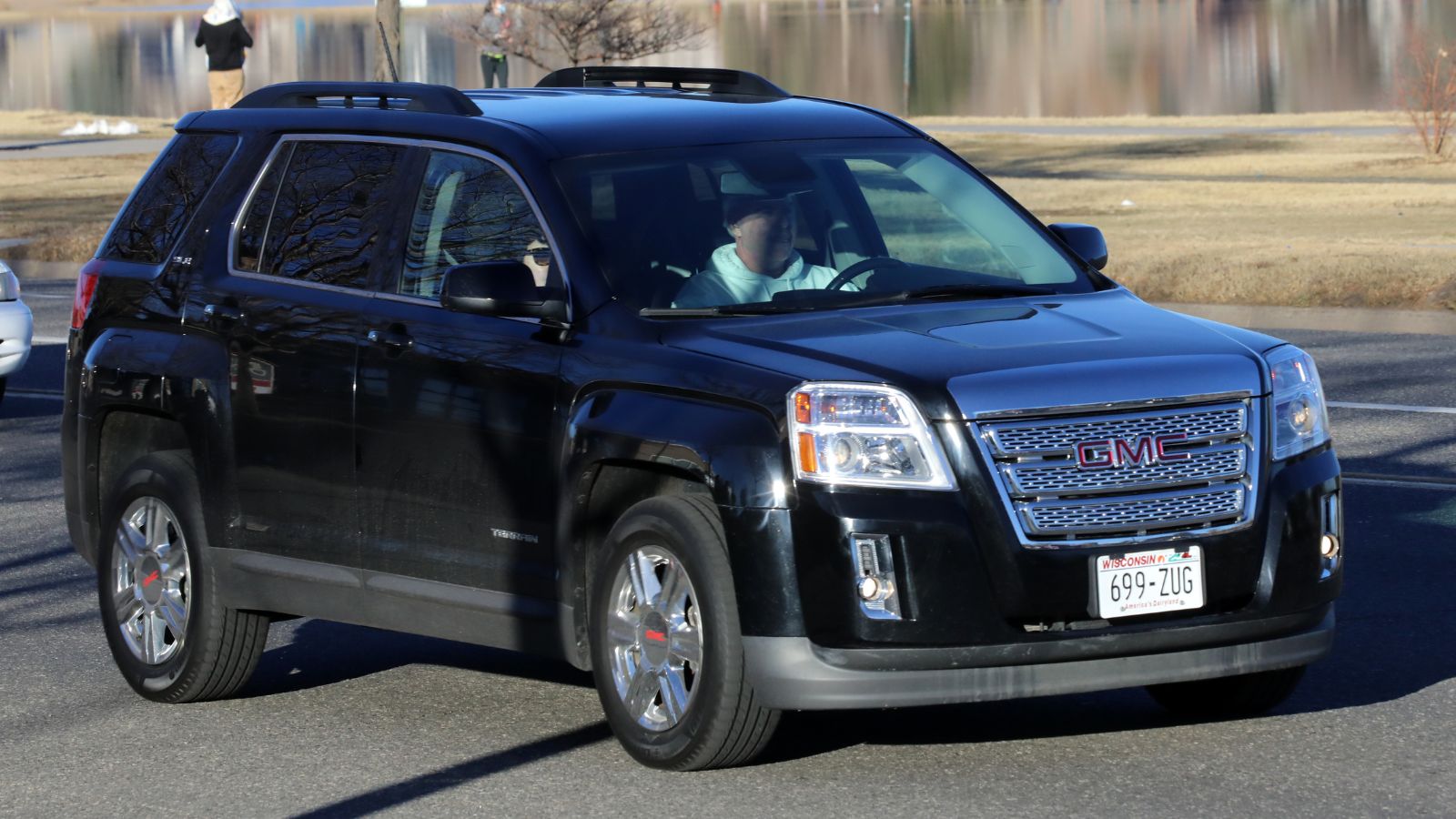
Fuel economy sounds abstract when buyers are focused on styling, monthly payments, or horsepower. It becomes very concrete when the same vehicle starts doing repeated highway runs, day trips, and long weekend escapes. Summer compresses a lot of distance into a short period, and that is when even modest differences in litres per 100 kilometres become a bigger budget item than expected. In Canada, where a single weekend trip can cover serious ground, fuel use has a way of turning into one of the season’s loudest expenses.
That is why regret often arrives after purchase rather than before it. Buyers may compare vehicles loosely, but not always in the context of how much summer driving changes the equation. Federal fuel-consumption resources exist precisely because class differences matter, and household-spending data show Canadians already face elevated costs across major categories. Once travel increases, drivers start wishing they had treated fuel economy as a core ownership cost rather than a small technical detail tucked at the edge of the window sticker.
Acting Like Roof Racks, Bike Mounts, and Extra Weight Come Free

Summer encourages useful add-ons: roof boxes, bike racks, kayaks, and all the gear that turns a regular vehicle into a weekend machine. The regret comes when owners treat that added carrying capacity as free. Natural Resources Canada specifically advises drivers to remove roof or bicycle racks when not in use and to avoid carrying unnecessary weight, because both drag and mass raise fuel consumption. In other words, the convenience is real, but so is the operating penalty.
The more subtle regret is buying a vehicle whose summer usefulness depends on external cargo solutions that then make it noisier, thirstier, or more cumbersome. Some drivers only realize this after a few highway trips with a box mounted overhead and gear permanently living in the cargo area. Auto-club advice in Canada also stresses checking proper fit and respecting roof-load limits, which vary by vehicle and can be lower than people expect. Summer makes these compromises visible fast, especially when convenience accessories start behaving like a second monthly payment.
Choosing an EV Before Checking Whether the Routes Actually Fit
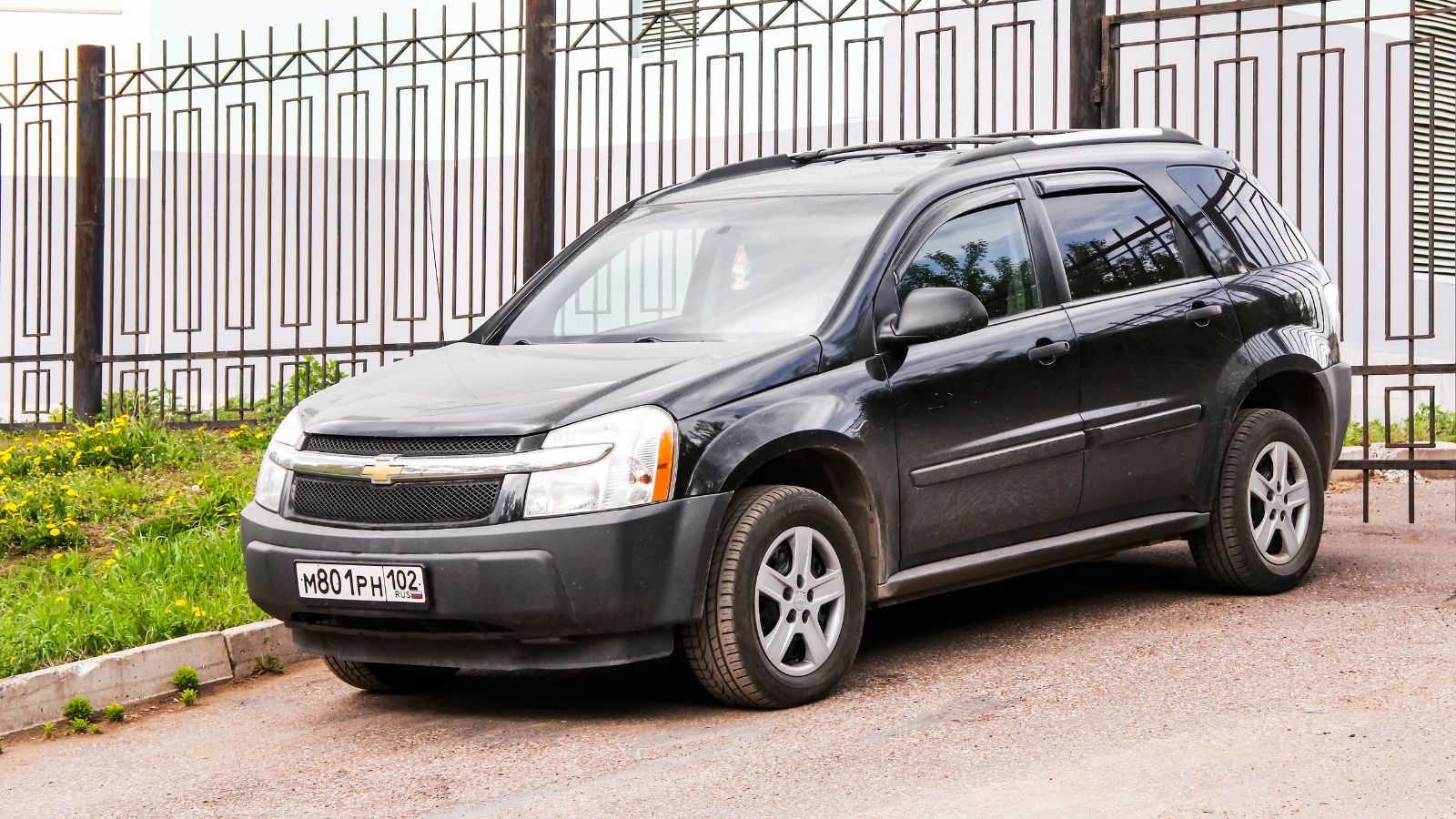
Electric vehicles are becoming a more realistic choice for many Canadian households, but they do not all fit every travel pattern equally well. A regret emerges when a buyer falls in love with the idea of an EV for daily driving yet never works through how that vehicle fits long summer routes. A commuter who charges easily at home may be delighted from Monday to Friday and then frustrated on a holiday weekend that involves rural stretches, crowded chargers, or extra planning around stops.
This is not a critique of EVs so much as a critique of incomplete buying decisions. Canadian auto-club guidance on EV road trips emphasizes route planning, charger mapping, and charge-management strategy because those details matter more away from home. Summer plans reveal whether the vehicle suits the owner’s full life or just the routine part of it. When regret appears, it often comes from buyers who assumed that being happy in everyday driving automatically meant being happy on the season’s longest and least flexible trips.
Assuming Public Fast Charging Will Be Easy Everywhere
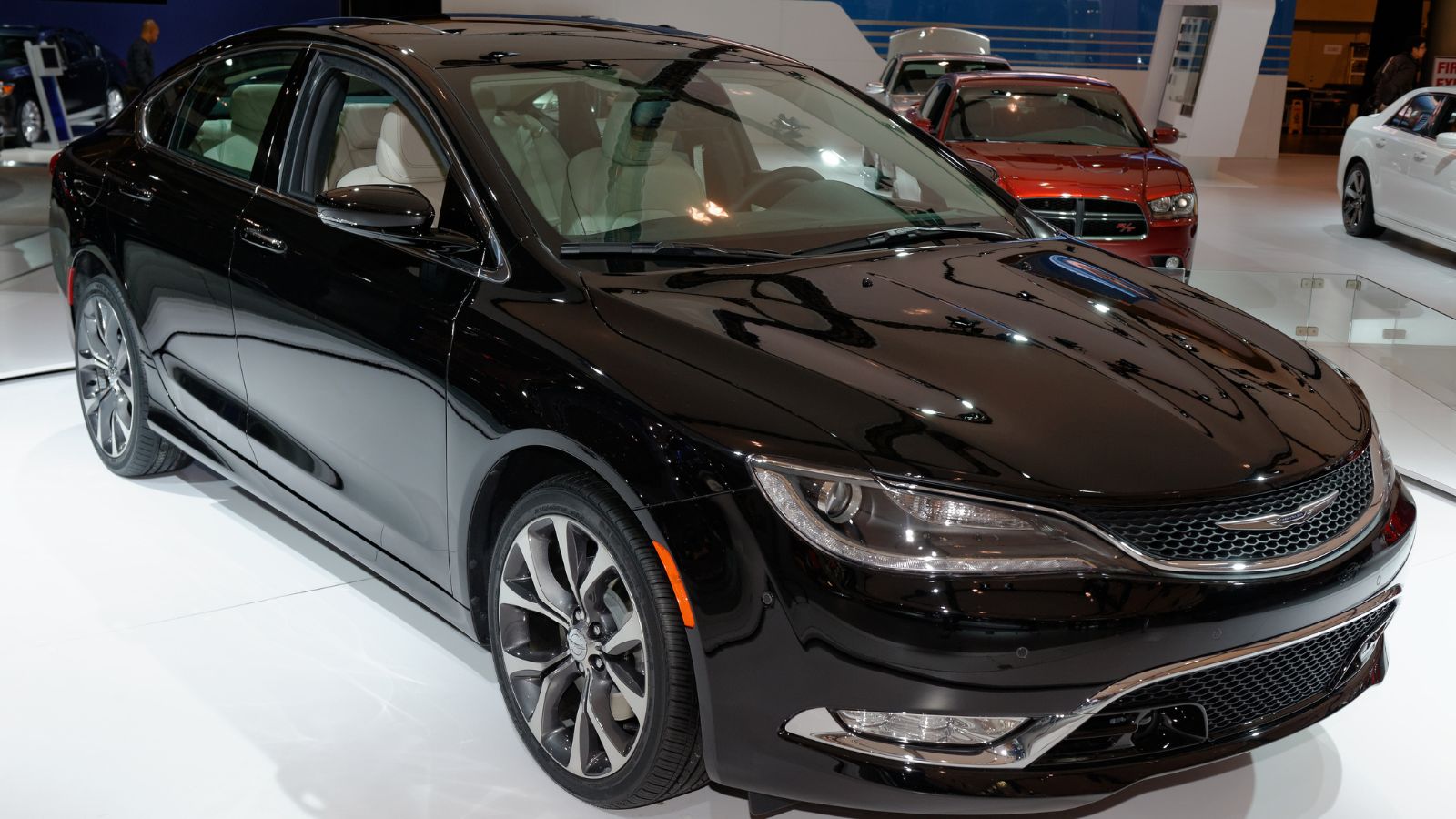
Even EV owners who are comfortable with range can run into a different summer disappointment: charger access and charger quality. The charging network has improved, but satisfaction is not uniform, and public fast charging can still be more limited outside dense urban corridors. That becomes especially noticeable when vacation traffic rises, routes shift away from the largest population centres, or multiple drivers converge on the same infrastructure during long weekends.
Recent Canadian EV-driver research from CAA and PlugShare shows that concerns about charging locations remain significant and that complete satisfaction with the availability of public DC fast charging is far from universal. That does not mean road-tripping an EV is impractical; many drivers do it successfully. The regret is choosing a vehicle under the assumption that charging convenience is already evenly distributed. Summer exposes the gap between “possible” and “easy,” and that gap matters a lot when people are travelling on a fixed schedule rather than a flexible weekday routine.
Not Pricing Insurance Before the Vehicle Is Chosen
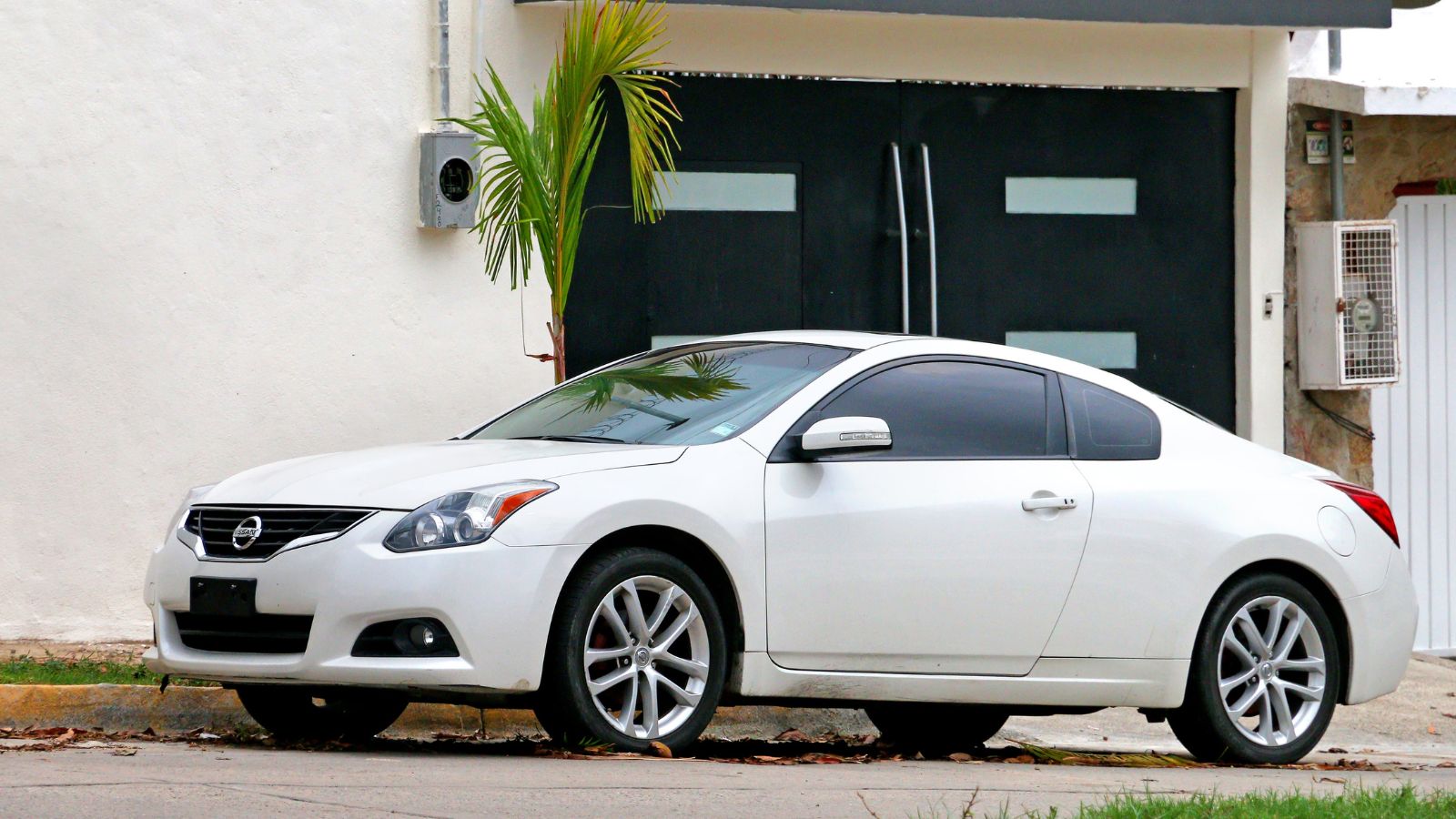
A great test drive does not tell anyone what insurance will cost. That surprise often arrives after the emotional part of the purchase is already over, when the buyer learns that the make, model, theft profile, repair complexity, and claims history all affect premiums. Summer heightens the frustration because a vehicle chosen for road-trip freedom can start looking more expensive before it even leaves the driveway for the first long weekend.
This regret has grown more understandable as insurers and statistical agencies point to rising costs tied to repairs, parts, vehicle values, and claims. The Insurance Bureau of Canada now explicitly encourages shoppers to compare models using claims-based information, not just sticker price or fuel use. In other words, insurance is no longer a side note. For some Canadians, the summer realization is blunt: the vehicle itself may be enjoyable, but the total cost of keeping it on the road was never properly counted before the papers were signed.
Overlooking Theft Risk and the Model’s Claims History
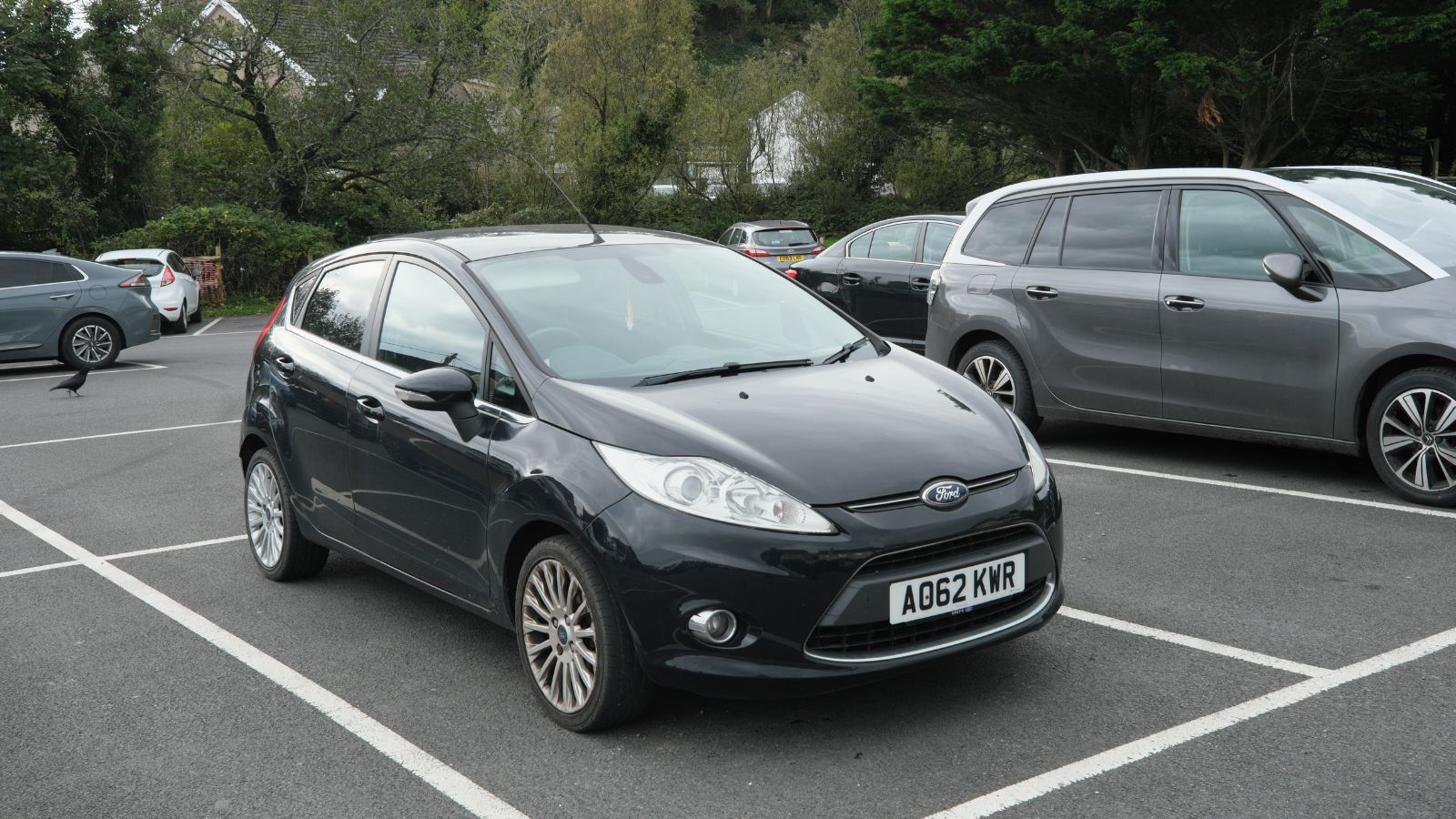
Some buyers still think vehicle theft is an abstract urban issue or something that only matters after an incident occurs. But in Canada, theft-related losses have been serious enough to influence insurance conversations, public policy, and model-level risk awareness. A vehicle that is highly desirable to thieves can bring added worry, higher premiums, or both. That may not feel urgent at purchase time, yet it becomes very real when the vehicle is left at airports, hotels, trailheads, or unfamiliar lots during summer travel.
The regret here is not paranoia; it is incomplete research. Industry data in Canada continue to show that auto theft losses remain historically elevated even where recent progress has been reported. IBC’s vehicle-comparison tools exist partly to make this information easier for drivers to factor into decisions. Once summer travel begins, exposure feels broader and the purchase starts to look different. Owners may still like the vehicle itself, but wish they had treated theft risk as part of ownership rather than as bad luck that only happens to someone else.
Buying Used Without Running a Recall Check First
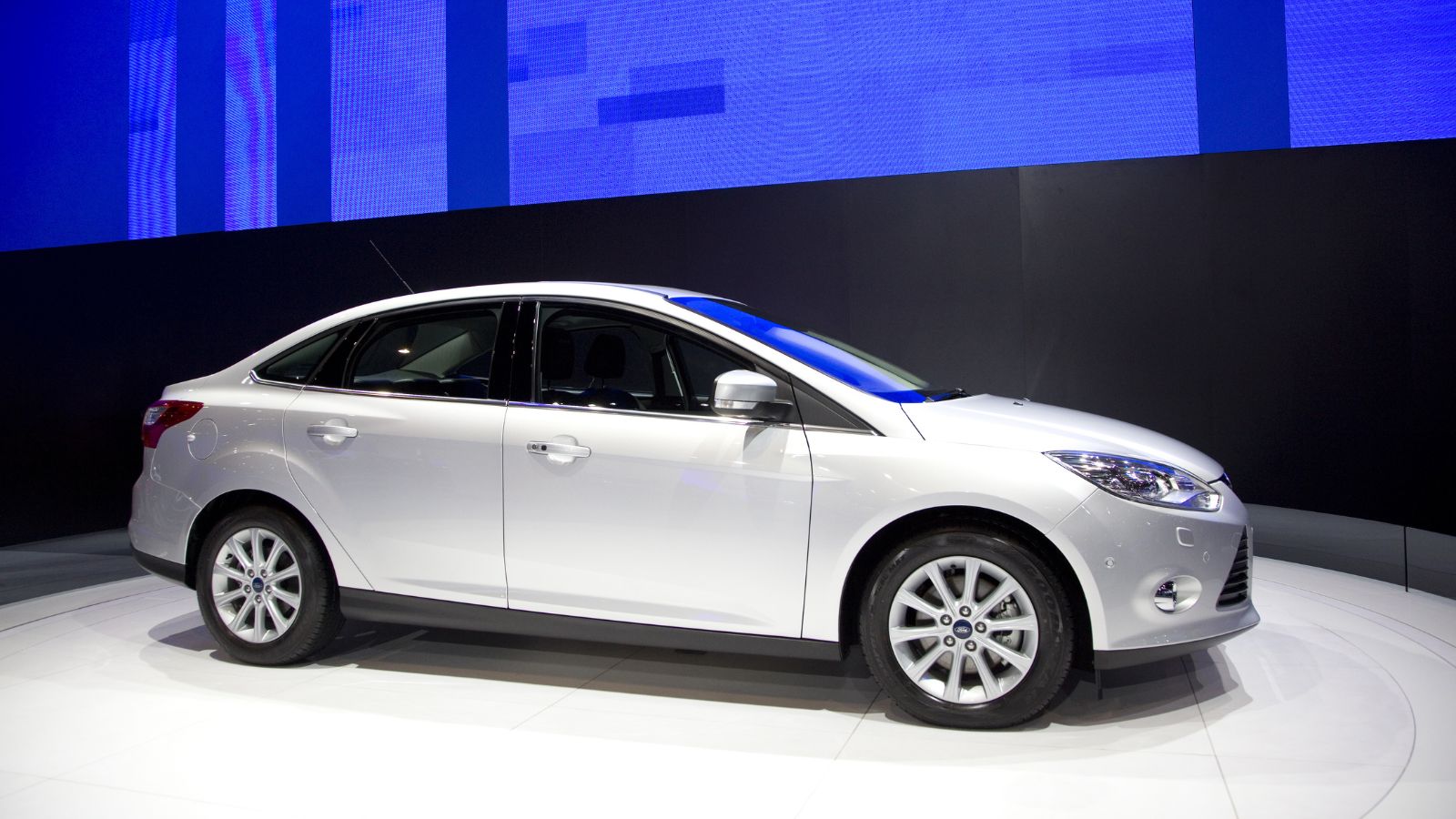
Used-car shopping still tempts people to focus on price, mileage, and cosmetic condition while skipping the unglamorous administrative steps. One of the more avoidable regrets is failing to check recall history before purchase or before a major summer trip. Transport Canada gives Canadians a VIN-based way to look up recalls, and it also encourages owners to stay informed about safety notices for vehicles, tires, and child car seats. That makes a skipped recall check harder to defend than it used to be.
Summer magnifies the consequences because longer drives put more sustained stress on the vehicle and reduce tolerance for preventable problems. A recall does not automatically mean the vehicle is unsafe to drive that minute, but it absolutely can mean there is an unresolved issue the owner should know about before loading the family and heading onto the highway. When regret appears, it usually sounds simple: the information was available, the trip was important, and the check should have happened earlier.
Waiting Too Long to Deal With AC, Tires, Brakes, or the Battery
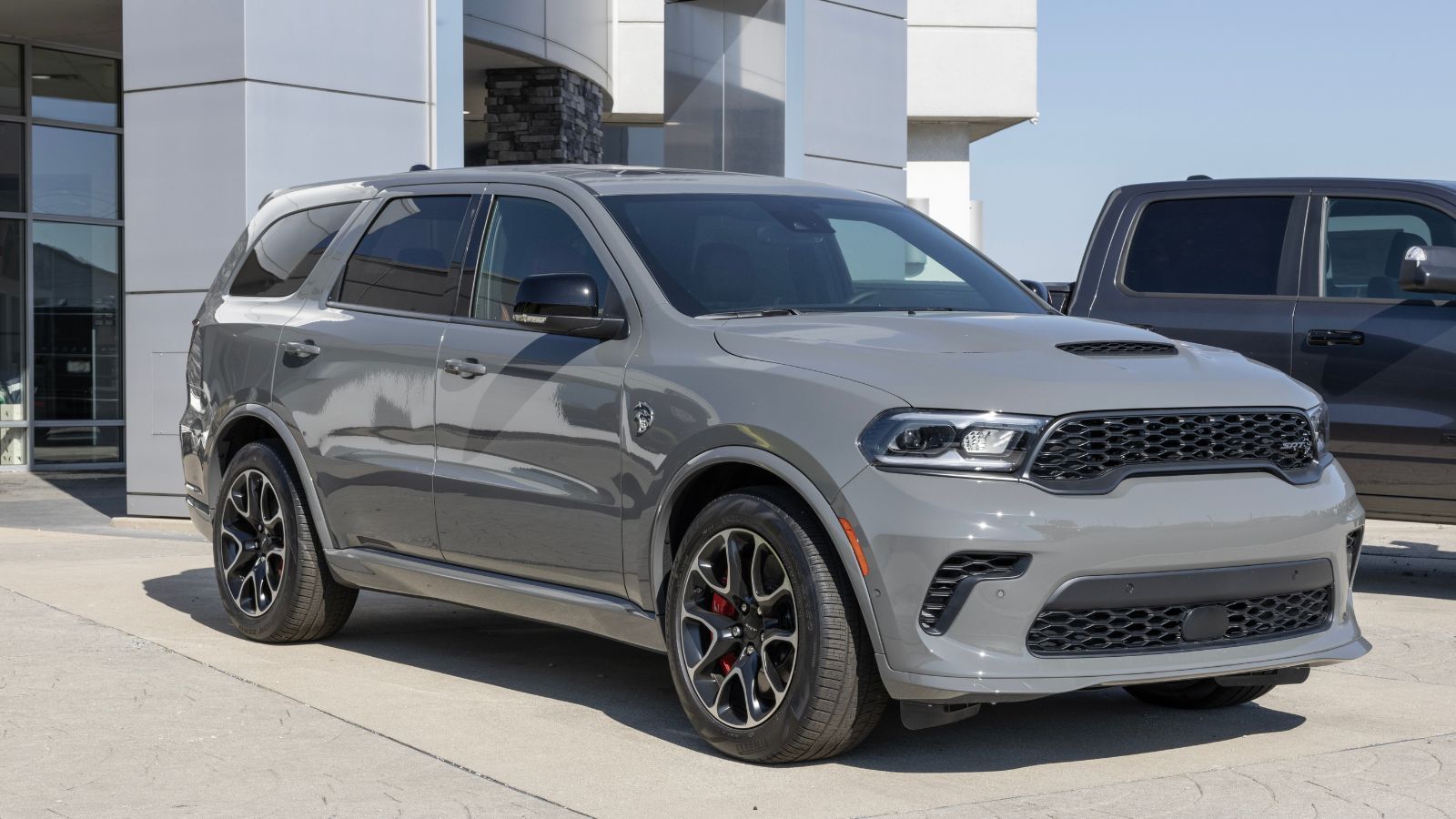
Some ownership decisions do not feel like decisions until they create discomfort or risk. Delaying seasonal inspection is a good example. In summer, weak air conditioning, underinflated tires, worn brakes, old batteries, or low fluids stop being minor inconveniences and start interfering with actual travel. Canadian auto-club guidance specifically recommends checking AC performance, tire condition, fluids, battery health, and brakes before warm-weather trips, and Transport Canada continues to stress regular tire-pressure checks because heat and speed make underinflation more dangerous.
The regret is usually financial as much as mechanical. A small issue caught early is often manageable; the same issue discovered halfway through a long weekend can turn into lost time, emergency service costs, or cancelled plans. Summer exposes deferred maintenance because it asks for longer distances, heavier loads, and more consistent performance. Many Canadians do not regret owning an older vehicle itself. They regret trying to save a little money in May and ending up with a much bigger problem in July.
Shopping by Odometer Reading Instead of Maintenance History
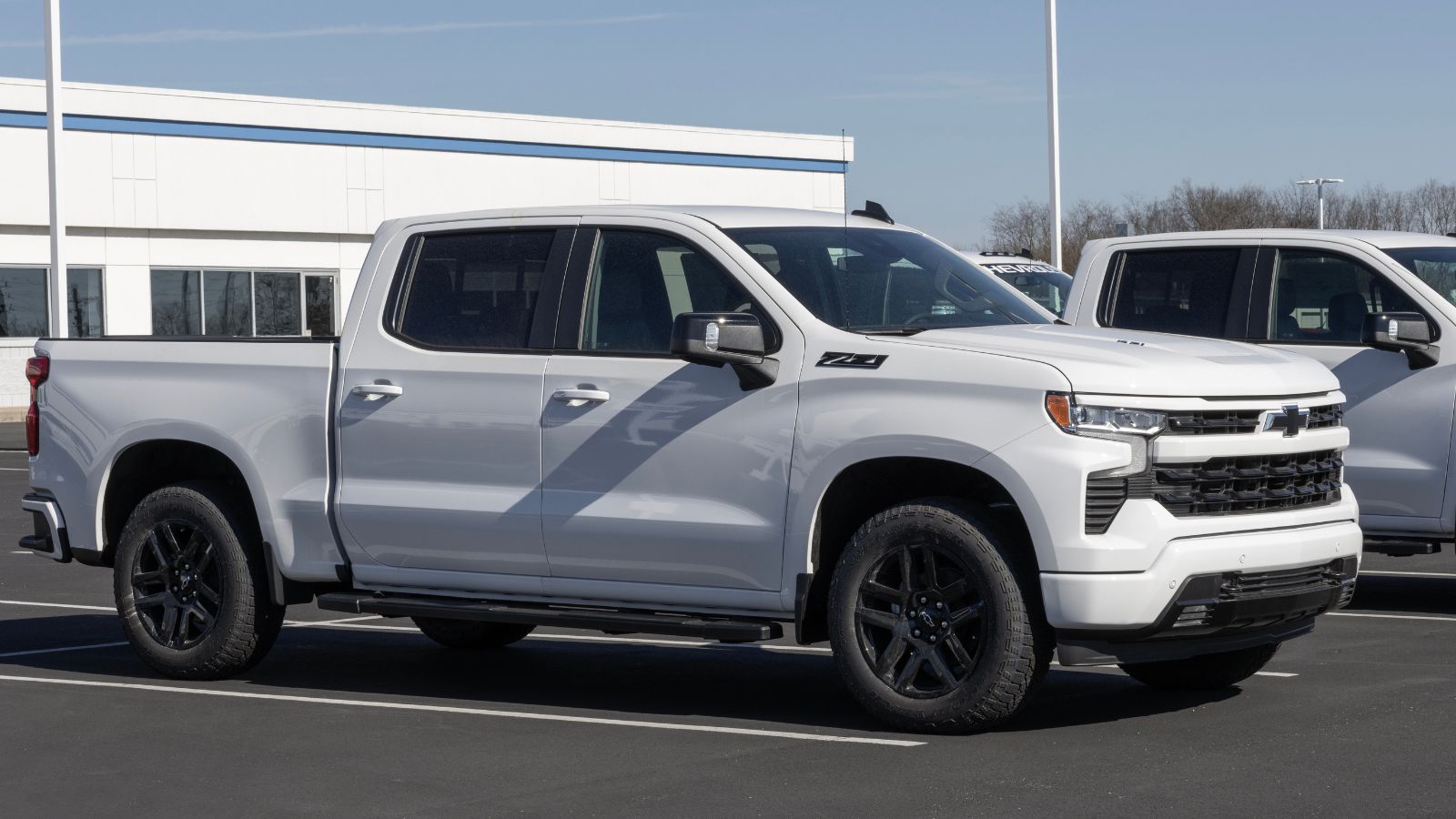
A low odometer still has enormous psychological power in the used market, but it can be misleading when separated from service history. Buyers often assume the cleaner, lower-kilometre vehicle is automatically the smarter summer choice. Yet maintenance records, prior use, and repair consistency usually tell a more reliable story about whether a vehicle will handle sustained travel well. A car driven gently and serviced on time can be a safer bet than one with fewer kilometres and a vague past.
That is why many experienced evaluators put records ahead of the headline number on the dash. Recent used-car guidance has reinforced that maintenance history matters more than age or mileage alone when trying to judge reliability. Summer travel makes that truth harder to ignore because intermittent problems that are tolerable on short urban trips can become costly on long highway drives. The regret is not merely buying a used vehicle; it is mistaking one easy metric for a complete picture and discovering the difference when the schedule gets ambitious.
Ignoring Resale Value Until It Is Time to Move On
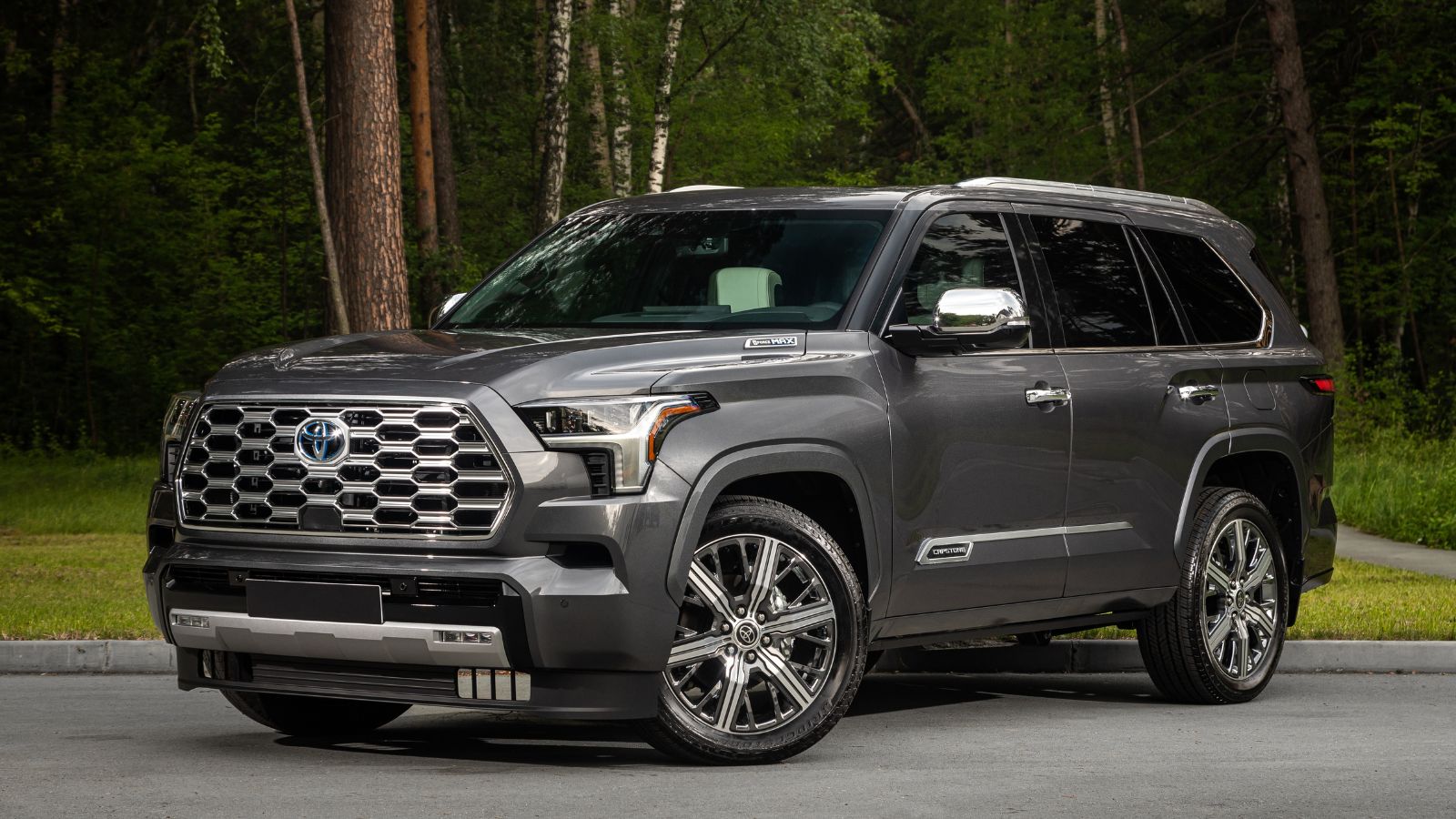
A vehicle can be enjoyable to own and still be a poor long-term financial decision. That becomes obvious when the owner considers trading it in, selling it, or exiting early from a loan or lease and discovers the market does not value it the way expected. In Canada, retained value varies sharply by model and segment, and organizations like Canadian Black Book track that difference closely because it affects the real cost of ownership long after the purchase excitement fades.
Summer is often when this regret surfaces because the season prompts comparison. Someone starts thinking about a trailer, a different body style, or a more efficient road-trip vehicle and then learns that switching out will be expensive. Depreciation is not dramatic day to day, which is why it is easy to ignore. But once plans change, it becomes one of the biggest numbers in the room. Many Canadians do not regret buying a vehicle they liked; they regret overlooking how poorly it might hold value when their needs inevitably changed.
Keeping the Wrong Vehicle Because the Monthly Payment Feels Manageable
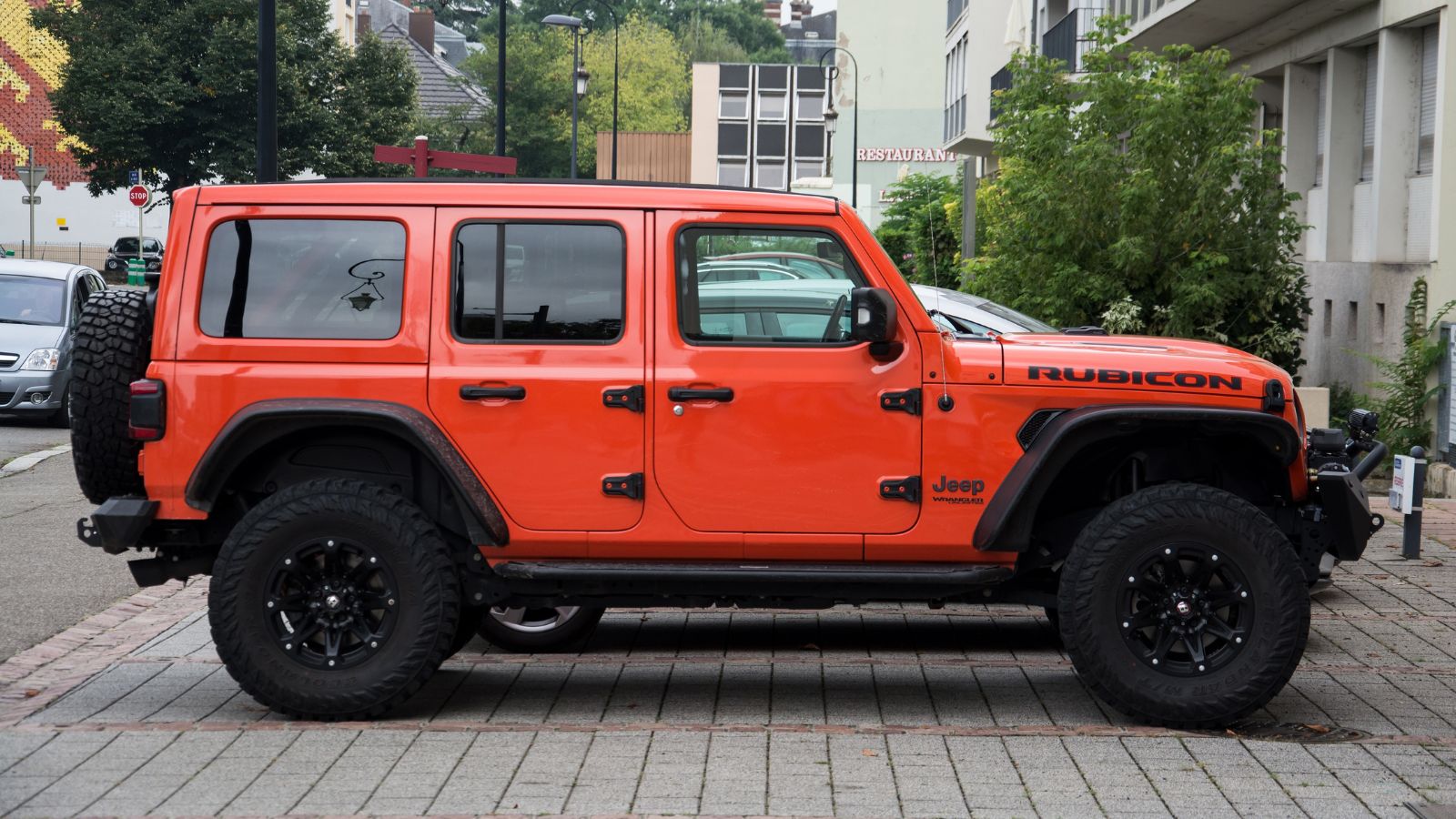
Perhaps the most common regret is not tied to one feature but to inertia. A vehicle may be affordable enough each month to justify keeping, yet still be poorly matched to how summer actually unfolds. It may be cramped, fuel-hungry, expensive to insure, awkward for gear, unsuitable for towing, or simply stressful on long drives. Because the payment is familiar, the owner delays rethinking the decision. Then another summer arrives and the same friction returns.
This kind of regret is common because monthly affordability can hide total mismatch. Household budgets already absorb pressure from insurance, fuel, repairs, and broader consumer costs, so a vehicle that only looks acceptable on one line of the spreadsheet can quietly become the wrong tool for the job. Summer makes that visible in a concentrated way. A season built around movement, flexibility, and distance can reveal that the real mistake was not a single bad option on a spec sheet, but staying attached to a vehicle that no longer fits the life around it.
22 Things Canadians Do to Their Cars in Spring That Mechanics Hate

Spring brings relief to many Canadian drivers after months of snow, freezing temperatures, and icy roads that put serious strain on vehicles. As temperatures rise across the country, drivers begin washing cars, switching tires, and preparing vehicles for warmer weather and upcoming road trips. However, mechanics across Canada notice the same mistakes every spring when drivers attempt to recover from winter damage. Road salt, potholes, and harsh winter driving conditions often leave vehicles with hidden problems that drivers ignore. Some spring habits even create new mechanical issues that could have been avoided with proper maintenance. Here are 22 things Canadians do to their cars in spring that mechanics hate.