
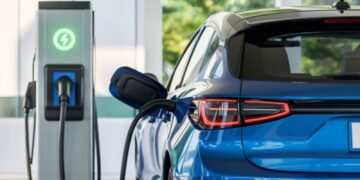

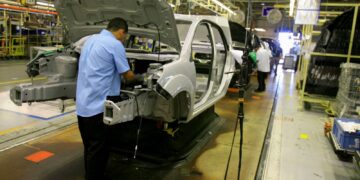























A car used to feel finished the day it left the dealership. Now, more vehicles arrive with features that can be activated, paused, upgraded, or locked behind a recurring payment. That shift has made some drivers wonder where ownership ends and access begins. Heated seats, remote start, navigation, driver-assistance tools, performance boosts, and connected services have all become part of a wider debate over value, control, privacy, and long-term cost.
Twelve key reasons explain why expensive vehicle subscription features are facing growing scrutiny. The issue is not simply that automakers want new revenue. It is that many drivers feel the deal has changed after the purchase, especially when the hardware is already installed, the monthly fees stack up, and essential convenience starts to feel temporary.
The Monthly Cost Adds Up Faster Than Expected

A single vehicle subscription may look manageable at first. A driver might see a monthly charge for connected navigation, a separate fee for advanced driver assistance, another for remote app access, and perhaps another for entertainment or Wi-Fi. Individually, each charge can seem small compared with a car payment, insurance premium, or fuel bill. Together, they can quietly turn a vehicle that already felt expensive into a rolling bundle of recurring costs.
The concern is not imaginary. Consumer research has repeatedly shown resistance to paying monthly or annual fees for features many buyers expect to be included in the upfront purchase price. The psychology matters: a $50 monthly fee may feel harmless during a free trial, but over five years it becomes $3,000. For families already managing streaming, phone, software, and insurance subscriptions, the car can start to feel like one more company reaching into the household budget.
Drivers Dislike Paying Again for Hardware Already Installed

The strongest backlash tends to appear when a subscription appears to unlock equipment that is already physically present in the vehicle. Heated seats became the defining example because buyers could easily understand the frustration: the heating elements were there, the switches existed, but access could depend on payment. Even if the business logic involves simplified manufacturing, many drivers see it as paying twice.
That reaction is different from paying for a cloud-based service, such as live traffic data or emergency call support. In those cases, ongoing data networks and service centers are easier to understand. But when a car contains dormant hardware, the emotional response changes. A driver who paid tens of thousands of dollars for a vehicle may feel less like a customer choosing flexibility and more like an owner being prevented from using something already built into the machine.
Free Trials Can Feel Like a Soft Lock-In

Free trials can be useful because they let drivers test a feature before paying. A hands-free highway system, app-based remote start, or enhanced navigation package may be hard to judge during a short test drive. After several months of daily use, the value becomes clearer. Automakers know this, which is why free trials are increasingly part of the sales strategy for connected services.
The problem comes when the trial ends after the feature has become part of a routine. A driver who has grown used to preconditioning the cabin on cold mornings may feel punished when remote access disappears. A commuter who relied on an assisted-driving feature may suddenly face a decision between comfort and another bill. The frustration is not always about the trial itself; it is about discovering later that the vehicle’s familiar behavior was temporary.
Safety and Convenience Are Getting Harder to Separate

Subscriptions become especially controversial when features sit near the line between convenience and safety. Advanced driver-assistance systems, stolen vehicle tracking, crash response, and emergency calling can all involve ongoing infrastructure, software updates, or human support. Some drivers accept fees for these because the benefits are clearer and the operating costs are more visible.
Still, the boundary is messy. If a vehicle has the sensors and cameras needed for a driver-assistance feature, some owners question why continued use should depend on a paid plan. Others worry that safety-related technology could become tiered by income, with more protection available to those who can keep subscribing. Automakers often describe these services as optional enhancements, but buyers may see them as part of the vehicle’s safety promise, especially when sales materials emphasize the technology before the monthly cost.
Smartphone Apps Have Changed Expectations

Many connected-car subscriptions compete directly with features people already get from their phones. Navigation, voice assistants, music streaming, location sharing, and roadside information are familiar smartphone functions. When a vehicle asks for another fee to provide similar tools through the dashboard, drivers naturally compare the car’s offering with apps they already use and pay for elsewhere.
This is one reason subscription fatigue can hit vehicles harder than expected. A built-in navigation system may look sleek, but phone-based maps often update quickly and travel across vehicles. App-based remote features can be useful, yet some owners dislike needing a paid plan for functions such as remote start or lock control. When the car’s digital services overlap with a smartphone ecosystem, the subscription has to prove that it adds real convenience rather than simply duplicating what already works.
Data Privacy Has Become Part of the Price Debate
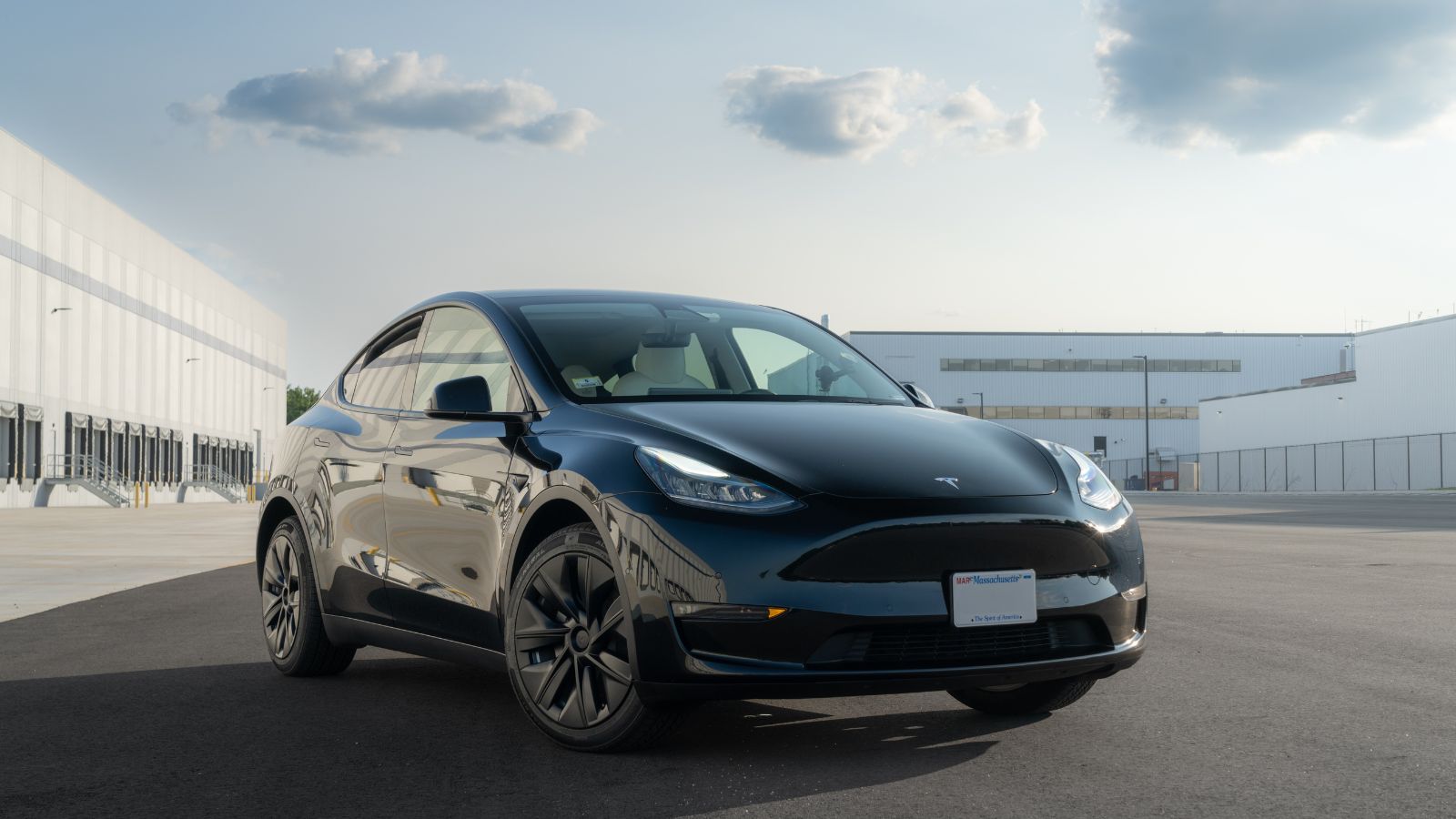
Vehicle subscriptions often rely on connectivity, accounts, location data, driving behavior data, and cloud systems. That means the cost is not only financial. Drivers are also being asked to trust how automakers collect, store, use, and share information. For many people, the idea that a car can report driving patterns, location history, hard braking, late-night trips, or speeding events feels far more personal than a streaming subscription.
Regulatory action involving connected vehicle data has made this concern more visible. Once drivers learn that vehicle-generated data can influence insurance or be shared with third parties, subscription features start to look different. A connected service may offer convenience, but it can also create a data trail. The more features depend on cloud access, the more drivers ask whether the subscription is truly serving them, or whether it is also turning their vehicle into a data source.
Used-Car Buyers Worry About What Transfers
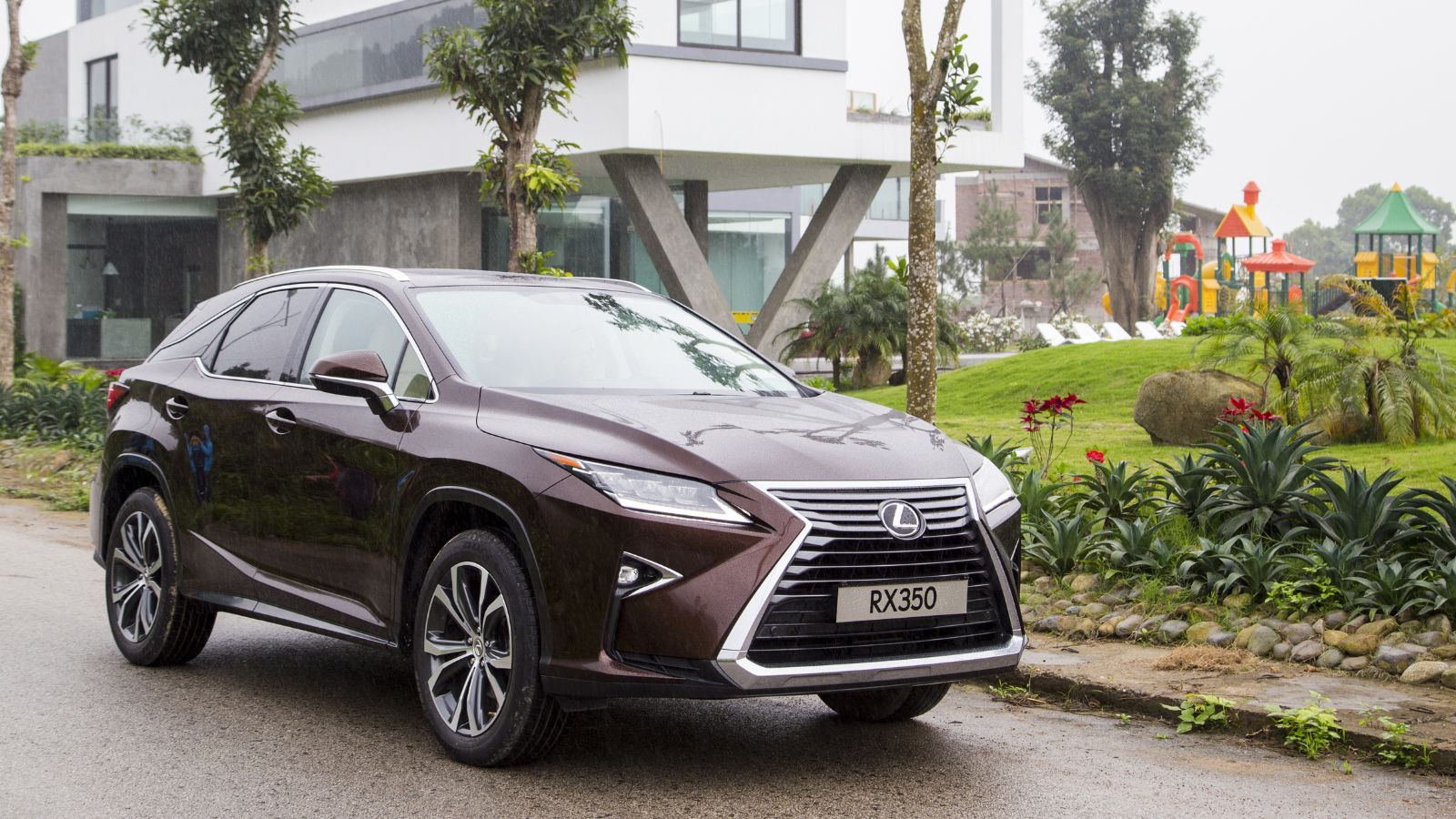
Subscription features can complicate the used-car market. A second owner may see hardware, buttons, screens, or menu options in a vehicle and assume those features are included. Later, they may discover that the original trial expired, the previous owner canceled a plan, or a digital feature requires a new account and payment. That uncertainty can make it harder to compare used vehicles fairly.
This matters because buyers often evaluate used cars based on visible equipment. A car with a large display, premium sound controls, advanced cameras, or driver-assistance icons may appear better equipped than it really is without active services. Dealers and private sellers can also struggle to explain which digital features remain active, which are trial-based, and which require renewal. As cars become more software-dependent, the question changes from “Does it have the feature?” to “Who still has access to it?”
Repair and Ownership Questions Are Getting Louder

Subscription features are part of a larger shift toward software-defined vehicles. Modern cars increasingly depend on locked software, connected diagnostics, digital authorization, and manufacturer-controlled platforms. That can improve updates and customization, but it also raises concerns about repair access. Independent shops may need data, tools, or permissions to diagnose problems tied to connected systems.
Drivers may not think about repair rights when a new feature works smoothly. The issue becomes real when something breaks, a module needs replacement, or a subscription-linked system affects diagnostics. If key data or software tools are limited, repairs can become more expensive or more dependent on dealer networks. Right-to-repair debates show that vehicle ownership is no longer only about mechanical parts. It is also about access to the software and data needed to maintain the car over time.
Software Updates Create Both Benefits and Anxiety
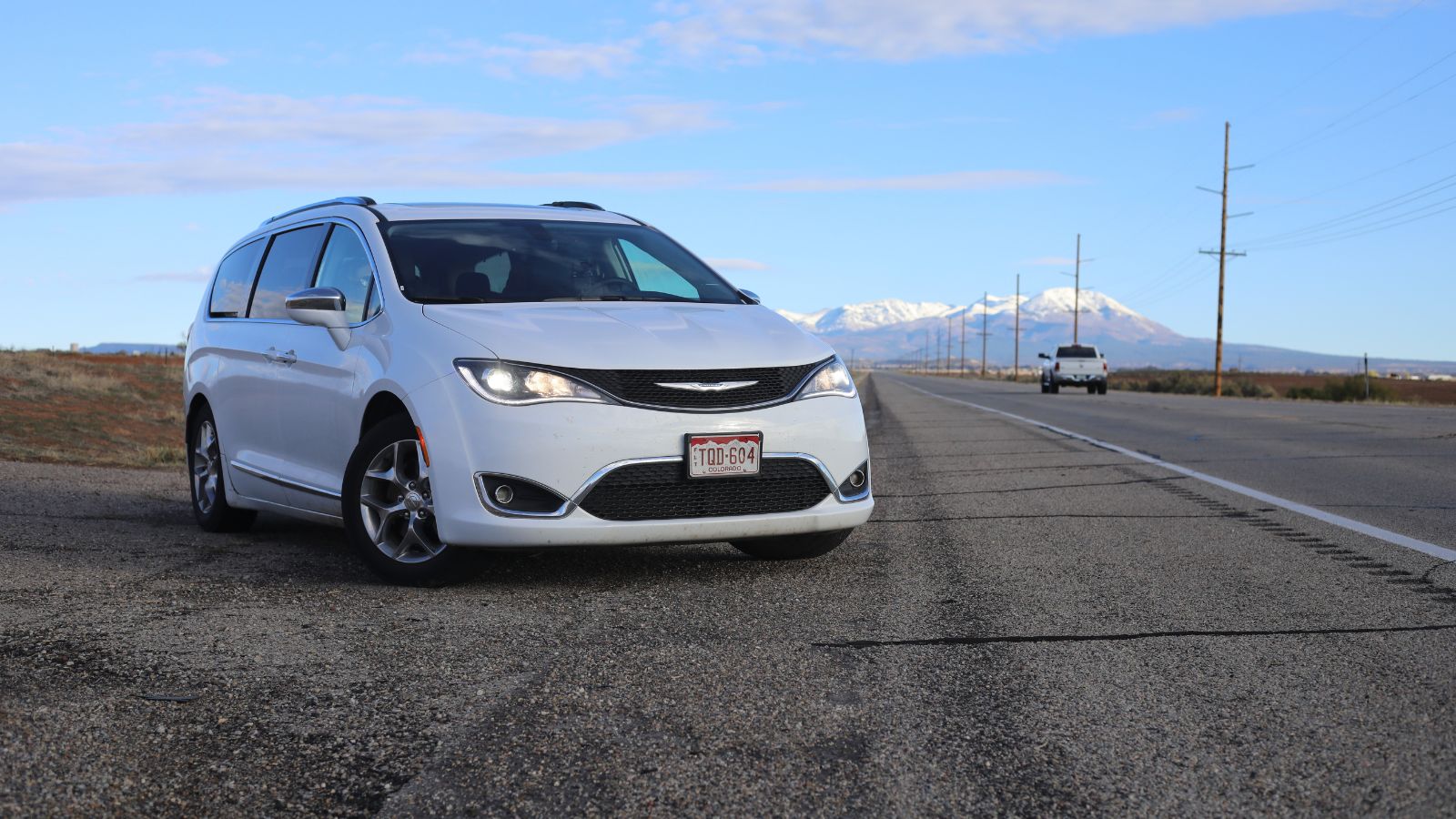
Over-the-air software updates can be genuinely helpful. They can fix bugs, improve interfaces, add features, or address certain safety issues without a service appointment. That convenience is one of the strongest arguments for connected vehicles and recurring digital services. For automakers, it also creates a way to improve vehicles after sale rather than waiting for the next model year.
At the same time, constant software dependence can make owners uneasy. If a vehicle’s features can be changed remotely, drivers may wonder what else can be modified, removed, limited, or repriced later. Cybersecurity also becomes more important as vehicles rely on networks, apps, accounts, and wireless communication. A car that behaves more like a computer can improve with updates, but it can also inherit computer-like worries: bugs, access controls, security patches, and unexpected changes after purchase.
Automakers See Recurring Revenue, Drivers See Control Issues

Automakers have strong incentives to sell subscription features. New vehicles are expensive to develop, software platforms require ongoing investment, and connected services can generate money after the car leaves the showroom. From a business standpoint, monthly payments can be more predictable than one-time option sales. Investors often like recurring revenue because it continues long after the original transaction.
Drivers often see the same model differently. A person buying a vehicle may feel that ownership should mean durable access, not a series of permissions that can expire. The tension is especially sharp when companies describe cars as upgradeable digital platforms while customers still experience them as major household assets. The automaker may be selling flexibility, but the driver may hear uncertainty. That difference in language is why subscription features can become a trust problem as much as a pricing problem.
The Best Features Still Need a Clear Value Proposition
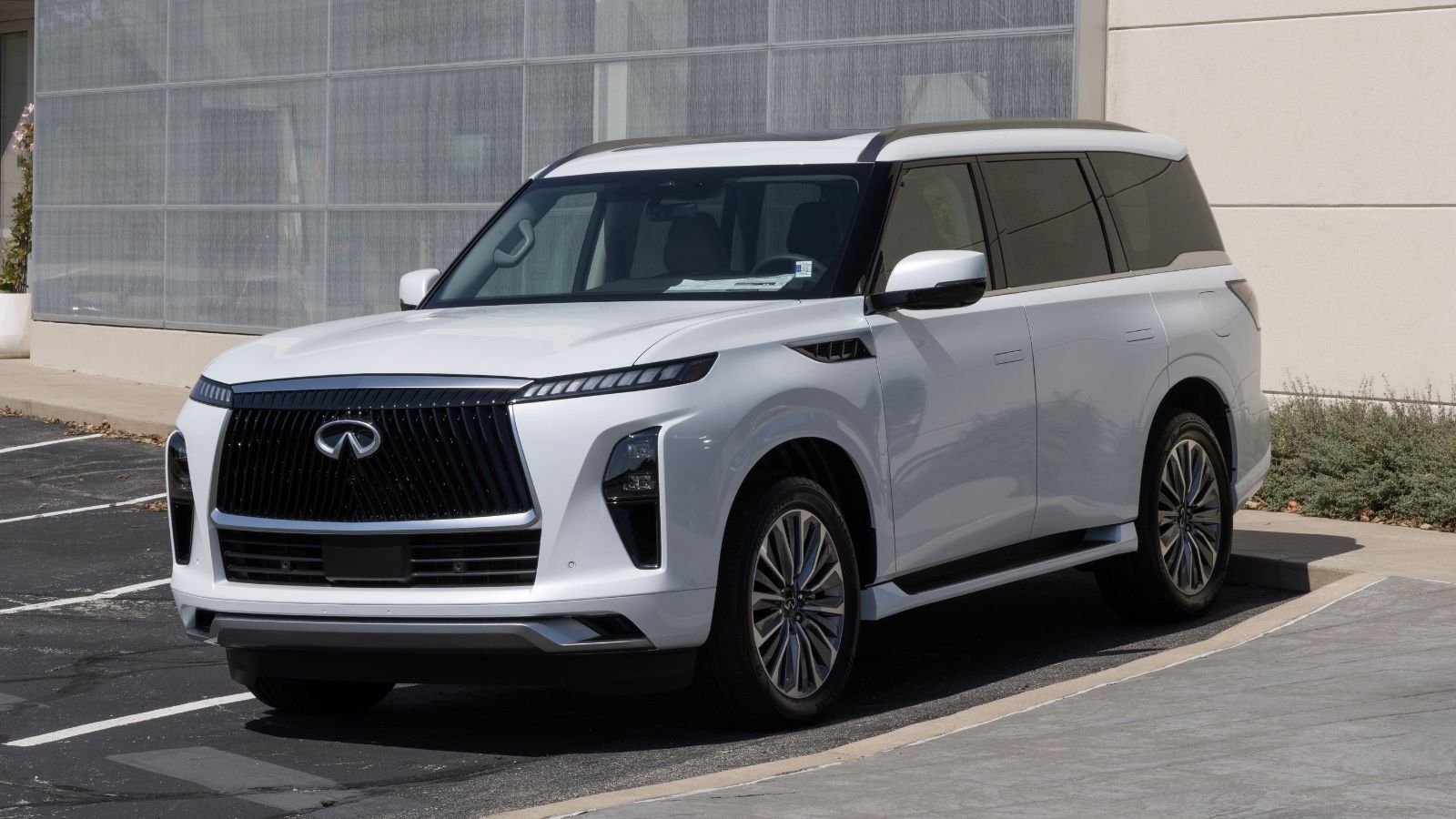
Not every subscription is automatically unreasonable. Many drivers will pay for services that clearly require ongoing support, such as emergency response, live navigation data, Wi-Fi, theft recovery, or advanced driver-assistance functions that receive continuous mapping and software improvements. The most accepted subscriptions tend to feel useful, optional, transparent, and easy to cancel.
The challenge is proving value before frustration takes over. If the price feels high, the terms are unclear, or the feature overlaps with a phone app, buyers become skeptical. If the subscription enhances the vehicle in a way that is difficult to replicate elsewhere, the reaction can be more positive. Automakers that treat subscriptions as a careful value exchange may have more success than those that treat them as a hidden extension of the purchase price.
Drivers Want Flexibility Without Feeling Trapped

The subscription model works best when drivers feel in control. Monthly access can be useful for someone who needs a feature only during road trips, winter months, or a temporary commute. A one-time purchase option can also reduce frustration by giving owners a way to permanently activate a feature if they know they want it. Clear choices help turn subscriptions from a grievance into a menu.
What drivers are questioning is the feeling of being trapped after the sale. Surprise expirations, confusing app menus, vague trial terms, and features that disappear without a clear explanation weaken trust. The future of vehicle subscriptions may depend less on whether automakers can technically lock or unlock features, and more on whether customers believe the arrangement is fair. In a market already shaped by high prices, transparency may become the feature buyers value most.
22 Things Canadians Do to Their Cars in Spring That Mechanics Hate

Spring brings relief to many Canadian drivers after months of snow, freezing temperatures, and icy roads that put serious strain on vehicles. As temperatures rise across the country, drivers begin washing cars, switching tires, and preparing vehicles for warmer weather and upcoming road trips. However, mechanics across Canada notice the same mistakes every spring when drivers attempt to recover from winter damage. Road salt, potholes, and harsh winter driving conditions often leave vehicles with hidden problems that drivers ignore. Some spring habits even create new mechanical issues that could have been avoided with proper maintenance. Here are 22 things Canadians do to their cars in spring that mechanics hate.