


























Canada’s winter roads depend on salt for safety, but the same treatment that keeps traffic moving can quietly punish vehicles for months after the snow melts. Salt spray, slush, freeze-thaw cycles, and trapped moisture often work out of sight, which is why many drivers only notice the problem once repairs become expensive.
This piece covers 12 types of road-salt damage that can develop slowly, hide under clean paint, and turn routine maintenance into a serious ownership cost.
The Undercarriage Takes the First Hit
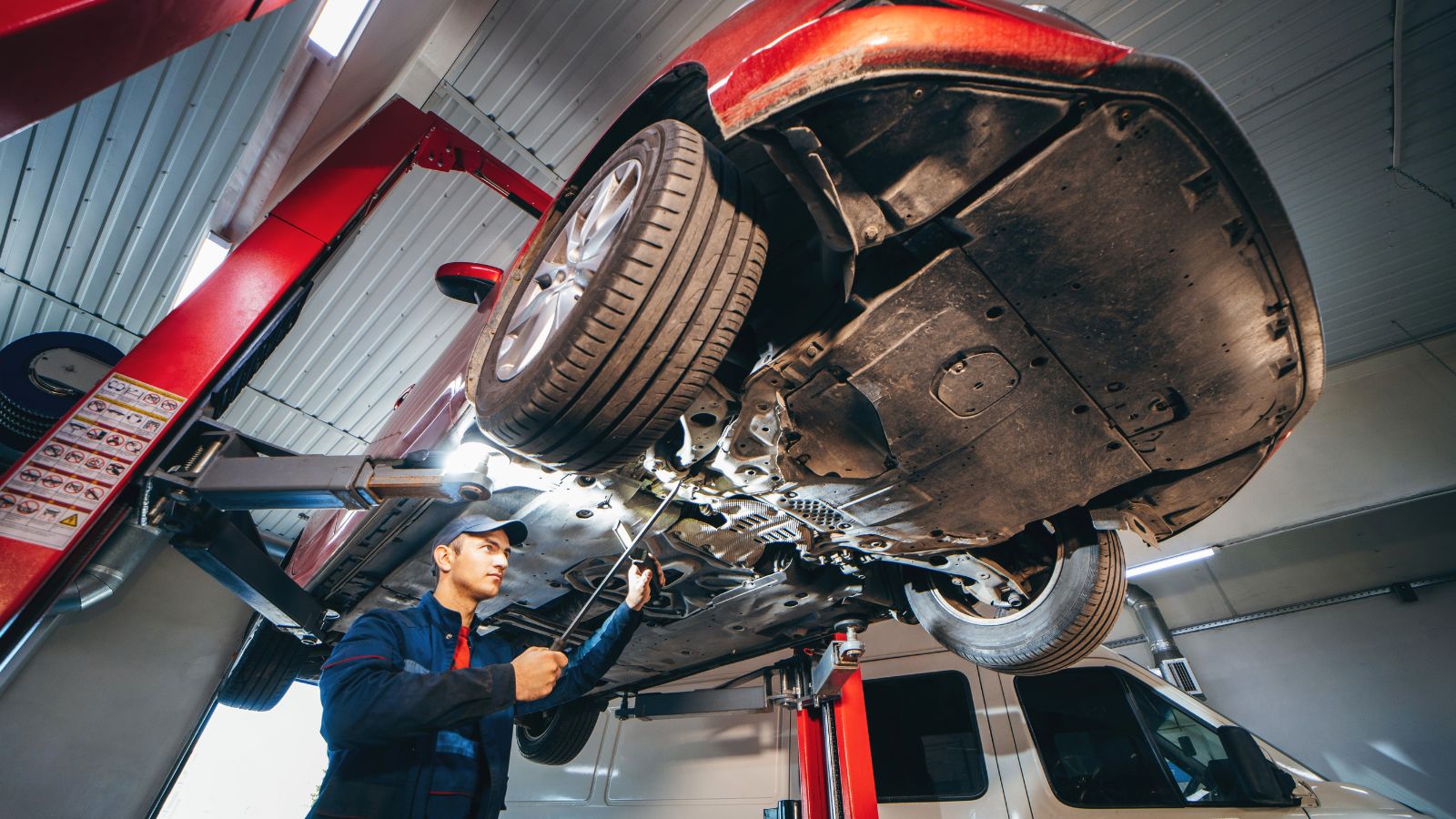
The underside of a vehicle is usually where road salt damage begins, even when the body still looks clean from a few metres away. Frame rails, crossmembers, seams, brackets, and mounting points sit directly in the path of salty slush thrown up by tires. Since Canada uses millions of tonnes of road salts in a typical winter season, repeated exposure is not a rare event for daily drivers in many provinces.
The trouble is that corrosion often starts in folds, welds, and boxed-in metal sections that are difficult to inspect without a hoist. A driver may only learn there is a problem during a tire change, oil service, or safety inspection. By then, light surface rust may have become flaking metal, weakened mounts, or a repair estimate that changes the economics of keeping an older vehicle.
Brake Lines Can Corrode Before Brakes Feel Weak
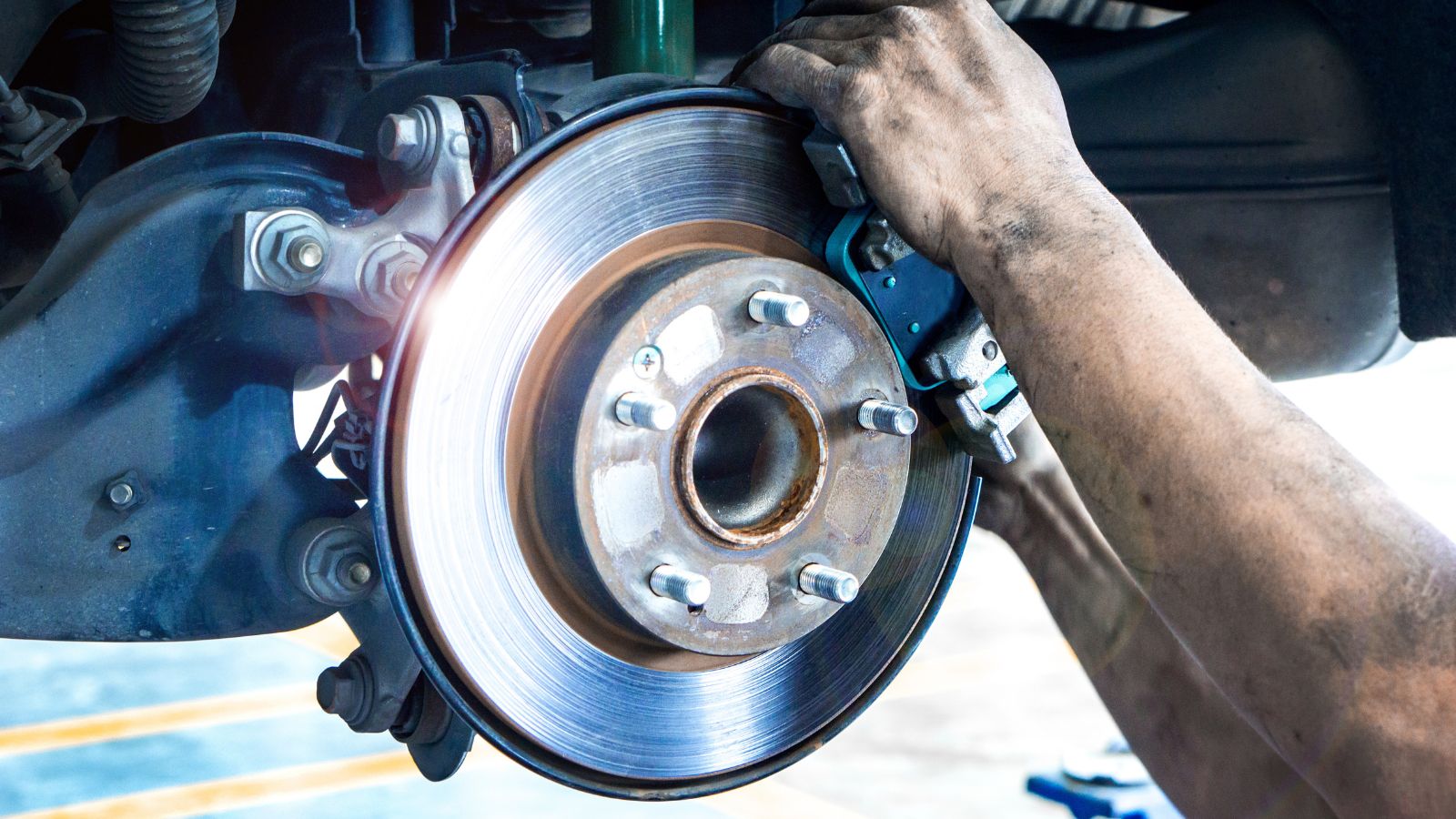
Brake line corrosion is one of the most serious forms of salt-related damage because the early warning signs can be subtle. Steel brake lines often run along the underbody, where saltwater can collect around clips, bends, and protective shields. A vehicle can stop normally for years while corrosion slowly thins the line from the outside.
Transport Canada recalls have repeatedly shown why this matters. Some recalls specifically cite corroded brake lines, brake-fluid leaks, reduced braking, longer stopping distances, and increased crash risk. The human side is easy to picture: a commuter notices the pedal feels softer after winter, assumes the brakes need pads, and later discovers the real issue is a leaking line hidden under the vehicle.
Fuel Filler Pipes and Lines Can Rust in Hidden Pockets
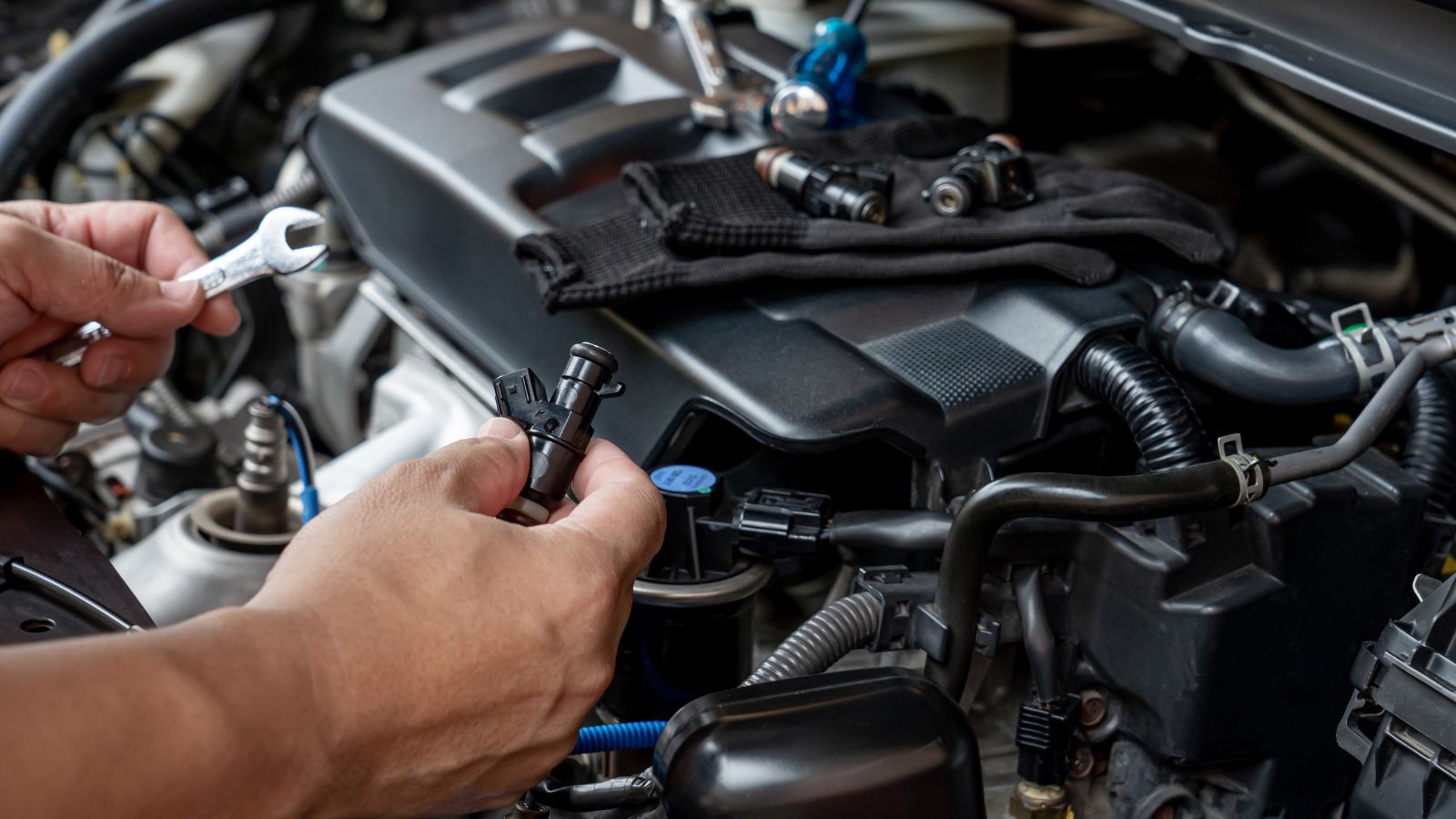
Fuel-system corrosion is especially worrying because salt damage may develop where drivers almost never look. Mud mixed with road salt can become trapped around brackets, wheel-well shields, fuel-filler pipes, and underbody routing points. When those deposits stay damp, they can create a concentrated corrosion zone rather than a harmless layer of dirt.
One Canadian recall involving SUVs described road debris mixed with road salt becoming trapped near a fuel filler pipe and potentially causing a fuel leak. That example shows how the design of a bracket or shield can matter as much as the amount of salt on the road. A faint fuel smell, visible staining near the filler area, or unexplained wetness after refuelling should never be ignored.
Exhaust Systems Rust From Both Weather and Heat
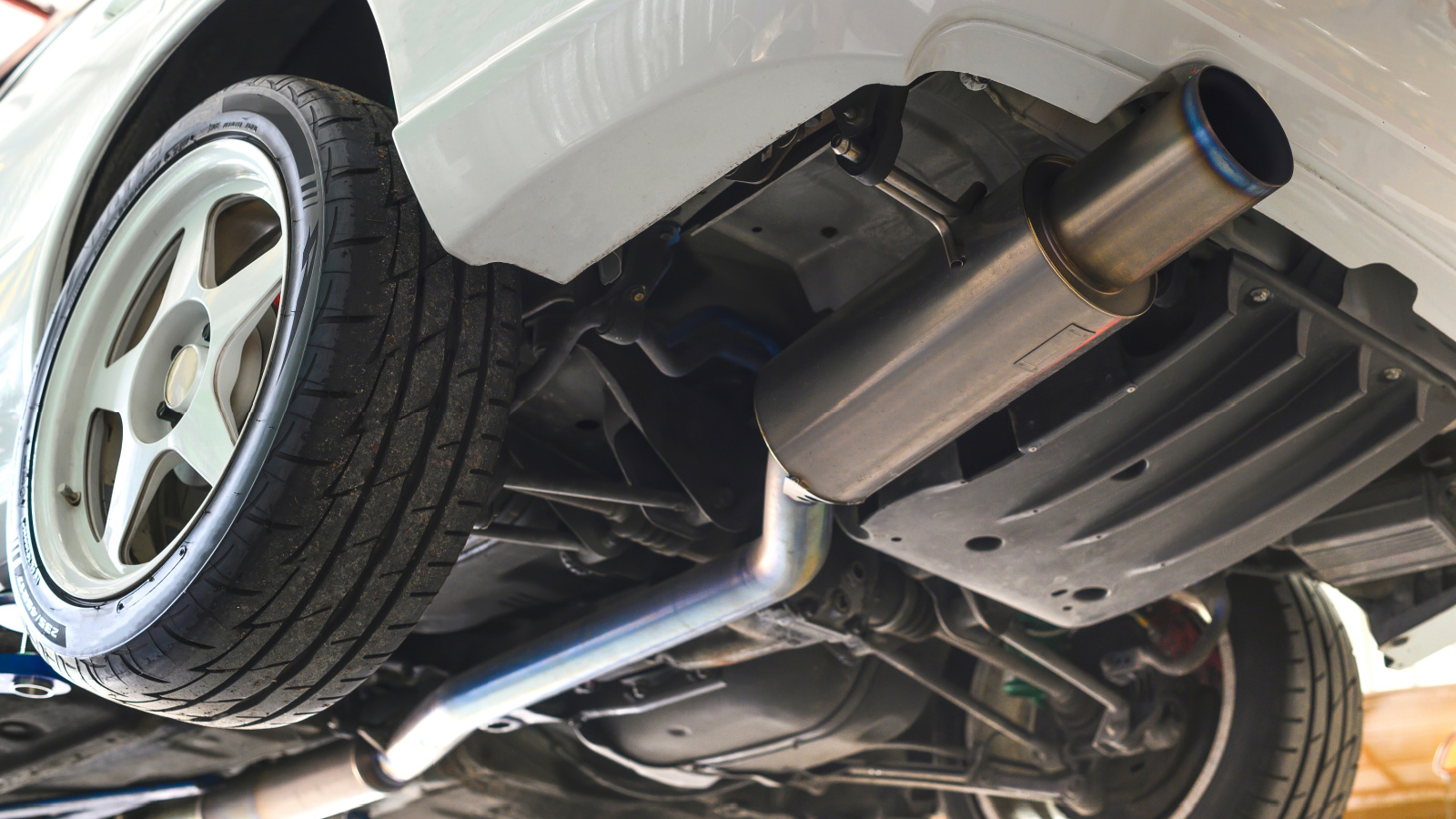
Exhaust systems live in a punishing environment. They heat up, cool down, collect condensation inside, and get sprayed from the outside with slush, salt, and grit. Even stainless steel parts can suffer localized pitting or crevice corrosion when chloride ions are present, especially around welds, hangers, seams, and low points where moisture lingers.
The first clue is often sound rather than appearance. A muffler that suddenly drones, a pipe that rattles against a hanger, or an exhaust smell near the cabin can point to rust holes or weakened joints. In many Canadian cities, a vehicle can look respectable from the curb while the exhaust underneath is nearing replacement. Once flanges and fasteners corrode, even a small exhaust repair can grow into a larger job.
Suspension Parts Can Seize, Crack, or Fight Repairs
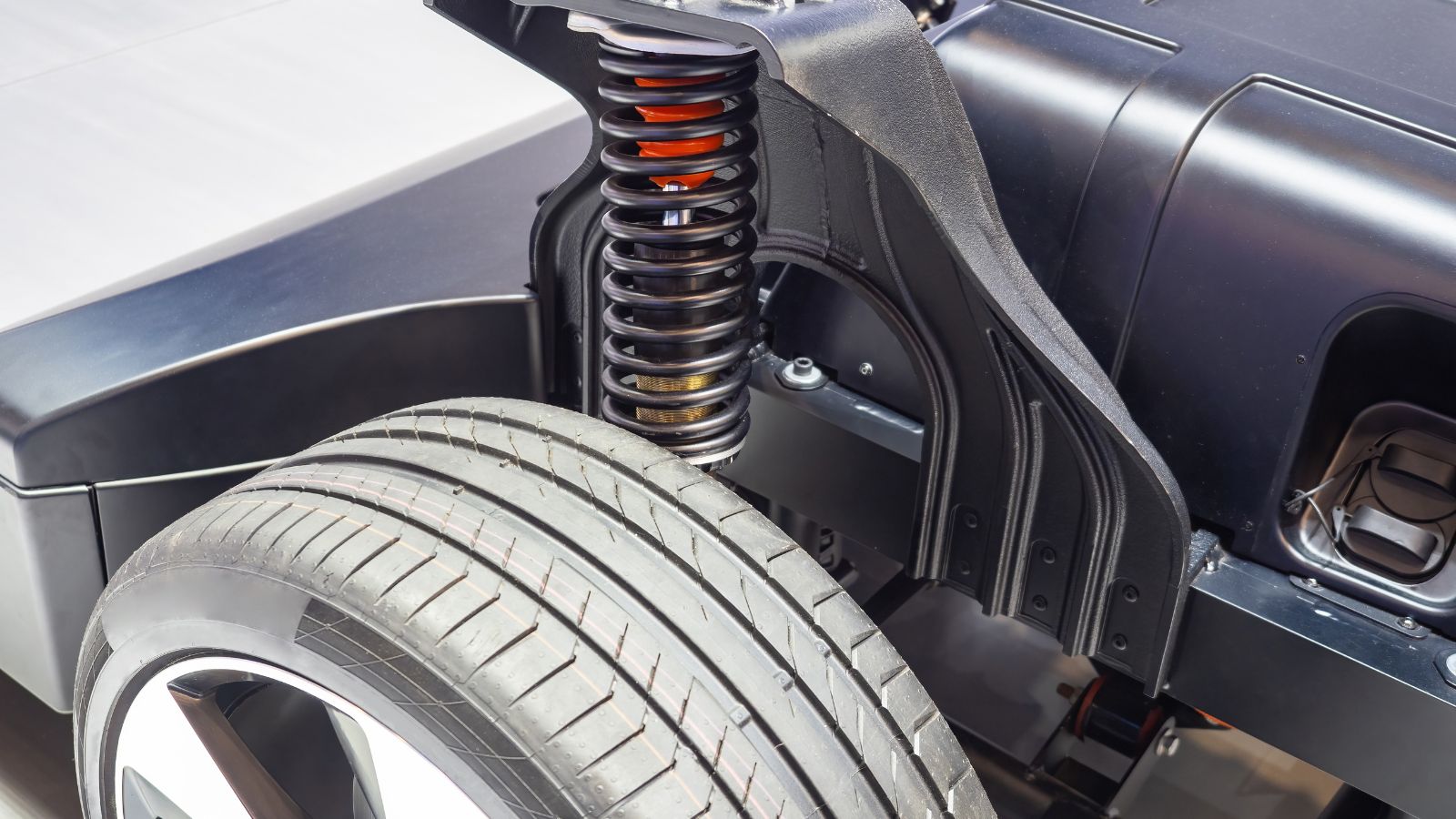
Road salt does not only attack large structural pieces. It also works on suspension hardware: control arms, springs, sway-bar links, ball-joint fasteners, alignment bolts, and bushings with metal sleeves. These parts live close to the wheels, where salt spray is heaviest. A vehicle may still drive straight while corrosion is quietly making future repairs more difficult.
The late discovery usually comes during an alignment or suspension repair. A technician may find that bolts are seized into bushings, spring seats are heavily rusted, or hardware must be cut out rather than loosened normally. That can turn a straightforward repair into extra labour. For owners of older vehicles, suspension rust can also affect safety inspections, resale value, and confidence on rough winter roads.
Rocker Panels and Wheel Wells Hide Expensive Body Rust
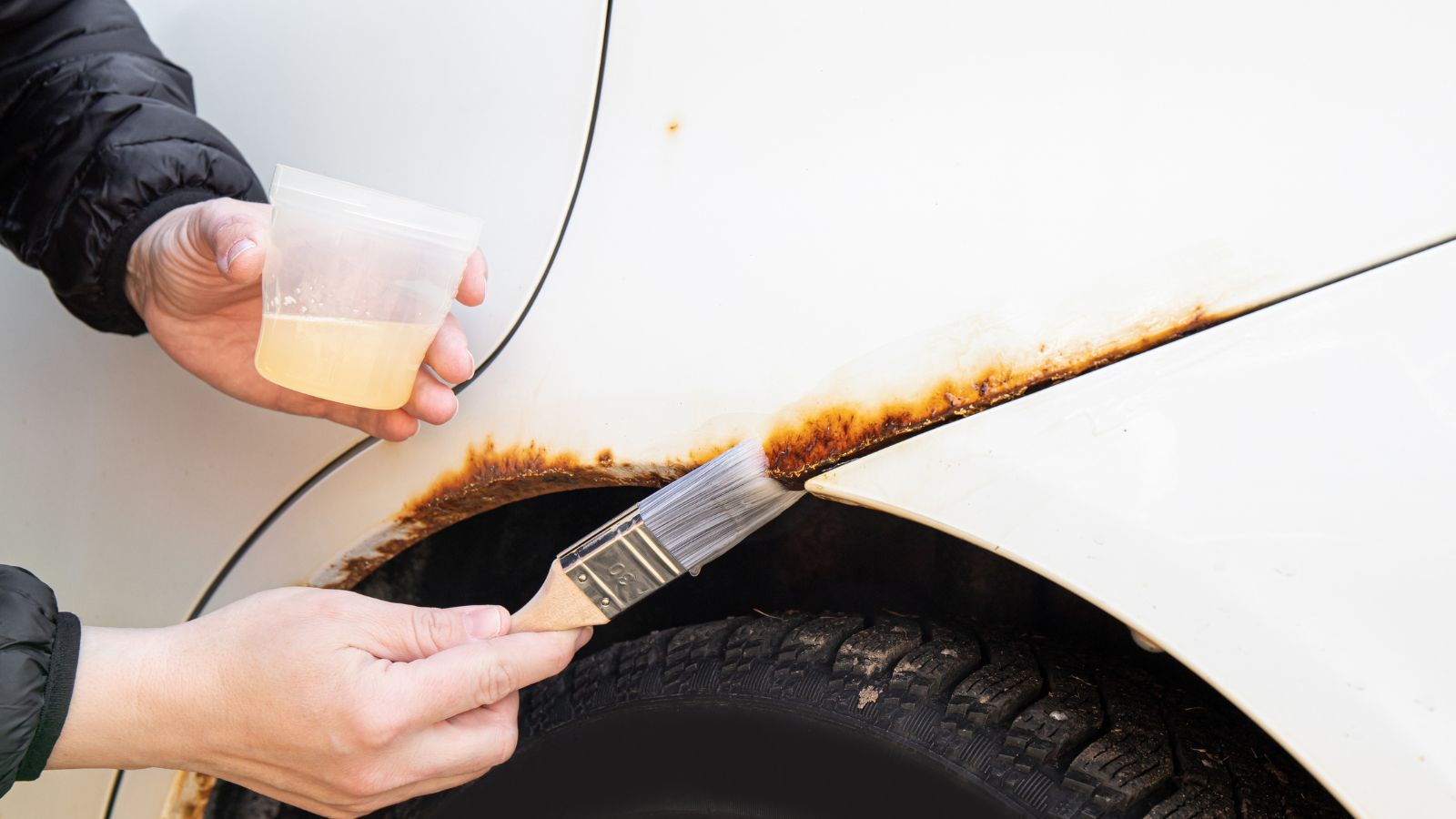
Rocker panels and wheel wells are classic rust zones because they collect salt, sand, and moisture in tight seams. They are also easy to overlook when a vehicle is still shiny above the beltline. The lower edges of doors, fender lips, and rear wheel arches may begin with tiny bubbles before the paint lifts and exposes corrosion underneath.
This damage often becomes visible after several winters, not after one storm. A small paint chip can trap salt and moisture, while repeated freeze-thaw cycles help push the coating away from the metal. Body rust is frustrating because cosmetic repair can be costly, and rust that spreads into structural rocker areas is far more serious. A buyer may walk away from an otherwise well-maintained vehicle after spotting bubbling near the lower panels.
Paint Chips Become Rust Spots Faster in Salt Season
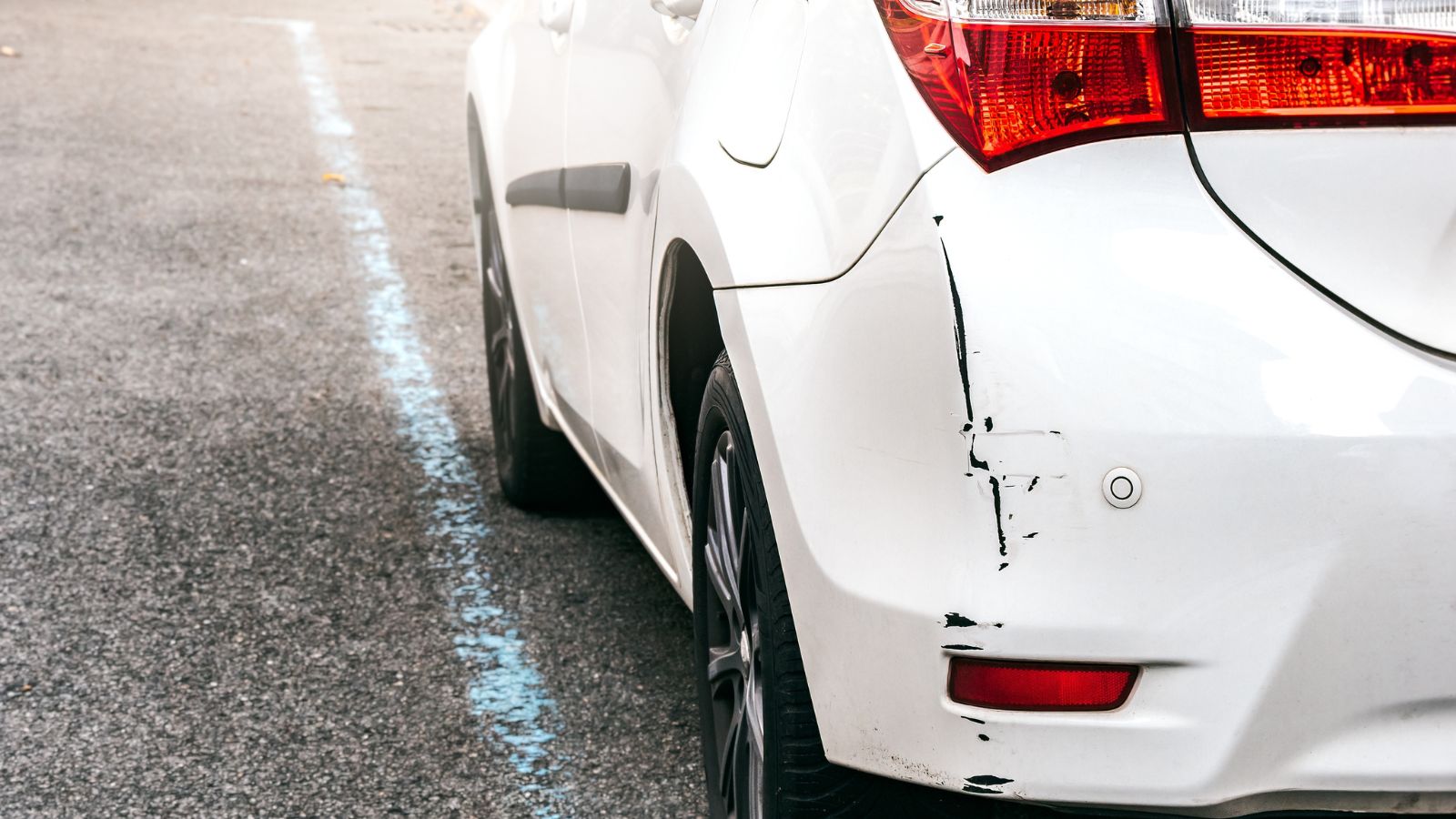
Modern clear coats are durable, but they are not magic shields. Salt becomes more damaging when it reaches exposed metal through stone chips, scratches, poor previous repairs, or worn edges around panels. Winter highways can combine gravel, salt, and high-speed spray, which makes the front bumper, hood edge, rocker panels, and lower doors especially vulnerable.
The problem is often delayed. A chip picked up in January may look harmless until spring cleaning reveals a reddish ring or bubbling paint. That is why quick touch-ups matter more in winter regions than many owners assume. A small bottle of colour-matched paint cannot fix deep corrosion, but it can seal minor exposed spots before saltwater expands the damage and turns a tiny mark into a body-shop conversation.
Electrical Connectors and Sensors Can Become Intermittent

Saltwater is not friendly to modern vehicle electronics. Wiring connectors, grounds, wheel-speed sensors, parking sensors, lighting sockets, trailer connectors, and underbody harness clips can all be exposed to salty moisture. Unlike a broken mechanical part, an electrical issue may appear only sometimes, which makes it harder to diagnose.
A driver might see an ABS light after a slushy commute, a parking sensor warning during a thaw, or a lighting fault that disappears after the vehicle dries. Salt-related electrical corrosion is especially relevant as vehicles add more sensors and driver-assistance systems. Electric vehicles add another layer of concern because battery packs, cooling lines, electronics, and charging ports often sit low in the chassis and need protection from winter contamination.
Heated Garages Can Speed Up the Rust Cycle
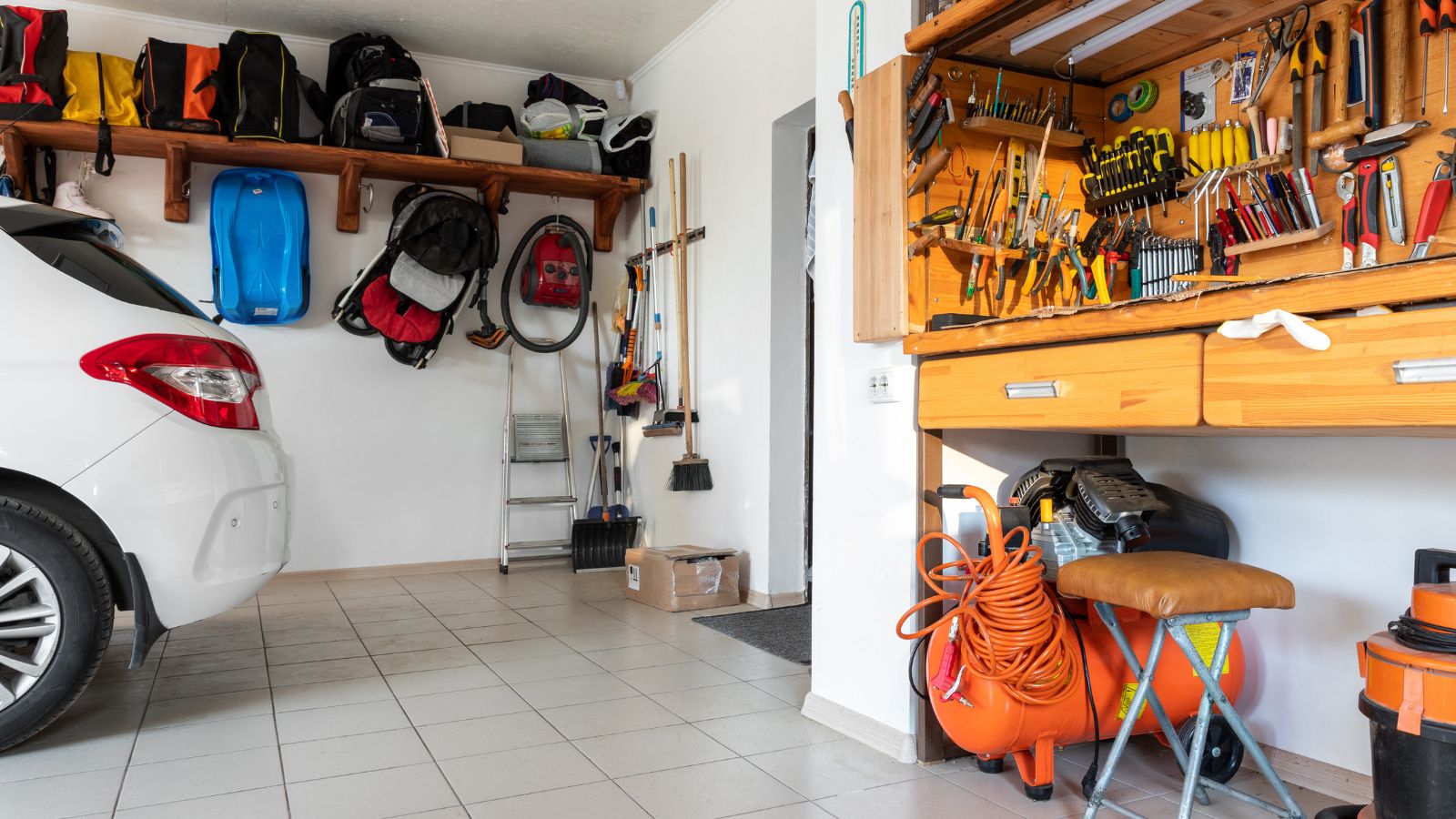
A warm garage feels like a kindness to a frozen vehicle, but it can sometimes accelerate corrosion when the car is parked while coated in salty slush. The warmth melts snow packed under the wheel wells and undercarriage, turning it into saltwater that can sit in seams, brackets, and floor areas overnight. Corrosion needs moisture, and a heated garage can keep the surface wet longer.
This does not mean indoor parking is bad. It means a salty, wet vehicle should not be forgotten just because it is out of the cold. The risk is highest when drivers park after messy commutes, shut the door, and repeat the cycle daily. An occasional underbody rinse, especially after major storms or highway driving, can reduce the salt load before warmth helps it spread into hidden areas.
Interior Salt Can Attack Carpets and Floor Pans
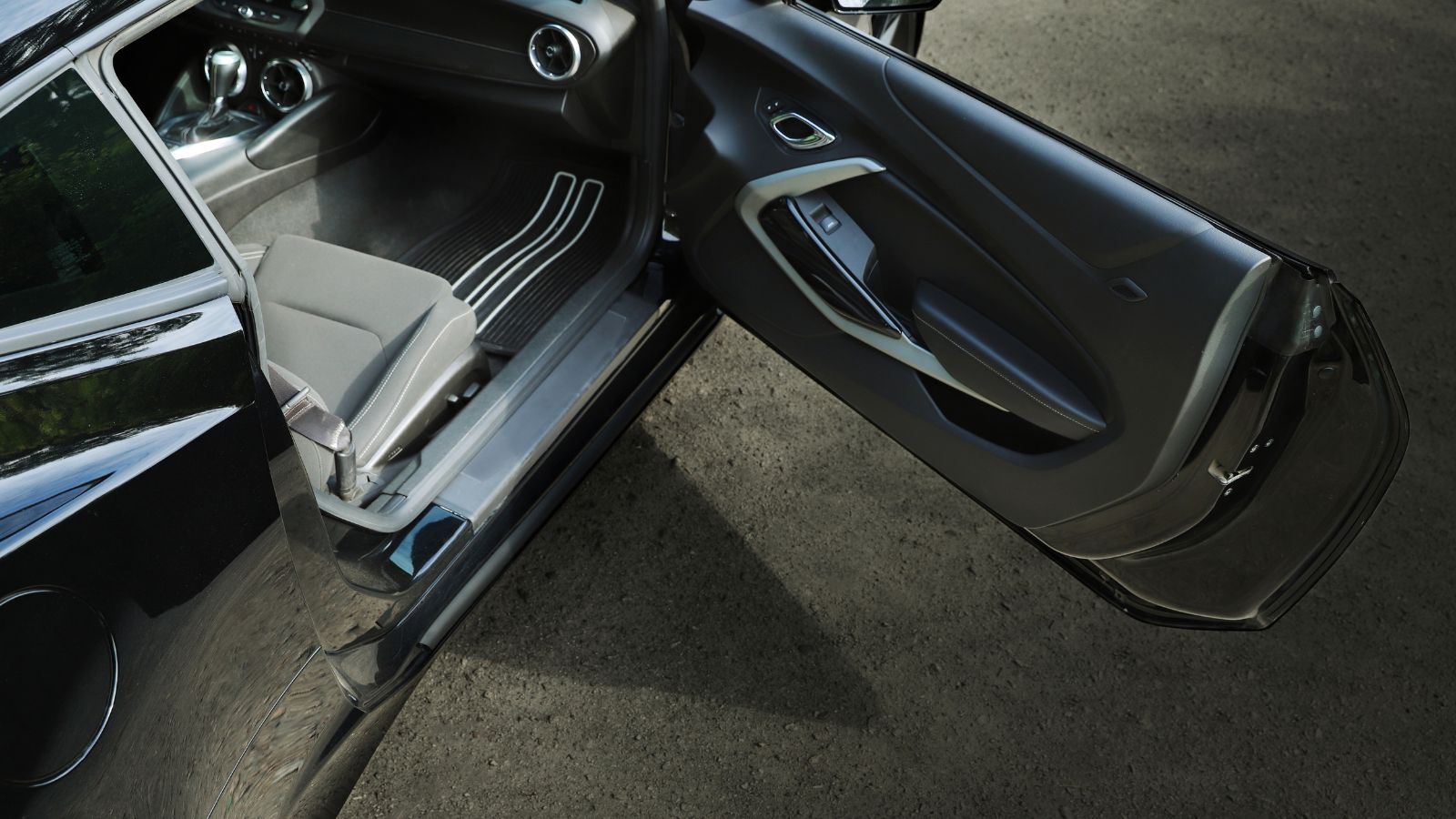
Road salt does not stay outside. Boots carry slush and salt into the cabin, where it melts into carpets, mats, under-padding, seat tracks, and sometimes wiring routes. White crust on winter floor mats looks like a cleaning problem, but the bigger issue is moisture held against materials for long periods.
If the liquid reaches the metal floor pan beneath worn carpet or damaged insulation, corrosion can work from the inside out. The first signs may be musty odours, stiff carpet, rusty seat bolts, or dampness that never seems to fully dry. Heavy-duty rubber mats with raised edges help, but they still need to be emptied and cleaned. Otherwise, they simply become trays holding saltwater inside the cabin.
Wheel Hardware and Aluminum Parts Can Suffer Pitting
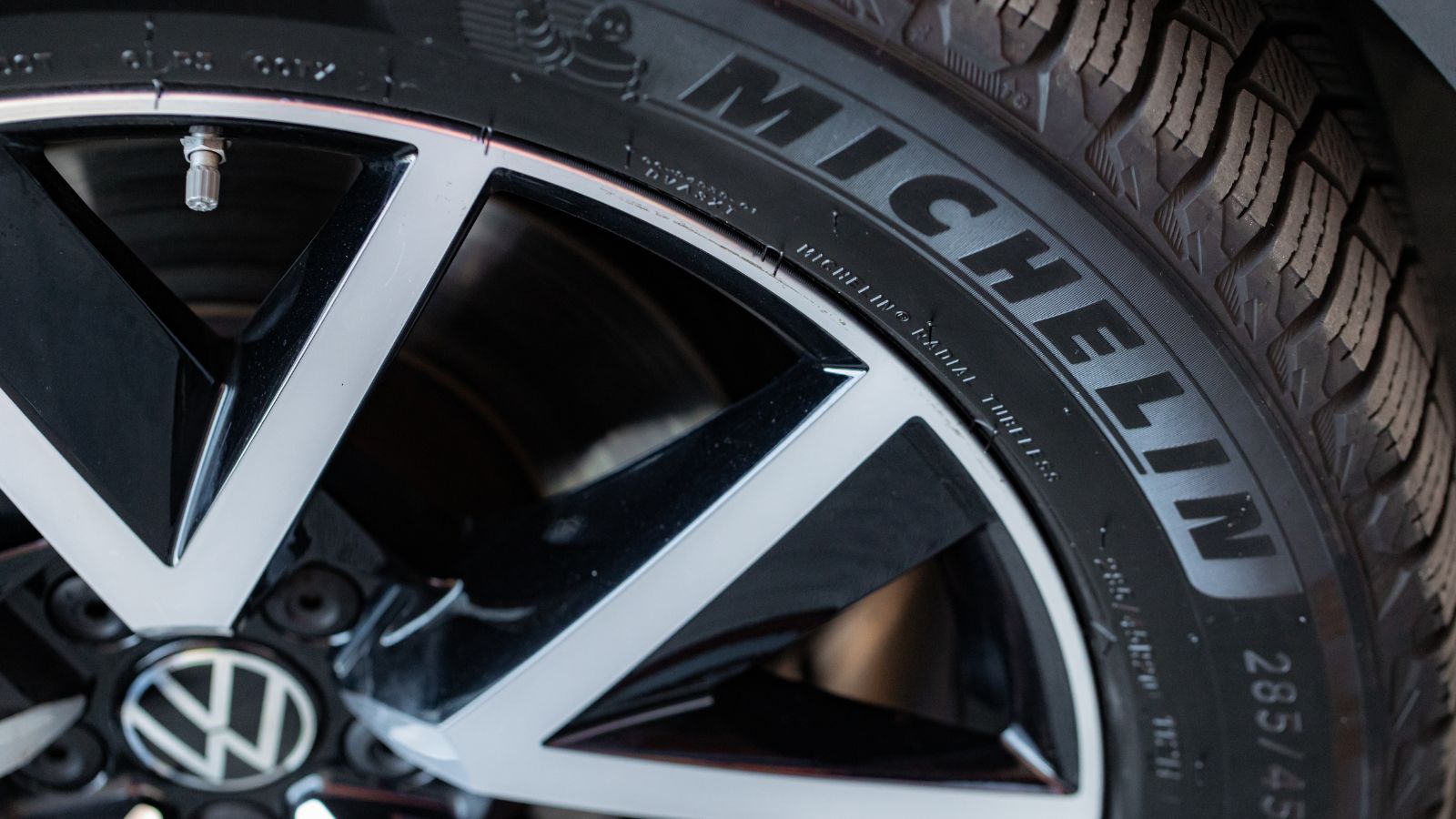
Salt can be hard on wheels, lug hardware, valve stems, brake backing plates, and aluminum suspension or body components. Aluminum does not rust like steel, but it can corrode, pit, and develop white oxidation. Clear-coated alloy wheels often show winter damage around curb rash, stone chips, centre caps, and lug openings where coatings are broken.
The late surprise often happens during tire swaps. Lug nuts may be swollen or seized, wheel hubs may stick, and wheel finishes may show bubbling that was hidden under winter grime. This is more than appearance. Corroded mounting surfaces can make service harder, and damaged valve stems can contribute to slow leaks. Cleaning wheel wells and wheels during winter helps remove the salt packed closest to brakes and suspension.
Small Rust Spots Can Hurt Resale Value
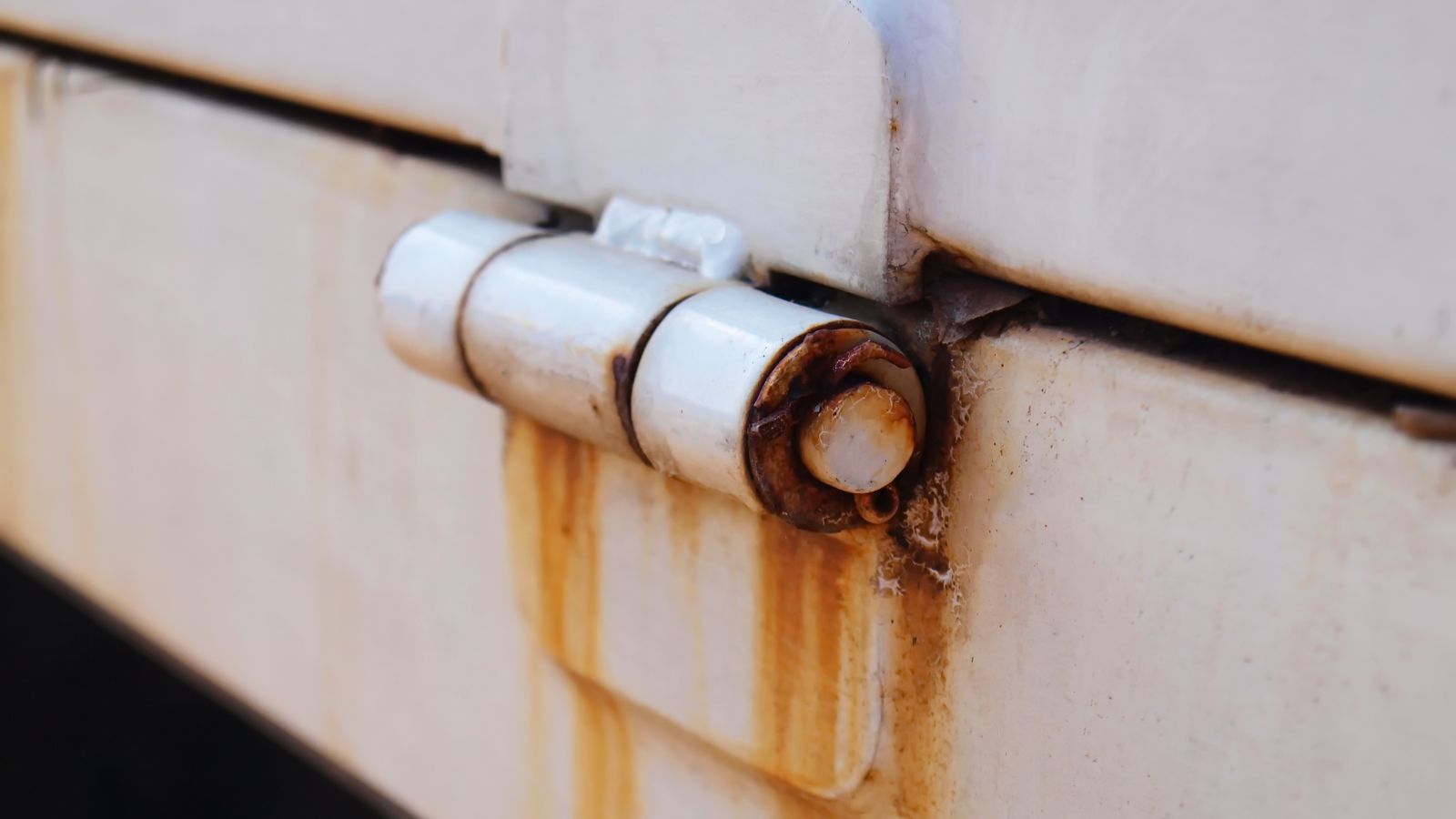
Road salt damage often becomes a financial problem before it becomes a breakdown. Buyers, dealers, and mechanics know that visible rust may hint at worse corrosion underneath. Rust around wheel arches, rocker panels, brake lines, subframes, or door seams can lower trade-in offers, complicate safety inspections, and make private buyers hesitate.
The sting is that many owners only discover the value loss when they are ready to sell. A vehicle may have a clean interior, good tires, and a strong engine, yet still receive a lower offer because corrosion suggests future repairs. In salt-heavy regions, maintenance records, regular washing, rustproofing history, and clean underbody photos can help. Still, once rust becomes structural or visibly advanced, the market usually prices the risk quickly.
Delayed Washing Lets Salt Keep Working After Winter
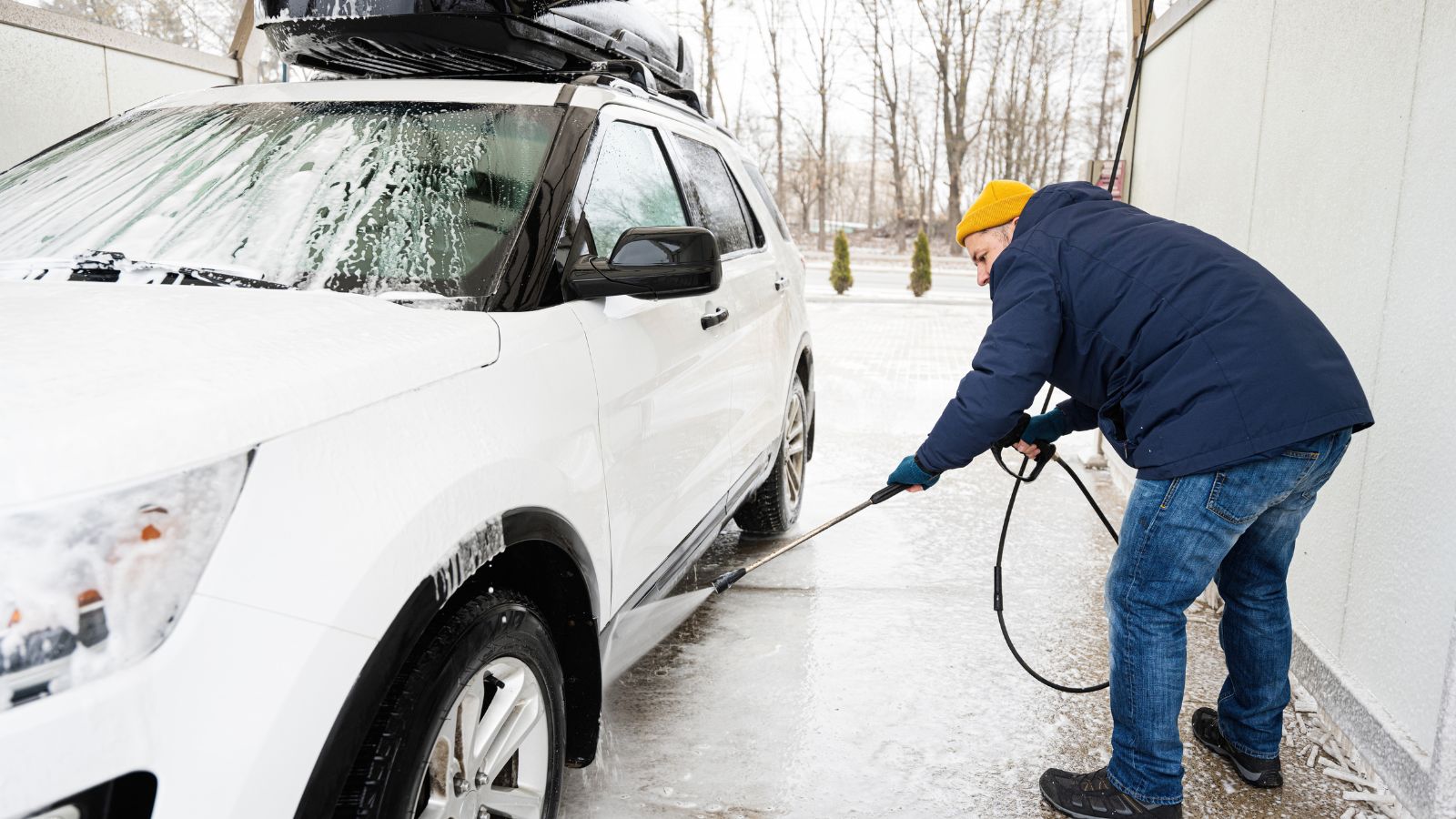
Spring sunshine can create a false sense of safety. Road salt does not disappear just because snowbanks shrink. It can remain packed in wheel wells, underbody seams, skid plates, splash shields, brake components, and door jambs. When rain, puddles, or washing reintroduce moisture, old salt deposits can become active again.
Regular winter washing is one of the simplest ways to slow the damage, especially when the undercarriage is included. Industry guidance commonly emphasizes washing every couple of weeks in heavy salt exposure and giving extra attention to the underside, wheel wells, rocker panels, and door jambs. The key is timing: cleaning after storm cycles and again in early spring removes the residue before it spends another season hiding in the vehicle.
22 Things Canadians Do to Their Cars in Spring That Mechanics Hate
Spring brings relief to many Canadian drivers after months of snow, freezing temperatures, and icy roads that put serious strain on vehicles. As temperatures rise across the country, drivers begin washing cars, switching tires, and preparing vehicles for warmer weather and upcoming road trips. However, mechanics across Canada notice the same mistakes every spring when drivers attempt to recover from winter damage. Road salt, potholes, and harsh winter driving conditions often leave vehicles with hidden problems that drivers ignore. Some spring habits even create new mechanical issues that could have been avoided with proper maintenance. Here are 22 things Canadians do to their cars in spring that mechanics hate.