


























A freezing car can turn ordinary belongings into cracked containers, ruined supplies, or safety hazards before morning. Winter damage is not always dramatic; sometimes it looks like a separated lotion, a dead phone, a swollen can, or medication that no longer works as expected. Cold interiors can also dip below outdoor temperatures after hours of still air and radiating metal. These 15 common items deserve a warmer place before the doors are locked for the night.
Prescription Medications and Insulin

A glove box is a terrible medicine cabinet during a deep freeze. Many prescriptions are designed for controlled room temperature, and some refrigerated products are especially sensitive to freezing. Insulin is the clearest example: once it has frozen, it may break down and become less effective, even if it later thaws and looks normal. That is a serious risk for anyone relying on precise dosing.
The tricky part is that damage is not always visible. A bottle of liquid medicine might cloud, separate, or change texture, but tablets and capsules can look unchanged after exposure. Anyone who finds medication left overnight in a freezing car should avoid guessing. The safest next step is checking the label, calling a pharmacist, and replacing temperature-sensitive medicine when advised.
Canned Food and Glass Jars
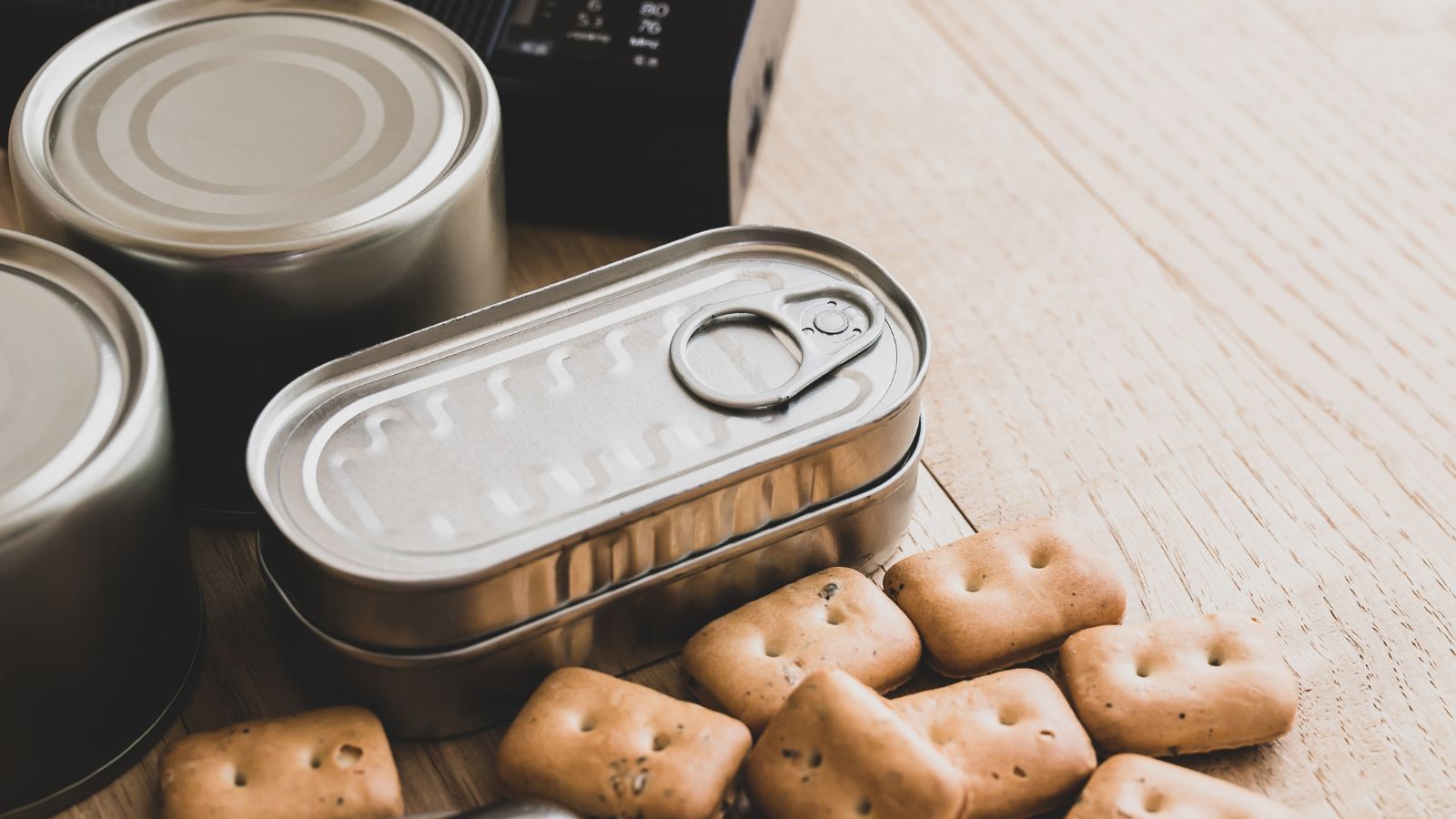
Canned soup, beans, vegetables, and sauces seem rugged enough for a trunk, but freezing can put pressure on the container. Many canned foods contain plenty of water, and water expands as it turns to ice. If that expansion breaks a seam, pops a lid, or leaves a can bulging, the food may no longer be safe.
Glass jars add another problem: cracking. A jar of pasta sauce or pickles can split when the liquid inside expands, leaving glass fragments and food all over the cargo area. If canned food freezes but the seams remain intact, it may still be usable after careful thawing. Bulging, leaking, broken seals, strange odours, or room-temperature thawing after damage are warning signs to discard it.
Bottled Water
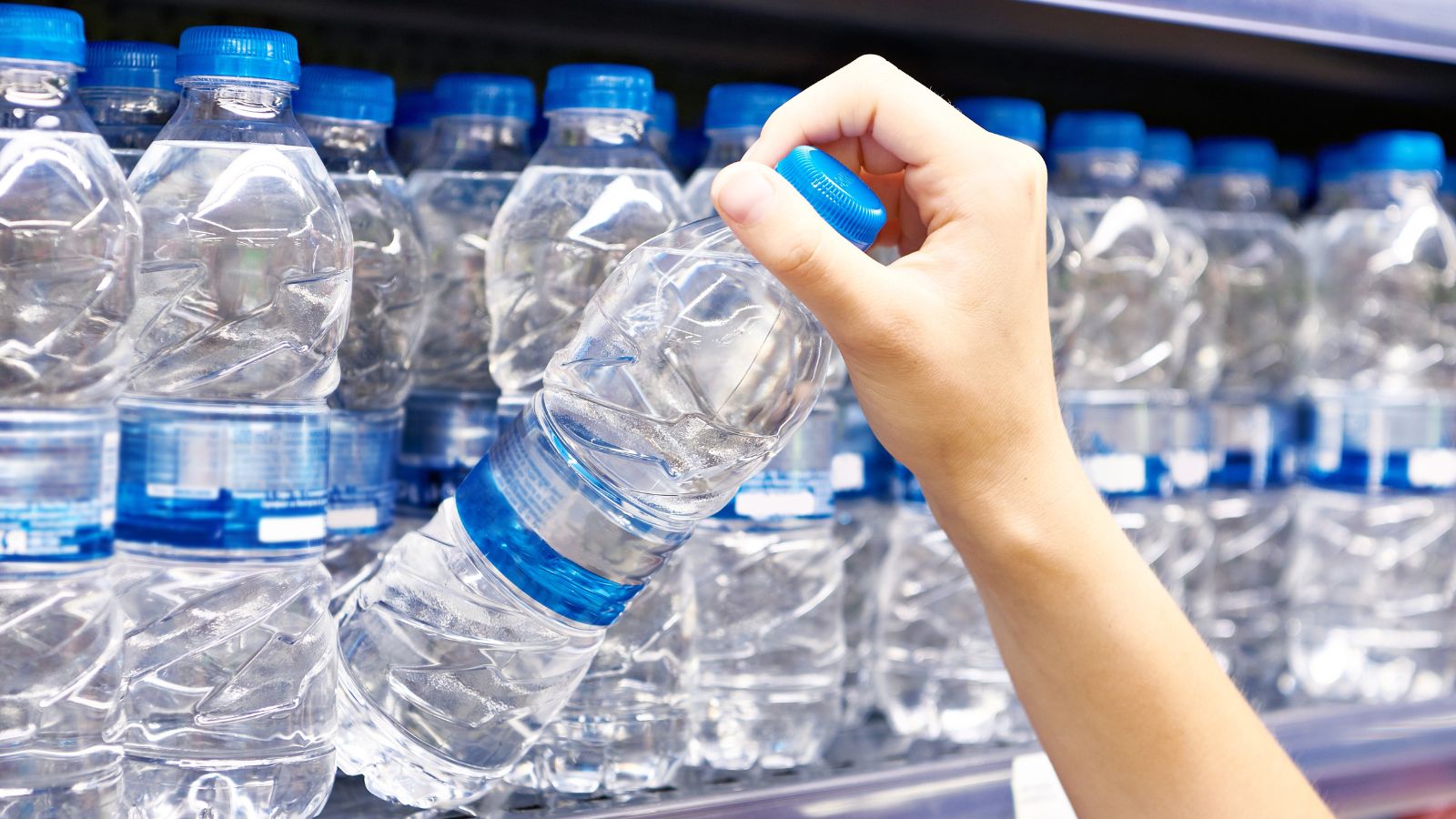
Keeping emergency water in a vehicle is smart, but sealed full bottles are not ideal during hard freezes. Water expands by roughly 9 percent when it freezes, and a tightly capped bottle gives that expanding ice very little room to move. Plastic bottles may bulge, split, or push caps loose, especially after repeated freeze-thaw cycles.
The mess can be bigger than expected. One cracked bottle in a door pocket can soak papers, freeze into carpet fibres, or leave a slippery puddle that refreezes overnight. For winter preparedness, drivers often do better with partially filled, freeze-tolerant containers stored in a bin, or with water rotated indoors during extreme cold. Emergency supplies help most when they survive the emergency.
Soda, Beer, Wine, and Carbonated Drinks
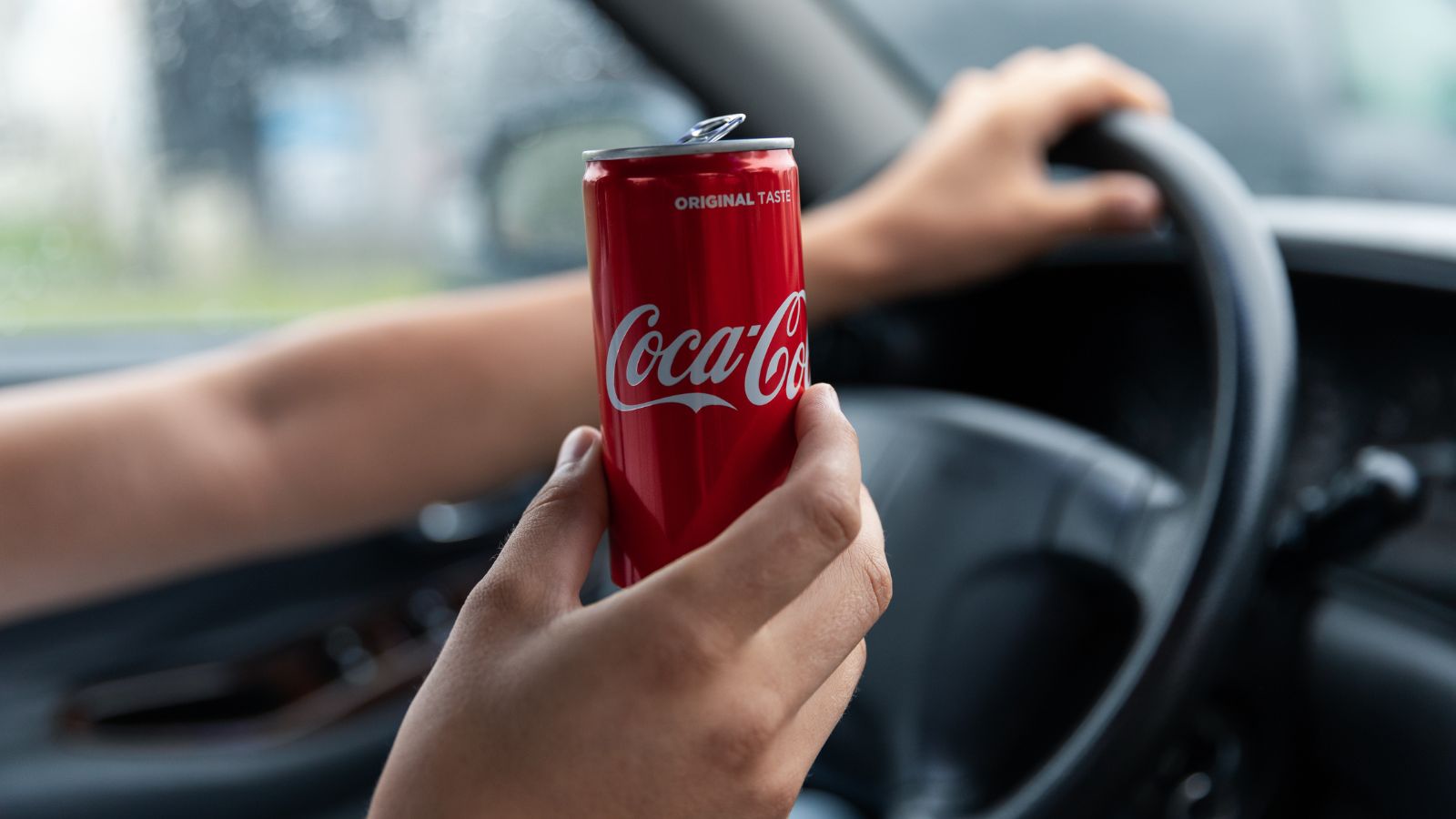
Carbonated drinks are even more unpredictable than plain water. As the liquid freezes, water expands and carbon dioxide can be forced out of solution, raising internal pressure inside a nearly full can or bottle. The result may be a bulging can, a blown seam, or a sticky explosion across the seat, trunk liner, or floor mat.
Beer and wine are not automatically protected by alcohol, especially lower-alcohol bottles and cans with a high water content. A forgotten six-pack after a holiday stop can become a slushy cleanup job by morning. Even if the container does not burst, freezing can change texture, push corks, distort cans, and leave residue that is hard to remove once the car warms up.
Phones, Tablets, and Laptops
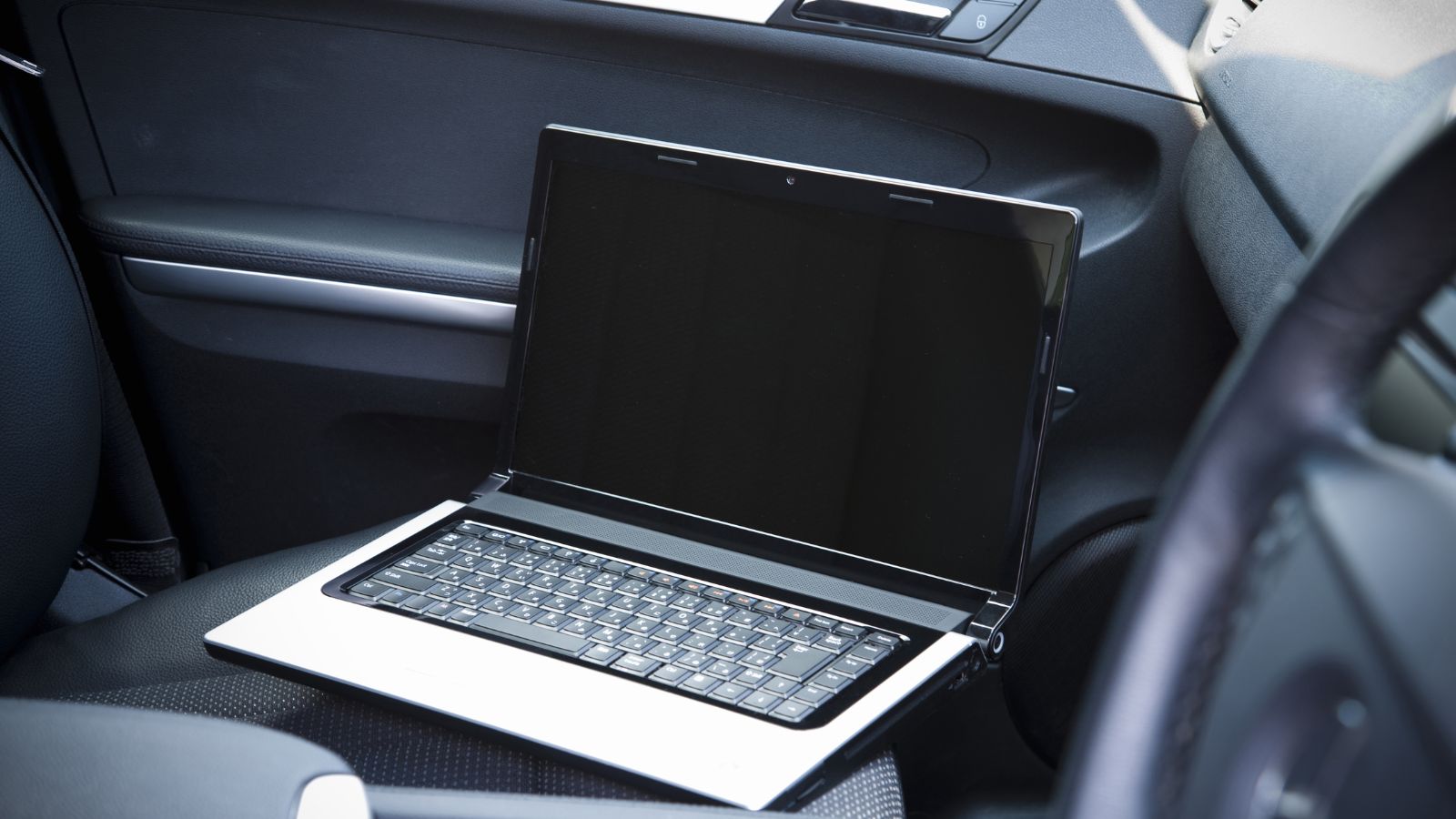
Modern electronics dislike temperature extremes. Phones and tablets can temporarily lose battery life, shut down, stop charging, or disable features when they get too cold. Laptops are also built with operating and storage temperature ranges, and a car interior in winter can move outside those limits during a long overnight freeze.
There is also the warm-up problem. Bringing a frozen device into a warm kitchen or office can encourage condensation on cold surfaces, especially around ports, screens, and internal components. The cautious approach is simple: bring electronics inside, let them return gradually to room temperature before use, and avoid charging them while they still feel ice-cold.
Power Banks and Battery Jump Starters
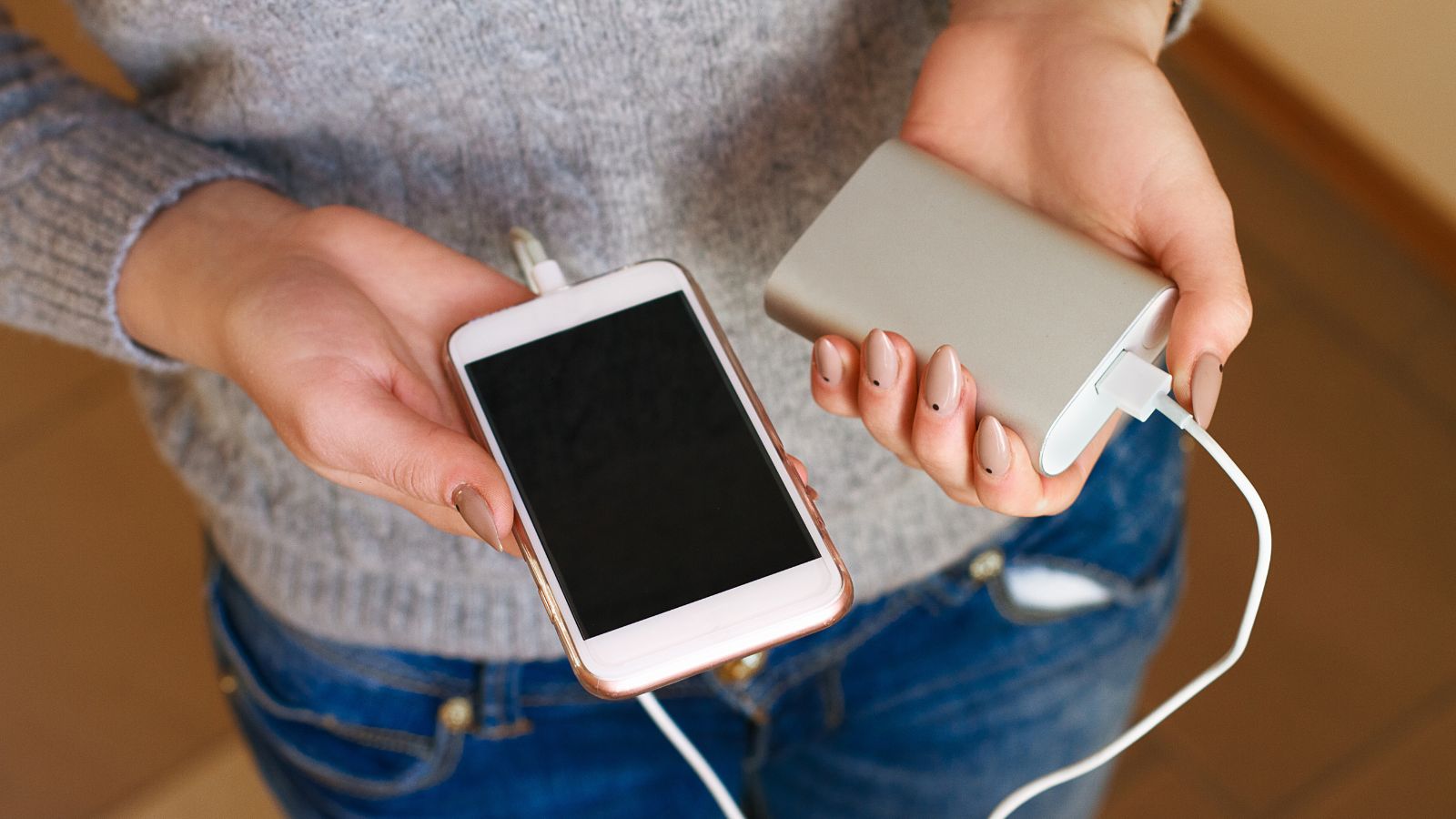
Portable battery packs, cordless-tool batteries, and lithium jump starters are useful winter gear, but they are not immune to winter. Lithium-ion batteries can lose power output in low temperatures, and charging them while they are below freezing can increase the risk of lithium plating, a battery-aging process that can permanently reduce capacity.
That matters because drivers often discover the problem exactly when they need help. A jump starter left in the trunk for weeks may show a healthy indicator indoors but deliver weaker performance outside in bitter weather. The better habit is to store portable battery tools indoors, charge them at room temperature, and only move them to the vehicle when travel conditions call for them.
Baby Formula and Prepared Bottles
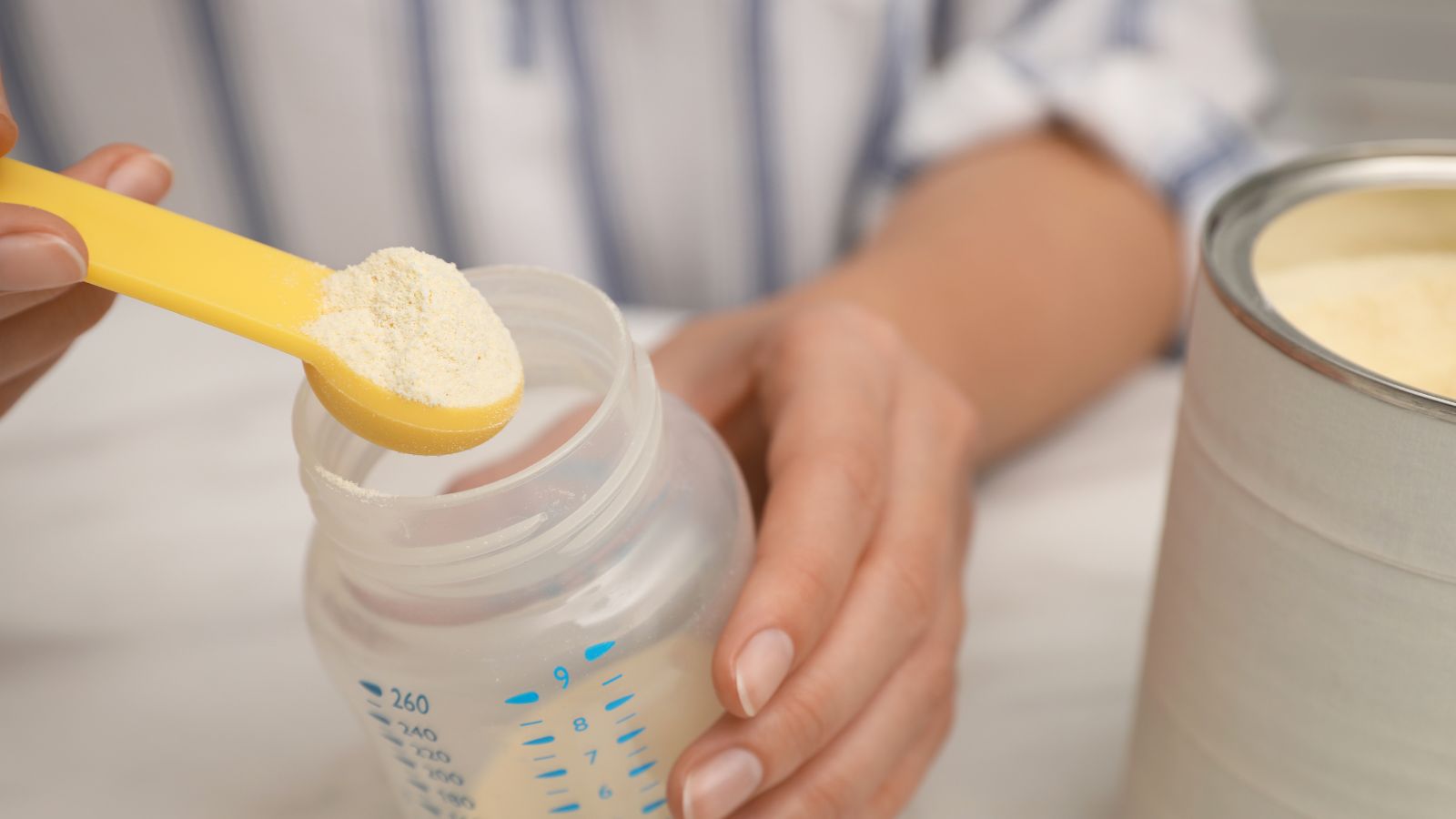
Prepared infant formula should not be treated like an ice pack. Freezing can affect the consistency and nutrient balance of formula, which is why public health guidance warns against freezing it. Prepared bottles also have strict storage windows: they belong in a refrigerator when made ahead, not in a freezing car seat pocket overnight.
Parents and caregivers often carry extra bottles during errands, winter travel, or childcare drop-offs. That routine becomes risky when a bottle is forgotten in a parked vehicle. A frozen-and-thawed bottle may look usable, but infant feeding is not a place for guesswork. Freshly prepared formula, properly refrigerated backups, and insulated carriers are safer than relying on whatever survived the car overnight.
Eggs and Fresh Groceries
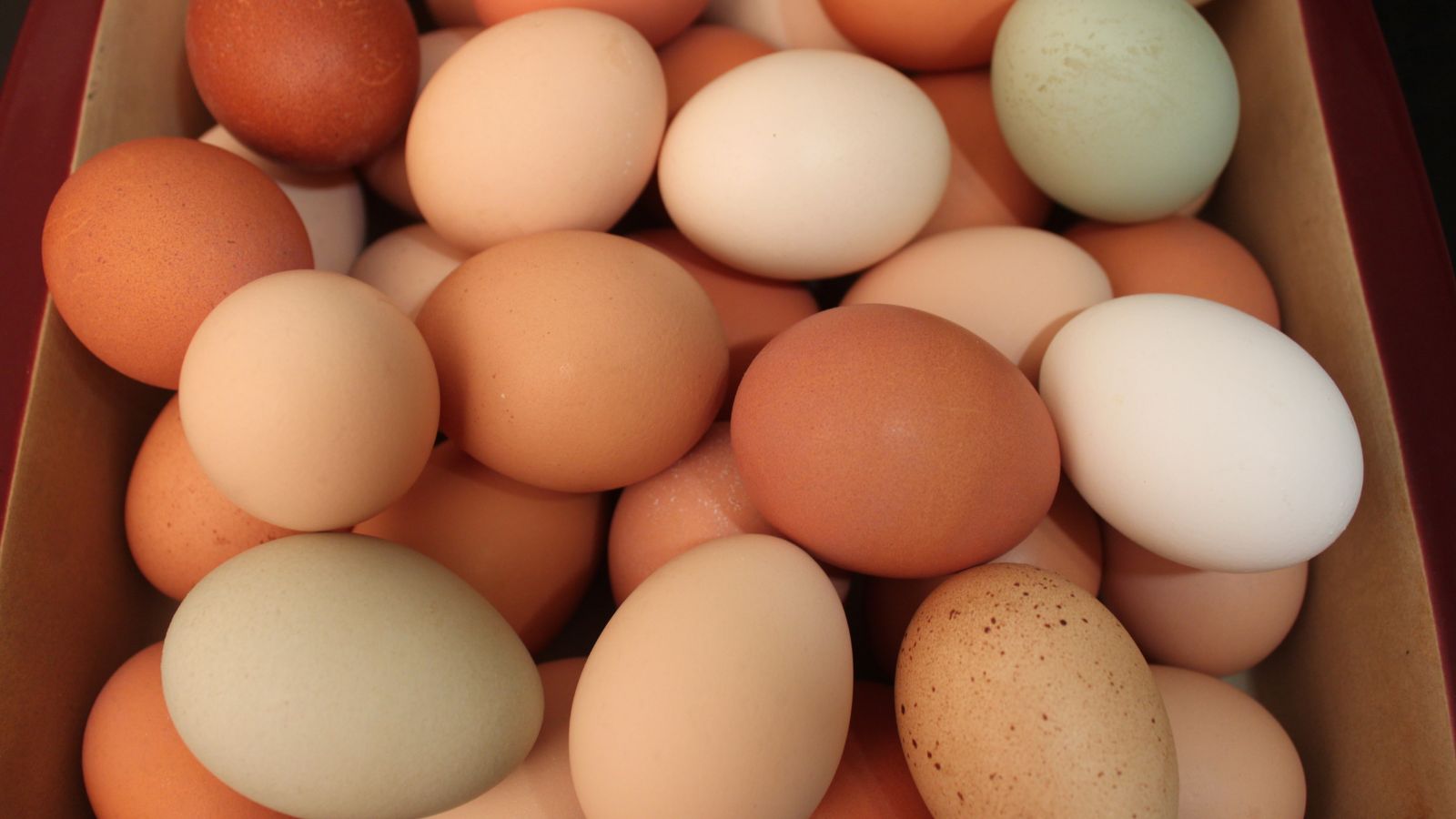
Eggs can crack when frozen in their shells because the contents expand. A cracked shell creates a food-safety concern, and official guidance recommends not freezing eggs in the shell at all. A carton forgotten in the back seat may look fine until one egg leaks into the cardboard, freezes again, and spreads contamination across the carton.
Fresh produce can suffer too. Lettuce, herbs, cucumbers, berries, and other water-rich foods often come out limp or glassy after freezing because ice crystals damage plant cells. Some frozen groceries are still safe if kept cold, but quality may be ruined. A ten-minute grocery stop that turns into an overnight mistake can turn a fresh haul into compost.
Aerosol Cans
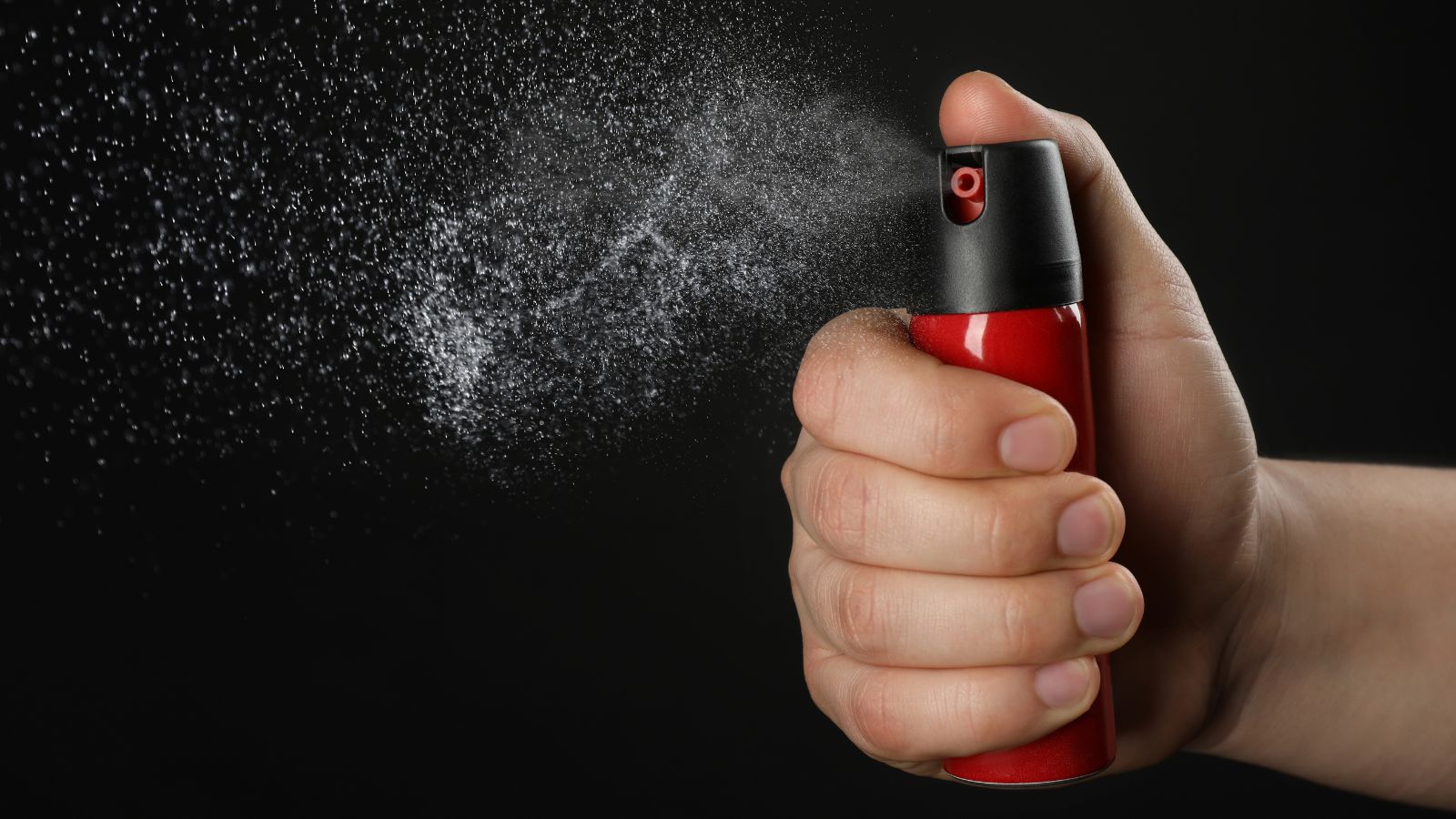
Hairspray, dry shampoo, spray paint, disinfectant spray, and some automotive products are pressurized containers, which makes them poor candidates for uncontrolled storage. Extreme cold can thicken or freeze some contents, clog valves, weaken spray performance, and make the can behave unpredictably when it warms again. The risk depends on the product, propellant, fill level, and container condition.
The practical concern is not only danger, but damage. A can that leaks, cracks, or discharges can coat upholstery, leave solvent odours, or stain surfaces. Spray paint and beauty aerosols are especially frustrating because cleanup may require more than wiping. Manufacturer labels usually state storage ranges, and a heated home shelf is safer than a freezing trunk.
Paint, Caulk, and Adhesives

Paint and sealants are easy to forget in a vehicle after a home-improvement run. Water-based products can separate, turn grainy, thicken, or lose their ability to spread smoothly after freezing. Some acrylic caulks may not recover well, while silicone products may thicken even when they are less likely to be ruined outright.
The bigger cost appears later. A half-frozen tube of caulk may seem usable until it fails to bond, cures badly, or cracks along a window frame. Paint can look mixed in the can but dry with poor texture or uneven coverage. Storing these products away from extreme heat or cold protects both the material and the work that depends on it.
Cosmetics and Skincare Products
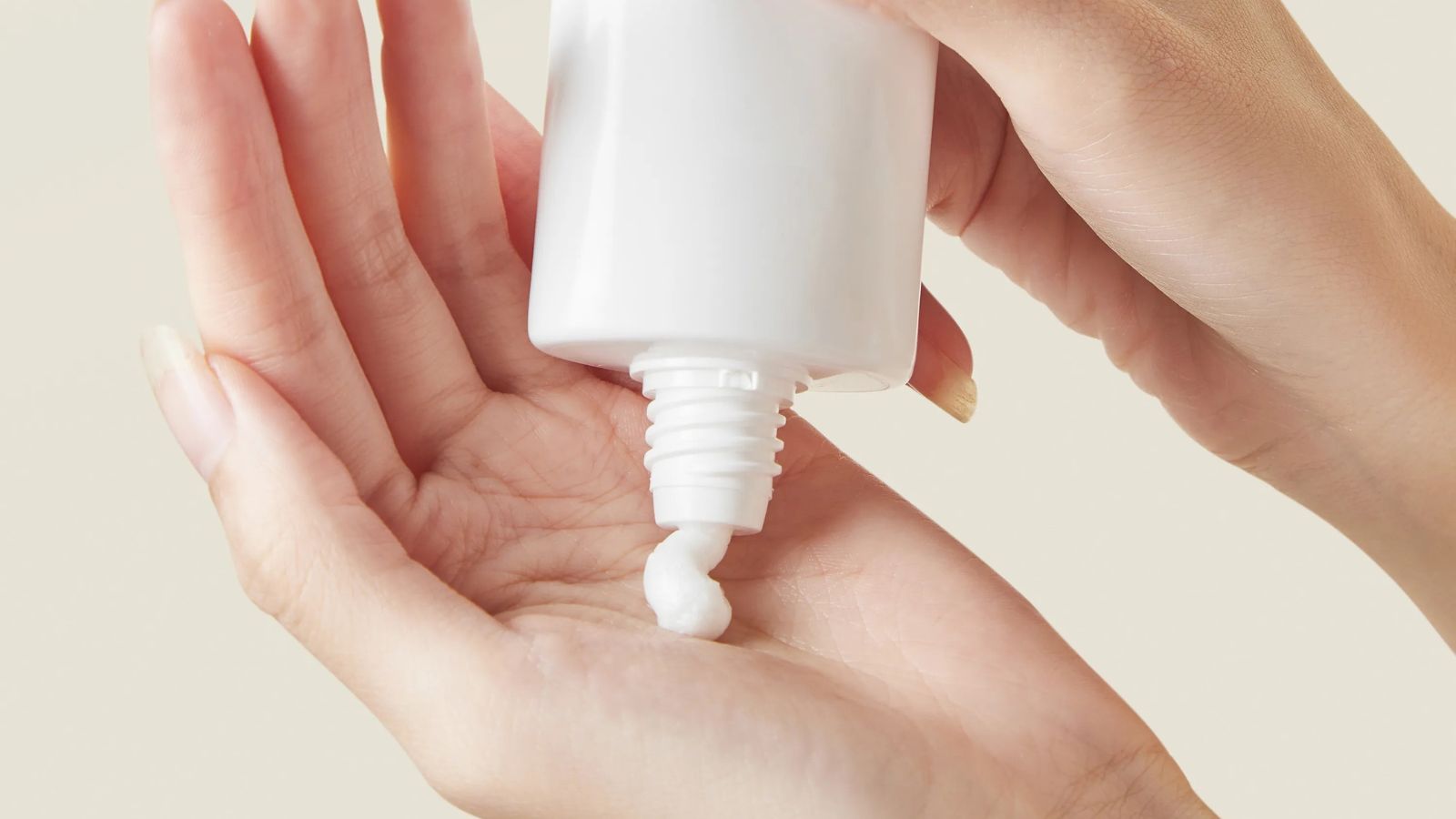
Creams, lotions, liquid foundations, mascara, and serums are often emulsions, meaning water and oil-based ingredients are carefully blended to stay stable. Freezing and thawing can disrupt that balance. The product may separate, turn grainy, cloud, clump, or feel different on the skin even after it returns to room temperature.
A makeup bag left overnight in the car can quietly become expensive waste. Lipsticks may sweat or crack after temperature cycling, pump bottles can clog, and glass skincare droppers can break if the formula expands. Products used near the eyes deserve extra caution because texture changes and contamination risks matter more there. If a cosmetic smells odd, separates permanently, or changes appearance, replacing it is the safer choice.
Eyeglasses and Contact Lens Supplies

Eyeglasses may seem harmless in a console, but lenses and coatings can react poorly to extreme temperatures. Anti-reflective coatings can develop fine web-like cracks known as crazing when exposed to temperature stress. Plastic frames may also become more brittle in deep cold, increasing the chance of a snapped arm or warped fit.
Contact lens supplies deserve similar care. Multipurpose solutions are tested for stability and antimicrobial performance under defined conditions, not for being frozen in a parked vehicle. A frozen lens case or bottle of solution should not be treated casually, especially because eye irritation and infection risks can be serious. Bringing glasses and lens supplies inside is a small habit that protects both comfort and vision.
Musical Instruments

Guitars, violins, woodwinds, and other instruments do not like sudden cold, dry air, or fast warm-ups. Wood expands and contracts with temperature and humidity changes, while winter dryness can pull moisture from soundboards, necks, bridges, and reeds. Cracks, sharp fret edges, warped parts, and tuning instability can appear after repeated exposure.
A student leaving a violin in the trunk after evening practice may not notice the damage immediately. The case comes inside, the instrument warms too quickly, and the wood begins adjusting under tension. Repairs can cost far more than the inconvenience of carrying it indoors. If an instrument has been left in the cold, it should warm slowly in its closed case before being opened.
Houseplants and Cut Flowers
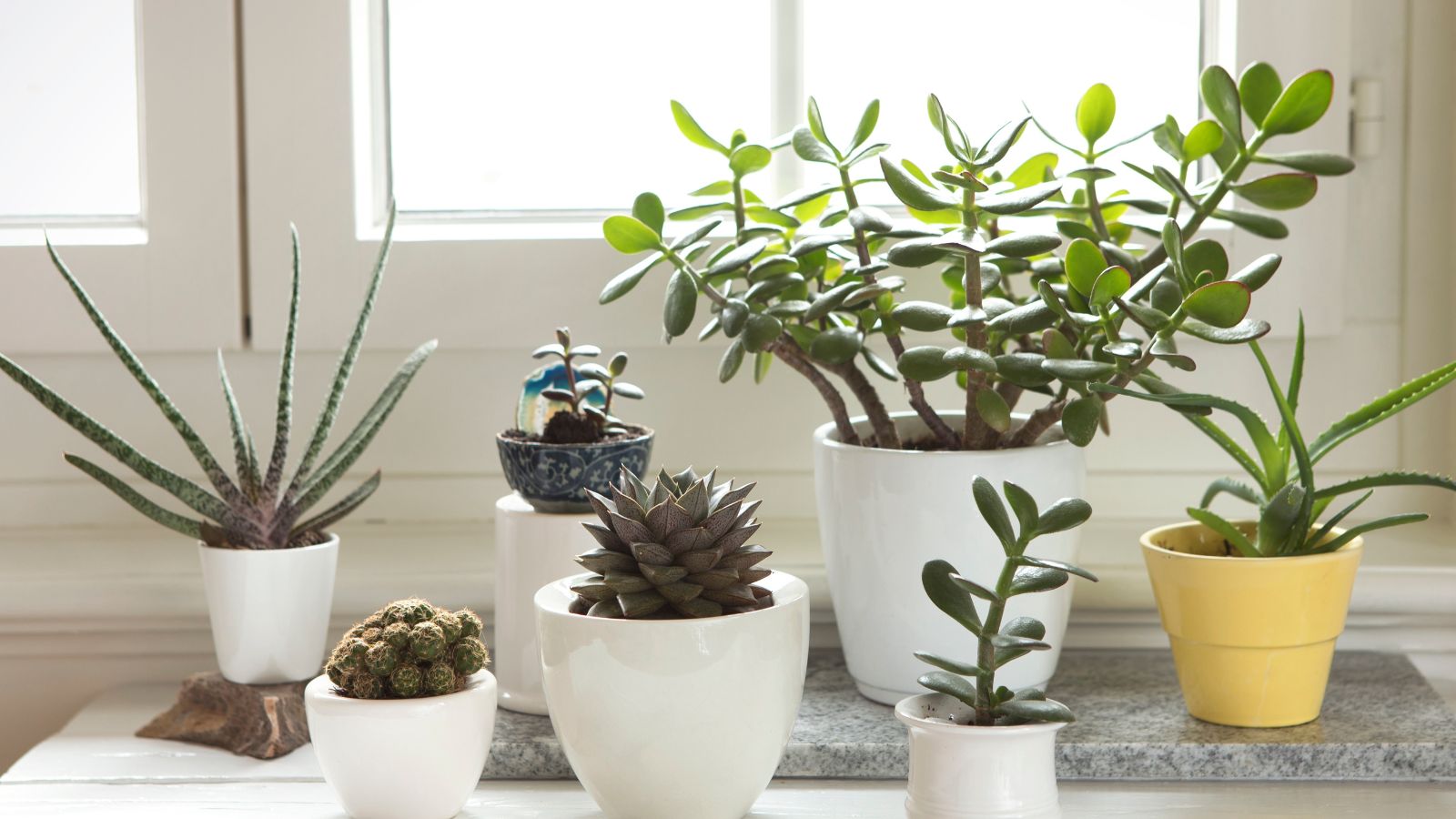
Houseplants and bouquets can suffer cold injury quickly inside a parked vehicle. Plant tissues contain water, and when that water freezes, it can expand and damage cell walls. Leaves may turn dark, mushy, translucent, or brown hours after exposure, which is why a plant can look alive at pickup and collapse later at home.
Tropical houseplants are especially vulnerable because many are adapted to warm indoor conditions rather than freezing air. A poinsettia, orchid, basil plant, or bouquet sitting overnight in a car can be permanently damaged before sunrise. Even a short errand during extreme cold is risky without protective wrapping. Plants should travel last, come indoors first, and stay out of unheated cargo spaces.
Pets, Even in a Carrier

Pets should never be left in a freezing car overnight, even in a crate, carrier, sweater, or blanket. Cats and dogs can develop frostbite and hypothermia, and a parked car can hold cold air like a refrigerator after the engine stops. Fur helps, but it does not make an animal safe in prolonged subfreezing conditions.
Small breeds, puppies, senior pets, short-coated animals, and pets with health problems are especially vulnerable. A dog waiting in the back seat after a late return home, or a cat carrier forgotten during unloading, can become an emergency quickly. Any pet exposed to dangerous cold and showing shivering, weakness, confusion, pale skin, or unusual quietness should be warmed gradually and checked by a veterinarian.
22 Things Canadians Do to Their Cars in Spring That Mechanics Hate

Spring brings relief to many Canadian drivers after months of snow, freezing temperatures, and icy roads that put serious strain on vehicles. As temperatures rise across the country, drivers begin washing cars, switching tires, and preparing vehicles for warmer weather and upcoming road trips. However, mechanics across Canada notice the same mistakes every spring when drivers attempt to recover from winter damage. Road salt, potholes, and harsh winter driving conditions often leave vehicles with hidden problems that drivers ignore. Some spring habits even create new mechanical issues that could have been avoided with proper maintenance. Here are 22 things Canadians do to their cars in spring that mechanics hate.