






















A tempting monthly payment can lose its shine once the insurance quote arrives. Some vehicles seem sensible because they are common, fuel-efficient, widely available, or surprisingly cheap on the used market, yet insurers may see a different story: theft patterns, costly repairs, powerful engines, driver-risk data, and regional claims history.
These 18 cars and everyday vehicles show how an affordable sticker price can hide a more expensive ownership equation. The issue is not that every driver will pay more, because postal code, age, record, coverage, and insurer all matter. The real lesson is simpler: the quote should be checked before the deal feels finished.
Honda Civic
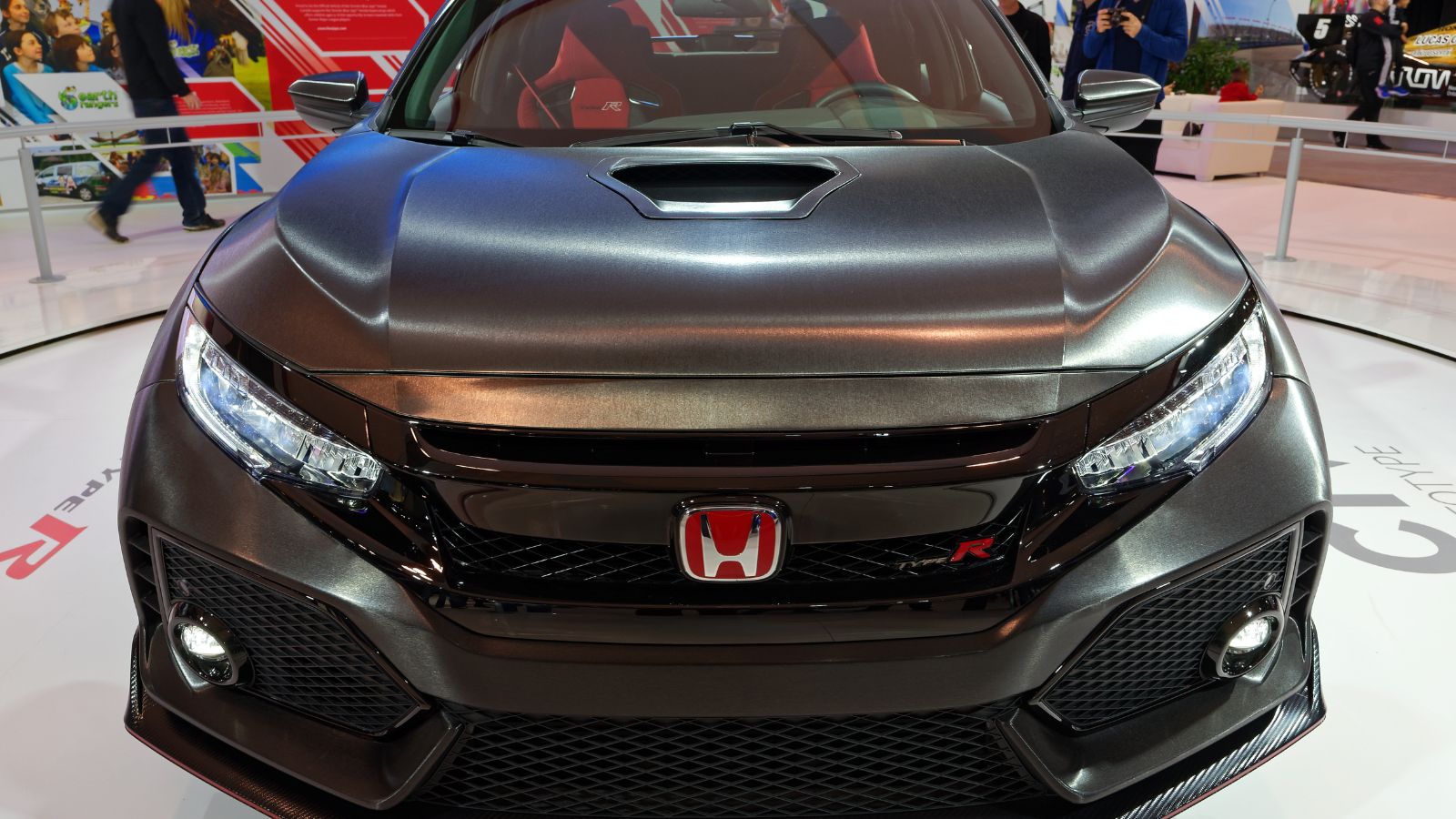
The Honda Civic has long been the default “safe choice” for commuters, students, and first-time buyers. It is efficient, familiar, and usually easy to service, which makes the purchase price feel manageable. That reputation can make the insurance quote feel surprising, especially in areas where theft, collision frequency, or young-driver ownership patterns influence rating models.
Its popularity works both ways. A common car creates a large pool of real claims data, and insurers pay attention to how often a model is stolen, damaged, or involved in costly repairs. In Canada, recent theft lists have included the Civic among commonly stolen vehicles, while U.S. theft data has also shown it among high-volume stolen models. A cheap Civic on a used lot can still carry a quote shaped by thousands of similar claims.
Honda Accord
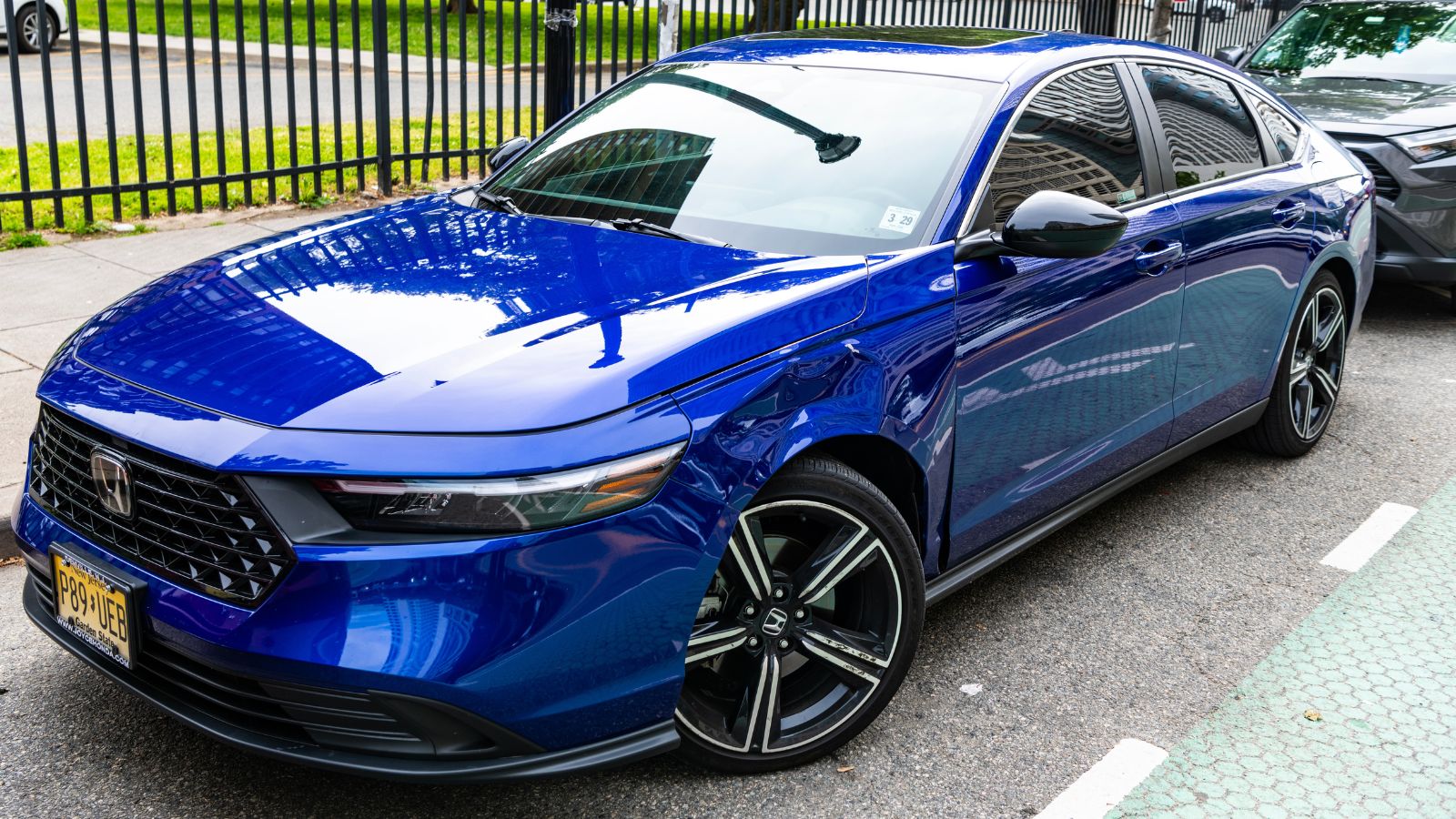
The Honda Accord often looks like a smart step up from a compact car: more room, strong reliability, and many used examples at reasonable prices. For families or commuters, it can feel like a grown-up bargain. Insurance pricing, however, may not treat it as ordinary if the model year, trim, theft history, or local claims record raises concerns.
Accords have appeared in both Canadian and U.S. theft data, which matters because comprehensive coverage responds to theft, attempted theft, vandalism, and related damage. Older Accords may also be attractive because parts remain useful and demand is steady. A buyer who focuses only on fuel economy and resale value may miss the insurance side until the quote shows that popularity can create risk as well as confidence.
Hyundai Elantra
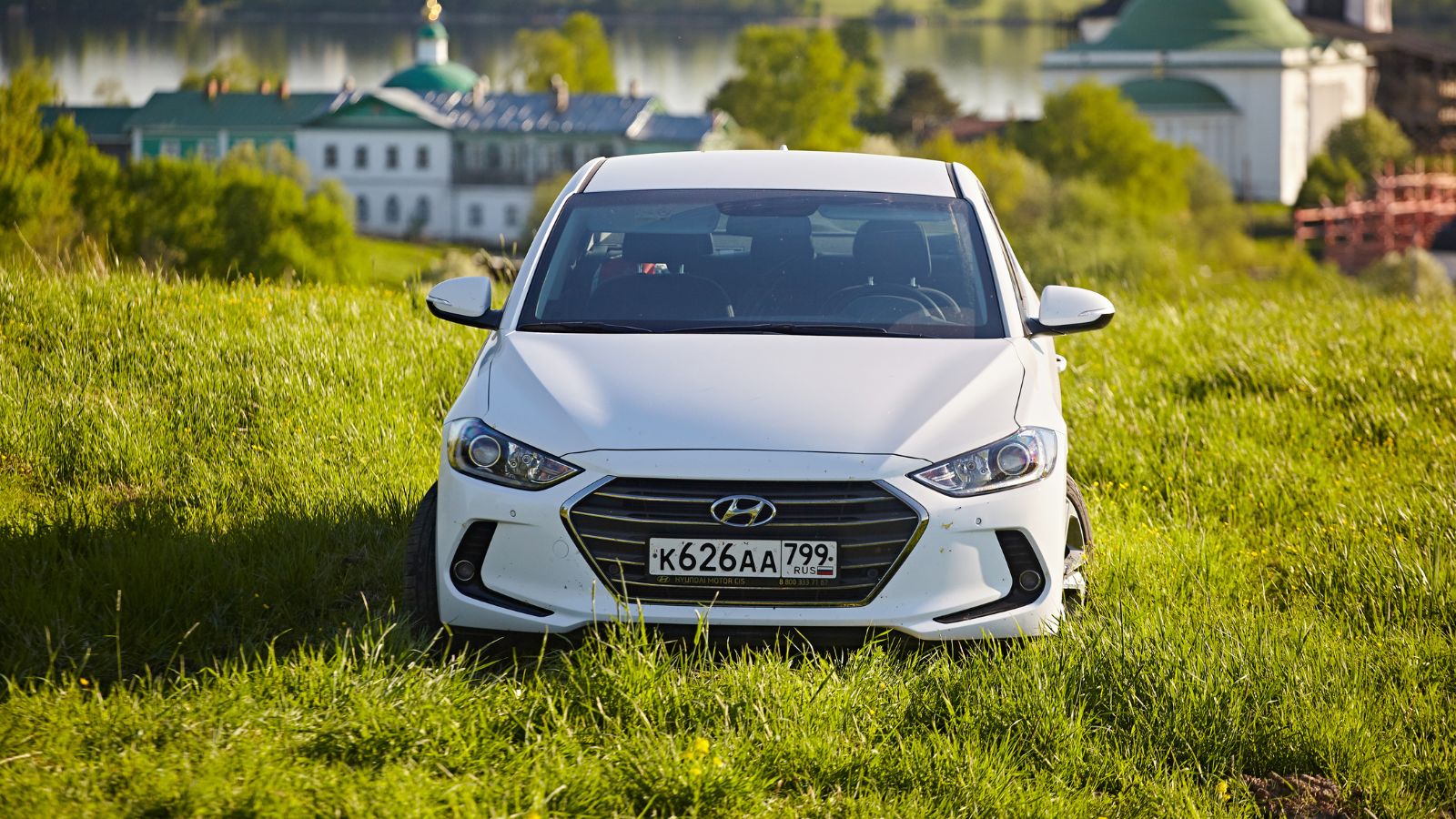
The Hyundai Elantra has become one of the most visible examples of a low purchase price colliding with insurance reality. Newer versions are competitively priced, fuel-efficient, and well equipped. Used versions can look especially appealing to budget shoppers. The problem is that some model years became tied to a major theft trend in the United States.
Many affected Hyundai and Kia vehicles lacked engine immobilizers, which contributed to theft spikes after social media videos spread stealing methods. Software updates have reduced theft claim frequencies, but insurers may still treat certain years, trims, and locations cautiously. For a buyer, that means the trim and VIN can matter as much as the badge. A cheap Elantra may be affordable to buy, but not always easy to insure cheaply.
Kia Forte
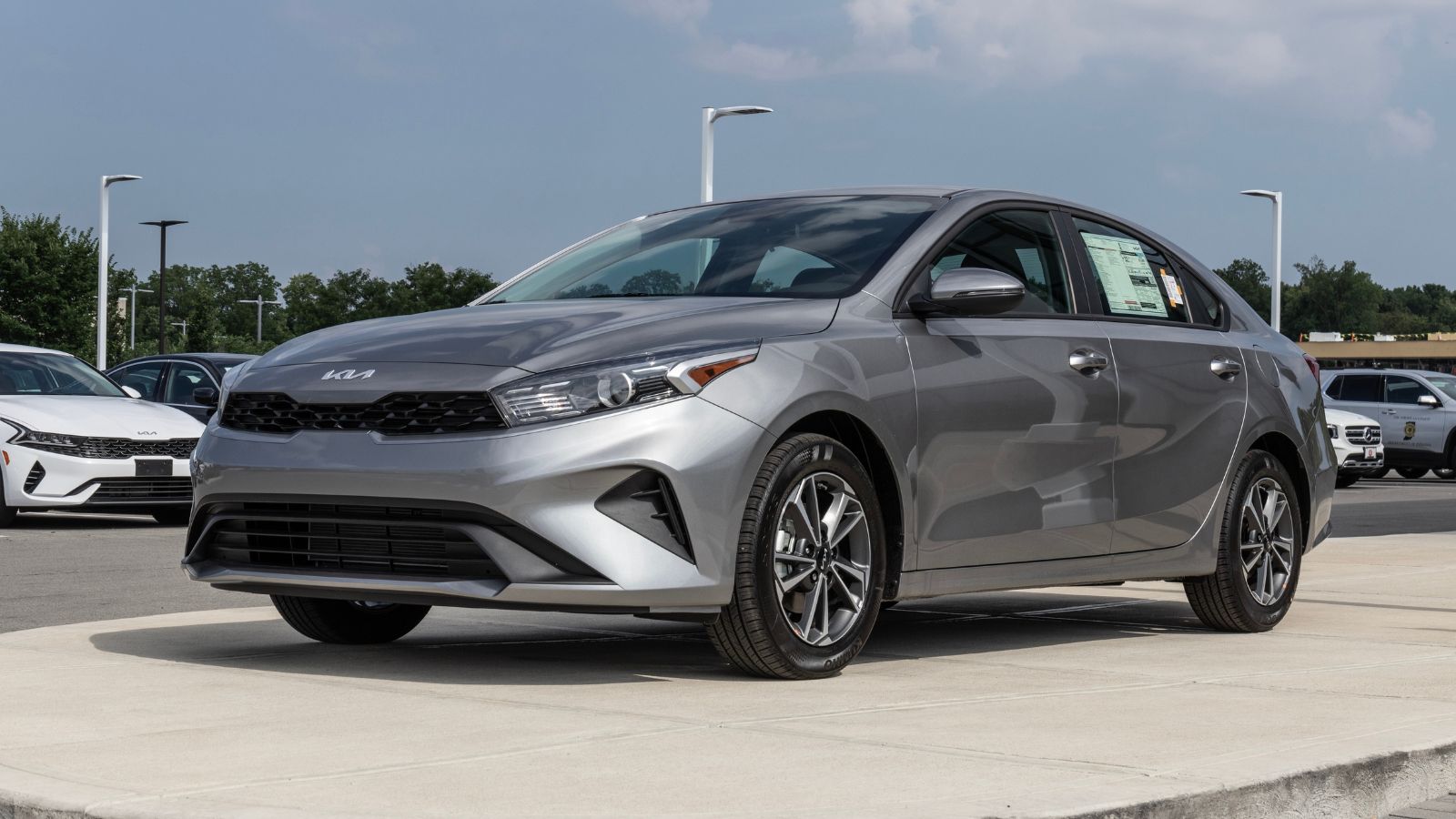
The Kia Forte, now succeeded by the K4 in some markets, has long appealed to buyers who want compact-car practicality without paying Honda or Toyota prices. It can look especially attractive used because depreciation often makes the monthly payment seem gentle. Insurance can complicate the picture for similar reasons that affected Hyundai models.
Certain Kia models without standard immobilizers experienced elevated theft losses, and the Forte has appeared in U.S. theft rankings. HLDI data has also identified Kia vehicles among models with higher whole-vehicle theft claim frequencies. Even when a specific Forte has received an anti-theft update, insurers may still look at claim patterns by model year and location. The result is a car that can feel cheap at purchase but less cheap after comprehensive coverage is added.
Nissan Altima
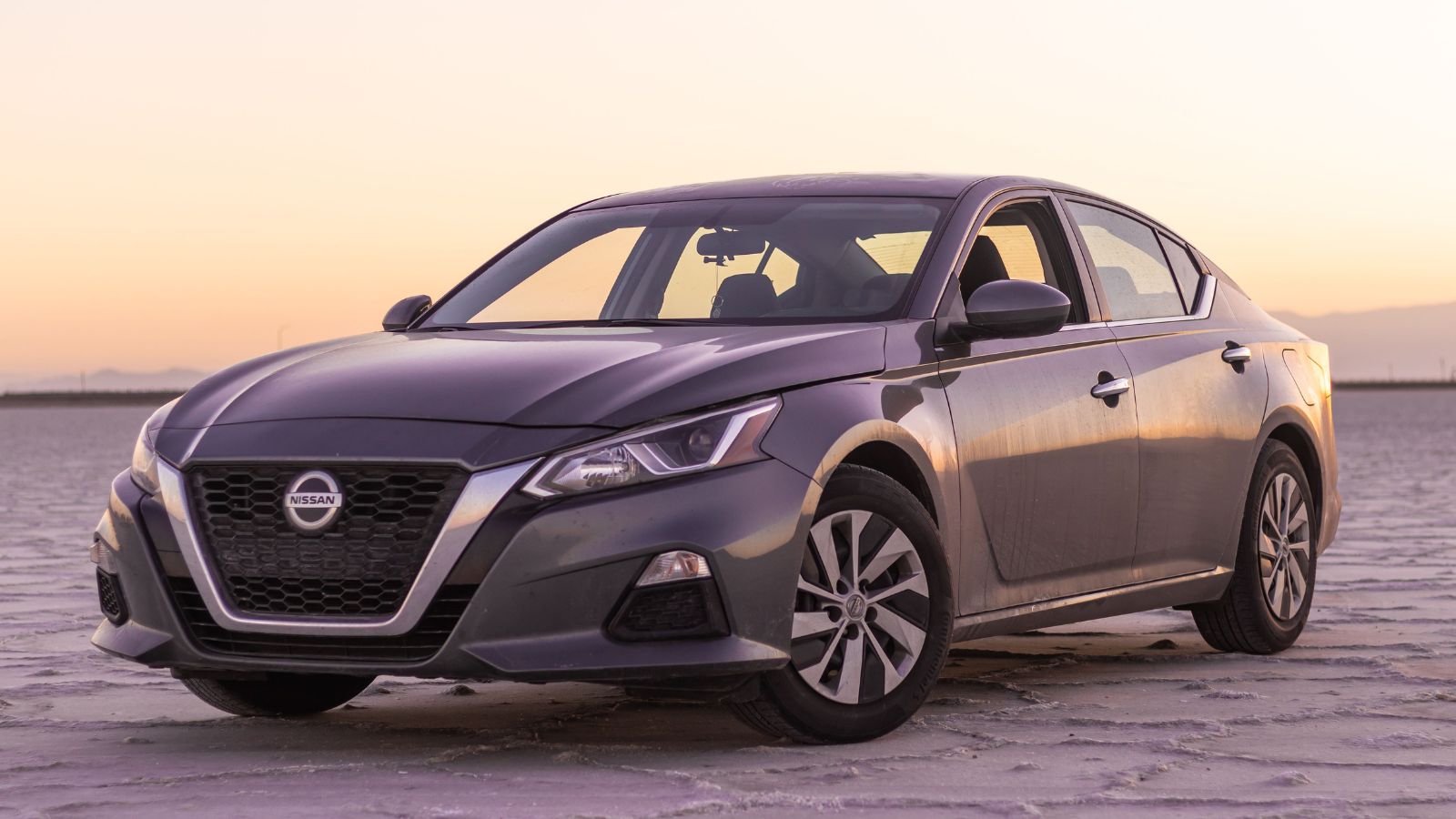
The Nissan Altima often sits in the sweet spot for shoppers who want midsize space without midsize-sedan prestige pricing. On the used market, Altimas can appear far more affordable than comparable Toyota or Honda models. That price gap can be tempting, especially for commuters who want comfort and decent fuel economy.
Insurance data can tell a more complicated story. Some insurance comparisons have placed certain Altima trims among costlier mainstream vehicles to insure, partly because insurers price for past claims, repair costs, driver profiles, and loss severity. The Altima also competes in a segment where many vehicles are used heavily for commuting, rideshare work, or high-mileage driving. A low selling price may be real, but the annual premium can narrow the savings quickly.
Toyota RAV4
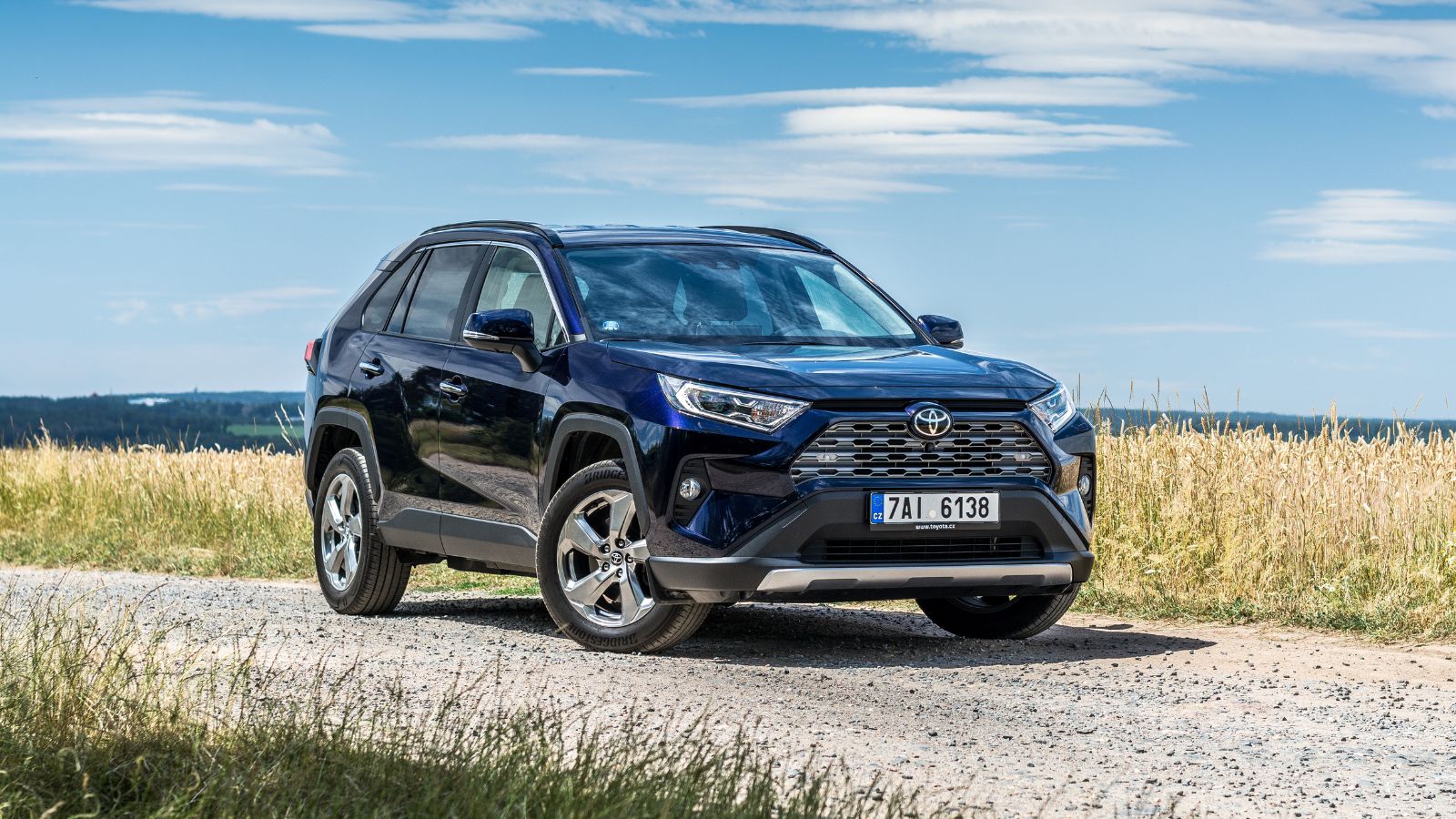
The Toyota RAV4 looks like a practical household decision: reliable, efficient, easy to resell, and available in large numbers. Used examples rarely feel exotic, and even newer trims are often cross-shopped against compact cars. That everyday image can mask a major insurance concern in some regions: theft.
Canadian theft reporting has identified the RAV4 as a major target, with newer SUVs affected by organized-theft patterns and keyless-entry vulnerabilities. A stolen RAV4 is not just a personal inconvenience; it feeds into broader claims costs that insurers must price into coverage. This is why a vehicle praised for reliability can still produce a quote that feels unexpectedly high. The more desirable it is to legitimate buyers, the more desirable it may be to thieves.
Honda CR-V
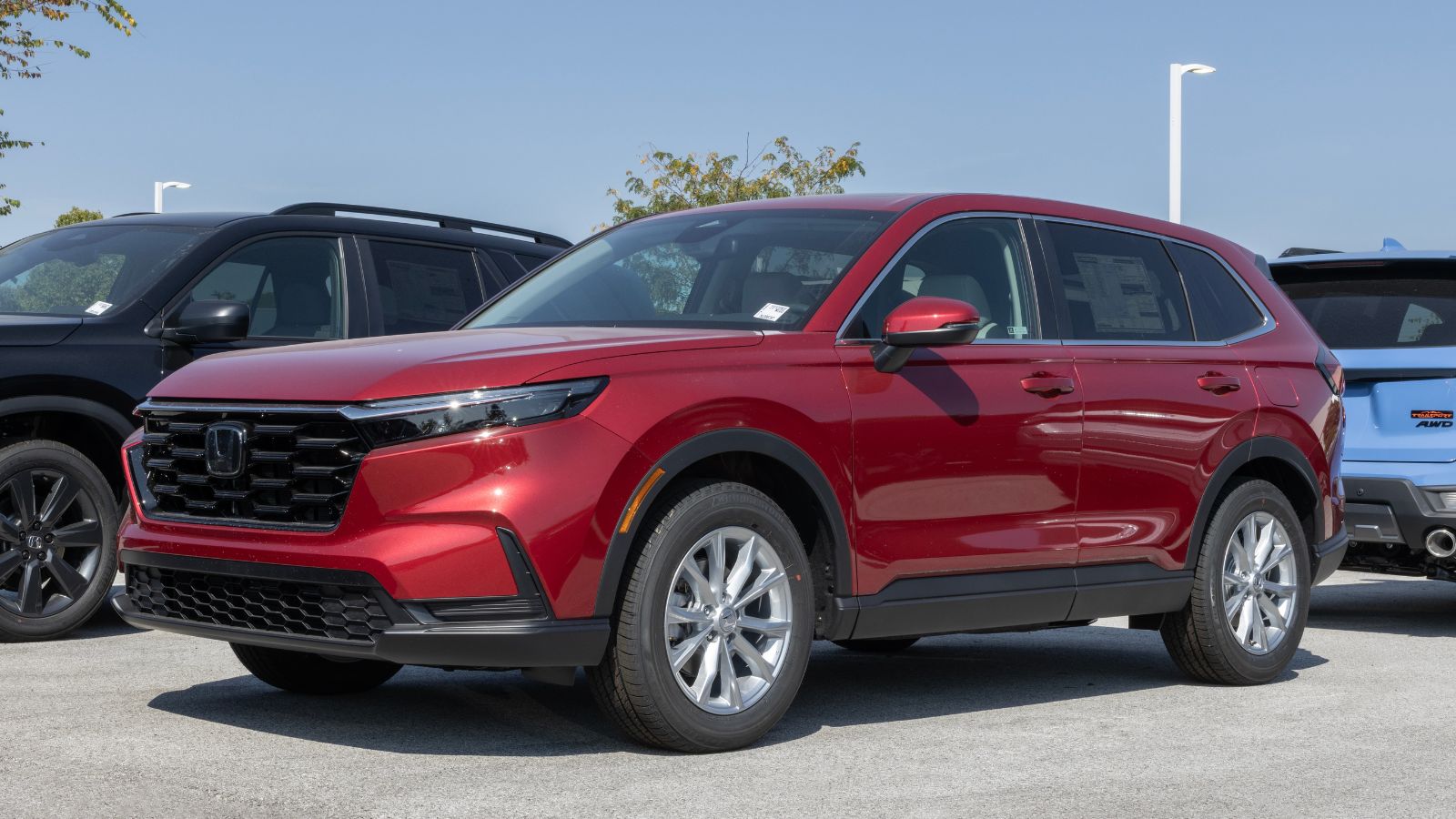
The Honda CR-V often appears on “sensible vehicle” shortlists because it is practical, roomy, fuel-efficient, and widely trusted. Many buyers expect insurance to be painless because the CR-V does not look flashy or aggressive. In some places, that expectation can collide with theft data.
The CR-V has appeared prominently in Canadian stolen-vehicle lists and in HLDI theft-frequency analysis. Its combination of demand, parts value, resale strength, and global usefulness makes certain years attractive beyond the family-driveway market. That can affect comprehensive coverage, especially in high-theft postal codes. A CR-V may still be a rational purchase, but it is a reminder that insurers do not price based on whether a vehicle looks modest. They price based on what similar vehicles have cost them.
Toyota Highlander
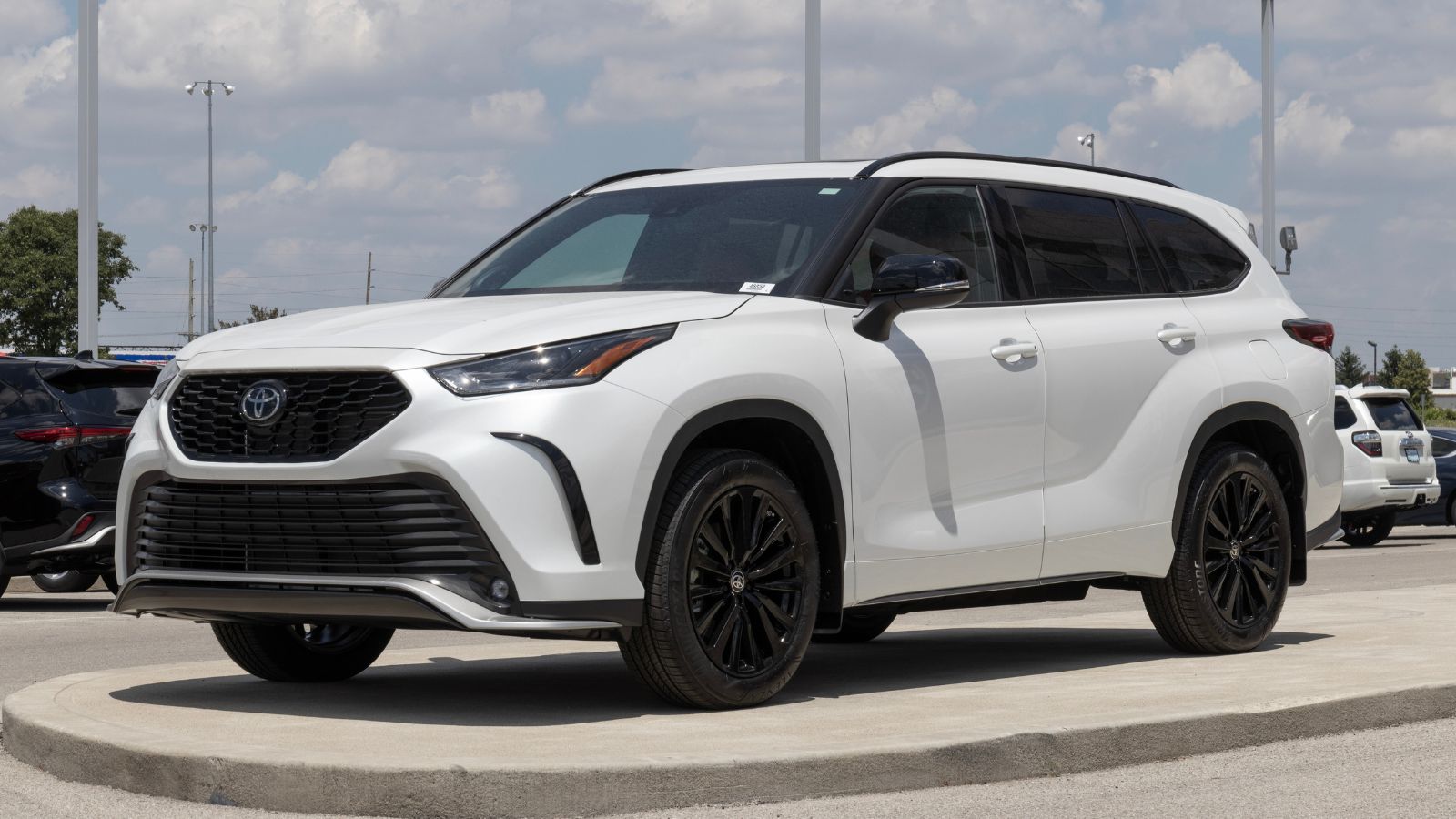
The Toyota Highlander has a calm image: family-friendly, durable, and not especially flashy unless loaded with luxury features. Used Highlanders often look like a smart alternative to a new compact SUV because they offer more space and Toyota’s strong reliability reputation. The insurance quote can be more complicated.
Canadian theft data has repeatedly shown the Highlander among targeted SUVs, particularly model years with strong resale demand. A family vehicle can become expensive to insure if thieves see it as easy to export, re-identify, or dismantle for parts. Larger SUVs can also carry higher repair costs after a collision because body panels, sensors, lighting assemblies, and safety systems are not cheap. The Highlander’s value retention helps owners at resale time, but it can also keep replacement-cost exposure high.
Jeep Grand Cherokee
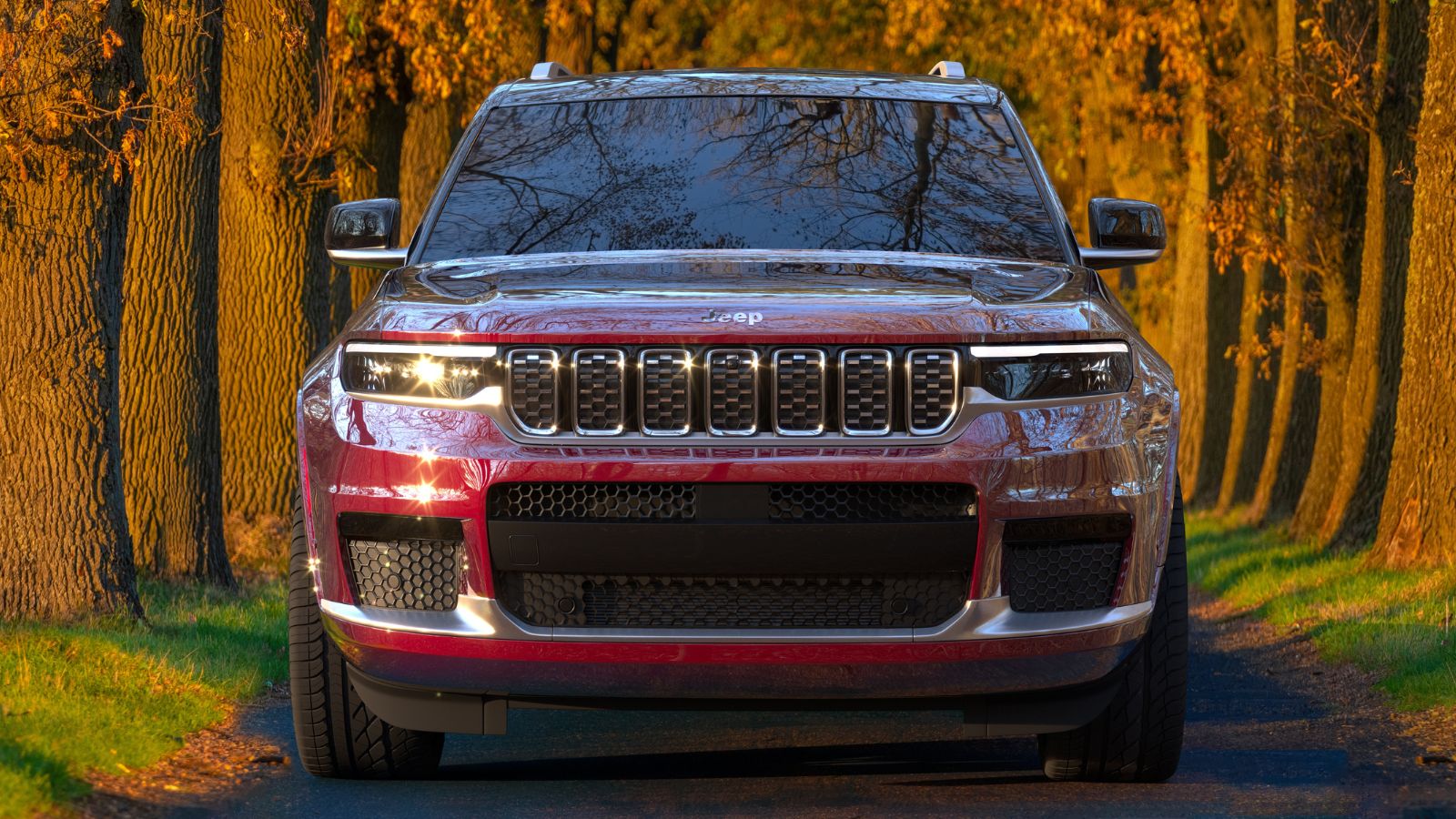
A used Jeep Grand Cherokee can look like a lot of vehicle for the money. It brings SUV size, available four-wheel drive, strong engines, and a premium feel in higher trims. The price can drop faster than a Toyota or Honda, which makes used examples look like bargains. Insurance may see a heavier, more expensive, more theft-exposed vehicle.
The Grand Cherokee has appeared on Canadian stolen-vehicle lists, and higher trims can add costly repair and replacement exposure. Even routine damage can involve expensive lighting, sensors, wheels, and bodywork. For drivers who mainly want winter confidence or weekend utility, the quote can feel out of step with the sale price. The risk is especially noticeable when a discounted used Grand Cherokee still carries the repair profile of a much more expensive SUV.
Ford F-150
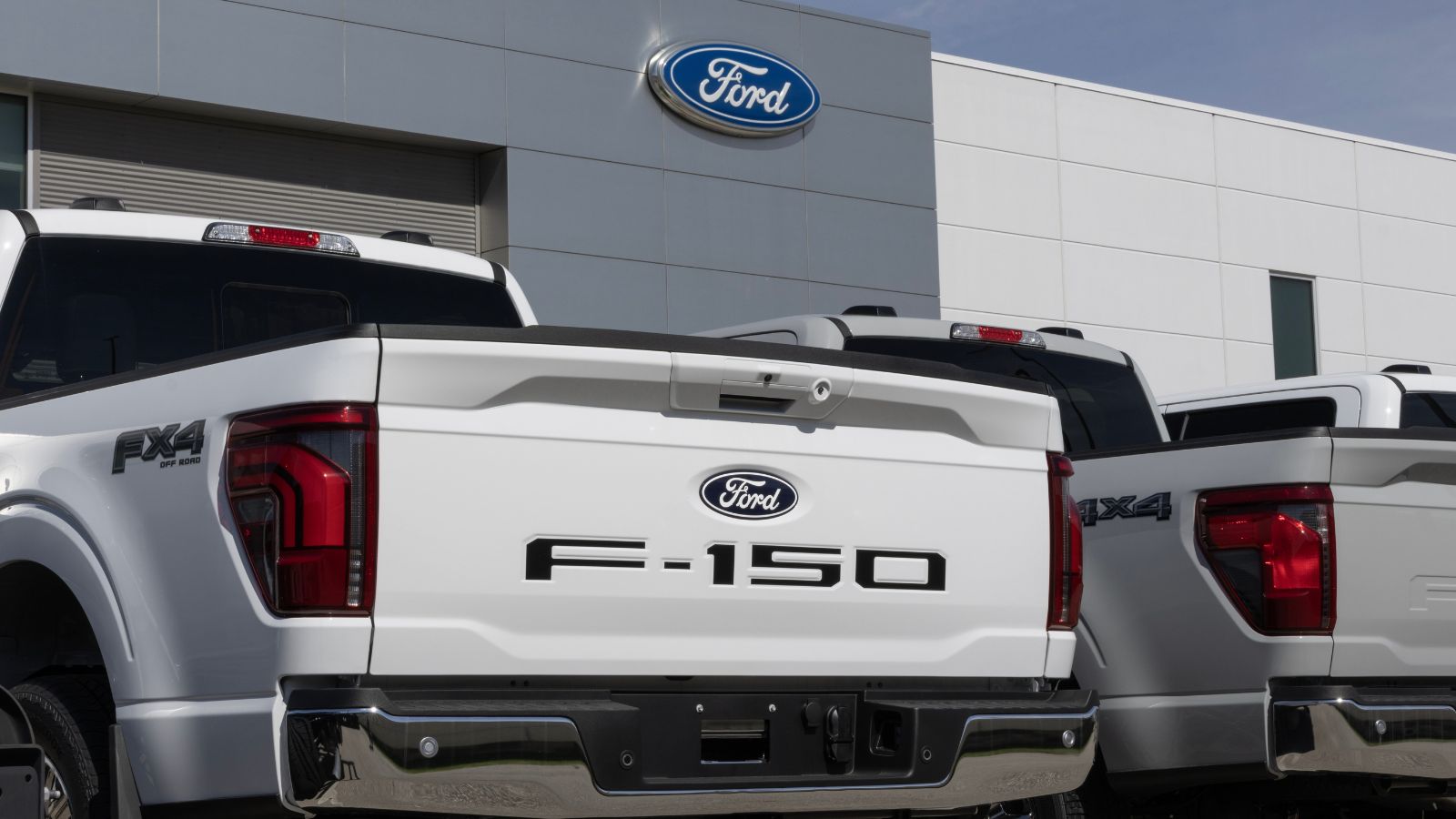
The Ford F-150 is so common that it can feel like the safest possible truck purchase. Many used examples look affordable because supply is broad and trims range from work-truck basic to near-luxury. But “common” does not automatically mean cheap to insure. In fact, popularity can create both theft exposure and a deep claims history.
Canadian and U.S. theft reports have repeatedly included the F-150 among targeted pickups. Trucks also carry repair-cost considerations: aluminum body panels on some generations, expensive lighting, towing hardware, large wheels, and advanced driver-assistance sensors can raise claim severity. A shopper drawn to a used F-150 for utility may discover that insurance companies are pricing the truck’s real-world claim record, not just its age or advertised price.
Ram 1500
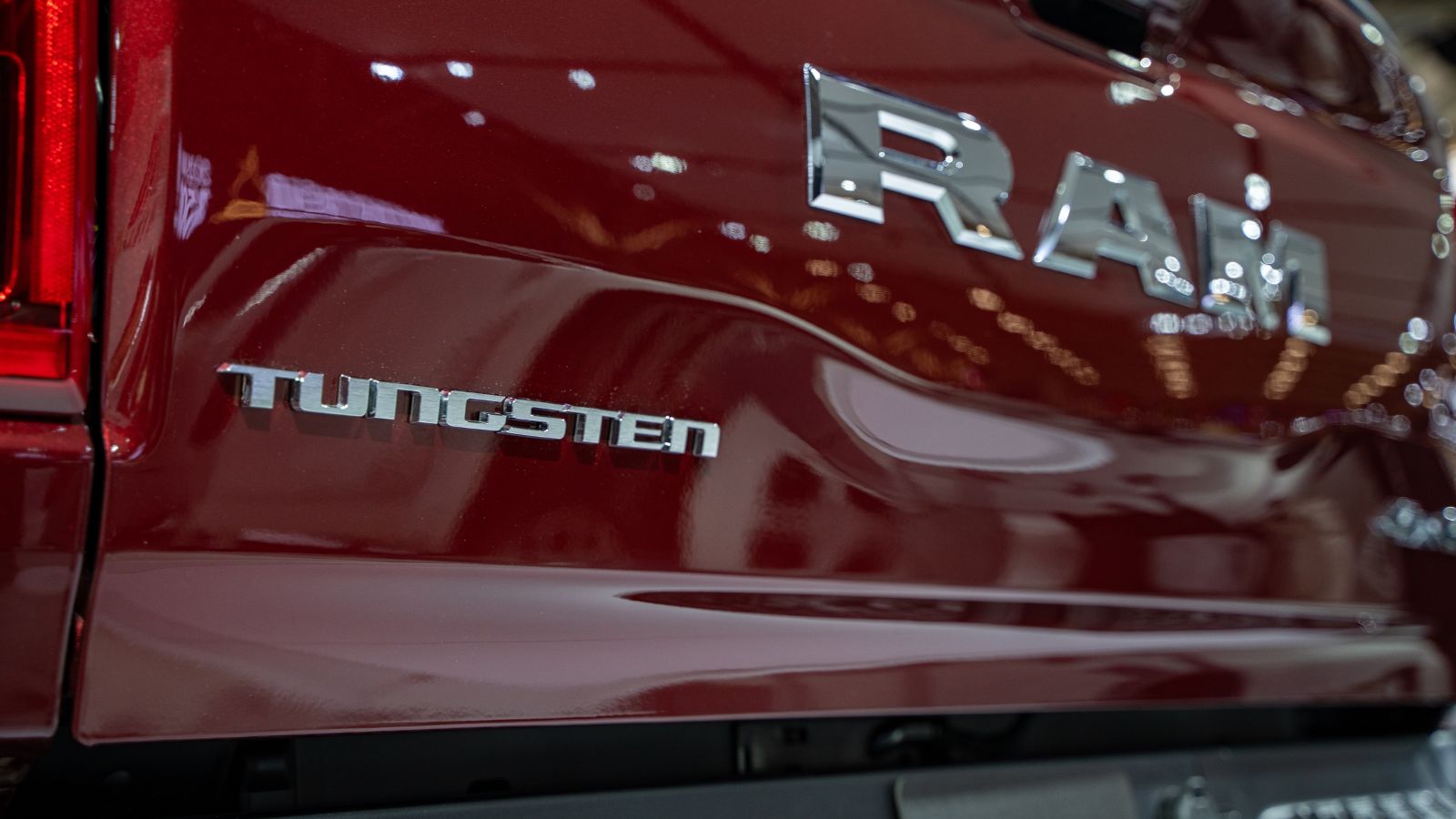
A Ram 1500 can look like a strong value on the used market, especially when depreciation makes higher trims seem attainable. The cabin can feel upscale, the engines are powerful, and the truck is useful for towing, hauling, or winter driving. That combination can also work against it in an insurance quote.
Canadian theft lists have included Ram 1500 series trucks, and pickup repair costs can climb quickly after even moderate damage. Bumpers, sensors, tailgates, headlights, wheels, and bed components are not small-car expenses. Powerful trims may also be associated with higher claim risk in some underwriting models. A buyer may see “used truck deal,” while an insurer sees theft exposure, replacement value, collision severity, and expensive parts bundled into one vehicle.
Chevrolet Silverado / GMC Sierra
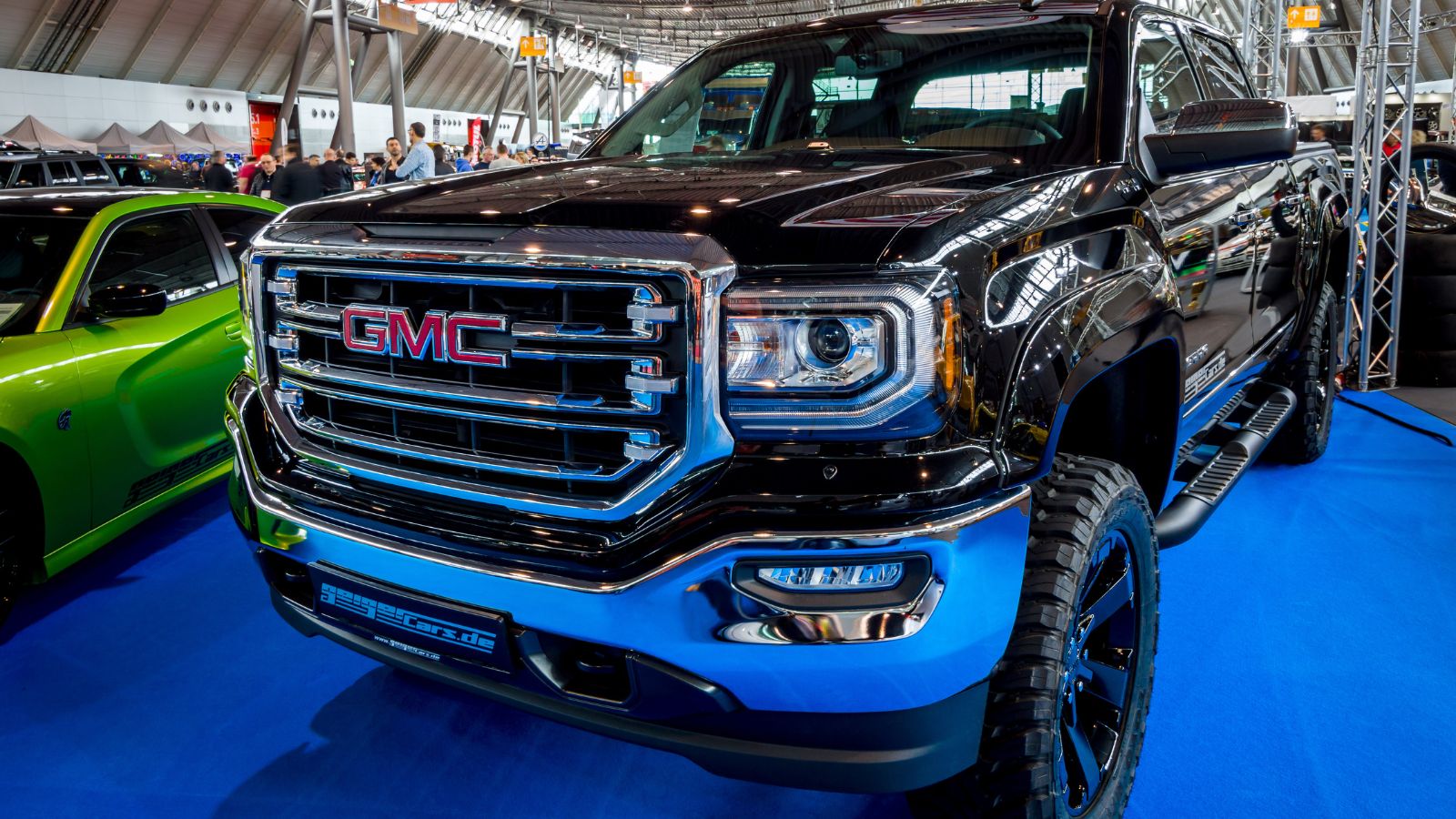
The Chevrolet Silverado and GMC Sierra can be practical workhorses, but they are also frequent theft targets in North American data. Used versions can seem affordable because there are many configurations, older work trucks, and high-mileage examples. Insurance can still be influenced by the broader pickup-theft and repair-cost environment.
The Silverado has appeared in U.S. theft rankings, while Chevrolet/GMC full-size pickups have also appeared in Canadian stolen-vehicle reporting. Thieves may target pickups for parts, resale, or export, and insurers factor that risk into comprehensive coverage. Repair costs can also be substantial because modern pickups use advanced lighting, cameras, sensors, and large body components. A bargain Silverado or Sierra may still carry a quote that reflects its popularity with both buyers and thieves.
Dodge Charger
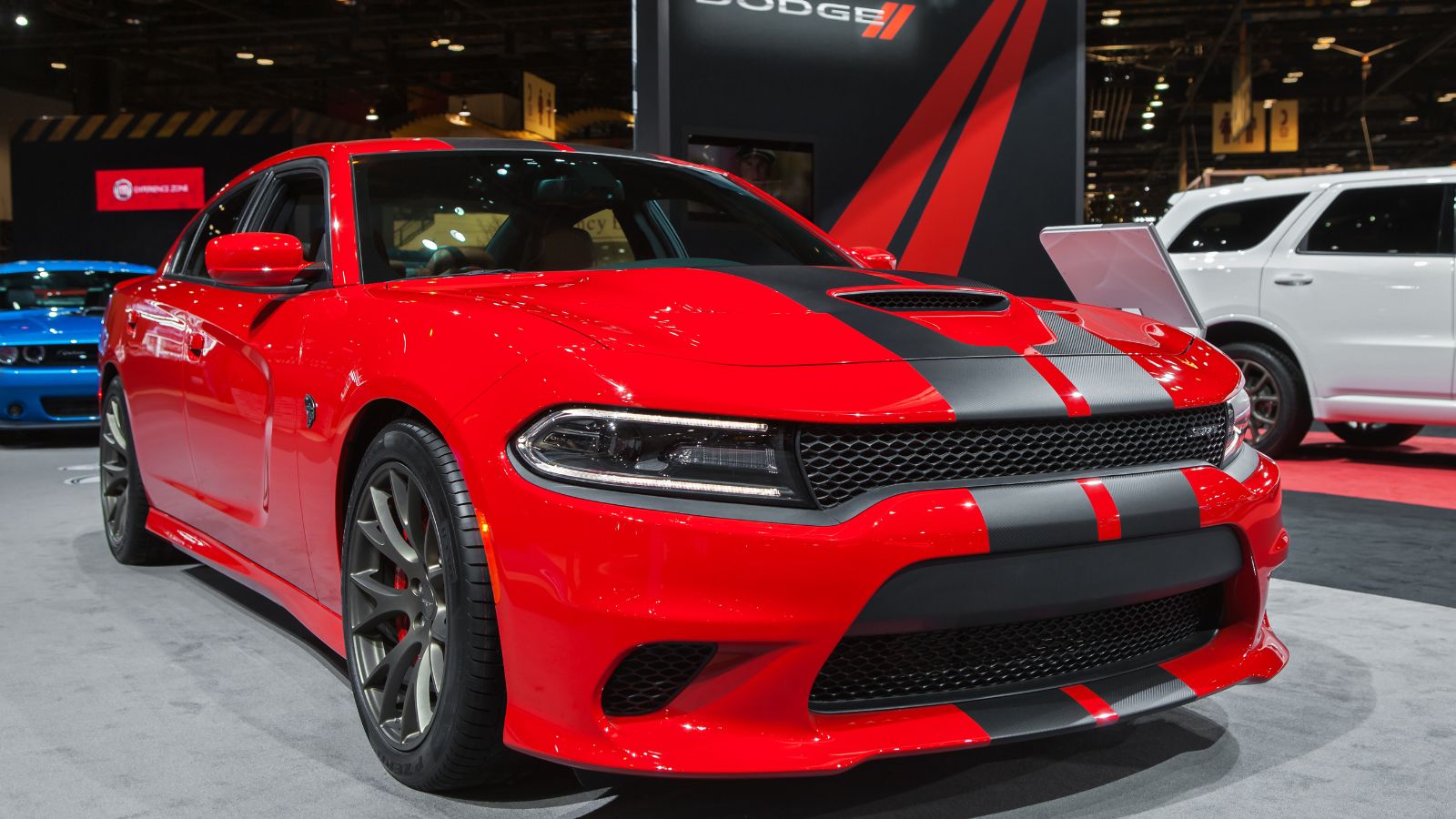
The Dodge Charger can appear surprisingly affordable used because older examples are plentiful and depreciation can be steep. The trap is that many trims do not behave like ordinary sedans from an insurance standpoint. Large engines, performance branding, theft appeal, and claim history can all push premiums higher.
HLDI has repeatedly flagged high-powered Charger variants for extreme whole-vehicle theft claim frequencies. The Hellcat versions are the headline examples, but even the broader Charger image can affect how buyers and insurers think about risk. A shopper may be looking at a roomy four-door family car with a low used price. The insurer may be looking at a vehicle class tied to theft, speed, expensive parts, and higher-loss histories. That gap is where the quote can sting.
Dodge Challenger
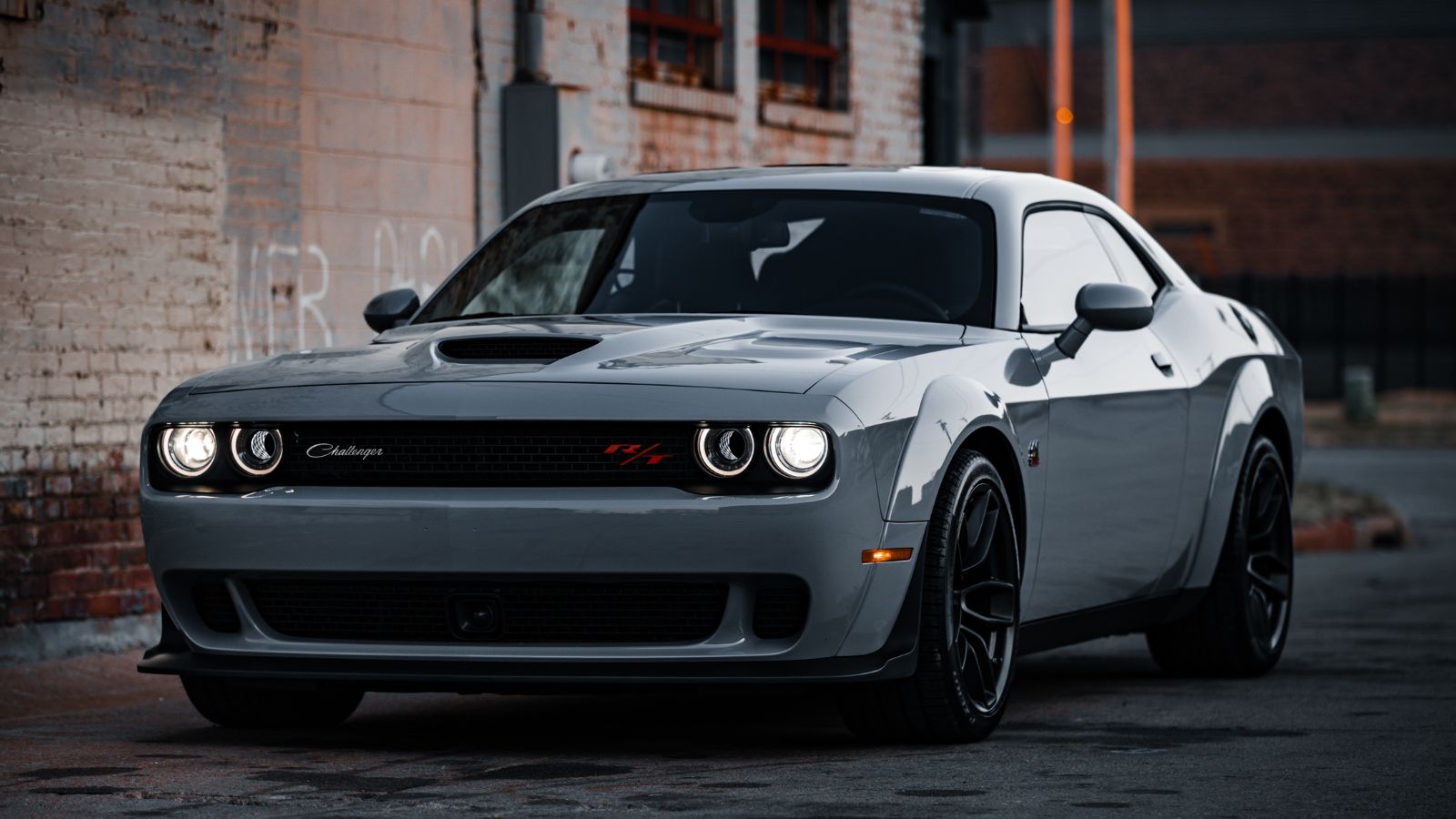
The Dodge Challenger often looks like one of the easiest ways into a muscular coupe. Used prices can be approachable, especially for V6 or older V8 trims. The insurance side can still reflect the model’s performance reputation and theft exposure, not just the trim being purchased.
HLDI has identified Challenger variants among vehicles with high whole-vehicle theft claim frequencies, and broader insurance reporting often places performance coupes among costlier vehicles to cover. Even when a buyer avoids the wildest engine, the model family can carry risk signals. Coupes also tend to be priced differently from practical sedans because insurers consider driver behavior, repair costs, theft history, and injury-related claims. The Challenger may look affordable on a dealer page, but the quote can reveal the cost of its image.
Chevrolet Camaro
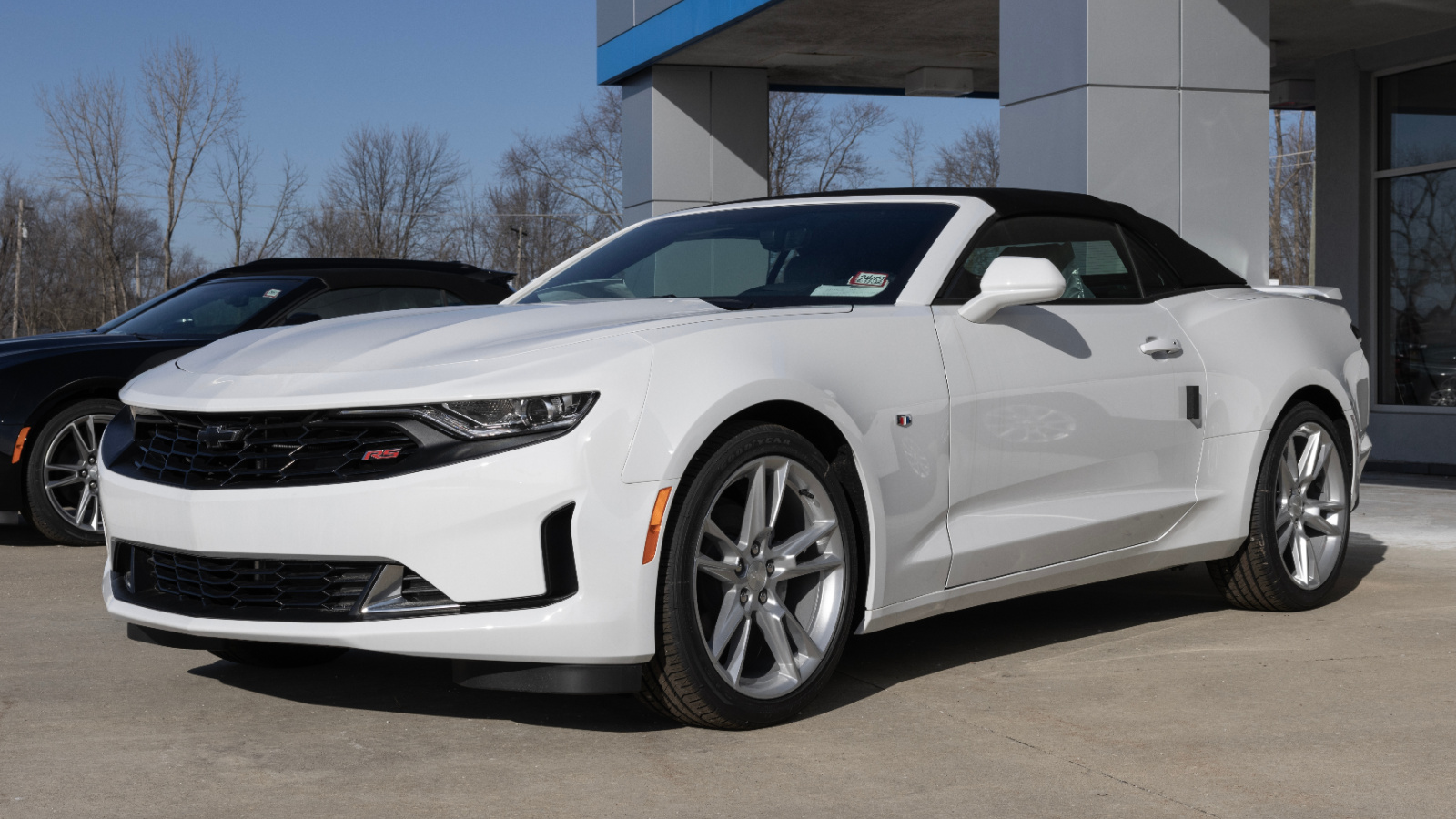
A used Chevrolet Camaro can look like a weekend bargain, especially because production ended and many shoppers compare older examples against ordinary used sedans. The insurance quote may not be ordinary at all. Performance cars can face higher premiums because of horsepower, repair costs, theft risk, and owner-behavior patterns.
HLDI’s recent theft analysis put the Camaro ZL1 at the top of its most-stolen list by theft rate, while the standard Camaro also ranked far above average. Reports pointed to high horsepower and technical vulnerabilities as factors. Even a non-ZL1 Camaro can be affected by the model’s broader theft story. For someone buying on looks and payment alone, insurance can be the first sign that a cheap muscle car is rarely cheap in every category.
Ford Mustang
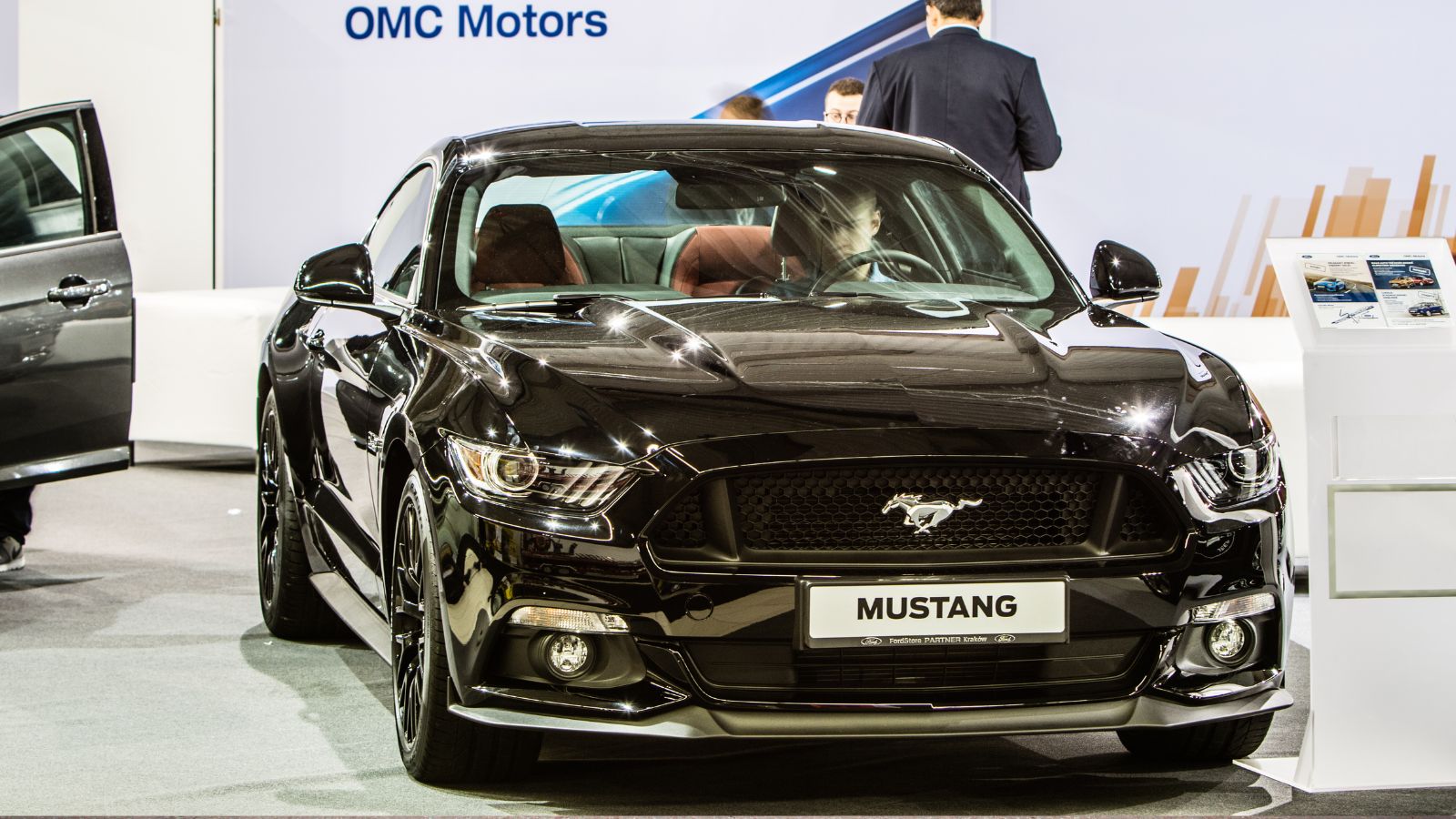
The Ford Mustang can seem attainable because there are many used examples, and base trims are not priced like exotic cars. That accessibility is part of its appeal. Insurance, however, often treats the Mustang as a performance coupe rather than a simple two-door commuter.
Premiums can vary widely by model year, engine, driver age, and insurer. A base four-cylinder Mustang may quote very differently from a GT, yet both sit under the same famous badge. Insurers may consider coupe body style, repair cost, horsepower, and claim history. Younger drivers can feel the difference most sharply because age already raises premiums before the vehicle is considered. The Mustang is not always the most expensive sports car to insure, but it is a classic example of a manageable purchase price meeting a less manageable risk profile.
Tesla Model 3
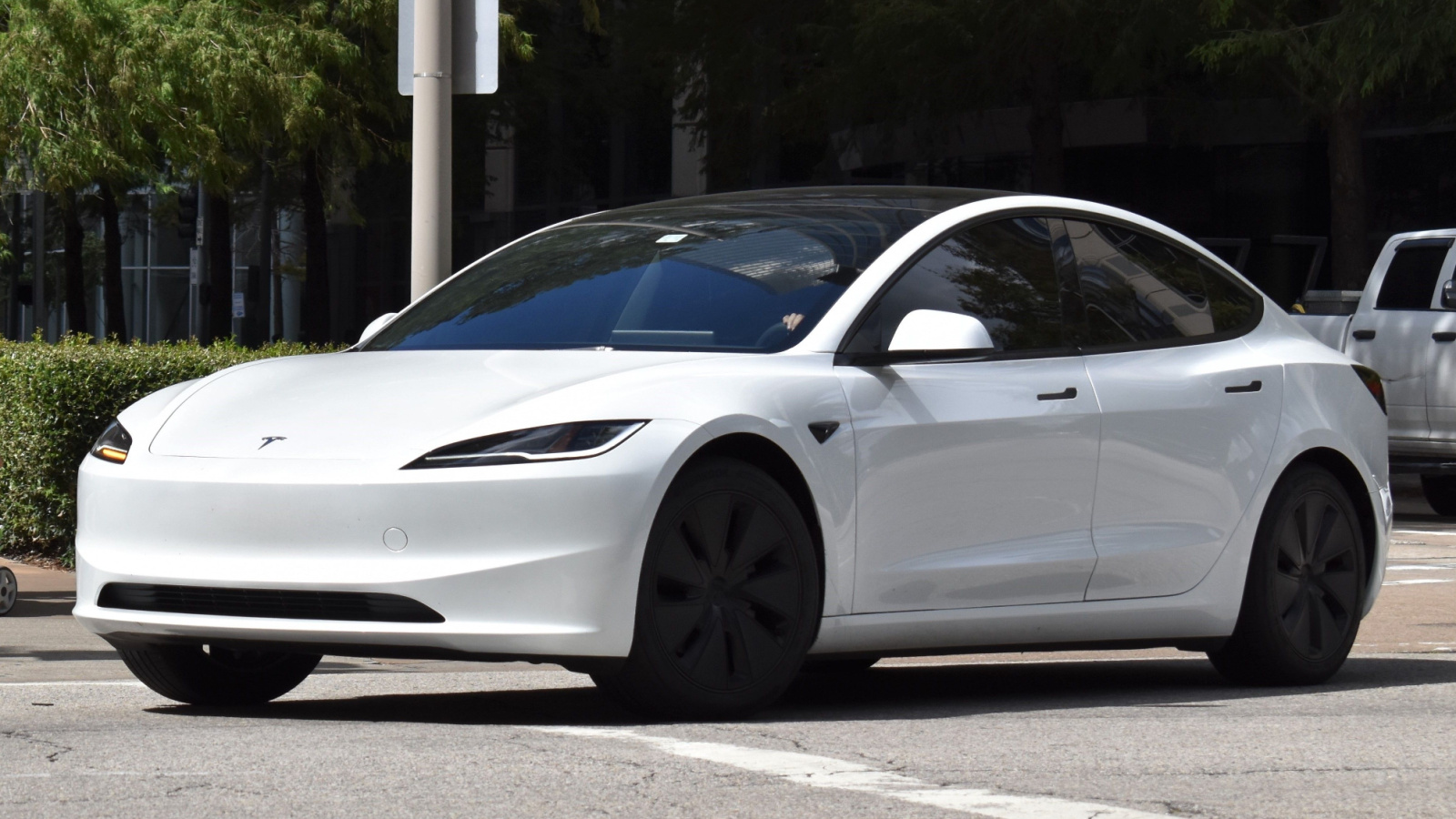
The Tesla Model 3 has become more affordable on the used market as supply has grown and prices have fluctuated. Lower purchase prices can make it look like an easy step into electric driving. Insurance can be a surprise because the vehicle’s technology, repair ecosystem, parts availability, and specialized service needs can affect claims.
Some insurance comparisons have placed the Model 3 among higher-cost mainstream vehicles to insure. Tesla vehicles may be less attractive to thieves than some gasoline models, but theft is not the only factor. Collision repairs involving sensors, cameras, aluminum components, battery considerations, and calibration work can be expensive. A lower used price does not automatically lower the cost to fix the vehicle after a crash. That disconnect is why the insurance quote deserves attention before the charger is installed.
Infiniti Q50
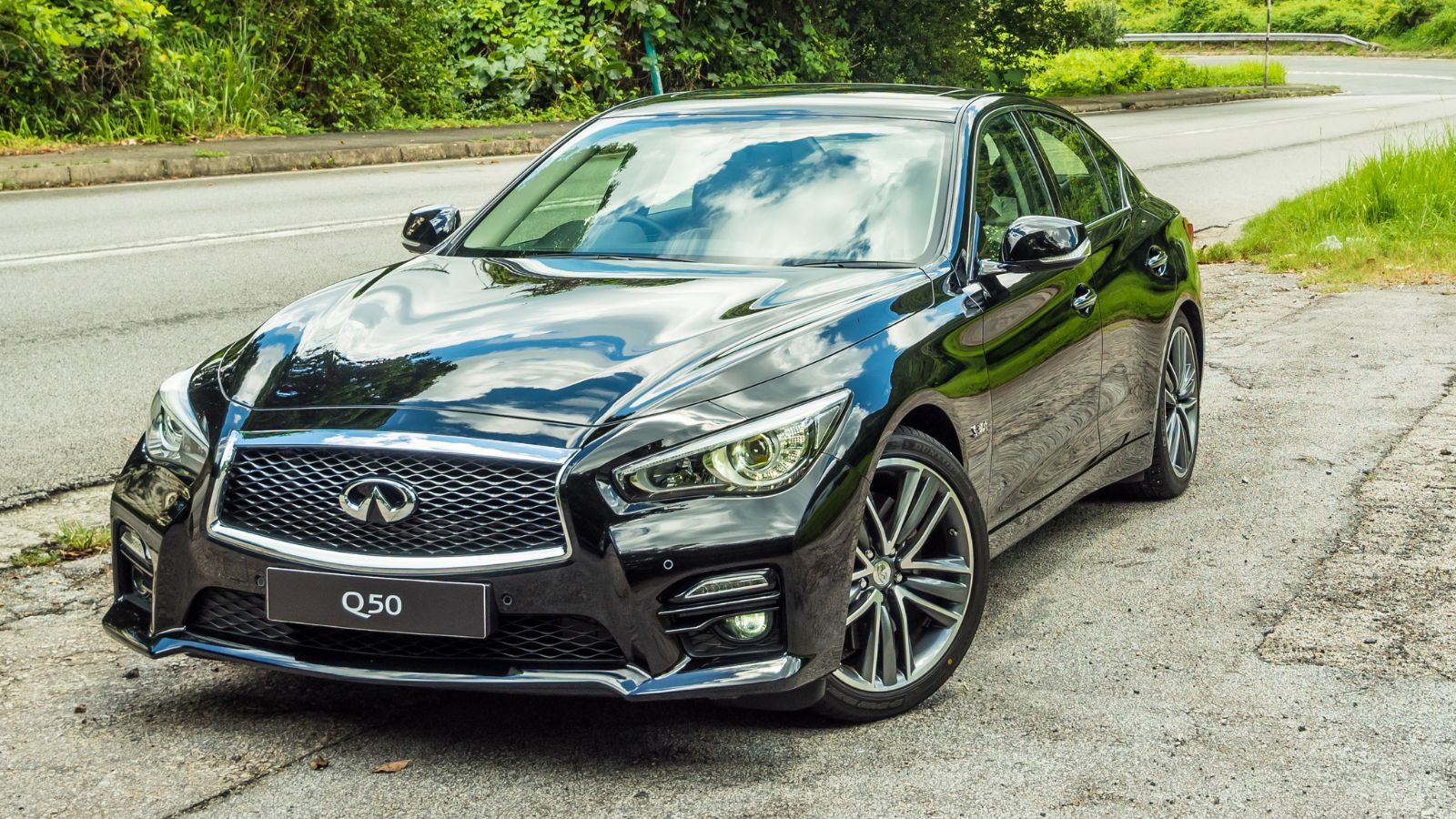
The Infiniti Q50 is a common used-market temptation because it can deliver luxury-brand power and features for a mainstream-sedan price. Depreciation can make the numbers look friendly, especially compared with a new compact car. Insurance may not view it as a bargain.
HLDI has identified the Q50 among vehicles with elevated whole-vehicle theft claim frequencies. Performance-oriented engines, luxury-brand parts, and higher repair costs can also influence premiums. A buyer may see leather, horsepower, and all-wheel drive for a surprisingly low asking price. The insurer may see theft appeal, expensive replacement parts, and a claims pattern that does not match the discounted purchase price. It is one of the clearest examples of why used luxury can be cheaper to buy than to insure.
22 Things Canadians Do to Their Cars in Spring That Mechanics Hate
Spring brings relief to many Canadian drivers after months of snow, freezing temperatures, and icy roads that put serious strain on vehicles. As temperatures rise across the country, drivers begin washing cars, switching tires, and preparing vehicles for warmer weather and upcoming road trips. However, mechanics across Canada notice the same mistakes every spring when drivers attempt to recover from winter damage. Road salt, potholes, and harsh winter driving conditions often leave vehicles with hidden problems that drivers ignore. Some spring habits even create new mechanical issues that could have been avoided with proper maintenance. Here are 22 things Canadians do to their cars in spring that mechanics hate.