




















• About
  • Contact
AutoIgloo
  • News & Trends
    9 Auto Brands Canadians Are Watching Much More Closely Right Now

    Ford and Unifor Reach Tentative Deal for 5,150 Canadian Workers as Tariff-Era Auto Layoffs Mount

    20 Signs Your Car Battery Is About to Leave You Stranded

    Trump Tariffs Cut Canadian Auto Output by 64,000 Vehicles While U.S. Plants Add 44,000

    17 Vehicles That Are Quietly Getting Crushed by Insurance Costs in Canada

    Why More Drivers Are Questioning Expensive Vehicle Subscription Features

    17 Cars That Could Make Summer Road Trips Feel a Lot More Expensive in Canada

    20 Things That Can Make a New Car Lose Value Almost Overnight

    27 Things Canadian Drivers Should Do Before Pothole Season Destroys Their Suspension

    15 Signs Your Vehicle Is Becoming Too Expensive to Keep

    19 Things to Photograph Immediately After a Car Accident

    19 Things to Photograph Immediately After a Car Accident

  • Car Reviews
    21 Cars Canadians Are Starting to Regret Buying

    Why Some Drivers Regret Buying Big Wheels and Low-Profile Tires

    17 Vehicles That Are Quietly Getting Crushed by Insurance Costs in Canada

    Why So Many Drivers Are Nervous About Chinese-Made EV Batteries

    20 Used SUVs Canadians Should Think Twice About Buying

    20 Used SUVs Canadians Should Think Twice About Buying

    15 Vehicles That Are Starting to Feel Like a Bad Deal Around May Long Weekend

    15 Vehicles That Are Starting to Feel Like a Bad Deal Around May Long Weekend

    15 Vehicles That Are Starting to Scare Off Canadian Buyers

    15 Vehicles That Are Starting to Scare Off Canadian Buyers

    25 Vehicles That Make the Most Sense for Canadian Families in 2026

    16 Vehicles That Suddenly Look Smart for a Canadian Summer Road Trip

  • Buying Guides
    15 “Hidden Fees” Canadians Keep Paying at Dealerships in 2026

    The Used Car Documents Canadians Should Never Buy Without

    19 Things That Can Make Your Car Insurance Claim Get Denied

    Why Your Car Payment Is Only the Beginning of the Real Cost

    23 Features That Are Making New Cars Harder (and Pricier) to Repair in Canada

    21 Used Car Features That Can Become Expensive Problems Later

    17 Car Scams Canadians Should Watch for Before Sending a Deposit

    Why Car Dealership Trade-In Offers Can Change After You Arrive

    19 Things That Can Make Your Car Insurance Claim Get Denied

    20 Questions to Ask Before Letting a Car Dealership Run Your Credit

    20 Signs a Used Car Was Abused Before It Hit the Lot

    22 Signs a Car Has Been in a Serious Crash Even if the Report Looks Clean

  • Comparisons
    Canada’s Auto Fight Gets Uglier as BYD Threatens to Sue Trump Administration

    Tesla Vs. BYD: Are Chinese EV’s Actually Better for Canadians?

    17 Vehicles That Are Quietly Getting Crushed by Insurance Costs in Canada

    Why So Many Drivers Are Nervous About Chinese-Made EV Batteries

    20 Used SUVs Canadians Should Think Twice About Buying

    20 Used SUVs Canadians Should Think Twice About Buying

    16 Cars That Are a Nightmare to Repair Because Parts Are Backordered

    23 Cars Canadians Love That Have One Deal-Breaker Flaw

    21 Vehicles Insurance Companies Are Quietly Flagging as “High Risk” in Canada (2026 Update)

    19 Vehicles Canadians Regret Leasing (And the Ones They Don’t)

    Why the Next Wave of Chinese EVs Could Force Canada’s Biggest Price War Yet

    Why the Next Wave of Chinese EVs Could Force Canada’s Biggest Price War Yet

  • EVs & Hybrids
    17 SUVs That Are Losing Their Appeal Fast in Canada

    GM Canada Says EV Sales Jumped More Than 30% as CUSMA Uncertainty Hangs Over Showrooms

    9 Auto Brands Canadians Are Watching Much More Closely Right Now

    Toyota Canada Says Electrified Vehicles Are Now Nearly 70% of Its Q2 Sales

    25 EV Charging Mistakes Canadians Make in March (That Wreck Range)

    Ottawa Orders New Study on Whether Canada’s EV Grid Can Handle the Next Wave of Chargers

    23 Features That Are Making New Cars Harder (and Pricier) to Repair in Canada

    Why the Cheapest EVs May Not Be the Best Deal After Three Winters

    Canada’s Auto Fight Gets Uglier as BYD Threatens to Sue Trump Administration

    Tesla Vs. BYD: Are Chinese EV’s Actually Better for Canadians?

    15 Cars That Are Becoming Harder to Resell in Canada

    Used EV prices jump as affordable vehicles disappear

  • More
    • Pricing & Deals
    • Winter Driving
    • Ownership & Maintenance
No Result
View All Result
AutoIgloo
  • News & Trends
    9 Auto Brands Canadians Are Watching Much More Closely Right Now

    Ford and Unifor Reach Tentative Deal for 5,150 Canadian Workers as Tariff-Era Auto Layoffs Mount

    20 Signs Your Car Battery Is About to Leave You Stranded

    Trump Tariffs Cut Canadian Auto Output by 64,000 Vehicles While U.S. Plants Add 44,000

    17 Vehicles That Are Quietly Getting Crushed by Insurance Costs in Canada

    Why More Drivers Are Questioning Expensive Vehicle Subscription Features

    17 Cars That Could Make Summer Road Trips Feel a Lot More Expensive in Canada

    20 Things That Can Make a New Car Lose Value Almost Overnight

    27 Things Canadian Drivers Should Do Before Pothole Season Destroys Their Suspension

    15 Signs Your Vehicle Is Becoming Too Expensive to Keep

    19 Things to Photograph Immediately After a Car Accident

    19 Things to Photograph Immediately After a Car Accident

  • Car Reviews
    21 Cars Canadians Are Starting to Regret Buying

    Why Some Drivers Regret Buying Big Wheels and Low-Profile Tires

    17 Vehicles That Are Quietly Getting Crushed by Insurance Costs in Canada

    Why So Many Drivers Are Nervous About Chinese-Made EV Batteries

    20 Used SUVs Canadians Should Think Twice About Buying

    20 Used SUVs Canadians Should Think Twice About Buying

    15 Vehicles That Are Starting to Feel Like a Bad Deal Around May Long Weekend

    15 Vehicles That Are Starting to Feel Like a Bad Deal Around May Long Weekend

    15 Vehicles That Are Starting to Scare Off Canadian Buyers

    15 Vehicles That Are Starting to Scare Off Canadian Buyers

    25 Vehicles That Make the Most Sense for Canadian Families in 2026

    16 Vehicles That Suddenly Look Smart for a Canadian Summer Road Trip

  • Buying Guides
    15 “Hidden Fees” Canadians Keep Paying at Dealerships in 2026

    The Used Car Documents Canadians Should Never Buy Without

    19 Things That Can Make Your Car Insurance Claim Get Denied

    Why Your Car Payment Is Only the Beginning of the Real Cost

    23 Features That Are Making New Cars Harder (and Pricier) to Repair in Canada

    21 Used Car Features That Can Become Expensive Problems Later

    17 Car Scams Canadians Should Watch for Before Sending a Deposit

    Why Car Dealership Trade-In Offers Can Change After You Arrive

    19 Things That Can Make Your Car Insurance Claim Get Denied

    20 Questions to Ask Before Letting a Car Dealership Run Your Credit

    20 Signs a Used Car Was Abused Before It Hit the Lot

    22 Signs a Car Has Been in a Serious Crash Even if the Report Looks Clean

  • Comparisons
    Canada’s Auto Fight Gets Uglier as BYD Threatens to Sue Trump Administration

    Tesla Vs. BYD: Are Chinese EV’s Actually Better for Canadians?

    17 Vehicles That Are Quietly Getting Crushed by Insurance Costs in Canada

    Why So Many Drivers Are Nervous About Chinese-Made EV Batteries

    20 Used SUVs Canadians Should Think Twice About Buying

    20 Used SUVs Canadians Should Think Twice About Buying

    16 Cars That Are a Nightmare to Repair Because Parts Are Backordered

    23 Cars Canadians Love That Have One Deal-Breaker Flaw

    21 Vehicles Insurance Companies Are Quietly Flagging as “High Risk” in Canada (2026 Update)

    19 Vehicles Canadians Regret Leasing (And the Ones They Don’t)

    Why the Next Wave of Chinese EVs Could Force Canada’s Biggest Price War Yet

    Why the Next Wave of Chinese EVs Could Force Canada’s Biggest Price War Yet

  • EVs & Hybrids
    17 SUVs That Are Losing Their Appeal Fast in Canada

    GM Canada Says EV Sales Jumped More Than 30% as CUSMA Uncertainty Hangs Over Showrooms

    9 Auto Brands Canadians Are Watching Much More Closely Right Now

    Toyota Canada Says Electrified Vehicles Are Now Nearly 70% of Its Q2 Sales

    25 EV Charging Mistakes Canadians Make in March (That Wreck Range)

    Ottawa Orders New Study on Whether Canada’s EV Grid Can Handle the Next Wave of Chargers

    23 Features That Are Making New Cars Harder (and Pricier) to Repair in Canada

    Why the Cheapest EVs May Not Be the Best Deal After Three Winters

    Canada’s Auto Fight Gets Uglier as BYD Threatens to Sue Trump Administration

    Tesla Vs. BYD: Are Chinese EV’s Actually Better for Canadians?

    15 Cars That Are Becoming Harder to Resell in Canada

    Used EV prices jump as affordable vehicles disappear

  • More
    • Pricing & Deals
    • Winter Driving
    • Ownership & Maintenance
No Result
View All Result
AutoIgloo
No Result
View All Result

Home » EVs & Hybrids

Why the Cheapest EVs May Not Be the Best Deal After Three Winters

Nate Brewer by Nate Brewer
June 23, 2026
Reading Time: 6 mins read
A A
Photo Credit: Shutterstock

Photo Credit: Shutterstock

467
SHARES
1.5k
VIEWS
Share on FacebookShare on Twitter

Cold-weather ownership can change the math on an electric vehicle faster than the window sticker suggests. A low purchase price may look appealing in the showroom, but three winters can expose hidden trade-offs in range, charging speed, comfort, resale value, and long-term confidence.

This piece looks at 12 reasons the cheapest EVs may not always deliver the best value after repeated cold seasons, especially in regions where freezing temperatures, snow tires, long commutes, and public charging delays are part of normal life.

Smaller Batteries Leave Less Winter Cushion
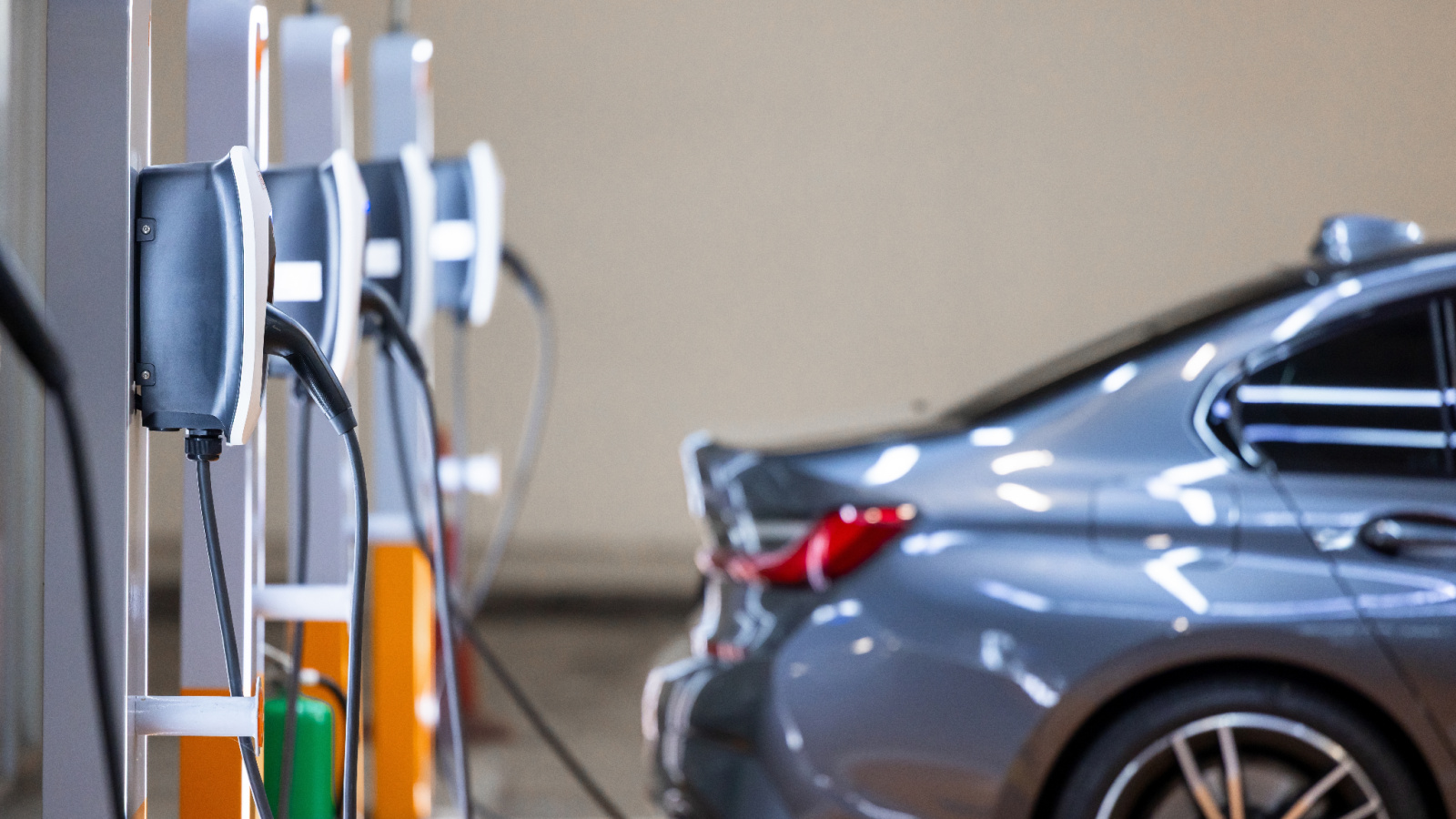
Photo Credit: Shutterstock

The lowest-priced EVs often keep costs down with smaller battery packs. That can work well in mild weather, especially for short commutes, but winter changes the calculation. When cold weather trims usable range, a vehicle that already has a modest driving buffer can suddenly feel much more limited.

A driver who comfortably covers errands on one charge in October may find the same routine tighter in January. Cabin heat, battery warming, slush-covered roads, and winter tires all use extra energy. After three winters, that smaller battery may not feel like a bargain if every cold week requires more planning, more charging stops, and less flexibility.

Winter Range Loss Hits Cheap EVs Harder in Daily Life

Image Credit: Shutterstock

Cold weather affects every EV, but the impact feels different when the vehicle starts with less range. Real-world winter testing has found meaningful drops compared with official ratings, and the gap can vary widely by model. That variation matters because entry-level models are often bought for practical savings, not inconvenience.

A household may discover that a short-range EV still handles weekdays but becomes awkward for weekend drives, rural trips, or unexpected detours. The frustration is not always the range loss itself; it is the smaller margin for error. After several winters, a cheaper EV may save money upfront while costing time, patience, and confidence.

Missing Heat Pumps Can Raise Winter Energy Use
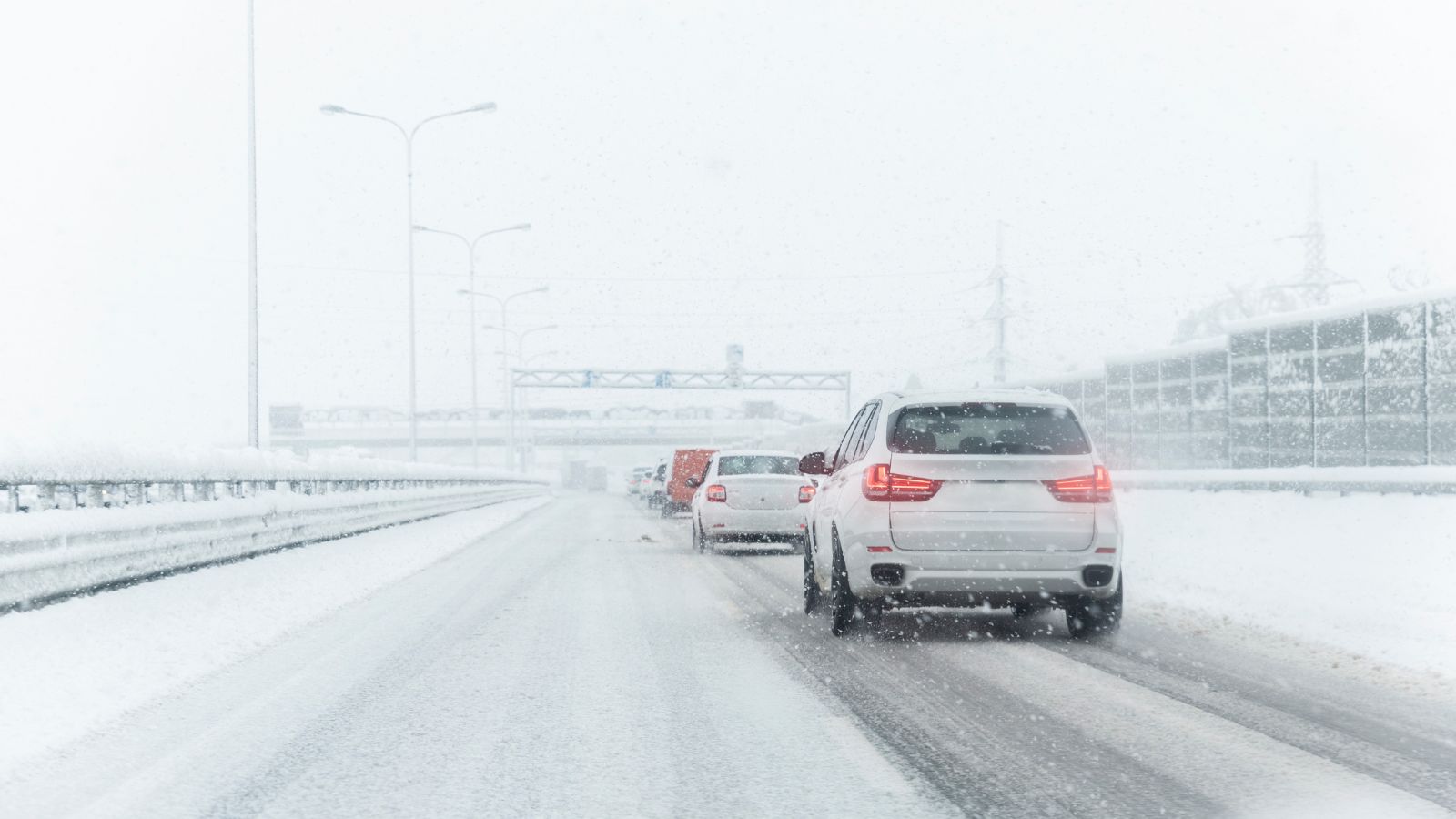
Image Credit: Shutterstock

Some cheaper EV trims rely on more basic cabin heating systems instead of efficient heat pumps. A resistive heater can warm the cabin, but it draws energy directly from the battery. In cold climates, that energy comes from the same pack needed for driving, which can make range loss feel sharper.

Heat pumps are not magic, especially in severe cold, but they can improve efficiency in many winter conditions. A buyer comparing two EVs may focus on the purchase price and overlook the heating system. Three winters later, the more expensive model with better thermal equipment may have delivered a more comfortable and less stressful ownership experience.

Slow Cold-Weather Charging Can Turn Savings Into Waiting
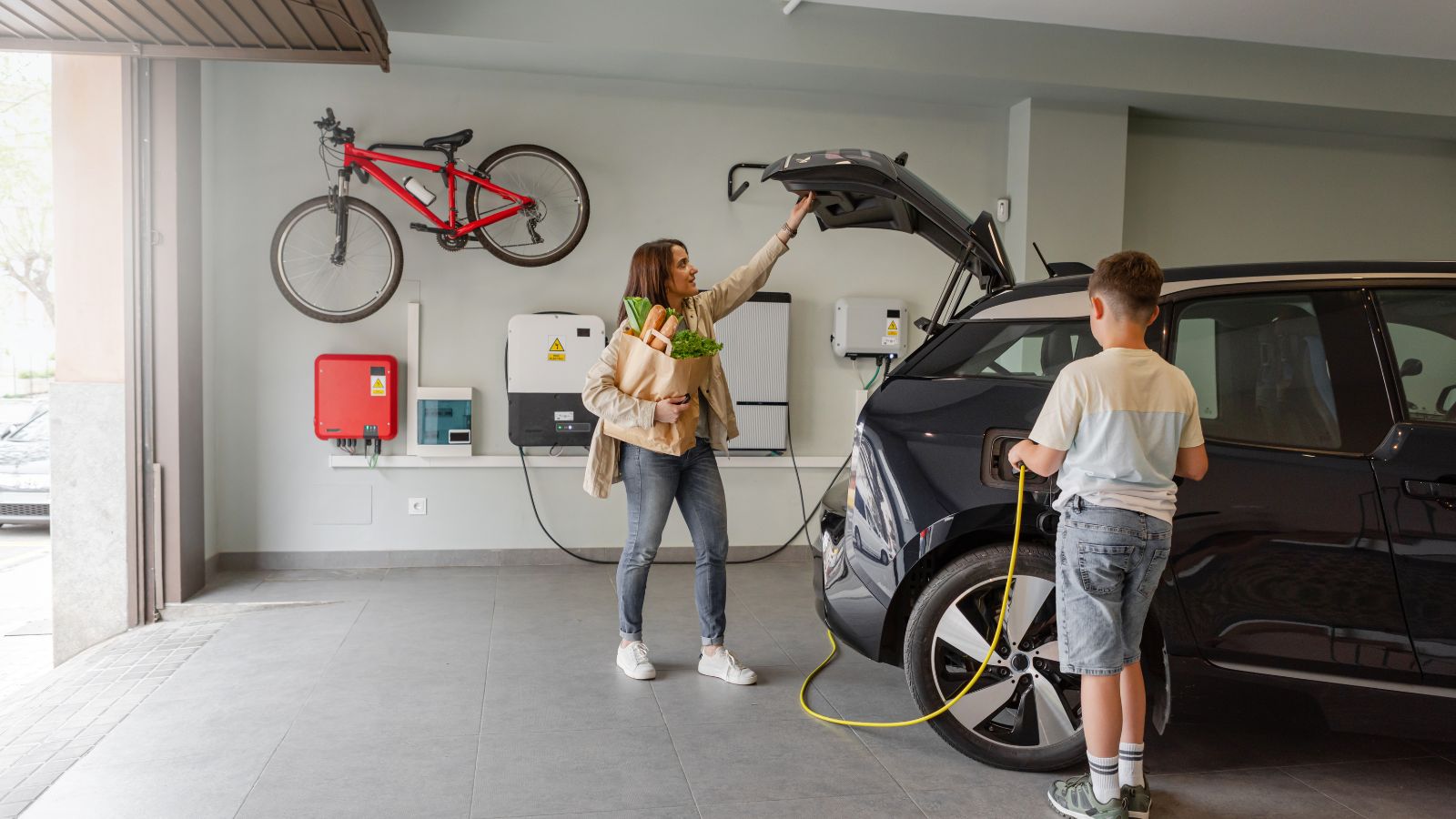
Photo Credit: Shutterstock

A low purchase price loses some charm when charging takes longer than expected. Batteries charge best within a preferred temperature range, and cold packs often need warming before accepting higher charging power. Some affordable EVs have slower peak charging rates or less sophisticated preconditioning than pricier alternatives.

That difference can be minor in summer and glaring in winter. A public fast-charge stop that seems acceptable on paper can stretch when the battery is cold, the station is busy, or the car cannot prepare itself efficiently before arrival. Over three winters, repeated waiting can become part of the real cost of choosing the cheapest option.

Battery Preconditioning Is More Than a Convenience Feature
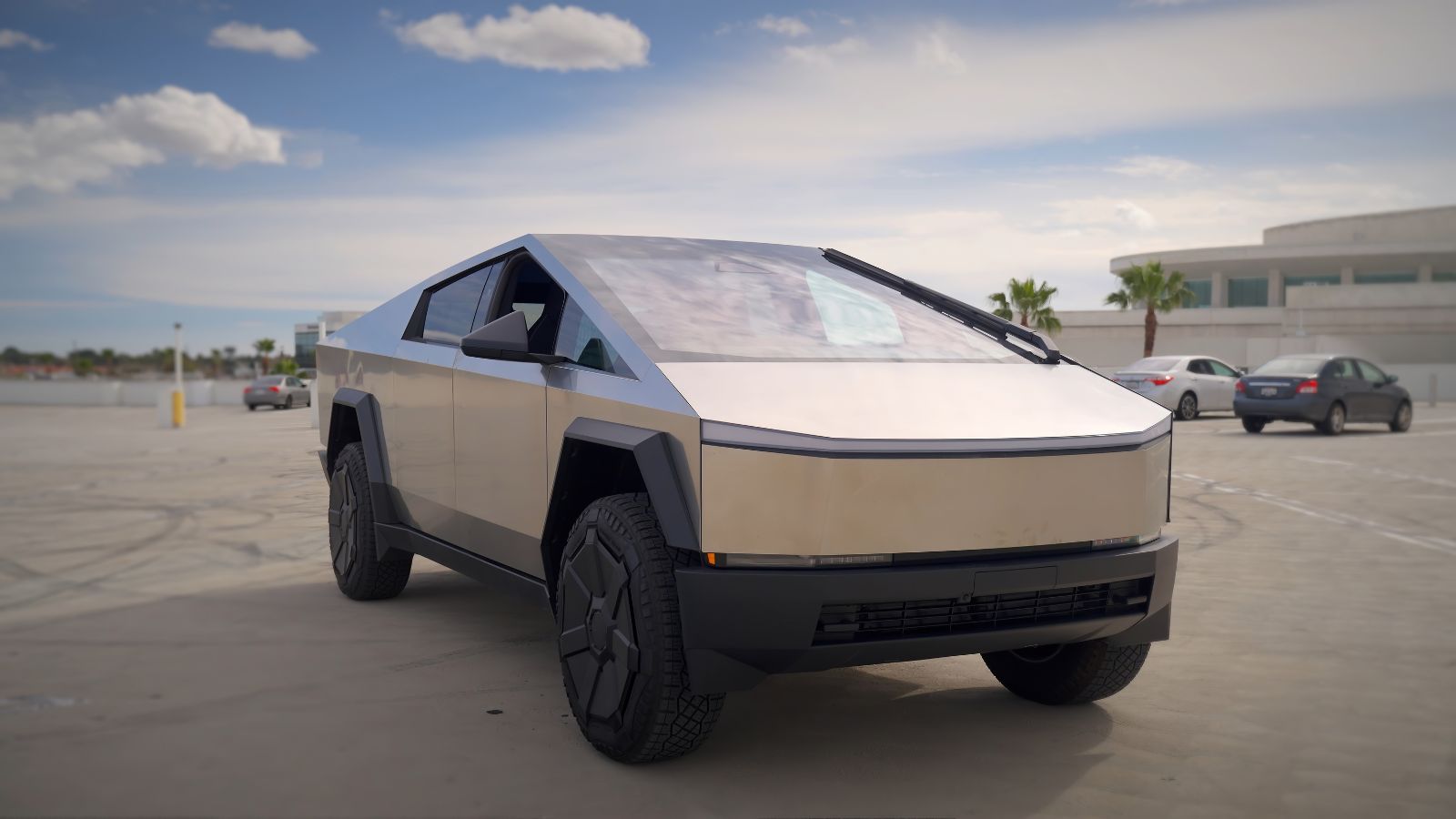
Photo Credit: Shutterstock

Battery preconditioning sounds like a luxury until winter makes it practical. When an EV can warm its battery before fast charging, it can often charge more predictably in cold conditions. Some lower-cost models either lack robust preconditioning or make it less automatic than higher-end systems.

For drivers who charge mostly at home, this may not matter much. For apartment dwellers, commuters, delivery workers, or anyone relying on public chargers, it can matter a lot. After three winters, the difference between “plug in and wait” and “arrive ready to charge” can affect schedules, road trips, and overall satisfaction.

Cheap Tires and Basic Traction Setups Can Undercut Winter Value
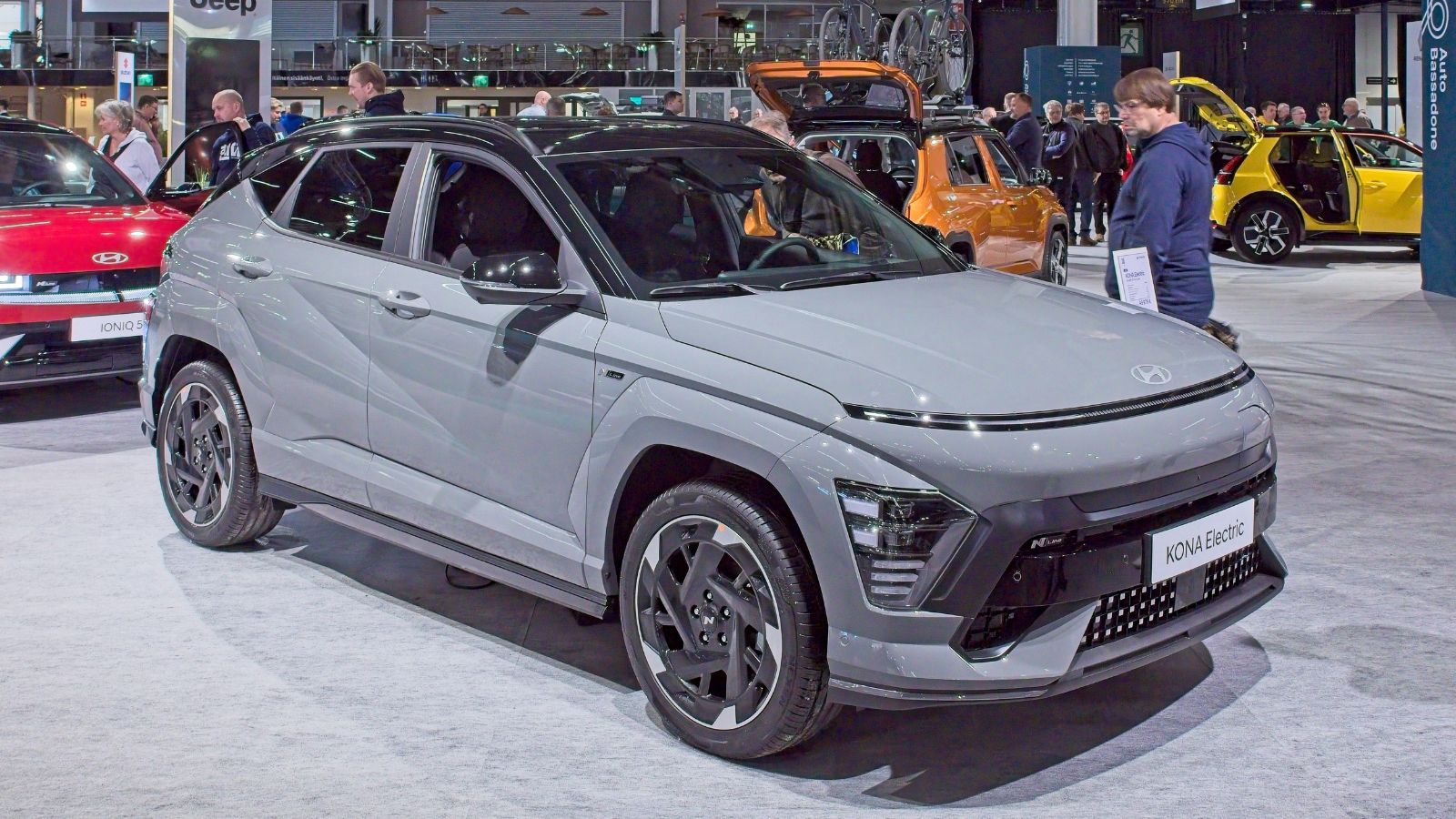
Photo Credit: Shutterstock

The cheapest EV deal may come with efficiency-focused tires that are not ideal for harsh winter roads. Many EVs are heavy for their size because of the battery pack, and that weight can help stability but also makes proper tires important. Winter tires add cost that buyers sometimes forget during purchase.

Entry-level models may also have front-wheel drive or fewer traction-enhancing features than more expensive trims. That does not make them unsafe, but it can change how confident they feel in snow, freezing rain, or steep driveways. Over three winters, the cost of better tires and the value of stronger winter manners become harder to ignore.

Degradation May Be Modest, But It Still Matters More With Less Range
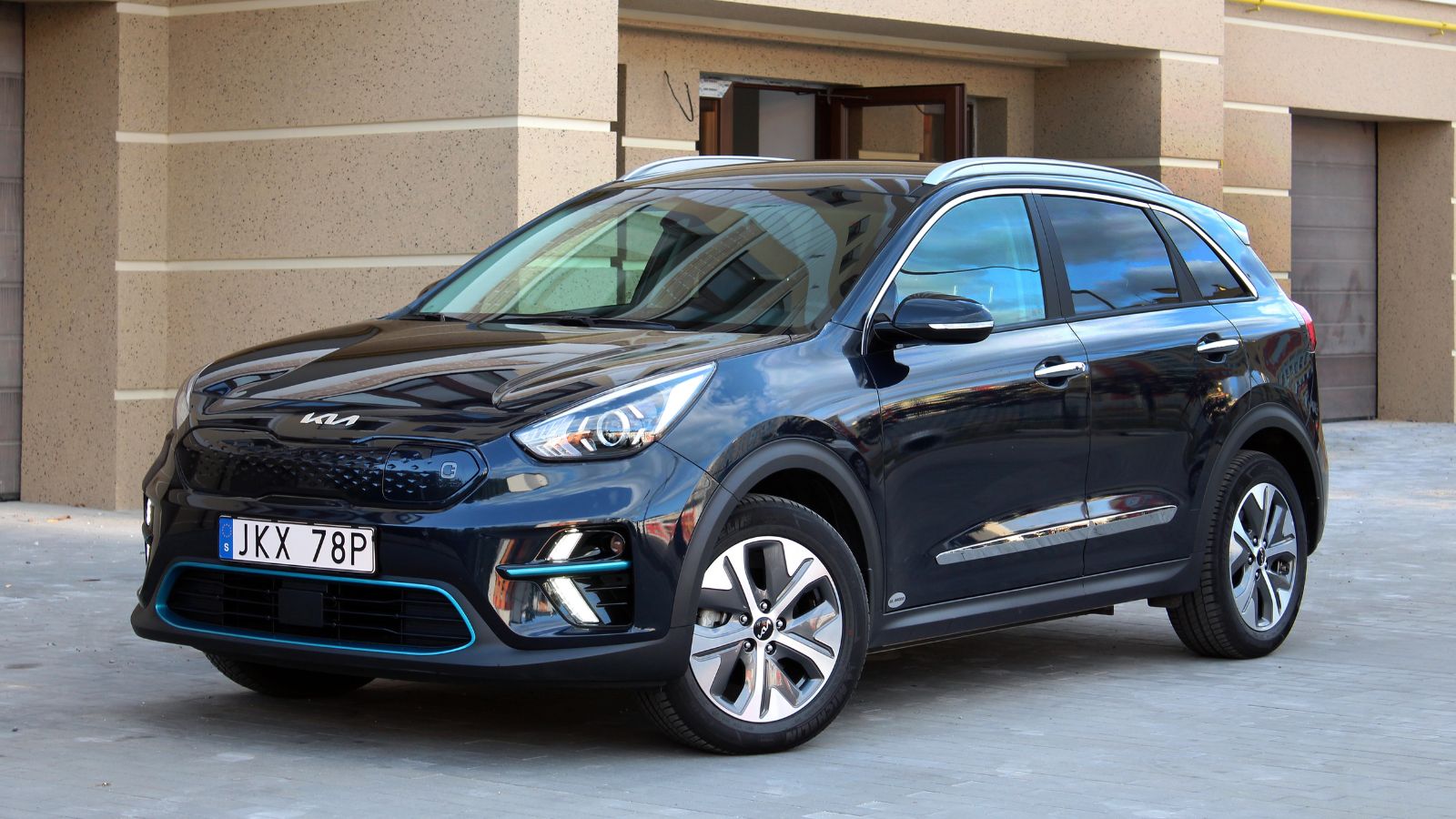
Photo Credit: Shutterstock

Modern EV batteries generally hold up better than early skeptics feared. Large real-world datasets show average annual battery degradation in the low single digits, which is encouraging. Still, even modest capacity loss matters more when the vehicle began with a smaller battery and already loses range in winter.

A driver may not notice a few percent of loss in a long-range EV. In a budget EV, that same percentage can remove valuable winter buffer. After three winters, the issue is usually not catastrophic battery failure. It is the gradual shrinking of comfort: fewer spontaneous trips, tighter cold-weather margins, and more frequent charging decisions.

Warranty Coverage Does Not Always Solve the Practical Problem

Photo Credit: Shutterstock

Many EV batteries are covered for years and high mileage, often around eight years or 160,000 kilometres in Canada. That sounds reassuring, and it is important protection. However, warranties usually address serious defects or capacity falling below a defined threshold, not normal seasonal range loss or mild degradation.

This means a budget EV can be technically within warranty while still feeling less useful after repeated winters. The car may operate as designed, but the owner’s needs may have changed. Warranty language cannot restore a lost commuting cushion, shorten a cold charging stop, or make a small battery feel large in February.

Public Charging Dependence Can Erase the Cheap-Car Advantage
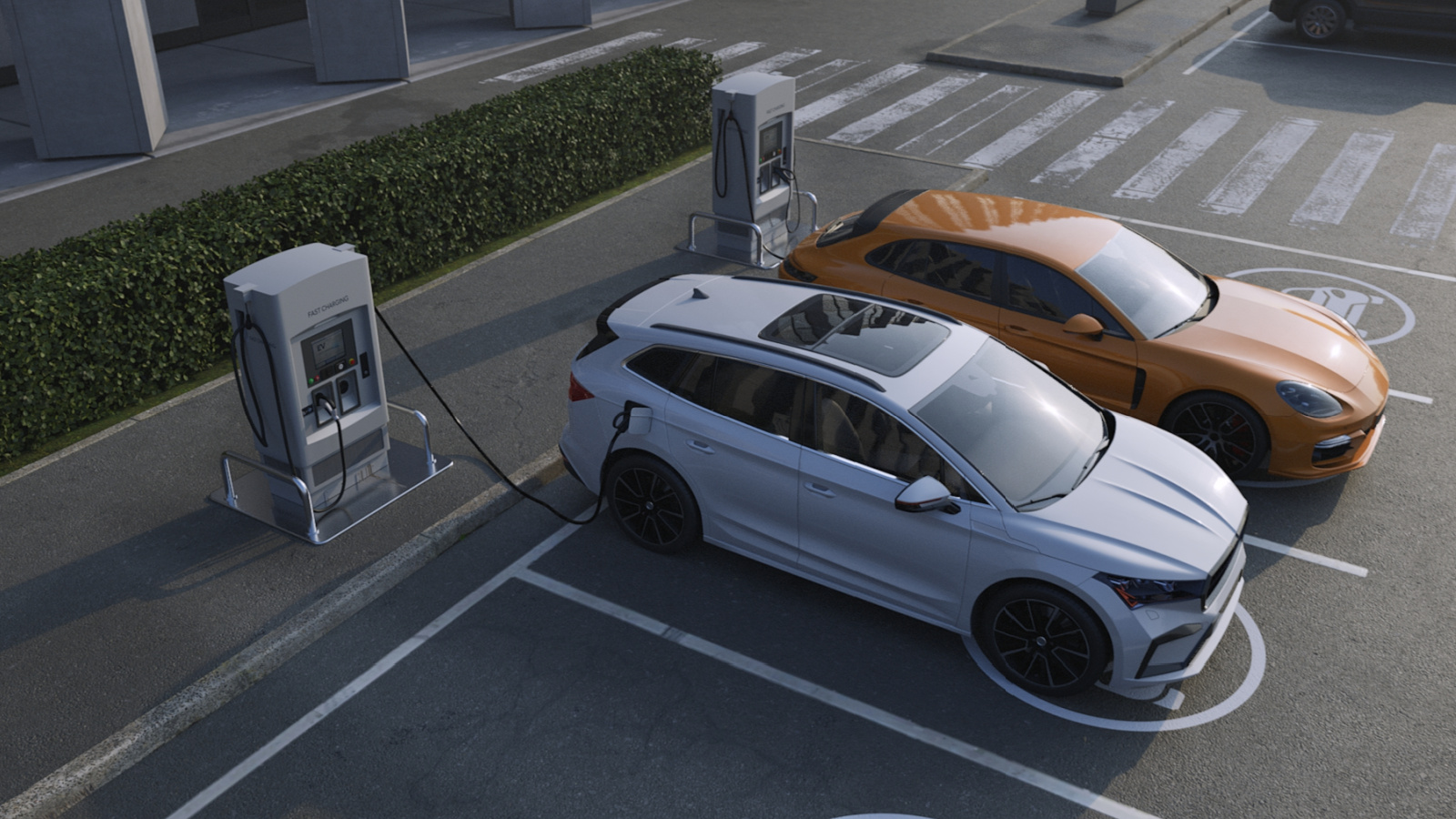
Image Credit: Shutterstock

The lowest total ownership cost usually appears when an EV owner can charge at home overnight. Without home charging, winter ownership becomes more dependent on public infrastructure. That is where cheaper EVs can face a second disadvantage: shorter range means more charging sessions, and slower charging means each session may take longer.

After three winters, the savings from buying cheap can be partly offset by paid public charging, extra time, and route planning. A driver who lives in a condo, rents without a charger, or parks on the street may find that the better deal was not the cheapest EV, but the EV that needed public charging less often.

Resale Buyers Ask Harder Questions About Battery Health
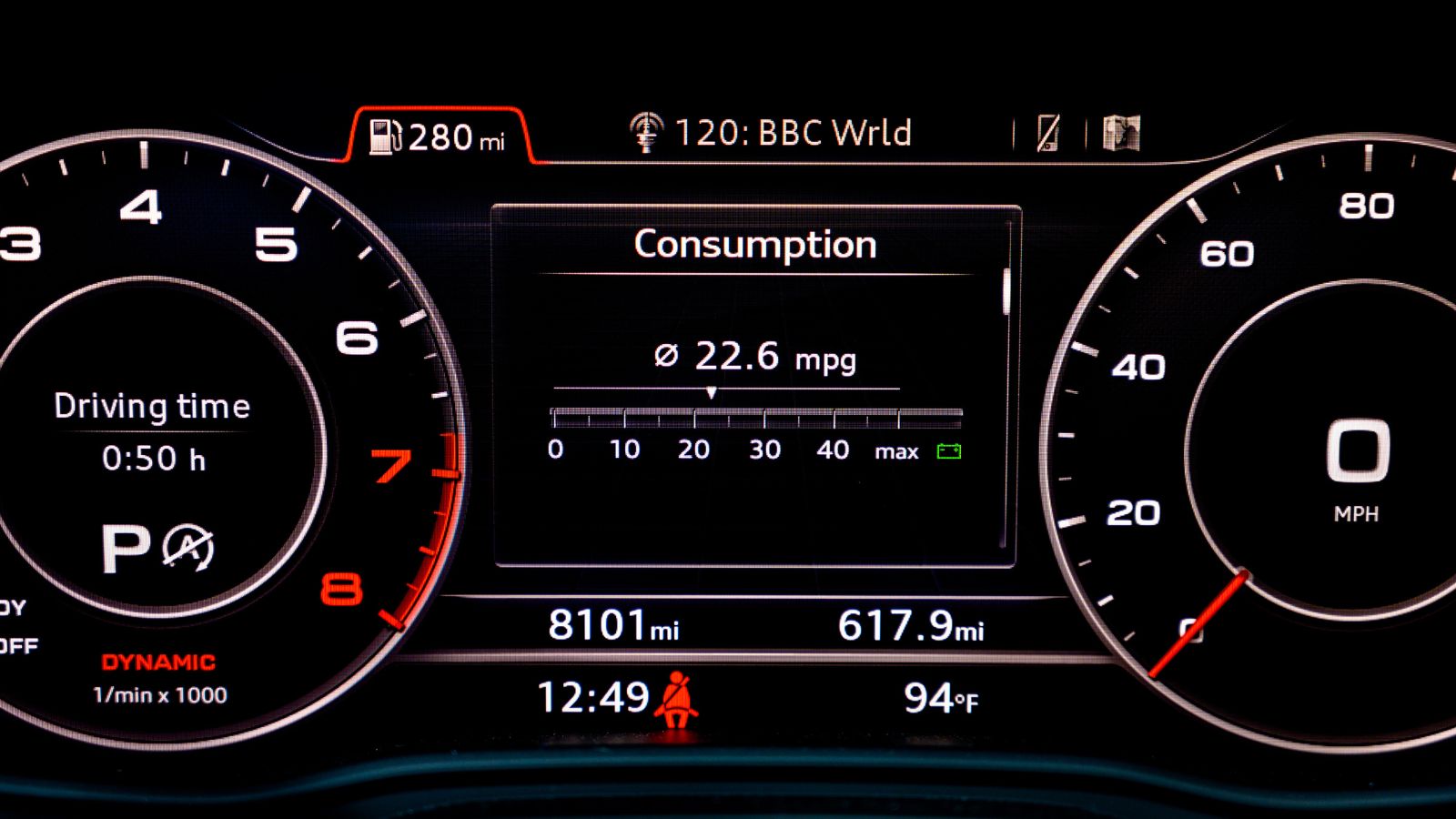
Photo Credit: Shutterstock

Used EV shoppers are becoming more informed. Many now ask about battery health, charging habits, range history, warranty status, and whether the car was mainly fast-charged. That makes the cheapest EV harder to resell if it has limited range, weak winter performance, or no clear battery-health documentation.

After three winters, resale value may reflect more than mileage. Buyers may compare newer used EVs with better range, improved thermal management, faster charging, and stronger software support. A low original price helps, but it does not guarantee strong resale if the car feels dated or too limited for cold-weather life.

Rapid EV Improvements Can Make Bargain Models Age Quickly
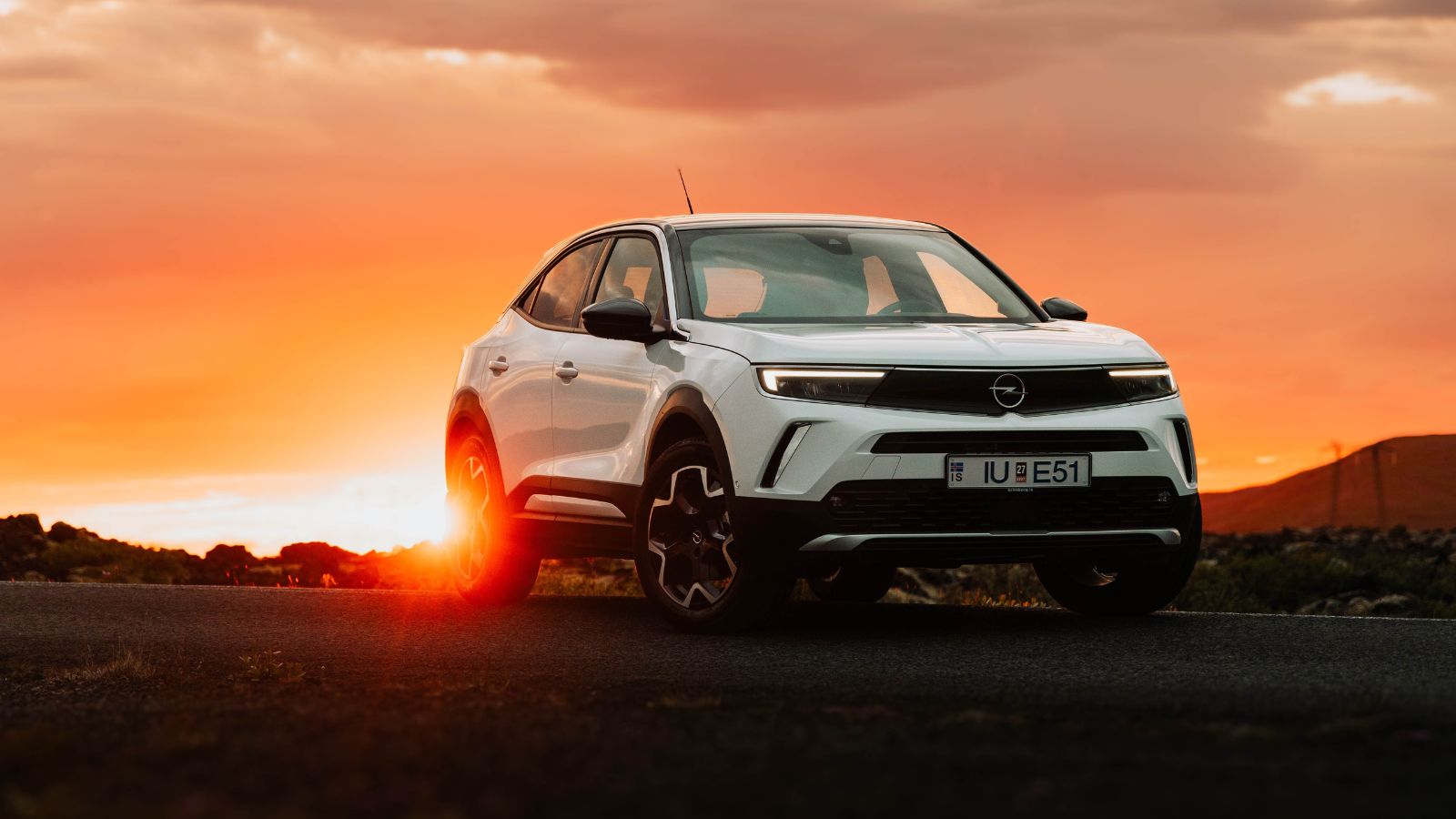
Photo Credit: Shutterstock

EV technology is improving quickly, especially in battery efficiency, charging speed, heat-pump systems, route planning, and software updates. A budget model that looked sensible at purchase can feel older sooner if newer affordable EVs arrive with better winter range and faster charging.

This is a quiet cost because it shows up in comparison. The car may still function well, but expectations move. After three winters, a buyer may see newer models offering better cold-weather confidence for similar money on the used market. In that context, the cheapest new EV can become a less compelling long-term value.

Comfort Cuts Become More Noticeable in Freezing Weather
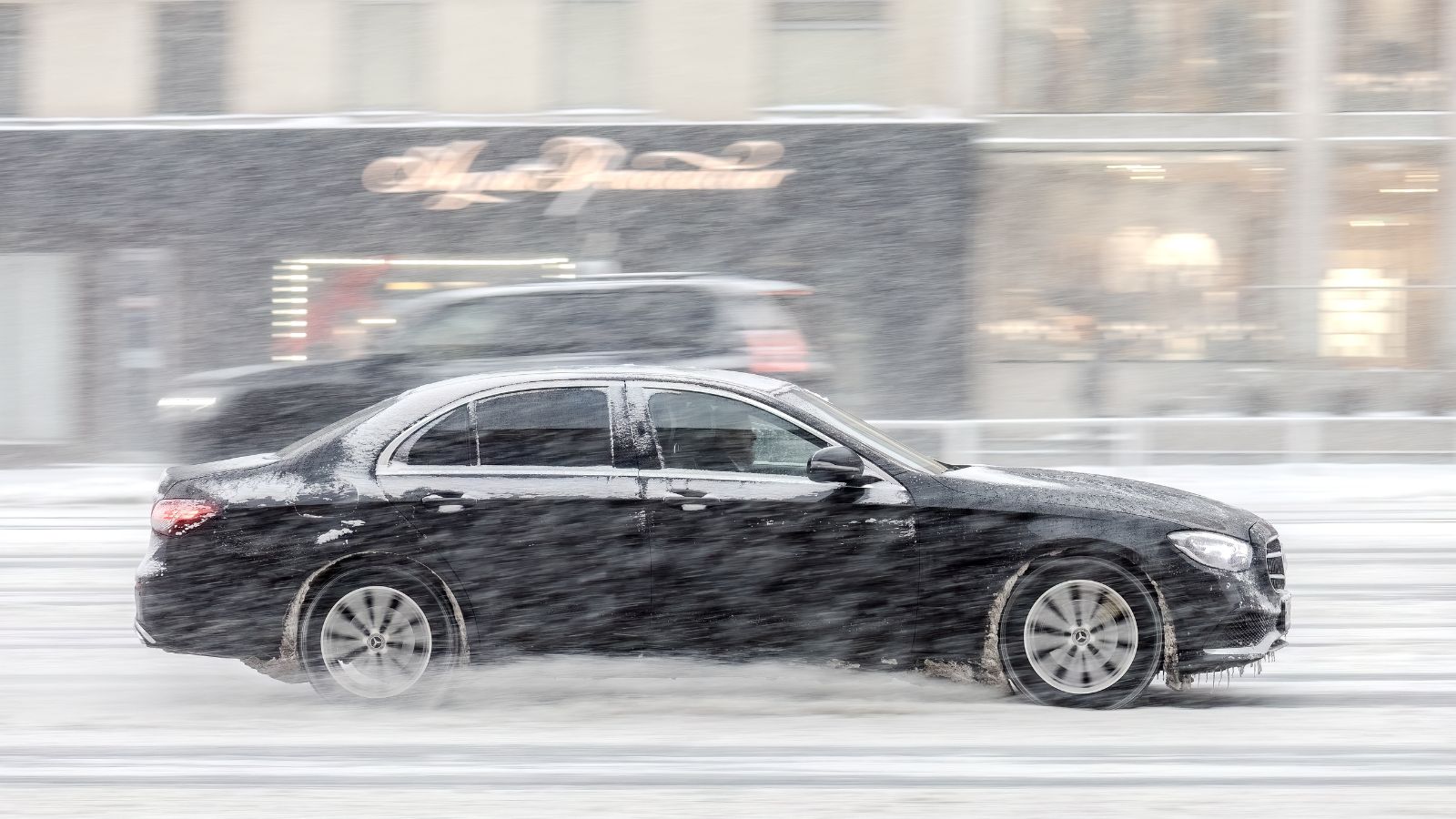
Image Credit: Shutterstock

Cheaper EVs often trim costs through smaller cabins, simpler seats, fewer heated surfaces, less sound insulation, or more basic climate controls. In summer, those compromises may seem minor. In winter, heated seats, heated steering wheels, efficient defrosting, and good cabin insulation can make daily driving more pleasant while reducing reliance on energy-hungry cabin heat.

A family doing school drop-offs in a cold snap may value fast defrosting more than a slightly lower monthly payment. A commuter may notice road noise from winter tires and frozen pavement. After three winters, comfort features can feel less like extras and more like part of the vehicle’s real value.

22 Things Canadians Do to Their Cars in Spring That Mechanics Hate

Image Credit: Shutterstock

Spring brings relief to many Canadian drivers after months of snow, freezing temperatures, and icy roads that put serious strain on vehicles. As temperatures rise across the country, drivers begin washing cars, switching tires, and preparing vehicles for warmer weather and upcoming road trips. However, mechanics across Canada notice the same mistakes every spring when drivers attempt to recover from winter damage. Road salt, potholes, and harsh winter driving conditions often leave vehicles with hidden problems that drivers ignore. Some spring habits even create new mechanical issues that could have been avoided with proper maintenance. Here are 22 things Canadians do to their cars in spring that mechanics hate.


Recommended.

17 Things That Make Car Leasing in Canada Feel More Expensive Than It Looks

18 Reasons a Cheap Lease Can Become an Expensive Trap

June 17, 2026
25 “Future Classics” Canadians Can Still Buy Before Prices Spike

25 “Future Classics” Canadians Can Still Buy Before Prices Spike

March 28, 2026

Trending.

9 Auto Brands Canadians Are Watching Much More Closely Right Now

Toyota Canada Says Electrified Vehicles Are Now Nearly 70% of Its Q2 Sales

July 7, 2026
16 Used SUVs That Suddenly Don’t Look Like Smart Buys in Canada

Toyota Adds U.S. RAV4 Production as Demand Overwhelms Dealers

June 29, 2026
9 Auto Brands Canadians Are Watching Much More Closely Right Now

Unifor Opens Auto Talks With Ford as 5,000 Canadian Workers Face Tariff Pressure

June 22, 2026
16 Cars That Could Be Hit Hardest by Canada’s New Price Pressures

20 Cars Canadians Love Buying but Hate Owning Long Term

June 24, 2026
9 Auto Brands Canadians Are Watching Much More Closely Right Now

Toyota Says Electrified Vehicles Now Make Up 64% of Its Canadian Sales

June 18, 2026
  • About
  • Contact
  • Privacy Policy
  • Disclaimer
  • Editorial Policies
  • Terms and Conditions
A Revir Media Group Website

2026 Autoigloo - © All rights reserved

No Result
View All Result
  • News & Trends
  • Car Reviews
  • Buying Guides
  • Comparisons
  • EVs & Hybrids
  • More
    • Pricing & Deals
    • Winter Driving
    • Ownership & Maintenance

2026 Autoigloo - © All rights reserved

This website uses cookies. By continuing to use this website you are giving consent to cookies being used. Visit our Privacy and Cookie Policy.


