


























Canadian drivers heading into May long weekend are often thinking about road trips, towing, cottage runs, fuel stops, and whether a vehicle still feels worth the payment attached to it. That timing can expose weaknesses that were easier to ignore in winter: thirsty engines, high insurance quotes, theft anxiety, cramped cargo space, expensive tires, or resale values that no longer look as bulletproof as expected.
Here are 15 vehicles that can start to feel like a bad deal when purchase price, monthly payment pressure, fuel costs, insurance trends, reliability concerns, and real-world ownership needs all collide before one of Canada’s busiest driving weekends.
Toyota RAV4
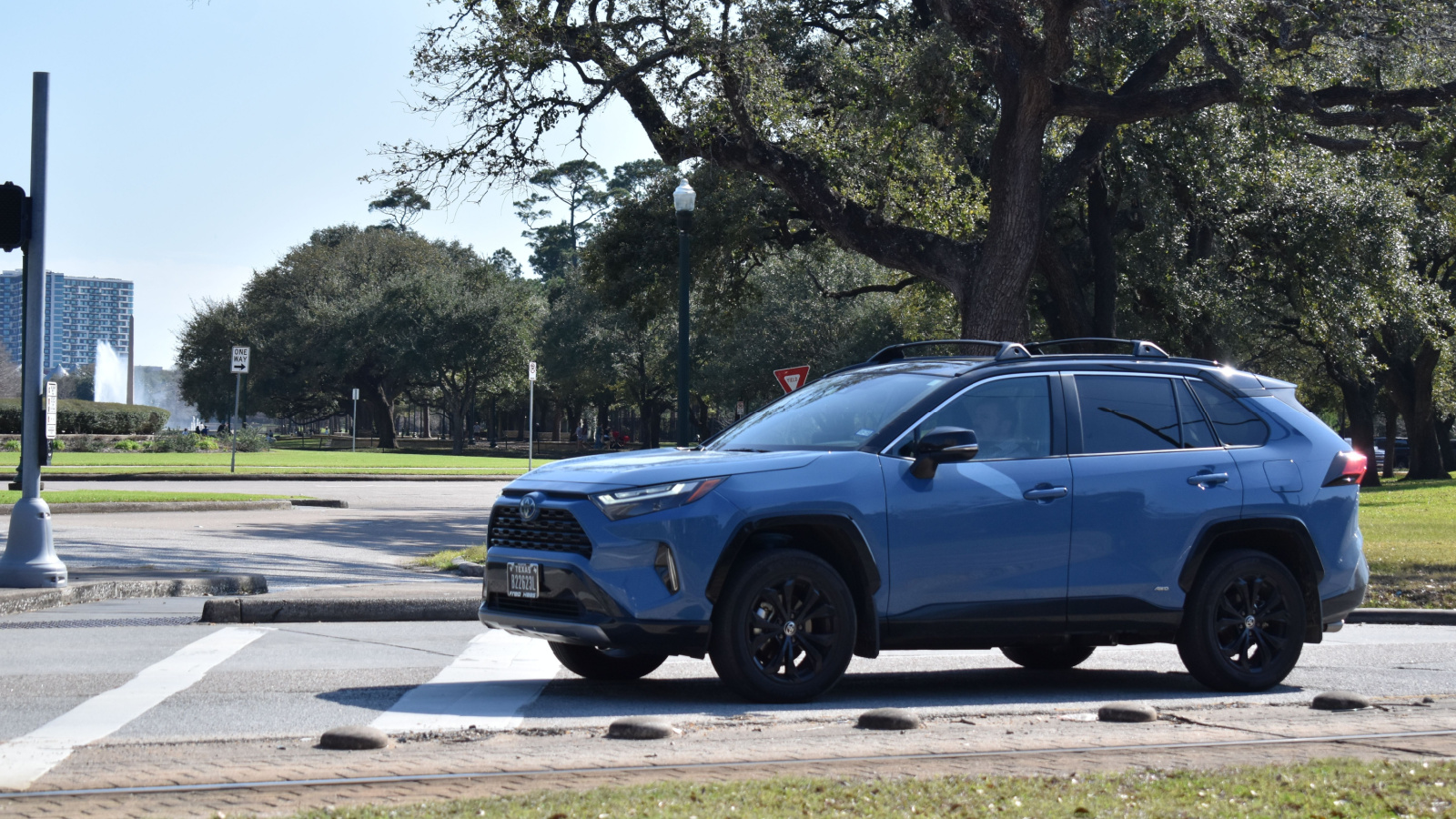
The Toyota RAV4 remains one of Canada’s default answers for families, commuters, and small-SUV shoppers, which is exactly why it can feel overpriced in the spring buying rush. Late-model used examples often hold value stubbornly, especially hybrids, while new inventory can still vary by region and trim. When average vehicle payments remain elevated, even a practical compact SUV can start looking less like a safe bet and more like a crowded bidding war.
The bigger concern is theft exposure. The RAV4 has been identified as a top stolen vehicle in Canada, with newer SUVs and keyless security vulnerabilities highlighted as a continuing target for organized theft networks. That does not make every RAV4 a mistake, but it changes the cost equation. Add insurance scrutiny, anti-theft-device expectations, and the possibility of paying a premium for a vehicle criminals also want, and the deal can lose some shine quickly.
Honda CR-V
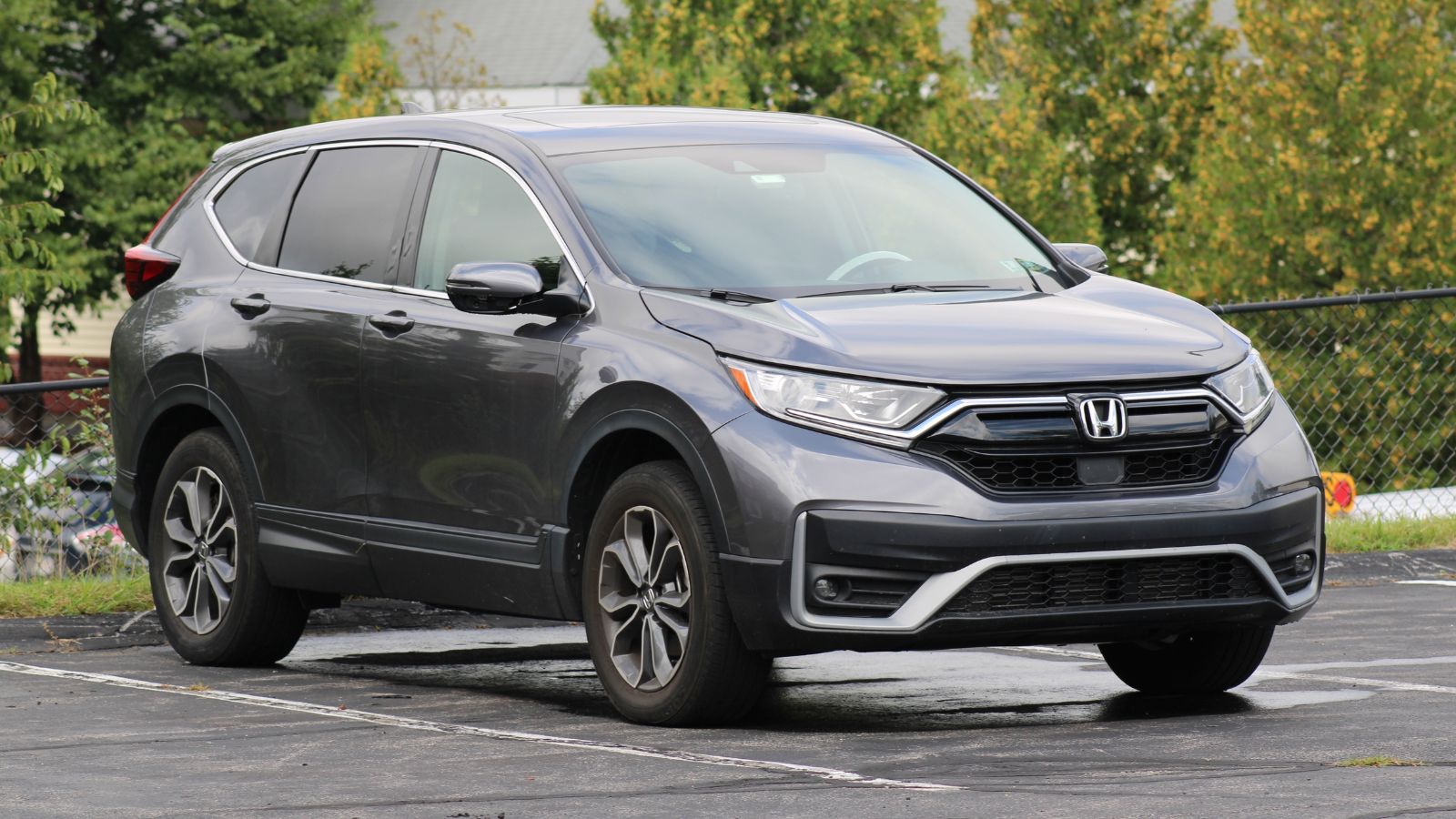
The Honda CR-V has earned its loyal following for good reason: space, resale strength, efficiency, and a reputation for easy daily use. The problem is that those strengths can push used prices to uncomfortable levels. A shopper looking for a modest family crossover may find that a several-year-old CR-V still costs close enough to newer rivals to make the value argument harder than expected.
The theft angle also matters. Late-model CR-Vs have appeared prominently in Canadian theft data, and popular family SUVs often draw attention because their parts, resale demand, and export value remain strong. Before a long weekend, when vehicles are parked at hotels, trailheads, cottages, and public lots, that risk feels less theoretical. The CR-V still makes sense for many households, but paying a high used price, then facing higher insurance or anti-theft costs, can make it feel less like a bargain.
Ford F-150
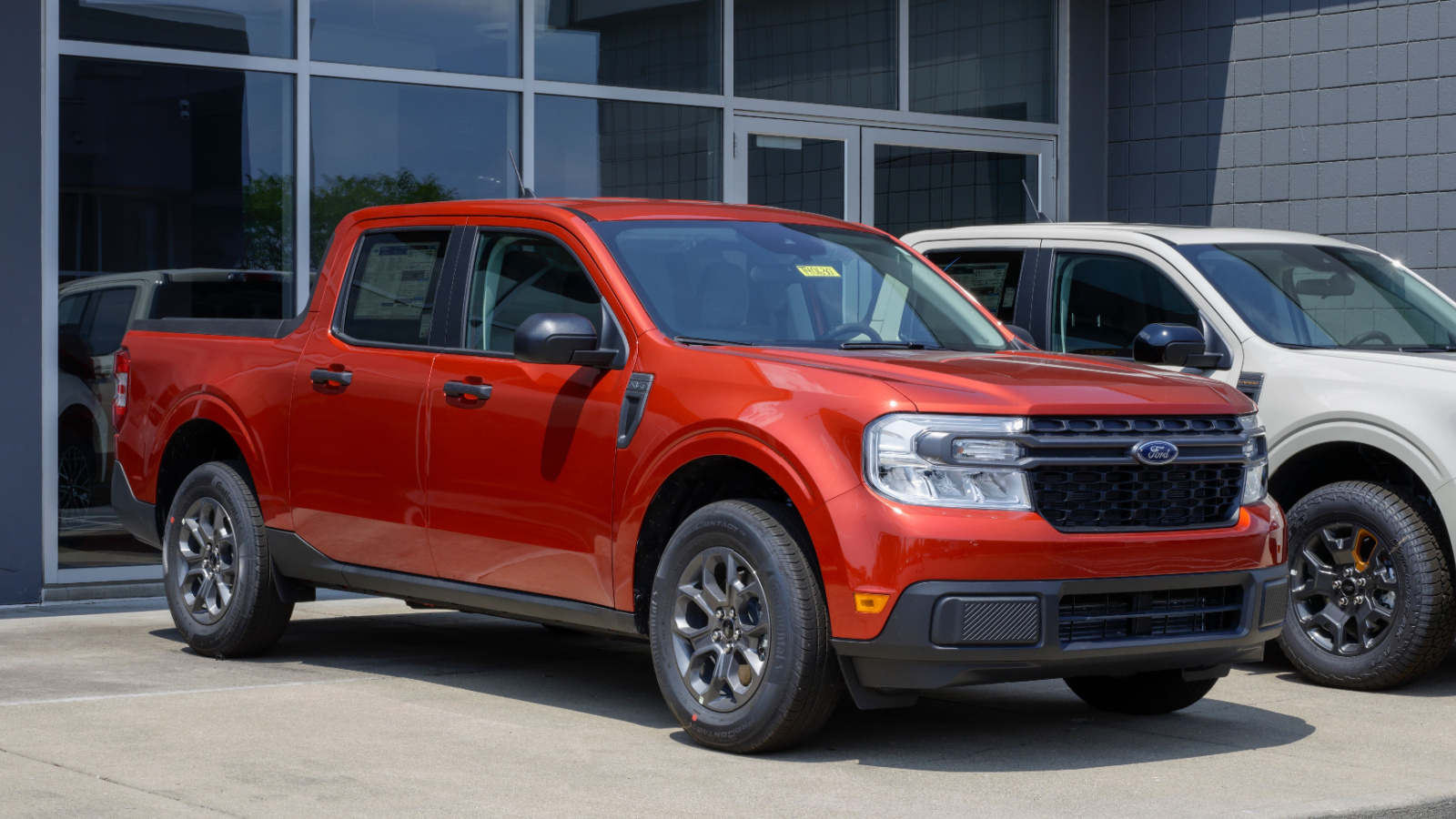
The Ford F-150 is deeply embedded in Canadian driving culture, from worksites to boat launches to cottage roads. Its capability is not in question. The problem is that many buyers pay for more truck than they regularly use. Once fuel, insurance, winter tires, accessories, and financing are added, a half-ton pickup can turn into a very expensive commuter with a large bed that sits empty most weekdays.
It also sits inside a market where monthly payments remain high and full-size trucks are rarely cheap to buy, repair, or feed. For drivers who tow only a few weekends a year, renting or borrowing capacity may look more rational than carrying a big payment all year. Before May long weekend, the F-150’s usefulness is obvious. After the trip, the daily ownership math can feel much less flattering.
Ram 1500
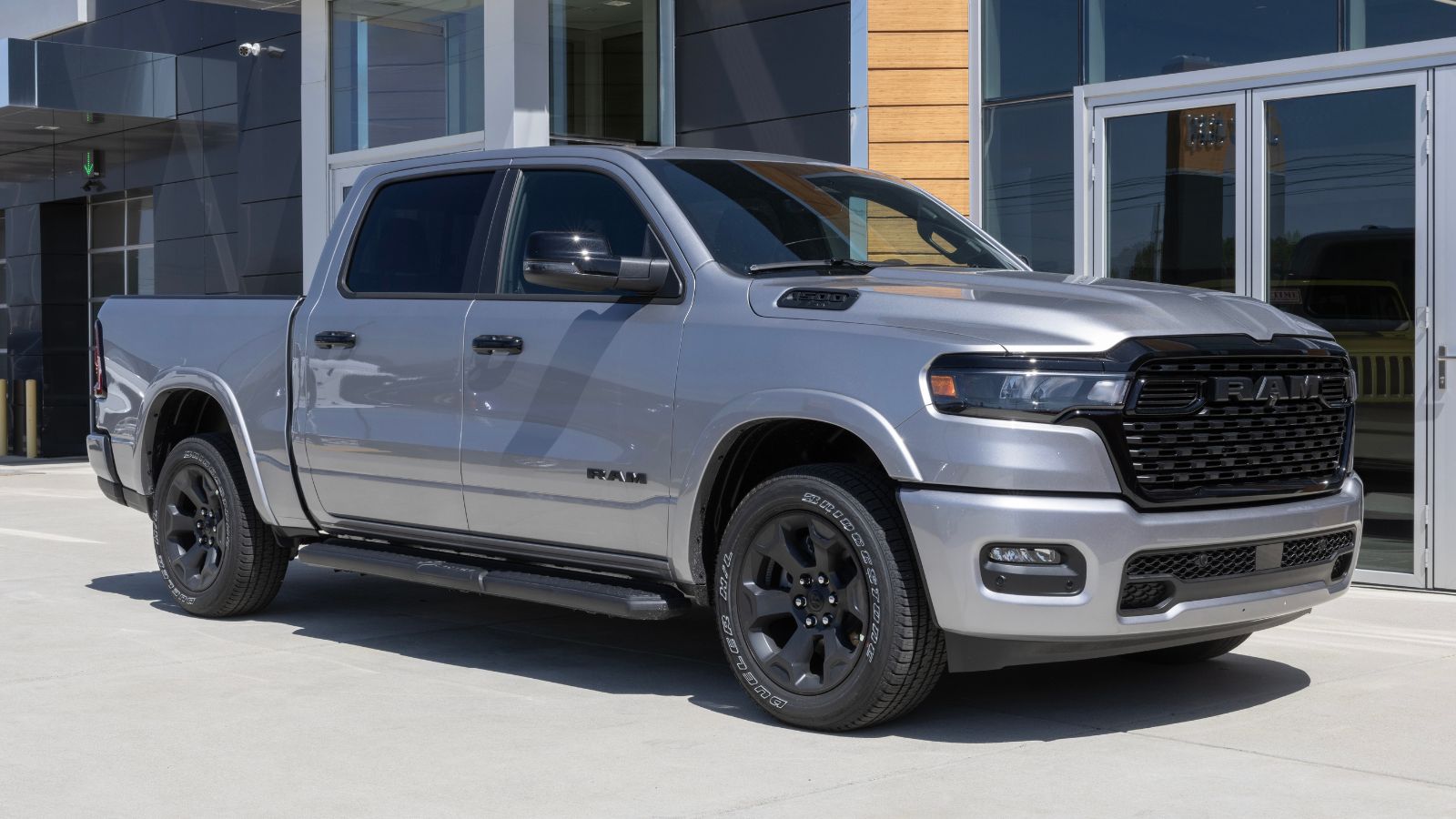
The Ram 1500 often wins people over with its comfortable ride, upscale cabins, and big-truck presence. It can feel surprisingly luxurious compared with older pickups, which helps explain why many buyers stretch into higher trims. That is where the value risk begins. A well-equipped Ram can quickly move from “practical truck” to luxury-level payment, especially when financing rates and insurance remain part of the monthly burden.
Fuel costs also matter heading into summer driving season. A comfortable truck is still a large, heavy vehicle, and weekend trips with passengers, cargo, and highway speeds can expose consumption that looked manageable during a short test drive. Discounts may soften the price, but they can also raise questions about resale strength later. For buyers who do not need regular towing or payload capacity, the Ram 1500 can become a costly lifestyle statement.
Chevrolet Silverado
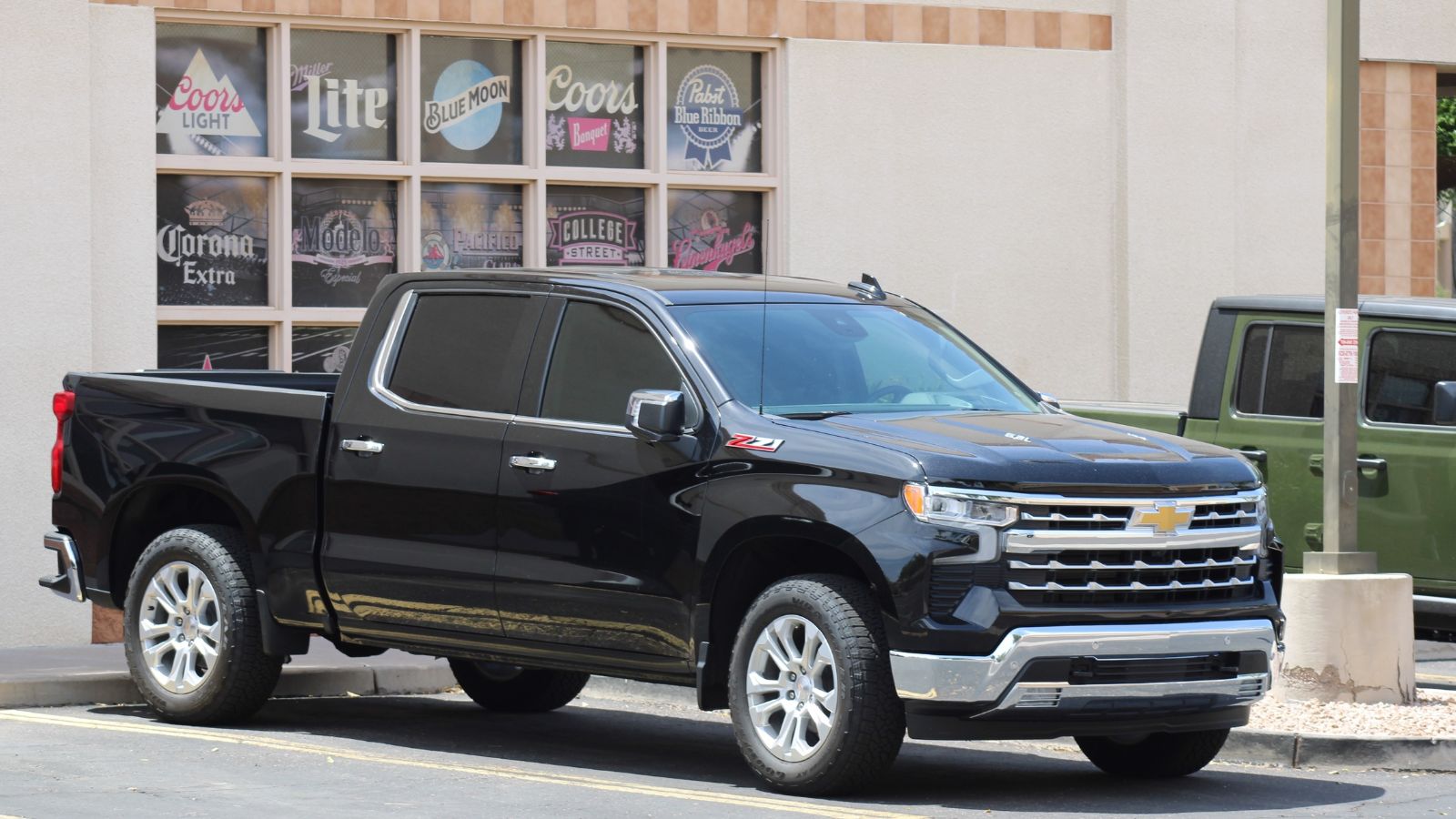
The Chevrolet Silverado offers serious capability, broad engine choices, and strong name recognition. For tradespeople or rural households, it can be the right tool. For everyone else, the deal deserves more scrutiny. Full-size trucks often come with higher purchase prices, larger tire and brake bills, and fuel costs that rise noticeably once long-distance weekend driving starts.
The Silverado can also become expensive through options. Towing packages, larger wheels, crew-cab layouts, off-road trims, and technology bundles make the sticker climb quickly. A buyer who walks in for a dependable pickup can leave with a payment that resembles a luxury SUV. Before May long weekend, it may feel reassuring to have all that capacity. But if the truck spends most of the year doing school runs and grocery trips, the value case can weaken fast.
GMC Sierra
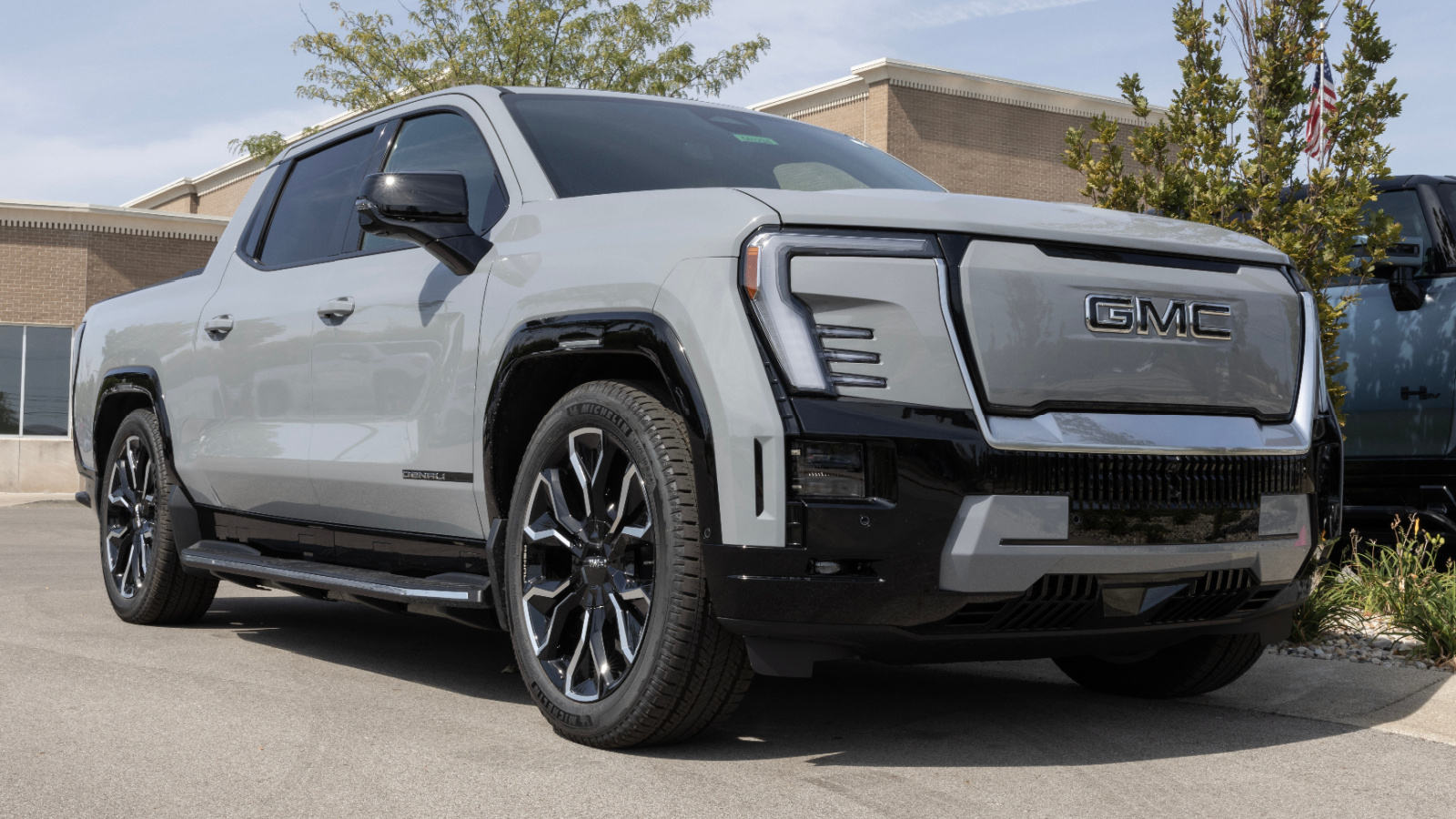
The GMC Sierra faces many of the same cost issues as the Silverado, but often with a more premium positioning. Its higher trims can be genuinely impressive, with refined interiors and advanced towing technology. That polish can also make the price feel harder to justify when the vehicle is being used mainly as a personal daily driver rather than a business asset.
The Sierra’s bad-deal risk comes from paying luxury money for capability that may be used only occasionally. Fuel, insurance, depreciation, and repair costs do not pause between camping weekends. In Canadian cities, its size can also make parking, underground garages, and tight driveways more frustrating than expected. For buyers who truly tow, haul, or work from their truck, it can make sense. For casual weekend use, the numbers may not be kind.
Jeep Grand Cherokee
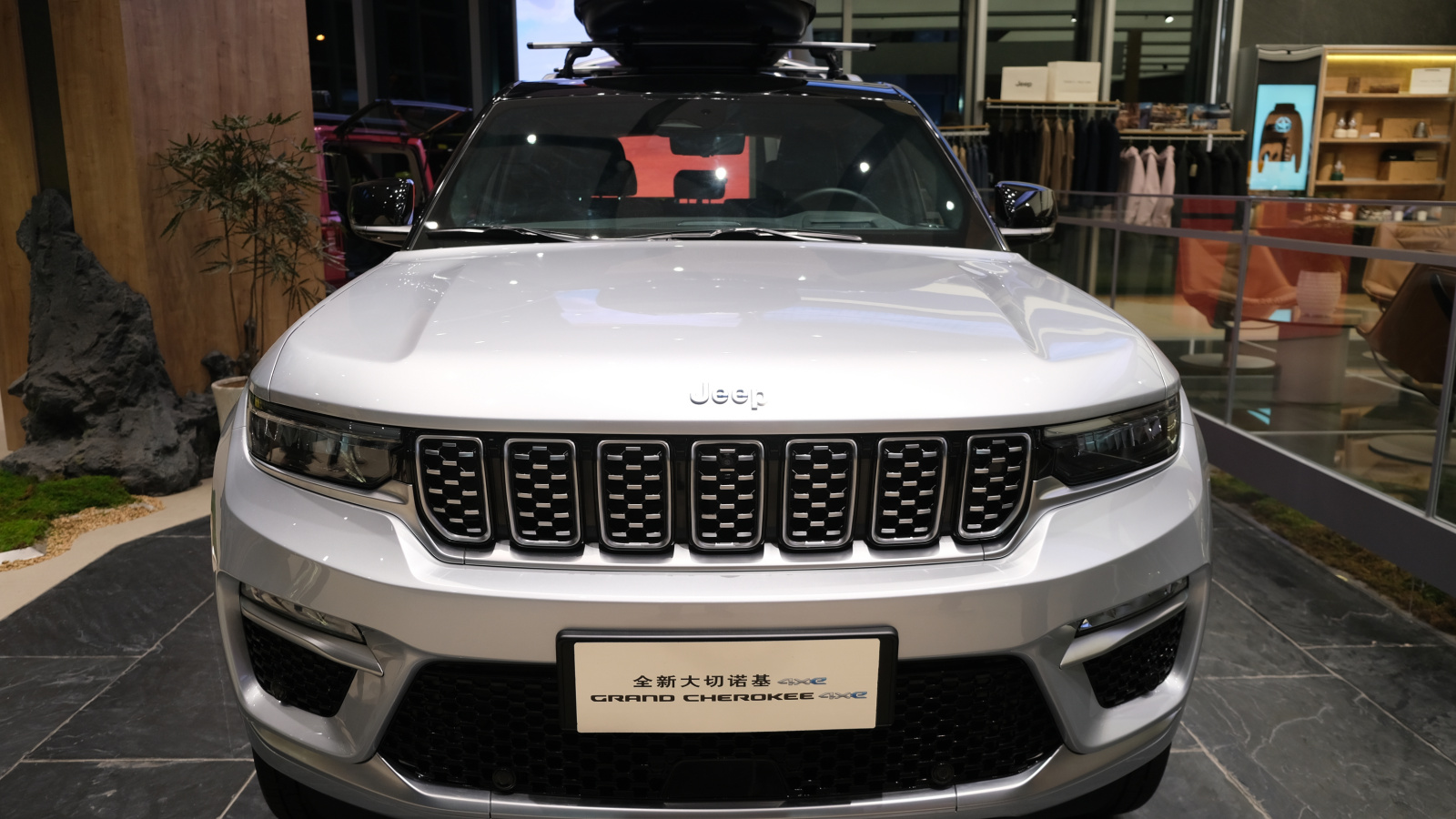
The Jeep Grand Cherokee has strong emotional appeal. It looks upscale, handles rough weather confidently, and offers trims that range from family-friendly to near-luxury. But that broad range can hide a complicated ownership story. Higher trims, advanced drivetrains, air suspension, and plug-in hybrid versions can all raise repair complexity and long-term cost exposure.
Reliability concerns are part of the conversation. Consumer reliability data has flagged the Grand Cherokee and especially its plug-in hybrid version as weaker performers than many buyers may expect from a premium-priced SUV. That matters before May long weekend because this is exactly when families load the cargo area, drive farther, and depend on the vehicle more heavily. If the payment is high and confidence is mixed, the Grand Cherokee can begin to feel like a stylish but risky bet.
Jeep Wrangler
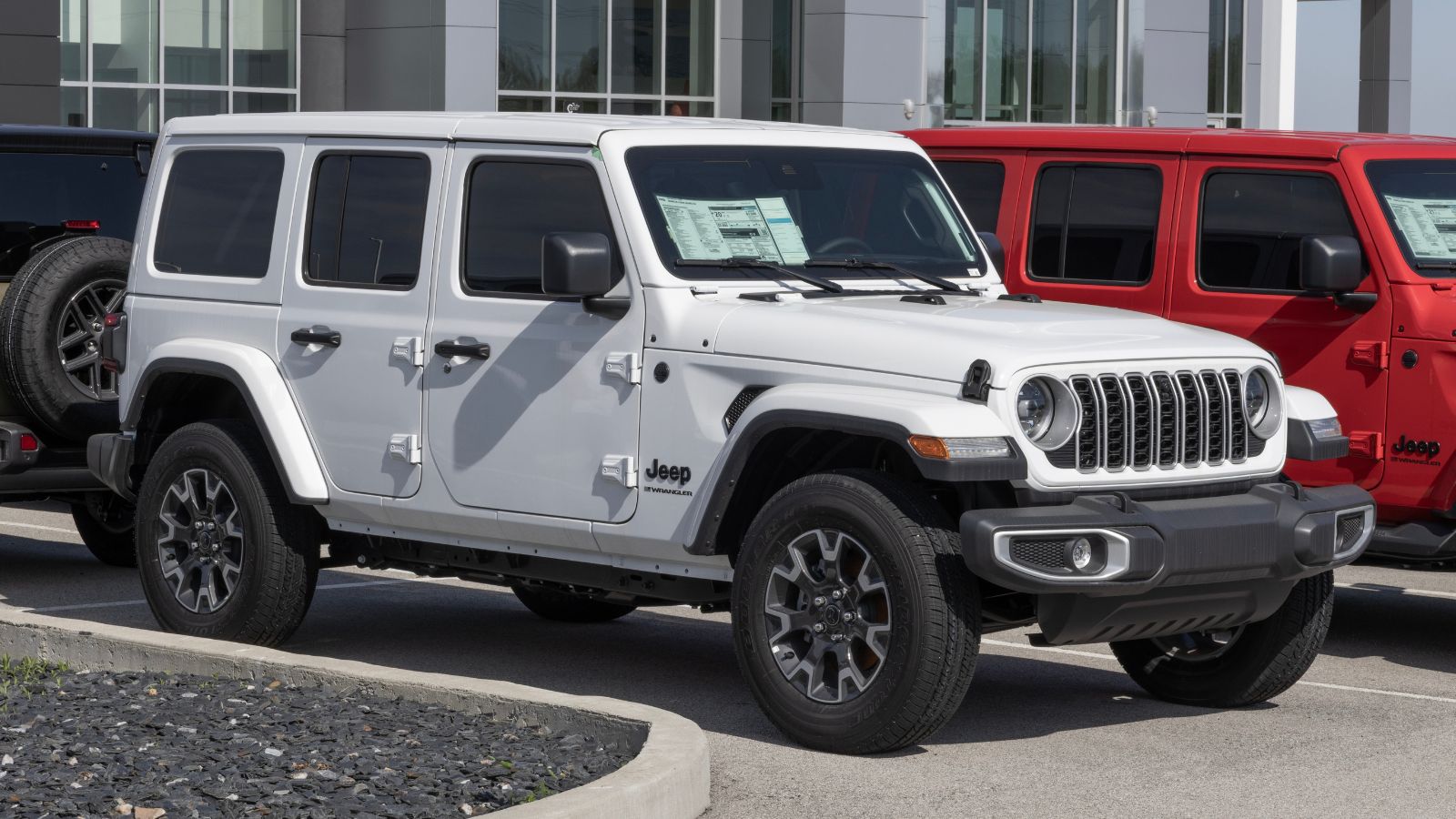
The Jeep Wrangler is one of the easiest vehicles to love and one of the easiest to rationalize poorly. Its image is powerful: open-air driving, cottage trails, beach roads, and a sense of freedom that few vehicles match. But in daily Canadian use, the compromises are real. Ride comfort, road noise, fuel economy, cargo practicality, and winter tire costs can all challenge the romantic version of ownership.
Safety context also deserves attention. Independent crash-test reporting has highlighted concerns with some Wrangler results, including earlier rollover-related issues in small-overlap testing. The Wrangler may still be perfect for buyers who genuinely use its off-road ability, but many end up paying a premium for an image. Before May long weekend, that image sells itself. After months of highway commuting, the cost-versus-comfort tradeoff may feel harder to defend.
Toyota Tacoma
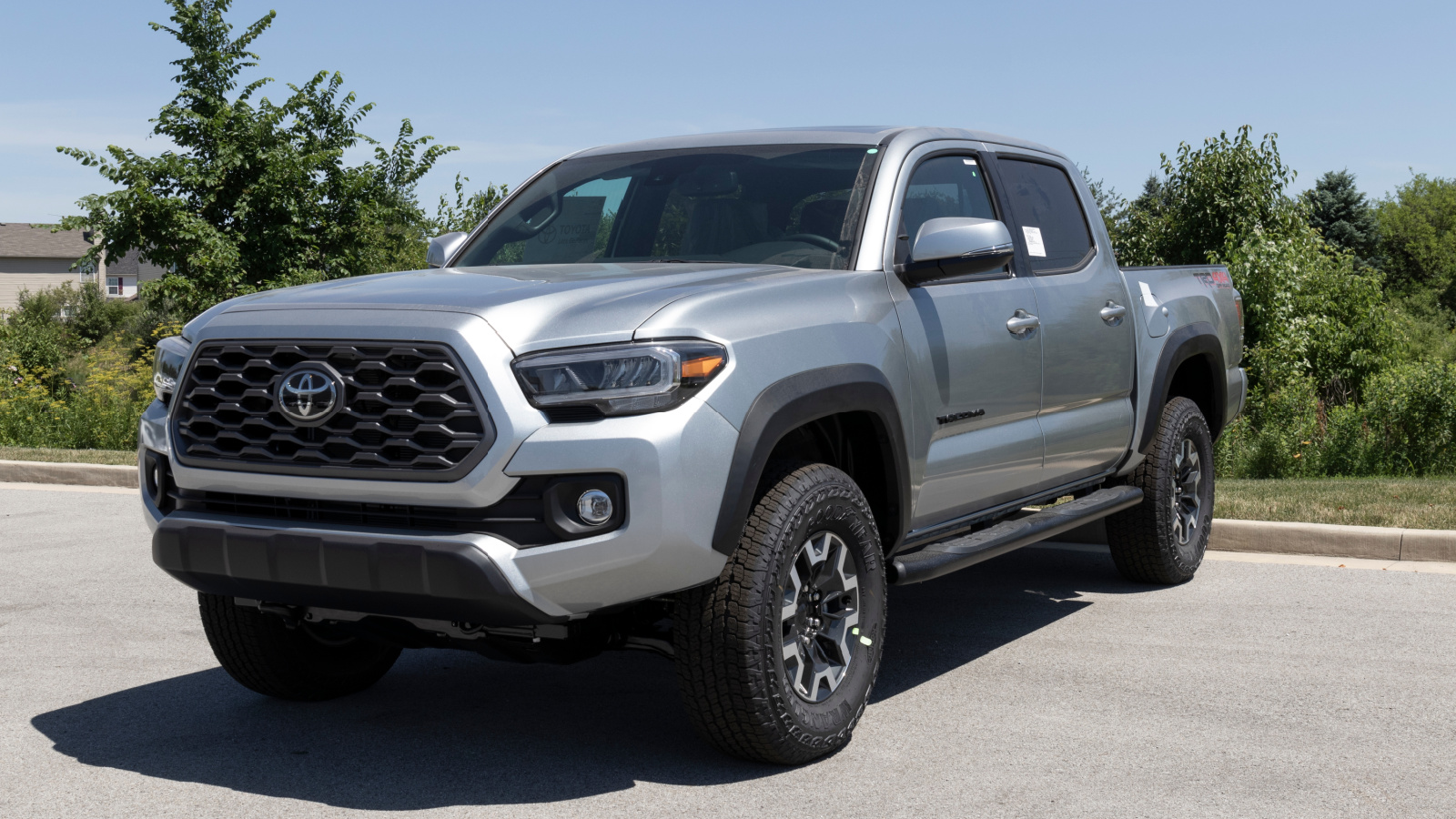
The Toyota Tacoma has a near-mythical reputation for durability and resale value, which can make it feel financially safe. The catch is that reputation often keeps used prices unusually high. In Canada, a late-model Tacoma can be priced so strongly that shoppers may question why they are paying so much for a midsize truck that is less spacious and less powerful than some full-size alternatives.
The Tacoma makes sense for drivers who value manageable size, trail ability, and long-term ownership. It looks less compelling when it becomes a high-priced lifestyle purchase. Add accessories, off-road trims, larger tires, and fuel costs, and the “small truck” starts behaving like a big bill. Ahead of May long weekend, it feels ready for bikes, camping gear, and cottage roads. The bad-deal feeling appears when the monthly payment stays long after the adventure ends.
Toyota Highlander
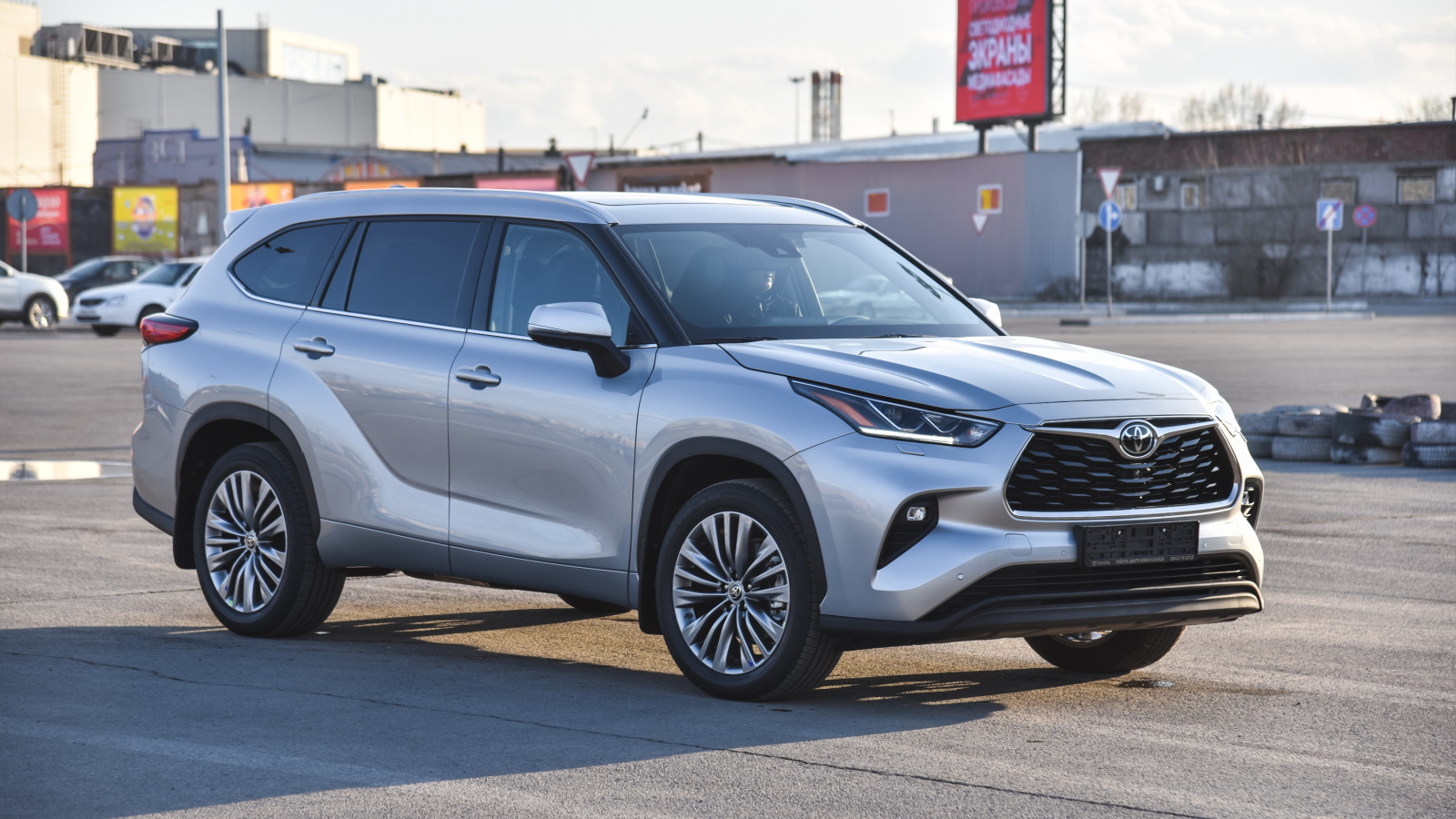
The Toyota Highlander is a trusted three-row SUV, especially for families that want reliability without moving into a minivan. Its reputation keeps demand strong, but that same demand can make used examples expensive. A family shopping for practical space may discover that a Highlander with the right mileage, trim, and history is not nearly as affordable as expected.
The theft and insurance backdrop adds another layer. Highlanders have appeared in Canadian theft rankings, and popular three-row SUVs can attract attention because of their resale value and broad parts demand. For a family heading out before May long weekend, the Highlander’s comfort and cargo space are clear advantages. But if the vehicle comes with a premium purchase price, higher insurance concerns, and limited negotiating room, the practical choice can start to feel financially stretched.
Lexus RX
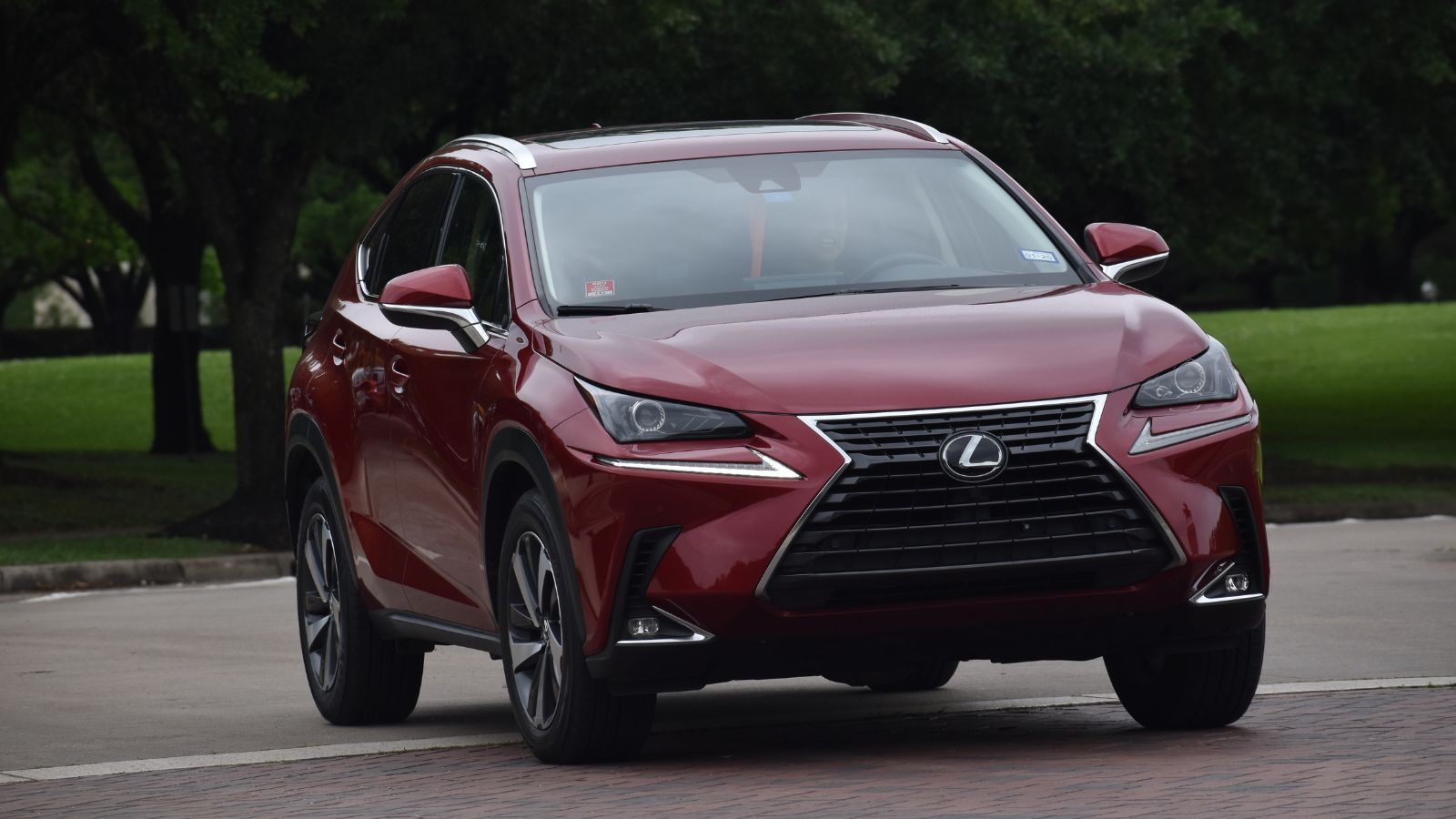
The Lexus RX has long been the comfortable, sensible luxury SUV choice. It carries Toyota-family credibility, a quiet cabin, and strong resale value. That combination can make used prices surprisingly resilient. For buyers stepping up from a mainstream SUV, however, the total cost can be sobering once luxury insurance, premium tires, dealership service, and higher theft exposure enter the picture.
The RX has been prominent in Canadian theft data, particularly in regions where luxury SUVs are targeted for export or parts. That changes how the vehicle feels in real life. Parking at a hotel, airport lot, or cottage rental can bring more anxiety than expected. The RX is not a bad vehicle; far from it. But paying luxury money for a vehicle that may also invite higher security costs can make the deal feel less relaxed.
Range Rover Sport
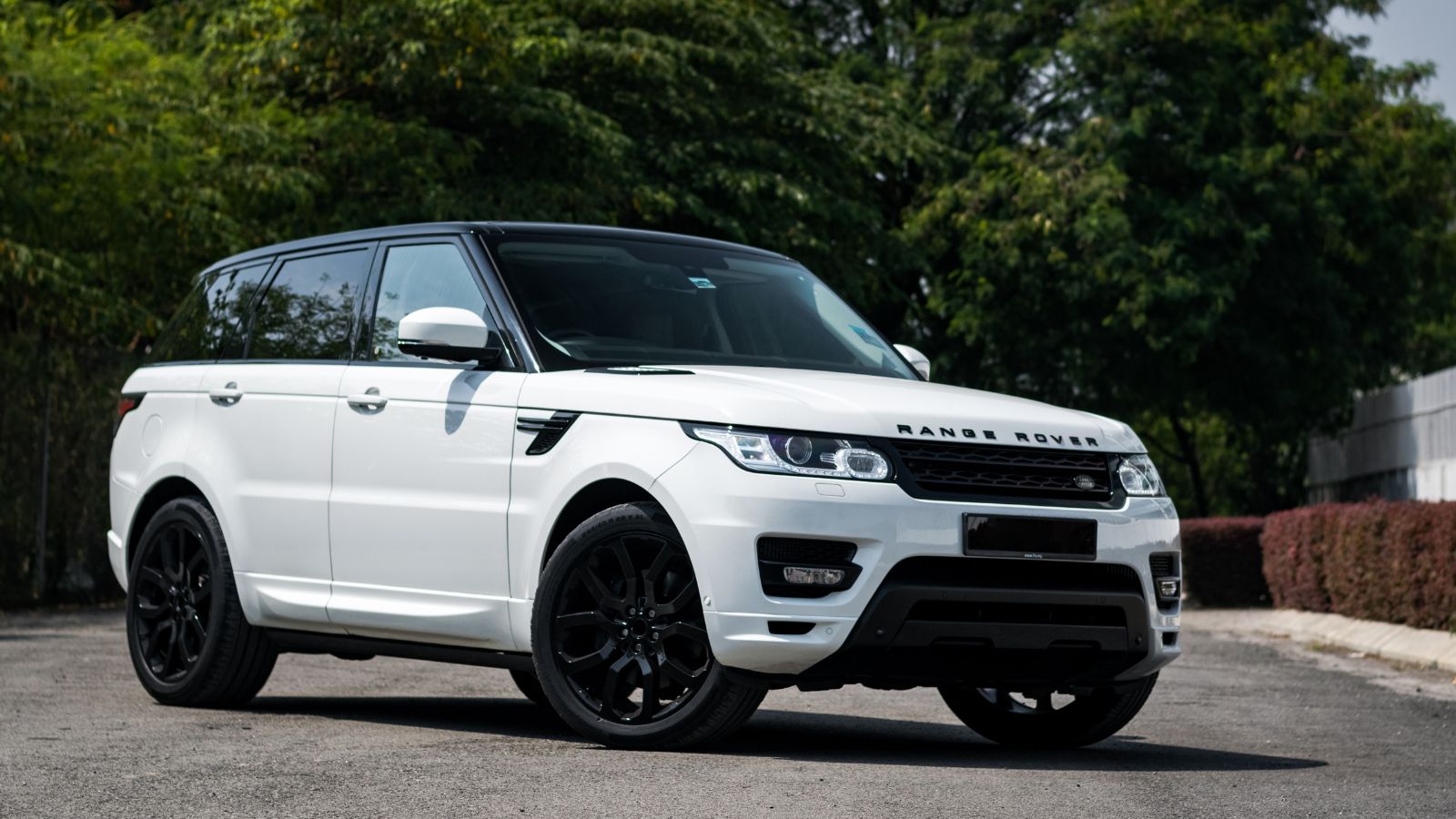
The Range Rover Sport delivers status, comfort, and capability in a way few SUVs can match. It also carries one of the clearest warnings in the luxury market: the purchase price is only the beginning. Repairs, tires, brakes, electronics, insurance, and depreciation can make ownership feel far heavier than the badge suggests during a short test drive.
The theft profile is another concern. Range Rover Sport models have appeared in Canadian theft rankings, and high-end SUVs remain attractive targets because of their value and global demand. Before May long weekend, the idea of arriving in a premium SUV is appealing. But for buyers stretching financially, the risk is obvious. A vehicle that combines luxury depreciation, complex systems, and theft anxiety can turn a dream purchase into an expensive source of stress.
Tesla Model Y
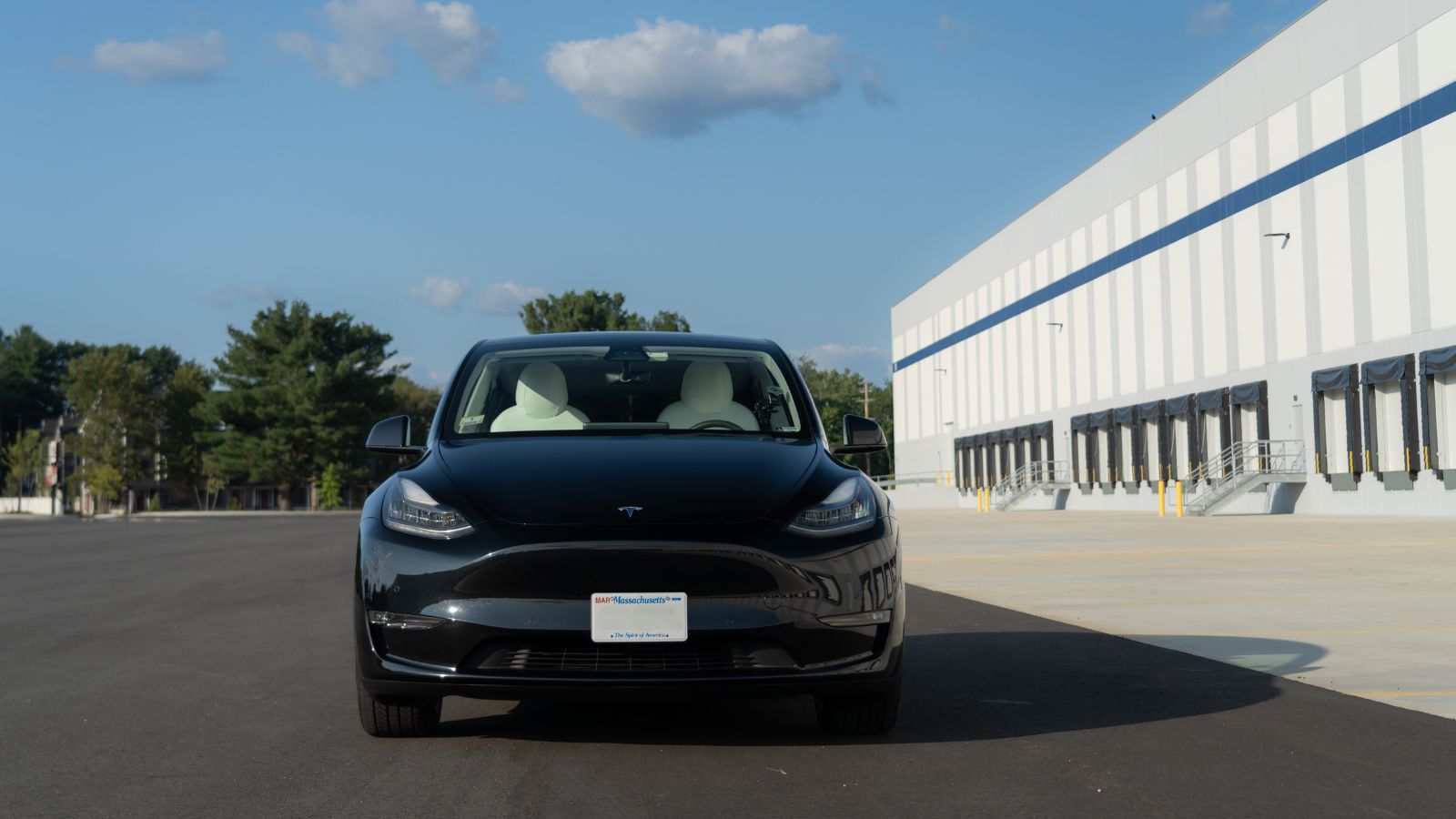
The Tesla Model Y can look like a smart answer to high fuel prices, especially for households with home charging. It is quick, practical, and supported by a well-known charging network. The challenge is that the EV value story has become more complicated. Incentive changes, shifting used-EV prices, insurance costs, and fast-moving technology can all affect what a Model Y feels worth after purchase.
Range and charging access are still practical considerations. Auto market reporting continues to identify range anxiety, purchase price, and charging access as major EV barriers. For condo dwellers, renters, or frequent cottage travellers heading into areas with limited fast-charging options, the savings may not feel as easy as advertised. The Model Y can be excellent in the right household. In the wrong charging situation, it may feel like an expensive compromise.
Nissan Rogue
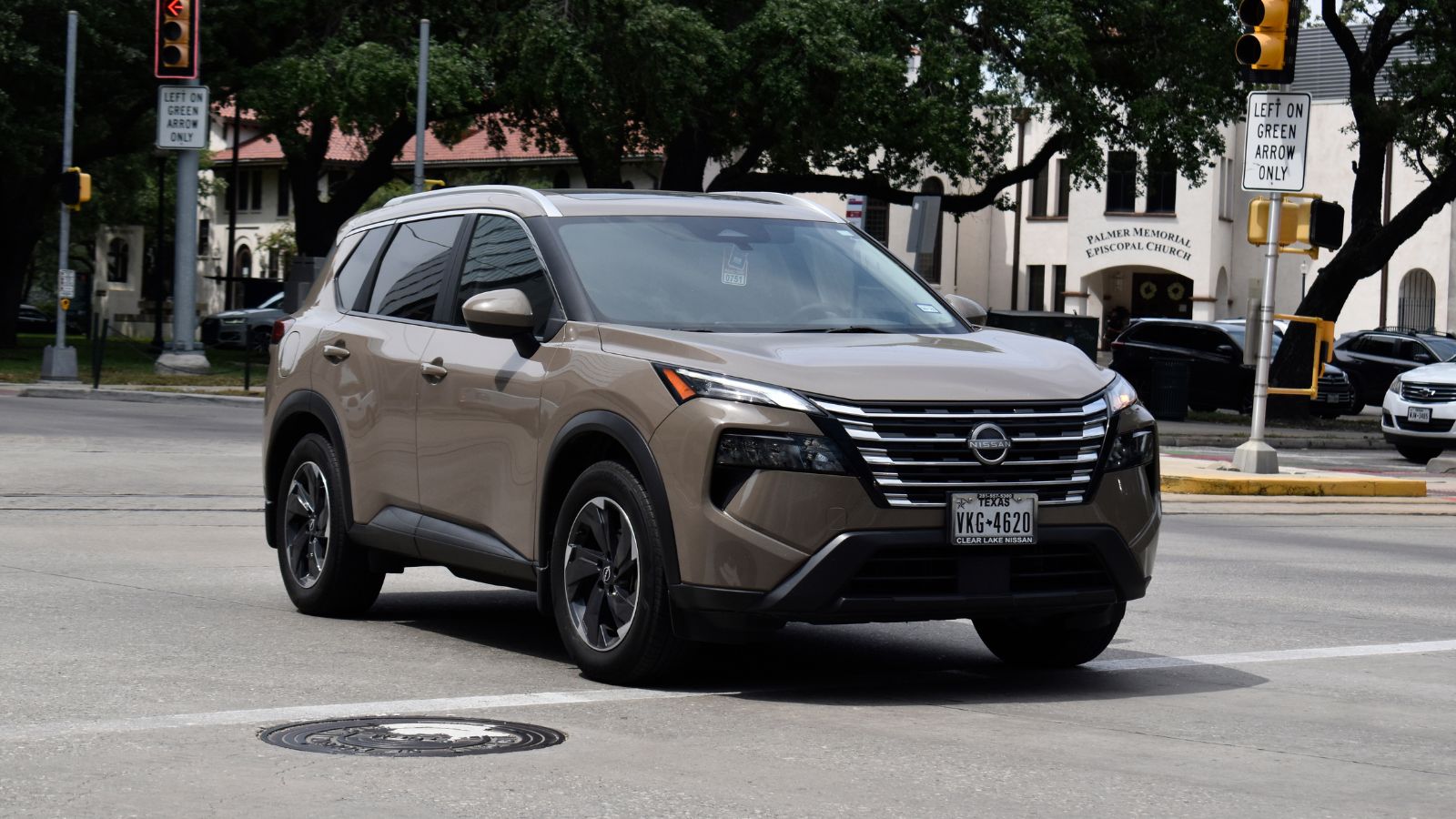
The Nissan Rogue remains a familiar compact SUV choice because it is practical, efficient enough for many households, and often easier to find than some rivals. That availability can be useful, but it can also tempt buyers into accepting a deal that is merely convenient rather than compelling. In a crowded segment, the Rogue has to compete against hybrids, newer designs, and brands with stronger resale narratives.
The bad-deal risk is mostly about comparison shopping. If a Rogue is heavily discounted or attractively financed, it can make sense. If it is priced close to a RAV4 Hybrid, CR-V Hybrid, or a newer compact SUV with stronger long-term demand, the case becomes weaker. Before May long weekend, cargo space and fuel economy matter. But once the holiday rush fades, resale strength and long-term satisfaction may matter even more.
Ford Escape
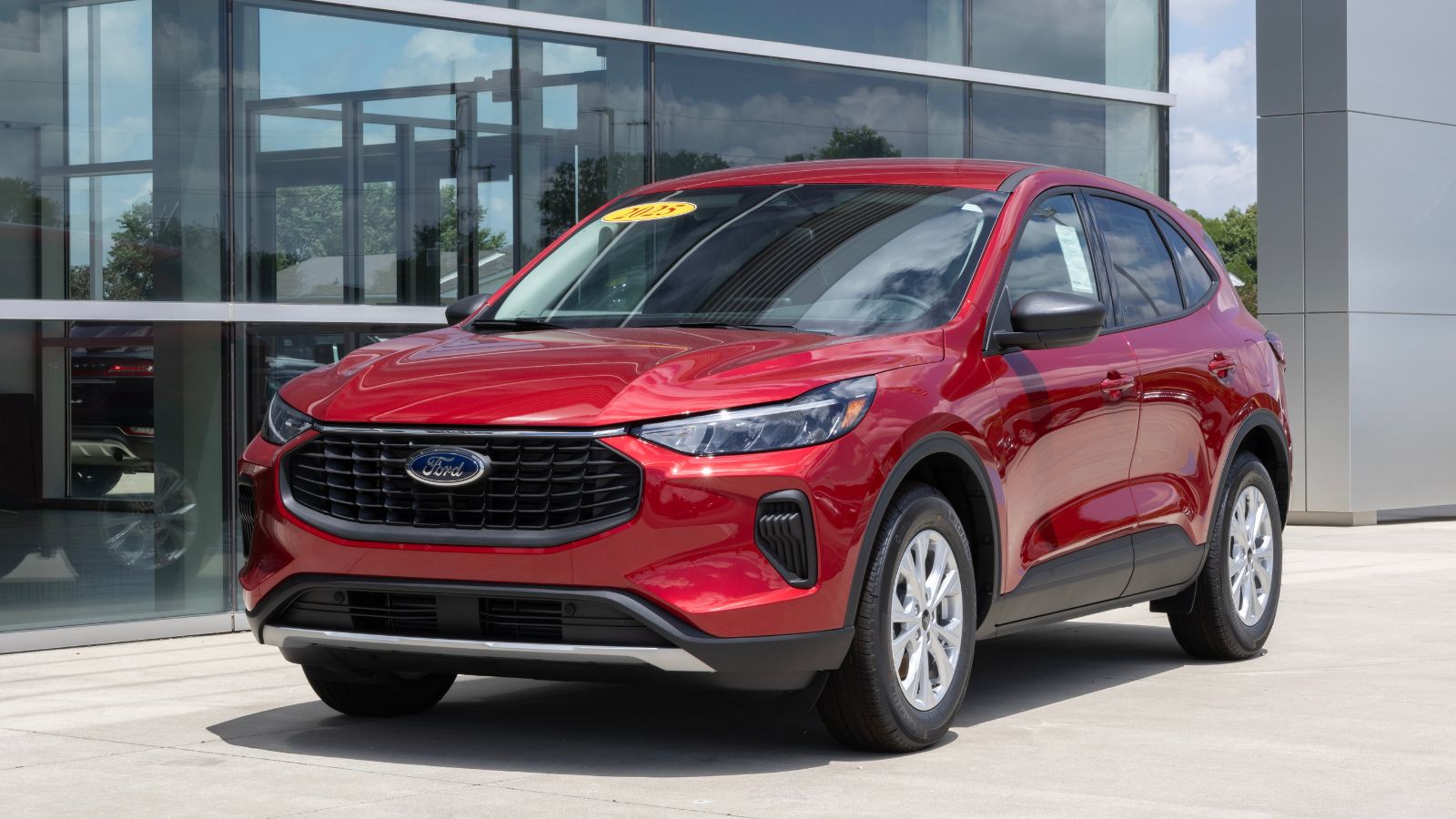
The Ford Escape can be a practical compact SUV, especially in hybrid form, but it sits in a brutally competitive category. Shoppers have many alternatives, from the RAV4 and CR-V to the Tucson, Sportage, Rogue, and Crosstrek. That means an Escape needs the right price, trim, and warranty situation to feel like a truly good buy.
The concern is paying too much for an SUV that may not hold attention in the used market as strongly as the segment leaders. A well-priced Escape can be sensible, but a high-trim model with a large payment can start to feel underwhelming beside rivals with stronger resale reputations or more distinctive hybrid appeal. Before May long weekend, the Escape may check the boxes. The question is whether it still feels special enough after the first big road trip.
Chevrolet Equinox
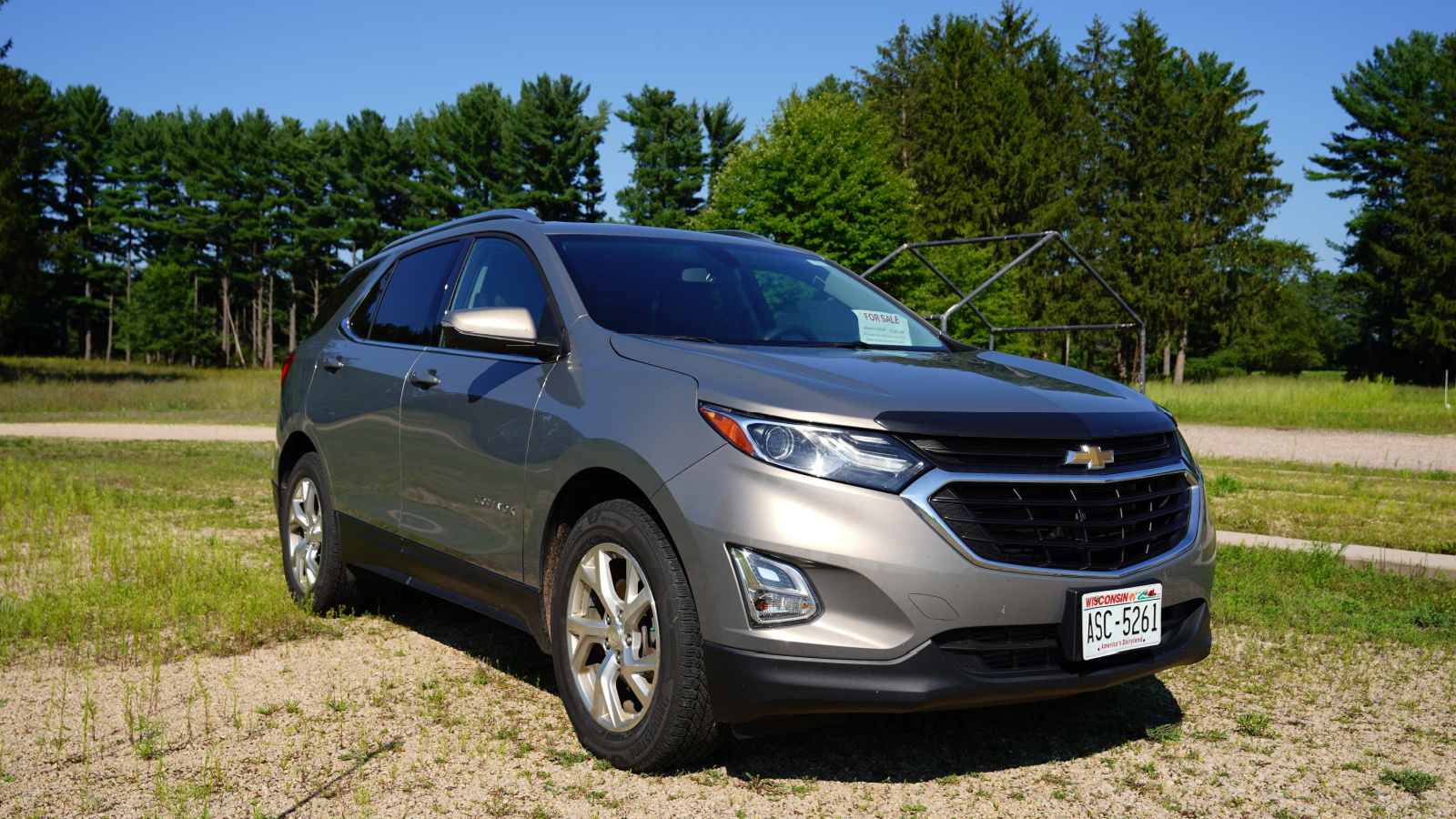
The Chevrolet Equinox has long appealed to buyers who want a straightforward compact SUV without chasing the most expensive nameplates. That is useful, but it also means pricing is crucial. If the deal is sharp, the Equinox can work. If it is close to stronger resale players or newer hybrid competitors, the value equation gets less convincing.
The market is also changing quickly. Compact SUVs are being refreshed, electrified, and heavily promoted, while shoppers are comparing fuel costs more closely. A gas Equinox bought mainly because it was available may feel less exciting once newer alternatives, EV versions, or hybrid rivals enter the conversation. Before May long weekend, it can handle the family trip just fine. But if the payment is too close to better-rounded competitors, “good enough” may not feel good enough for long.
22 Things Canadians Do to Their Cars in Spring That Mechanics Hate

Spring brings relief to many Canadian drivers after months of snow, freezing temperatures, and icy roads that put serious strain on vehicles. As temperatures rise across the country, drivers begin washing cars, switching tires, and preparing vehicles for warmer weather and upcoming road trips. However, mechanics across Canada notice the same mistakes every spring when drivers attempt to recover from winter damage. Road salt, potholes, and harsh winter driving conditions often leave vehicles with hidden problems that drivers ignore. Some spring habits even create new mechanical issues that could have been avoided with proper maintenance. Here are 22 things Canadians do to their cars in spring that mechanics hate.