


























Gasoline prices have a way of turning once-exciting vehicles into weekly budget reminders. In Canada, where regular fuel has recently hovered around the high-$1.80-per-litre range nationally, every extra litre burned per 100 kilometres matters. A vehicle rated near 14 L/100 km can feel manageable during a short test drive, then much less charming during school runs, cottage weekends, commuting, towing, winter idling, and summer traffic.
These 16 vehicles still offer capability, comfort, image, or performance that many buyers genuinely value. The issue is not that they are bad vehicles. It is that today’s fuel costs make their everyday trade-offs harder to ignore, especially when hybrids, smaller crossovers, diesels, plug-ins, and more efficient trims now give Canadians more ways to get space and traction without feeding the pump quite so often.
Ford F-150 With the 5.0L V8
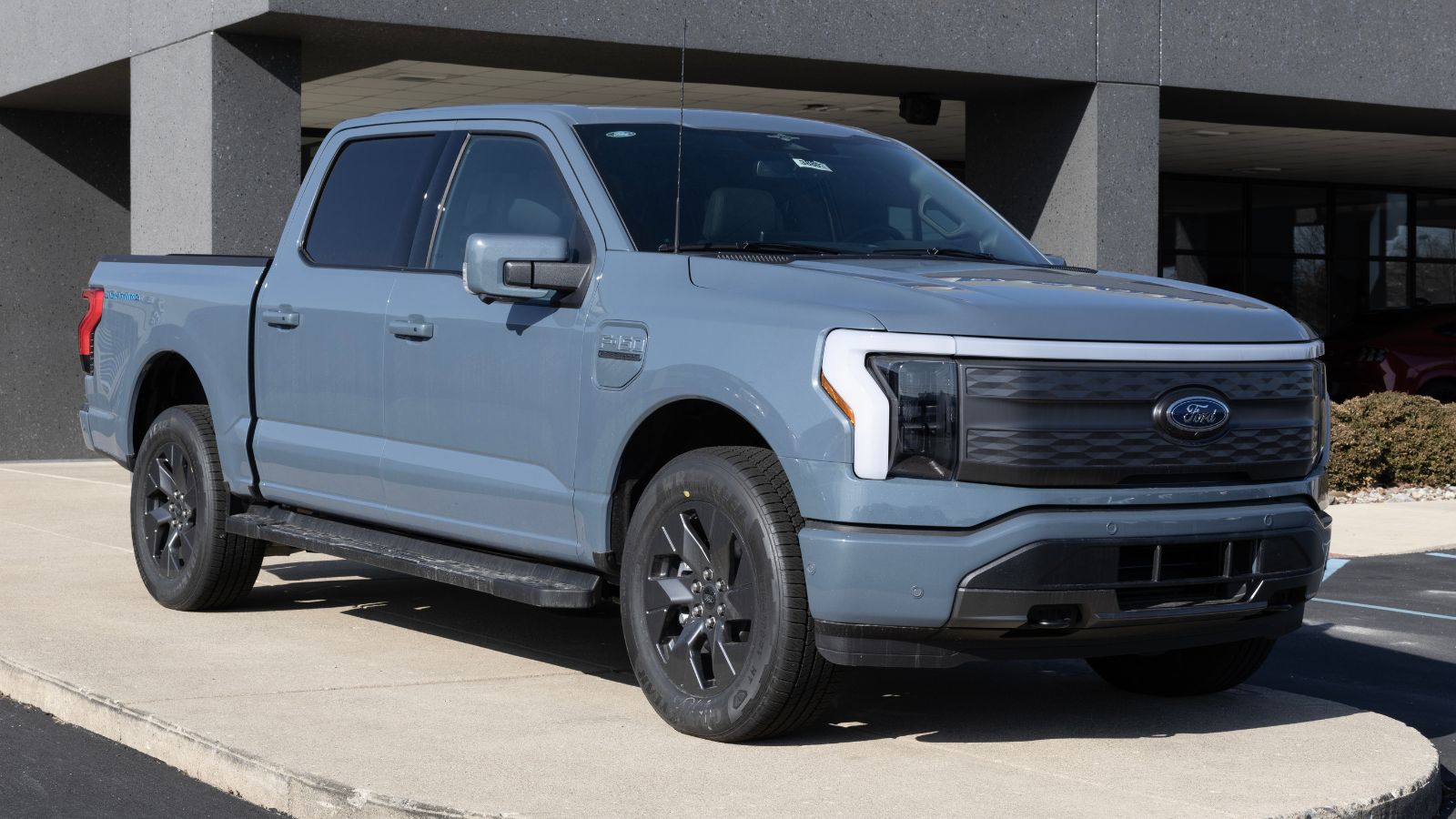
The Ford F-150 remains one of Canada’s most familiar workhorses, and the 5.0-litre V8 is a big part of its appeal. It sounds traditional, tows confidently, and has the kind of straightforward character that many truck buyers still trust. The trouble is that a full-size V8 pickup is no longer easy to defend when gas is sitting near uncomfortable levels. Even when official ratings look acceptable on paper, real-world use can change the math quickly. Add four-wheel drive, winter tires, short trips, payload, trailer duty, or a loaded bed, and fuel use can climb well beyond the number many shoppers had in mind.
The emotional case for the V8 is still strong. Contractors like its durability, families like the cabin space, and rural buyers may need its bed and towing ability. But for drivers mainly using it as a commuter, the justification gets thinner. Ford also sells smaller engines and hybrid F-150 configurations that can better match mixed daily driving. At today’s pump prices, the 5.0L V8 makes the most sense for buyers who genuinely need its capability often, not those who only imagine needing it a few weekends a year.
Ram 1500 HEMI and High-Output Gas Trims
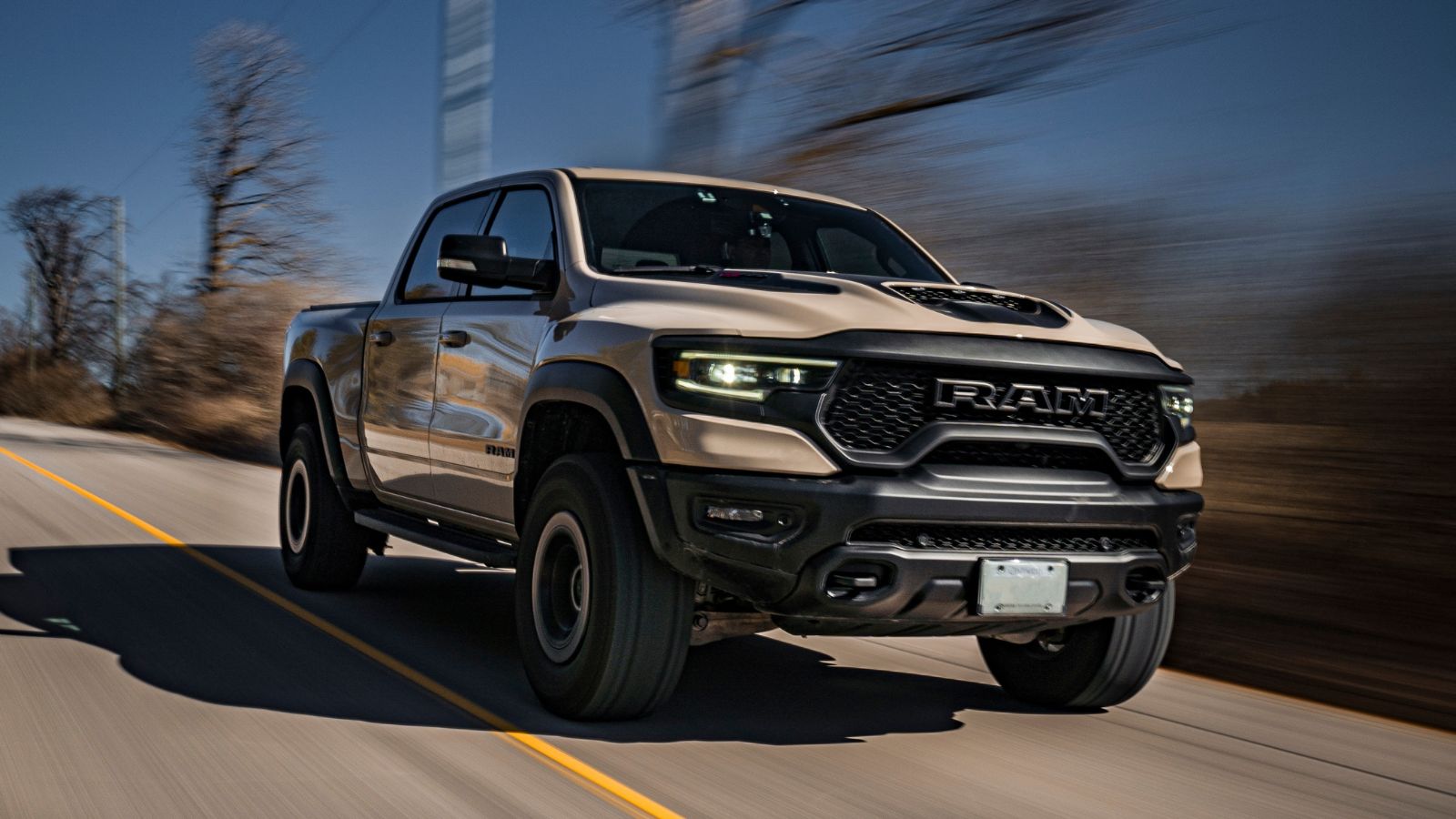
The Ram 1500 has long sold itself on comfort as much as capability. Its cabin can feel closer to a luxury SUV than an old-school pickup, and that makes it tempting for families who want one vehicle for commuting, hauling, towing, and long highway trips. The HEMI V8, and newer high-output gas configurations, deliver plenty of personality. They also bring fuel costs that become more noticeable when the truck is driven like a daily family vehicle instead of a work tool.
The issue is not simply litres per 100 kilometres. It is how Ram buyers often use these trucks. A crew cab 4×4 with large wheels, off-road packages, and a full load of passengers can become a heavy machine for routine errands. In suburbs around Toronto, Calgary, Edmonton, and Vancouver, that means lots of stop-and-go driving, where big pickups are rarely at their best. Ram’s smoother engines and refined ride can hide the cost during ownership, but gas receipts make the reminder hard to miss. For buyers not towing or hauling regularly, a smaller truck, hybrid SUV, or lower-output configuration can be much easier to justify.
Chevrolet Silverado 1500 With V8 Power
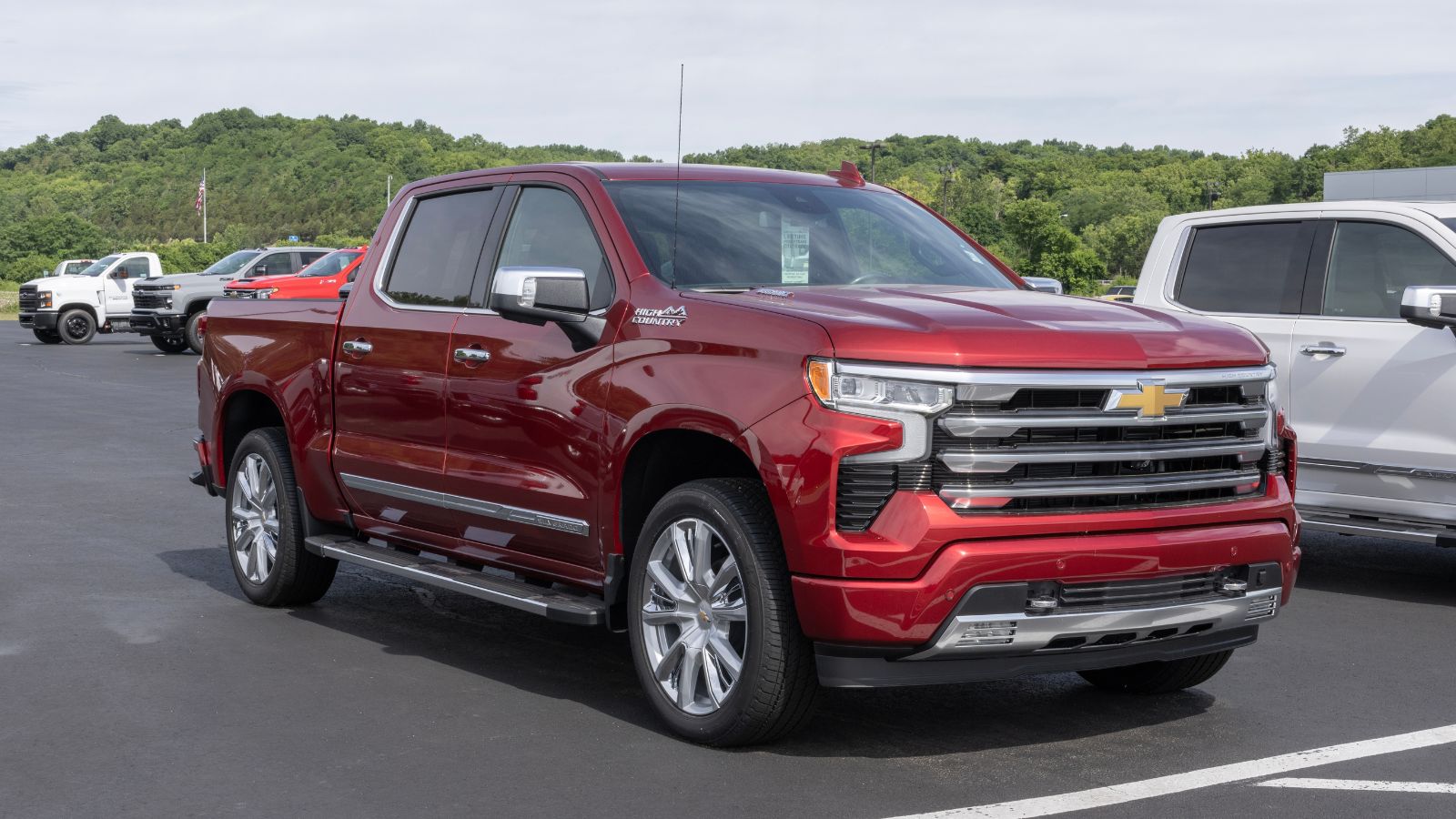
The Chevrolet Silverado 1500 is built around choice: multiple engines, cab styles, bed lengths, and towing setups. That flexibility is useful, but it also means some versions make much more sense than others when fuel prices rise. V8 Silverados still have a loyal following because they feel strong, familiar, and capable under load. For buyers towing campers, boats, landscaping equipment, or work trailers, that strength can be worth paying for. For drivers mostly using the truck as personal transportation, the fuel bill can start to feel out of step with the actual job being done.
A V8 Silverado also comes with the hidden temptation of “just in case” buying. The truck may be purchased for possible towing, possible renovations, or a future cottage plan, while most kilometres are spent commuting and running errands. That gap between imagined use and real use is where gas prices bite. Chevrolet does offer more efficient options, including four-cylinder turbo and diesel configurations in certain model years and trims. The V8 still earns its place when work demands it, but at current fuel prices, it is harder to justify as a lifestyle purchase alone.
GMC Sierra 1500 With Larger Gas Engines
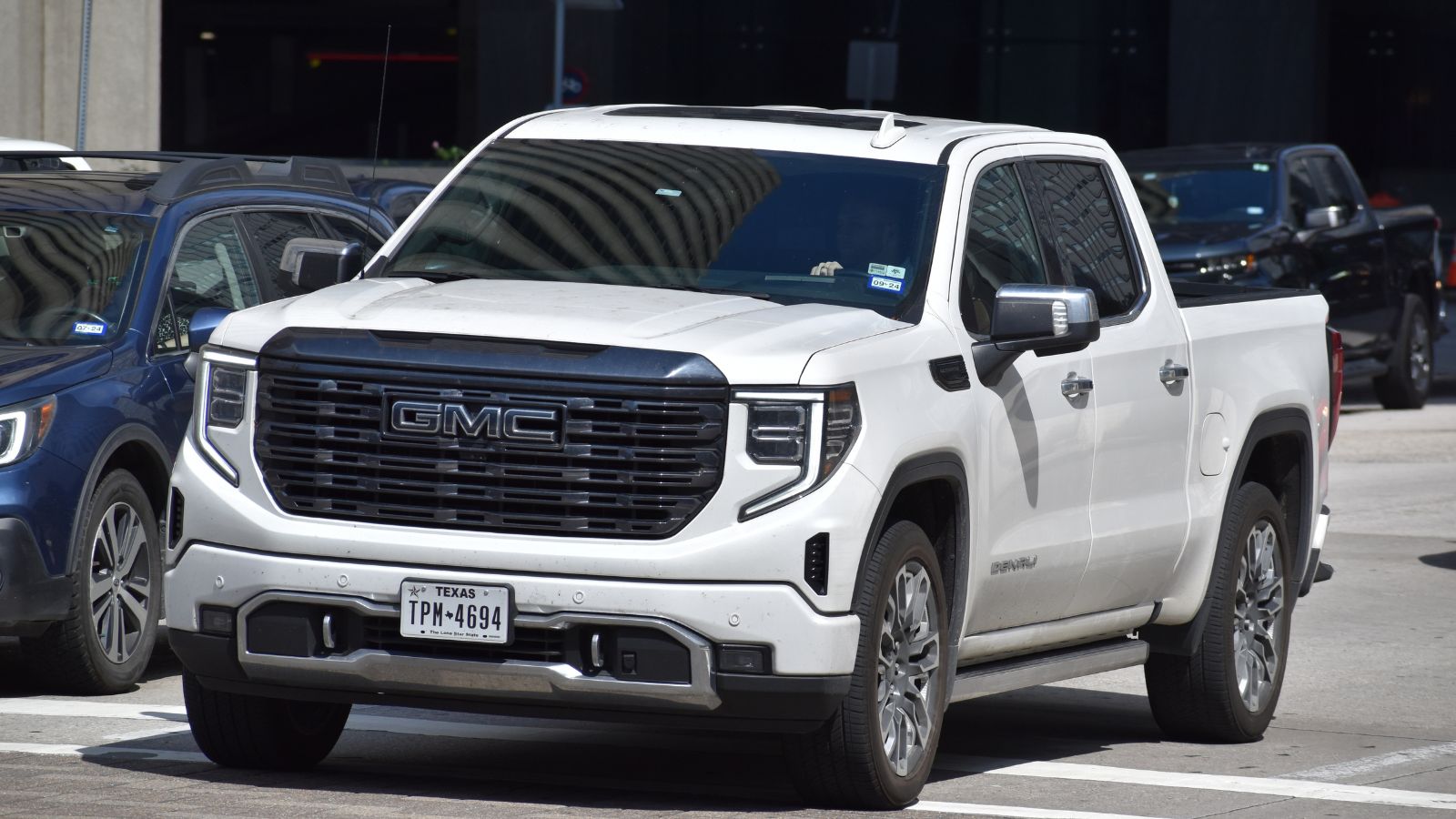
The GMC Sierra 1500 shares much of its engineering with the Silverado, but it often leans more heavily into premium positioning. Denali and AT4 trims can feel upscale, rugged, and impressive, which is exactly why they are easy to want. The problem is that higher trims often bring larger wheels, extra weight, four-wheel-drive hardware, off-road tires, and powerful gas engines. Those features can make fuel use feel like the price of style rather than the price of actual utility.
For Canadian buyers, the Sierra can be especially tempting because it blends truck credibility with luxury-SUV comfort. It can tow, haul, handle snow, and still look polished outside a downtown office or suburban driveway. Yet when gas is expensive, the case for a high-trim, large-engine pickup depends heavily on how often its capability is used. A driver who tows a trailer twice a month has a better argument than one who mostly drives alone to work. The Sierra is not difficult to admire, but the most fuel-hungry versions are becoming more difficult to rationalize for buyers who do not truly need a full-size truck.
Toyota Tundra
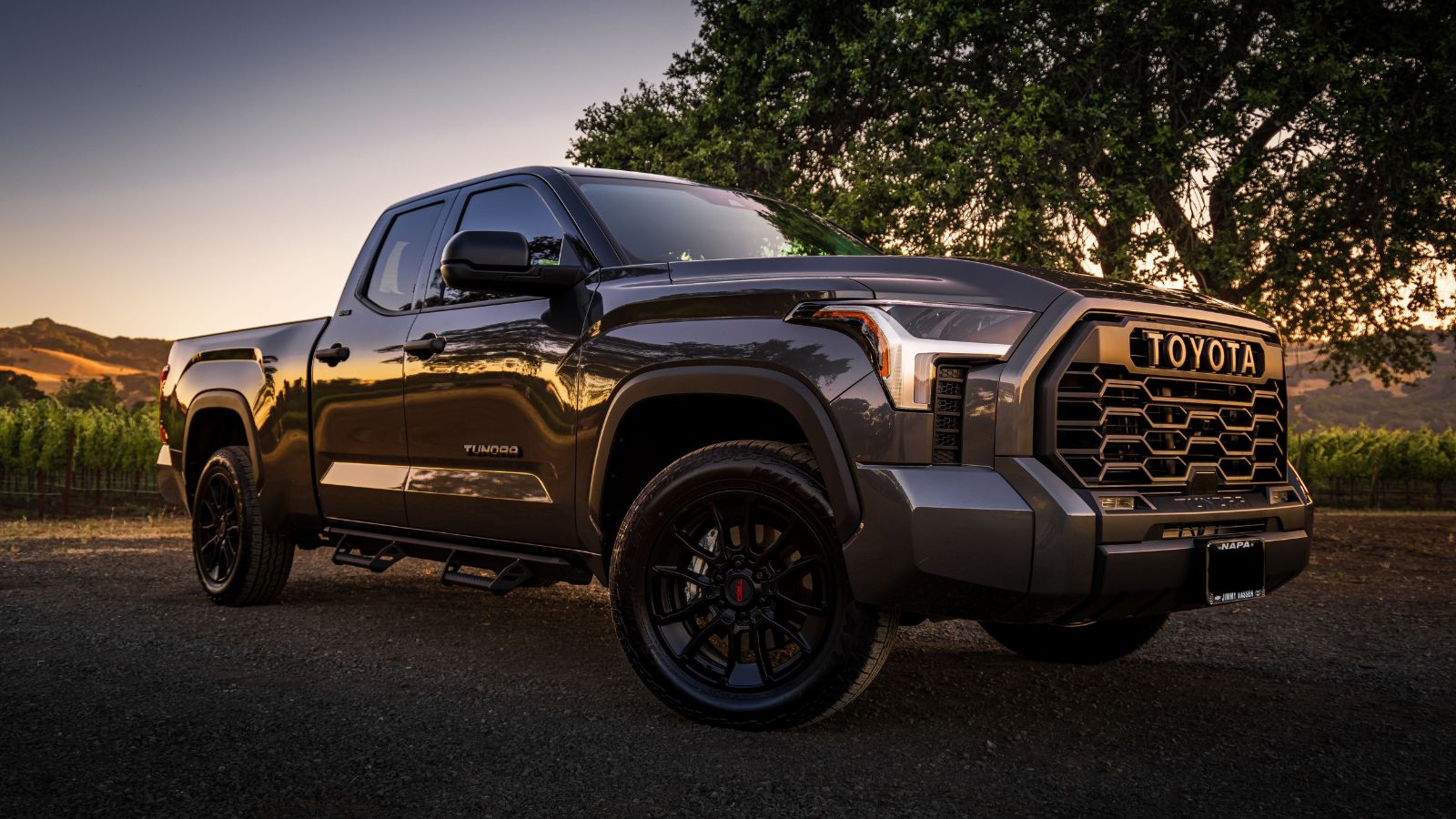
The Toyota Tundra has a reputation built on toughness, resale value, and long-term trust. That reputation matters in Canada, where many buyers keep trucks for years and want something that can survive rough roads, cold starts, towing duty, and family use. The newer Tundra moved away from the old V8 formula, but it is still a large pickup with considerable mass, strong power, and fuel consumption that can feel heavy in everyday driving. Hybrid versions add torque and technology, but they are not small-car hybrids; they remain full-size trucks.
That distinction matters. Some shoppers hear “hybrid” and expect a dramatic fuel-saving story, then discover that a hybrid full-size pickup is designed as much for power and drivability as efficiency. The Tundra can be a smart choice for buyers who need a truck and value Toyota’s durability image. It becomes harder to justify when the real task is mostly commuting, grocery runs, and occasional cargo. With gas prices high, the Tundra’s strengths still matter, but they need to be matched to real truck use rather than brand loyalty alone.
Jeep Wrangler Unlimited Gas Models
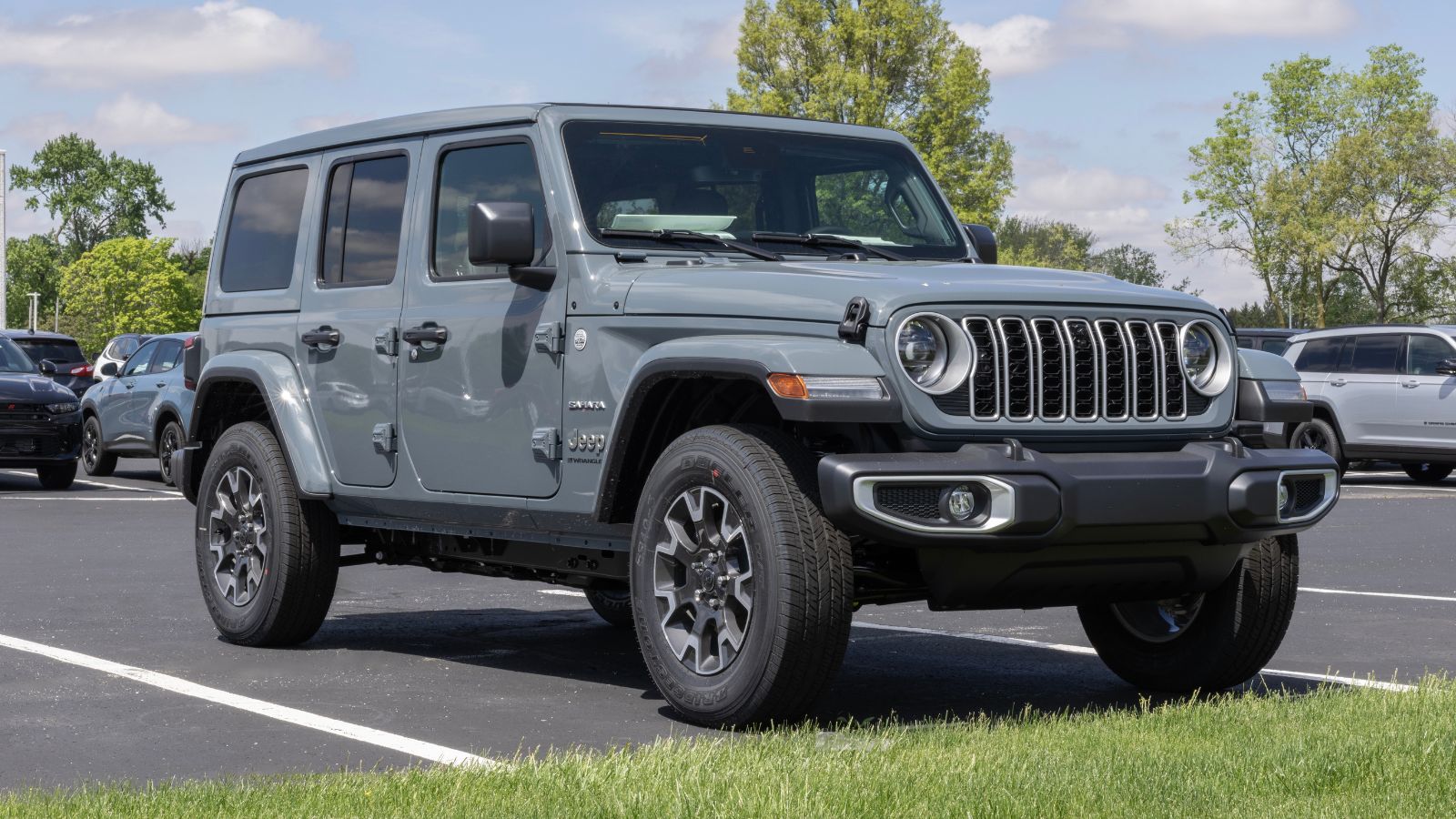
The Jeep Wrangler Unlimited has never pretended to be a fuel-sipping crossover. Its shape is upright, its tires are often aggressive, and its four-wheel-drive hardware is built for trails rather than aerodynamic efficiency. That is part of the charm. A Wrangler looks and feels like an adventure vehicle even when it is parked outside a grocery store. But that same character can become expensive when most kilometres happen on paved roads, winter commutes, and highway trips between cities.
For many Canadian owners, the Wrangler’s appeal is emotional: open-air driving, cottage-road confidence, snow capability, and a sense of freedom that conventional crossovers rarely match. Still, gas prices force a harder question. How often does the vehicle actually leave the pavement? A Wrangler used for camping, trails, and rough backroads has a stronger case than one used mainly for short urban trips. The plug-in 4xe version can improve the ownership equation for drivers who charge regularly, but gasoline-only Wranglers remain difficult to defend purely as everyday transportation when more efficient SUVs can handle most Canadian conditions.
Ford Bronco
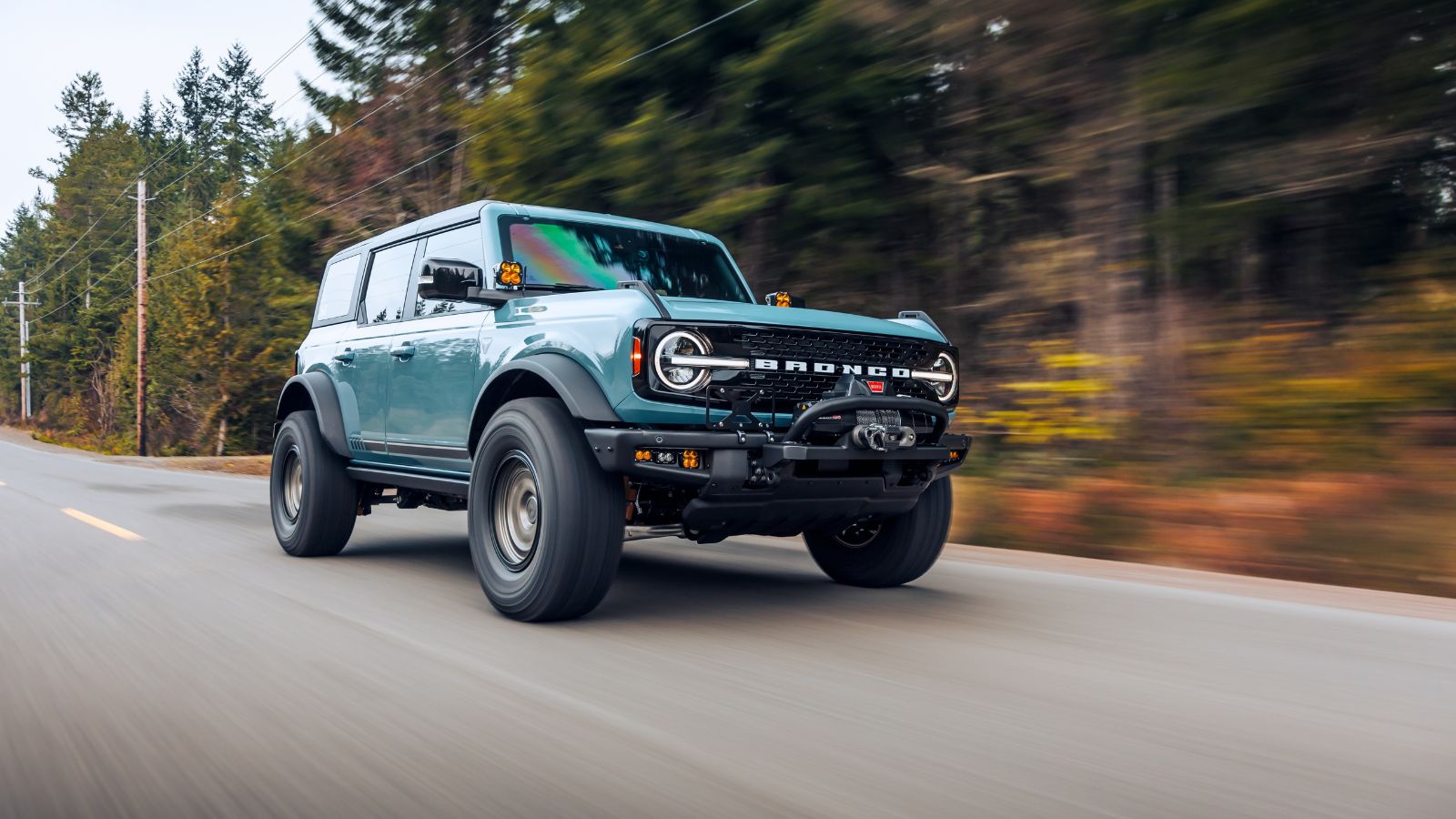
The Ford Bronco brought back a name Canadians recognized and wrapped it in a genuinely rugged, character-filled package. It competes directly with the Wrangler in spirit, offering removable roof panels, serious off-road hardware, and trims that look ready for a muddy trail before leaving the dealership. The downside is familiar: boxy design, chunky tires, and off-road-focused engineering do not usually produce great fuel economy. Sasquatch-style packages and larger engines make the Bronco even more capable, but also less friendly to the fuel budget.
The Bronco makes sense for buyers who want the experience, not just the image. Weekend trail use, remote cabins, snowy rural roads, and outdoor hobbies can make its compromises feel worthwhile. But when it is used mostly as a commuter, the calculation changes. Many Canadian drivers spend far more time in traffic than on trails, and the Bronco’s fuel appetite can feel excessive in that setting. Its personality is strong enough to win hearts, but today’s gas prices make it important to separate authentic off-road use from expensive automotive theatre.
Toyota 4Runner Gas Trims
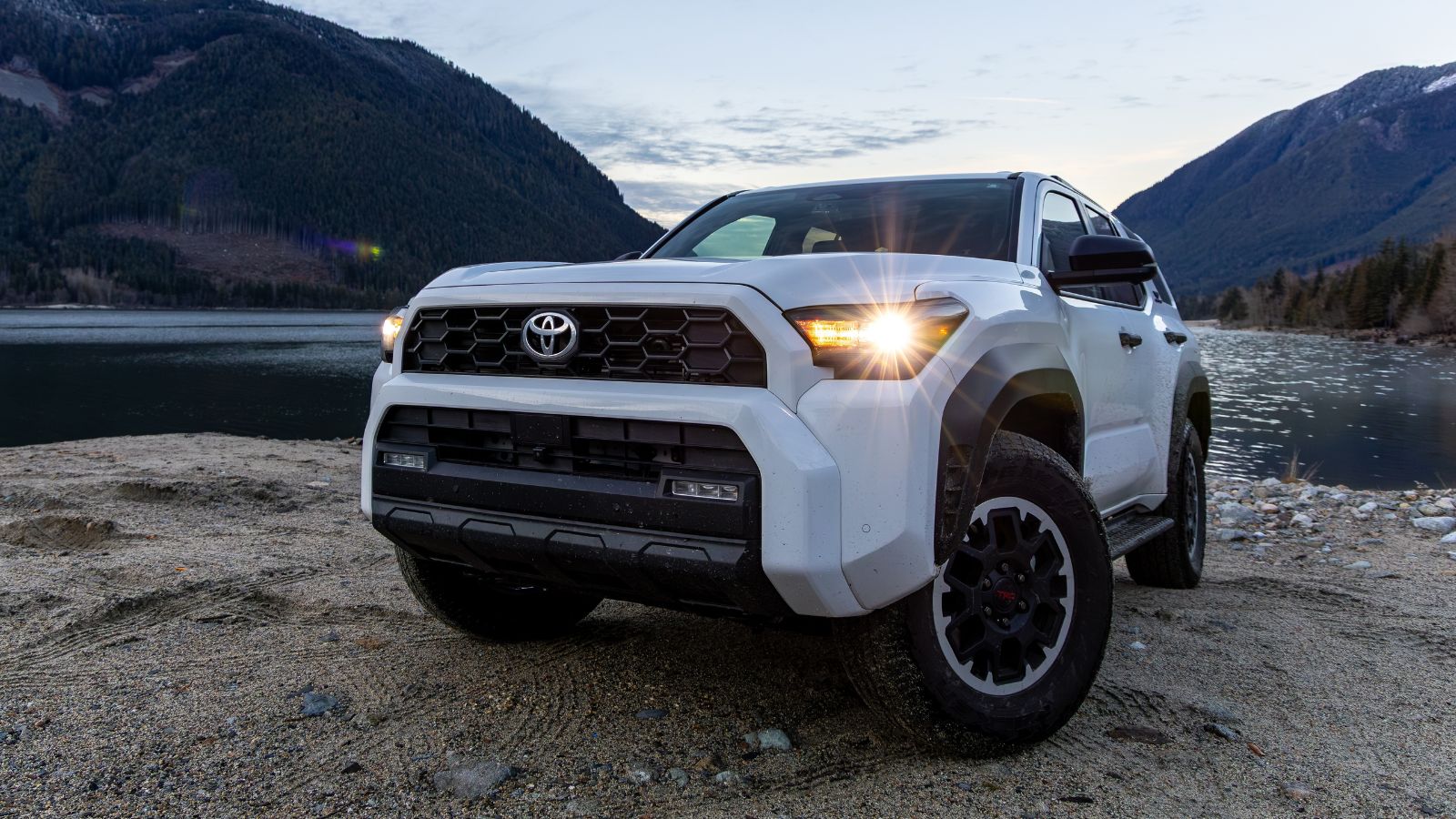
The Toyota 4Runner has built a cult-like reputation because it feels old-school in the best and worst ways. It is durable, truck-like, and reassuring on rough roads. It also lacks the polished efficiency of newer family crossovers. Older 4Runner generations were especially thirsty compared with modern unibody SUVs, and even newer versions remain aimed at buyers who value toughness over maximum fuel savings. That makes the 4Runner a vehicle many Canadians admire, but not always one that fits today’s fuel-cost reality.
The 4Runner’s strongest argument is longevity. Buyers often accept higher fuel bills because they expect strong resale value and long service life. That can be reasonable, especially for people who frequently drive gravel roads, reach remote worksites, or need a vehicle that feels overbuilt. But for suburban families who mainly want cargo room and winter confidence, the 4Runner can be more capability than necessary. Gas prices expose that mismatch. A Highlander Hybrid, RAV4 Hybrid, or other efficient SUV may not have the same rugged image, but it can make everyday driving much easier on the budget.
Dodge Durango V8 Models
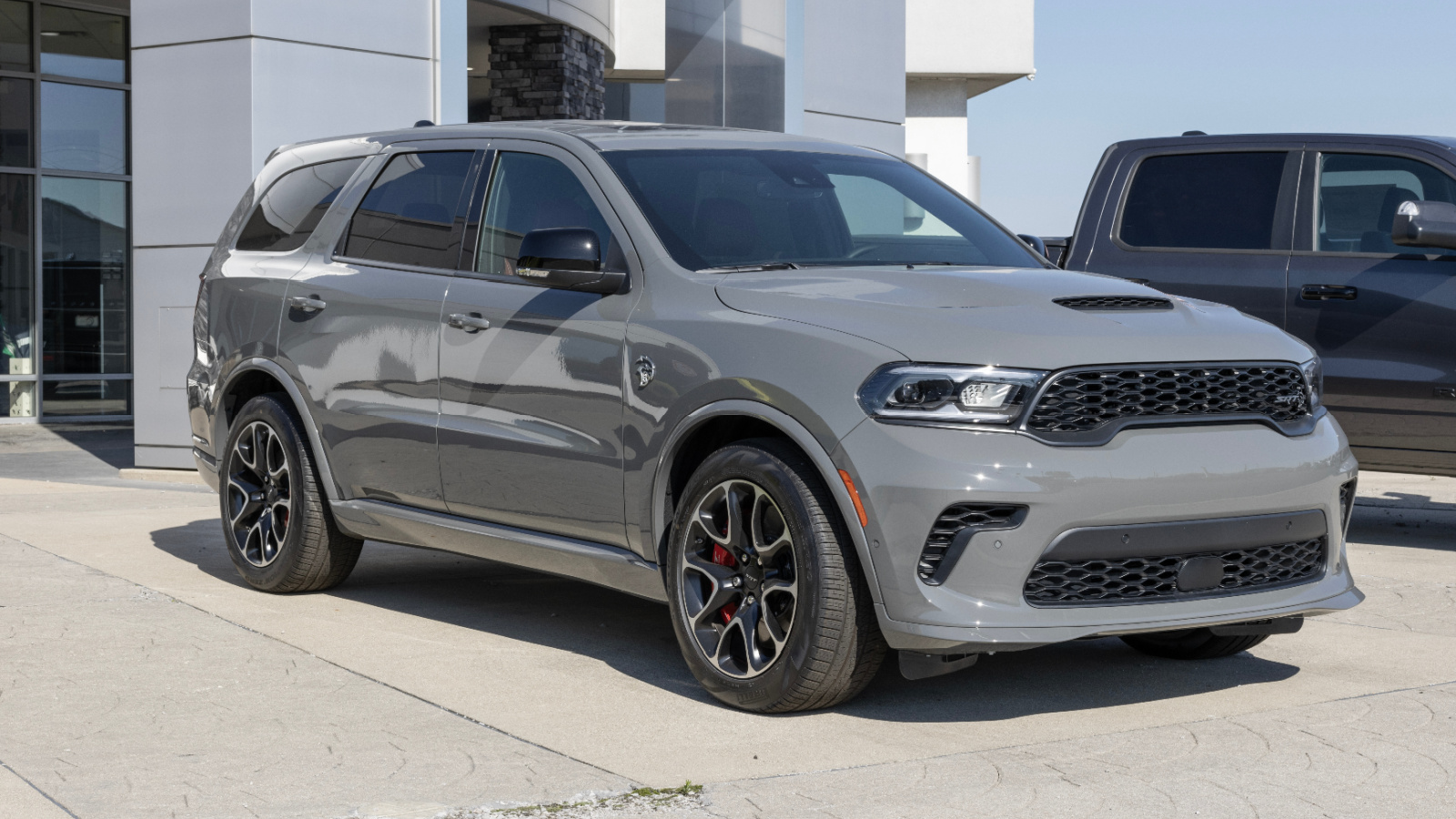
The Dodge Durango occupies a shrinking corner of the market: a muscular, three-row SUV with available V8 power and a performance attitude. For buyers who want space, towing ability, and old-school engine character, it delivers something many crossovers no longer offer. The 5.7L HEMI and higher-performance versions make the Durango feel quick and confident, especially compared with softer family SUVs. But that same strength can make fuel costs feel punishing when the vehicle is used for school drop-offs and daily commuting.
The Durango’s appeal is easy to understand. It can carry a family, tow more than many rivals, and still feel entertaining. The trouble is that performance and three-row practicality rarely come cheaply at the pump. Higher-powered trims can turn routine driving into a steady fuel expense, especially in city-heavy use. For families who tow regularly or want one SUV that can replace a truck, the argument remains plausible. For those who mainly need seats and cargo space, more efficient three-row SUVs now make the Durango’s gas-heavy personality harder to justify.
Jeep Grand Cherokee L With Larger Gas Engines
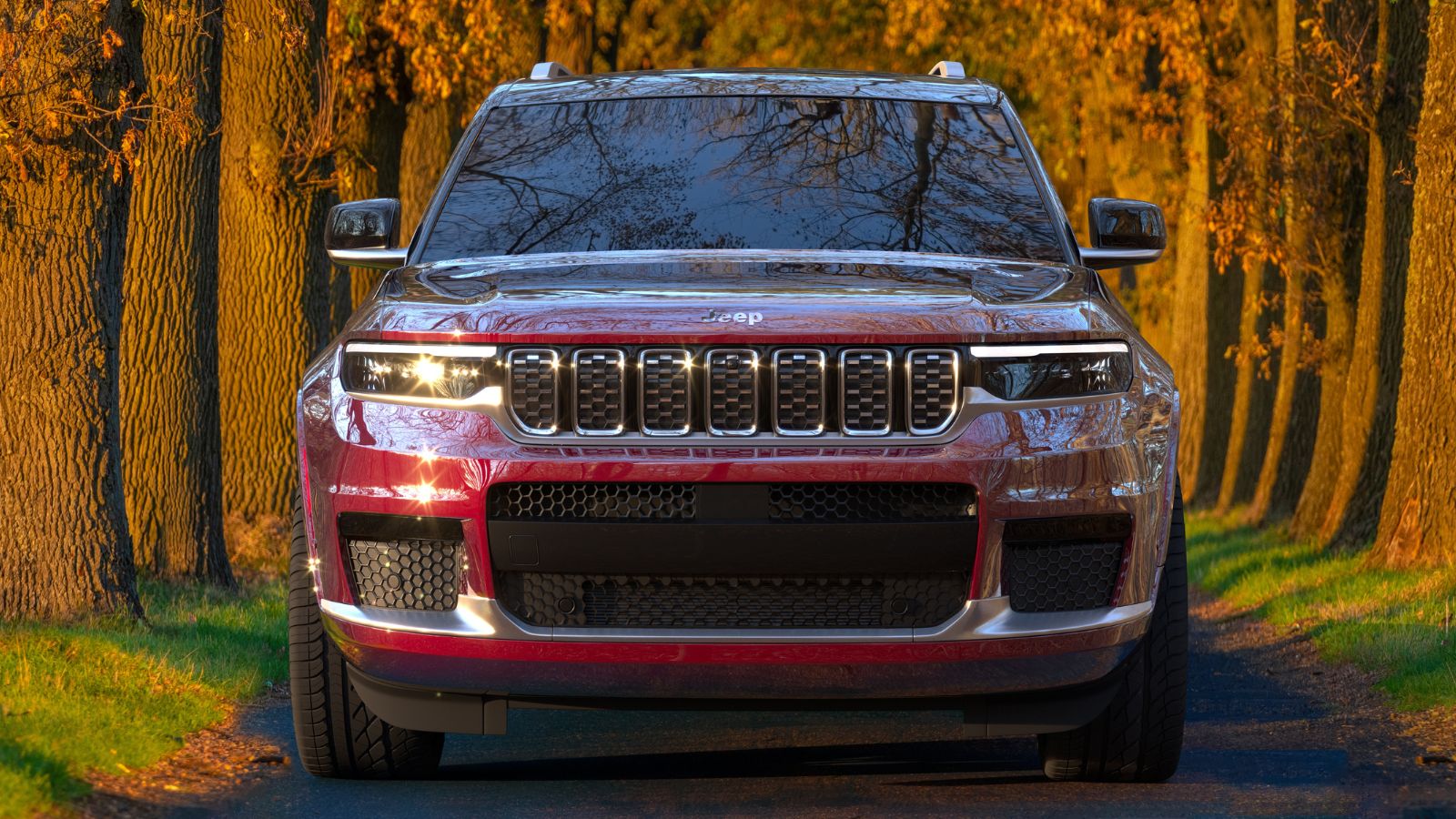
The Jeep Grand Cherokee L gives Canadian families three rows, a premium cabin, and a more upscale feel than many mainstream SUVs. It can look like a practical family upgrade, especially for households that want space without moving into a minivan. Larger gas-engine versions, however, can become costly when fuel prices rise. The Grand Cherokee L is not a tiny crossover; it is a substantial SUV, and once equipped with four-wheel drive, luxury features, and stronger engines, its appetite can feel closer to truck territory than many buyers expect.
The human side of the Grand Cherokee L is that it often replaces two ideas at once: the family hauler and the aspirational SUV. It feels comfortable enough for long highway drives and capable enough for snowy roads or cottage weekends. But for mostly urban families, much of that strength may sit unused. Fuel economy becomes a recurring cost for capability that may only matter occasionally. More efficient three-row options, including hybrids in the broader market, make the larger-engine Grand Cherokee L harder to defend unless towing, terrain, or brand loyalty strongly matters.
Chevrolet Tahoe and GMC Yukon
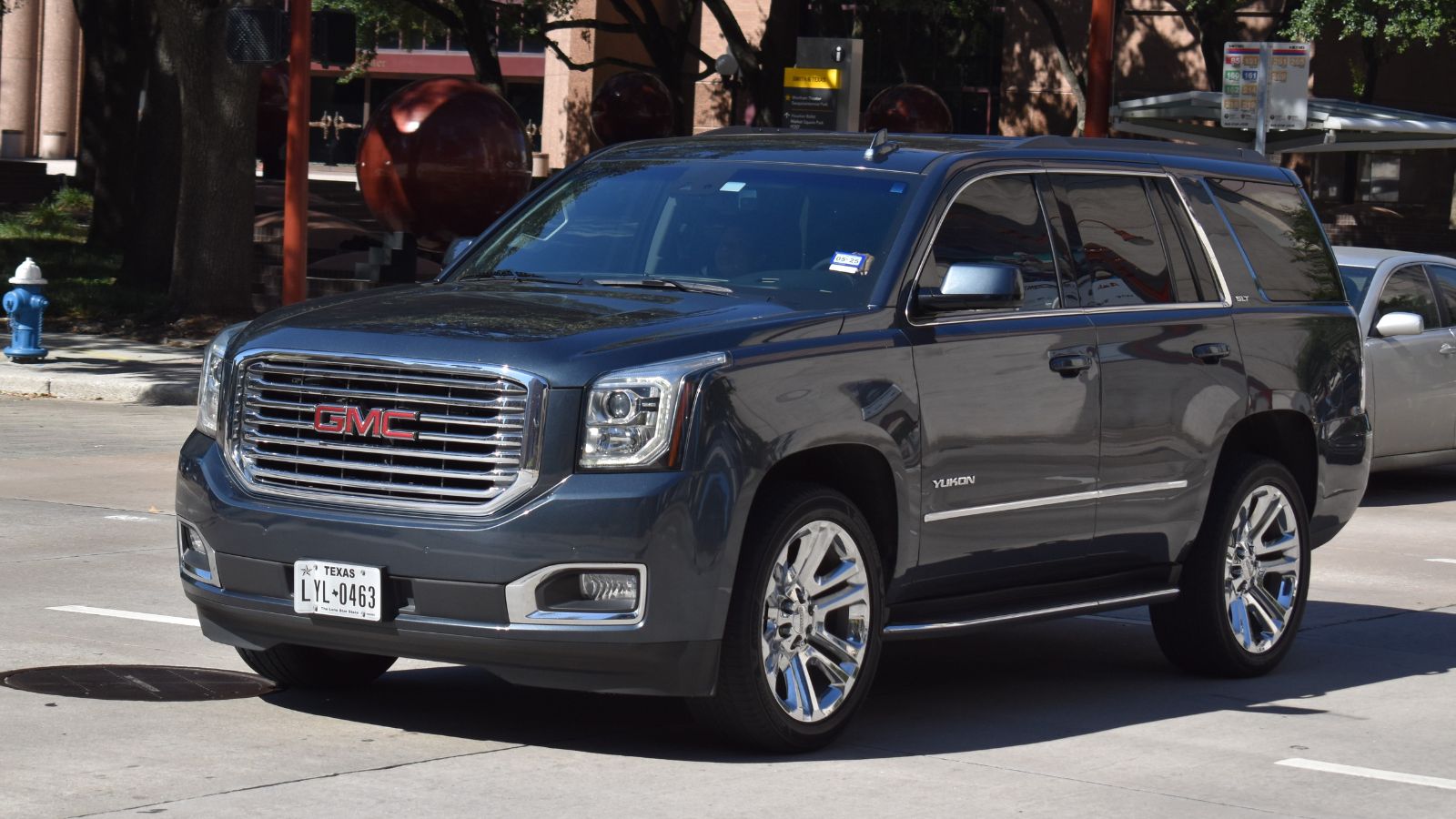
The Chevrolet Tahoe and GMC Yukon are staples of the large-SUV world. They carry people, luggage, dogs, hockey bags, camping gear, and towing loads with a relaxed confidence that smaller SUVs cannot match. For big families or rural drivers, that size can be a practical necessity. But for many households, these vehicles are purchased because they feel safe, commanding, and comfortable. At today’s gas prices, that sense of security comes with a very visible operating cost.
Large body-on-frame SUVs are heavy, powerful, and shaped more for space than efficiency. In city driving, they can burn fuel quickly, especially with V8 engines and four-wheel drive. A family road trip may feel comfortable, but the fuel stops add up. The Tahoe and Yukon still make sense for towing, large families, or buyers who regularly need all seats and cargo space at the same time. They are harder to justify as status-oriented daily drivers. When a smaller three-row crossover can handle most family needs with far less fuel, the big GM SUVs need a real workload to defend their cost.
Ford Expedition
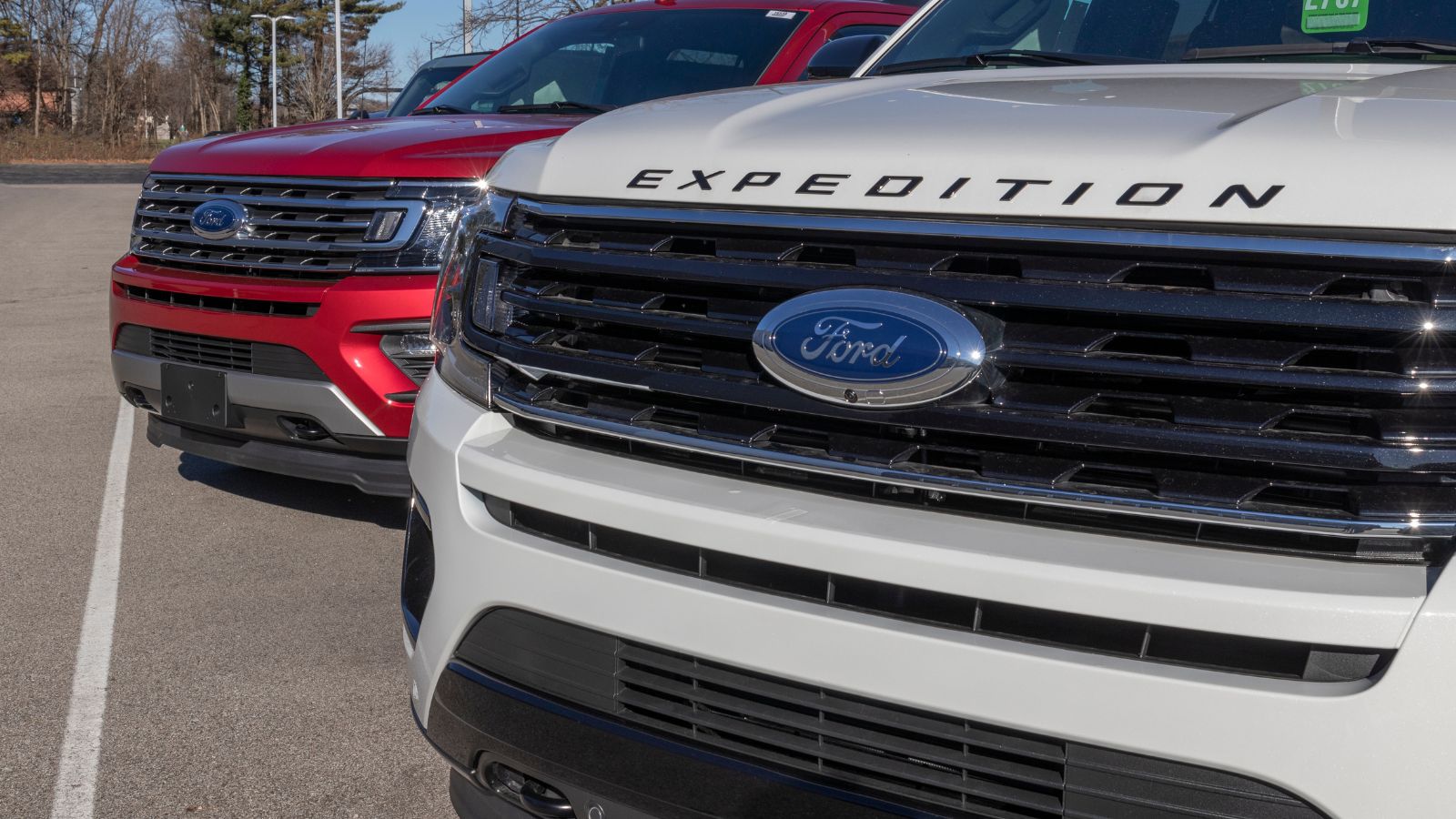
The Ford Expedition is another large SUV that makes a strong first impression. It offers generous space, confident power, and towing ability that can make it feel like the ideal family adventure vehicle. It is especially attractive for families who camp, tow boats, or take long highway trips with a full cabin. But its size and power also mean that fuel costs are always part of the ownership story. When regular gas is expensive, every errand in a large SUV becomes a little harder to ignore.
The Expedition’s turbocharged engine gives it strong performance, but turbo power does not erase the basic physics of moving a large, heavy vehicle. Real-world fuel use can climb with speed, load, roof boxes, trailers, winter tires, and short-trip driving. That is where the Expedition’s practicality needs to be honest. If it regularly tows or carries a full crew, it can be justified. If it mostly transports one or two people through urban traffic, the argument weakens. For many Canadian households, a more efficient three-row SUV may cover the same weekly routine with a far smaller fuel bill.
Toyota Sequoia
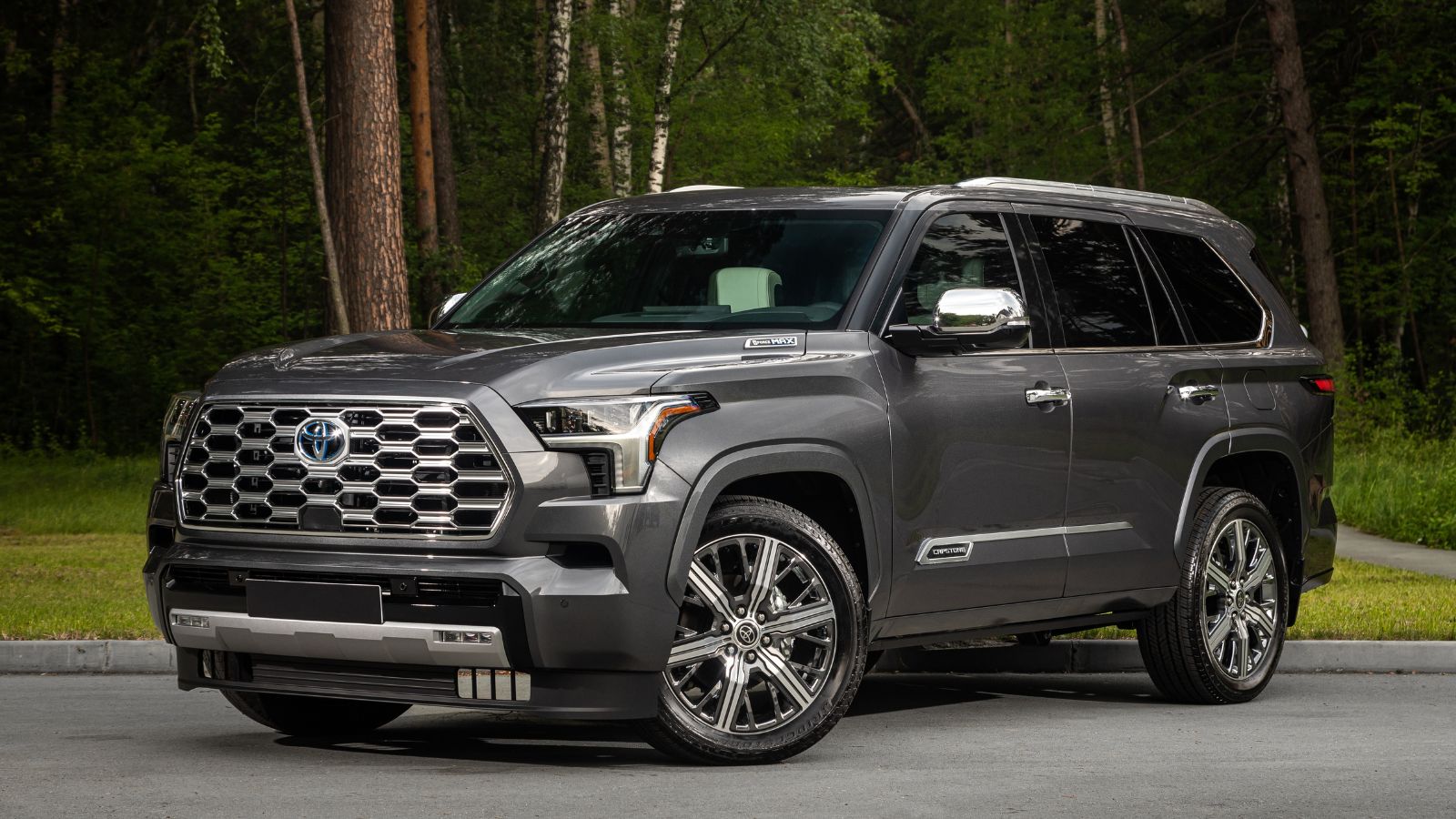
The Toyota Sequoia has improved significantly from its older, thirstier generations, and the current hybrid powertrain gives it a more modern story. Still, it remains a large body-on-frame SUV designed for strength, towing, and space rather than maximum efficiency. That makes it a fascinating case. It can be more efficient than some traditional V8 rivals, yet still expensive to fuel compared with smaller hybrid SUVs or crossovers. In a high-gas-price environment, “better than before” is not always the same as “easy to justify.”
The Sequoia makes the most sense for buyers who genuinely need size and capability but want Toyota’s hybrid-assisted torque and brand reputation. It can work well for families towing trailers, carrying lots of gear, or driving long distances with passengers and cargo. But as a daily urban family vehicle, it may be more machine than necessary. The purchase price is also high, so fuel savings compared with older large SUVs do not automatically make it economical. At today’s gas prices, the Sequoia needs a clear purpose beyond simply being large, comfortable, and Toyota-badged.
Nissan Armada and Infiniti QX80
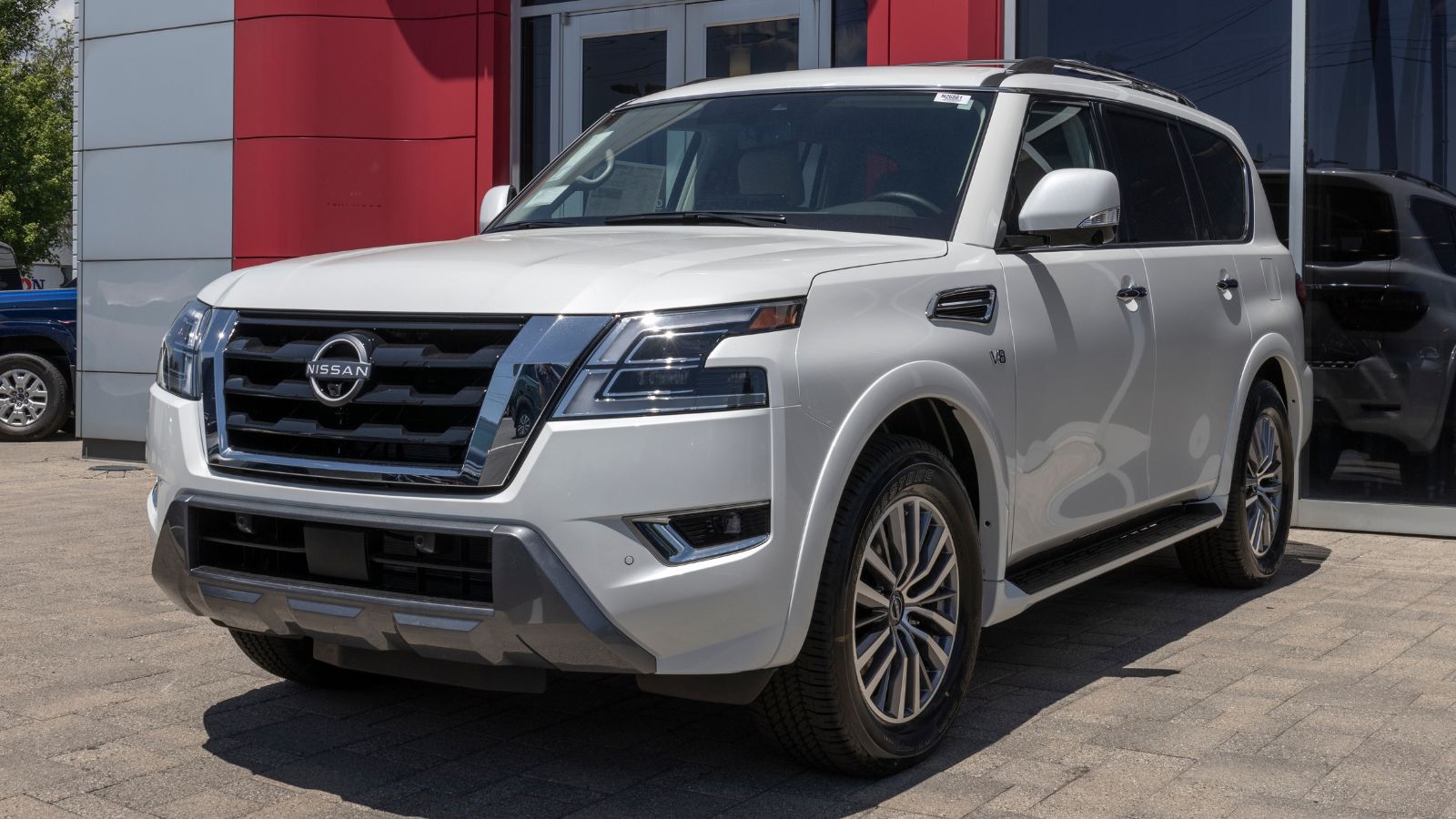
The Nissan Armada and its luxury cousin, the Infiniti QX80, have long offered big V8 power, serious size, and old-fashioned SUV confidence. They can feel appealing on the used market because depreciation often makes them look like bargains compared with newer luxury SUVs. That lower purchase price, however, can disguise the ongoing fuel cost. A large V8 SUV bought at a discount can still drink fuel like a large V8 SUV, and the pump does not care how good the deal looked on the lot.
These vehicles suit buyers who need towing ability, a commanding driving position, and a spacious cabin. They also appeal to shoppers who want luxury features without paying new luxury-SUV prices. But in Canada, where winter fuel economy often worsens and long distances are common, their operating costs can become a serious drawback. The Armada and QX80 can make sense for specific needs, especially towing and large-family travel. For general commuting and occasional road trips, they are increasingly hard to defend when more efficient three-row SUVs deliver enough comfort with much lower fuel demand.
Lexus GX 550
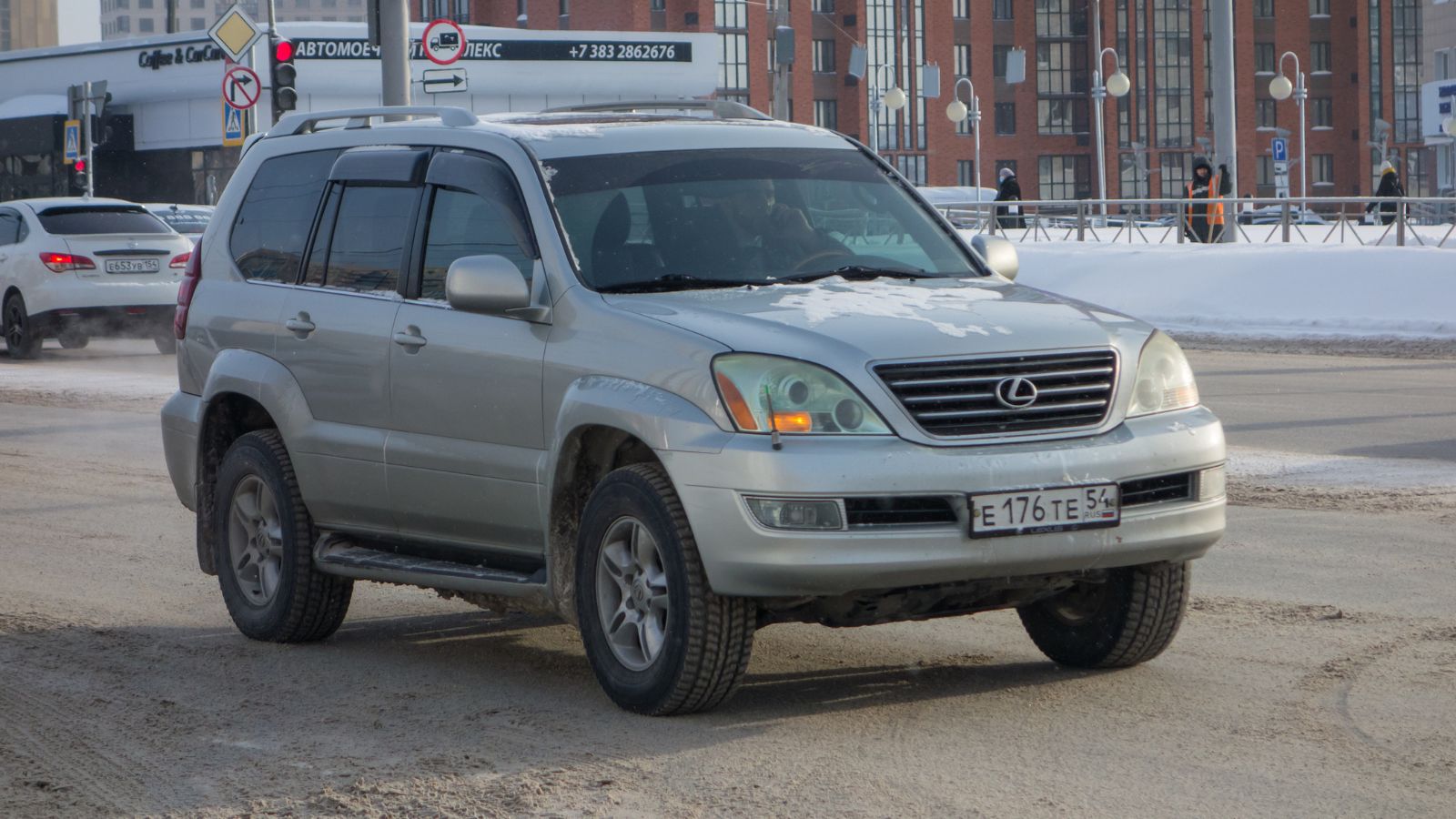
The Lexus GX 550 combines luxury with real off-road credibility, which gives it a rare position in the market. It is not merely a soft premium crossover with rugged styling. It is built with serious hardware and a personality aimed at buyers who want durability, refinement, and trail ability in one package. That makes it highly desirable, but also complicated. Its powerful turbocharged engine and robust platform are not designed primarily around low fuel consumption, and premium positioning can make total ownership costs feel substantial.
For some Canadian buyers, the GX is exactly right: remote properties, rough roads, winter driving, outdoor travel, and a desire for Lexus reliability can all support the case. But for urban luxury-SUV shoppers, the fuel-cost argument is less flattering. Much of what makes the GX special may go unused during ordinary commuting, school runs, and shopping trips. A more road-focused luxury hybrid SUV may deliver enough comfort and all-weather confidence with fewer fuel stops. The GX remains compelling, but today’s gas prices make its rugged authenticity something buyers should actually need, not merely admire.
Mercedes-Benz G-Class

The Mercedes-Benz G-Class is one of the clearest examples of a vehicle that buyers choose with the heart first. Its boxy shape, military-inspired history, luxury cabin, and unmistakable road presence make it more than transportation. It is a status symbol and an icon. But icons can be expensive to run, and the G-Class has never been about fuel restraint. Its weight, power, aerodynamics, and performance focus all work against efficiency, especially in city driving.
For wealthy buyers, fuel costs may not be the deciding factor. Still, even affluent owners notice how frequently a thirsty luxury SUV visits the pump. In Canada, where premium fuel can cost even more than regular, the G-Class becomes especially hard to frame as practical transportation. It can handle rough conditions impressively, but most examples spend more time in urban centres than remote trails. The G-Class remains desirable because it is distinctive, capable, and emotionally powerful. It is also one of the easiest vehicles to question when fuel prices are high and many luxury SUVs now offer hybrid or electric alternatives.
22 Things Canadians Do to Their Cars in Spring That Mechanics Hate

Spring brings relief to many Canadian drivers after months of snow, freezing temperatures, and icy roads that put serious strain on vehicles. As temperatures rise across the country, drivers begin washing cars, switching tires, and preparing vehicles for warmer weather and upcoming road trips. However, mechanics across Canada notice the same mistakes every spring when drivers attempt to recover from winter damage. Road salt, potholes, and harsh winter driving conditions often leave vehicles with hidden problems that drivers ignore. Some spring habits even create new mechanical issues that could have been avoided with proper maintenance. Here are 22 things Canadians do to their cars in spring that mechanics hate.