


























Used SUVs spent the past few years feeling almost untouchable, with ordinary family crossovers carrying prices that once seemed reserved for newer, lower-mileage models. In Canada, that pressure is finally easing in parts of the market as inventory improves, wholesale prices soften, and shoppers become more selective.
That does not mean every used SUV is suddenly cheap, especially popular hybrids and low-mileage Toyota or Honda models. But it does mean some familiar nameplates are starting to look more realistic again. These 17 used SUVs stand out because their prices, supply, or buyer expectations are beginning to move closer to normal after a long stretch of inflated demand.
Toyota RAV4
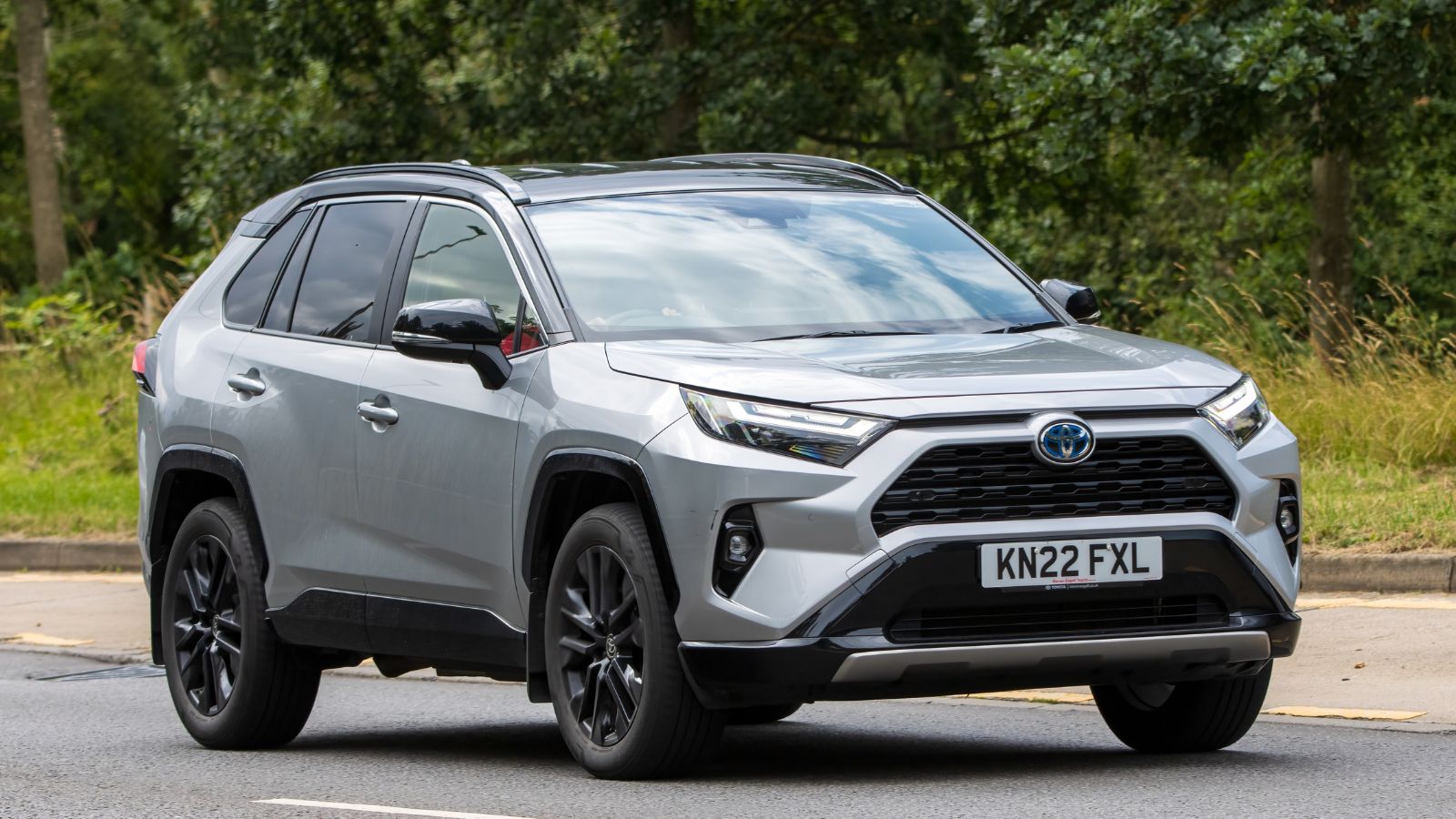
The Toyota RAV4 remains one of Canada’s most stubbornly popular used SUVs, which is exactly why any cooling feels noticeable. For years, even higher-kilometre examples held unusually firm prices because shoppers trusted the badge, the fuel economy, and the long-running reputation for durability. Hybrid versions still command a premium, but gasoline models from recent model years are appearing in greater numbers as leases end and trade-ins return.
The RAV4 is not becoming a bargain-bin choice, and clean examples will likely keep strong resale value. Still, the market is no longer as forgiving of rough condition, accident history, or ambitious asking prices. A buyer comparing several trims may now find more room to negotiate than during the tightest inventory years, especially on non-hybrid versions with average mileage.
Honda CR-V
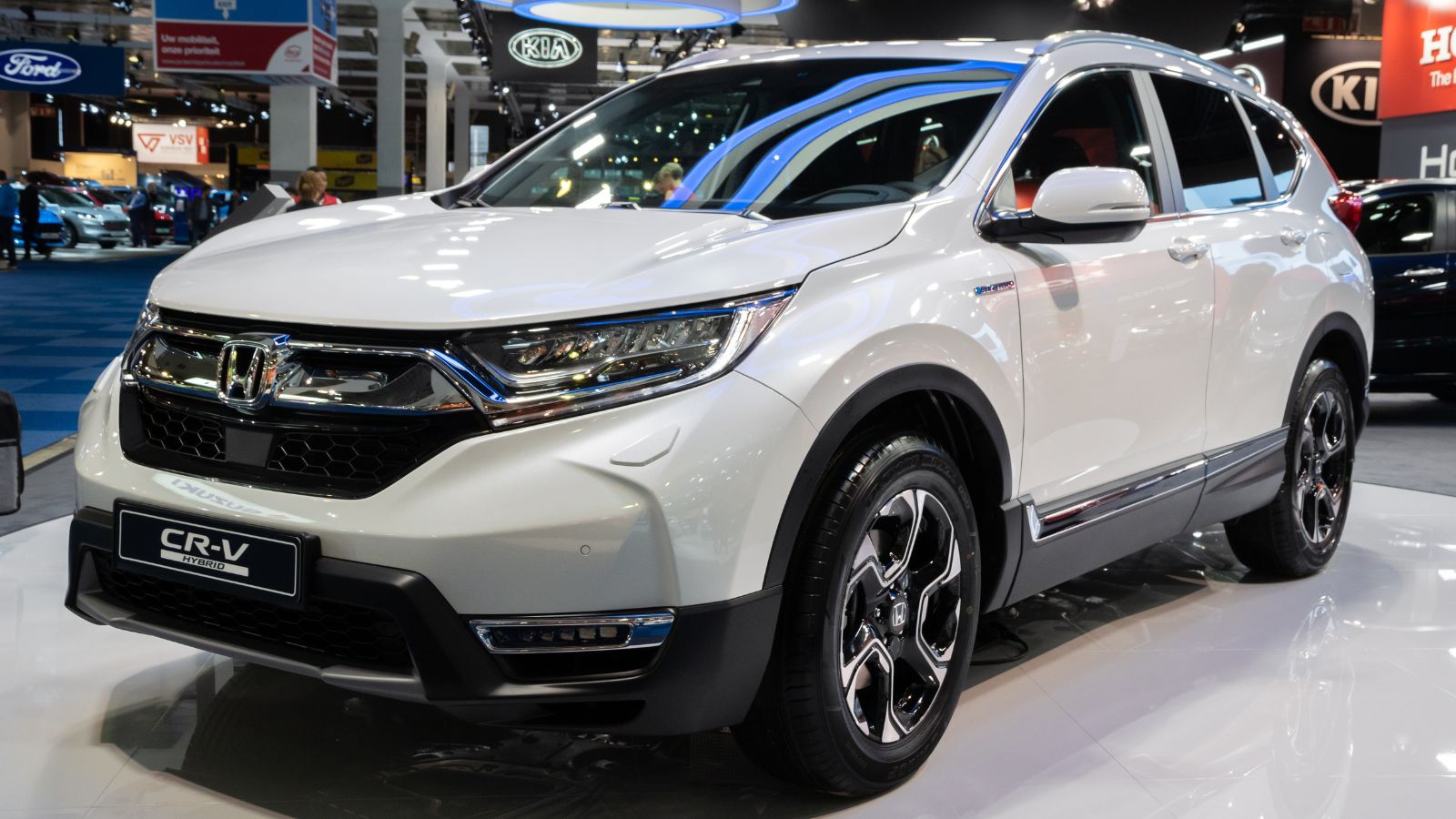
The Honda CR-V has long been a default Canadian family choice because it blends space, fuel efficiency, comfort, and strong brand trust. That popularity kept used prices high, particularly for late-model examples with all-wheel drive. During the pandemic-era shortage, even older CR-Vs sometimes sold quickly despite visible wear or higher kilometres.
Now, the CR-V is starting to feel less overheated in the used market. Newer inventory and more trade-ins give shoppers alternatives, which matters because many buyers cross-shop it directly against the RAV4, Rogue, Tucson, and CX-5. The best deals are less likely to be on pristine, low-mileage trims and more likely to appear on mainstream gasoline models where sellers can no longer rely on scarcity alone.
Mazda CX-5
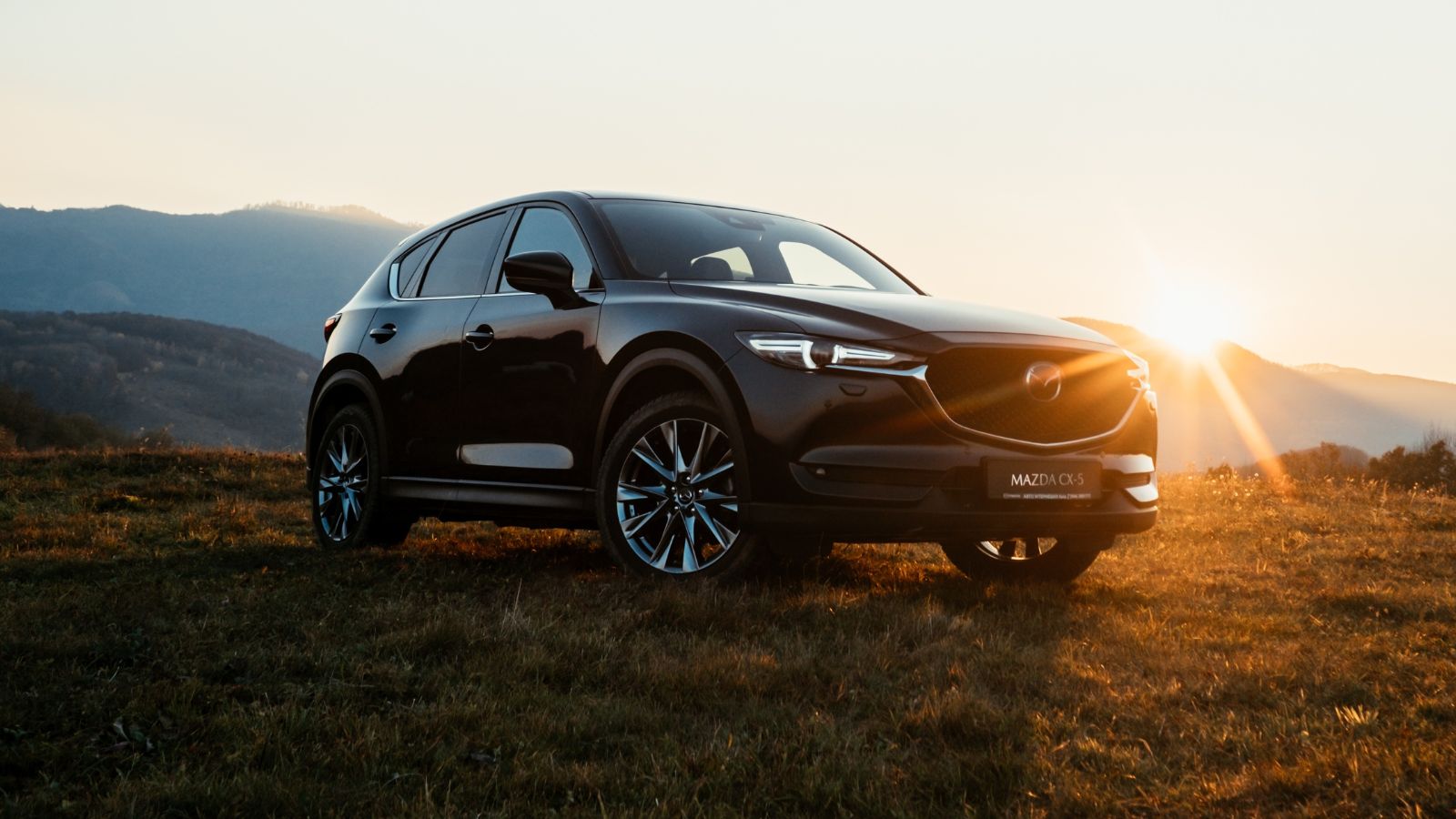
The Mazda CX-5 became a quiet winner in Canada because it offered an upscale cabin and sharp driving feel without luxury-brand pricing. For several years, that made used CX-5 listings surprisingly resilient. Buyers who wanted something nicer than the average compact SUV but still practical often landed here, especially since many Canadian trims included all-wheel drive.
The CX-5 is now one of the more interesting cooling-market options because it never had quite the same resale mythology as Toyota or Honda. That can help shoppers. Well-equipped trims may still feel premium, but pricing often reacts more noticeably when dealers have similar compact SUVs sitting nearby. For buyers who care about cabin feel, winter confidence, and a less appliance-like drive, the CX-5 may finally be easier to justify used.
Nissan Rogue
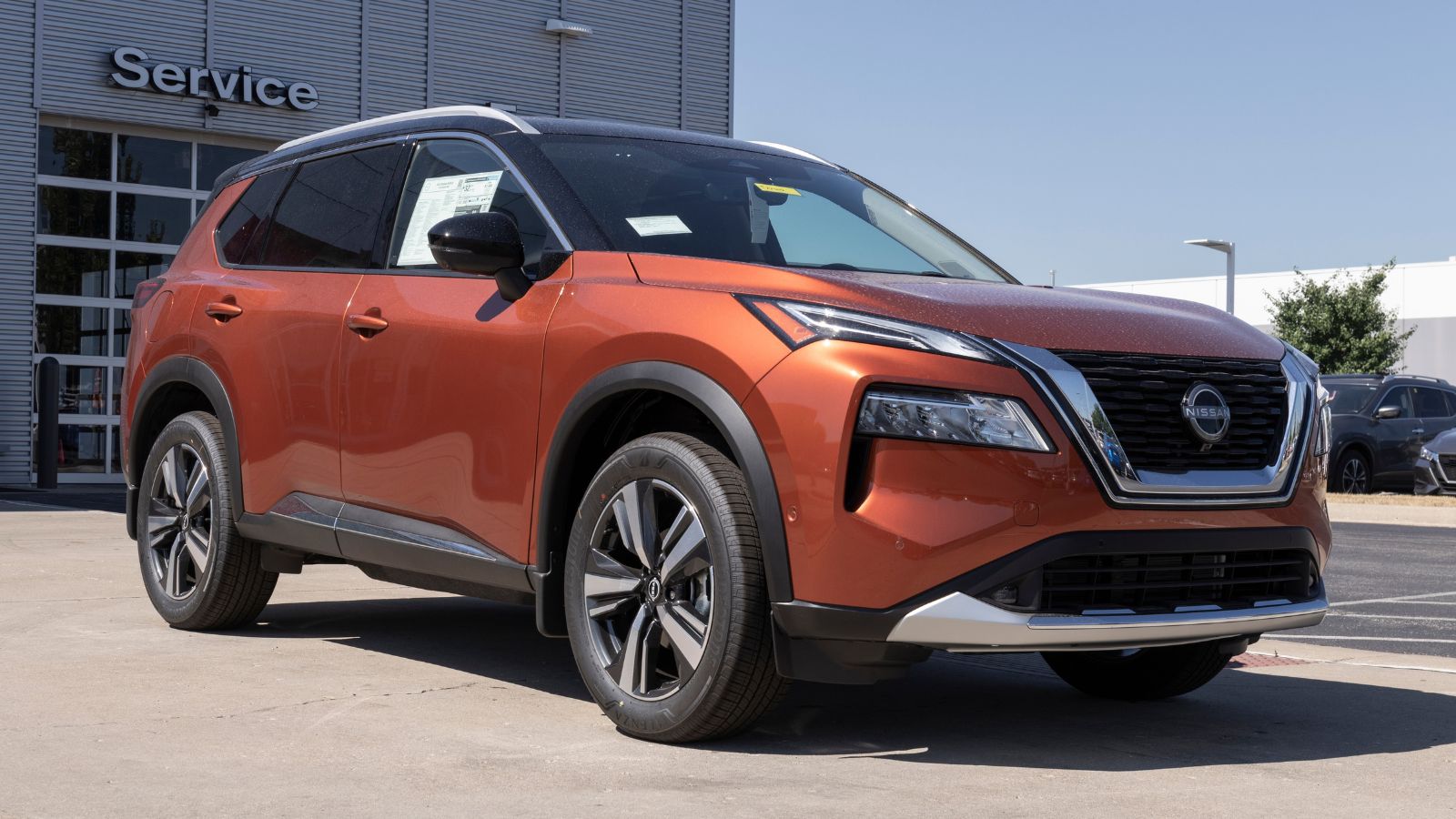
The Nissan Rogue has been everywhere in Canada, and that volume is part of why used prices can come back down faster than rarer competitors. It is a familiar compact SUV with comfortable seating, useful cargo space, and broad availability. When a model is common on dealer lots, shoppers have more leverage because there is usually another similar listing nearby.
The Rogue’s price story is also shaped by perception. Some buyers remain cautious about Nissan’s past transmission reputation, even though newer generations have improved in many ways. That caution can create discounts compared with Toyota and Honda rivals. A well-maintained Rogue with service records can make sense when the price gap is meaningful, especially for buyers who want practical space without paying top-tier resale premiums.
Hyundai Tucson
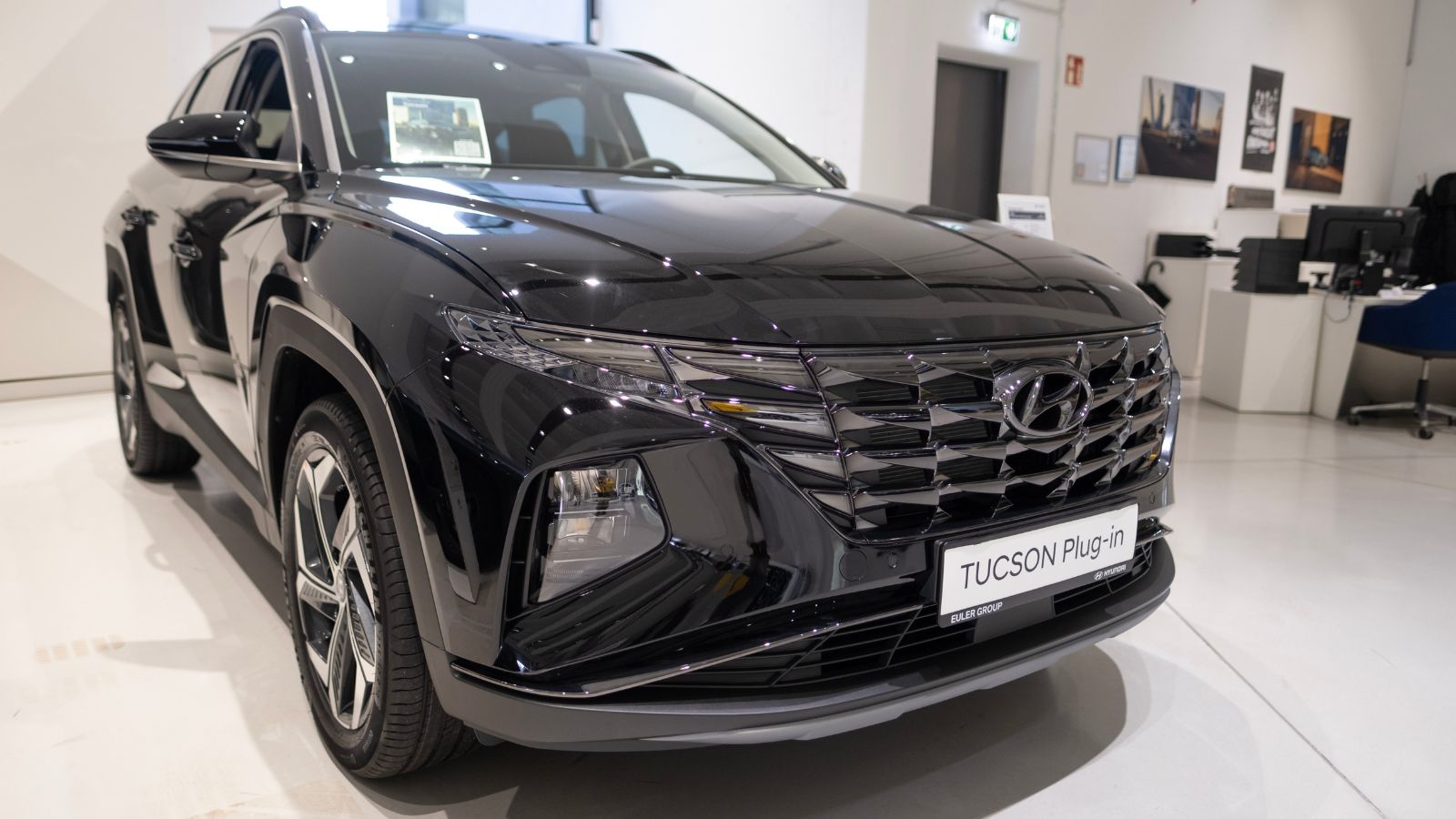
The Hyundai Tucson gained attention with bold styling, improved interiors, and a broader mix of gas, hybrid, and plug-in hybrid versions. Newer models helped shift Hyundai’s image from budget alternative to mainstream contender. That rise also pushed used prices higher, particularly when inventory was tight and shoppers wanted value-packed trims.
As the market normalizes, the Tucson is starting to look more balanced. Hyundai’s generous original warranty coverage can make late-model used examples appealing, although buyers should confirm what remains transferable. The strongest values may appear on gasoline models rather than electrified versions, since hybrids can still attract extra demand. For families wanting modern tech and comfort without the RAV4 or CR-V premium, the Tucson deserves a closer look.
Kia Sportage
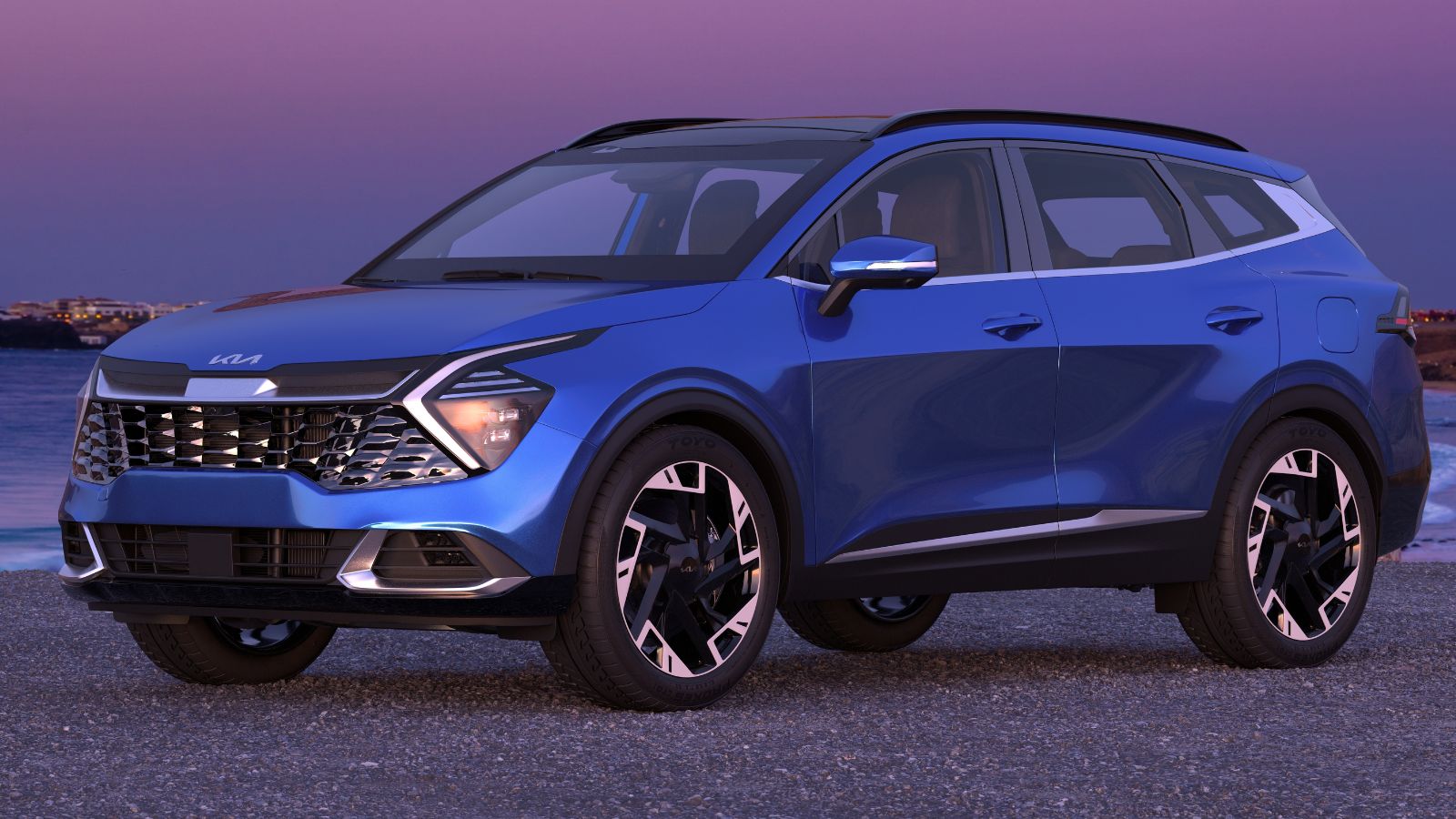
The Kia Sportage shares much of its appeal with the Tucson but often carries a different personality. Recent versions brought dramatic styling, a larger cabin, and available hybrid options, which helped the Sportage become more competitive in the compact SUV field. In Canada, where buyers often want heated features, safety tech, and all-wheel drive, it checks a lot of boxes.
Used Sportage pricing is finally becoming more grounded as more late-model examples reach the resale market. Like the Tucson, gasoline trims may cool faster than hybrid versions because electrified SUVs remain attractive to fuel-conscious shoppers. The key is comparing equipment carefully. A lower-priced Sportage may look like a deal until missing winter-friendly features or driver-assistance technology makes a better-equipped listing more sensible.
Ford Escape
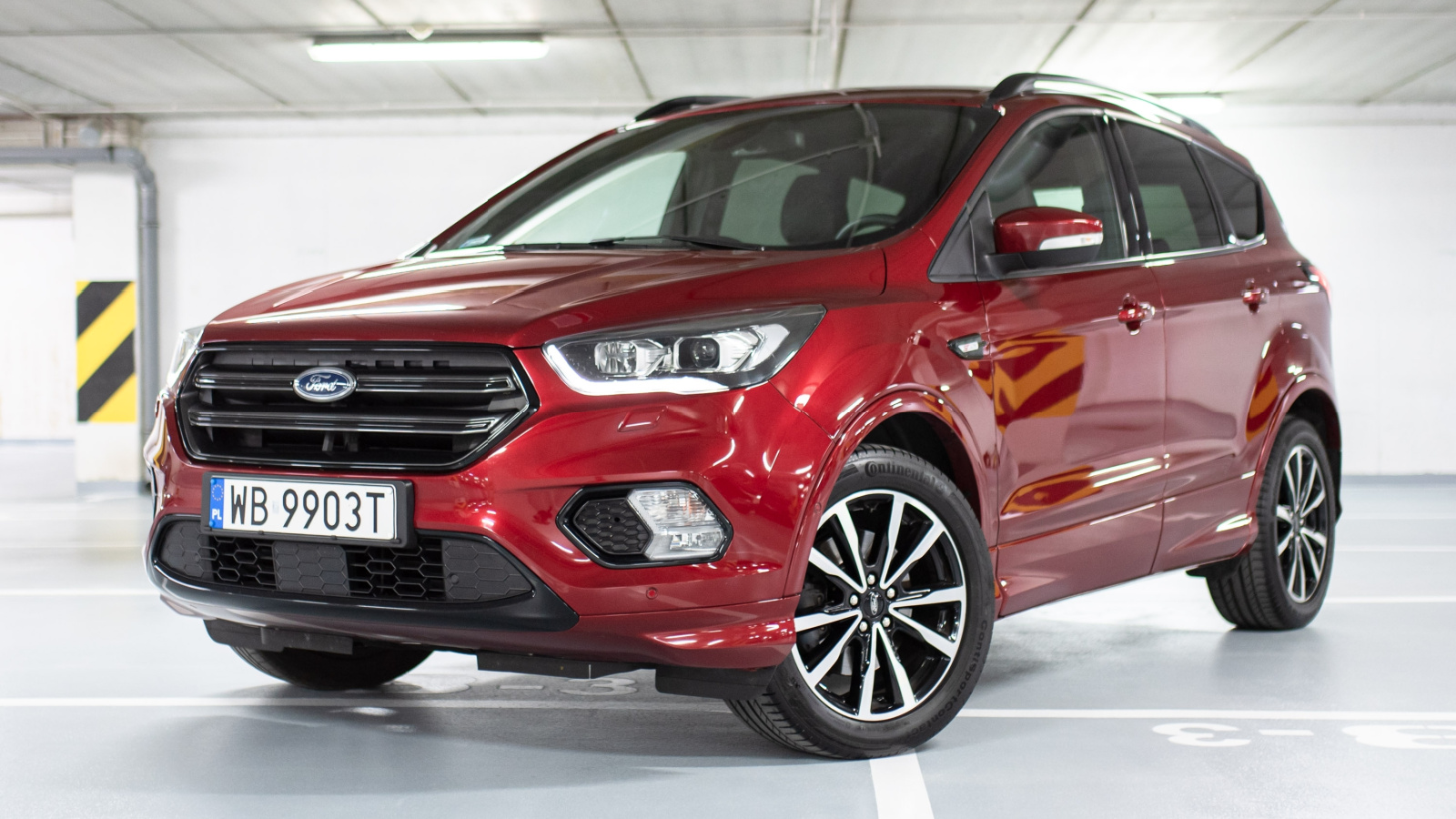
The Ford Escape is one of the used SUVs most likely to feel more realistic because it has been sold in large numbers and faces heavy competition. It offers several powertrain choices, including hybrid and plug-in hybrid versions, and its lighter, car-like feel appeals to drivers who do not want a bulky SUV. Fleet and lease returns can also add supply.
That supply matters in a cooling market. Escapes often compete on price rather than resale prestige, which can make them attractive when Toyota and Honda listings remain stubborn. Buyers should pay attention to trim, powertrain, and service history, because the Escape lineup varies widely. A clean hybrid model may hold stronger, while a regular gasoline model with average mileage may be easier to bargain on.
Chevrolet Equinox
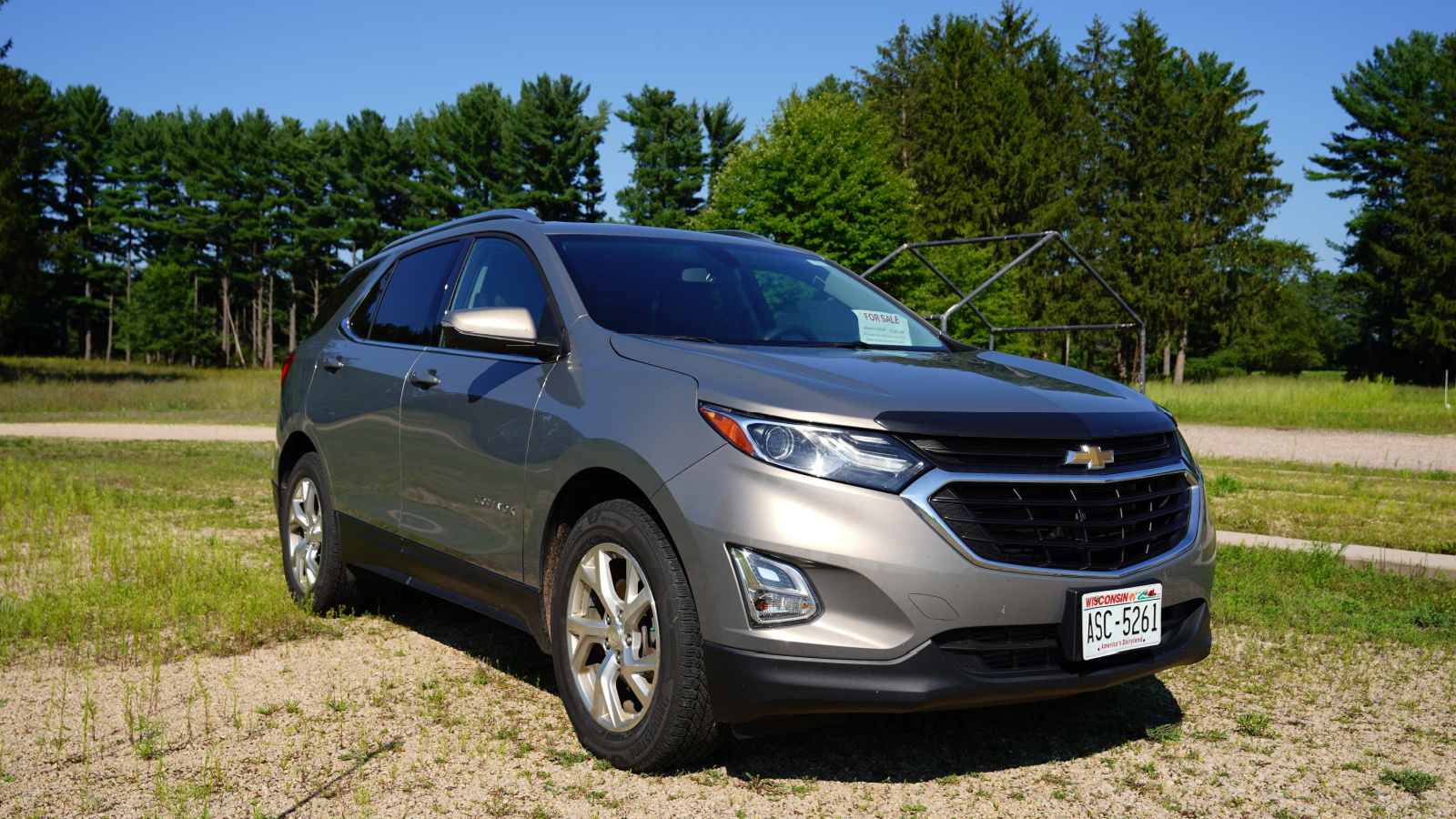
The Chevrolet Equinox has long been a practical, familiar choice in Canada, especially outside major downtown markets. It is not usually the emotional pick in the compact SUV class, but that can work in a buyer’s favour. When demand cools, less-hyped models often adjust faster than the vehicles everyone is chasing.
Used Equinox listings can be appealing because there are plenty of them, parts familiarity is strong, and many examples were bought as straightforward family transport. The trade-off is that resale value is not as strong as class leaders, so sellers may need to price realistically. For shoppers focused on budget, space, and winter usability rather than brand prestige, the Equinox can feel much closer to earth than it did during the shortage years.
GMC Terrain
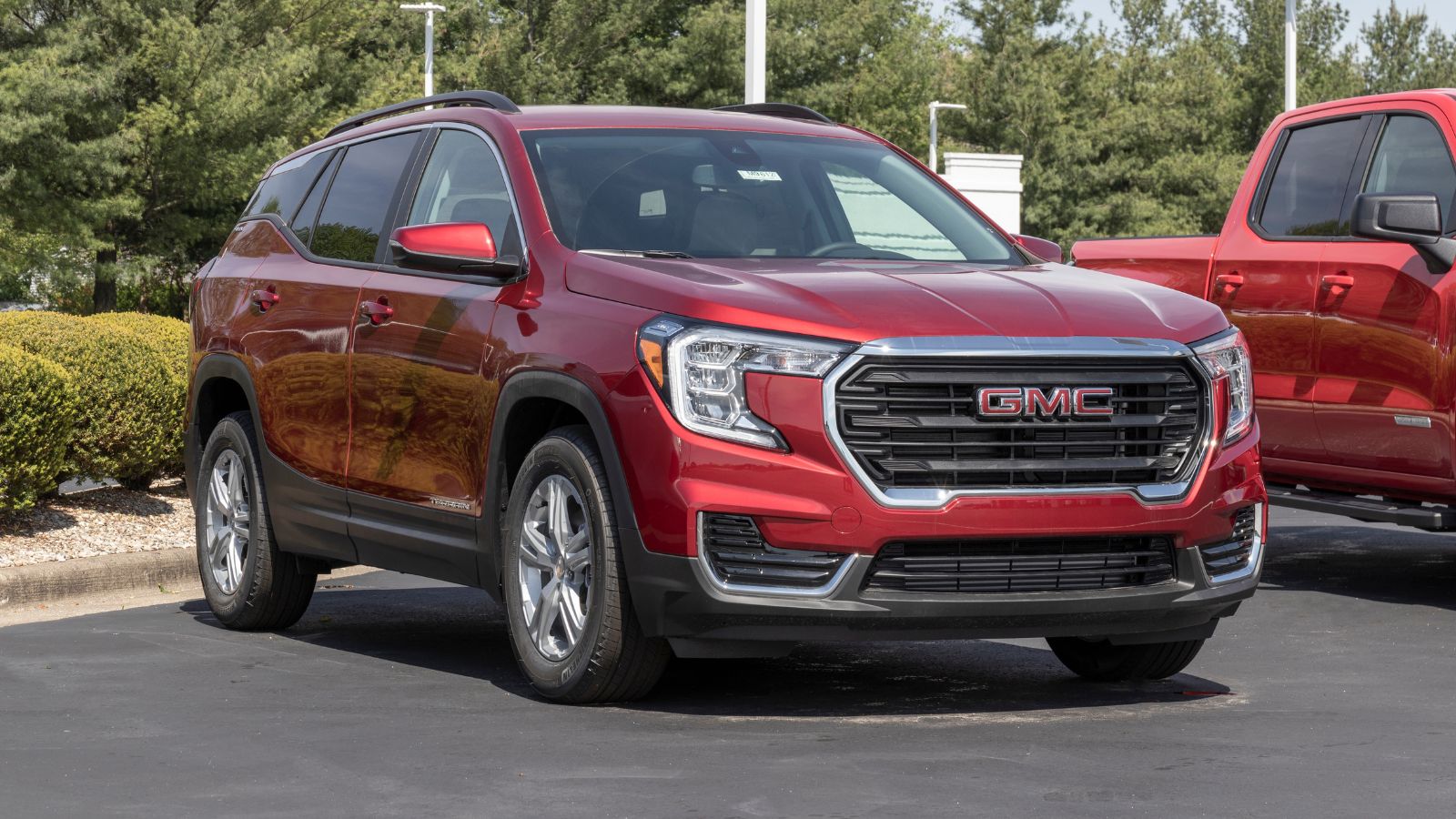
The GMC Terrain sits close to the Chevrolet Equinox mechanically but is usually positioned with a slightly more premium look and feel. Used buyers may find Terrains with nicer interiors, bolder styling, or higher equipment levels than similarly priced mainstream rivals. That can make it tempting for Canadians who want comfort without stepping into luxury-brand repair costs.
The Terrain’s cooling-market appeal comes from its middle-ground identity. It does not have the resale strength of a RAV4, nor the enthusiast following of a Mazda CX-5, but it can deliver everyday practicality at a more negotiable price. As with any used SUV, condition and maintenance records matter more than badge polish. A well-kept Terrain can be a sensible value when priced below more famous compact rivals.
Volkswagen Tiguan
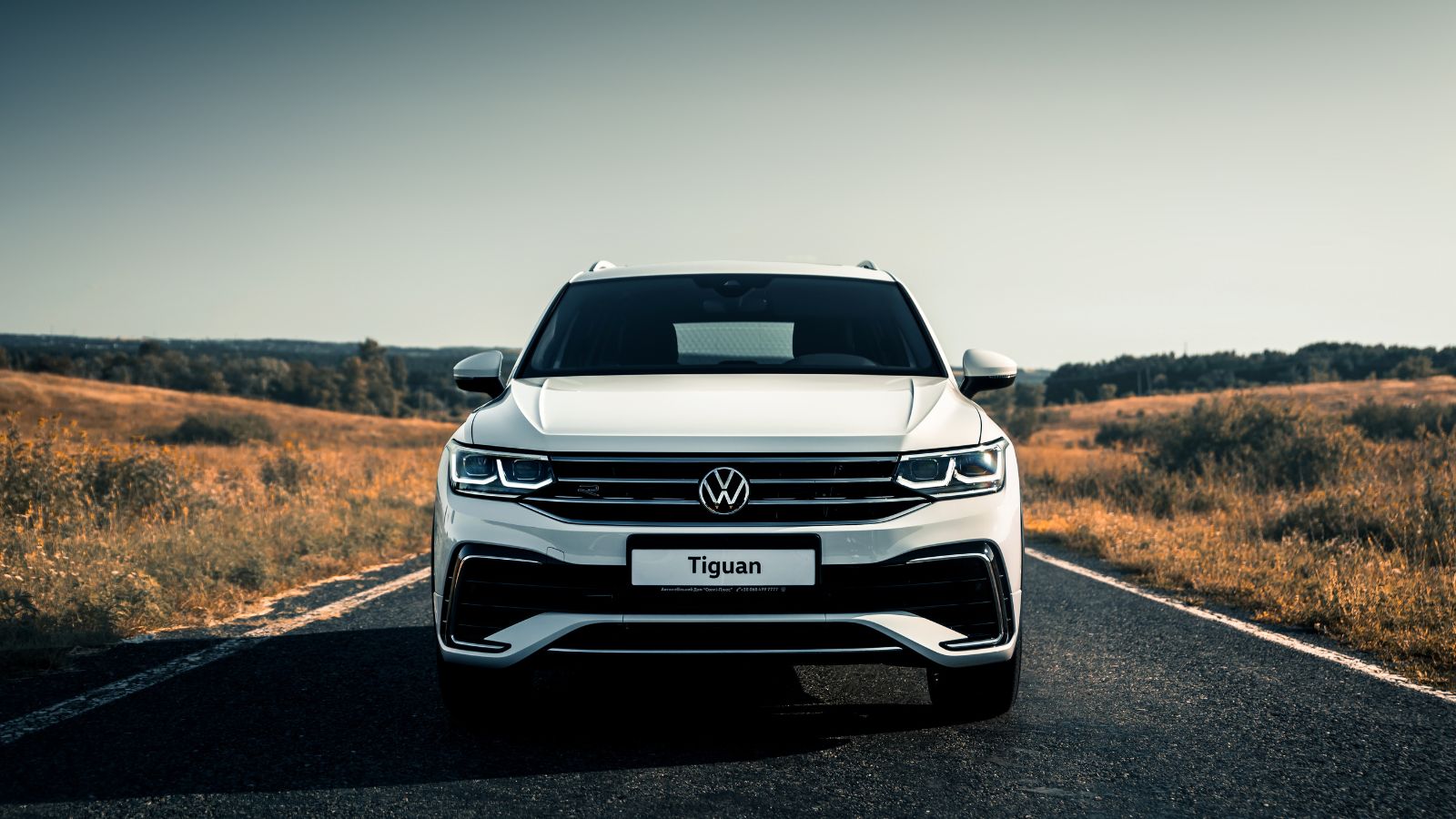
The Volkswagen Tiguan became popular with buyers who wanted a European-feeling compact SUV with a roomy cabin. In Canada, its available all-wheel drive and practical shape made it a reasonable family option. Some versions also offered three-row seating, though the third row is best understood as occasional-use space rather than a minivan replacement.
Used Tiguan prices can soften because ownership expectations differ from Japanese and Korean rivals. Some buyers worry about maintenance costs once warranty coverage ends, and that can limit resale strength. For shoppers willing to budget properly for service, the Tiguan may now offer more vehicle for the money than it did when compact SUVs were scarce. A pre-purchase inspection is especially important here because deferred maintenance can erase any upfront savings.
Subaru Forester
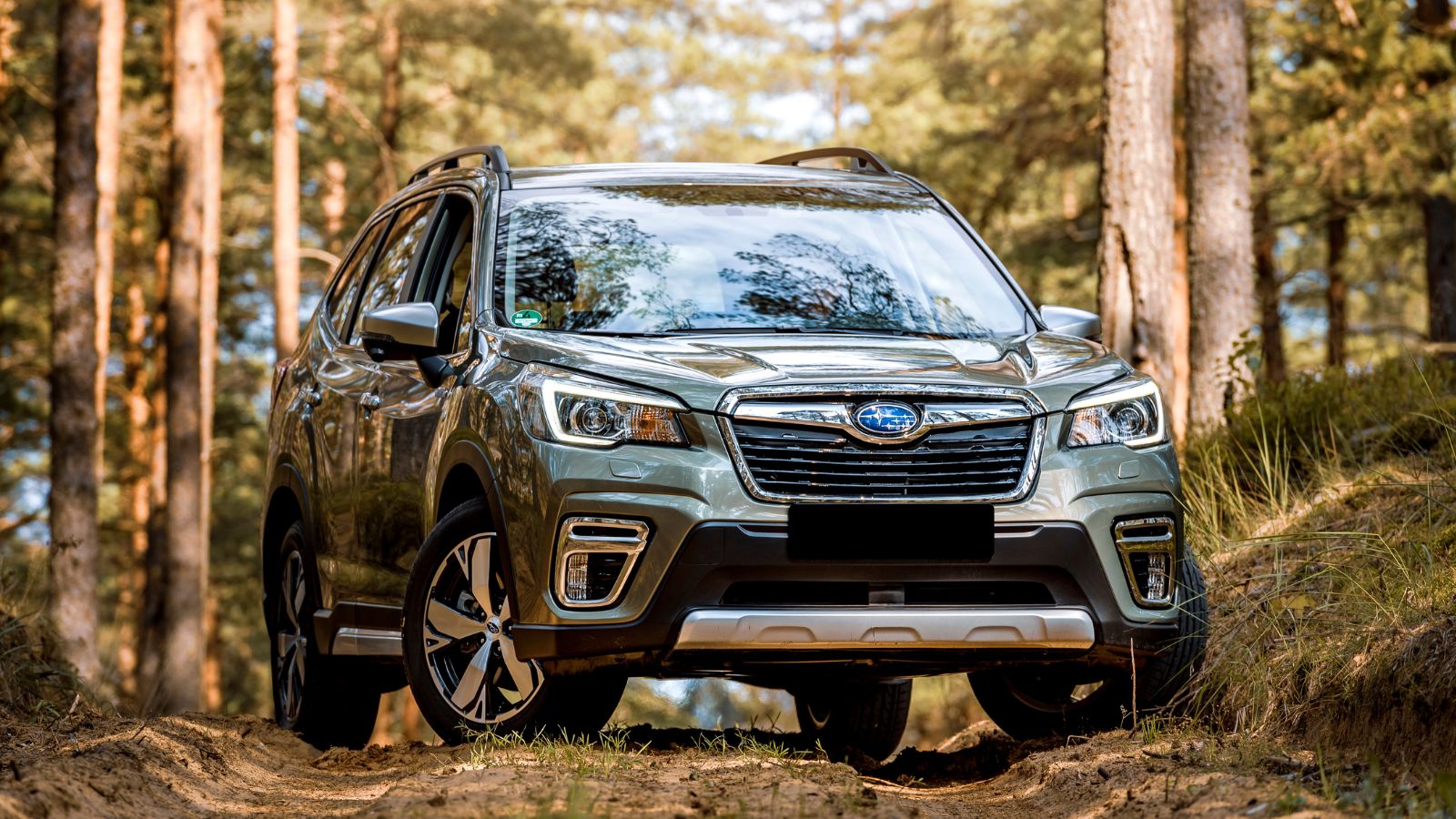
The Subaru Forester has a loyal Canadian audience because standard all-wheel drive, good visibility, and winter-friendly practicality line up neatly with real driving conditions. It has often appealed to drivers who care more about function than flash. That reputation kept used values firm, particularly in snowbelt regions and outdoor-oriented communities.
Even so, the Forester is not immune to broader market gravity. As compact SUV inventory improves, buyers have more alternatives with similar safety features and fuel economy. That can make older Foresters with higher mileage or cosmetic wear less able to command top dollar. The best value may be found in carefully maintained examples where the seller recognizes that Subaru loyalty is strong, but not unlimited.
Mitsubishi Outlander
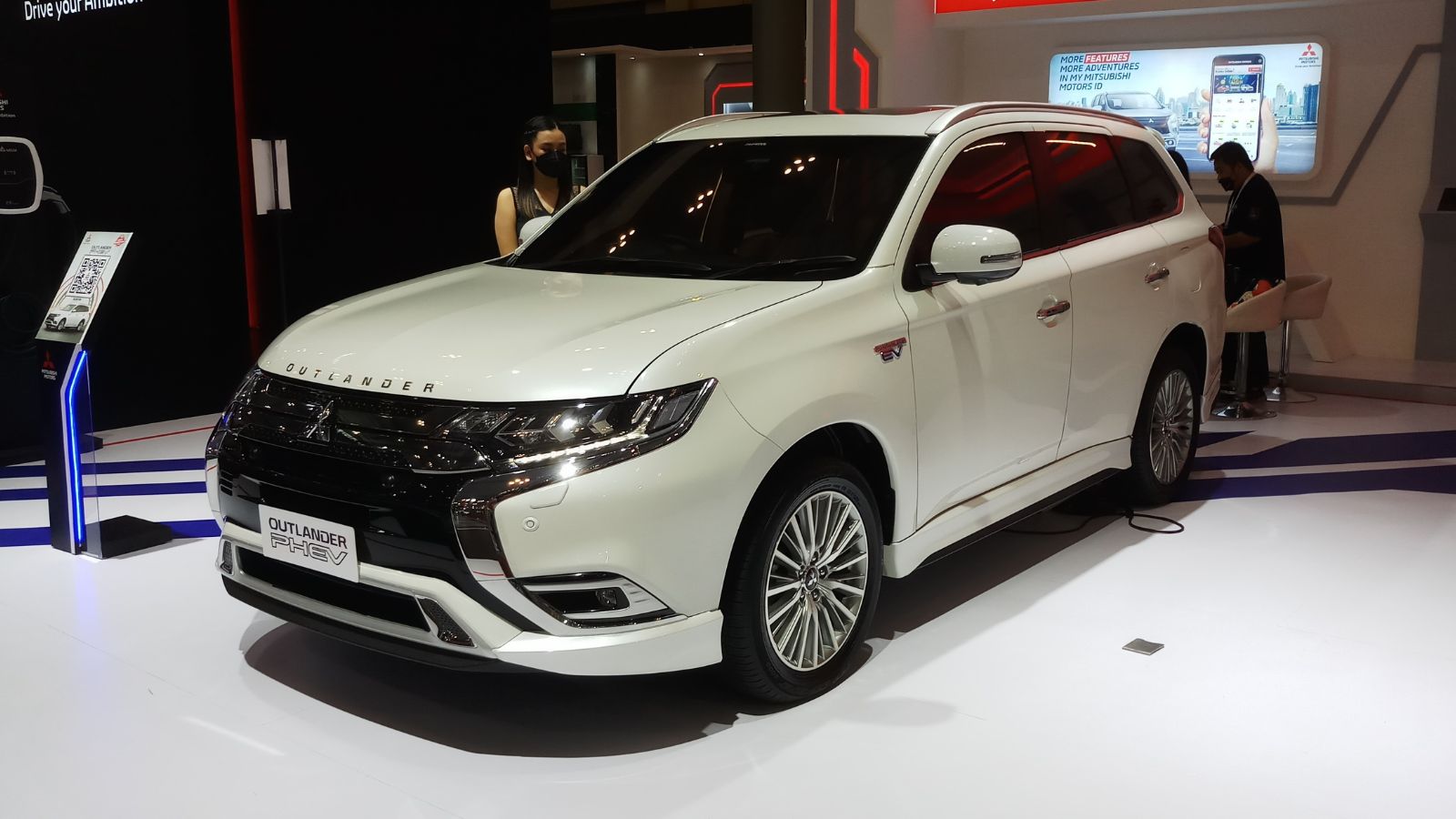
The Mitsubishi Outlander is worth watching because it often offers more space and equipment for less money than better-known rivals. Recent generations improved significantly in design and interior quality, while older models remained popular with buyers needing affordable family transportation. The plug-in hybrid version also built a following in Canada before many competitors had similar options.
Used Outlander pricing can become more realistic because the badge does not carry the same resale pull as Toyota or Honda. That creates opportunity, especially for buyers who want available three-row flexibility in a smaller footprint. The caution is to compare generations carefully, since the driving experience and cabin quality vary. A newer Outlander priced below more famous rivals can be a practical cooling-market win.
Jeep Cherokee
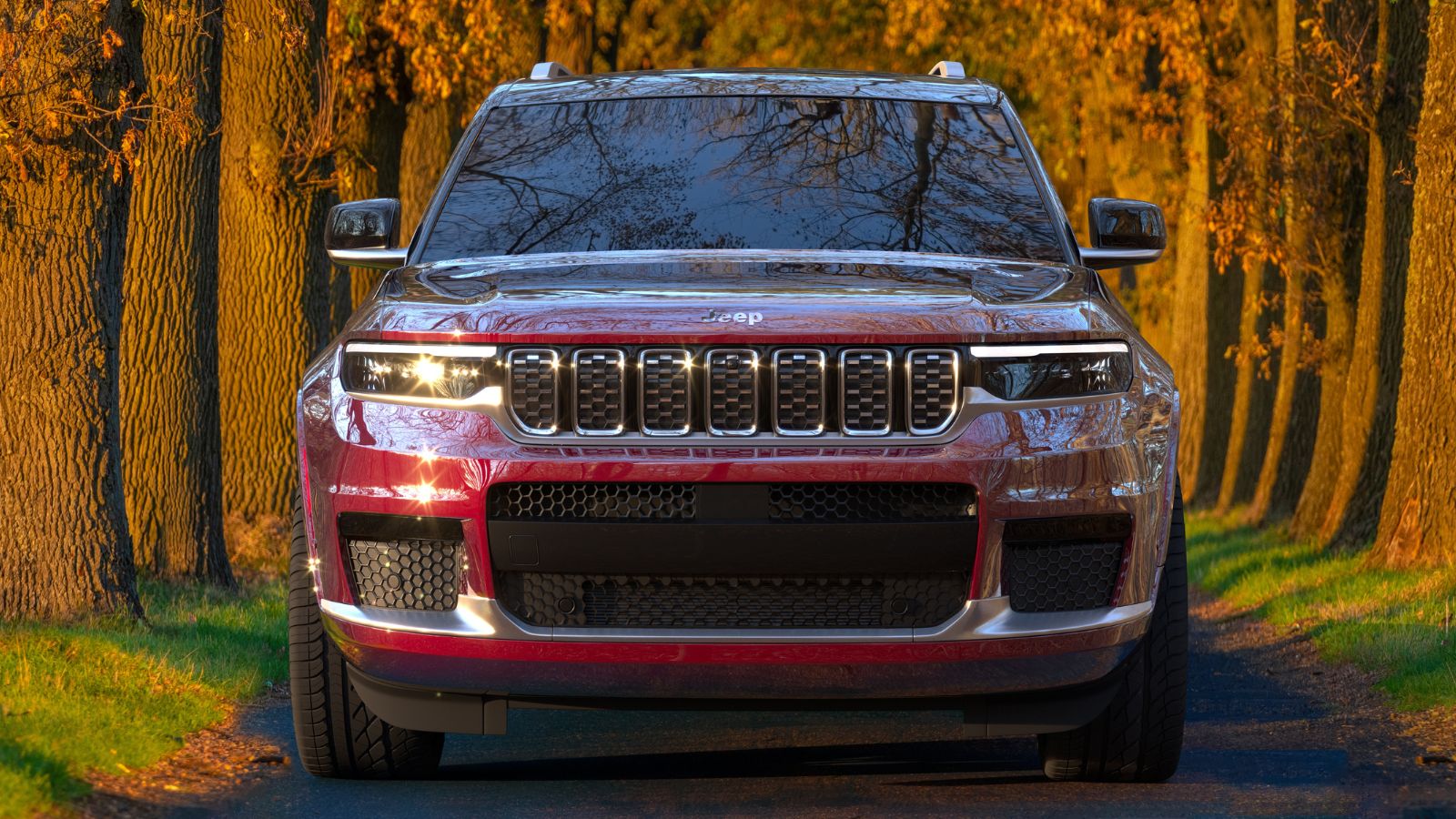
The Jeep Cherokee occupies a different lane from many compact SUVs because it leans into rugged styling and available off-road-oriented trims. In Canada, that image helped it stand out among softer crossovers. However, the Cherokee also faced stiff competition, and some buyers became more cautious about fuel economy and long-term ownership costs.
That caution can now translate into more grounded used pricing. A Cherokee may appeal to drivers who want something with a tougher personality than a Rogue or CR-V, but the asking price needs to reflect its trade-offs. Trailhawk trims can still attract enthusiasts, while ordinary trims may need sharper pricing to move. For buyers who like the Jeep look but shop carefully, the cooling market can create openings.
Jeep Compass
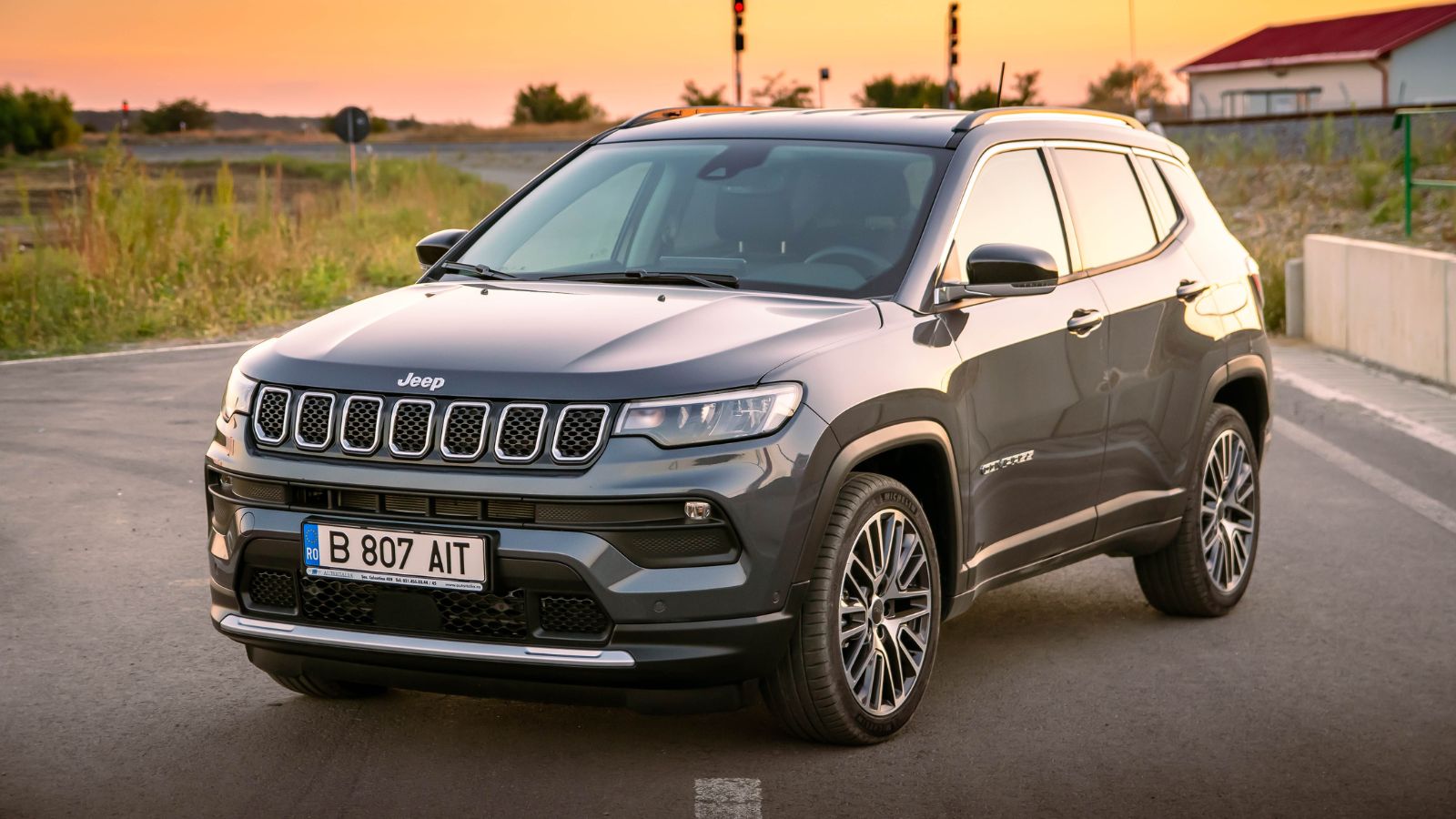
The Jeep Compass became a popular entry point into the Jeep brand because it offered SUV styling in a smaller, more affordable package. It appealed to shoppers who wanted the image without the cost of a Wrangler or Grand Cherokee. In the used market, that badge recognition helped keep attention on the model even when reviews were mixed.
As prices normalize, the Compass is one of the SUVs where buyers can be more demanding. It competes with many small crossovers that offer better fuel economy, refinement, or cargo flexibility. That means condition, trim, and price have to line up. A clean Compass with all-wheel drive can still make sense for urban and suburban drivers, but it should no longer be priced like scarcity is doing all the selling.
Acura RDX
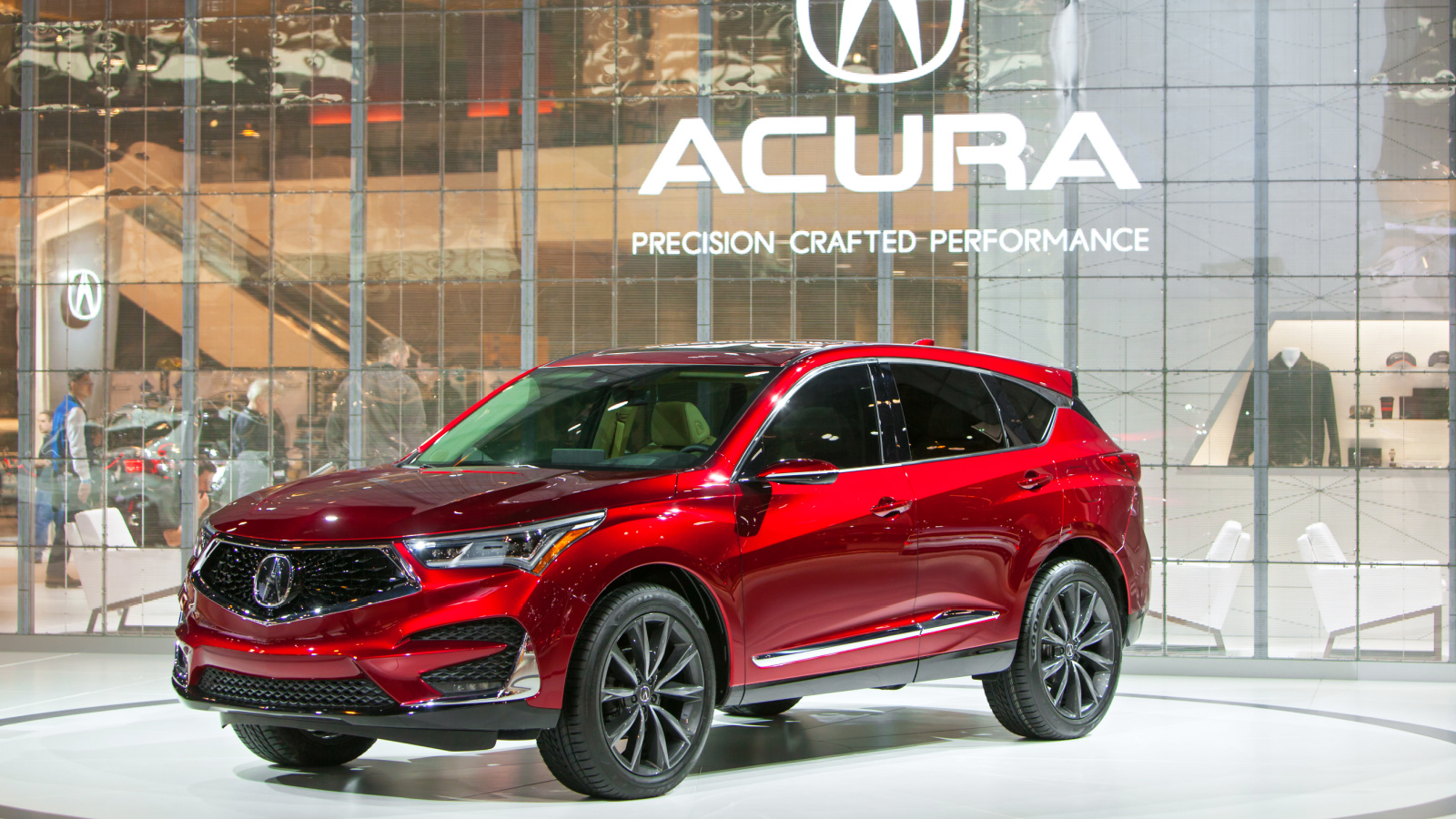
The Acura RDX sits in an appealing zone for used buyers because it offers luxury-brand comfort without the same maintenance anxiety often associated with German rivals. In Canada, its standard or widely available all-wheel-drive appeal and Honda-family reputation helped used prices stay strong. Well-kept examples often attracted buyers who wanted an upgrade without going full prestige.
The RDX is finally worth revisiting because luxury-leaning SUVs often become more negotiable as they age. Fuel costs, insurance, tires, and premium maintenance all matter, so buyers tend to become more selective. That selectiveness can soften asking prices on older or higher-mileage examples. A documented service history is essential, but the right RDX can now feel like a more reasonable step up from mainstream compact SUVs.
Lexus NX
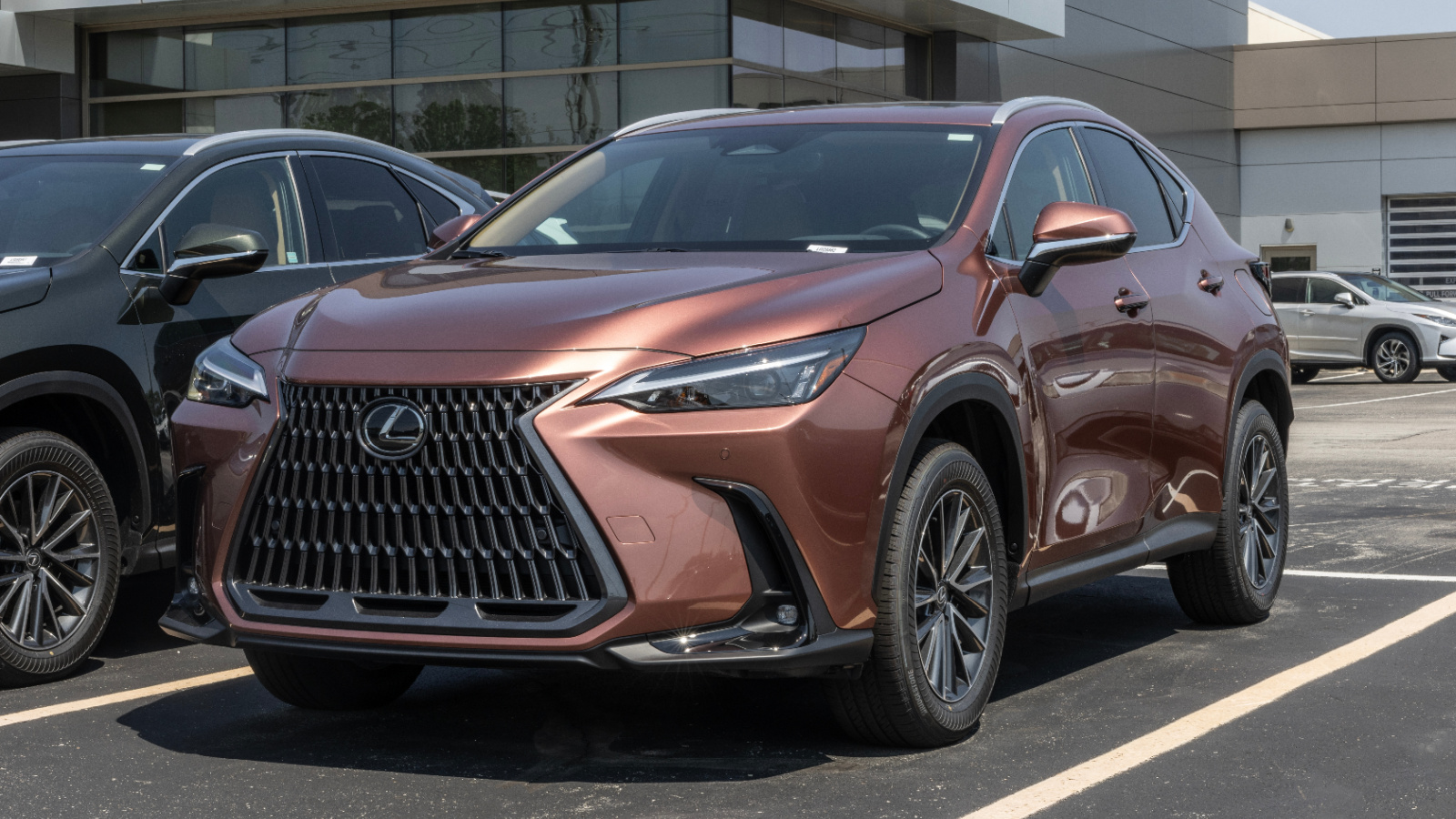
The Lexus NX is not likely to become cheap, but it may become less overheated. Lexus has one of the strongest resale reputations in Canada, and the NX benefits from that trust. Hybrid versions are especially desirable because they combine fuel efficiency with the brand’s durability image, which keeps demand steady even when the broader market cools.
The opportunity is more subtle here. Gasoline NX models, older body styles, and higher-mileage examples may show more pricing movement than low-mileage hybrids. Buyers who previously saw every NX listing disappear quickly may now have a little more time to compare options. The NX still requires patience, but the return of a more selective market can make unrealistic asking prices easier to challenge.
Audi Q5
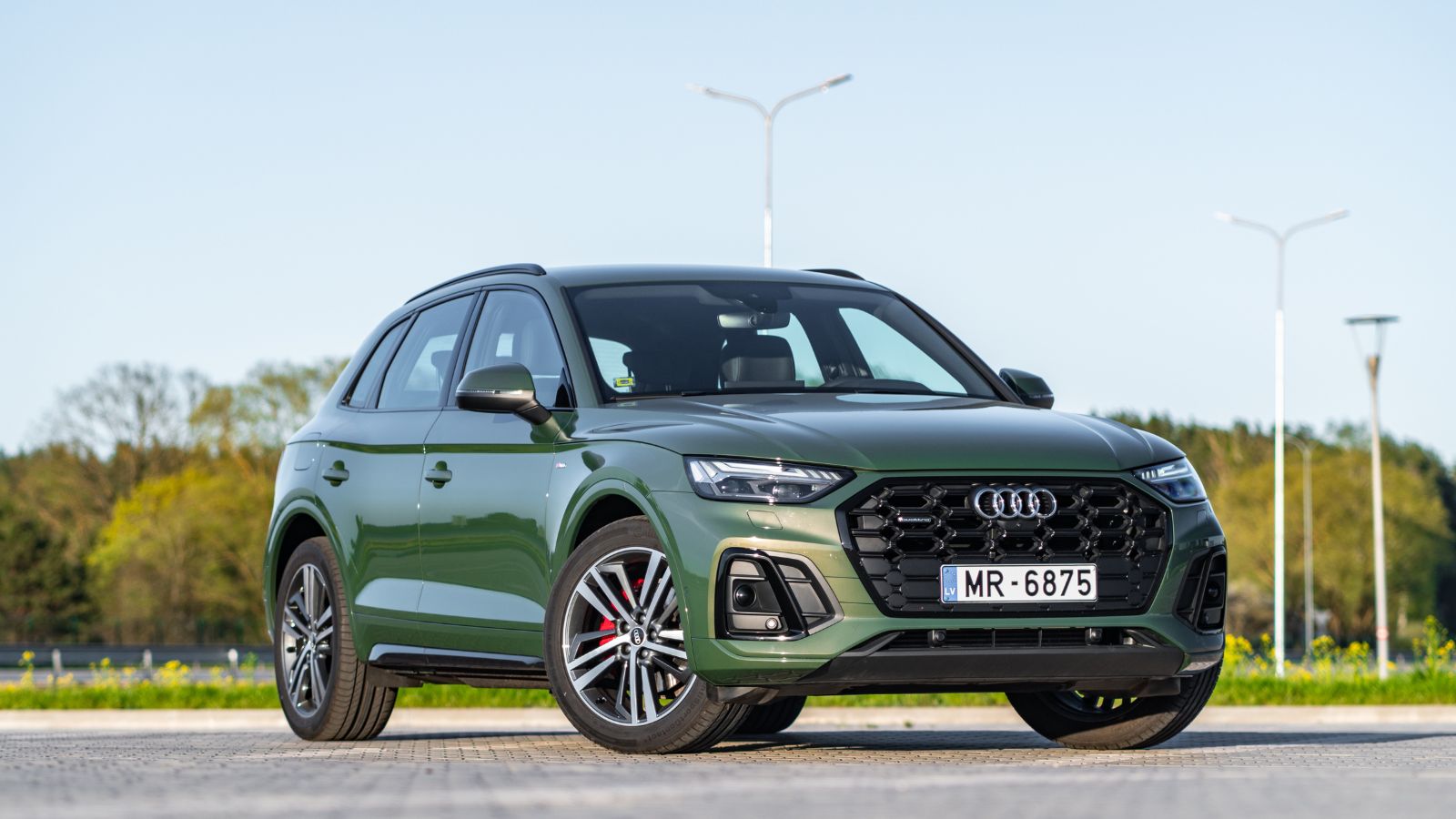
The Audi Q5 has been one of Canada’s most recognizable compact luxury SUVs, offering a polished cabin, confident all-wheel-drive branding, and a premium feel. New, it was expensive enough to push many shoppers toward leasing. Used, it often became tempting once depreciation brought payments closer to mainstream SUV territory.
The Q5 is coming back down because luxury SUVs tend to depreciate more noticeably as warranty coverage fades. Buyers know that tires, brakes, electronics, and dealer service can cost more than on a mainstream crossover. That awareness puts pressure on sellers, especially for older examples. A clean Q5 can still feel special, but the purchase price must leave room for maintenance. In a cooler market, that reality is harder to ignore.
BMW X3
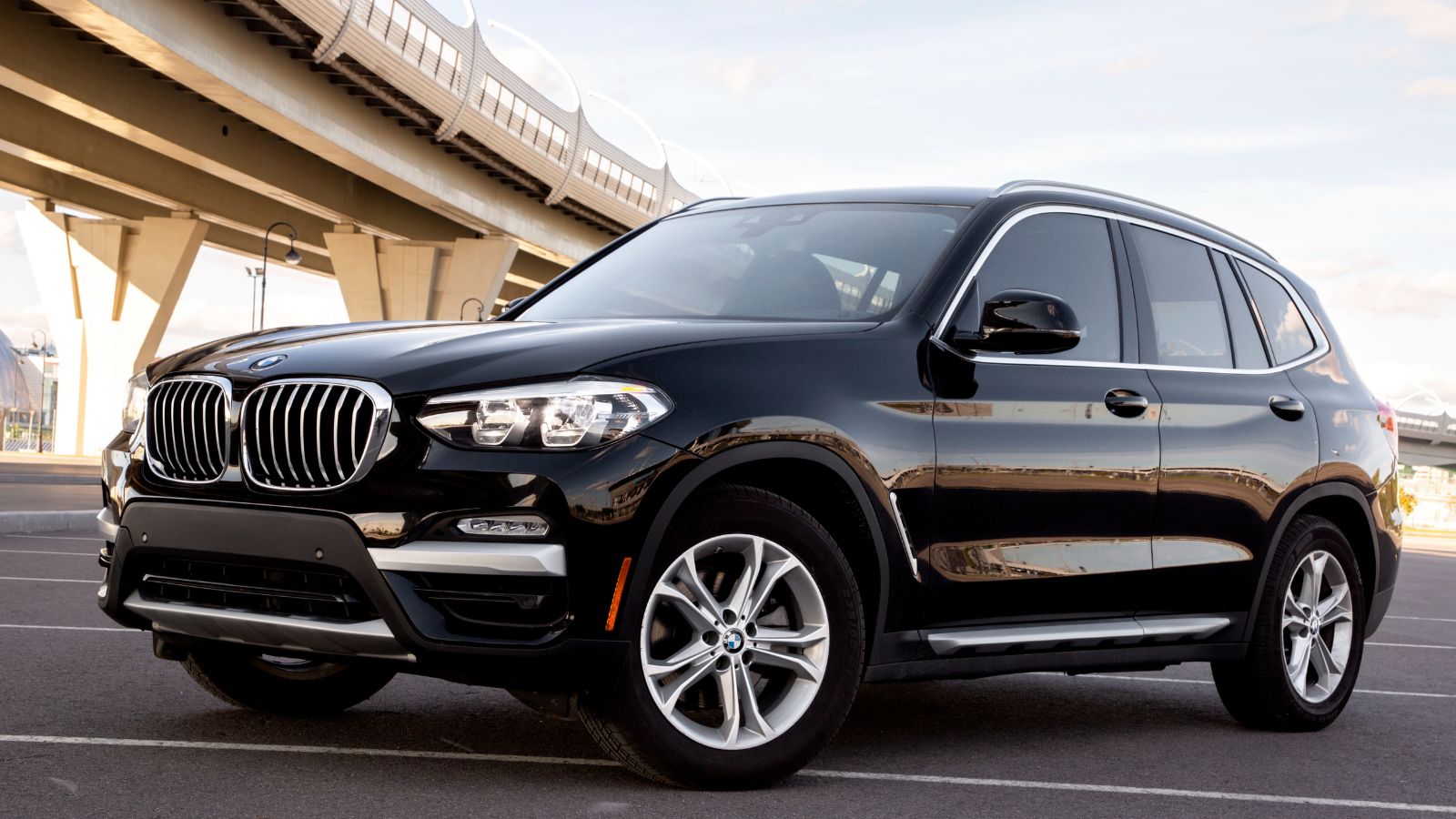
The BMW X3 is another luxury SUV that can look far more attainable used than it ever did new. Its appeal is obvious: strong performance, a premium cabin, and a badge that still carries weight. In Canada, xDrive all-wheel drive also gives it practical year-round credibility, especially in provinces with long winters.
The catch is that depreciation is part of the ownership equation, not a free gift. As used SUV shoppers become more cautious, the X3’s running costs can push prices closer to earth. That creates better opportunities for buyers who understand maintenance and avoid neglected examples. A documented, inspected X3 can be rewarding, but the discount needs to be real enough to offset luxury-grade repair exposure.
22 Things Canadians Do to Their Cars in Spring That Mechanics Hate

Spring brings relief to many Canadian drivers after months of snow, freezing temperatures, and icy roads that put serious strain on vehicles. As temperatures rise across the country, drivers begin washing cars, switching tires, and preparing vehicles for warmer weather and upcoming road trips. However, mechanics across Canada notice the same mistakes every spring when drivers attempt to recover from winter damage. Road salt, potholes, and harsh winter driving conditions often leave vehicles with hidden problems that drivers ignore. Some spring habits even create new mechanical issues that could have been avoided with proper maintenance. Here are 22 things Canadians do to their cars in spring that mechanics hate.