
























Sticker price is the loudest number in a vehicle purchase, but it is rarely the number that reshapes a household budget. In Canada, the real cost of ownership often reveals itself later, when winter arrives, renewal notices pile up, and a routine service visit turns into something much larger. What looked affordable on purchase day can feel very different after a year of real-world driving.
These 15 overlooked expenses explain why vehicle ownership so often costs more than expected. Some appear every month, others only after bad luck or bad weather, but all of them have a habit of becoming unavoidable at exactly the wrong time.
Depreciation

Depreciation is the cost many owners never truly feel until they try to sell, trade in, or replace a vehicle. Monthly payments make a car feel like an asset in motion, but its market value is usually moving in the opposite direction. That is why depreciation can be so financially punishing: it does not arrive as a bill in the mail, yet it quietly strips away thousands of dollars in value while the owner is focused on fuel, insurance, and loan payments. In Canada, that surprise is especially painful when drivers trade in sooner than planned and discover the car is worth far less than they assumed.
What makes depreciation so frustrating is how fast it hits. A vehicle that still looks new, smells new, and drives like new can already be worth dramatically less than the purchase price. That gap gets even more noticeable with trend-sensitive segments, luxury trims, and models that lose favour quickly in the resale market. Owners often realize too late that the biggest cost of ownership was never maintenance at all. It was the money that disappeared in the background while the car sat in the driveway looking perfectly fine.
Financing Interest and Negative Equity
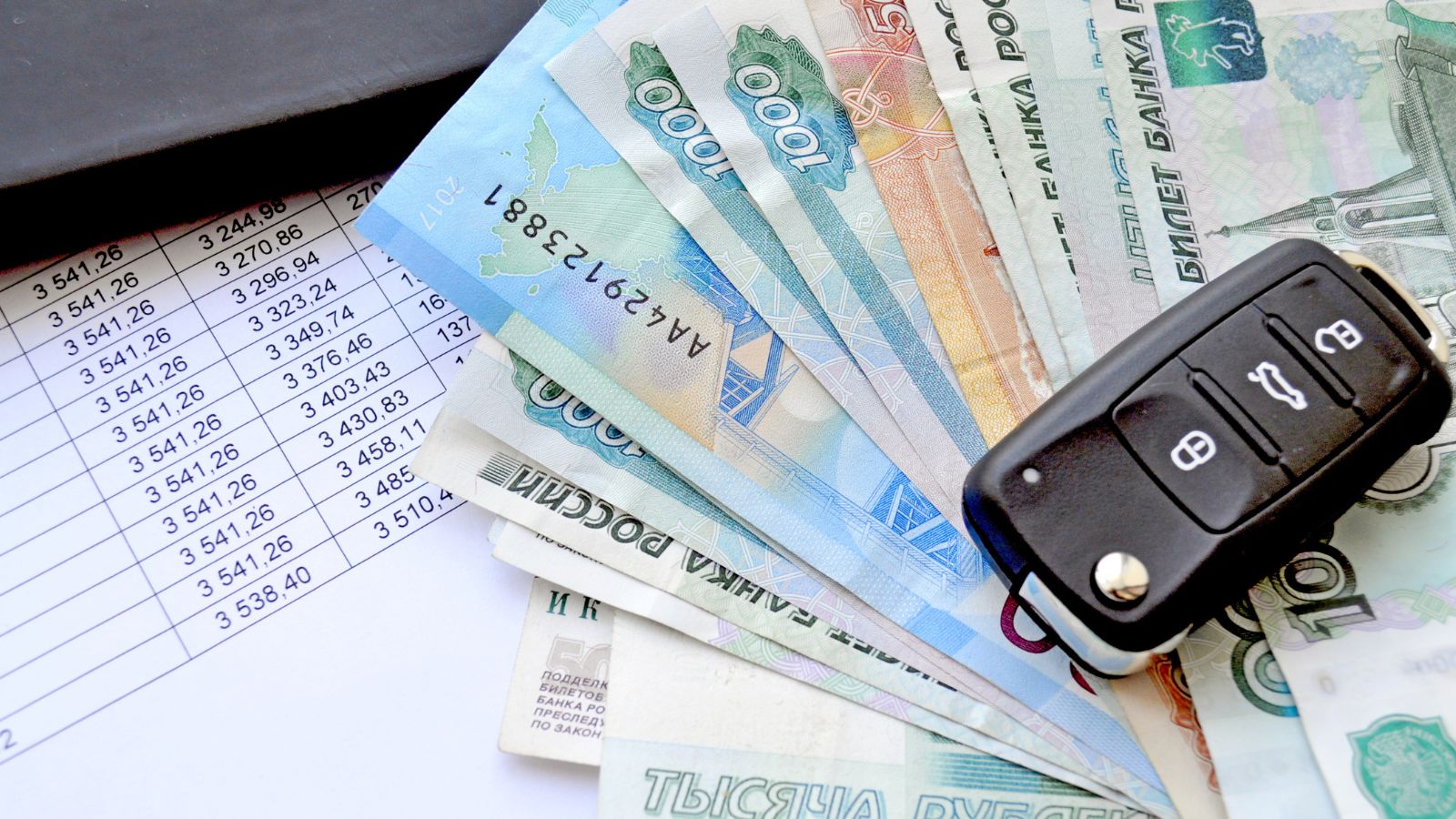
A low monthly payment has a way of calming nerves at the dealership, but long financing terms can make ownership far more expensive than it first appears. Stretching a loan from five years to seven or eight years may shrink the monthly bite, yet it also increases the total interest paid and slows down how quickly the balance falls. The result is a familiar Canadian trap: the vehicle ages normally, but the debt lingers. That makes the car feel affordable in the short term while quietly becoming more expensive over the life of the loan.
The real trouble begins when life changes early. A growing family may need a larger vehicle, a job change may cut income, or an accident may force a sale sooner than expected. Suddenly the owner is not just selling a used vehicle, but trying to unload one worth less than the remaining loan balance. That is negative equity, and it turns a simple trade-in into a financial headache. Many Canadians do not notice this cost while they are making regular payments. They notice it only when they want out and learn the car cannot leave without extra money leaving with it.
Insurance Premiums
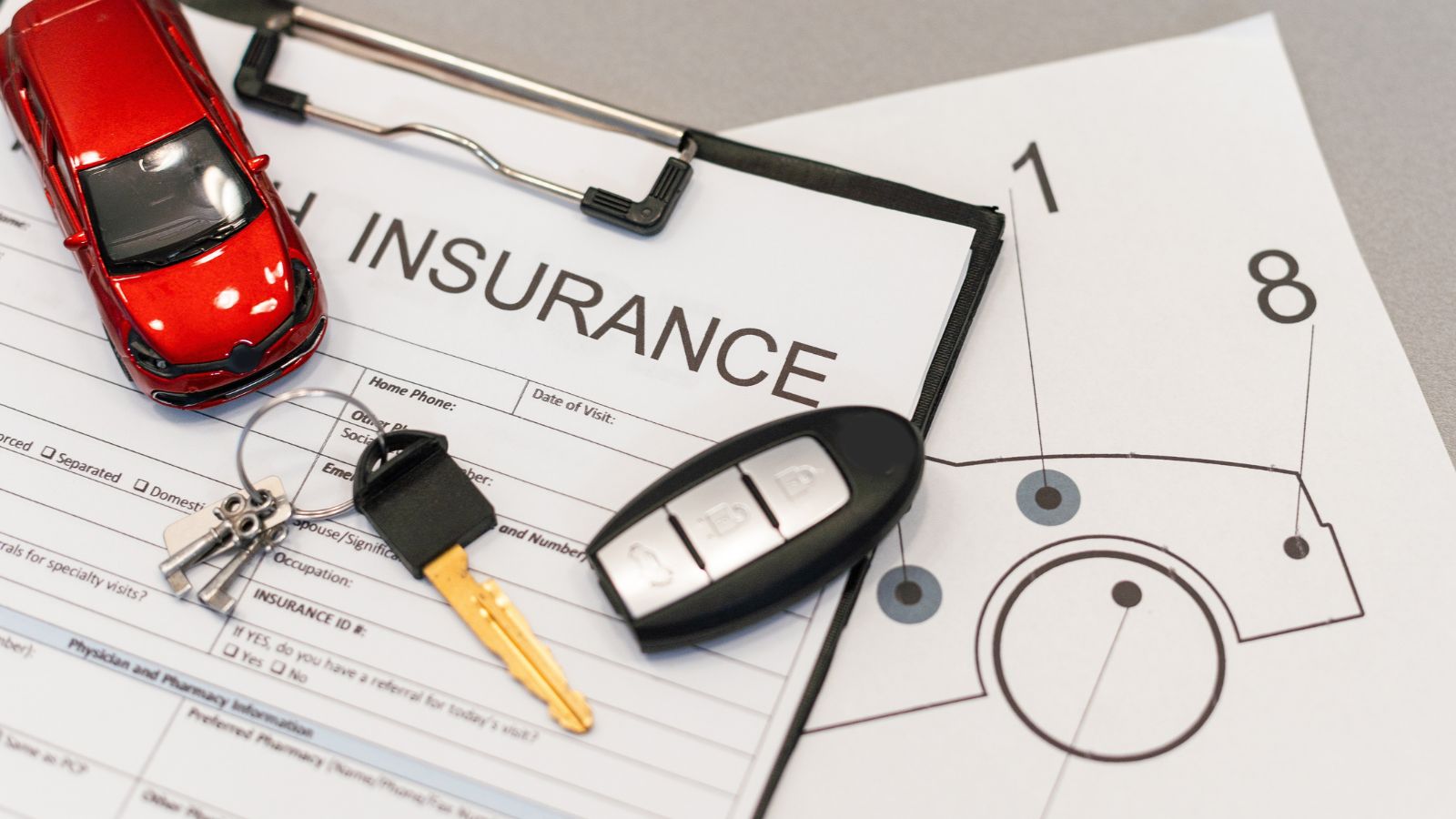
Insurance is one of those costs that feels routine right up until renewal season turns it into a shock. Owners often budget for the premium they were first quoted and assume future increases will be modest. In reality, premiums move with claims trends, repair costs, theft patterns, postal code risk, vehicle type, and provincial rules. That means a driver can do everything “right” and still end up paying significantly more a year or two later. In dense urban areas or provinces with especially high repair and claims pressure, that jump can feel less like a renewal and more like a second car payment.
The frustration is that insurance costs are both essential and unpredictable. A household that chose a vehicle for fuel economy may still get squeezed because it was expensive to repair after minor collisions, or because it became attractive to thieves. Even newer safety technology can cut both ways: it may prevent crashes, but when a bumper houses sensors and cameras, even a relatively small impact can become a costly claim. That is why insurance is not just a legal requirement. It is one of the biggest ownership variables in the country, and one of the easiest to underestimate when the purchase decision is made.
Deductibles, Claims, and Coverage Add-Ons
The premium is only the visible part of insurance. The hidden part shows up after something goes wrong. A deductible can feel manageable in theory, but it lands differently when a family is already juggling a repair delay, time off work, and the stress of an accident or theft. Many drivers also learn too late that the cheapest policy on paper was cheap because important protections were missing. Rental coverage, accident forgiveness, waiver of depreciation, and transportation replacement all cost extra, and each one feels optional until the exact moment it becomes useful.
This is where ownership gets unexpectedly expensive. A minor at-fault crash can mean paying the deductible immediately and then facing a higher renewal later. A vehicle written off early in its life may settle for less than expected unless the policy includes protection against depreciation. A car in the body shop may leave its owner paying for rides, transit, or a rental out of pocket if loss-of-use coverage was skipped. None of these expenses are unusual. They are simply the kinds of ownership costs people do not think about when nothing bad has happened yet.
Registration, Licensing, and Provincial Fees
Ownership costs in Canada are not the same from province to province, and that difference catches plenty of people off guard. Some drivers assume that once the car is purchased and insured, the paperwork side is basically over. In reality, registration charges, insurance contributions, licence renewals, permit-related fees, and region-specific surcharges can remain part of the cost of keeping a vehicle legal on the road. These charges do not always look dramatic on their own, but they arrive with enough regularity to become part of the ownership baseline.
The surprise is often strongest when someone moves, buys a car in another province, or compares their costs with friends elsewhere in Canada. Ontario’s removal of passenger plate renewal fees changed the experience for many drivers there, but that does not mean vehicle paperwork has become cheap everywhere. In Quebec, for example, passenger registration still includes road-use and insurance-related charges, and some regions carry additional transit-related contributions. That provincial patchwork matters. A vehicle that looks similarly priced on a dealer lot can end up costing noticeably different amounts to keep registered depending on where it lives.
Parking and Storage
Parking has a talent for hiding in plain sight. People shopping for a vehicle often think about payment, fuel, and insurance, yet fail to calculate the cost of simply having somewhere to keep it. In suburban areas that may be a non-issue. In major cities, it can become one of the most persistent ownership expenses of all. Residential permits, condo parking rentals, employer lots, downtown parkades, event parking, and street restrictions can turn the privilege of leaving a vehicle somewhere legal into a recurring monthly bill.
That cost adds up fast because it rarely comes alone. A driver paying for downtown parking may still need overnight parking at home. Someone using street permits may face temporary permit fees for visitors or extra charges for a second vehicle. In cities where off-street spaces are scarce, even “convenience” parking can cost real money month after month. This is one of the clearest examples of how ownership costs are shaped by geography. The car itself may not change, but living in a dense Canadian city can make storage almost as budget-defining as the vehicle payment.
Fuel and Everyday Consumption
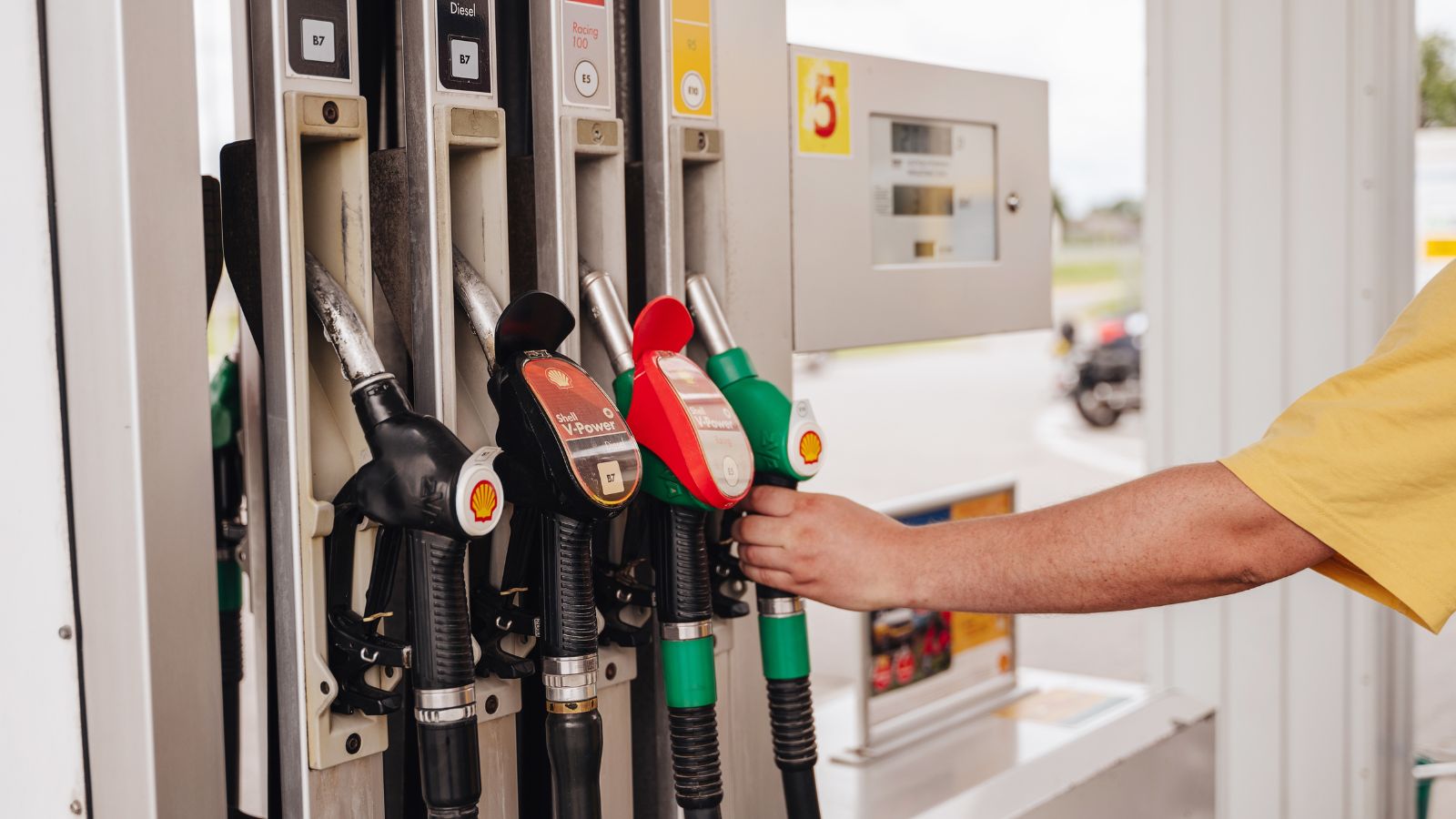
Fuel is one of the few ownership costs that owners watch in real time, yet it still gets underestimated because daily spending feels small. A tank here, a half tank there, a convenience stop on the way home — it does not feel dramatic in the moment. Over a year, though, fuel becomes one of the heaviest operating expenses a household carries. That burden grows when driving habits are less efficient than expected: short trips in cold weather, heavy traffic, unnecessary idling, rooftop cargo, aggressive acceleration, and tires that are not properly inflated all increase the amount burned for the same distance travelled.
What makes fuel tricky is that it punishes routine. Many Canadians are not overspending because they take massive road trips. They are overspending because the vehicle is woven into every errand, school run, commute, and grocery stop. Even habits that feel harmless carry a cost. Idling for “just a few minutes” on winter mornings or in pickup lines adds up over weeks and months. Fuel is the most visible ownership expense, but familiarity makes it easy to normalize. That is why so many drivers notice the total only when they look back over a year and wonder where the money went.
Routine Maintenance
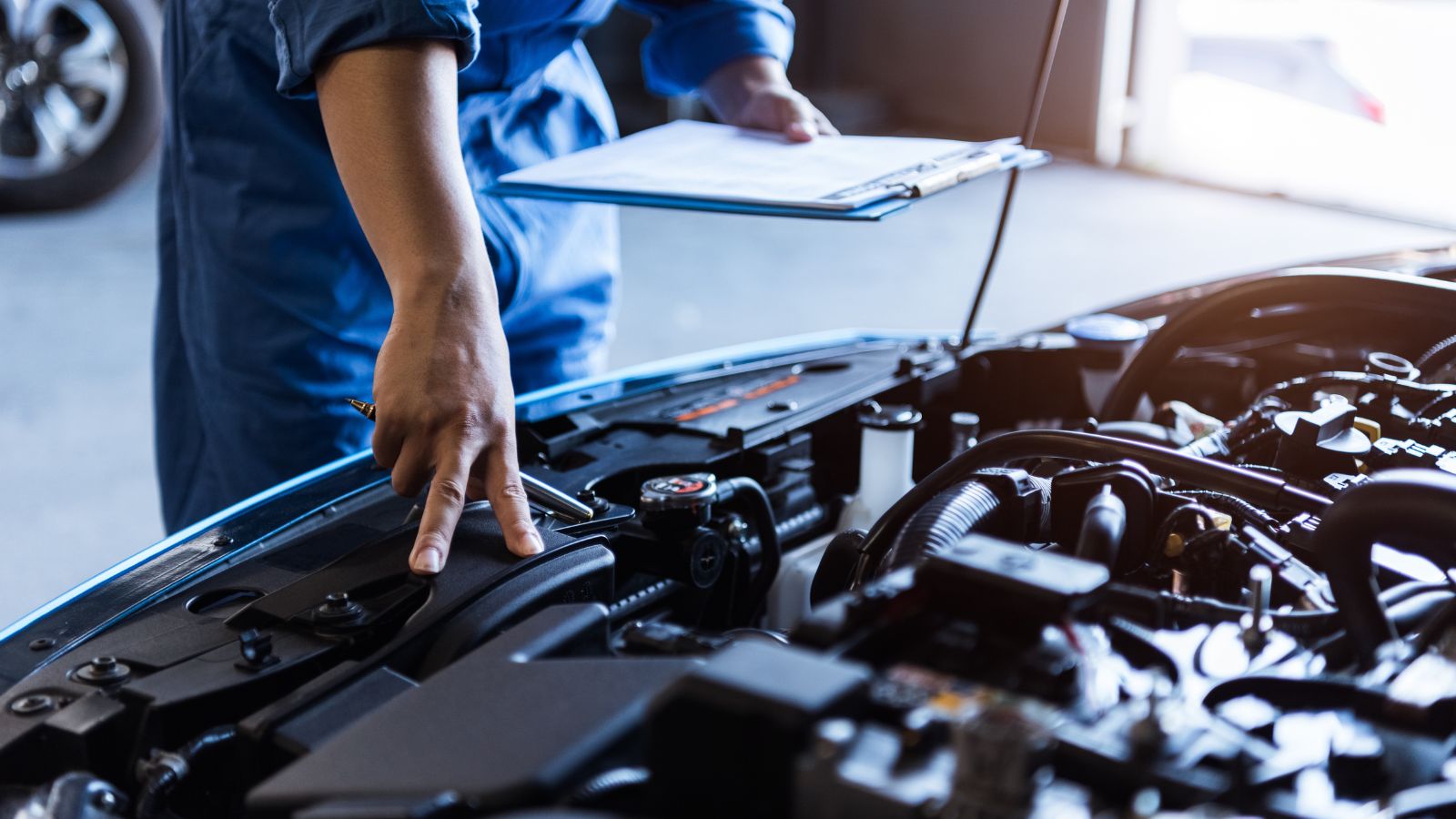
Routine maintenance is the cost everyone knows exists and still tends to underbudget. Oil changes, filters, fluid services, wiper blades, inspections, and seasonal checkups do not sound like budget-breakers, which is exactly why they slip past initial planning. Owners often think in terms of emergencies, not upkeep, and forget that a healthy vehicle consumes money even when nothing is technically “wrong.” In a normal year, that steady stream of minor service appointments can quietly take up a meaningful share of the operating budget.
The larger problem is how quickly deferred maintenance becomes expensive maintenance. An owner postpones a fluid service because the car still feels fine, delays brakes because the sound comes and goes, or ignores a weak battery because it still starts most mornings. Then one neglected item triggers another. Preventive work is rarely thrilling, but it is almost always cheaper than paying after wear has spread. Many Canadians are not blindsided because maintenance is a mystery. They are blindsided because the ordinary stuff seemed small enough to wait, until the bill proved that small things in vehicle ownership rarely stay small for long.
Winter Tires and Seasonal Changeovers
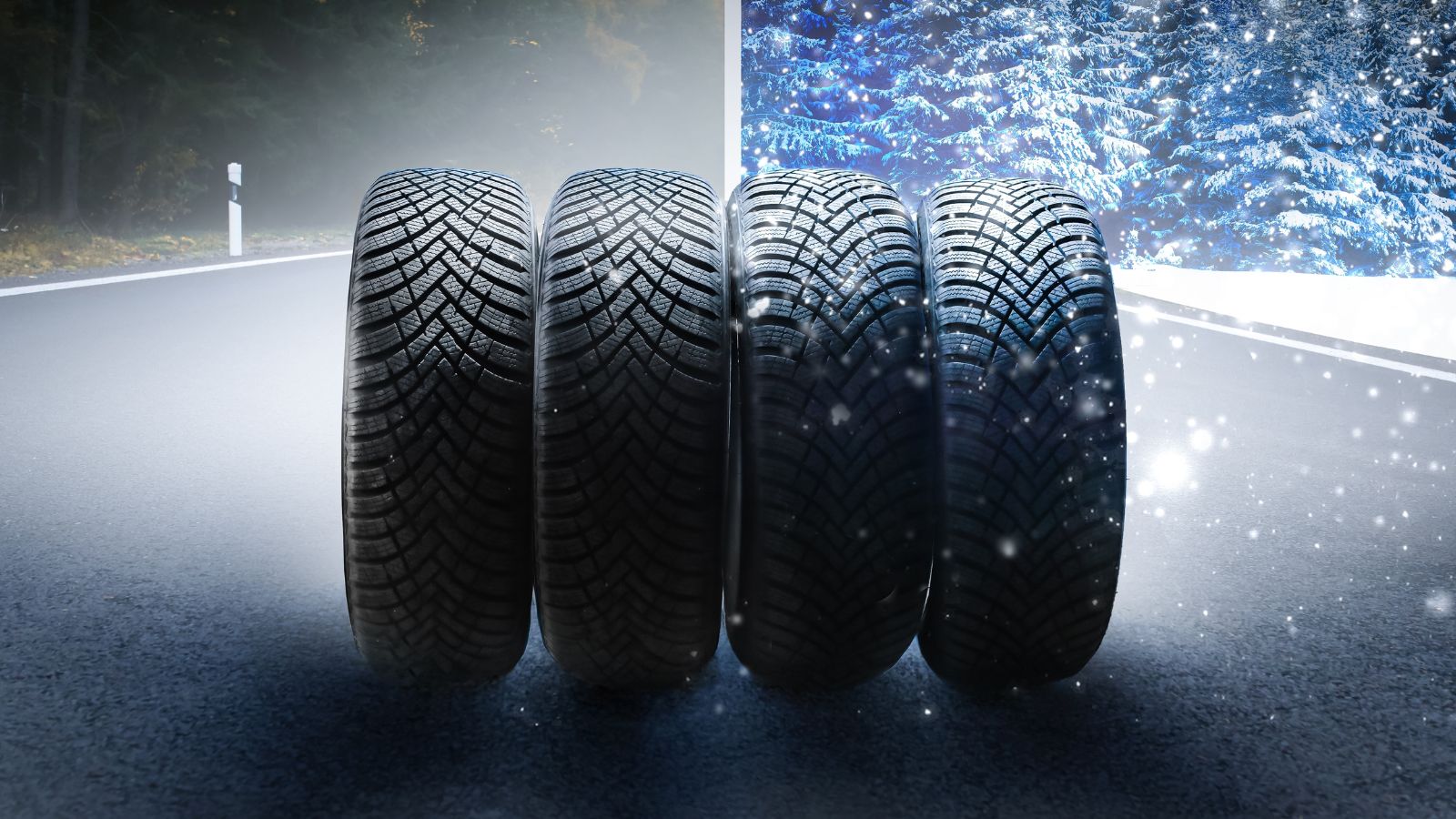
Winter tires are one of the most Canadian examples of ownership costs extending beyond the original purchase. They are not just a one-time buy, either. There is the set itself, sometimes a second set of rims, installation, seasonal swaps, balancing, storage if space is tight, and eventual replacement when tread wears down. In Quebec, winter-ready tires are mandatory during the season, but even outside Quebec many drivers eventually conclude that all-season tires are not enough for real winter conditions. Safety may be the reason the purchase gets made, yet the budget impact is what often lingers.
What catches people off guard is that winter tires create a cycle, not a single expense. Twice a year, the vehicle needs attention. There may be a shop appointment fee, a storage charge, or the simple cost of taking time off to get it done. Insurance discounts can soften the blow in some provinces, but they rarely cover the full picture. A driver who thought winter readiness meant only an ice scraper and washer fluid suddenly finds ownership now includes two tire wardrobes and a seasonal ritual. In much of Canada, that is not a luxury. It is part of the real cost of using a vehicle year-round.
Potholes, Alignment, and Suspension Damage
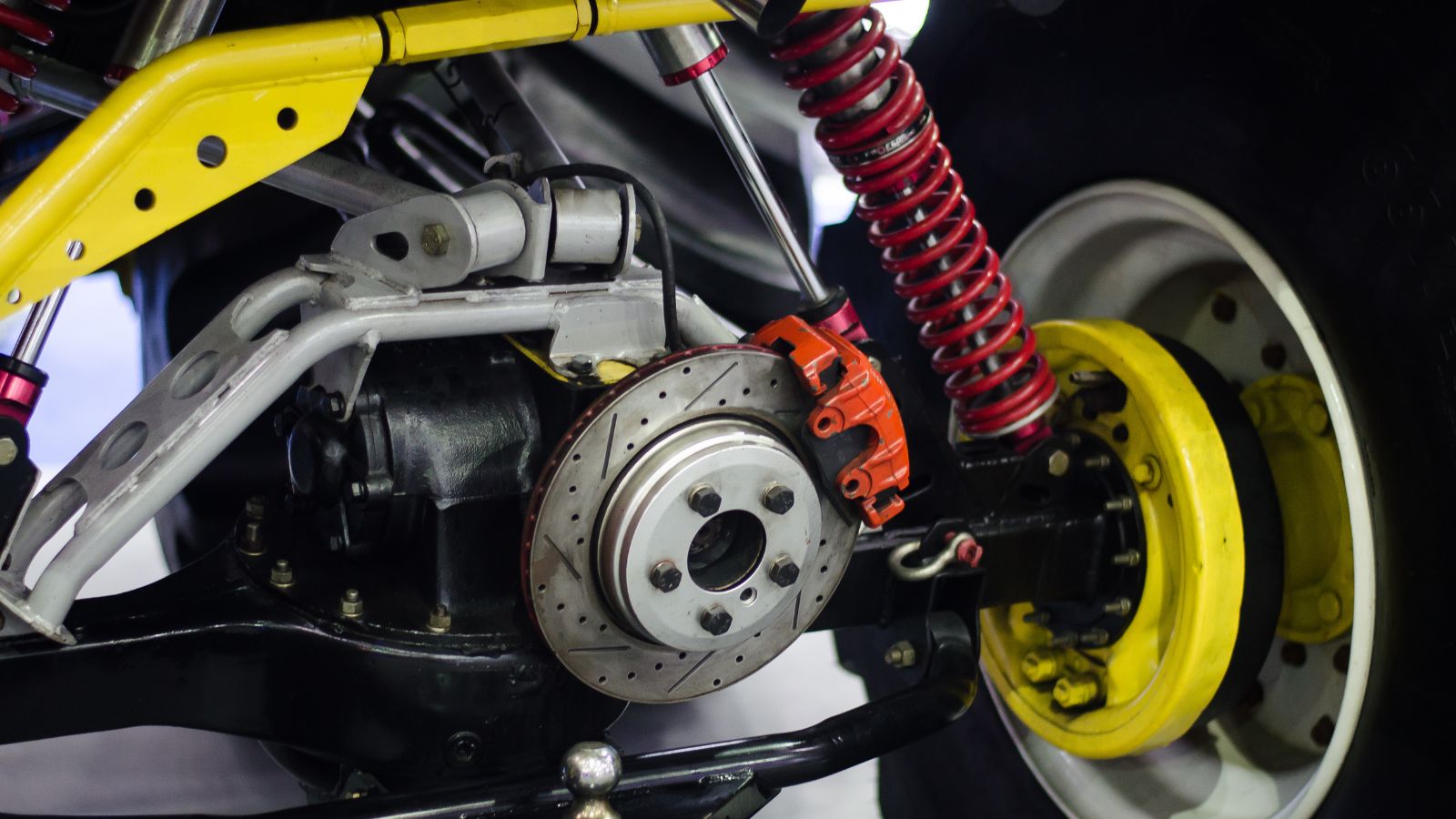
Canadian roads can turn ownership into a repair lottery, especially after freeze-thaw cycles have had their way with pavement. A driver may hit one ugly pothole and escape with nothing more than a jolt. The next time, the outcome can be a damaged rim, sidewall bubble, bent component, or alignment problem that slowly chews through a set of tires. This is why road quality matters so much financially: the damage is not always immediate or obvious, but it often shows up later as vibration, uneven wear, steering pull, or a repair bill that seems to come out of nowhere.
The cumulative cost is what makes poor roads so maddening. One rough commute may not seem like much, but repeated exposure creates real operating expenses over the life of the vehicle. Alignment adjustments, premature tire wear, suspension repairs, and steering problems do not usually get blamed on infrastructure when the invoice lands. They get treated as bad luck. For many owners, though, they are the predictable price of driving daily on deteriorated roads. That helps explain why people feel “stuck” paying these costs. The vehicle needs the repair, even if the driver never chose the road conditions that caused it.
Salt, Rustproofing, and Corrosion Repairs
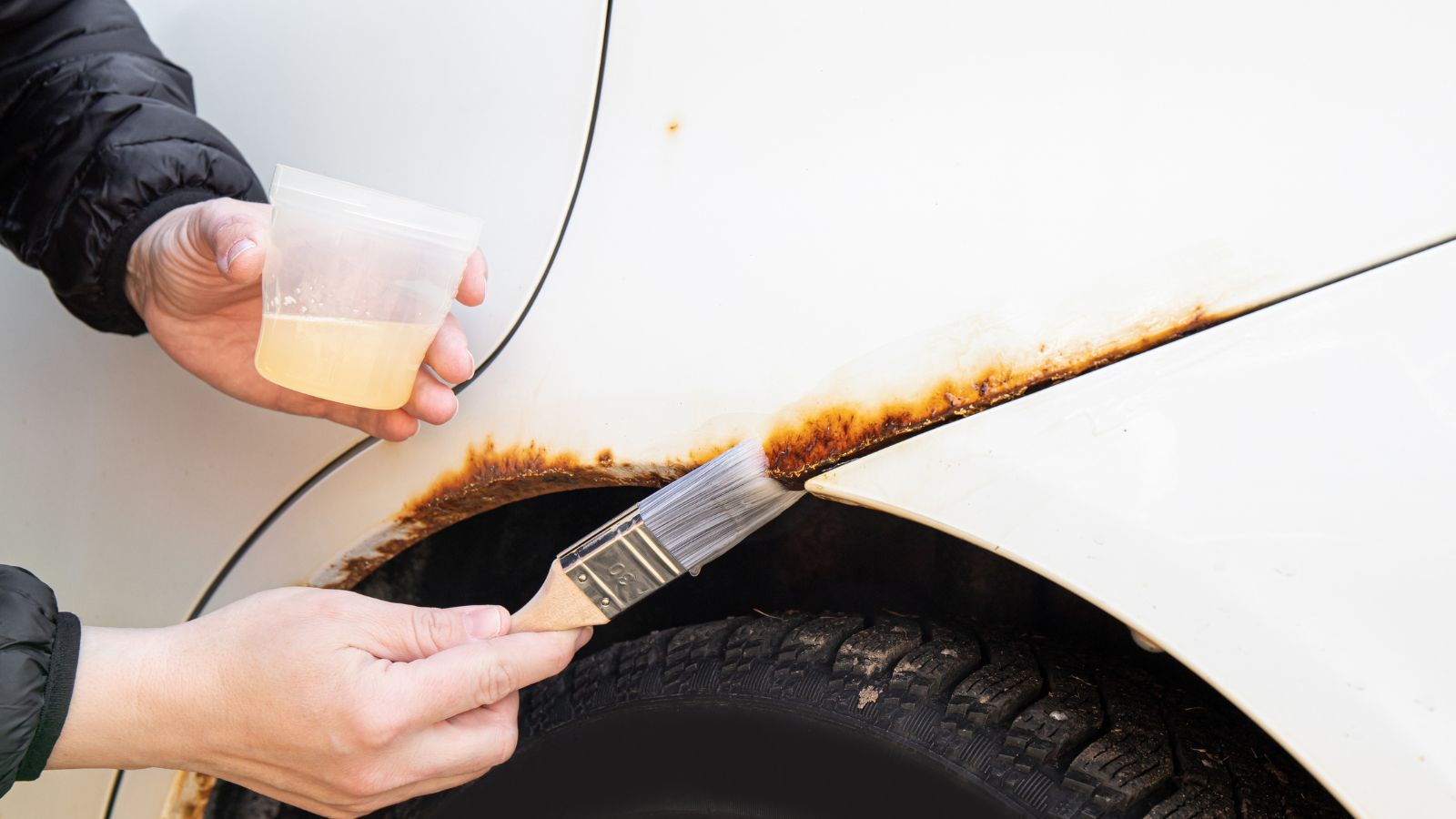
Road salt protects winter travel, but it can be brutal on vehicles over time. Canadians in central and eastern regions know the visible version of that story: rust bubbles near wheel arches, flaky underbodies, and exhaust systems that look older than the odometer suggests. The less obvious version is often more expensive. Salt and moisture work into fasteners, lines, brackets, connectors, and structural components, making future repairs harder and shortening the life of parts that would otherwise last much longer. Corrosion does not just hurt appearance. It can hurt resale value and turn simple labour into complicated labour.
That is why rustproofing and frequent underbody washing stop feeling optional as a vehicle ages. Owners who skip them may save money early, only to meet the bill later in seized components, deteriorated hardware, and bodywork nobody wanted to finance. The timing is what catches people: the car can look fine for years, then suddenly enter the stage where corrosion starts shaping repair decisions. By the seventh or eighth year, salt exposure can be affecting both maintenance costs and trade-in value. In a Canadian climate, corrosion is not a cosmetic footnote. It is part of the ownership equation.
Windshield and Glass Damage
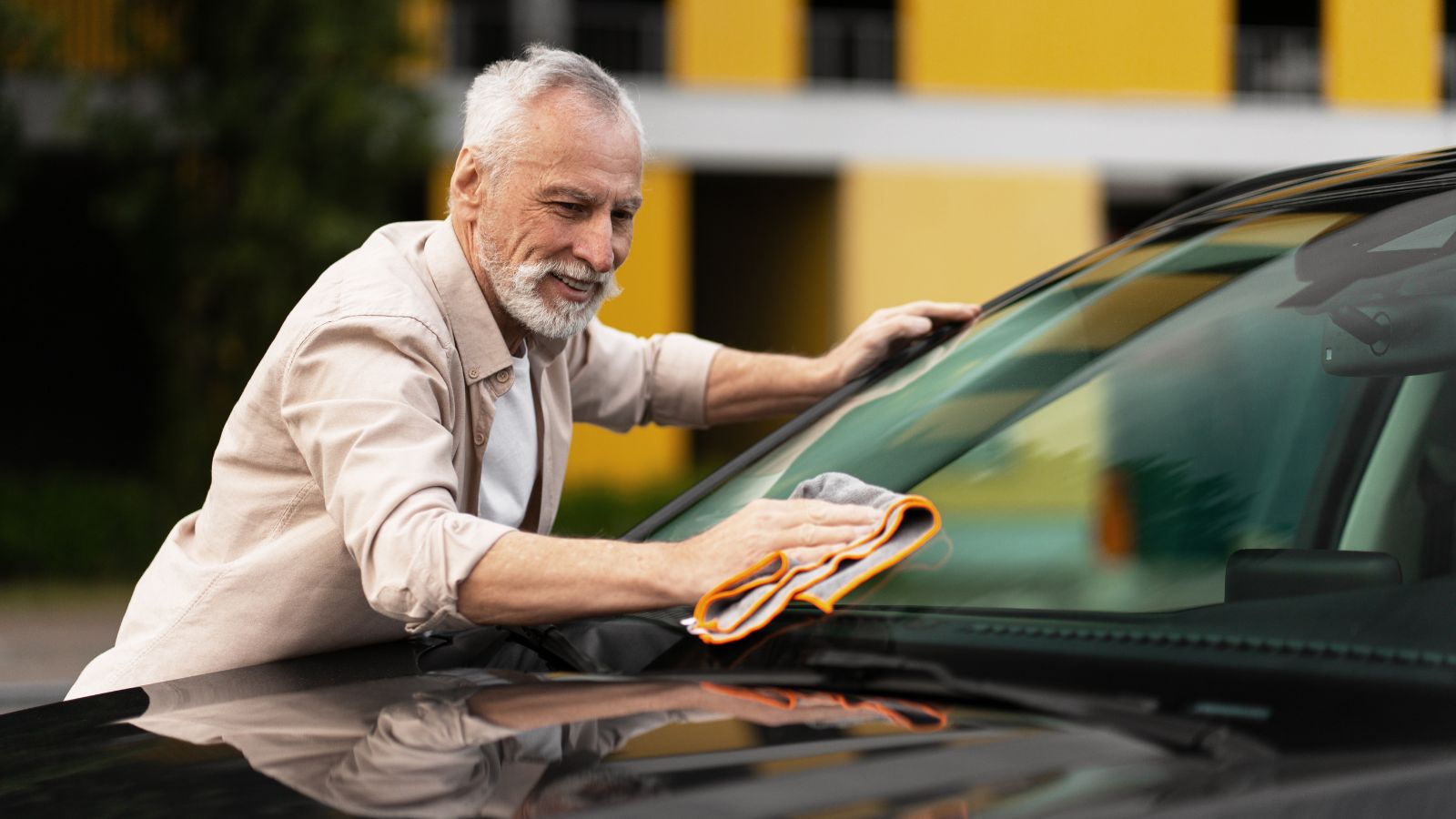
Windshield damage is one of the classic “small problem, expensive timing” costs of vehicle ownership. A pebble on the highway, loose gravel in spring, or debris from the car ahead can create a chip that seems harmless enough to ignore. Then the temperature changes, the vehicle hits another bump, and that tiny mark becomes a long crack stretching across the driver’s view. In Canada, where cold snaps and freeze-thaw swings are common, glass damage has a nasty habit of escalating faster than owners expect.
Modern windshields are also not just slabs of glass anymore. Cameras, sensors, heating elements, and driver-assistance systems can complicate replacement and calibration. That raises the stakes when damage spreads beyond a simple repair. Insurance may help, but not every situation plays out the same way, and repair eligibility depends on the size, location, and type of damage. The money shock often comes from delay. A driver postpones fixing a chip because the car still feels drivable, only to discover that waiting transformed a smaller repair into a more expensive replacement. Few ownership costs arrive with less warning.
Battery Failures and Cold-Weather Electrical Problems
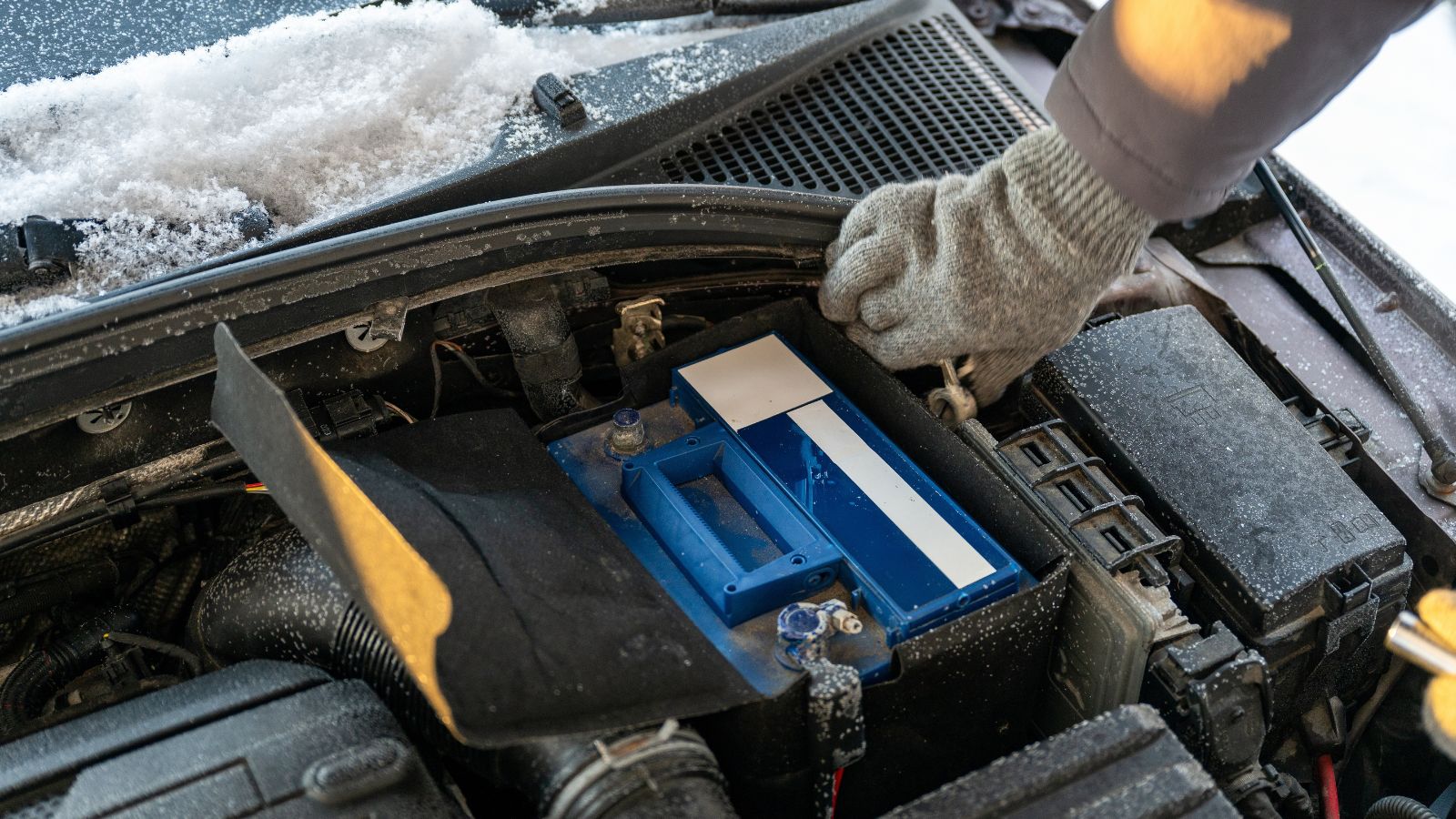
A battery often gives just enough warning to be ignored. Maybe the engine cranks a little slower on cold mornings, or the dash flickers once before settling down. Then one especially frigid day arrives and the vehicle simply refuses to start. In Canada, that scenario is familiar because cold weather weakens battery performance right when vehicles need more energy for starting, heating, lighting, and defrosting. A battery that felt “good enough” in autumn can suddenly reveal that it has been living on borrowed time.
The expense is not always just the battery itself. There can be a jump-start fee, a missed shift, a tow, diagnostic charges, and the inconvenience of replacing the unit at the worst possible moment. Electrical problems can also masquerade as battery trouble, which means a straightforward dead-start morning can end with a more complex shop visit. This is one of the most frustrating ownership costs because it can feel both routine and urgent. Everyone knows batteries eventually die. What drivers underestimate is how efficiently a Canadian winter turns that ordinary wear item into a same-day problem with same-day expenses.
Theft Prevention and Recovery Gaps

Auto theft has become expensive even for people whose vehicles never disappear. Owners now spend money trying to avoid being targeted in the first place: steering wheel locks, Faraday pouches, immobilizers, tracking systems, secure parking upgrades, and anti-theft hardware that would have seemed excessive a decade ago. Those purchases can feel annoying, but they are often made under pressure, after hearing about theft spikes in a neighbourhood or learning that a particular make and model is suddenly high-risk.
The bill gets worse when theft or attempted theft actually happens. Even if insurance covers the major loss, owners may still be left with deductibles, personal items gone from the vehicle, time lost to police reports and claims, and the cost of replacing the car with something equally hard to insure. Stolen vehicles are not the only issue, either. Failed theft attempts can leave broken glass, damaged steering columns, or compromised electronics. In other words, theft is not just a crime problem. It has become a growing ownership cost problem, one that reaches far beyond the unlucky drivers whose cars are actually taken.
Towing, Rental Cars, and Backup Transportation
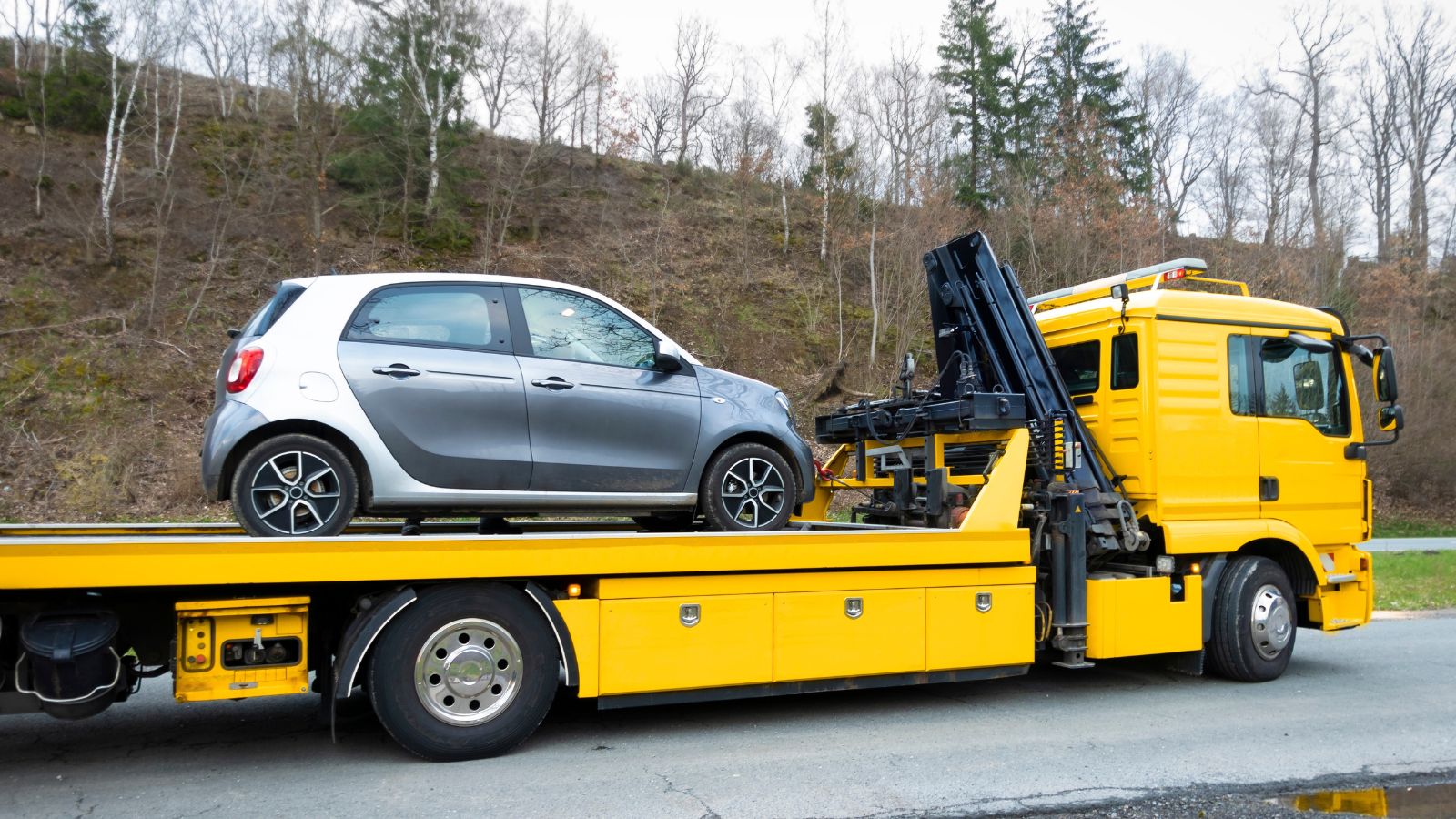
A breakdown rarely arrives by itself. It brings companions: a tow, an urgent repair decision, maybe a rental, maybe transit, maybe rideshare fees, and often a workday thrown into chaos. That is why towing is such an underestimated ownership cost. People think of it as a rare emergency and assume rarity means insignificance. But because it is unplanned and time-sensitive, it can be one of the most disruptive bills in the entire ownership cycle. The price is not just what the tow truck charges. It is everything that happens because the vehicle suddenly cannot do its job.
The same goes for temporary transportation while the car is in the shop. Not every policy includes replacement transportation, and not every family has a second vehicle sitting idle in reserve. So the owner starts stitching together a solution one day at a time: rental counter, train fare, borrowed rides, extra parking, extra commuting time. This is the kind of cost few people calculate when they buy a vehicle because it feels hypothetical. Then the starter fails, the transmission warning appears, or a collision sends the car away for repairs, and the “backup plan” becomes another line item on the cost of ownership.
22 Things Canadians Do to Their Cars in Spring That Mechanics Hate
Spring brings relief to many Canadian drivers after months of snow, freezing temperatures, and icy roads that put serious strain on vehicles. As temperatures rise across the country, drivers begin washing cars, switching tires, and preparing vehicles for warmer weather and upcoming road trips. However, mechanics across Canada notice the same mistakes every spring when drivers attempt to recover from winter damage. Road salt, potholes, and harsh winter driving conditions often leave vehicles with hidden problems that drivers ignore. Some spring habits even create new mechanical issues that could have been avoided with proper maintenance. Here are 22 things Canadians do to their cars in spring that mechanics hate.