


























A low sticker price can create the illusion of a smart buy, especially in a market where used vehicles still command serious money. But the real cost of a used car rarely reveals itself in the ad. It shows up in the first repair estimate, the first insurance bill, the first failed inspection, or the first week of daily driving when hidden problems begin stacking up.
These 19 trouble spots explain why an apparent bargain can turn into a budget drain in a hurry. Some are mechanical, some are paperwork-related, and some only become obvious after the sale is done. Together, they capture the most common ways a cheap used car starts feeling expensive far faster than expected.
Deferred Maintenance That Was Built Into the Price
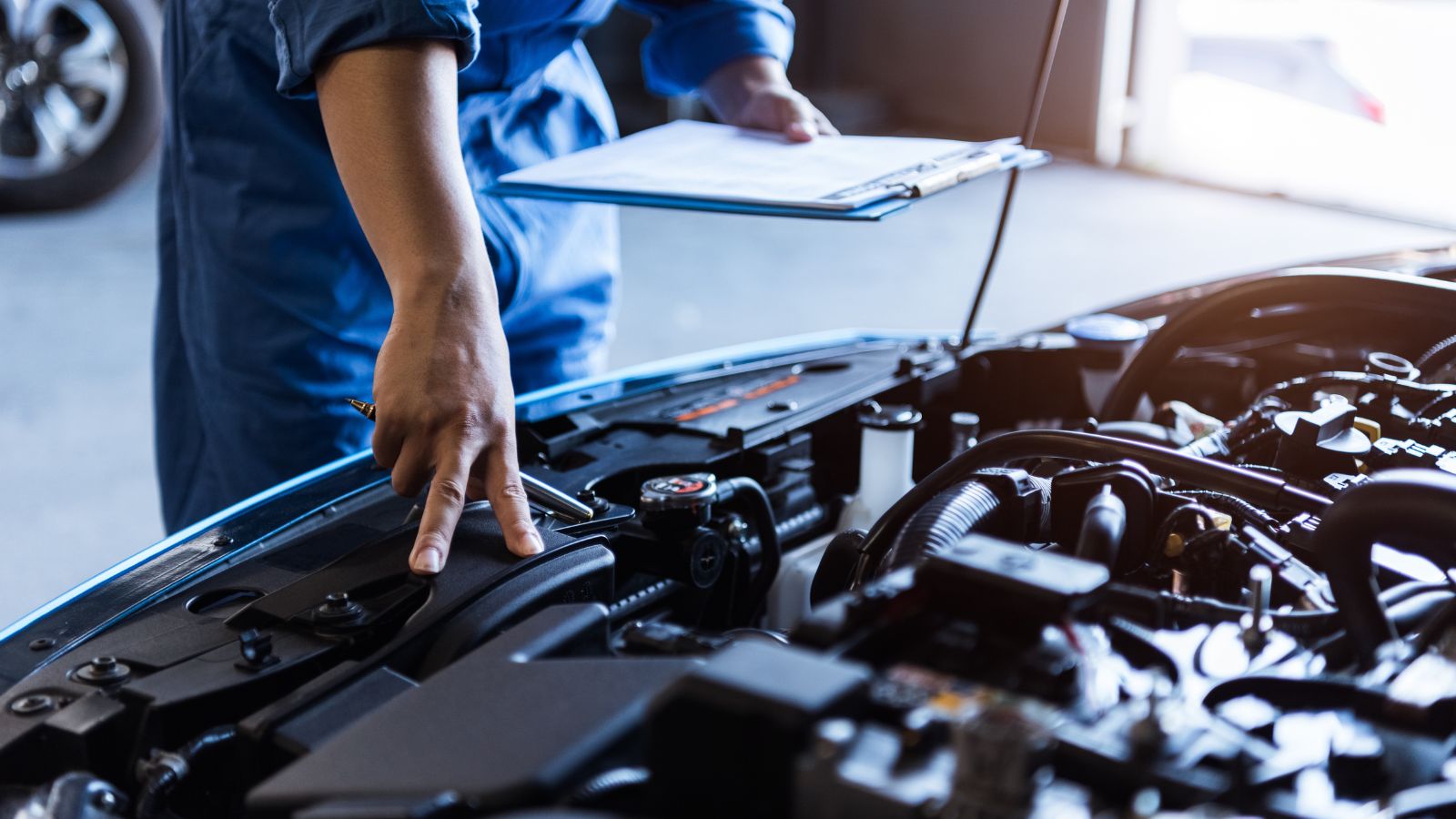
A used car can look affordable simply because someone else skipped the work that should have been done before sale. Oil changes stretched too long, neglected fluids, overdue spark plugs, and ignored filters do not always show up during a quick walk-around, but they have a way of surfacing soon after the car changes hands. A seller may not be hiding anything dramatic; they may just be unloading a vehicle right before the maintenance bill arrives.
That is why a low price often needs to be read as a clue, not a gift. If a car is meaningfully cheaper than similar listings, there is usually a reason. Sometimes that reason is cosmetic. Often it is catch-up maintenance. The painful part is that the first owner to take care of what has been postponed pays twice: once for the car, and again to bring it back to baseline. A bargain compact can lose its discount fast after fresh fluids, overdue tune-up items, and a proper inspection are added to the tab.
Missing Service Records
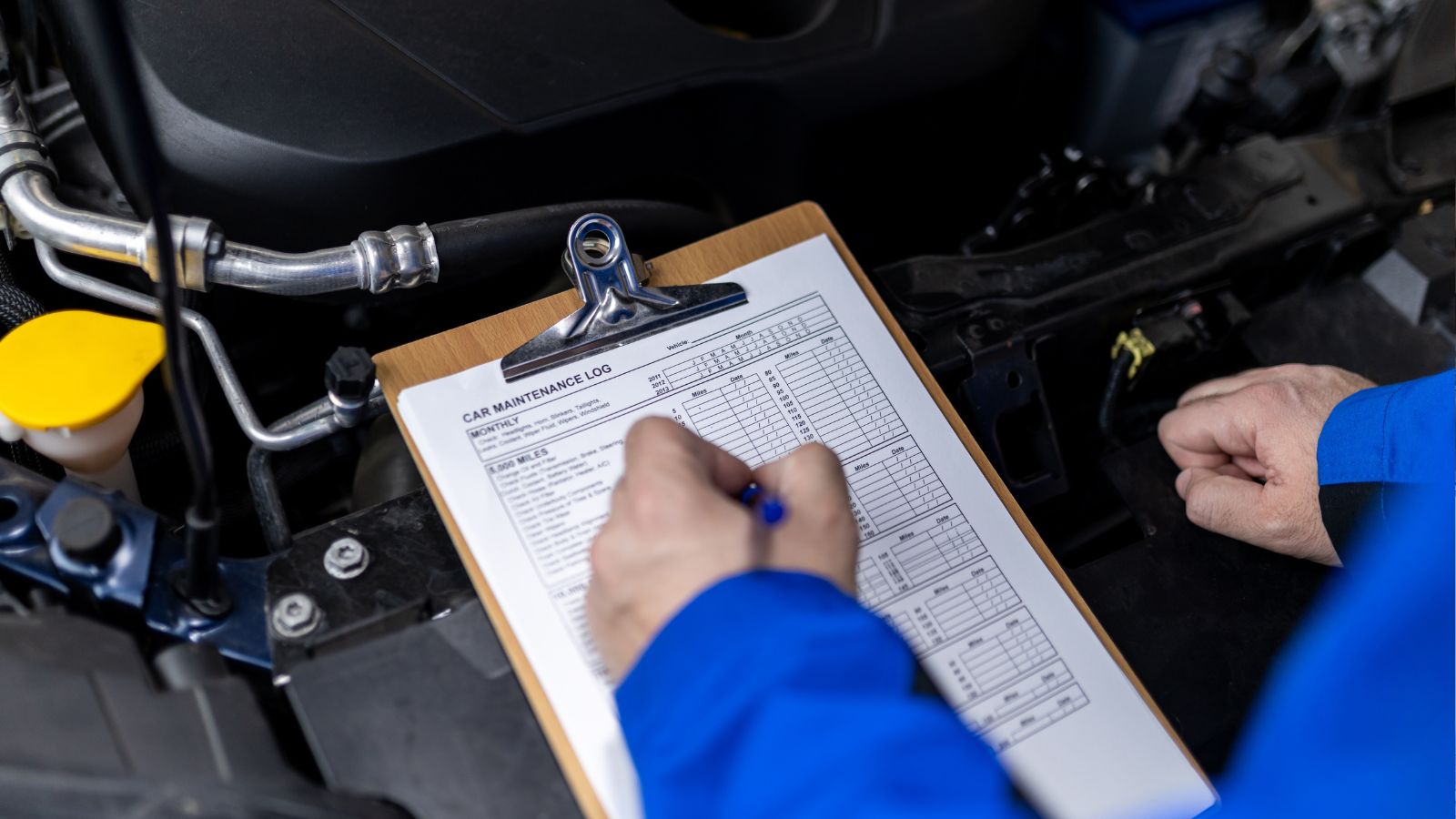
A used car with no service history is not automatically a bad car, but it is a riskier financial bet. Records do more than prove the seller cared; they reveal whether the vehicle followed the maintenance schedule that keeps costly systems alive. Without them, it becomes impossible to know whether the transmission was serviced, whether the cooling system was neglected, or whether major scheduled work is already overdue.
That uncertainty usually turns a buyer into a defensive spender. Many owners start replacing fluids and wear items immediately just to establish a known baseline. That is sensible, but it means the “cheap” purchase begins with an instant round of preventive spending. Records also help confirm mileage consistency, which matters more than many shoppers realize. A tidy interior and shiny paint can distract from the fact that a car’s real story lives in invoices, inspection stickers, and maintenance dates. When that paper trail is missing, the price may be low because the confidence level is low too.
Open Recalls No One Bothered to Check
A recall is not just a technical footnote. It is a sign that something safety-related may still need attention, and many used-car shoppers skip that check entirely. The problem is not always direct repair cost, since recall work is typically performed at no charge. The real expense comes through lost time, inconvenience, uncertainty, and, in some cases, buying a car that immediately needs dealer visits before it feels trustworthy.
This becomes especially frustrating when the car seemed ready to drive home and forget about. A buyer may discover an open recall only after entering the VIN later, or after receiving a notice in the mail. Suddenly, the cheap commuter needs scheduling, transportation backup, and patience. That hassle matters. It can also raise questions about how carefully the previous owner maintained the vehicle in general. If recall work was ignored, other maintenance may have been ignored too. A low-priced car stops feeling like a simple purchase when it arrives with unfinished safety business attached to it.
Odometer Problems and Mileage That Does Not Add Up
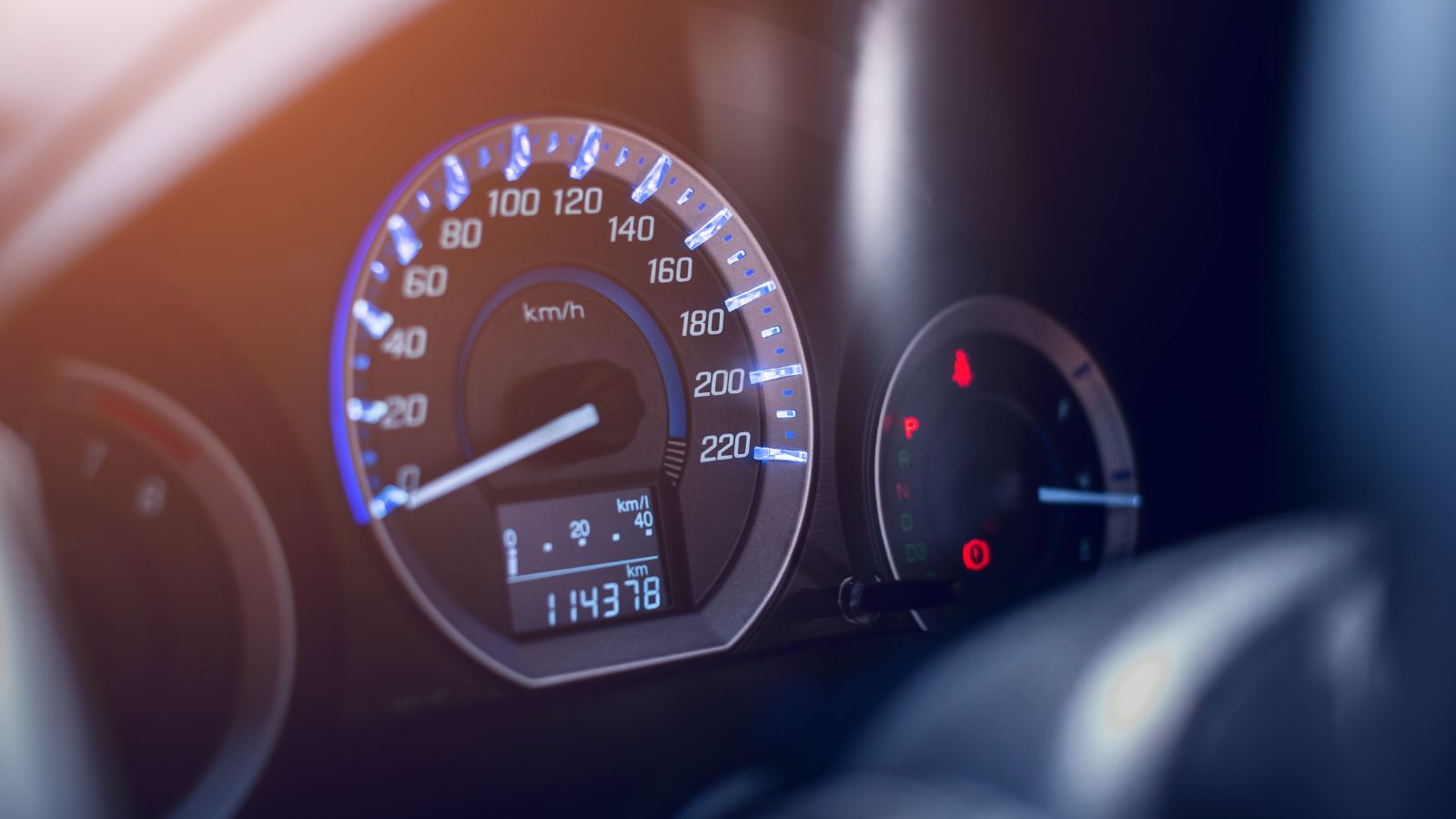
Mileage is one of the first numbers shoppers use to judge value, which is exactly why odometer discrepancies can be so costly. If the mileage is inaccurate, almost every assumption tied to the car changes with it. Wear on suspension parts, brakes, tires, interior trim, and drivetrain components may be far greater than the odometer suggests, meaning the buyer paid for a lower-mile vehicle but inherited a higher-mile repair schedule.
The expensive part is not just the fraud itself; it is the mistaken budgeting that follows. A buyer who thinks a car has years left before major wear items are due may suddenly face them within months. Even small clues can matter here. A “20,000-mile” car with replacement tires, polished pedals, and a worn driver’s seat should raise eyebrows. So should mileage records that do not match inspection or maintenance documents. Once trust in the odometer breaks, so does trust in the deal. What looked like a clean, lightly used bargain can turn into a heavily used vehicle bought at the wrong price.
Flood Damage That Was Easy to Hide
Flood-damaged vehicles are especially dangerous because they can look normal at first. Carpets can be shampooed, interiors can be deodorized, and body panels can be cleaned until the car photographs beautifully. The real trouble often shows up later in corroded connectors, failing sensors, lighting glitches, moldy smells, and electrical faults that seem random until they become expensive.
That is what makes flood damage such a fast way for a cheap car to become an expensive one. Water does not damage just one system; it can touch dozens. A buyer may spend weeks chasing odd behavior that never quite repeats on command. The radio cuts out, a warning light flashes, the power locks act strange, the HVAC stops cooperating, and the mechanic starts talking about wiring diagnostics. Cars with storm history can drift back into the used market after major weather events, and some reach buyers without a full story attached. A low purchase price does not help much when the car’s problems are hidden in every connector and module.
Rust Underneath, Not Just Cosmetic Blemishes
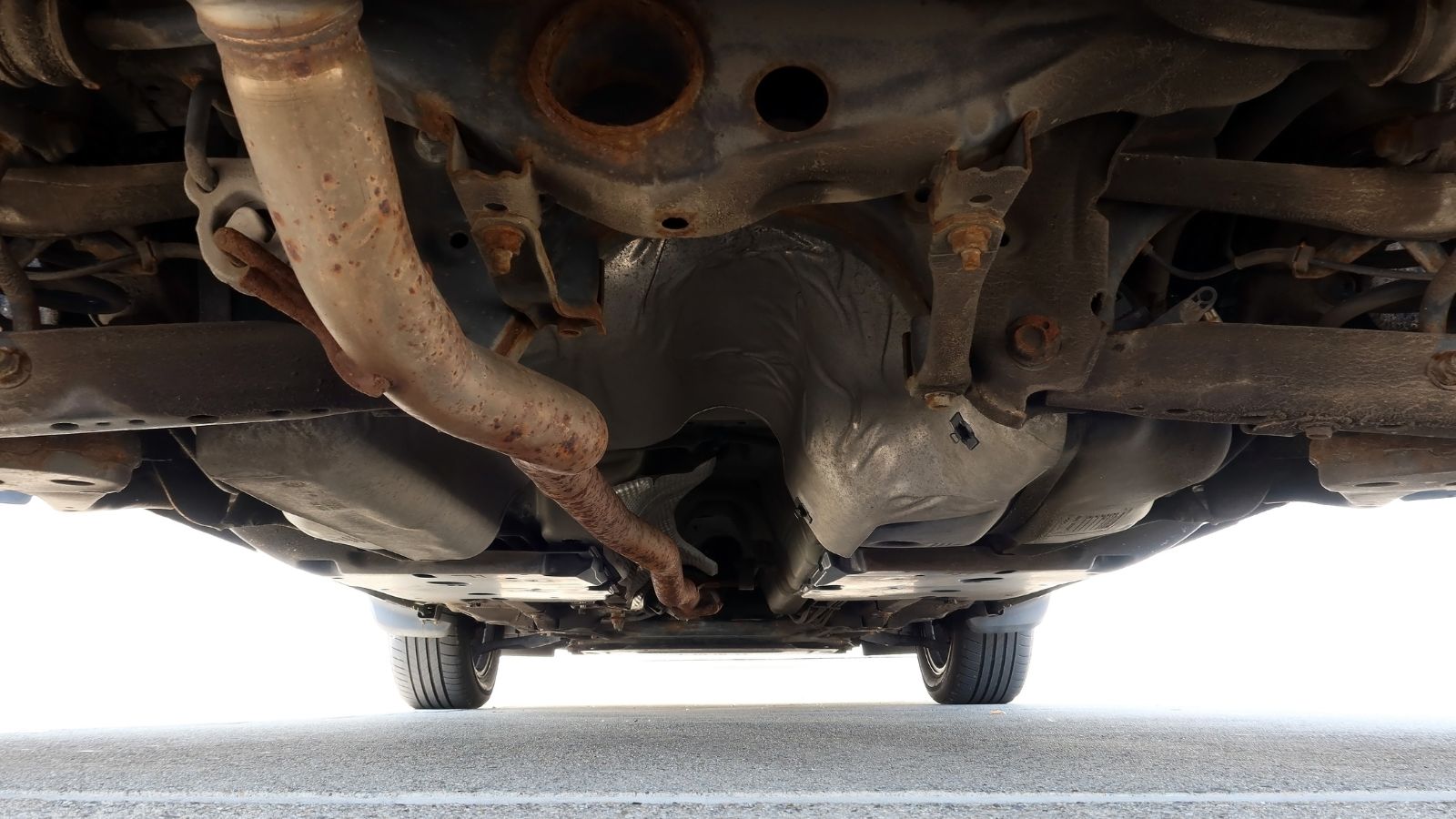
Surface rust on an older vehicle is one thing. Rust underneath is another. Once corrosion starts affecting brake lines, suspension mounts, subframes, fuel lines, or exhaust components, the cost picture changes quickly. This is especially true in places that use road salt heavily, where the underbody often tells a much more important story than the paint or upholstery.
The trap is that shoppers often focus on what they can see easily: shiny panels, clean seats, decent wheels. Meanwhile, the expensive damage is underneath, where structural and safety-related parts live. Rust is rarely a one-and-done repair either. Once it takes hold, it tends to spread, and each inspection can uncover something else. That is why an older vehicle from a snow-belt region can look like a strong value on the surface but carry a rising repair curve underneath. The cheap price may reflect not age alone, but the fact that corrosion has already started converting ordinary maintenance into repeated, higher-cost fixes.
Tires That Need Replacing Sooner Than Expected
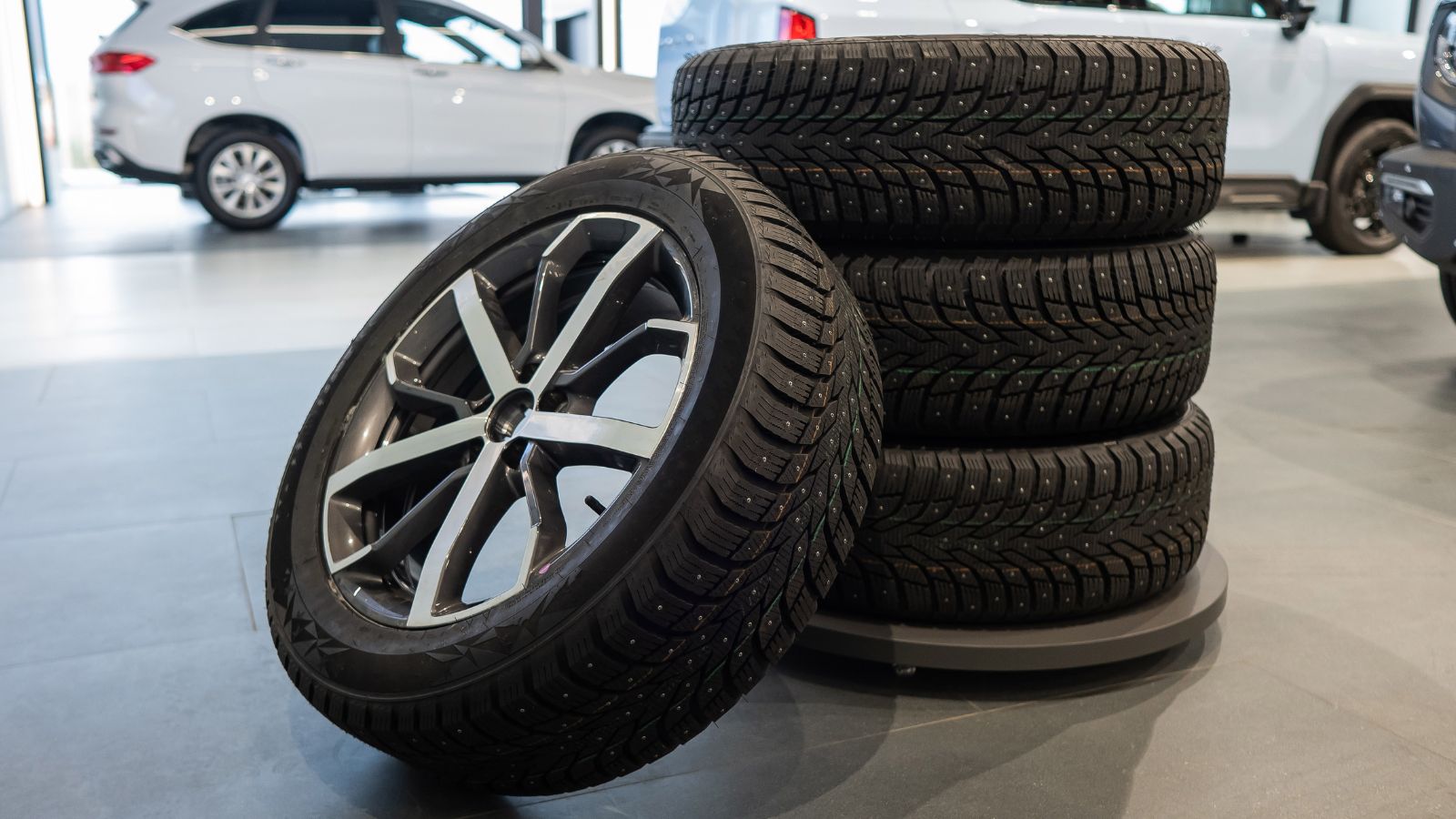
Tires are one of the fastest hidden costs in used-car buying because they are easy to underestimate and expensive to ignore. A vehicle may come with tread that looks passable in a photo, yet still need four new tires soon due to age, uneven wear, or poor-quality rubber. Even before replacement, the tires can reveal larger problems: abnormal wear patterns often point to alignment, steering, brake, or suspension trouble.
That is why a cheap used car can become a stack of expenses in one shot. If it needs tires, it may also need an alignment. If the wear is cupped or uneven, the bill may keep growing. Budget tires can also make a supposedly good car feel worse than it is, with extra road noise, weaker wet-weather grip, and a harsher ride that hints at more trouble than actually exists. In practical terms, many buyers learn too late that the first month of ownership includes a four-tire purchase they never planned on. That alone can erase much of the savings that made the car look attractive in the first place.
Brakes That Are Near the End of Their Useful Life

Brake wear is predictable, which is precisely why it is often left for the next owner. Pads, rotors, calipers, hoses, and brake fluid do not usually fail all at once, but a used car that is just a little cheap may be priced that way because the braking system is about to need real money. Pulsation, noise, long pedal travel, or a mushy feel can turn a routine used-car purchase into an immediate repair appointment.
The uncomfortable part is that brake work rarely feels optional. Once the symptoms are obvious, the job moves to the front of the budget. And while a basic brake service is manageable, neglected systems can become more expensive quickly. A car that sat too long, lived through wet winters, or was driven with metal-on-metal pads may need more than the buyer expected. That matters because brakes are one of the first things that affect the owner’s confidence. A cheap used car stops feeling like value almost instantly when every stoplight reminds the driver that safety and savings are no longer on the same side.
Suspension and Alignment Problems That Wear Everything Else Out
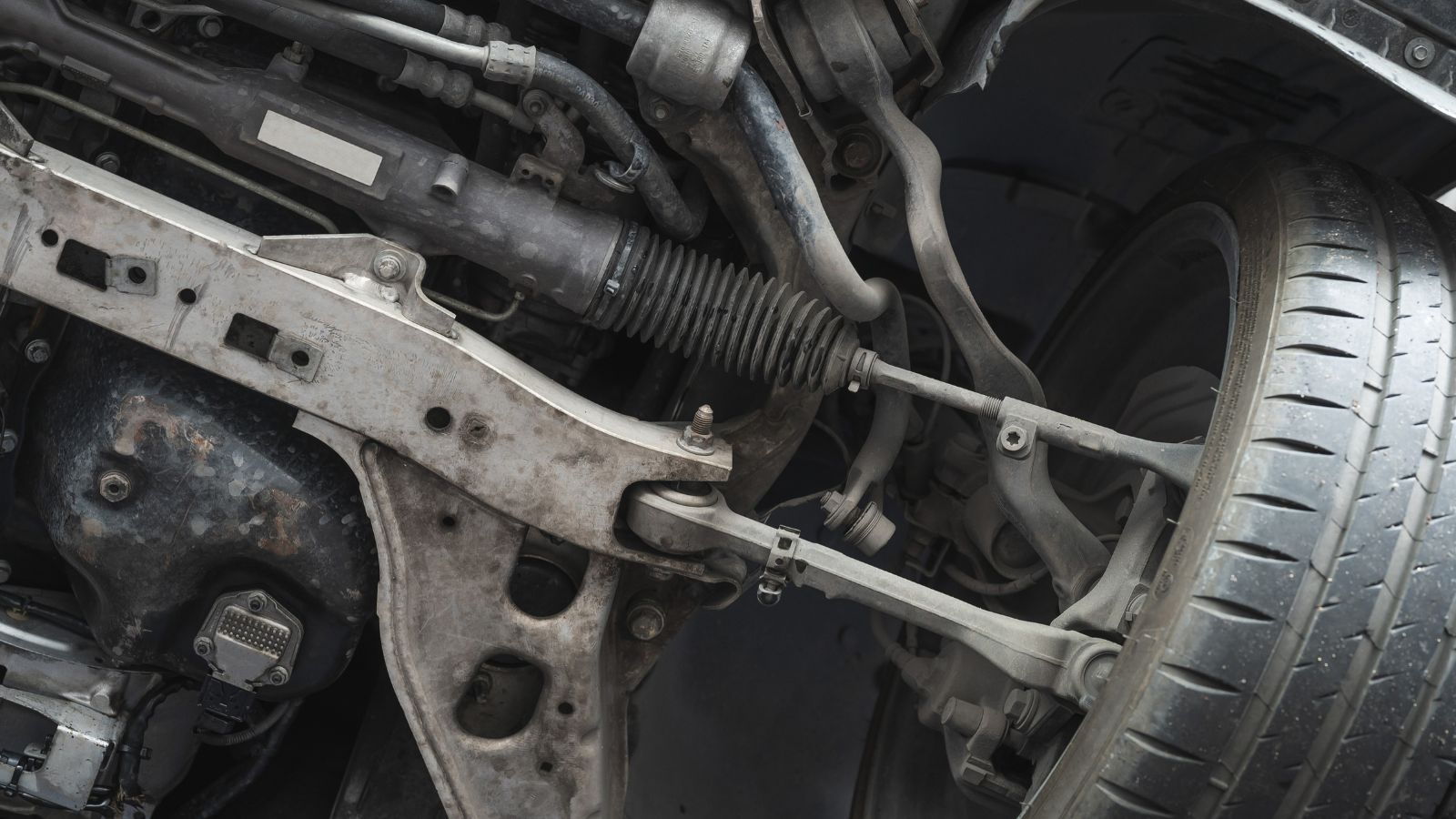
Suspension issues rarely advertise themselves with one dramatic failure. More often, they show up as creaks, looseness, vibration, extra bouncing, or a steering wheel that never quite feels straight. Those symptoms are easy to dismiss on an older car, especially during a short test drive, but they often point to worn struts, bushings, ball joints, tie rods, or alignment problems that carry both immediate and long-term costs.
What makes suspension problems so expensive is that they do not stay neatly contained. A car that rides poorly also tends to wear tires faster, feel less stable, and place more strain on related parts. One problem leads to another. That is why a used car can seem merely “a little rough” at purchase and then demand a full front-end refresh within months. Buyers often accept a clunk or creak because the price seems right, only to learn that the real cost was delayed, not avoided. A low sticker price feels much different once steering looseness and uneven tire wear start draining money together.
Transmission Behavior That Hints at Bigger Bills
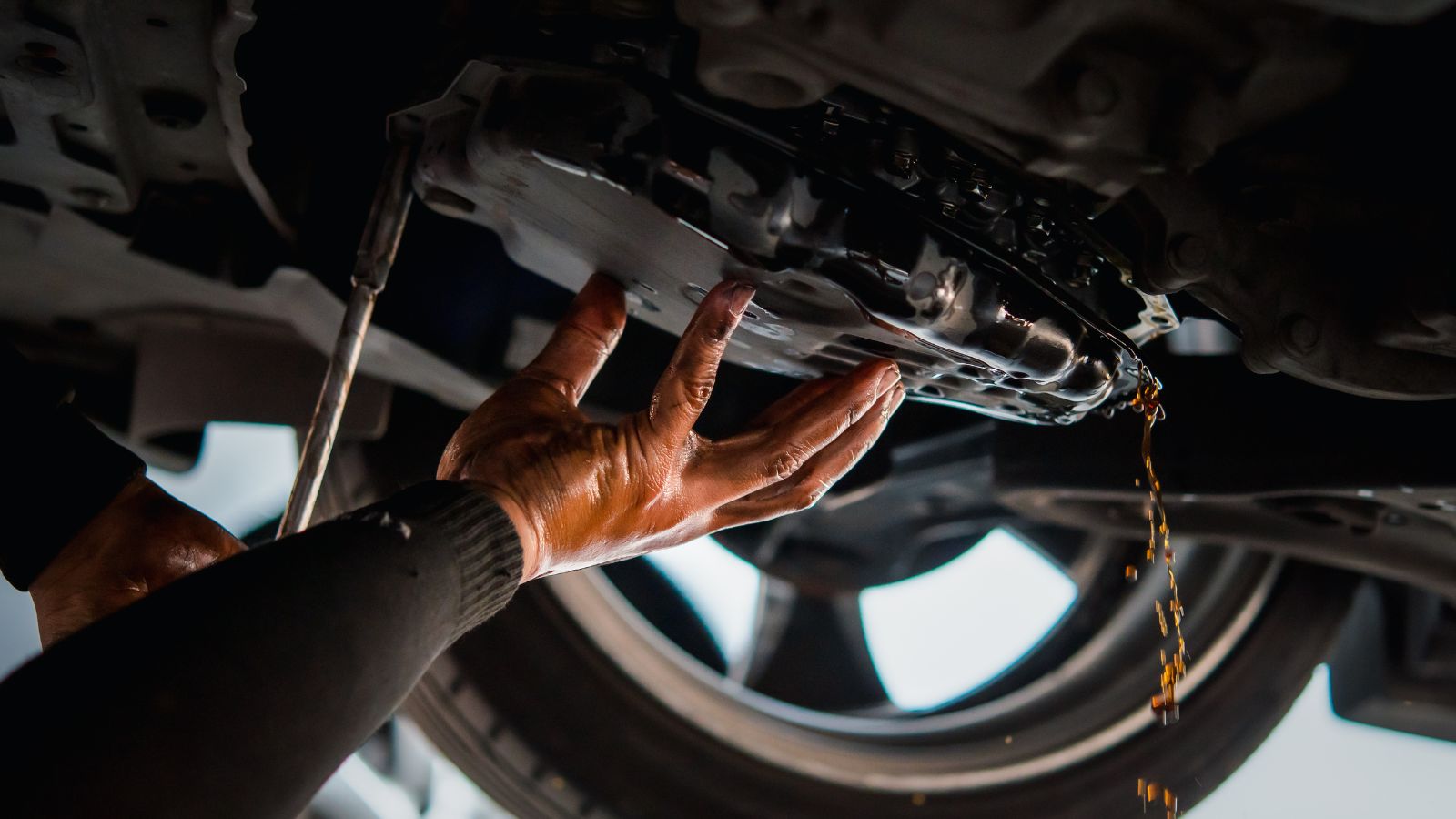
Few things erase used-car savings faster than transmission trouble. The warning signs are not always dramatic, either. Delayed engagement, a flare in engine revs before shifting, hard shifts between gears, slipping under load, or fluid spots where the car is usually parked can all point to a problem that gets expensive quickly. Even minor transmission issues can be unpleasant to diagnose because they require more than a quick parts swap.
This is where many “great deals” reveal their true math. A seller may price the vehicle low enough to move it before a known drivability issue becomes impossible to ignore. During a short drive, the transmission may behave just well enough to escape detection. Then commuting begins, traffic builds, temperatures rise, and the symptoms get harder to miss. The buyer ends up owning the most expensive stage of the problem. Even when a full replacement is avoided, fluid service, mounts, software work, or deeper diagnosis can consume the discount fast. Cheap is not a useful word once the gearbox becomes the car’s main story.
Cooling-System Trouble That Turns Into Overheating
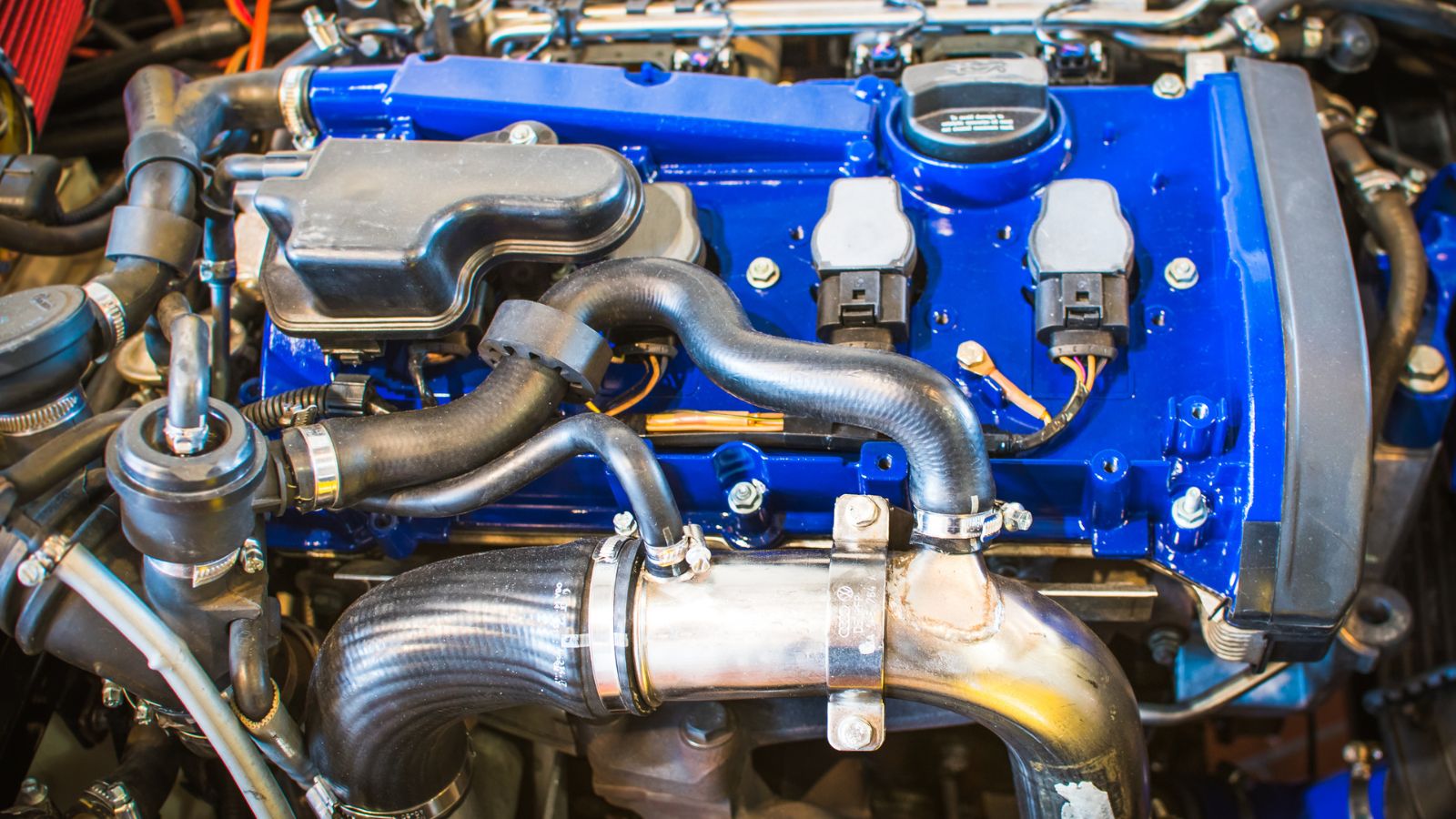
Cooling-system problems often start small: a slightly low coolant level, an aging hose, a weak thermostat, or a radiator leak that only shows itself under stress. On a used car lot or in a driveway sale, that can be easy to miss. But once daily driving begins, especially in traffic or warm weather, a small cooling issue can turn into overheating, and overheating is where cheap ownership gets expensive very quickly.
The reason is simple. Cooling faults do not just threaten one part; they threaten the engine itself. A buyer might think they are purchasing a car with a minor maintenance need, only to discover the real issue after the temperature climbs and the repair estimate escalates. Even before catastrophic damage, the costs pile up through hoses, fans, pumps, coolant flushes, diagnostics, and tow bills. This category is especially frustrating because the early signs are often subtle. A sweet smell, a low reservoir, or an occasional hot-running moment may not seem urgent during the sale. They become urgent once the car is in regular service and reliability suddenly matters.
Oil Leaks and Seals That Have Aged Out
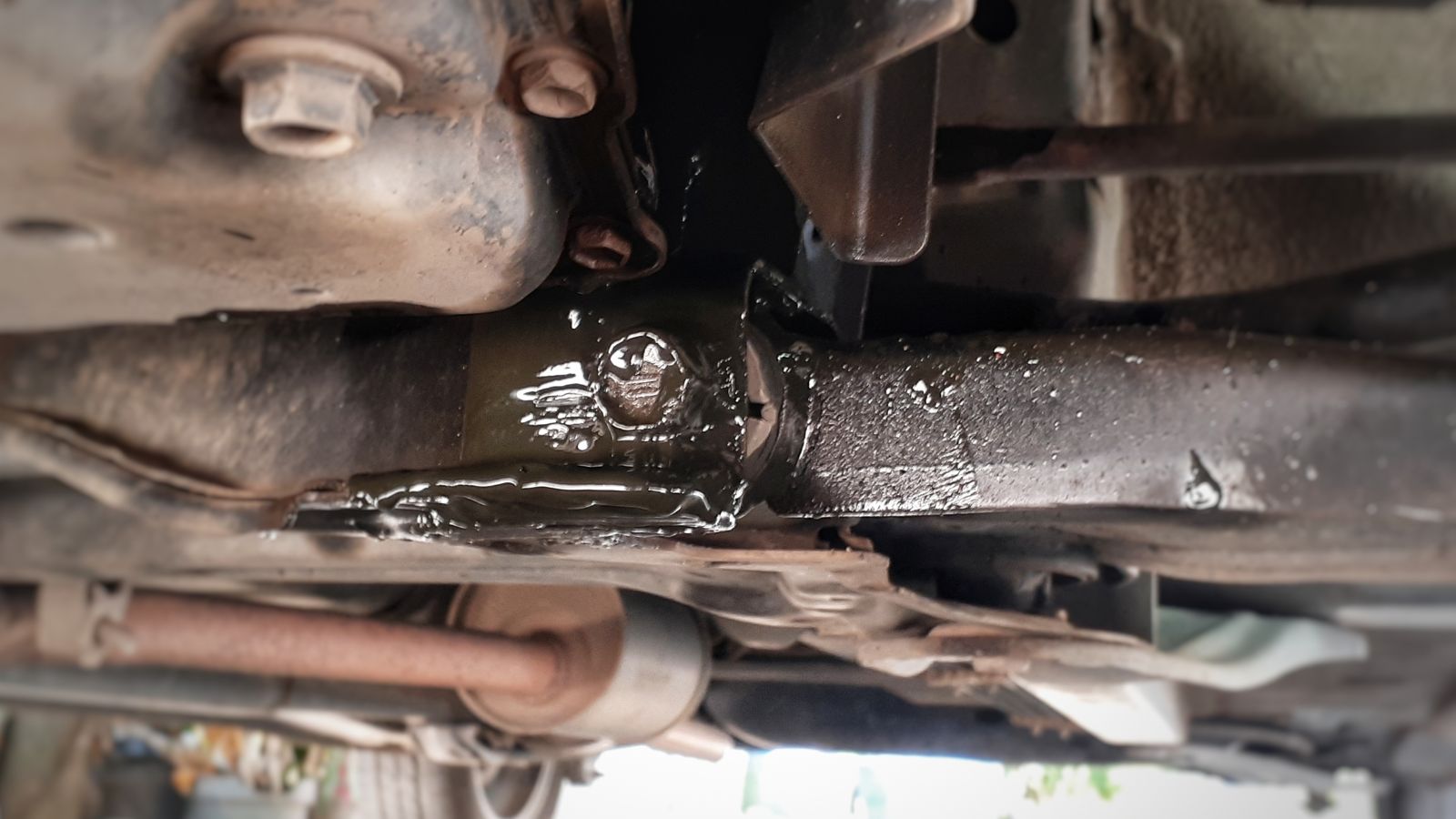
A used car can run well enough while still leaking just enough to become expensive. Small oil leaks are often treated as normal aging, and in some cases they are manageable. But seals and gaskets rarely improve with time, and a minor seep can turn into a regular top-off habit, a driveway stain problem, or a repair that requires far more labor than the size of the leak suggests.
This is where buyers misread the seriousness of “just a leak.” The fluid itself is not the biggest cost; labor usually is. Accessing valve-cover gaskets, oil-pan seals, timing covers, or rear main seals can turn a seemingly ordinary issue into a bill that rivals a chunk of the car’s purchase price. Leaks also matter because they can signal maintenance neglect. A dirty engine bay may hide them, while a freshly cleaned one can disguise how long they have existed. Many shoppers focus on how a used car drives today, but leaks are a reminder that ownership costs keep ticking after the test drive ends and after the sale stops feeling exciting.
A Timing Belt or Major Scheduled Service That Is Due Right Now
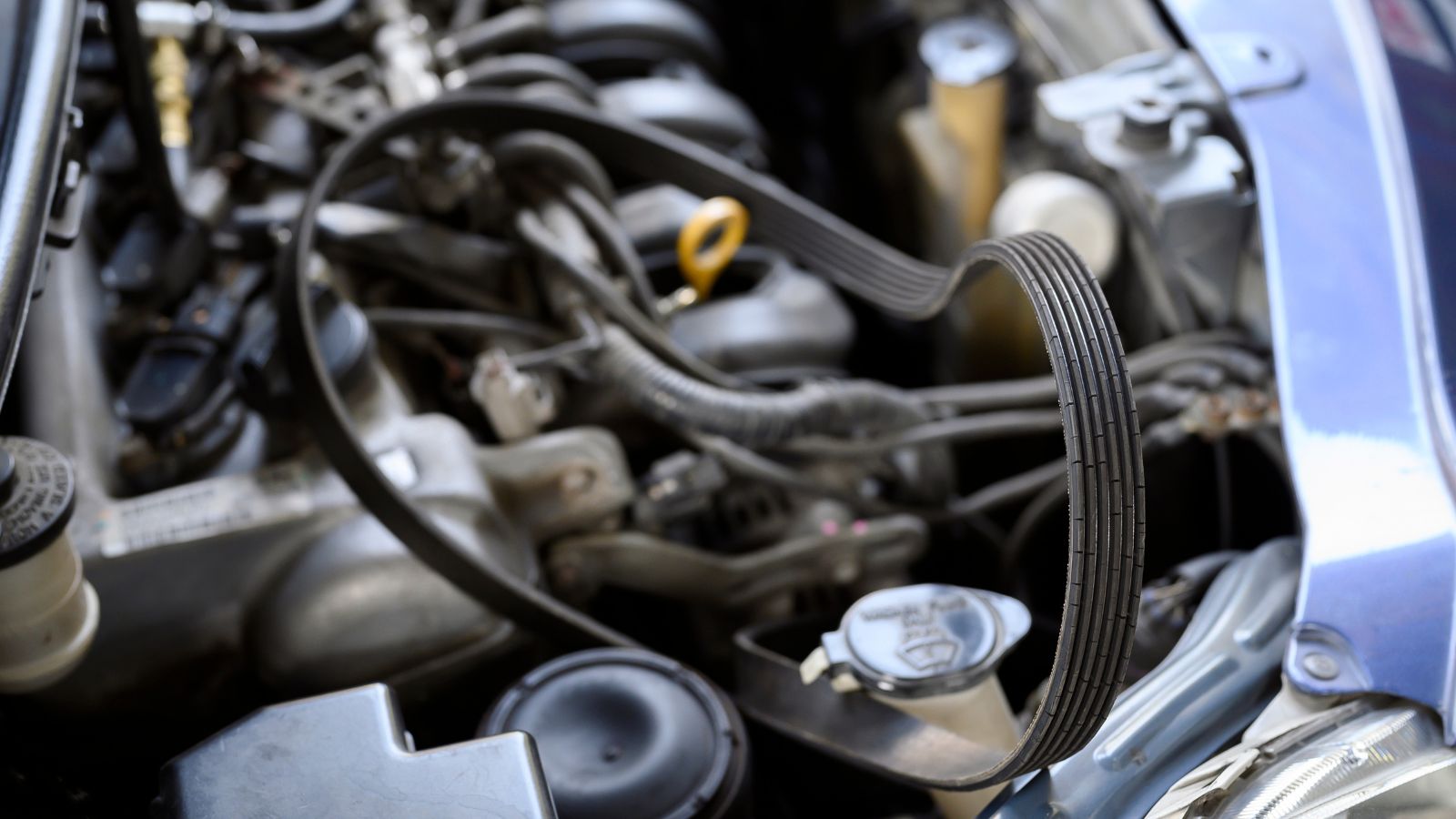
Some used cars become expensive not because they are broken, but because they are parked right at the edge of a major service interval. Timing belts are the classic example. Many vehicles rely on them, and when replacement is overdue or undocumented, the next owner inherits the decision: pay now, or gamble. Neither feels especially cheap after buying the car.
This is one of the clearest ways a low sale price can be misleading. A seller may not have done anything deceptive; they may simply be passing along a vehicle just before the big maintenance event. But that still changes the economics of the deal. A buyer who skips the service risks much worse damage if the belt fails. A buyer who handles it responsibly may immediately spend a four-figure amount on a car that seemed like a bargain a week earlier. The same logic applies to other milestone services, too. Cheap used cars often sit at exactly the point where routine ownership turns into catch-up ownership, and that difference matters far more than the listing price.
Electrical Gremlins That Take Time to Trace
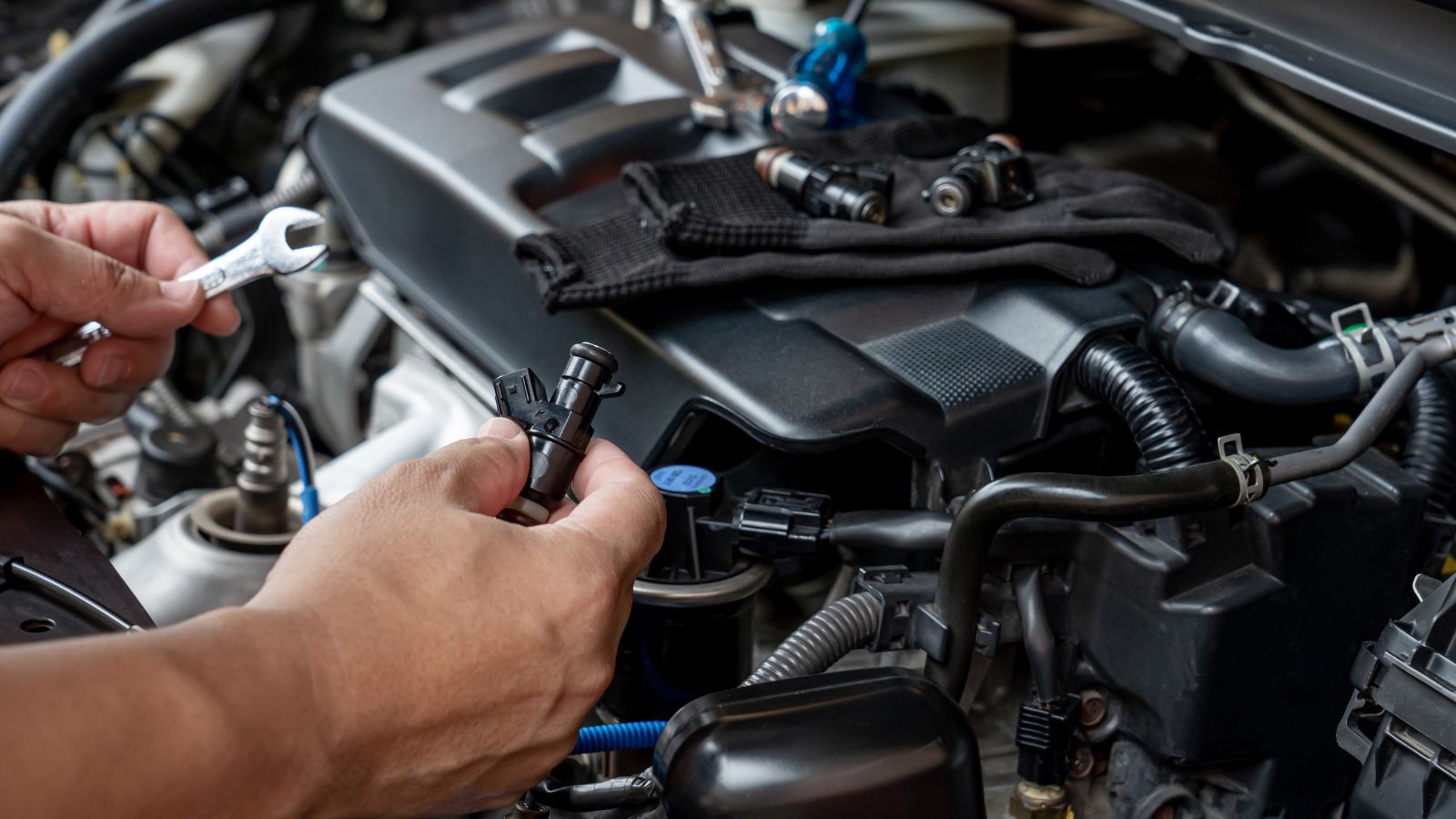
Electrical problems are some of the most frustrating costs in used-car ownership because they rarely announce a single clean fix. A weak battery, corroded ground, damaged connector, failing switch, or water intrusion can create symptoms that seem unrelated: flickering lights, warning messages, dead accessories, battery drain, erratic locks, or climate-control problems. The expensive part is often not the part itself, but the time needed to find the fault.
That diagnostic uncertainty is what makes these problems such budget killers. A buyer may go in expecting one easy repair and leave with a list of tests, follow-up visits, and labor charges. Older used cars are especially vulnerable because age alone hardens seals, weakens wiring connections, and makes intermittent faults more common. Flood exposure raises the risk even more. A car can still start, drive, and look respectable while quietly carrying electrical trouble that worsens with each season. The first month of ownership can then become a parade of small failures that do not look dramatic individually but feel relentless together. Cheap stops feeling cheap when the car keeps demanding detective work.
Emissions Problems and a Check-Engine Light That Comes Back
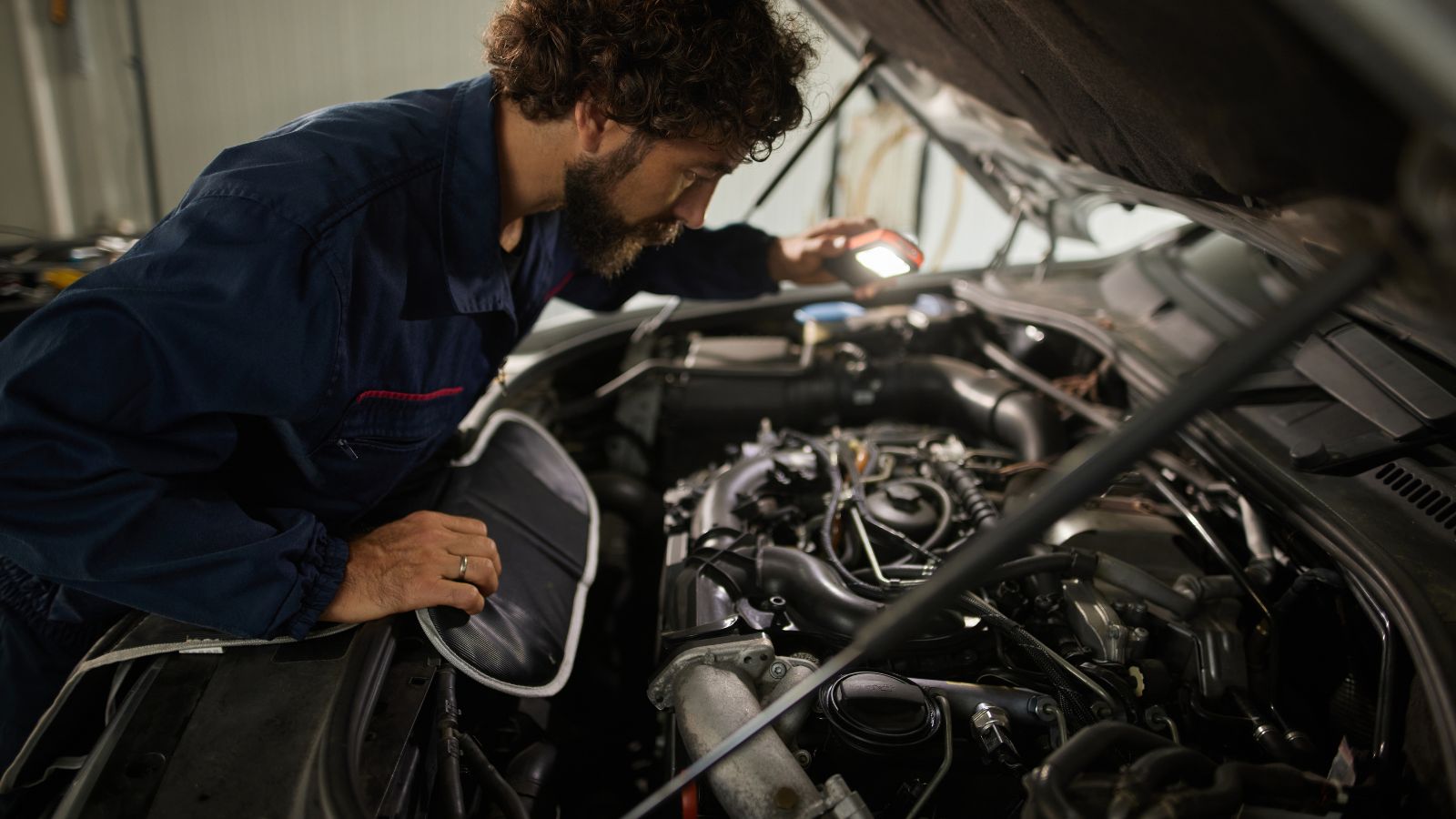
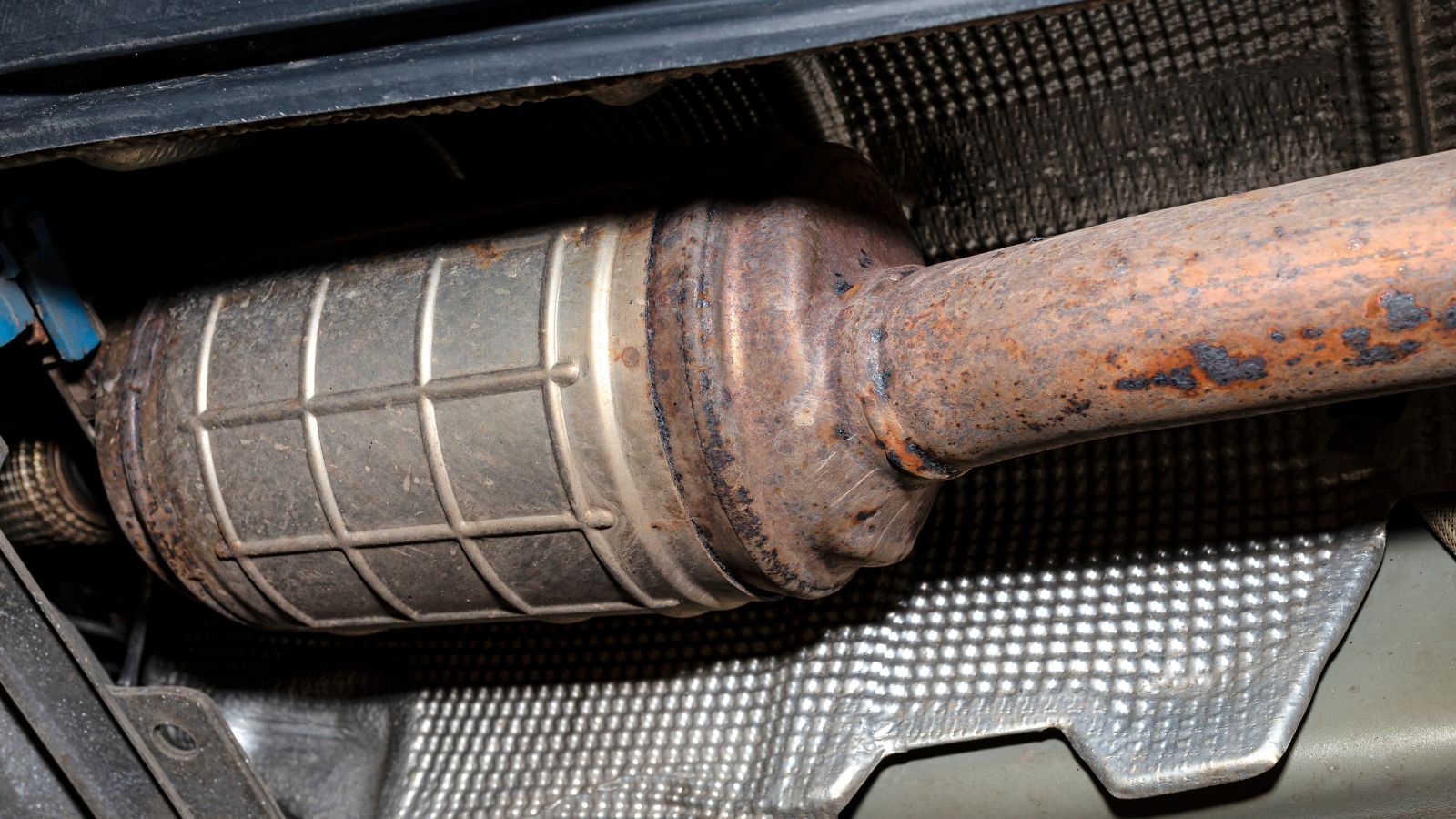
A check-engine light is not always catastrophic, but it is never a detail to shrug off in a used car. Even when the vehicle seems to run normally, that warning can point to emissions-system issues that are costly to diagnose and fix. Oxygen sensors, evaporative-emissions leaks, control modules, and catalytic-converter trouble vary widely in price, and once the vehicle is past federal emissions-warranty coverage for major components, the owner can be left holding the full bill.
This is also one of the quickest ways for a cheap used car to become inconvenient as well as expensive. In states or areas with emissions testing, the owner may not be able to register or renew without repairs. That turns a warning light into a deadline. Some sellers clear codes shortly before showing a car, which is why a “light-free” dashboard should never be the last word. The deeper problem may return only after normal driving resumes. When that happens, the buyer is not just paying for a repair; they are paying to learn whether the earlier low price was tied to a known issue someone else did not want to solve.
Past Accident Damage and Questionable Repairs

Not all accident history is equal. A professionally repaired fender-bender is one thing; poor-quality structural or body repairs are another. The trouble is that many buyers do not know which type they are looking at. Mismatched paint, irregular panel gaps, unusual tire wear, wind noise, trunk leaks, and alignment problems can all hint that a car was repaired in a way that restored appearance better than long-term integrity.
That matters because sloppy repairs can create recurring costs instead of one-time ones. The vehicle may track poorly, wear tires faster, squeak, leak, or develop electrical issues in places that were disturbed during repair. None of that is always obvious on day one. A used car can feel mostly fine during a short drive and then reveal its compromises after a few weeks of real use. Buyers are often tempted to excuse visual imperfections because the discount seems worth it. Sometimes it is. But when a low price reflects corner-cut repairs rather than honest wear, the bargain disappears into follow-up work the new owner never intended to finance.
Salvage or Rebuilt Title History
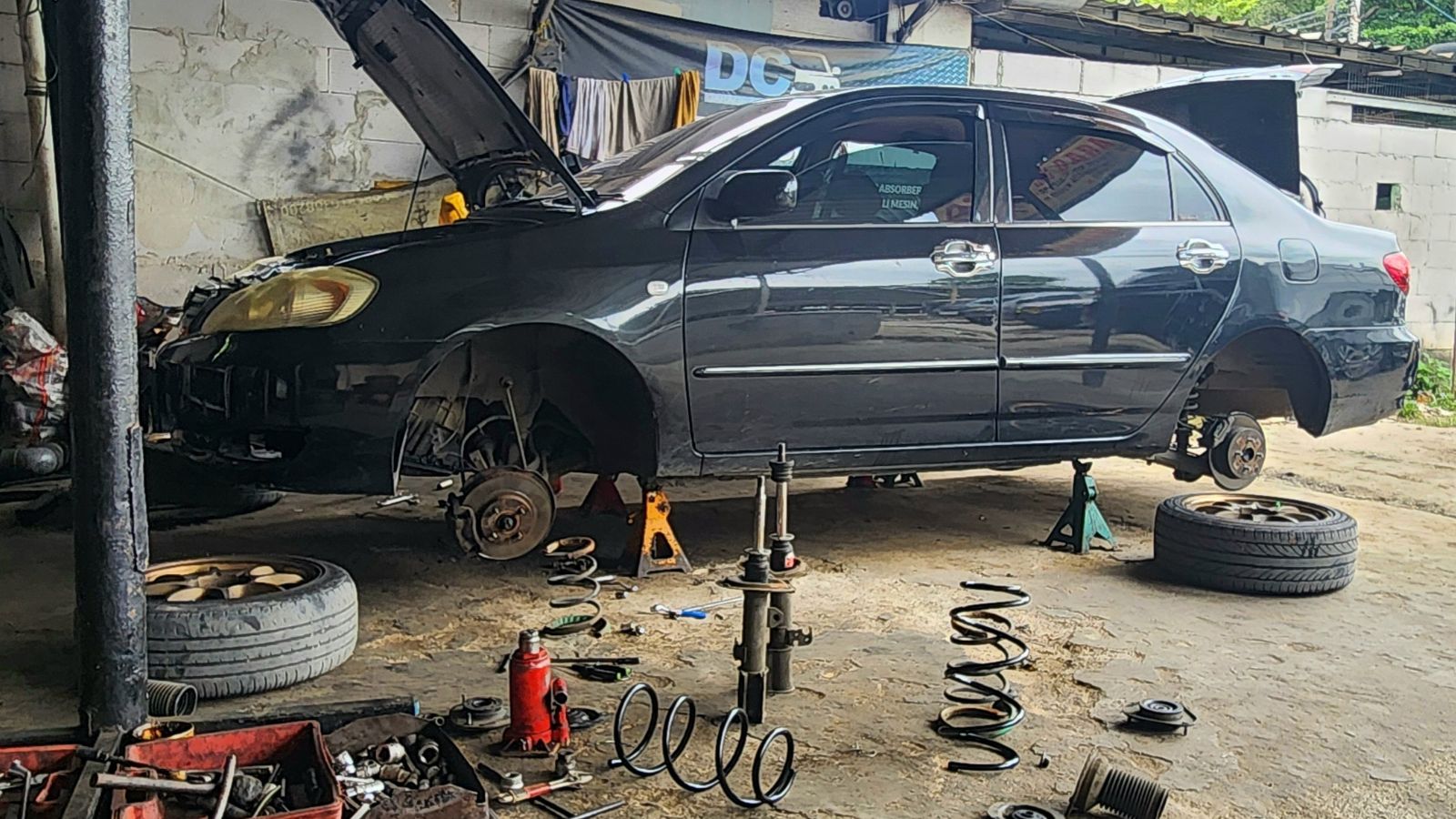
Title history changes a used car’s risk profile instantly. A salvage or rebuilt title does not automatically mean a vehicle is unusable, but it does mean the buyer needs to be far more skeptical about why the title was branded and how the vehicle was put back together. Floods, severe collisions, theft recovery, and major insurance losses can all sit behind that label, and the lower price often reflects those unknowns.
The financial issue is broader than repair risk alone. Some branded-title vehicles are harder to insure well, harder to finance, harder to resell, and harder to trust. Even when the car drives acceptably, the market usually remembers the brand. That means the buyer may save on the front end only to give the discount back later when it is time to sell or trade. Title history is one of those areas where paperwork matters as much as mechanical condition. A shiny, seemingly solid used car can still be a weak value if the title story follows it everywhere. Cheap feels expensive fast when the discount comes bundled with a permanent question mark.
Fuel Economy That Turns Every Fill-Up Into a Reminder
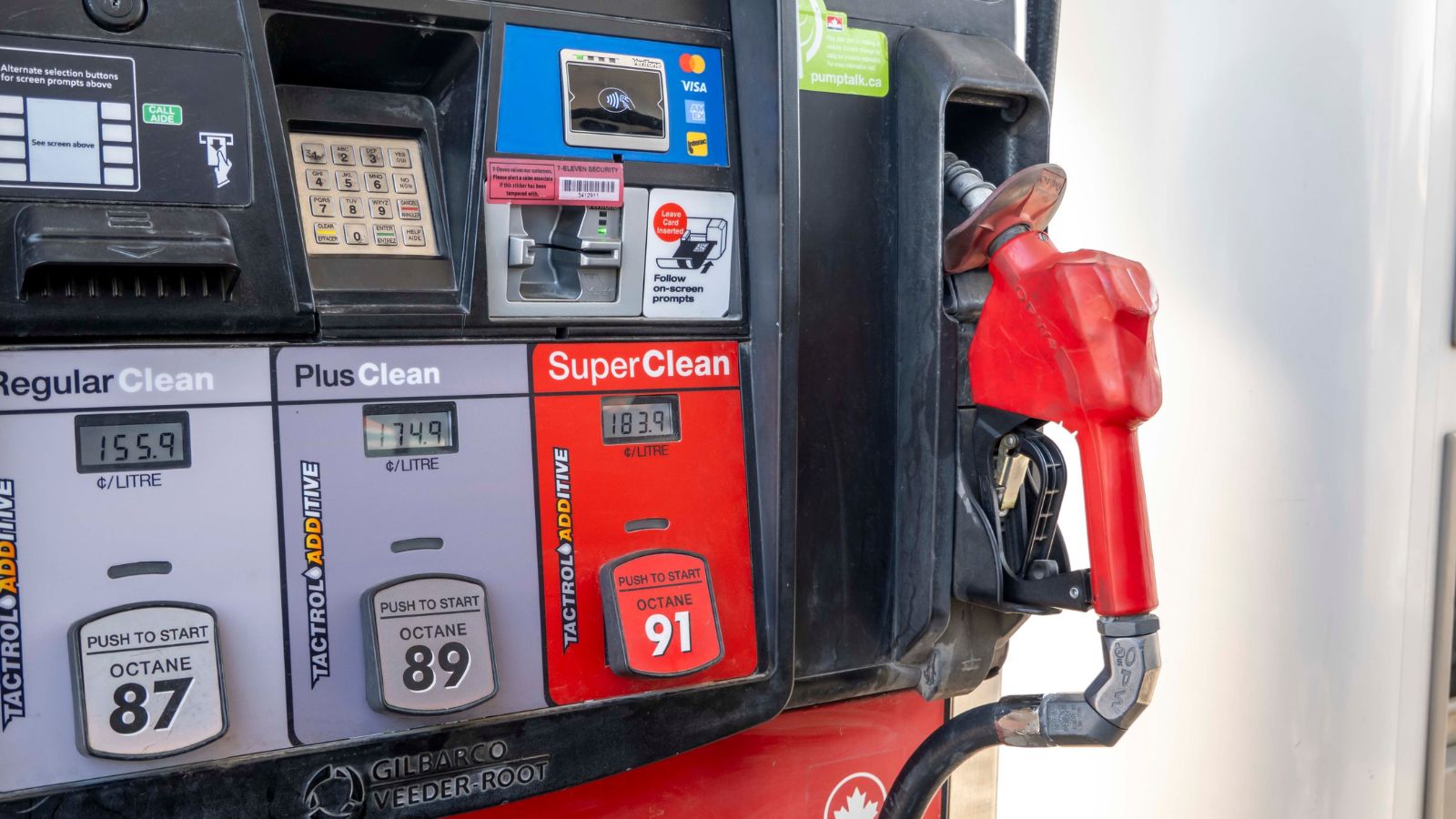
A used car can be cheap to buy and still expensive to feed. This problem sneaks up on buyers who focus on monthly payment or purchase price while underestimating what poor fuel economy does over a year of commuting, errands, and weekend driving. The gap between one vehicle and another can feel small on paper, but it becomes very real when the owner is visiting the pump far more often than expected.
This is especially painful when the vehicle seemed like a practical choice. A larger crossover, older SUV, or performance-oriented model may cost only a little more to buy than a thriftier alternative, yet the ongoing fuel bill changes the experience of ownership. Government fuel-economy estimates are built around 15,000 miles a year for a reason: annual operating cost matters. Driving style, tires, climate, and terrain can move the real number around, but the principle stays the same. A car that saves a few thousand dollars upfront can quietly absorb that advantage through fuel over time. The lower purchase price feels less clever each time routine use keeps demanding more money.
Insurance Costs That Do Not Match the Sticker Price

Insurance is one of the most overlooked ways a used car stops feeling affordable. Shoppers often assume an older, cheaper vehicle will automatically cost less to insure, but insurers do not price risk based on sticker price alone. Repair costs, theft rates, crash-loss data, claim severity, and vehicle type all matter. Two used cars with similar asking prices can produce noticeably different premiums.
That mismatch can wreck the psychology of a “budget buy.” A driver may feel disciplined for choosing the lower-cost vehicle, only to discover that the monthly insurance premium pushes ownership higher than expected. This is particularly frustrating because the expense arrives immediately, before any repair surprise even shows up. In some cases, the premium reflects genuine hidden ownership risk: harder-to-fix parts, more frequent claims, or theft exposure. In others, the vehicle simply lives in an insurance category that is costlier than its used-market value suggests. Either way, the effect is the same. The car looked cheap in the listing, but the ownership math changed the moment the insurance quote arrived.
22 Things Canadians Do to Their Cars in Spring That Mechanics Hate

Spring brings relief to many Canadian drivers after months of snow, freezing temperatures, and icy roads that put serious strain on vehicles. As temperatures rise across the country, drivers begin washing cars, switching tires, and preparing vehicles for warmer weather and upcoming road trips. However, mechanics across Canada notice the same mistakes every spring when drivers attempt to recover from winter damage. Road salt, potholes, and harsh winter driving conditions often leave vehicles with hidden problems that drivers ignore. Some spring habits even create new mechanical issues that could have been avoided with proper maintenance. Here are 22 things Canadians do to their cars in spring that mechanics hate.