


























Canada’s auto market feels unusually fluid right now. Hybrid demand is rising, federal EV incentives are back, and a new wave of competitive pressure is forcing Canadians to look at familiar badges in a new way. In that kind of market, attention shifts quickly. Brands that once felt easy to categorize are now being re-evaluated for value, availability, technology, and long-term ownership appeal. These are the nine auto brands Canadians are watching much more closely right now, not just because of headline-grabbing launches, but because each one is giving buyers a fresh reason to pause and take another look.
Toyota
Toyota has become one of the clearest examples of how the Canadian market is changing. The company posted a record 249,445 vehicle sales in 2025, and nearly half of that total came from electrified models. That matters because Toyota is not winning attention through dramatic reinvention. It is doing it through familiarity paired with efficiency. Corolla Hybrid and Camry Hybrid both set annual sales records in Canada, which says a great deal about where mainstream buyers are leaning when fuel costs and total ownership costs stay top of mind.
Toyota is also benefiting from something Canadians tend to notice quickly: strong local relevance. The all-new sixth-generation RAV4 began Canadian production in January 2026, giving the brand another practical talking point in a country where RAV4 demand rarely cools off for long. In the first quarter of 2026, Toyota’s electrified sales continued to climb at a record pace. For many households, Toyota now feels less like a safe default and more like a brand that quietly understood where the market was headed before much of the industry did.
Honda

Honda remains one of the most trusted names in Canada, but what is changing is the intensity of the attention around it. The Civic kept its title as Canada’s best-selling car for 2025, continuing a run that has made it the country’s best-selling car in 26 of the past 28 years. At the same time, the CR-V posted 55,987 sales in 2025, with 35,325 of those being hybrid models. That made it Canada’s most popular hybrid vehicle, a sign that Honda is no longer just relying on long-built reputation. It is increasingly aligned with what buyers want right now.
There is also a broader reason Canadians are watching Honda more closely. The brand’s electrified lineup represented nearly a third of its total 2025 sales, showing that its transition is happening at a pace ordinary buyers can actually follow. Honda is not asking families to make a dramatic leap. It is offering a familiar path into hybrid and EV ownership through vehicles people already understand. In a crowded market, that kind of measured evolution can be more persuasive than flashy disruption, especially for buyers who want lower fuel bills without taking a gamble on an unfamiliar badge.
Hyundai
Hyundai has become difficult to ignore in Canada because it keeps showing up in places that matter: sales growth, EV pricing, and day-to-day practicality. Hyundai Canada delivered 146,184 sales in 2025, up 11 per cent year over year, and then followed it with the best January in company history to start 2026. That kind of momentum tends to get noticed because it suggests the brand is no longer climbing on novelty. It is climbing because more Canadians are actually choosing it across several price points.
Part of the attention also comes from how broad Hyundai’s appeal has become. Tucson, Kona, and Elantra remain high-volume products, while the 2026 IONIQ 5 gives the brand a serious EV anchor with a Canadian starting MSRP of $55,499 before fees and taxes. Hyundai’s lineup now reaches shoppers who want budget-friendly transportation, families who need crossovers, and early adopters who still care about design. In a market where people increasingly compare one brand’s entire strategy rather than one model at a time, Hyundai looks more complete than it did just a few years ago, and that is exactly why Canadians are watching it more carefully.
Kia
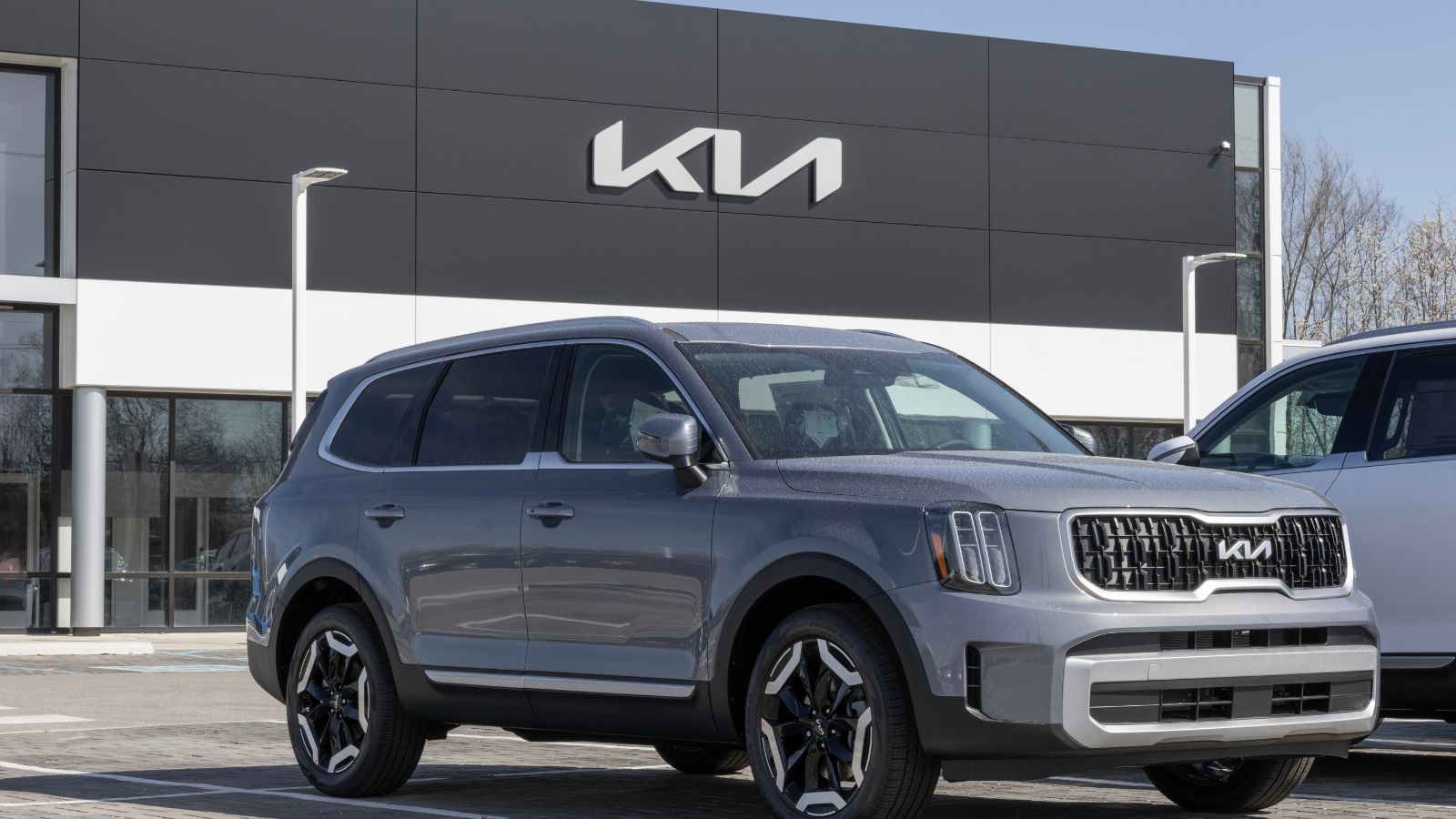
Kia’s rise in Canada no longer feels like a side story. It feels established. The brand posted another all-time sales record in 2025 with 94,622 vehicles sold, up 9.2 per cent from the previous year. More importantly, the mix tells the real story. Seltos, Sportage, and K4 all delivered best-ever annual sales in Canada, showing that Kia is winning across very different buyer types. It is not just one hot model carrying the brand. It is a broader shift in how consumers see the badge.
The K4 also helps explain why Canadians are paying closer attention. The 2026 K4 Hatchback arrived with a particularly sharp value message, landing as Canada’s cheapest five-door compact car. That may sound like a narrow detail, but it speaks directly to a wider mood in the market. Buyers still want something stylish and modern, yet many are less willing to stretch into premium pricing just to get it. Kia is increasingly positioned in that sweet spot where design, equipment, and affordability meet. When that formula works during a cost-sensitive period, people do not just shop the product. They start watching the whole brand.
Ford

Ford continues to command attention in Canada because it has managed to stay dominant while still evolving. The F-Series remained Canada’s best-selling truck line for a 60th straight year, and Ford said the F-Series also held its title as the country’s best-selling vehicle overall for a 16th consecutive year in 2025. On top of that, Maverick sales jumped more than 100 per cent last year. That tells a revealing story: Canadians are still deeply interested in trucks, but they are also rewarding brands that offer more flexible, more efficient versions of the format.
That is where Ford becomes especially watchable right now. The 2026 Maverick keeps a standard full-hybrid powertrain, giving Ford a strong answer for buyers who want truck utility without full-size truck costs. The F-150 PowerBoost Hybrid has also carved out a meaningful place in the market, and the Mustang Mach-E starts at $46,590 in Canada for 2026. Ford is being watched not because it has abandoned its identity, but because it is stretching that identity into smaller, more efficient, and more urban-friendly shapes. In Canada, that kind of adaptation matters more than ever.
Chevrolet
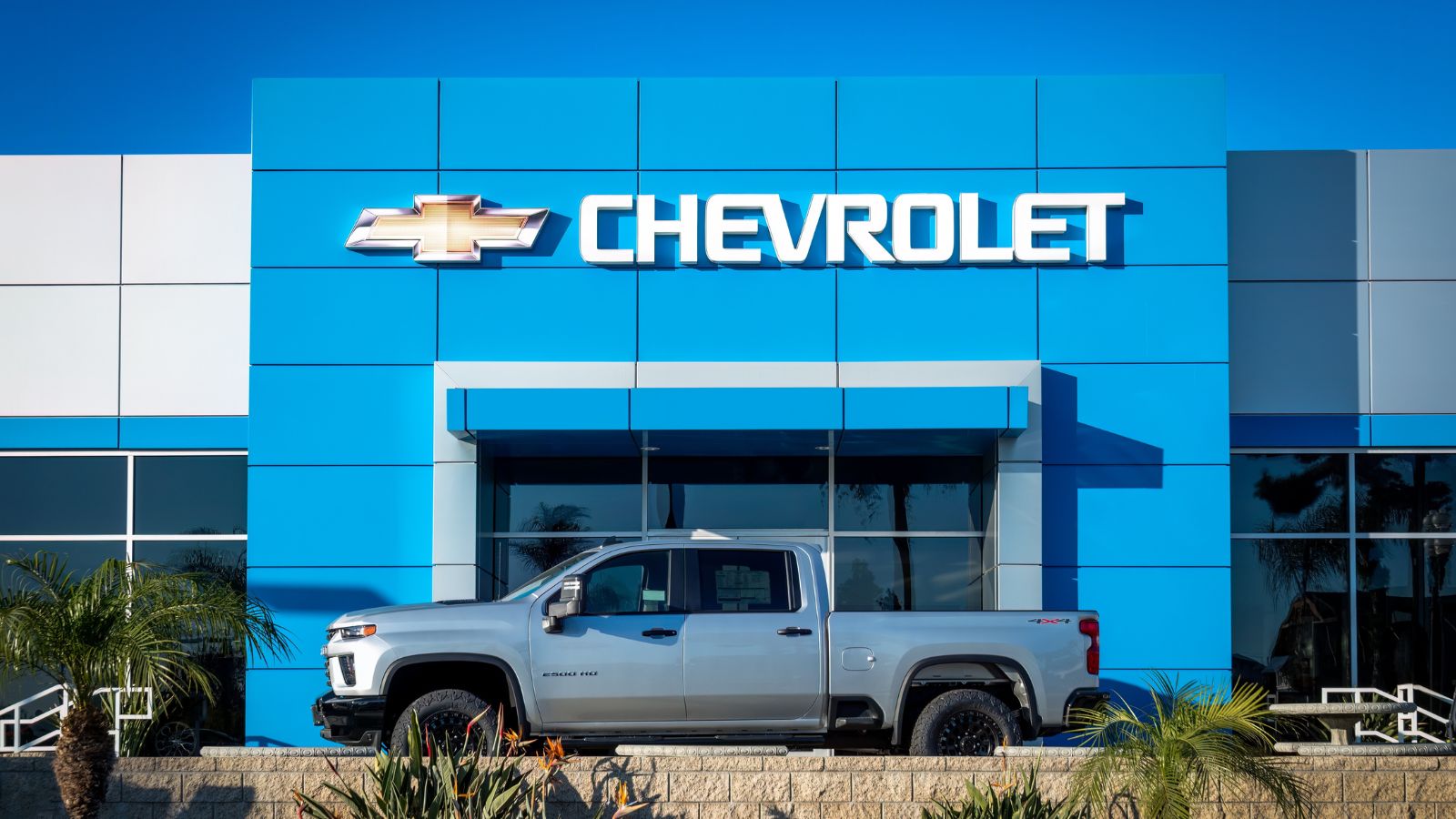
Chevrolet is getting more attention because it now sits at the centre of one of the most important mainstream questions in the market: when does EV ownership start to feel normal rather than niche? GM Canada said it remained the country’s EV sales leader in the first quarter of 2026, with close to a 20 per cent share of Canada’s EV market. Chevrolet is a big reason for that. The Equinox EV is becoming a particularly important product because it brings electric driving into one of the most familiar nameplates in the country.
That familiarity matters. The 2026 Equinox EV offers up to 513 kilometres of estimated range in front-wheel-drive form, and select trims qualify for the federal EV Affordability Program. Chevrolet is also still performing strongly in gas models, with GM reporting the Trax led Canada’s small SUV segment in Q1 2026. In other words, the brand is not asking Canadians to choose between relevance now and relevance later. It is giving them both. That makes Chevrolet worth watching because it may end up being one of the brands that proves the next stage of EV growth in Canada will look far more mainstream than many people once expected.
Subaru

Subaru has always had a loyal Canadian following, but the current interest feels broader than brand loyalty alone. Subaru Canada closed 2025 with a record 70,953 sales, the highest annual total in its history. Then, in March 2026, it set a new single-month sales record with 7,397 units, up 14.8 per cent year over year. Those are not just healthy numbers. They suggest the brand is attracting fresh attention at a time when Canadians are thinking carefully about weather capability, resale confidence, and practical day-to-day value.
The Forester Hybrid gives Subaru another reason to stay in the conversation. Its arrival adds an electrified option to one of the brand’s most recognizable Canadian nameplates without changing the formula buyers already trust. That may be Subaru’s biggest strength right now. It is updating its lineup without losing the traits that made it popular in the first place. In provinces where winter credibility still matters, that is powerful. Canadians are watching Subaru more closely because the brand suddenly looks like it could hold onto its traditional strengths while also becoming more modern, and that is a combination many rivals would love to claim.
Genesis

Genesis is being watched more closely in Canada because it is starting to look less like an intriguing alternative and more like a real luxury force. Genesis Canada opened 2026 with a record January, posting 488 sales, up 8 per cent year over year. The momentum has been driven heavily by SUVs, especially the GV70 and GV80, and that matters in a luxury market where buyers still want comfort and prestige, but increasingly expect technology and a distinct ownership experience to come with it.
What makes Genesis especially interesting right now is that the brand is widening its personality at the same time it is growing. In late April 2026, Genesis Canada opened pre-orders for the GV60 Magma, its first high-performance Magma model, which signals a more emotional, more enthusiast-friendly chapter for the brand. That is a notable shift. Genesis is no longer only trying to win shoppers through calm design and concierge-style ownership. It is also testing how far the badge can stretch upward and outward. For Canadians, that creates a brand worth following because it feels like it is still writing its identity in real time.
Chery
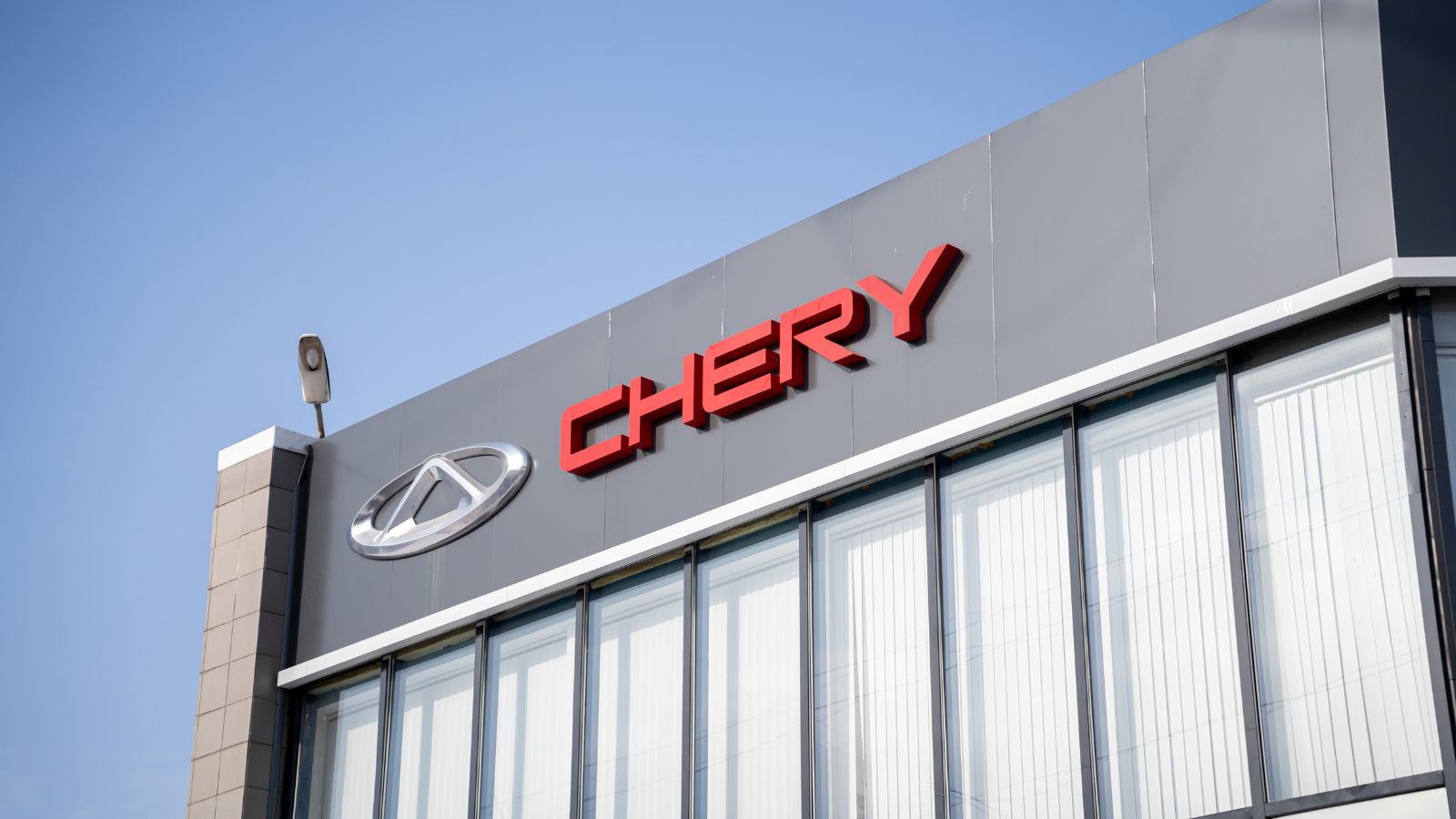
Chery may not yet be a household name in Canada, but it is one of the brands many people in the industry are watching most closely. Electric Autonomy reported in March that Chery considers Canada an important market, and recent sightings of Chery-linked Omoda and Jaecoo vehicles in the Greater Toronto Area suggest that groundwork is moving from speculation toward visible preparation. For Canadians who follow auto pricing and EV competition, that is enough to make the brand worth watching even before an official retail rollout is fully in place.
The broader context makes Chery even more relevant. Reuters reported in April that the company is pushing a major international expansion strategy, and Canada’s new framework for allowing limited imports of certain China-made EVs has changed the conversation around which new brands could realistically land here. Chery’s appeal is easy to understand on paper: it wants scale, it has global ambitions, and it operates in the exact part of the market Canadians are watching hardest right now, where value, technology, and affordability collide. Sometimes the most closely watched brands are not the ones already established. They are the ones that might change the rules.
22 Things Canadians Do to Their Cars in Spring That Mechanics Hate

Spring brings relief to many Canadian drivers after months of snow, freezing temperatures, and icy roads that put serious strain on vehicles. As temperatures rise across the country, drivers begin washing cars, switching tires, and preparing vehicles for warmer weather and upcoming road trips. However, mechanics across Canada notice the same mistakes every spring when drivers attempt to recover from winter damage. Road salt, potholes, and harsh winter driving conditions often leave vehicles with hidden problems that drivers ignore. Some spring habits even create new mechanical issues that could have been avoided with proper maintenance. Here are 22 things Canadians do to their cars in spring that mechanics hate.