


























Spring tire season in Canada looks simple until it is not. A dry afternoon in April can feel like permission to rush the swap, yet cold mornings, surprise flurries, pothole damage, and big temperature swings still make tire decisions more complicated than many drivers expect. What seems like a routine appointment can quietly affect braking, handling, fuel use, tire life, and even dashboard warnings.
These 12 mistakes show where Canadian drivers often get caught out every spring: changing too early, waiting too long, trusting the wrong pressure number, overlooking hidden wear, and treating the swap like a one-step job instead of a full seasonal reset. The details matter more than many people realize, especially in a country where road and weather conditions can change fast.
Swapping Too Soon After the First Warm Weekend

One of the most common spring mistakes is treating a single mild weekend as the all-clear. In much of Canada, spring does not arrive in a straight line. A stretch of sunny afternoons can be followed by frosty mornings, slush, or a late-season snowfall that makes an early tire change feel like a gamble rather than smart planning. That is why tire timing is usually discussed in terms of consistent temperatures, not a nice day on the calendar.
CAA North & East Ontario points to the “7-for-7” rule: wait for seven consistent days at 7°C before making the switch. Quebec’s government makes a similar point in more formal language, noting that spring conditions can stay variable even after the legal winter-tire period ends. Drivers who swap too early often do not notice the mistake until the next cold commute, when steering and braking feel less settled than expected.
Leaving Winter Tires On Too Long
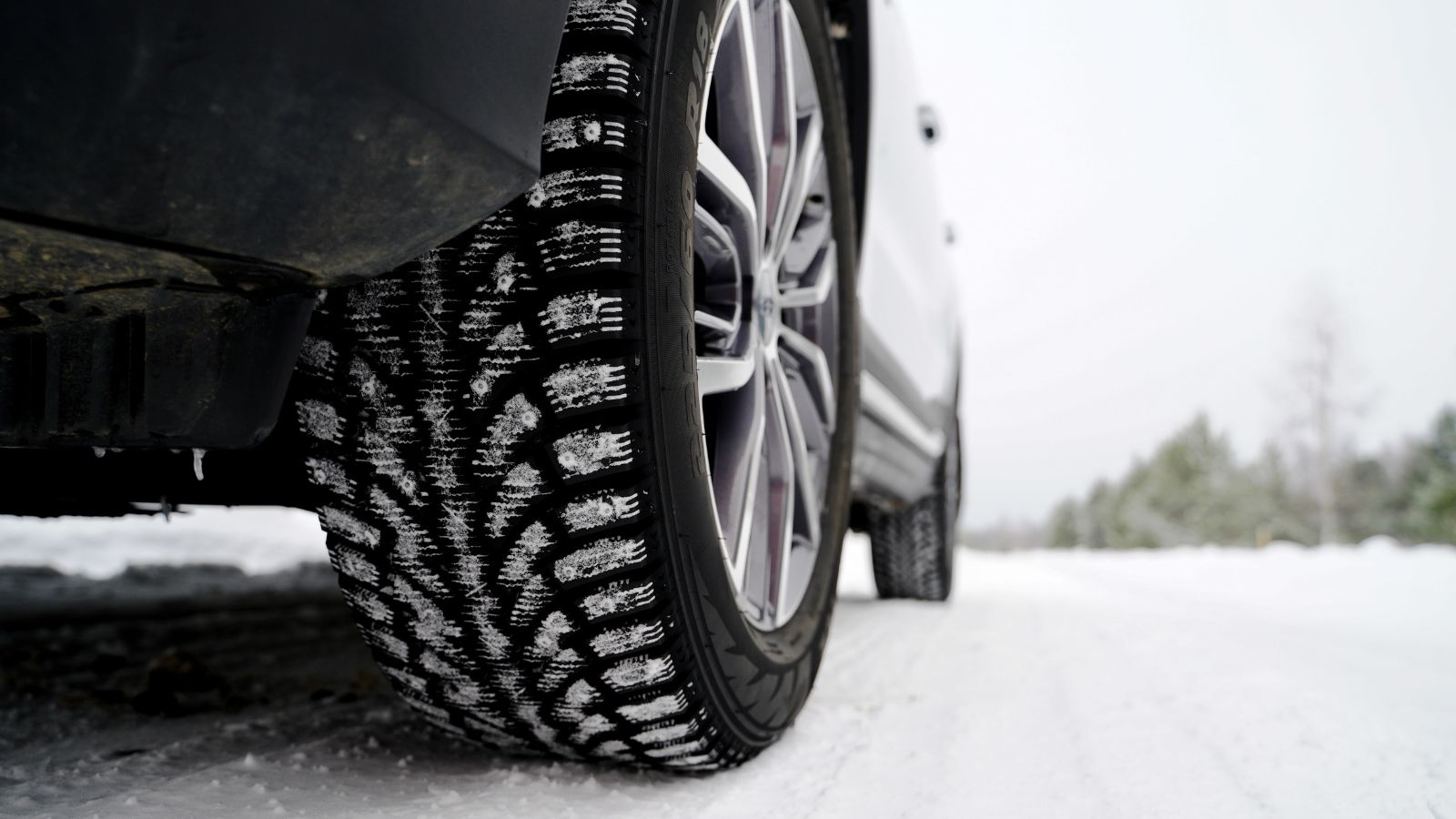
The opposite mistake is just as common: putting off the swap because the tires still “look fine.” Winter tires are built for cold weather, and that soft compound that helps in snow and ice becomes a drawback once pavement warms up. In spring, that can mean faster wear, extra heat buildup, and a tire that is being used outside the environment it was designed for.
CAA North & East Ontario warns that driving on winter tires year-round can cut their lifespan dramatically, by up to 60 per cent in some cases. The same guidance also notes reduced fuel efficiency and weaker warm-weather handling, especially on wet roads. This is where procrastination gets expensive. A driver may think a few extra weeks is harmless, but in a warm spell, those weeks can shave useful life off a set that was supposed to last several more winters.
Putting Summer Tires On While Spring Mornings Are Still Cold
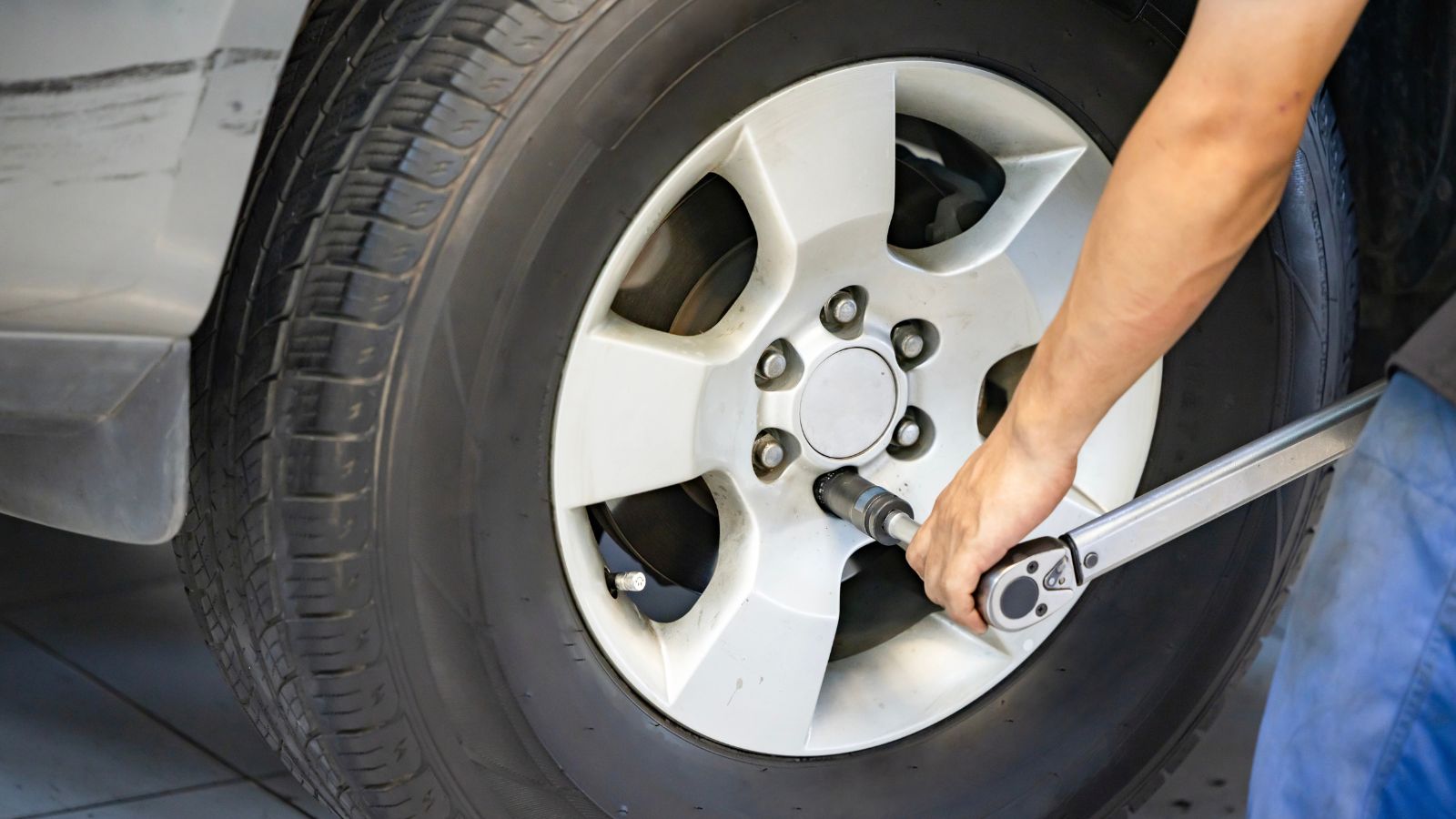
Performance-minded drivers sometimes make a different mistake: jumping straight to summer tires the moment roads look dry. Summer tires can be excellent once true warm weather arrives, but they are not built for lingering cold. In a Canadian spring, that matters because the road at 8 a.m. can feel very different from the road at 3 p.m.
Michelin notes that summer tires deliver their best braking and cornering above 7°C, and are unsafe on snow and ice because the rubber hardens in cold conditions. Quebec also recommends waiting a few weeks after March 15 before switching back to all-season or summer tires because spring remains unpredictable. For drivers with two full seasonal sets, patience is often the cheaper and safer move. A short delay can protect both performance and peace of mind better than rushing into a setup the weather has not fully earned.
Assuming AWD or 4WD Makes Tire Choice Less Important
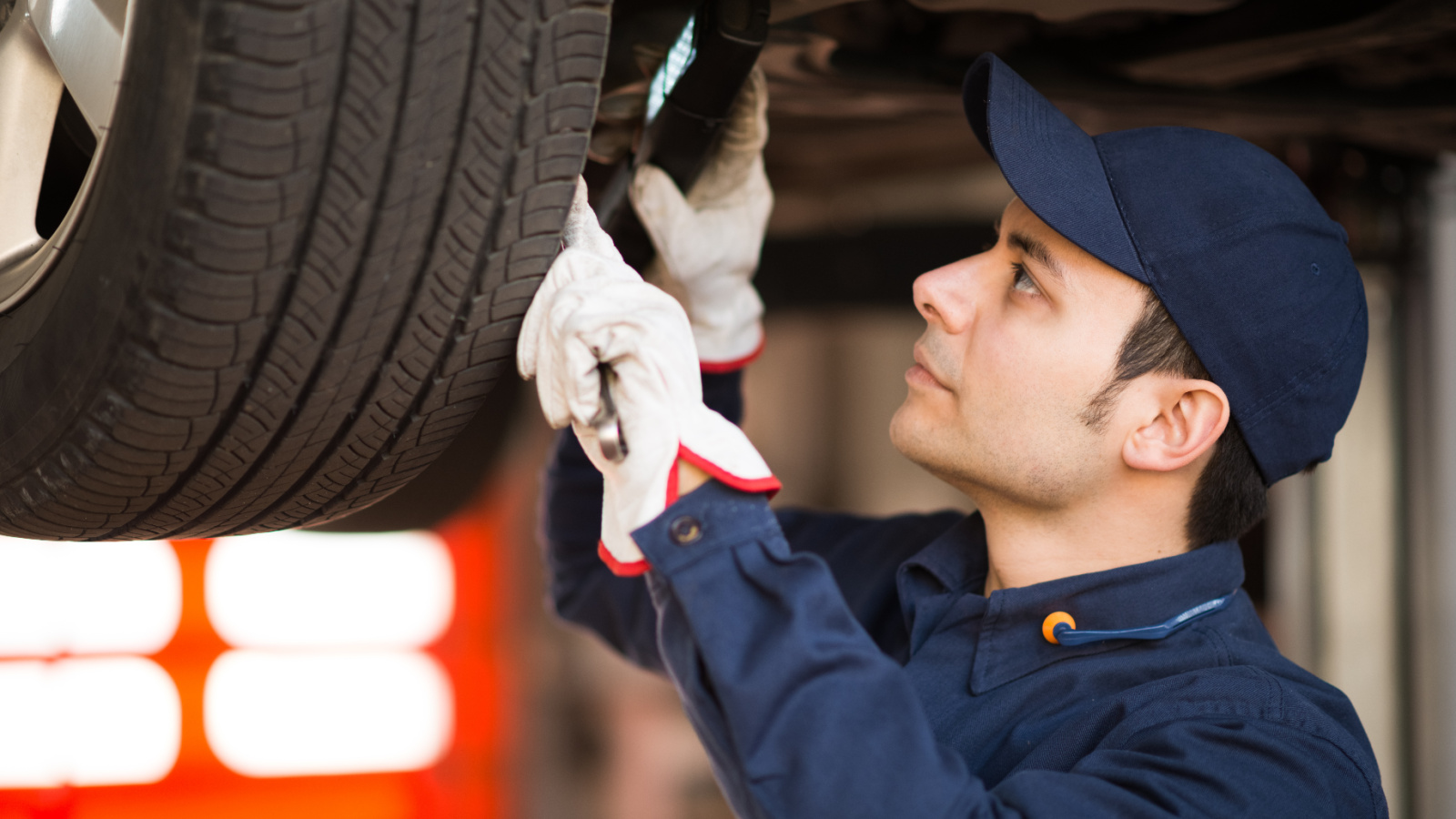
Plenty of drivers still believe all-wheel drive can paper over a poor tire decision. It cannot. AWD can help a vehicle get moving, but it does not change the grip available when the driver needs to brake or turn. That distinction becomes especially important in shoulder seasons, when roads may be merely cold one day and slick the next.
Michelin Canada is blunt on this point: AWD helps with acceleration, not with braking or cornering, and a full set of four proper winter tires matters more than drivetrain alone in Canadian winter conditions. In practical terms, that means a driver who swaps too early because the vehicle is “good in snow” may be overestimating the system and underestimating the tire. The result is often false confidence, which is exactly the kind of mistake spring weather punishes.
Mixing Tire Types, Sizes, or Changing Only Two

Spring is also when budget shortcuts show up. A driver may reinstall two worn tires with two newer ones, mix tread patterns, or mount a different size because it is what was available. That kind of patchwork can feel minor in the garage, but it changes how a vehicle behaves once weight shifts in a hard stop or evasive move.
Transport Canada advises installing tires in sets of four and warns against mixing different tread patterns, internal construction, and sizes because it makes the vehicle less stable. It also says handling improves when the same type, size, speed rating, and load index are used at all four positions. The hidden problem with “good enough” tire matching is that it often feels acceptable in everyday driving, right up until traction breaks unevenly. Stability problems rarely announce themselves in advance.
Using the Number on the Tire Sidewall Instead of the Vehicle Placard
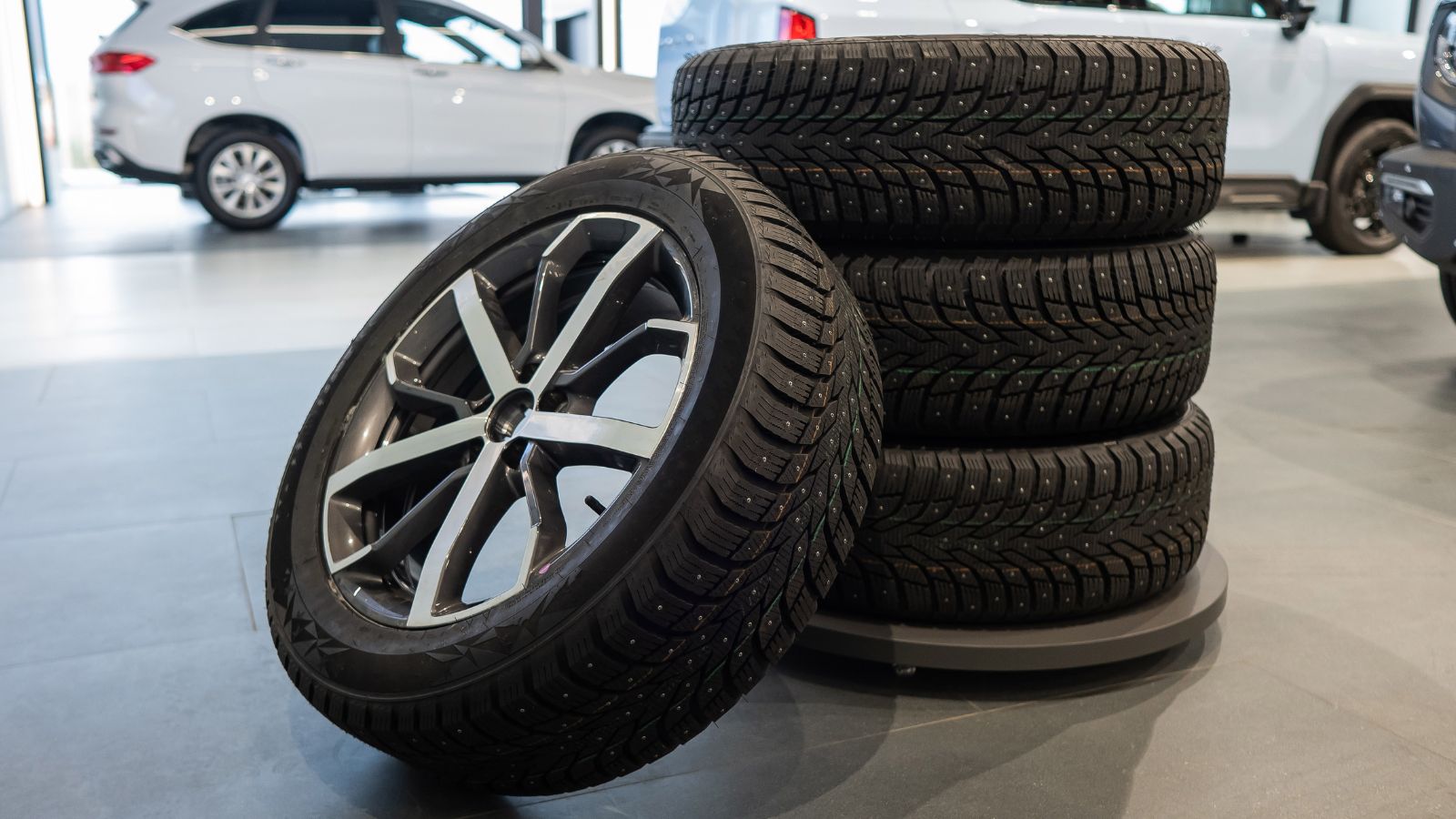
A surprisingly persistent mistake is inflating tires to the pressure printed on the tire sidewall. That number looks official, so many drivers assume it is the right target. It is not. It is the maximum pressure tied to the tire’s maximum load, not necessarily the pressure the vehicle manufacturer recommends for normal driving.
Transport Canada says the proper pressure for the vehicle is usually on the driver’s door, door post, glove box, fuel door, or in the owner’s manual. It also warns that overinflation can reduce grip because the tire rides more on the centre of the tread, shrinking the contact patch and creating harsher ride and handling issues. This is one of those mistakes that sounds technical but shows up in an everyday way: a car that feels oddly twitchy, stiff, or less planted after a swap that was supposed to improve things.
Forgetting How Much Spring Temperature Swings Affect Pressure
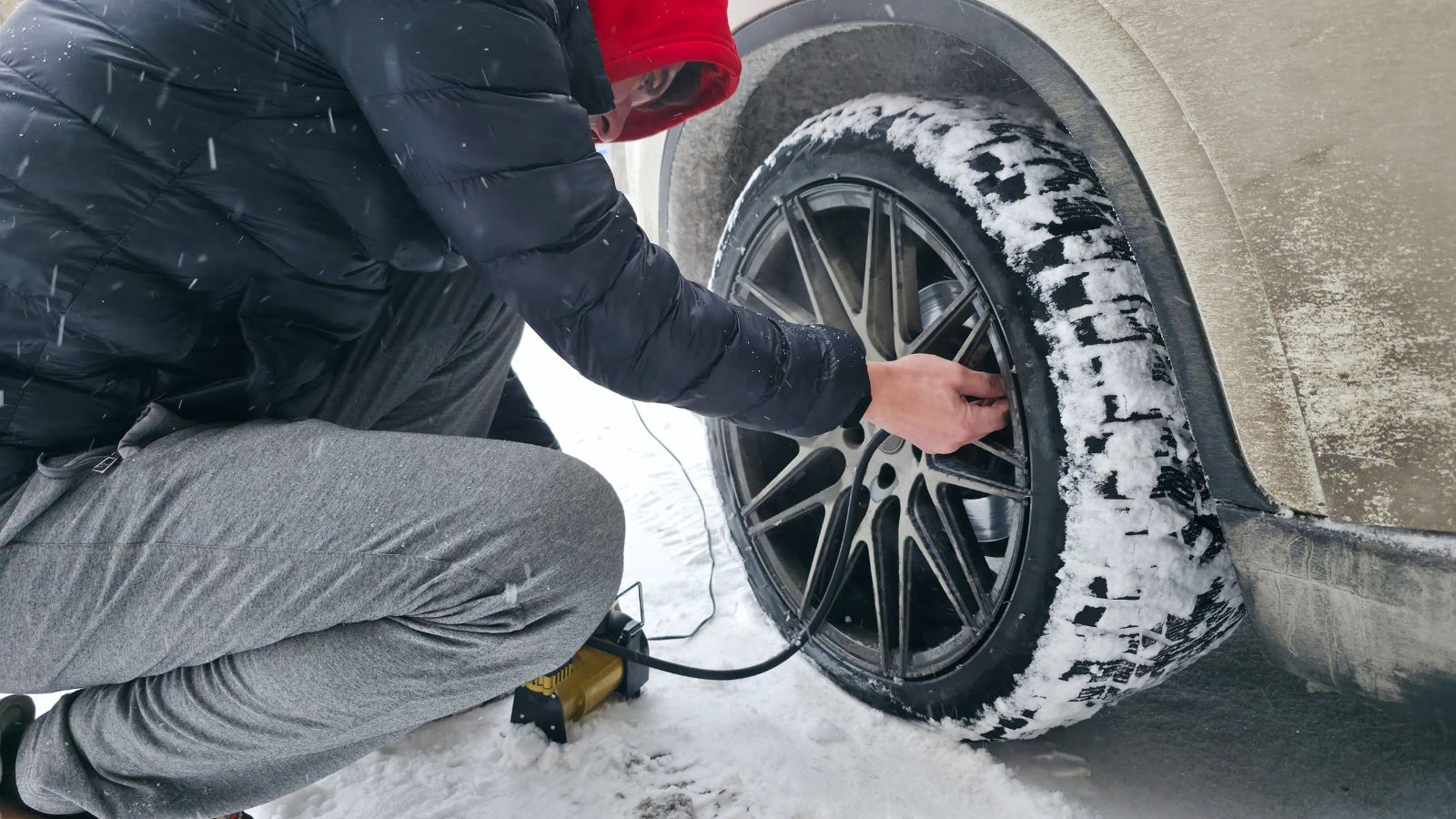
Even drivers who start with the correct pressure often fail to recheck it once spring temperatures start swinging. In Canada, a 14°C afternoon can drop close to freezing overnight, and tires respond to those changes whether anyone checks them or not. That is why a freshly swapped set can be underinflated within days, especially if it was filled during a warmer part of the day.
Transport Canada says tires lose about 1 psi for every 5°C drop in temperature, and can also lose around 2 psi per month through normal permeability. It also notes that underinflation raises rolling resistance, reduces tread life, increases fuel use, and can contribute to sudden tire failure. In one of its examples, a single tire underinflated by 8 psi can cut tire life by 15,000 km and raise fuel consumption by 4 per cent. A quick monthly gauge check is far more useful than a glance in the driveway.
Reinstalling Tires Without Checking Tread, Damage, or Age
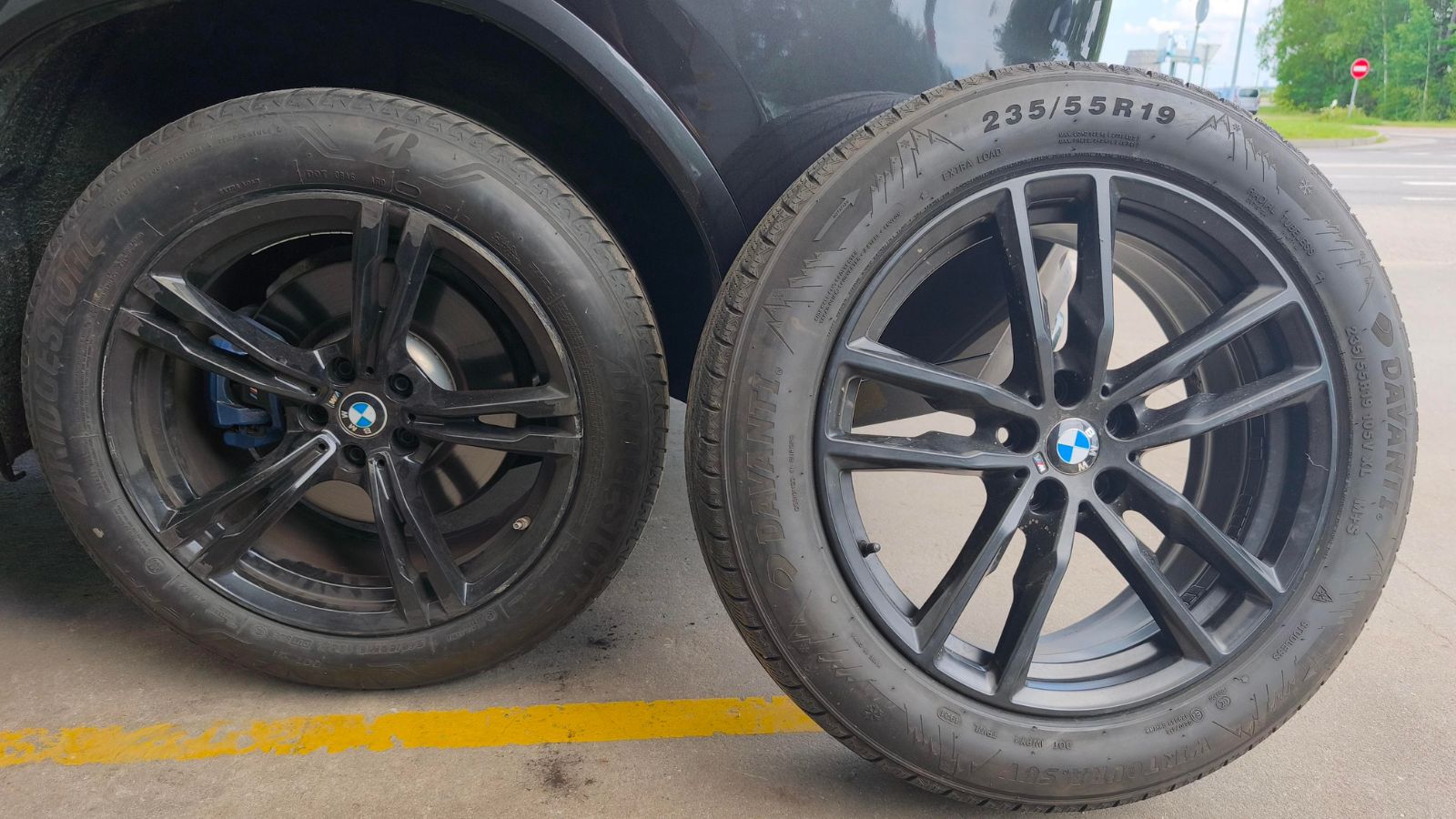
Many drivers assume a stored set is ready to go simply because it worked last season. That can be a costly assumption. A tire can have enough visible tread to look usable while still carrying hidden problems such as sidewall cracks, bulges, cuts, or age-related hardening. Spring changeover is one of the best times to catch those problems before the vehicle is back at highway speed.
Transport Canada says tires with cuts, cracks, blisters, or bulges should be replaced, and that tread worn to the wear indicator has reached the minimum allowable depth. It also notes that for snow-covered roads, tires worn close to 4 mm should not be used. Michelin adds another important check: as a precaution, tires should be replaced 10 years after manufacture, even if tread remains. That matters for lightly driven second vehicles, older spares, and seasonal sets that age quietly in storage.
Skipping Alignment and Balance After a Rough Winter
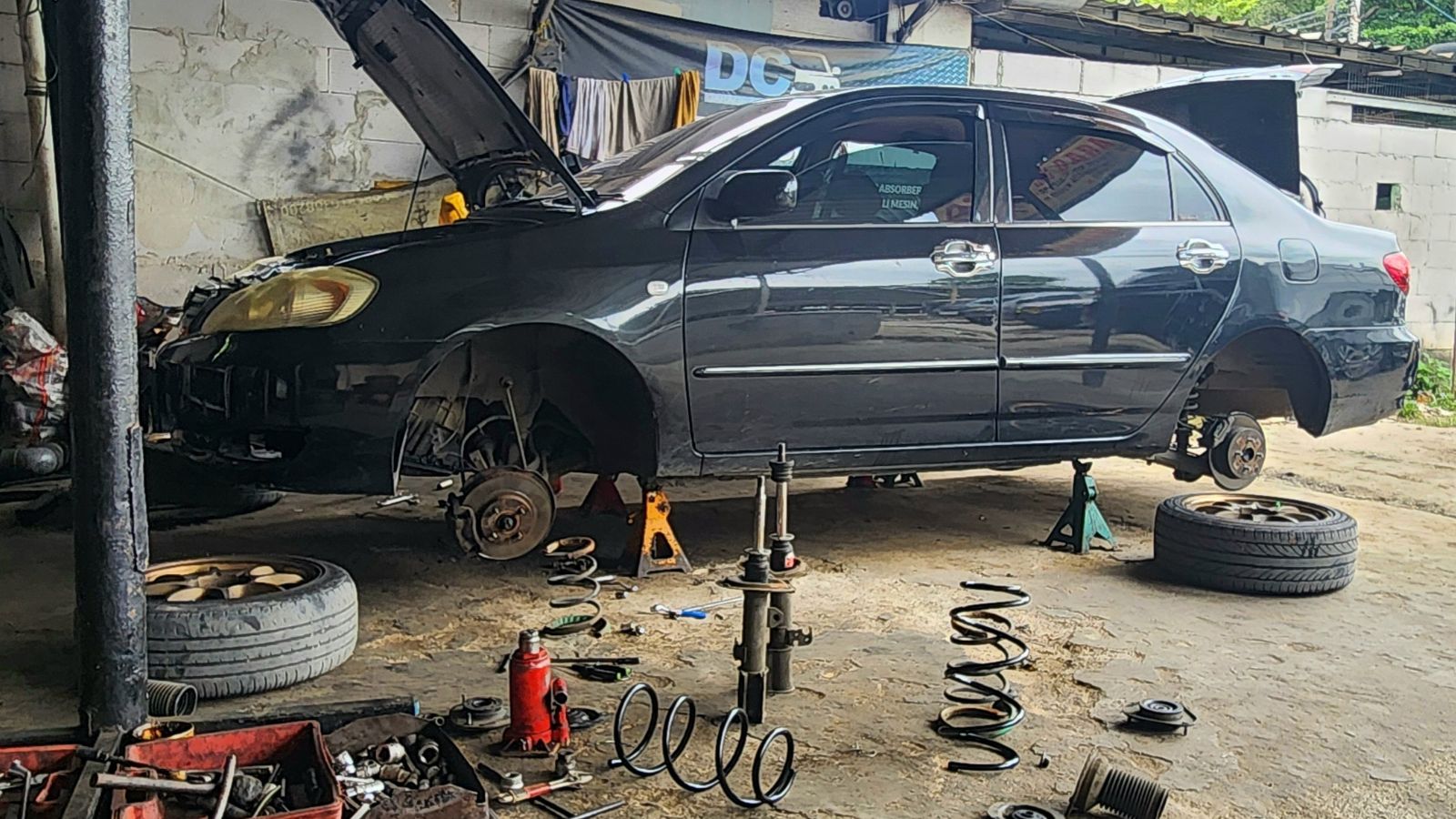
A tire swap does not undo what winter roads may have done underneath the vehicle. Potholes, frost heaves, and curb impacts can knock alignment slightly out or leave a wheel out of balance. Then the new season begins with a tire problem that looks mysterious even though the real cause arrived weeks earlier.
Transport Canada says wheel alignment should be checked once a year or when there is uneven or rapid edge wear. It also notes that misalignment can increase fuel consumption, reduce tire life, and create handling problems, while imbalance can cause shaking, bald spots, and extra suspension wear. CAA Niagara adds that even one pothole or bump can throw alignment off. If the steering wheel vibrates, the car drifts, or one shoulder of the tread is wearing faster, the swap is only half-finished until those issues are addressed.
Driving Away Without Retorquing the Wheels
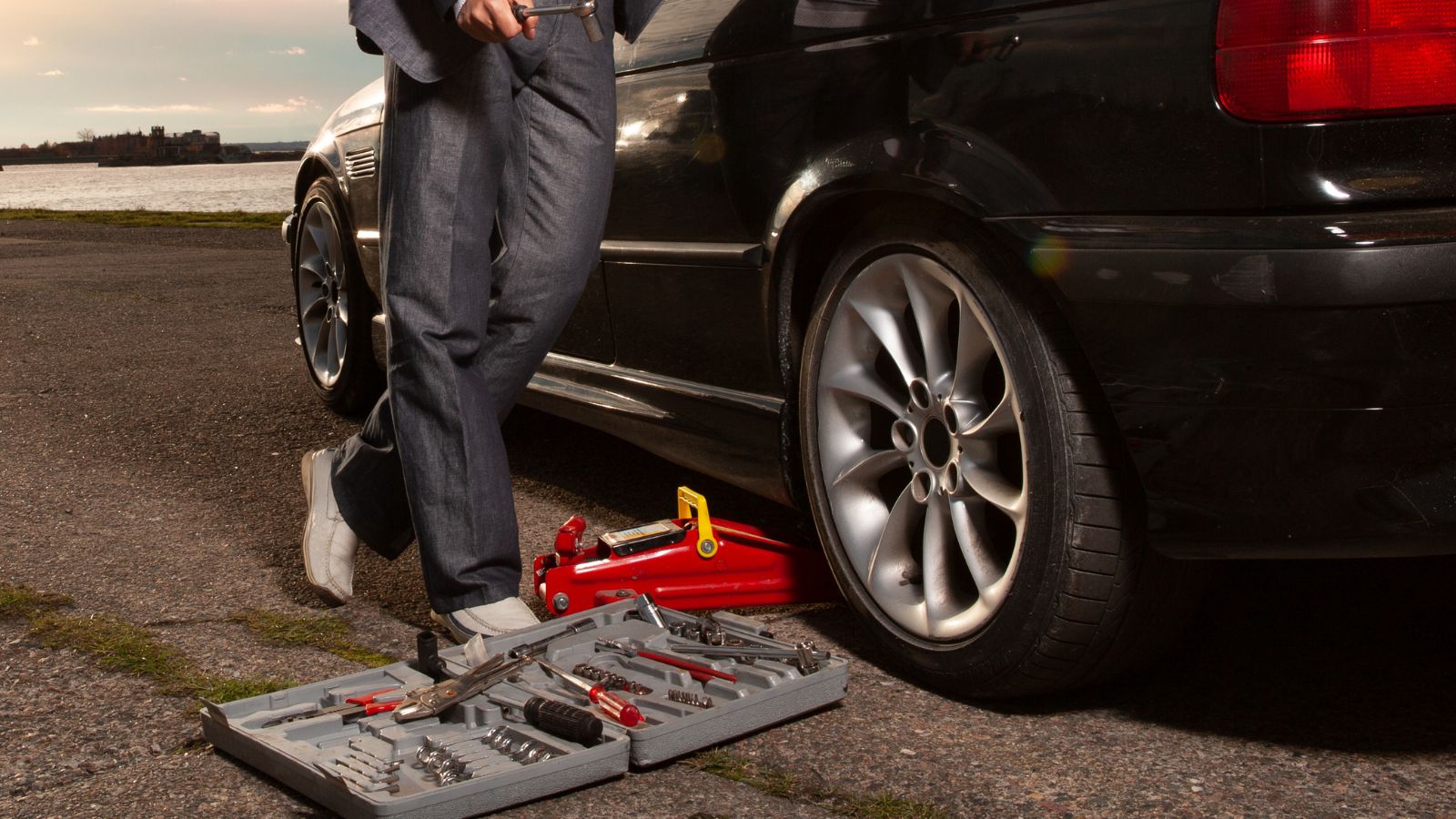
Spring tire service often feels complete the moment the vehicle leaves the bay or driveway. In reality, one small follow-up still matters: retorquing the wheel nuts after the first stretch of driving. It is the sort of instruction many people hear and forget, partly because the car may feel perfectly normal in the meantime.
CAA North & East Ontario recommends retorquing wheel nuts within 100 kilometres after installation, while CAA South Central Ontario gives a similar range of 100 to 150 kilometres. The reason is simple: torque needs to match the vehicle manufacturer’s specification so the wheel is secured properly and evenly. This is not dramatic advice, but it is practical advice. Seasonal tire changes involve repeated mounting and removal, and spring is exactly when small oversights can slip through because the job feels routine.
Ignoring the TPMS Warning or Forgetting the System Reset

Dashboard tire warnings are easy to dismiss after a seasonal swap because many drivers assume the light is merely confused. Sometimes it is, but that does not make it safe to ignore. Tire-pressure monitoring systems vary by vehicle, and some only warn when a tire is already significantly underinflated. That means a driver who delays checking the light may be closer to a real problem than expected.
Transport Canada says TPMS warnings can appear after tire changes or rotations if the system is not reset, and that some systems may not work properly unless the correct sensors are installed. It also stresses that TPMS does not replace monthly pressure checks. In other words, the warning light is not the maintenance plan; it is a backup. Treating it like a nuisance instead of a prompt is a classic spring mistake, especially when sensor batteries, new rims, or missing relearn steps are part of the swap.
Storing the Off-Season Set Like Garage Clutter
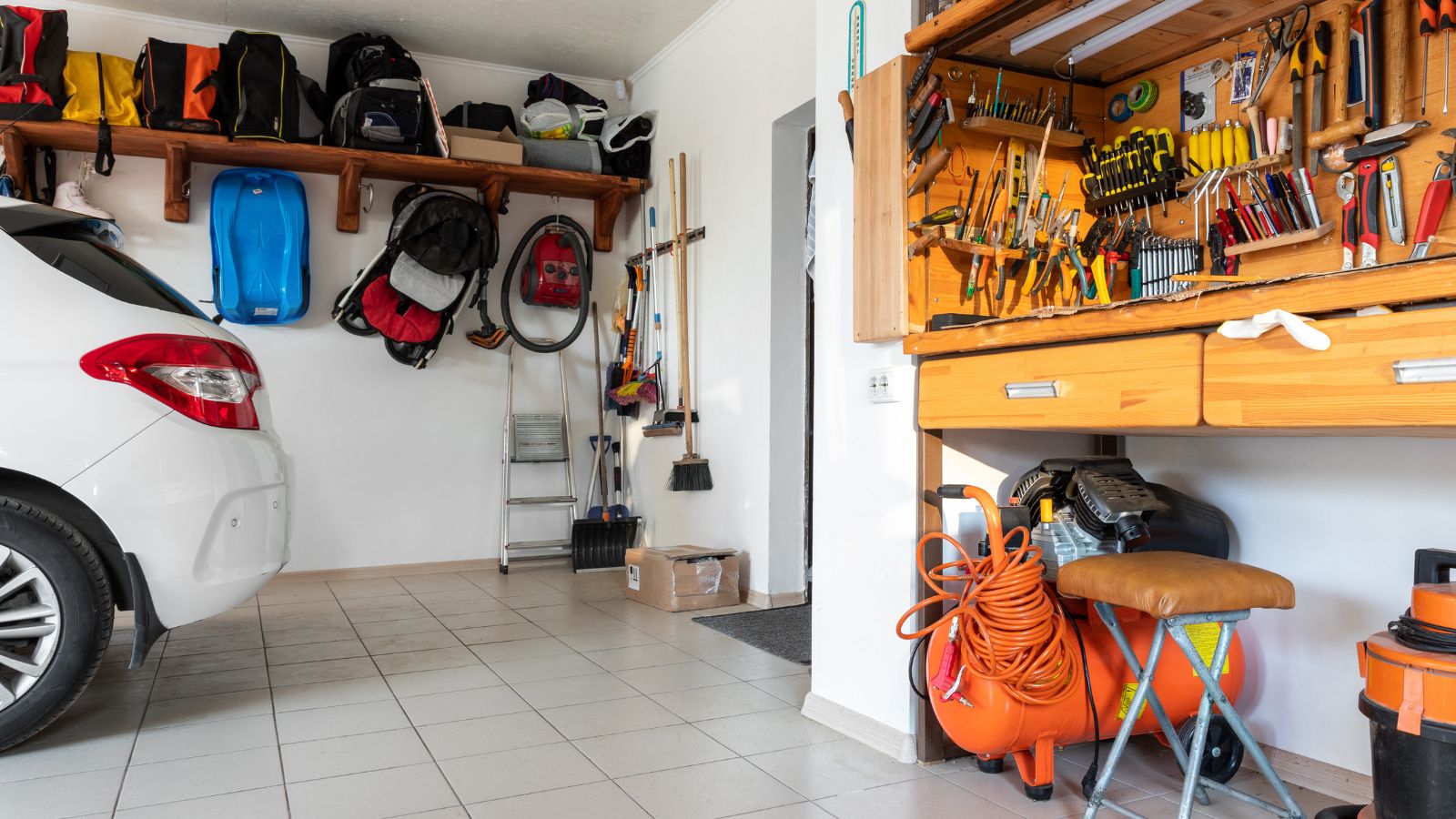
The final mistake happens after the tires come off. Too many sets end up stacked in hot garages, left beside furnaces, parked in direct light, or dropped on damp concrete without another thought. Storage sounds boring, but it has a direct effect on how well a tire ages before next season arrives.
CAA North & East Ontario recommends a cool, dark indoor space away from heat and UV, and says tires should be kept off the floor on a rack or wooden pallet. Transport Canada similarly says tires should be stored upright in a clean indoor location away from sunlight, heat, ozone sources, and hydrocarbons. Michelin echoes that advice and specifically warns against heat, direct sun, and chemical exposure. Drivers often spend serious money on seasonal sets, then shorten their life with careless storage. Spring savings are easily lost in summer neglect.
22 Things Canadians Do to Their Cars in Spring That Mechanics Hate

Spring brings relief to many Canadian drivers after months of snow, freezing temperatures, and icy roads that put serious strain on vehicles. As temperatures rise across the country, drivers begin washing cars, switching tires, and preparing vehicles for warmer weather and upcoming road trips. However, mechanics across Canada notice the same mistakes every spring when drivers attempt to recover from winter damage. Road salt, potholes, and harsh winter driving conditions often leave vehicles with hidden problems that drivers ignore. Some spring habits even create new mechanical issues that could have been avoided with proper maintenance. Here are 22 things Canadians do to their cars in spring that mechanics hate.