

























The spring SUV market can be seductive. Fresh inventory arrives, family-road-trip season starts, and shoppers who have spent months waiting suddenly feel pressure to act before another trim disappears. That is usually when regret sneaks in—not because every SUV on the lot is bad, but because the monthly reality can look very different from the showroom promise. Fuel bills, insurance, recalls, theft risk, awkward pricing, and mismatched everyday usability tend to matter more by July than they did on test-drive day.
These 17 SUVs stand out as models Canadians may want to think twice about this spring. Some are too thirsty for their mission. Some are too expensive for what they deliver. Others carry enough baggage in recalls, theft exposure, or value math to make a rushed purchase feel heavier than expected.
Jeep Grand Cherokee
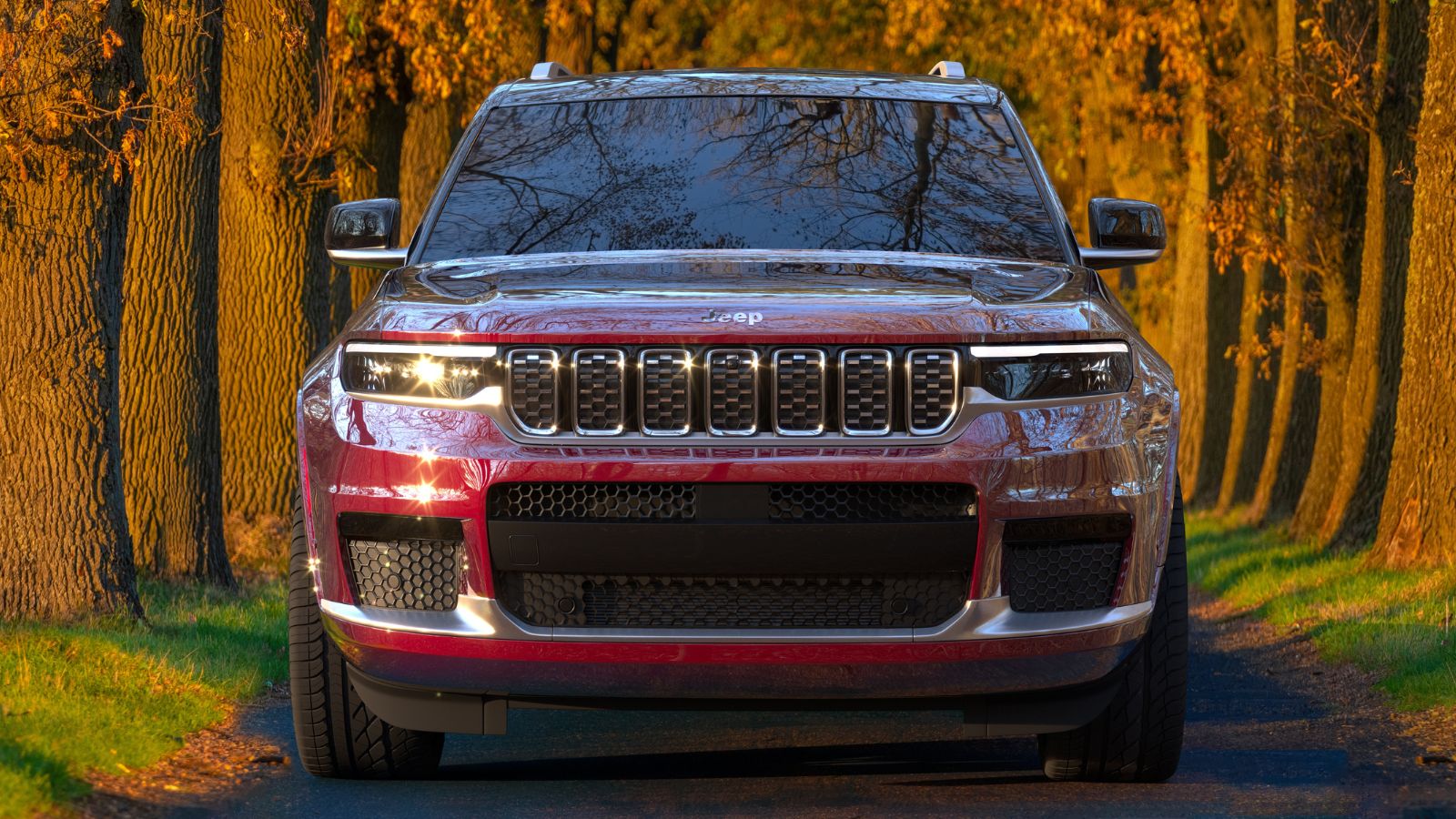
The Grand Cherokee still knows exactly how to win shoppers over. It looks upscale, carries the Jeep badge with real presence, and feels more substantial than many mid-size crossovers. For buyers coming out of something older and rougher, it can feel like the perfect spring upgrade: comfortable, capable, and premium enough to scratch the luxury itch without crossing fully into luxury-brand pricing. That is the trap. Once the glow fades, some owners realize they paid a lot for an SUV that is neither the most efficient, nor the roomiest, nor the easiest to own worry-free.
The regret case usually builds slowly. Fuel economy is only okay for the class, pricing climbs quickly, and older Grand Cherokees remain on Canada’s theft radar. Add in recall history, and the ownership picture starts to feel heavier than the elegant first impression suggested. For a buyer who mostly commutes, runs errands, and needs occasional family duty, the Grand Cherokee can wind up feeling like a stylish compromise rather than a clear win. It makes more sense for shoppers who truly need its towing, winter confidence, and traditional Jeep character than for those simply chasing a rugged-looking daily driver.
Jeep Compass
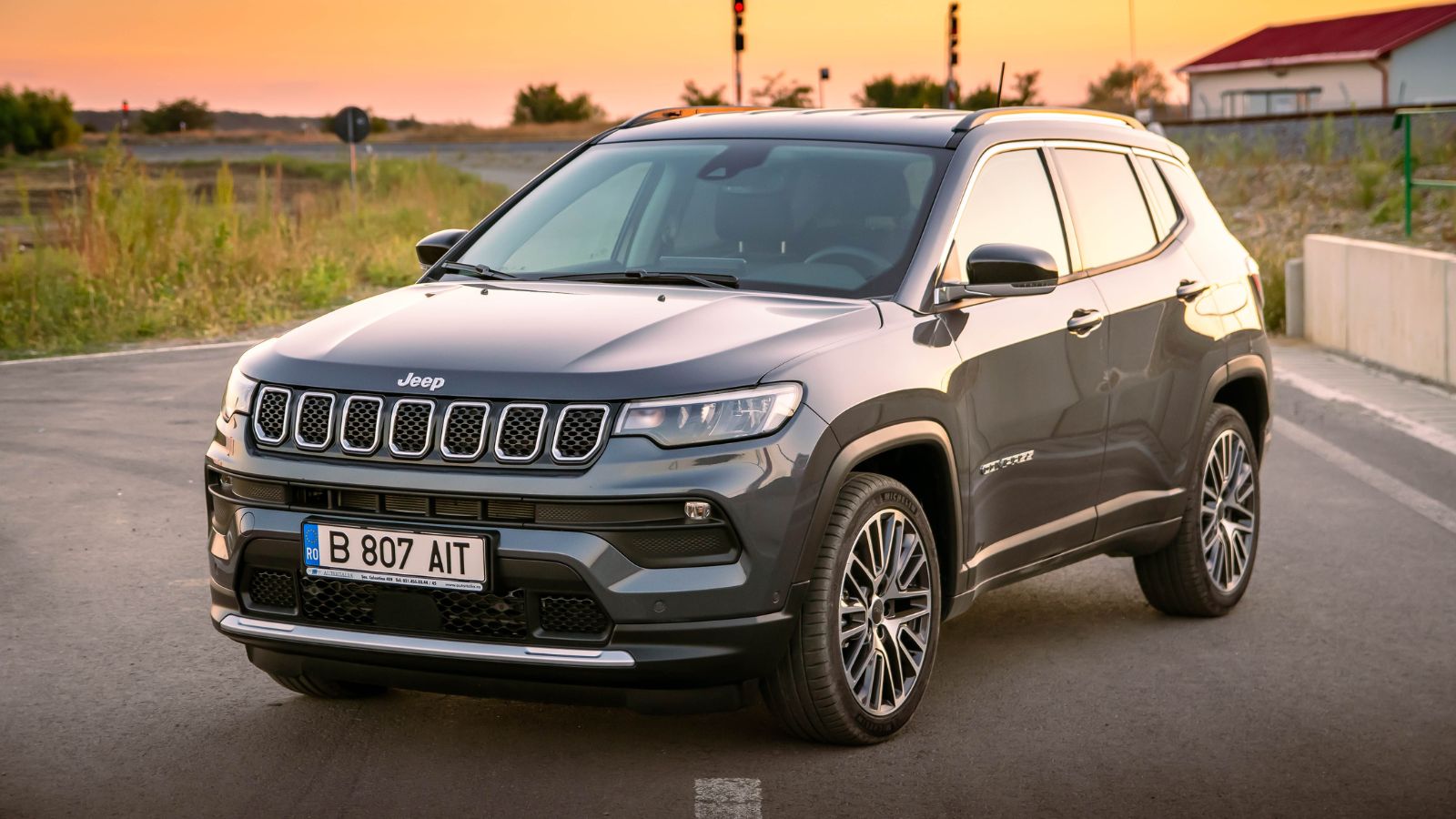
The Compass is one of those SUVs that can make sense for about ten minutes. In photos, it looks sharp, tidy, and tougher than many compact crossovers. In a Jeep showroom, it also benefits from association. Parked beside a Wrangler or Grand Cherokee, it feels like an affordable entry into the same world. That emotional pull is real, especially in spring when small SUVs are flying off lots and buyers want something that feels a bit more adventurous than a standard commuter appliance.
The problem is what happens when the numbers are stacked against the segment. Compass pricing can move uncomfortably close to better-rounded alternatives, while its everyday payoff is less convincing once the honeymoon ends. This is not the compact SUV many people buy and later describe as a hidden bargain. It is more often the one that leaves them wondering whether they paid too much for a badge, some styling, and an idea of capability they rarely use. Buyers who mostly want value, rear-seat space, smoothness, and strong long-term confidence often end up seeing the Compass not as a smart spring buy, but as a purchase they should have cross-shopped harder.
Jeep Wrangler 4xe
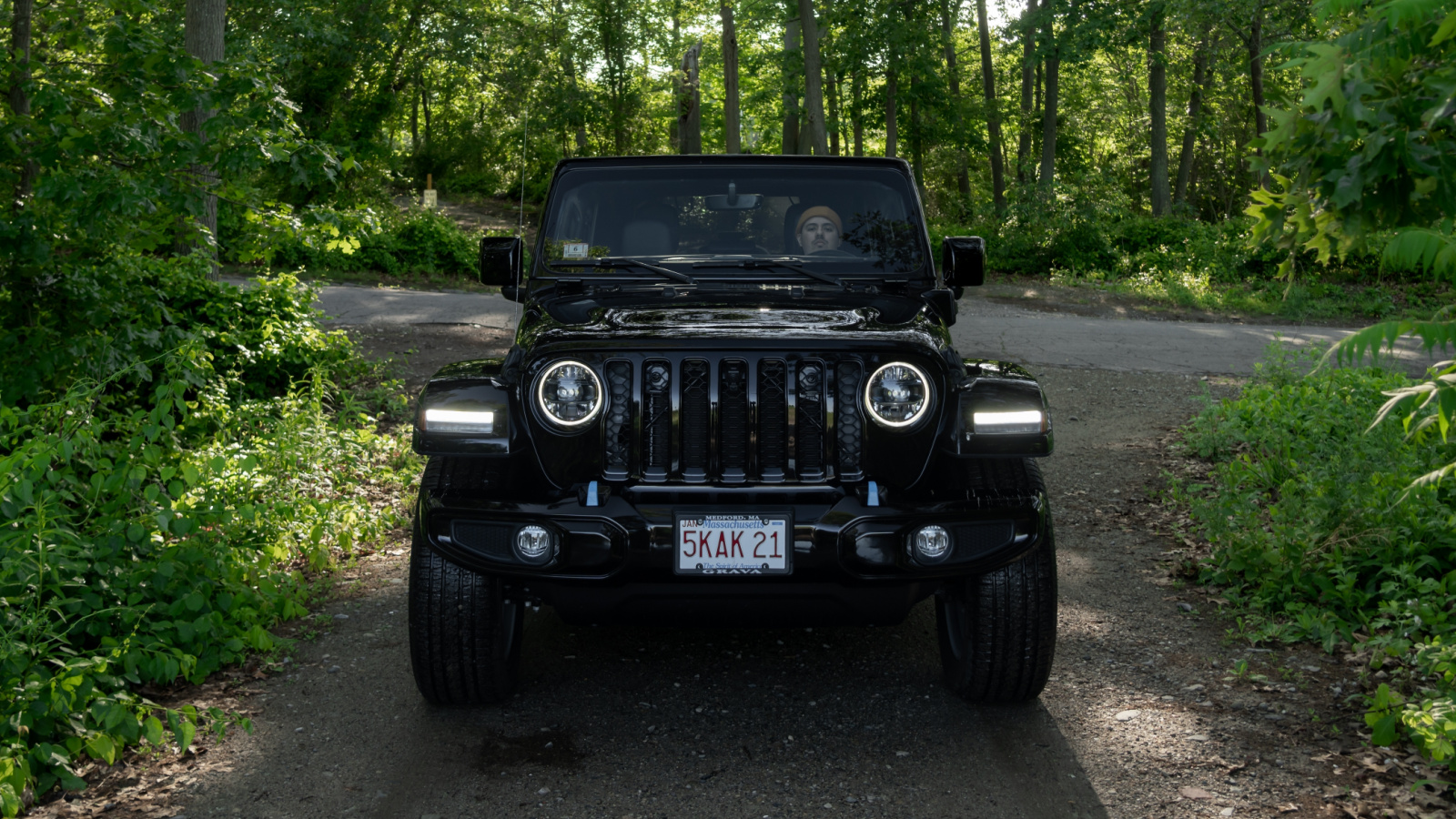
The Wrangler 4xe sells a dream better than almost any SUV here. It promises open-air Jeep fun, plug-in-hybrid efficiency, and off-road credibility in one package. On paper, that is a powerful mix for spring shoppers who want a lifestyle vehicle that feels modern enough to justify the cost. A buyer can easily talk themselves into it: use electric driving during the week, hit the trails or cottage roads on weekends, and enjoy the best of both worlds. Few SUVs are better at making practical logic feel emotional.
That blend is exactly why regret can sting. The Wrangler remains a Wrangler first, which means ride comfort, wind noise, and daily civility still ask for compromises. Once battery-related recalls enter the picture, the idea of easy electrified ownership gets shakier. For some buyers, the 4xe ends up being neither the calm commuter they wanted nor the simple old-school toy they romanticized. It becomes an expensive vehicle with complexity, character, and some real appeal—but also enough ownership baggage that spring excitement can turn into second thoughts by the time summer road-trip season arrives.
Ford Explorer
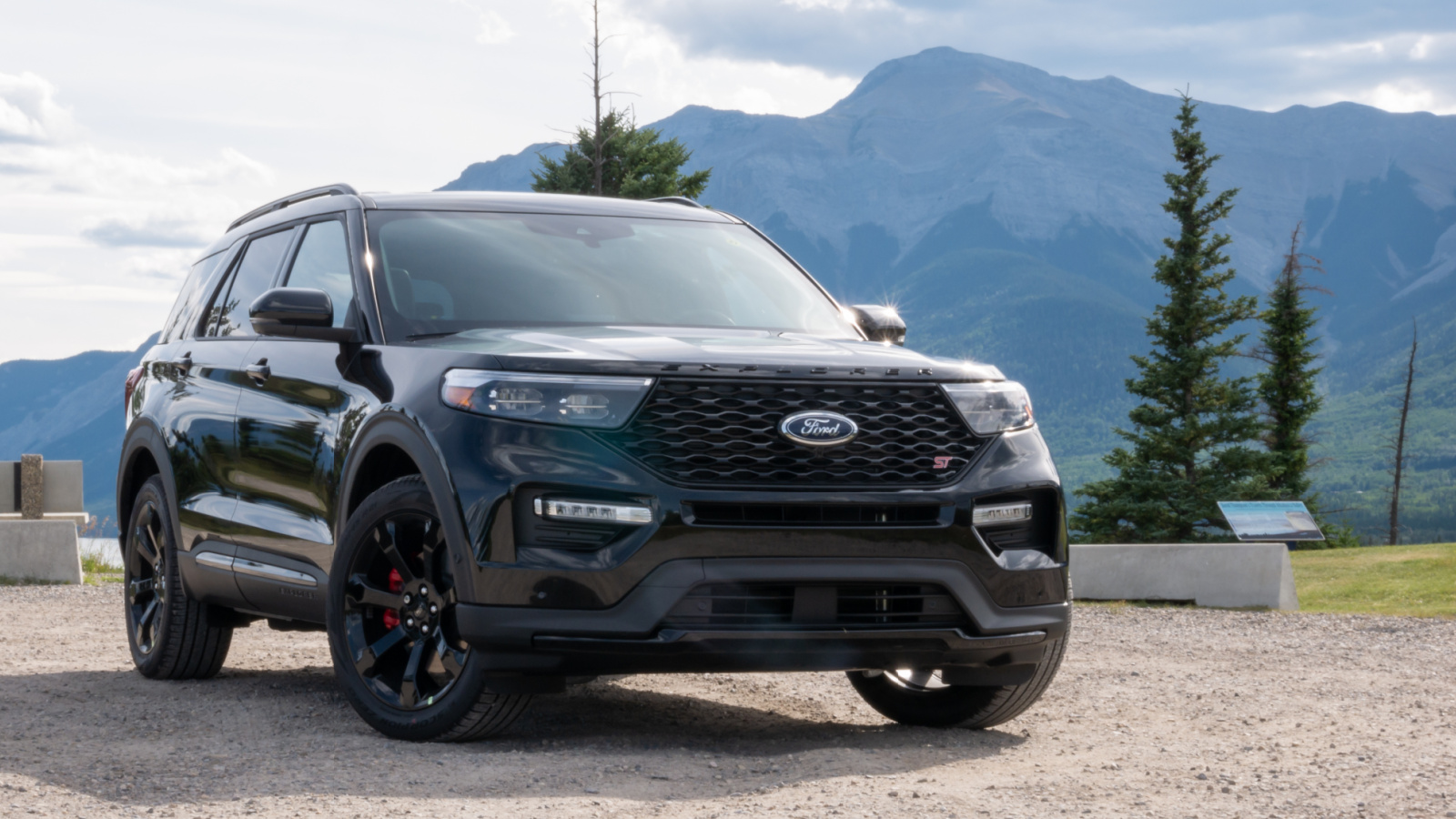
The Explorer still carries plenty of name recognition in Canada, and that matters. It has the right shape, the right size, and the right kind of familiarity for buyers moving up into a three-row SUV. In spring, it is especially tempting because it feels like a do-everything answer: enough room for family duties, enough stance to feel substantial, and enough powertrain choice to make the lineup look flexible. The issue is that many shoppers are not really buying the Explorer for what it does best. They are buying it because it feels like a safe default.
That is where regret often starts. Once the monthly payments, real-world fuel use, and packaging choices settle in, the Explorer can feel more ordinary than expected for the money. Buyers expecting a premium-leaning experience often realize they are still in a mainstream three-row that is merely competent, not especially standout. That does not make it a bad SUV. It makes it a potentially disappointing one for people who expect the badge and size alone to guarantee satisfaction. The Explorer tends to reward buyers who know exactly why they want it, but it can leave impulse upgraders wondering why they did not compare more carefully before signing.
Ford Bronco Sport
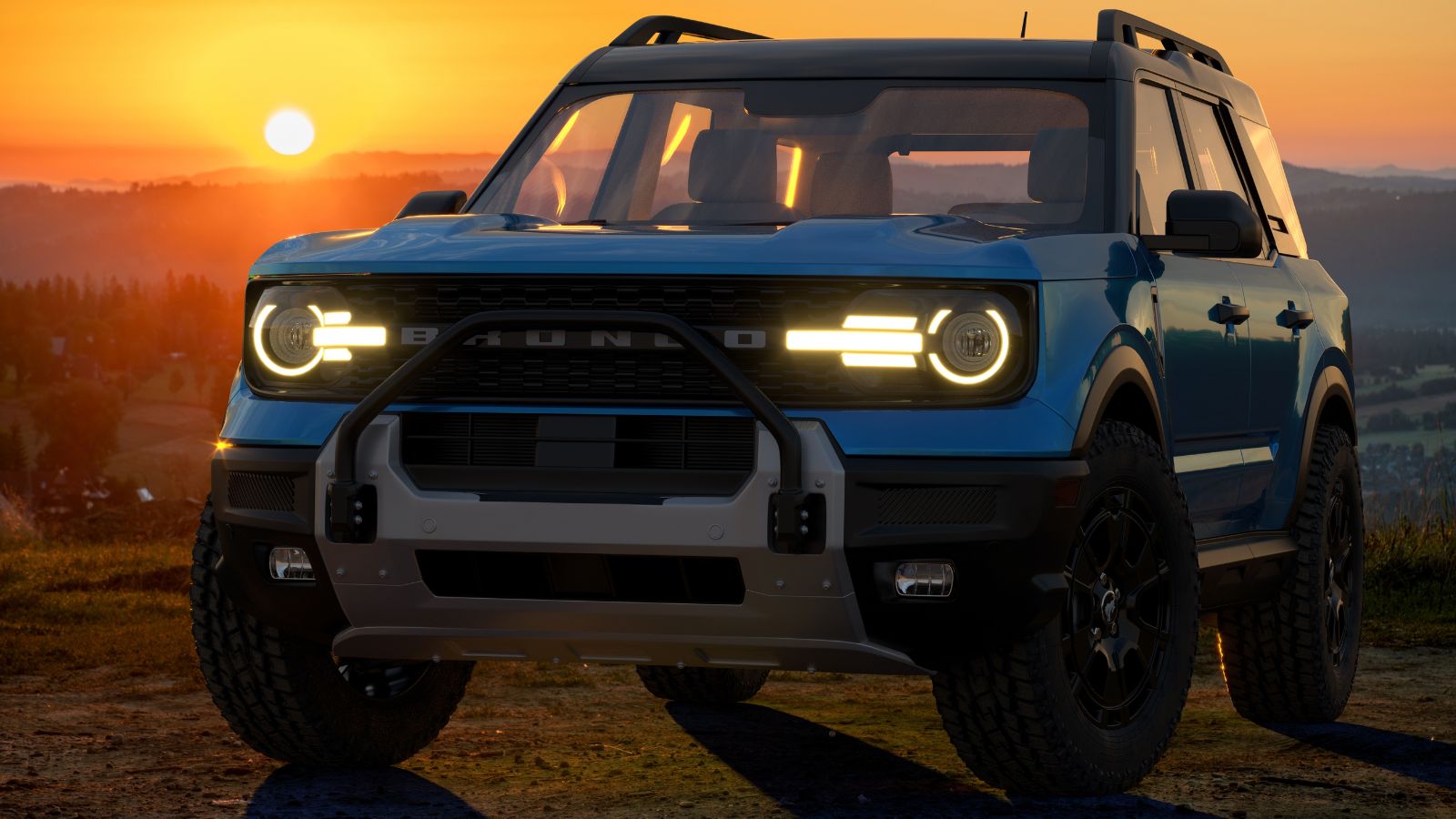
The Bronco Sport is easy to like on a first walkaround. It has personality, upright proportions, and just enough outdoorsy credibility to feel different from the usual compact SUV crowd. Spring only makes it more appealing, because dealers and marketing photos tend to frame it as the spontaneous-weekend machine: bikes, trails, roof gear, muddy roads, and fresh air. For a buyer bored by anonymous crossovers, that pitch lands hard. It feels like a practical escape plan that still fits in a city parking spot.
The problem is that some buyers end up paying for the image more than the everyday payoff. Depending on trim and engine, fuel use can drift away from what people expect from something this size, and pricing can climb into territory where calmer, roomier, or more polished alternatives begin to look smarter. In regular life, many owners are not tackling forestry roads every weekend. They are commuting, grocery shopping, and driving kids around. In that routine, the Bronco Sport’s character may still charm, but it does not always compensate for the sense that the buyer paid extra to feel adventurous rather than to solve daily needs better.
Chevrolet Tahoe
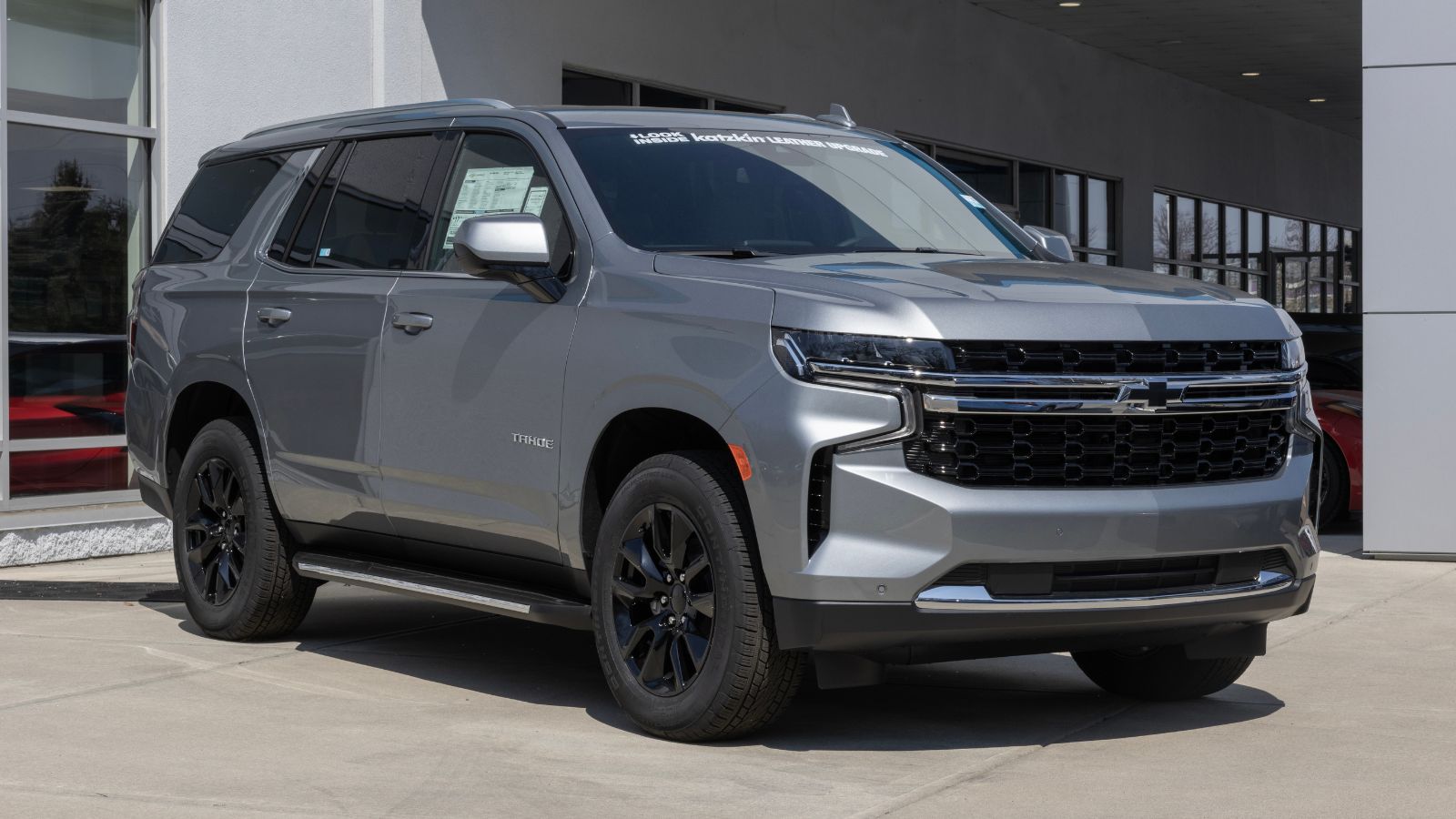
The Tahoe is a classic case of buying more SUV than life actually requires. On the right driveway, it makes perfect sense: large family, towing needs, hockey gear, cottage trips, and a real appetite for full-size comfort. It has presence, genuine capability, and the kind of cabin space that makes crowded spring travel weekends easier. That is why Canadians keep looking at it. For shoppers graduating from a mid-size SUV, the Tahoe can feel like the point where compromises finally disappear.
Then the ownership reality arrives. Full-size SUV convenience comes with full-size SUV costs, and the Tahoe is not shy about that. Fuel use can be punishing, upper trims get expensive in a hurry, and day-to-day errands suddenly involve much more vehicle than many households actually need. A buyer who only occasionally fills all the seats may love the first long trip, then quietly resent the next fifty fuel stops and downtown parking maneuvers. Regret here is rarely about quality. It is about mismatch. The Tahoe can be excellent, but for the wrong buyer it becomes a giant monthly reminder that “just in case” is an expensive reason to size up.
Chevrolet Suburban
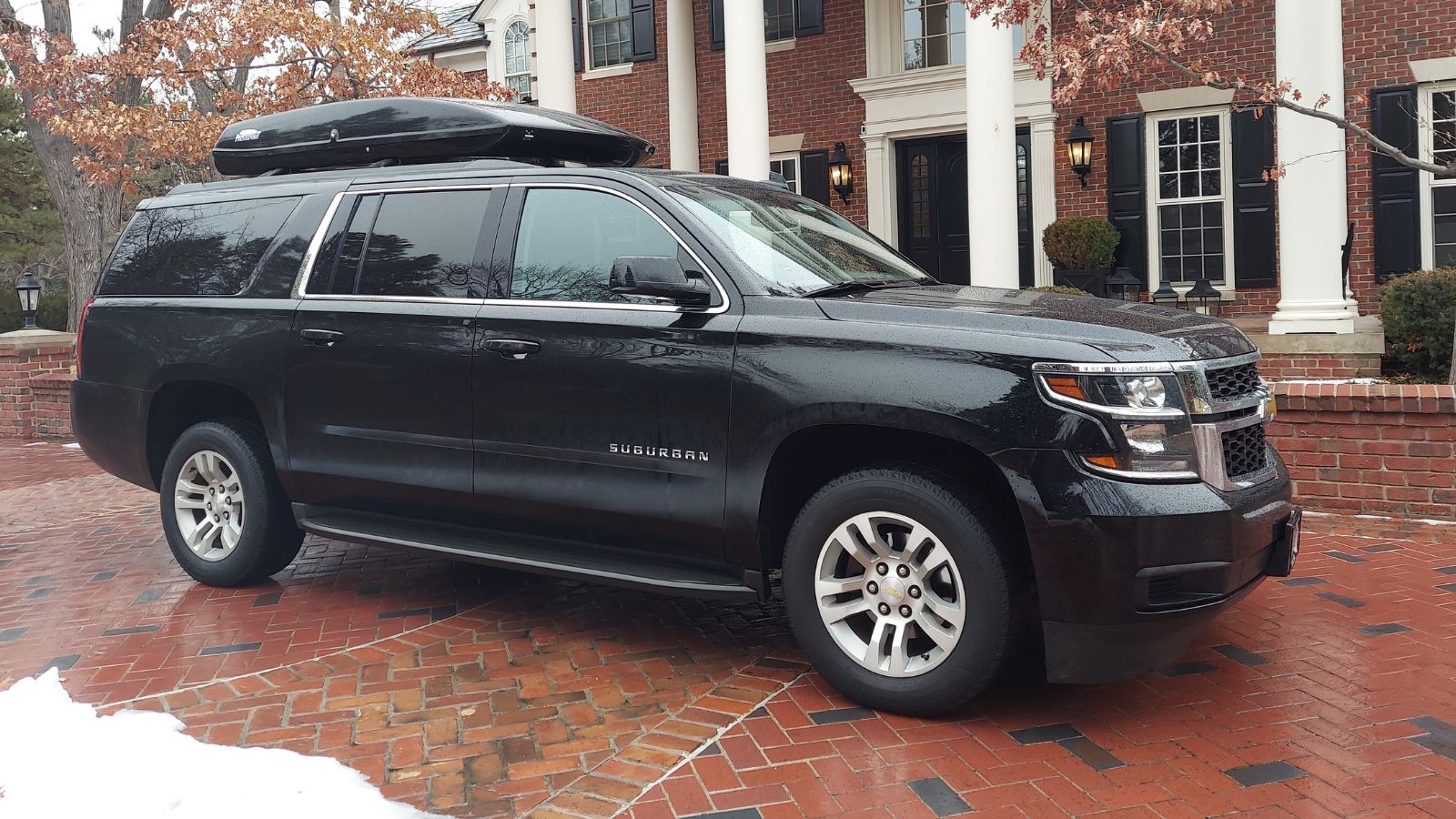
The Suburban takes the Tahoe formula and stretches it into something even more specialized. For a certain kind of Canadian household, that is a blessing. There are few better tools for swallowing luggage, sports equipment, extra passengers, and road-trip chaos while still towing confidently. In spring, that can sound irresistible to buyers planning cottage weekends, summer drives, and family logistics that seem to multiply overnight. If the goal is maximum space with a familiar badge, the Suburban almost always gets serious consideration.
But this is one of the easiest SUVs on the market to overbuy. Its length, fuel appetite, and price make sense only when a family truly uses that extra capacity often. Otherwise, the Suburban starts feeling like a commercial-grade answer to a personal problem that was never that large. The regret usually shows up in the small moments: school pickup lines, tight underground garages, and every fuel fill that reminds the owner this thing is engineered for abundance, not restraint. People who genuinely need a Suburban tend to know it. Everyone else risks falling for the fantasy of limitless space and later realizing they bought a solution designed for a bigger life than their own.
Dodge Durango
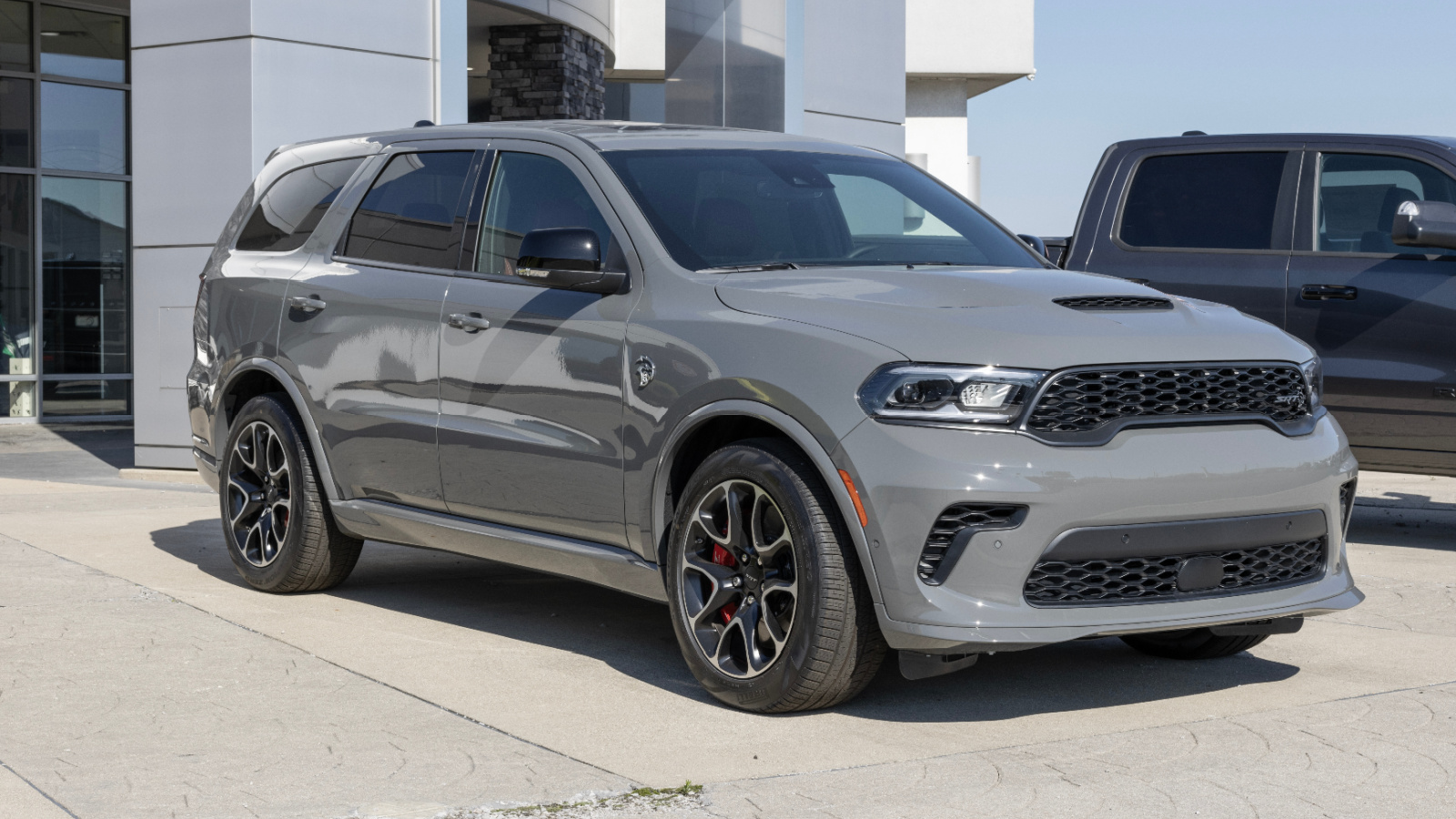
The Durango keeps surviving because it still has a certain swagger. It looks muscular, offers real towing capability, and feels more truck-like than the softer crossovers that dominate family-SUV lots. For some buyers, that alone makes it appealing. In spring, when people are planning trailers, road trips, and a more active season, the Durango can feel like a practical way to get V6 or V8-style confidence without jumping to a full-size truck or SUV. It sells on attitude, and it still sells it convincingly.
The trouble is that attitude can age faster than people expect. The Durango is not the freshest answer in the segment, and shoppers who buy it for toughness sometimes realize later they also bought old habits: heavier fuel use, less overall polish, and a cabin experience that can feel less current than newer rivals. It remains useful, but usefulness is not the same as value. For families whose real life consists mostly of commuting and routine errands, the Durango can start to feel like a spring fling that lingered too long—exciting at purchase, then increasingly harder to justify once the novelty of its brawny image wears off.
Toyota 4Runner
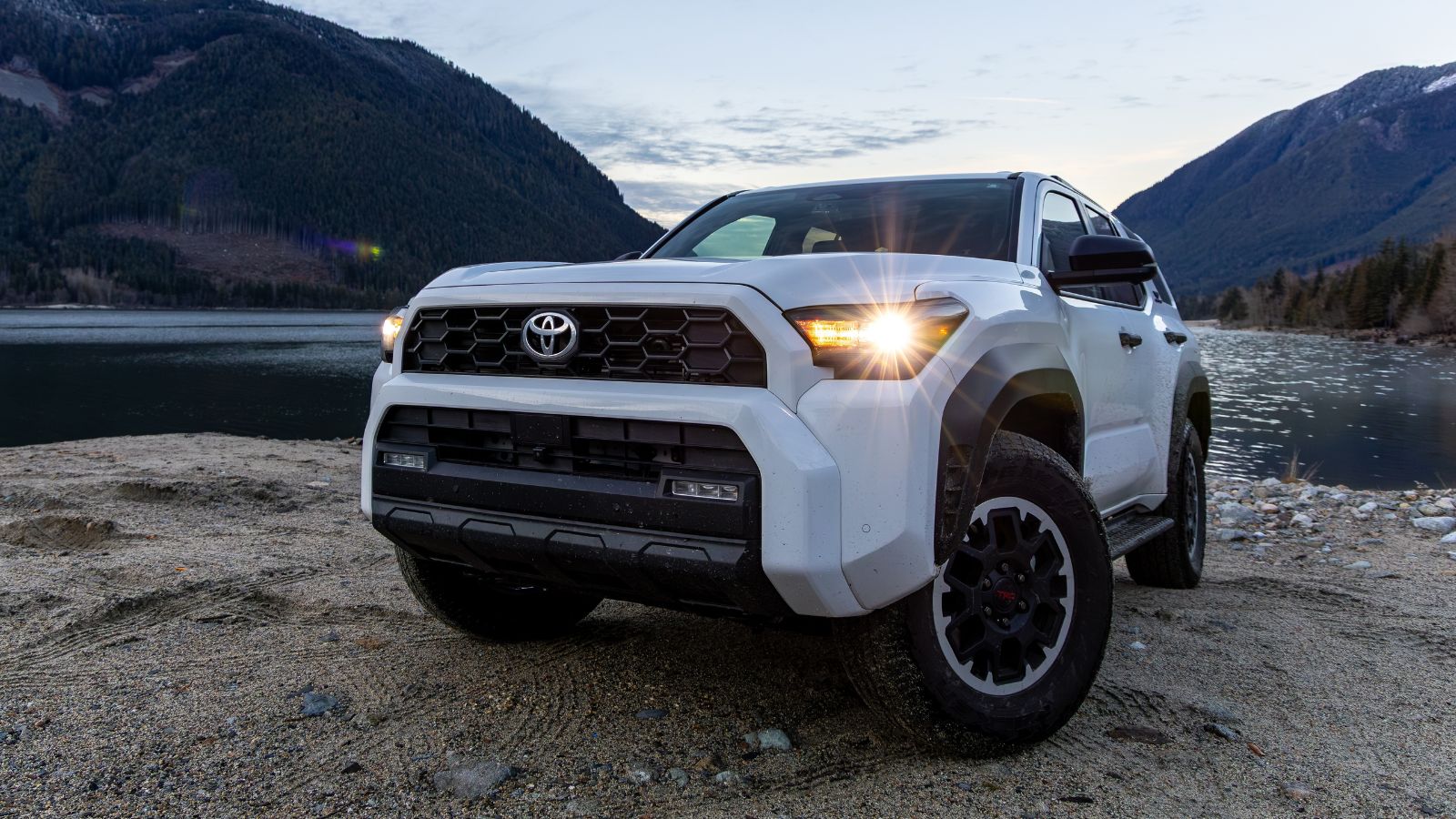
The 4Runner has one of the strongest reputations in the SUV world, which is exactly why it can lead to regret. Buyers know it is durable, iconic, and genuinely capable off-road. The new-generation version also carries a huge amount of anticipation, making it feel like one of the most exciting rugged SUVs a Canadian can buy this spring. That excitement matters. The 4Runner does not sell on softness or urban practicality; it sells on honesty, toughness, and the promise that it will still feel relevant years from now.
Yet that same honesty can become a problem for shoppers who never needed a body-on-frame SUV in the first place. The 4Runner remains a specialized answer. It is taller, heavier-feeling, and more compromise-heavy than the average family crossover, and pricing can get serious quickly. Buyers who imagine themselves as adventurous often love the idea of a 4Runner more than the daily experience of living with one. A muddy trailhead vehicle can be deeply satisfying. A school-run and Costco vehicle dressed as one can feel needlessly demanding. The 4Runner is easy to admire, but that is different from being the smartest spring purchase for ordinary suburban use.
Volkswagen Atlas
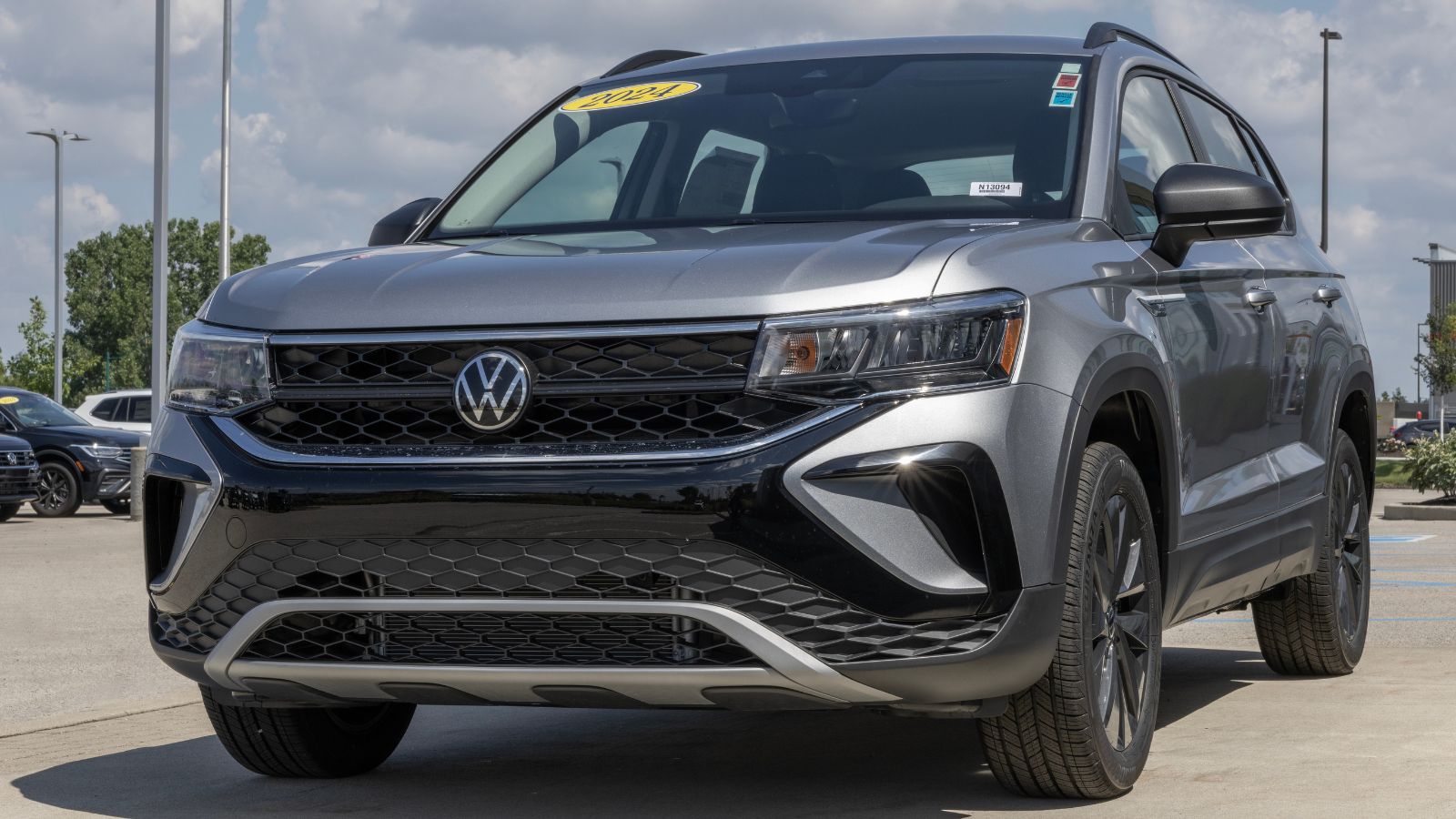
The Atlas is one of the better examples of a vehicle that can impress a shopper and still disappoint an owner. First contact is usually positive: it is roomy, family-friendly, easy to look at, and refreshingly straightforward in the way it uses space. In spring, that matters because a lot of households are shopping for summer-travel practicality, and the Atlas presents itself as a calm, grown-up answer. It does not try too hard. It simply looks like it can carry seven people and their stuff without drama.
Regret starts when buyers realize how expensive and thirsty a “simple” solution can become. The Atlas is large, and large has consequences in fuel spending and trim pricing. For some families, the cabin and packaging justify that. For others, the feeling after a few months is less flattering: they bought the easy choice, but not necessarily the efficient or best-value one. Because it lacks the rugged mythology of a 4Runner or the luxury aura of a premium badge, the Atlas also has less emotional cushion when the ownership math stops feeling attractive. It can be a smart buy, but it is also one of those SUVs that can leave practical shoppers asking whether practicality alone was worth the bill.
Mazda CX-90 PHEV
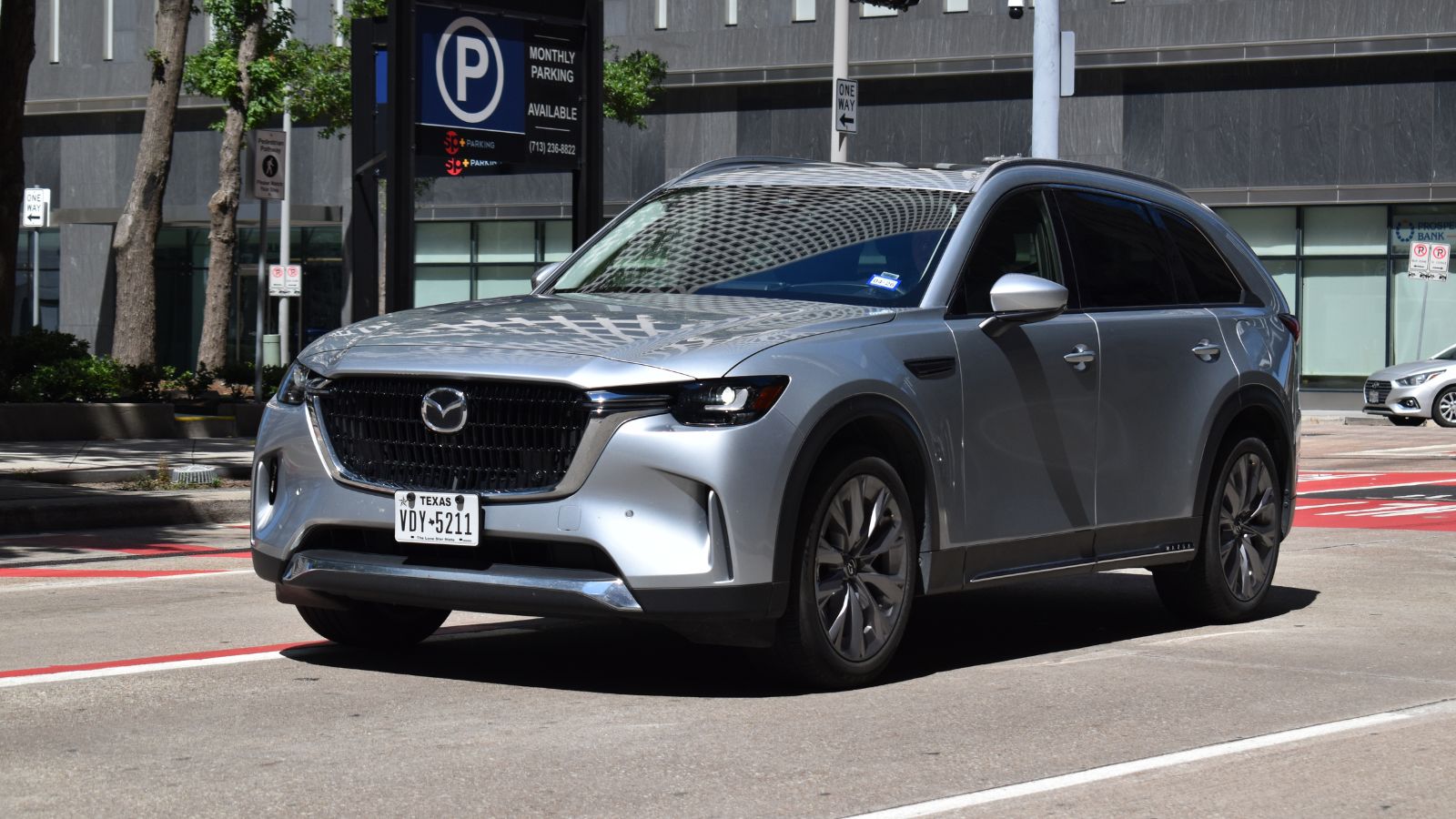
The CX-90 PHEV is one of the most tempting sophisticated choices on the market. It looks expensive, drives with more ambition than many three-row rivals, and offers the kind of plug-in-hybrid pitch that sounds tailor-made for Canadian suburbia: short weekday trips on electricity, gasoline backup for weekends, and a cabin that feels a notch above the mainstream crowd. For shoppers who want to feel smart and slightly upscale at the same time, it is a compelling spring test drive.
That is precisely why regret can hit hard when expectations are too rosy. Plug-in hybrids ask more of owners than regular gas SUVs do. They reward consistent charging habits, the right kind of commute, and some tolerance for complexity. Add in recall history, and the polished premium impression can take on a more experimental feel than some buyers bargained for. A CX-90 PHEV can absolutely make sense for disciplined owners with the right driving pattern. But for buyers who mainly want a beautiful, premium-feeling family SUV with zero extra thought, it risks becoming the kind of clever purchase that felt brilliant in April and mildly exhausting by August.
Mitsubishi Eclipse Cross
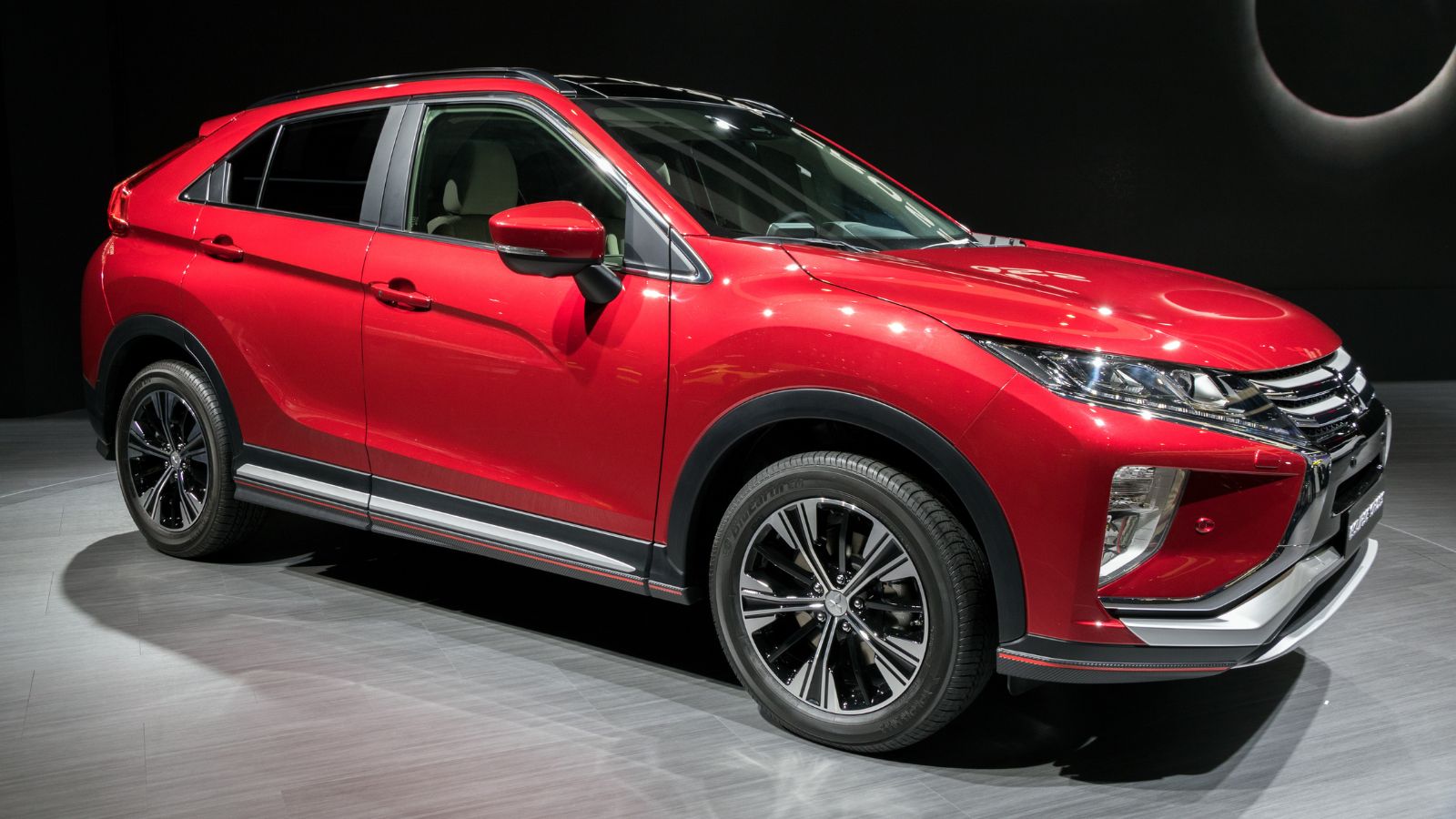
The Eclipse Cross lives in that dangerous zone where a vehicle can look more distinctive than it actually feels to own. Mitsubishi’s all-wheel-drive credibility gives it a bit of Canadian legitimacy, and the styling is not anonymous. For a shopper trying to avoid the same compact-SUV shortlist everyone else is shopping, that can be enough to get the Eclipse Cross onto the final list. It also often appears affordable at first glance, which matters in a spring market where payments still feel stubbornly high.
The regret case is fairly simple: after the novelty of not buying the obvious choice wears off, buyers can start to question what exactly they got in return. Fuel economy is not especially impressive for a compact SUV, power is modest, and the overall package can feel more like a passable alternative than a genuinely smart contrarian buy. That is the danger with second-tier choices in popular segments. They do not have to be terrible to disappoint; they only need to be clearly less satisfying than the rivals a buyer could have had. The Eclipse Cross may fit some budgets, but it is also the kind of spring purchase that can trigger a lot of “maybe we should have just bought the other one” conversations.
Nissan Rogue
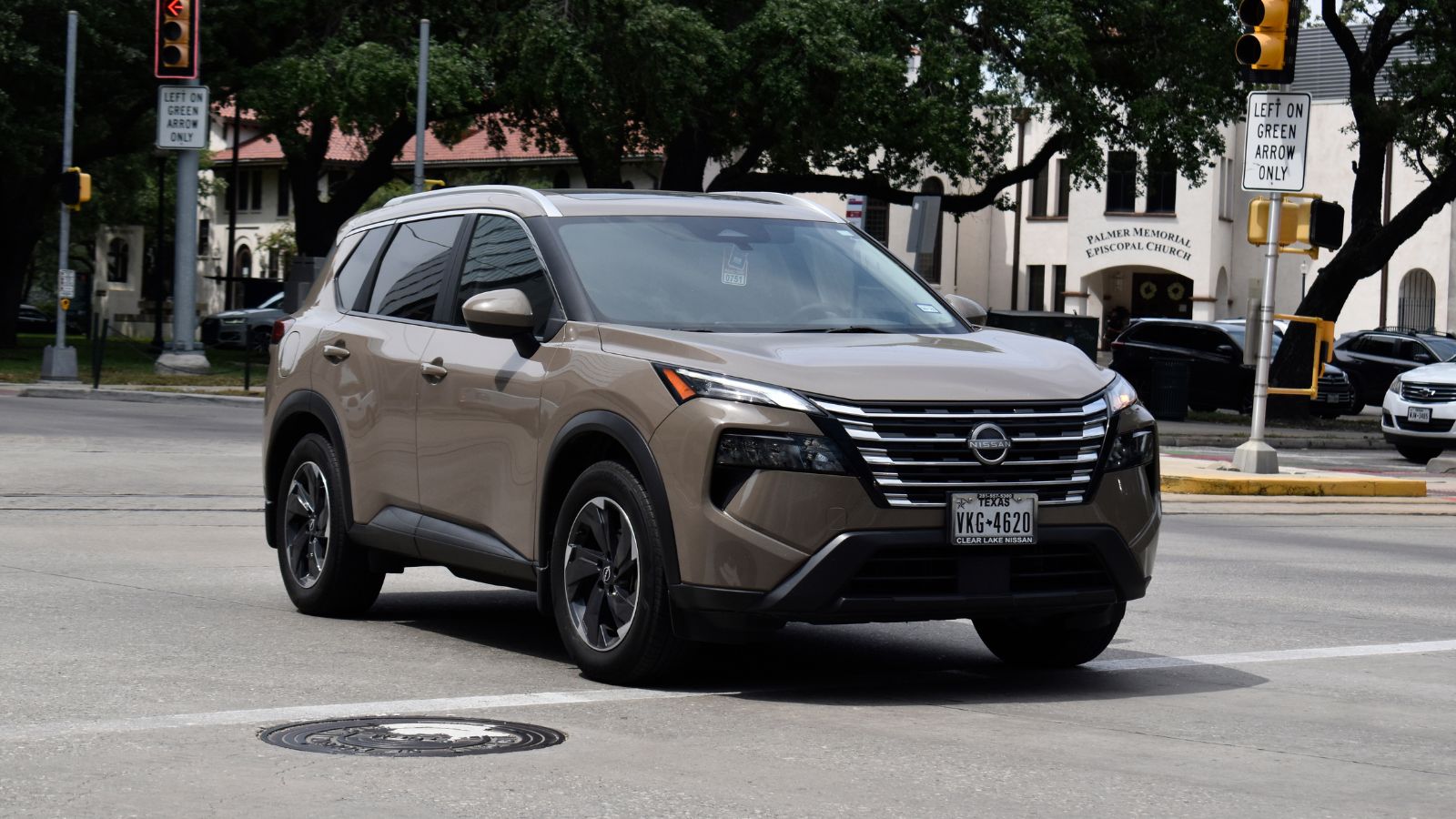
The Rogue is the type of SUV that often looks too sensible to regret. It rides well, offers a family-friendly footprint, and usually presents itself as a balanced middle ground in the compact class. That is why it can be easy to overlook the ways regret develops. Buyers often choose the Rogue because it feels safe, measured, and familiar. In a high-pressure spring shopping season, that can be enough. It does not need to be exciting if it seems like a competent answer to almost everything.
But competence is a tricky thing to pay for if confidence starts wavering. Transport Canada has documented a closed defect investigation linked to engine-failure concerns on certain Rogues with the 1.5-litre VC-Turbo engine, with a recall issued by the manufacturer. Even when a recall exists, that kind of history can chip away at the peace of mind people are usually buying in this segment. Add in the reality that compact SUV competition is ruthless, and the Rogue can become easier to second-guess than it first appears. It is not a disastrous choice. It is simply one that can feel much less “safe” if the ownership story becomes more eventful than buyers hoped when they picked the sensible option.
Lexus RX
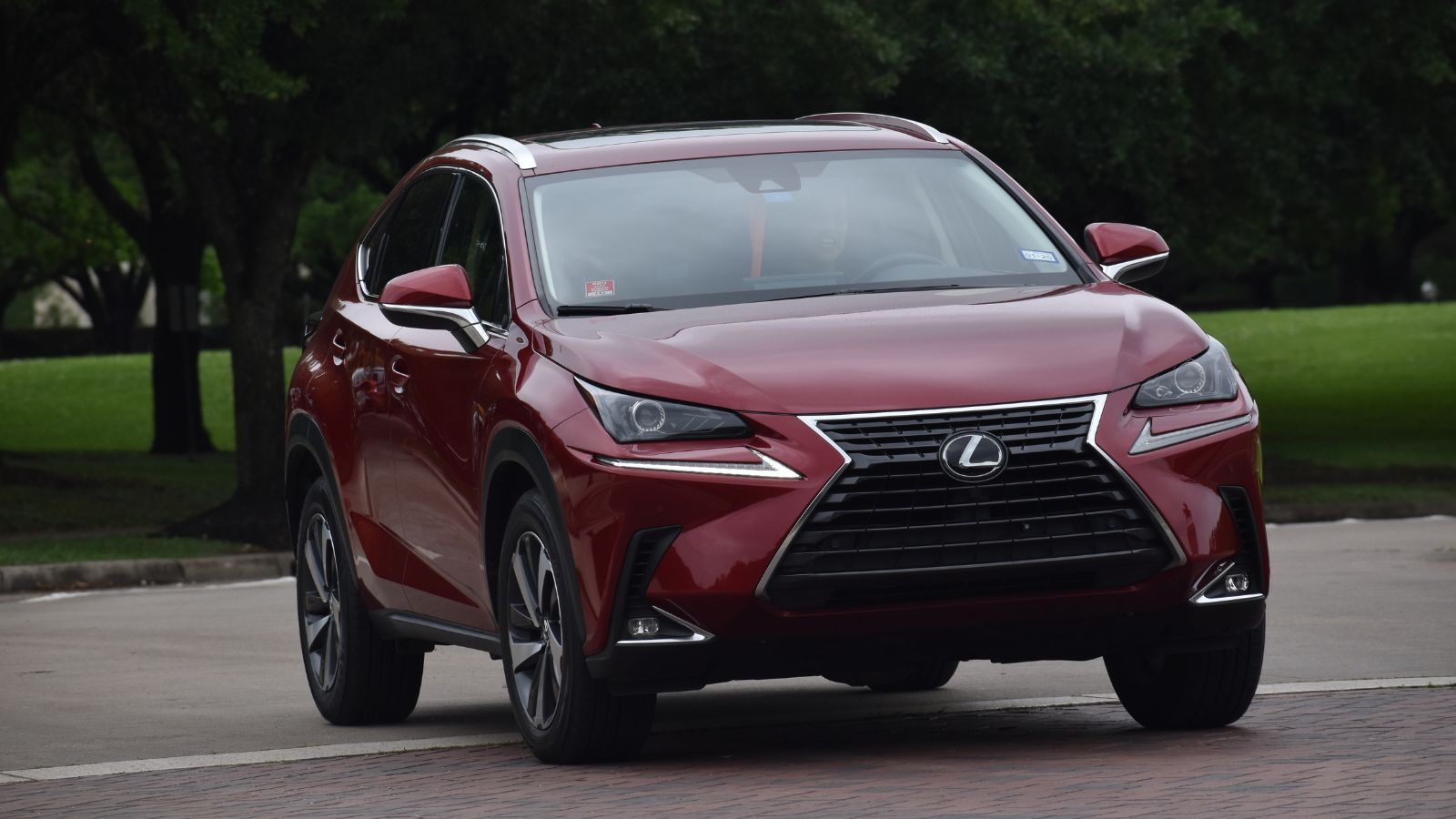
The RX is smooth, polished, and almost impossible to dismiss in a short drive. It feels expensive in all the ways many buyers want, and the Lexus badge brings a level of comfort that makes the monthly payment easier to rationalize. For spring shoppers looking to move up without stepping into something flashy or difficult, the RX is one of the cleanest answers in the market. It is refined, quiet, and mature. That is exactly the problem: people can assume a mature choice is automatically a painless one.
In parts of Canada, especially Ontario and Quebec, theft risk changes the equation. Older RX models have shown up prominently in national auto-theft data, and that matters because insurance costs and peace of mind do not exist in a vacuum. The RX also sits in a price band where the buyer is spending real money to avoid compromise, so any hassle feels amplified. If a family wants discreet luxury and is prepared for the ongoing costs, the RX can still be terrific. But for buyers who think the Lexus badge erases every downstream headache, the ownership experience can feel less serene than the showroom vibe suggested.
Toyota Highlander
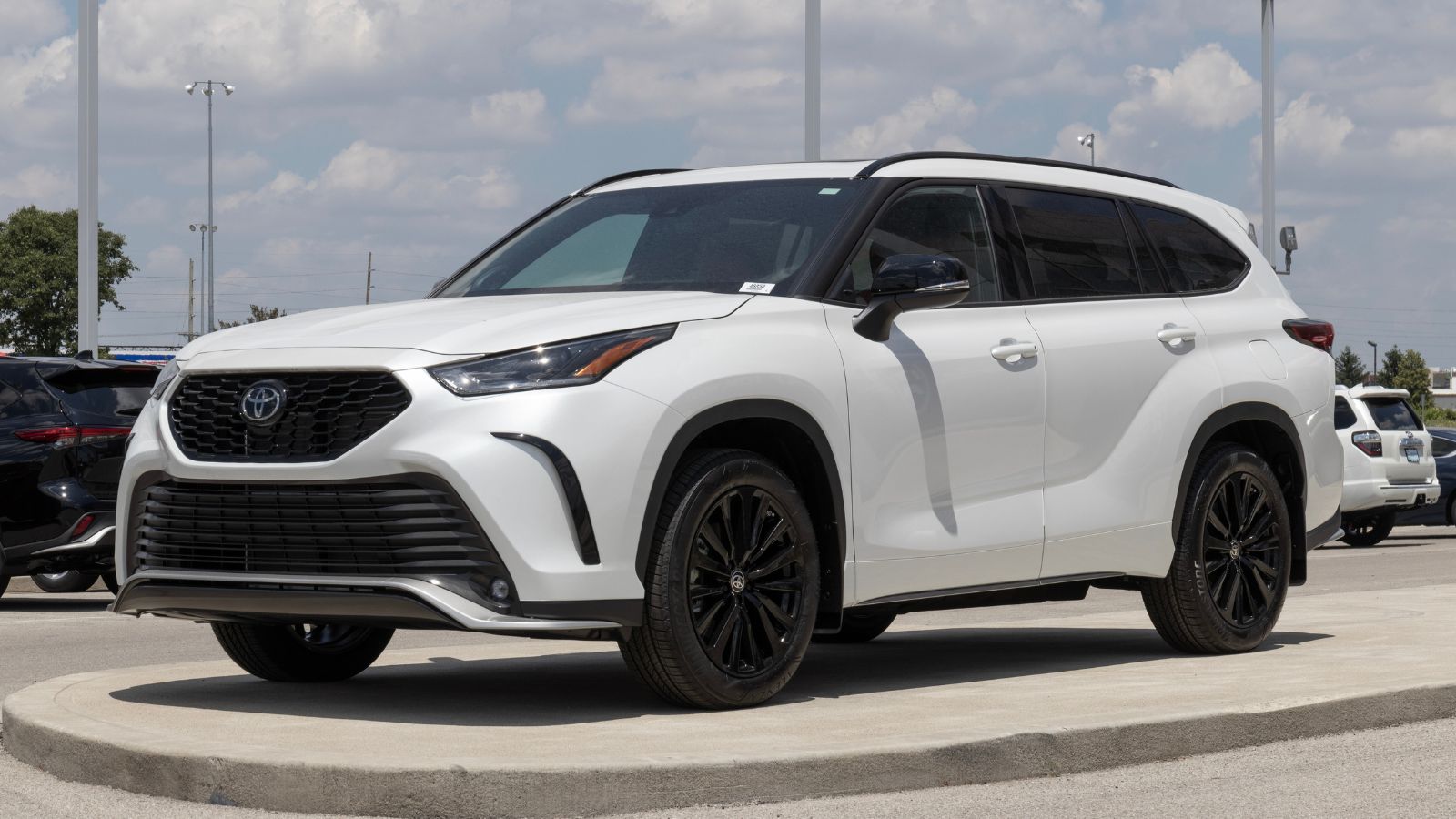
The Highlander has been a default recommendation for so long that many buyers stop interrogating the choice. It is Toyota, it is family-sized, and it carries the kind of reputation that makes people feel safe before they even drive it. In spring, when family logistics and summer-trip planning are top of mind, that reputation can do a lot of the selling. A household that wants a three-row SUV without too much drama naturally ends up here. It feels responsible, which is often enough to close the deal.
Regret creeps in when the buyer pays for reassuring familiarity and then discovers the real-world trade-offs are not trivial. Pricing is no longer low enough to hide behind the brand name alone, and theft exposure has been notable enough in Canada to matter in the ownership conversation. There is also a practical challenge: some families buy the Highlander thinking “three-row” automatically means “big enough,” then later realize the packaging still asks for compromises when the third row and cargo area are used together. None of this makes the Highlander a poor SUV. It just means that spring buyers who pick it reflexively, instead of specifically, are more vulnerable to second thoughts than its reputation suggests.
Toyota RAV4
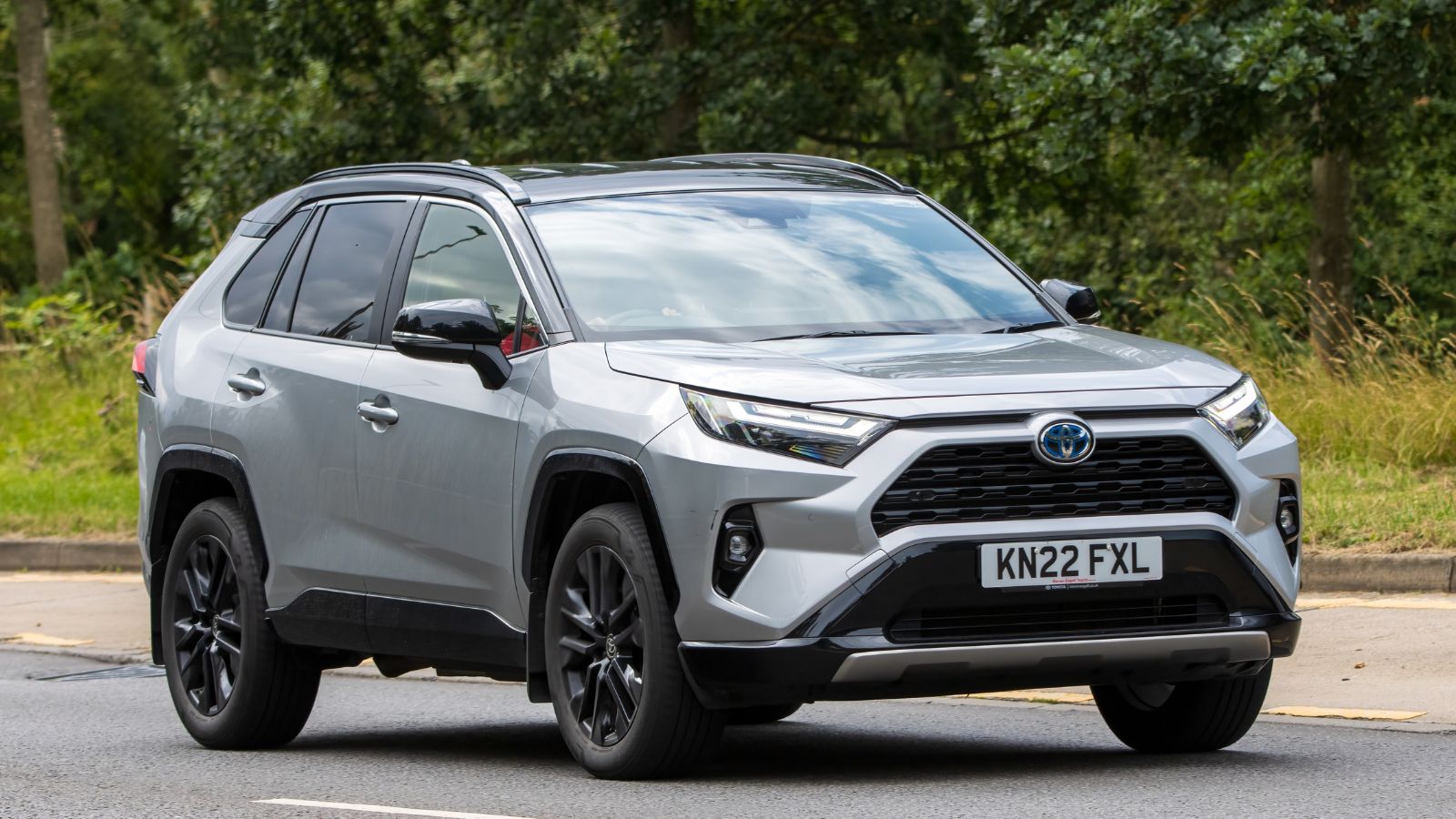
The RAV4 is almost too easy to recommend, and that can be a problem. Strong resale, familiar Toyota dependability, huge market presence, and broad trim choice make it feel like the safest possible bet. For many Canadians, it probably is. But “safe” is not always the same as regret-proof. When a vehicle becomes this popular, it attracts another kind of attention: thieves, insurers, and shoppers who convince themselves popularity is enough reason to stop comparing alternatives carefully.
That is where the spring regret story begins. In Canada, the RAV4 has remained deeply relevant in auto-theft conversations, and that can affect peace of mind as much as monthly cost. On top of that, higher trims can get expensive enough that buyers drift out of value territory without fully noticing. The result is a paradox. The RAV4 is still a strong all-around SUV, yet it may be one of the easiest to overpay for or buy too casually because the reputation does so much of the work. When that happens, the buyer may not regret buying a RAV4 in general. They may regret buying that RAV4, at that price, under that assumption.
Honda CR-V
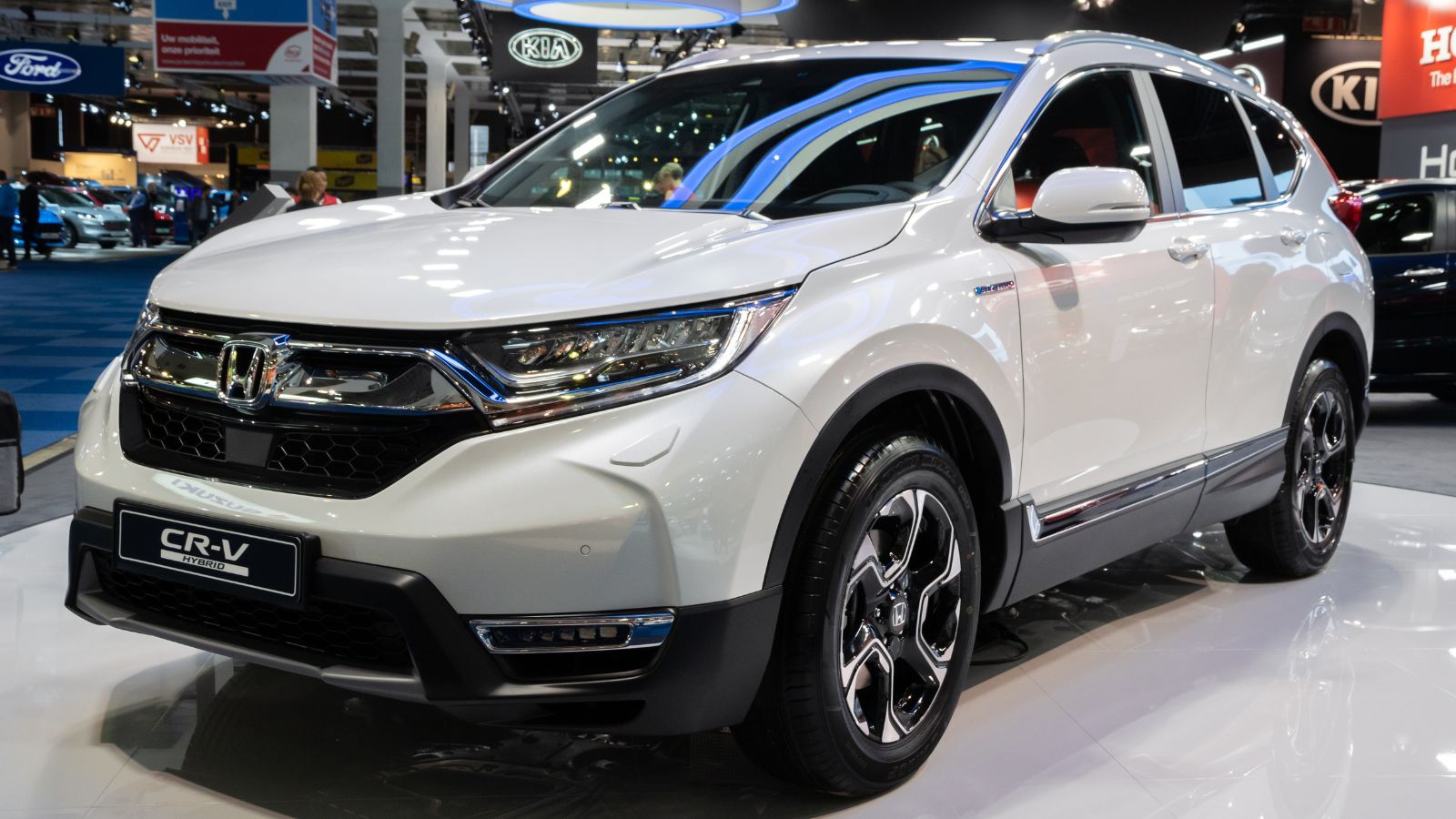
The CR-V is another vehicle that often feels too sensible to question. It is roomy, polished, easy to live with, and now more efficient in hybrid form. For a family walking into a Honda store this spring, it can seem like the ideal modern Canadian daily driver: enough space, good brand trust, and a straightforward ownership proposition. That is why the CR-V can sometimes be purchased with very little skepticism. People do not just buy it; they relax into it.
The thing is, even sensible SUVs can carry less-sensible baggage. Older CR-V generations have been prominent in Canada’s theft data, and Transport Canada has also logged a steering-related recall on certain newer models. That does not mean the CR-V suddenly becomes a model to avoid outright. It means the “nothing to worry about here” mindset is too simplistic. The CR-V still belongs on a shortlist, but it should not get a free pass just because it is the CR-V. Spring buyers who treat it as an automatic yes, without asking hard questions about trim choice, insurance, security, and price, are the ones most likely to feel surprise regret later.
22 Things Canadians Do to Their Cars in Spring That Mechanics Hate

Spring brings relief to many Canadian drivers after months of snow, freezing temperatures, and icy roads that put serious strain on vehicles. As temperatures rise across the country, drivers begin washing cars, switching tires, and preparing vehicles for warmer weather and upcoming road trips. However, mechanics across Canada notice the same mistakes every spring when drivers attempt to recover from winter damage. Road salt, potholes, and harsh winter driving conditions often leave vehicles with hidden problems that drivers ignore. Some spring habits even create new mechanical issues that could have been avoided with proper maintenance. Here are 22 things Canadians do to their cars in spring that mechanics hate.