




















Buying a car is not just about the price on the sticker. Many drivers only realize this after a small accident turns into a major financial headache. Modern vehicles pack sensors, cameras, and expensive materials into even basic parts. A cracked bumper can hide thousands in repairs. Insurance companies often choose to write off cars instead of fixing them. This happens more often with certain models. High parts costs and complex designs make repairs hard to justify. Some cars simply cross that line faster than others. Here are 25 cars that are one accident away from being written off (because parts cost too much).
BMW 3 Series
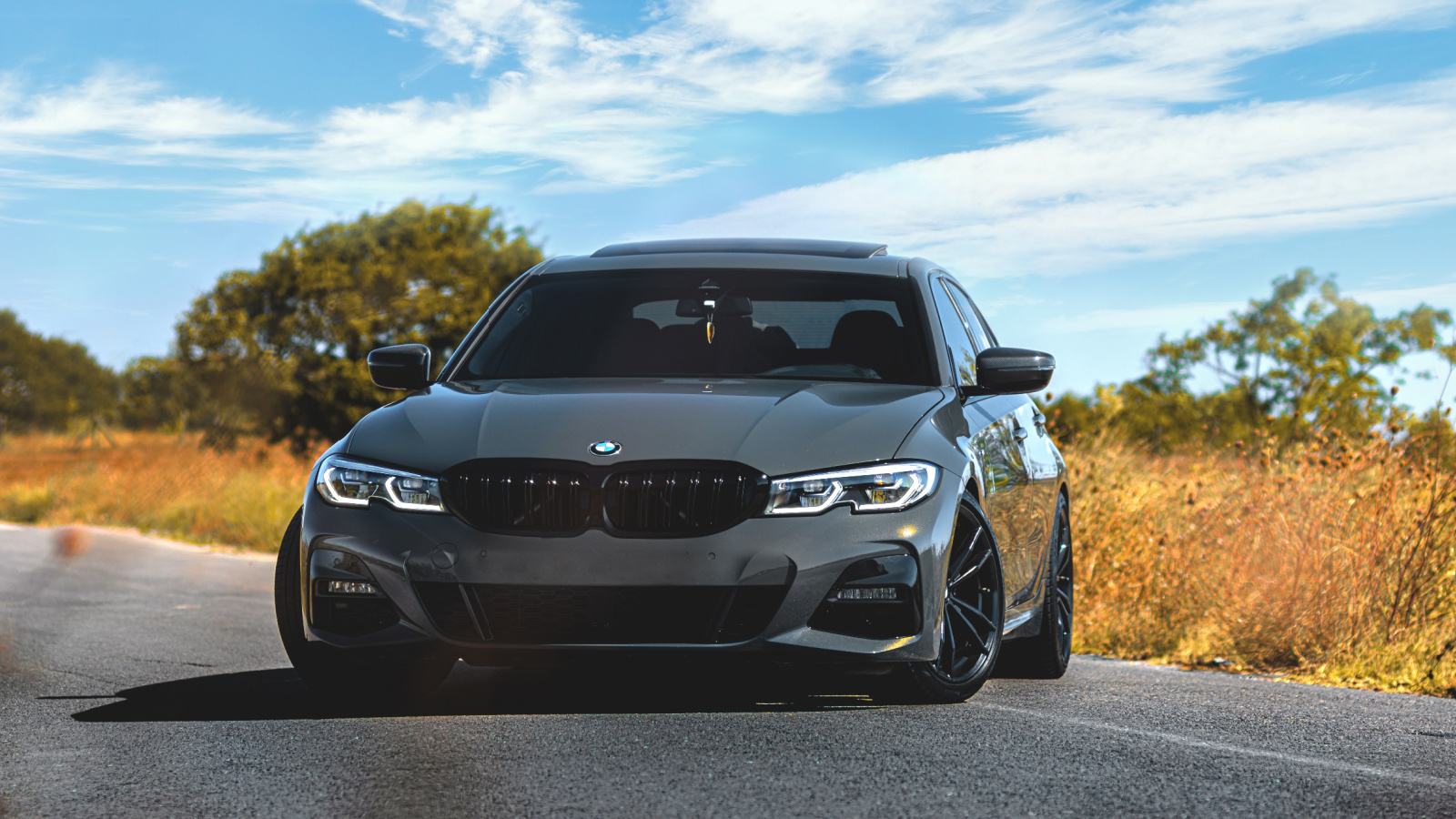
The BMW 3 Series looks like a sensible luxury choice. Repair costs tell a different story. Even minor damage to the front bumper can involve sensors, cameras, and radar units. These parts are expensive and tightly integrated. Body panels are also not cheap. Labor costs climb because technicians need special tools and training. Insurance companies often face large repair bills from small accidents. That pushes many claims toward write-off decisions. Owners feel this most after low-speed collisions. The car holds value well, but repair economics can work against it quickly.
Mercedes-Benz C-Class
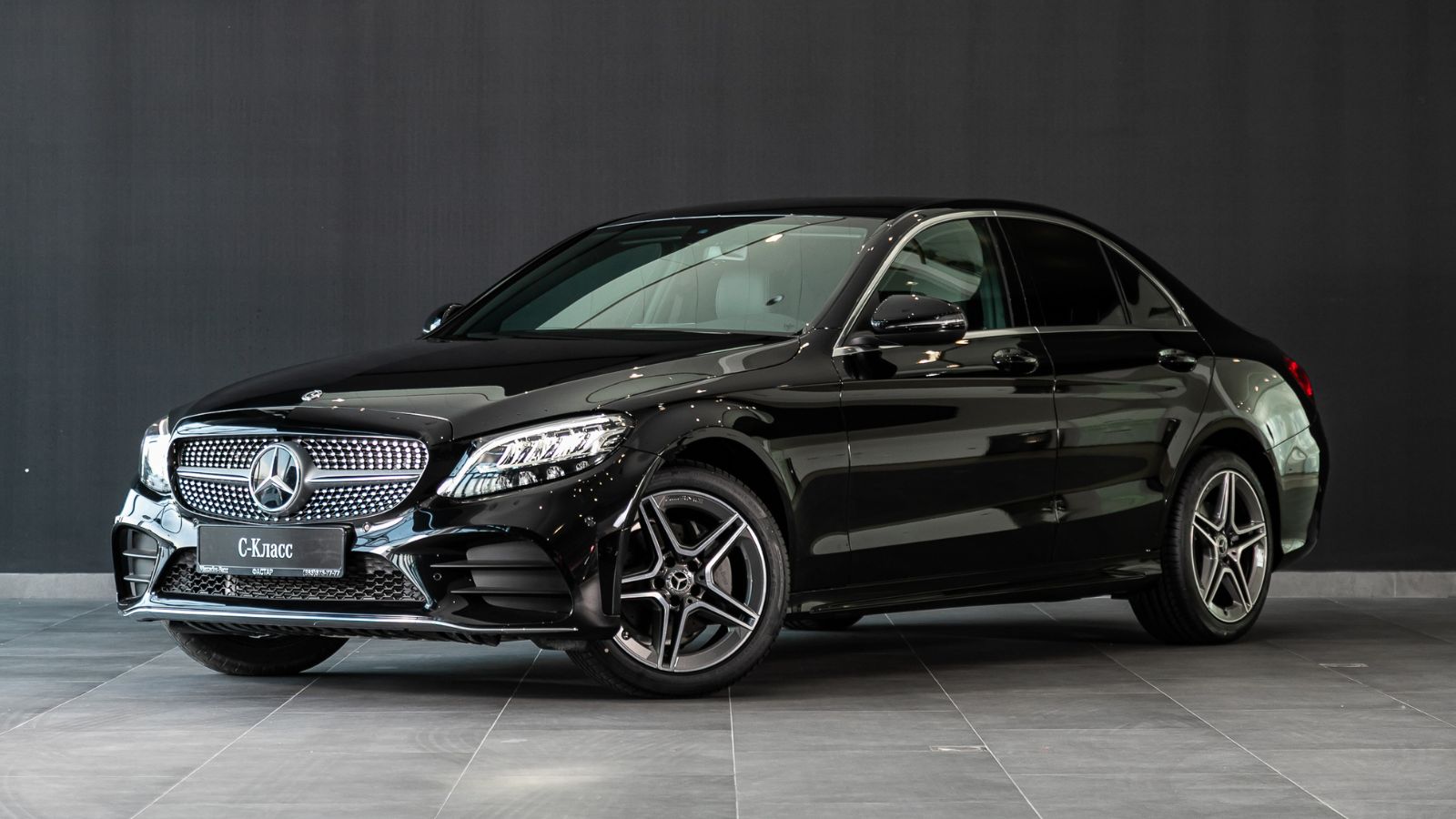
The Mercedes-Benz C-Class carries premium engineering into everyday driving. That premium shows up in repair bills. Front-end damage often affects multiple electronic systems. Adaptive cruise sensors sit behind panels that look simple. Replacing them costs more than expected. Paint matching also adds time and expense. Even a parking mishap can trigger a high estimate. Insurance adjusters weigh these costs carefully. Repairs can exceed a large portion of the car’s value. That makes write-offs more common than buyers expect. The driving experience is smooth, but fixing it is rarely simple.
Audi A4
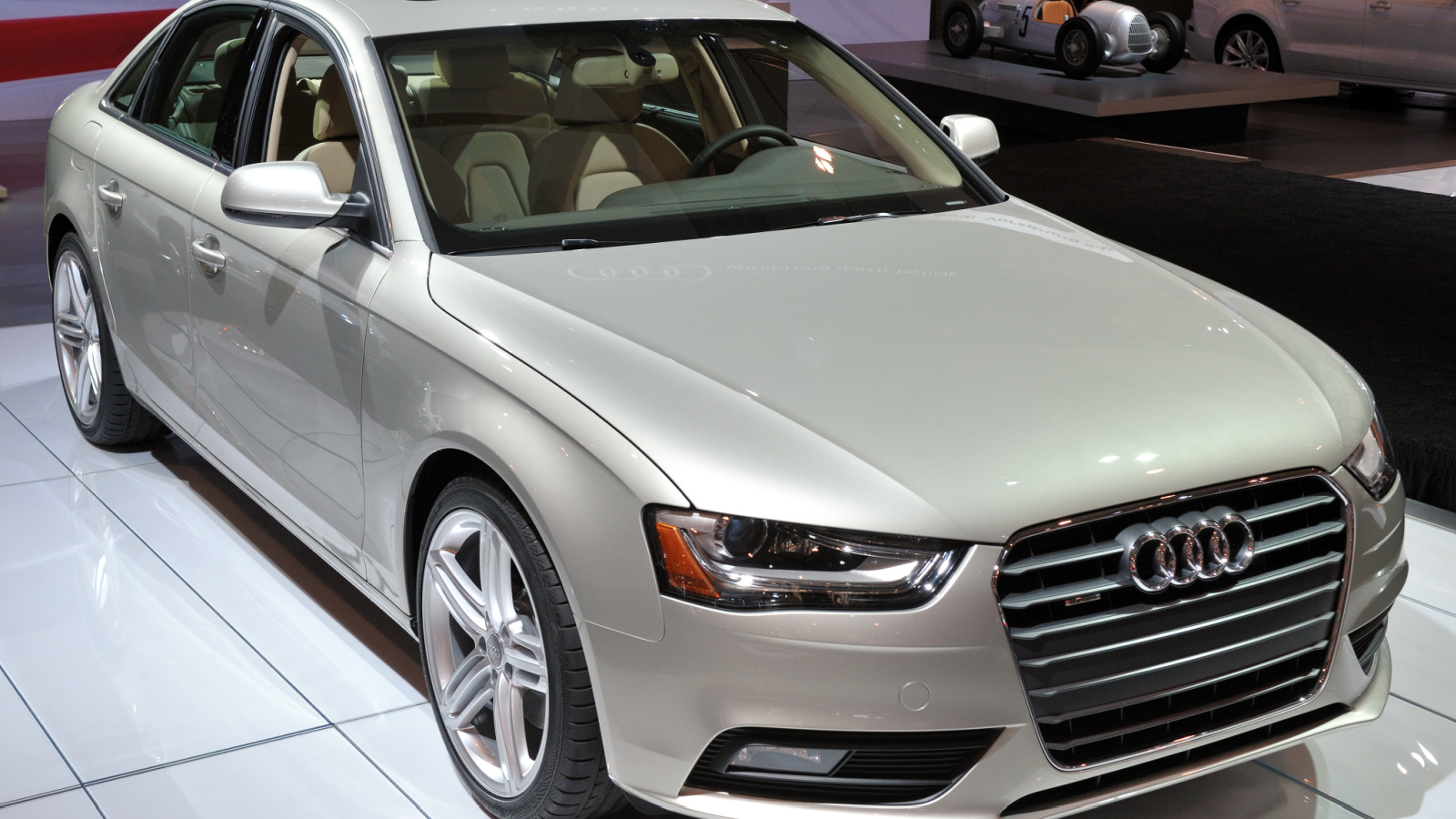
The Audi A4 uses advanced materials and tight packaging. This creates issues during repairs. Many components are linked and must be replaced together. Headlights alone can cost a small fortune. They include LED systems and control units. Body panels are lightweight but expensive. Labor time increases because access is limited. Shops often need to remove multiple parts for minor fixes. Insurance costs rise as a result. Even moderate damage can look worse on paper. Owners may be surprised when a repair estimate crosses into write-off territory.
Tesla Model 3
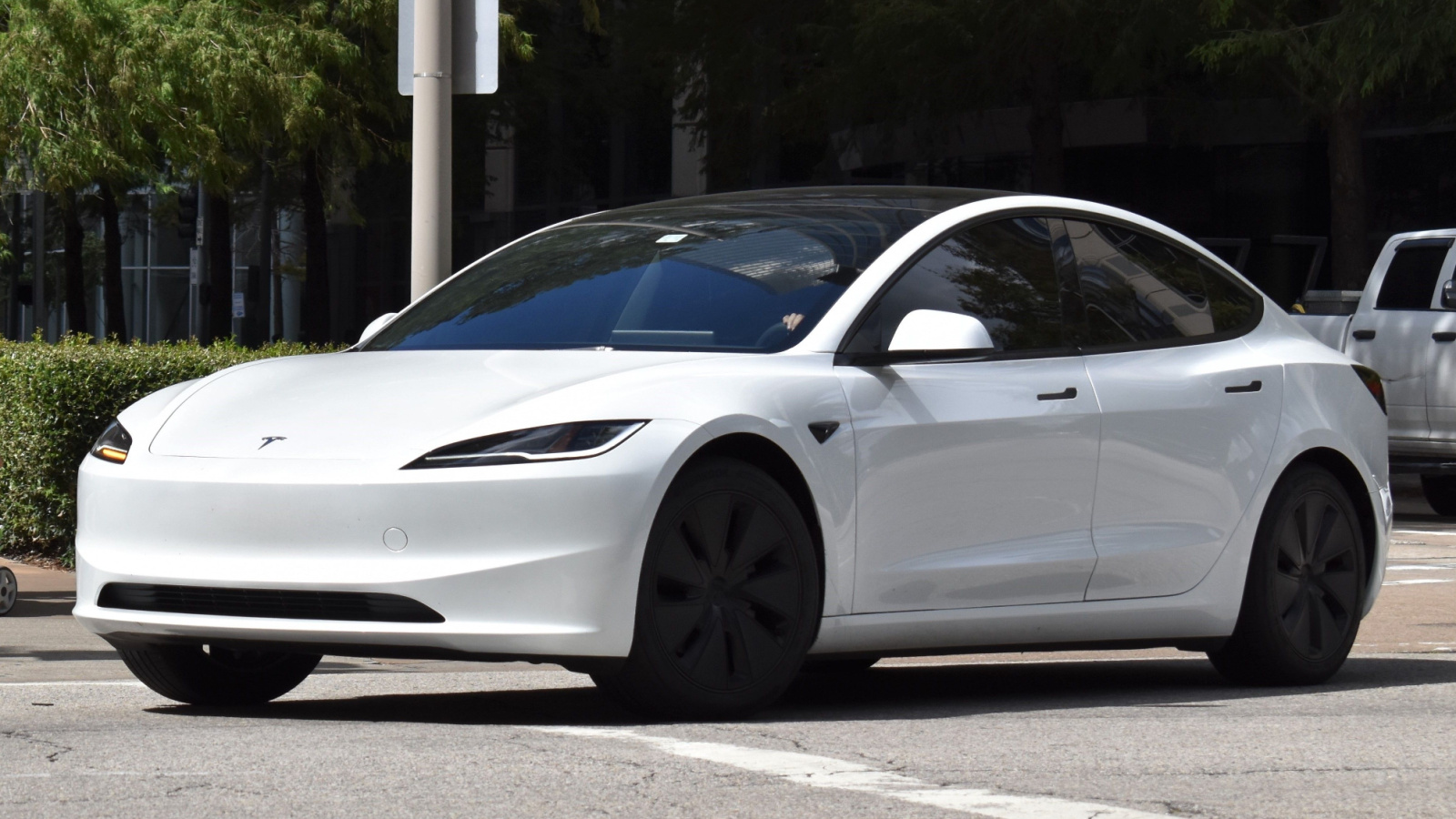
The Tesla Model 3 is known for its clean design and tech features. Repairs tell a more complicated story. Body panels are difficult to fix and often replaced entirely. Parts availability can slow repairs. Labor costs rise due to specialized training. Even a small collision can involve structural sections. Insurance companies track these patterns closely. Estimates can jump quickly. Some repairs take weeks or months. That delay adds to the overall cost. Many cars end up written off after moderate damage. The ownership experience shifts once repairs are needed.
Tesla Model Y
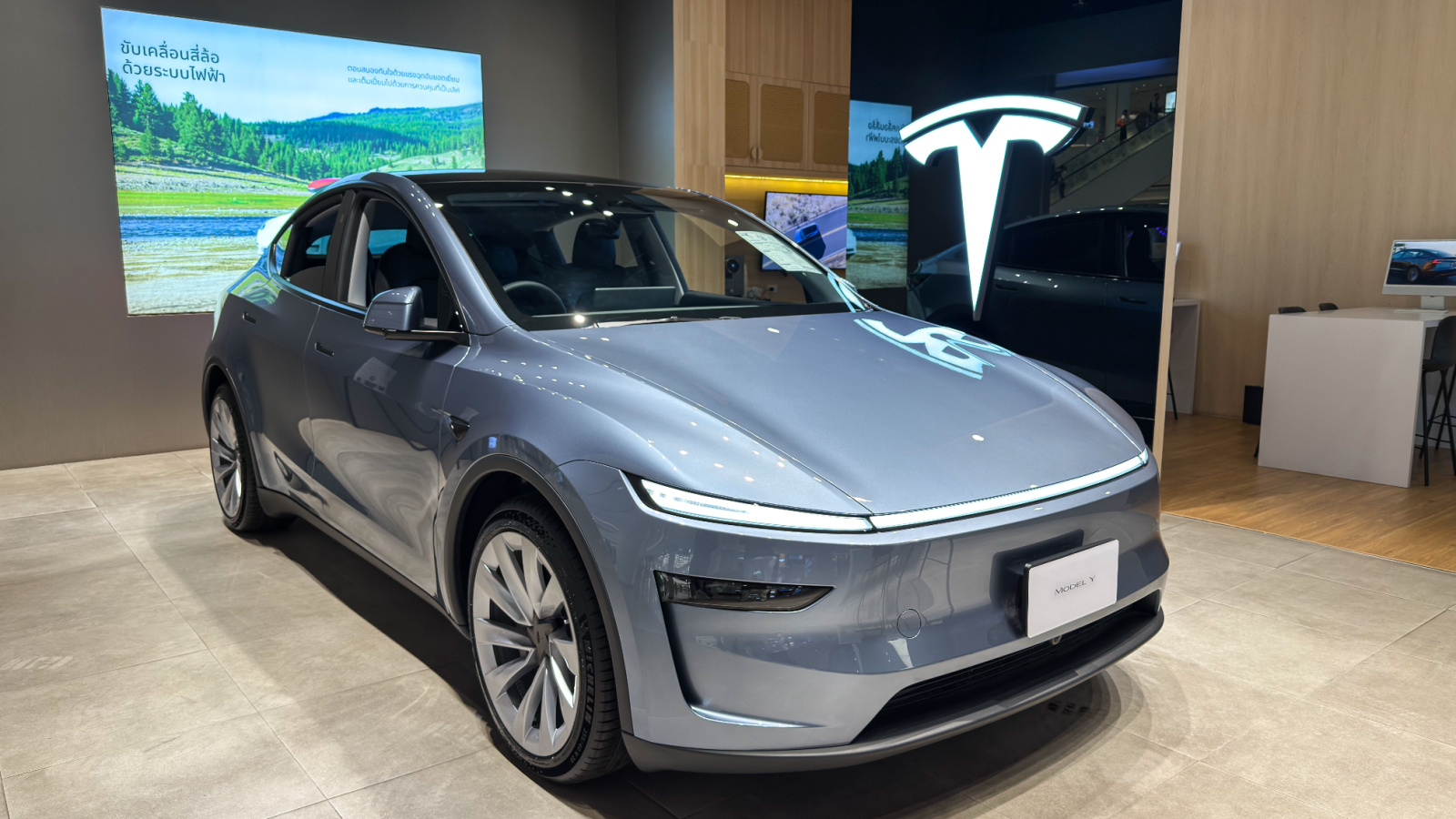
The Tesla Model Y shares many traits with its sedan sibling. Repair costs remain a concern. Large cast sections in the body make repairs complex. Damage to one area can require replacing a whole section. That drives costs higher. Parts are not always easy to source quickly. Shops need certification to handle repairs. Labor rates reflect that requirement. Insurance claims often escalate fast. Even minor rear damage can become expensive. Owners may face long wait times as well. The result is a higher chance of write-offs than expected.
Range Rover Evoque
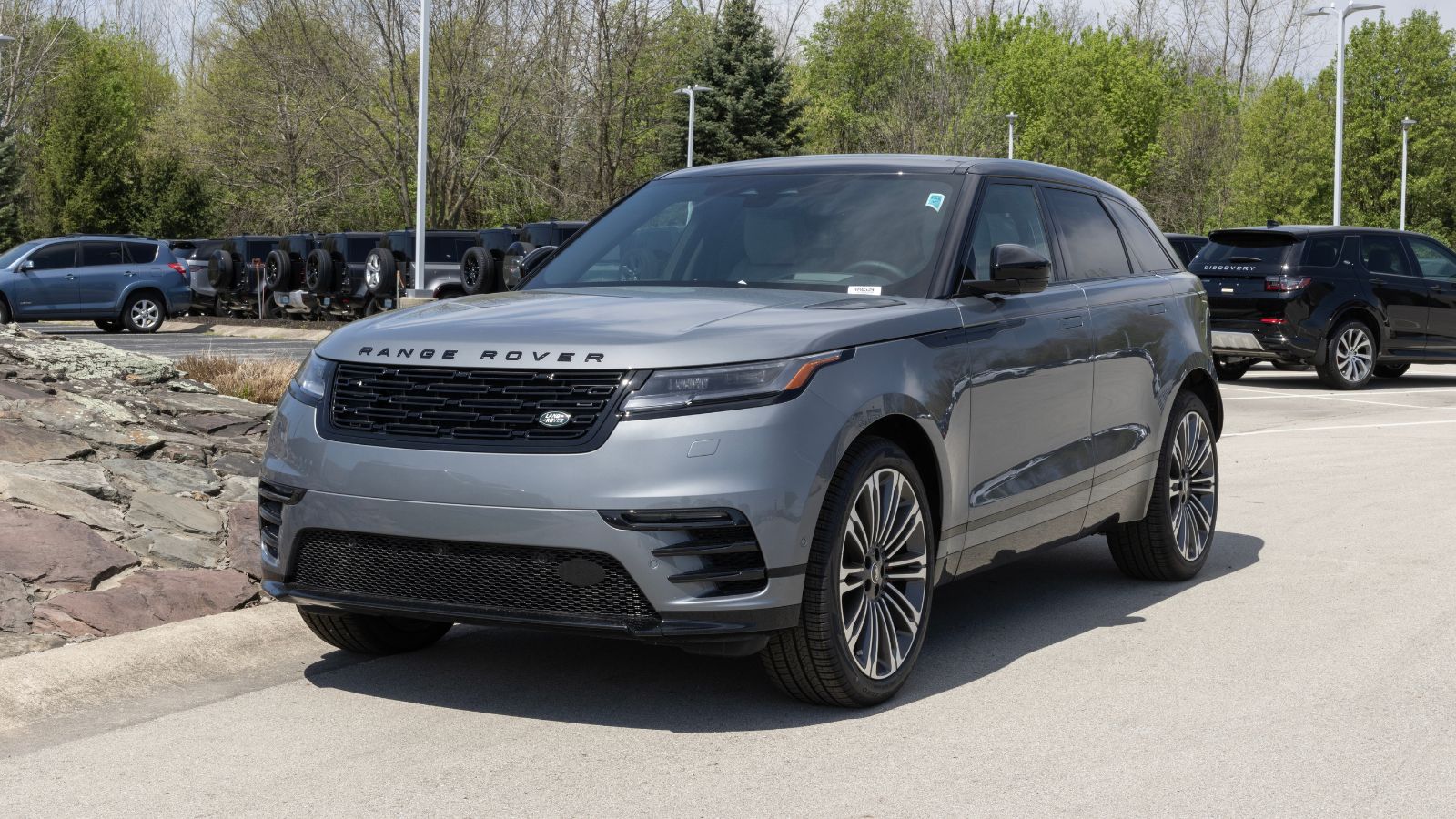
The Range Rover Evoque combines style with off-road ability. Repair costs do not match its size. Exterior panels are costly and often require full replacement. Electronics add another layer of expense. Sensors are placed in vulnerable areas. A minor bump can affect multiple systems. Labor is also higher due to design complexity. Insurance estimates reflect these challenges. Repairs can exceed value faster than expected. Owners may see total loss decisions after moderate damage. The vehicle looks tough, but repair economics say otherwise.
Jaguar F-Pace
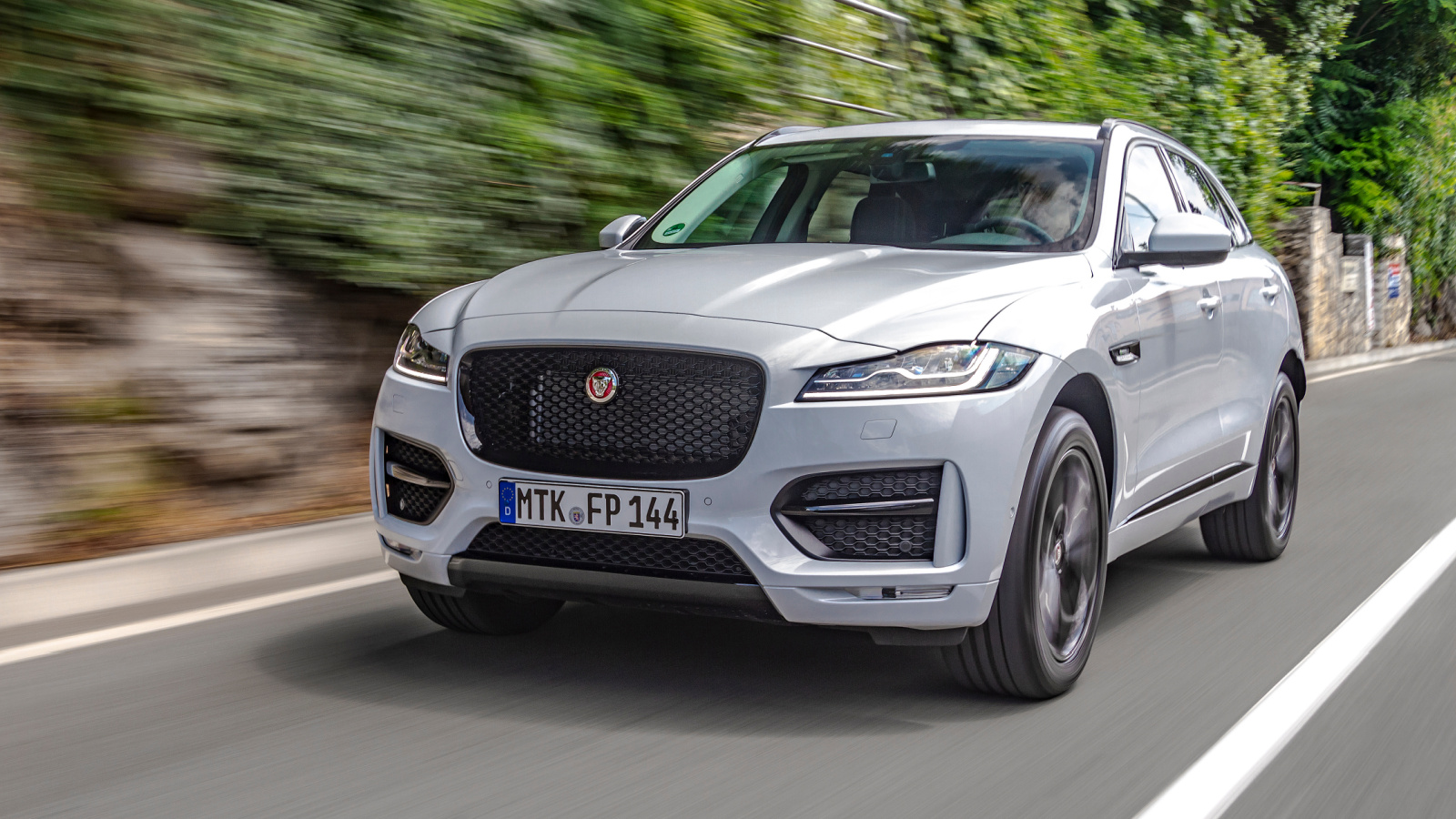
The Jaguar F-Pace uses aluminum construction for weight savings. This choice raises repair costs. Aluminum panels require special tools and training. Not all shops can handle the work. That limits repair options. Labor rates increase as a result. Parts are also priced at a premium. Even small dents can become costly repairs. Insurance companies factor in these realities. Estimates often climb quickly. Some repairs cross the threshold for write-offs. Owners may not expect this from a mid-size SUV. The design brings benefits, but also higher risks.
Volvo XC90
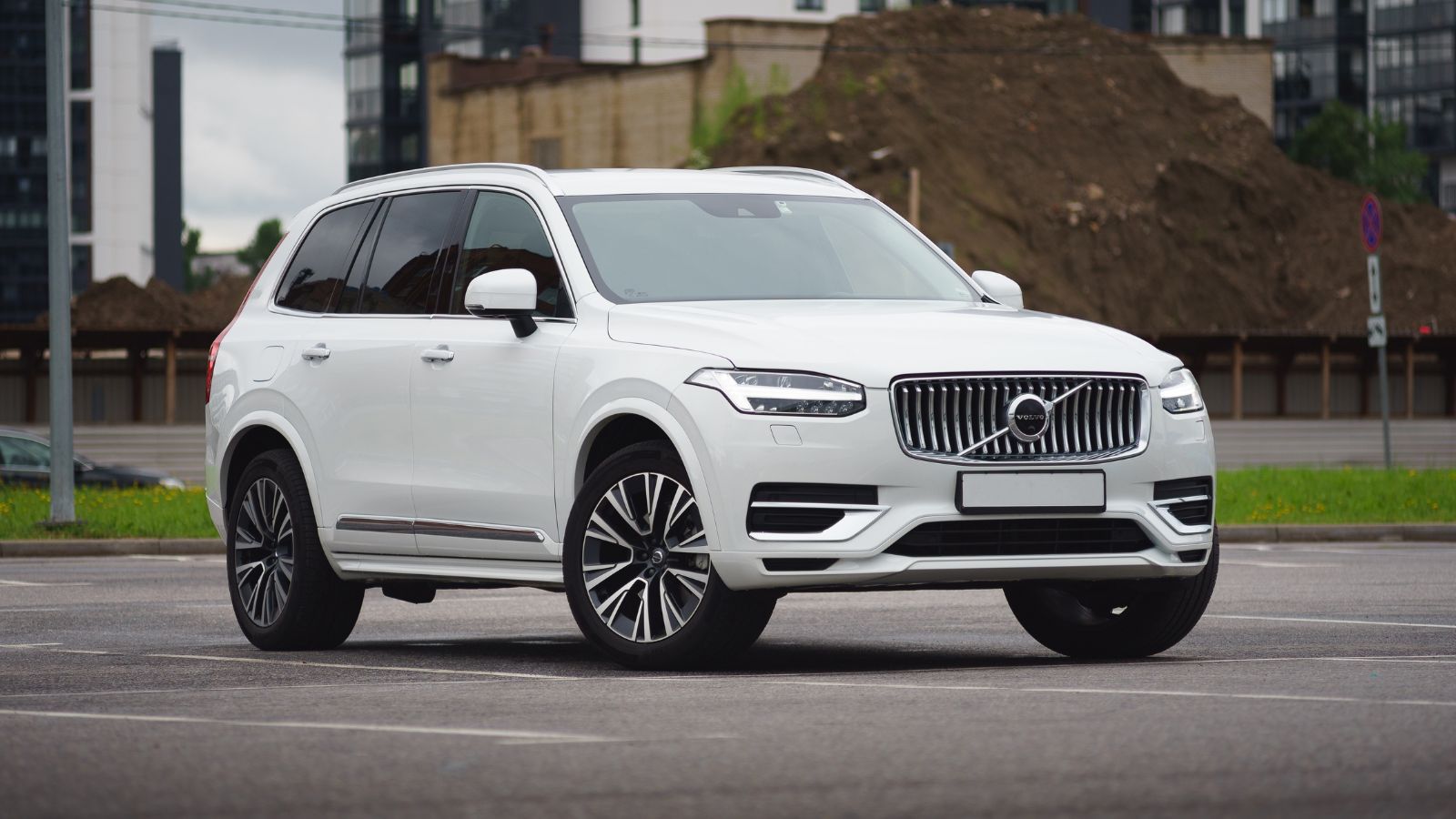
The Volvo XC90 focuses on safety and technology. That focus affects repair costs. Advanced driver systems rely on multiple sensors. These sensors sit behind panels that can be easily damaged. Replacing them adds high cost. Calibration is also required after repairs. Labor time increases because of this step. Parts pricing remains high across the board. Insurance estimates reflect these added layers. Even moderate accidents can lead to high totals. Some vehicles are written off sooner than expected. Safety features are valuable, but they complicate repairs.
Porsche Macan
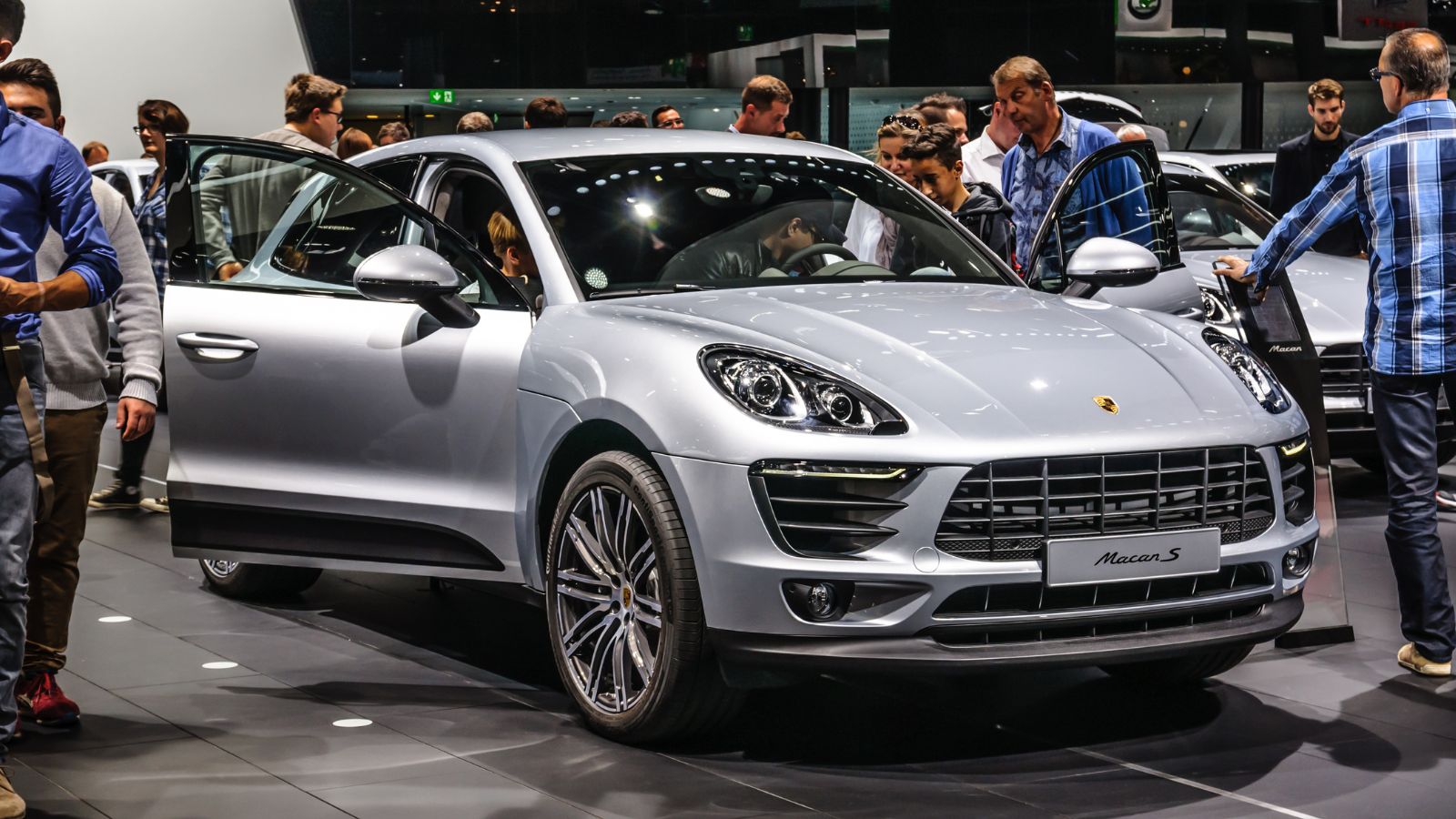
The Porsche Macan delivers sporty performance in SUV form. Repairs are far from sporty in cost. Parts are priced at a premium across categories. Even brake components are expensive. Body panels are not simple to replace. Labor rates are higher at specialized shops. Insurance companies track these patterns closely. Estimates can climb after small incidents. Owners may face difficult decisions after accidents. Some repairs approach the car’s value quickly. The driving feel is sharp, but repair bills can be just as sharp.
Porsche Taycan
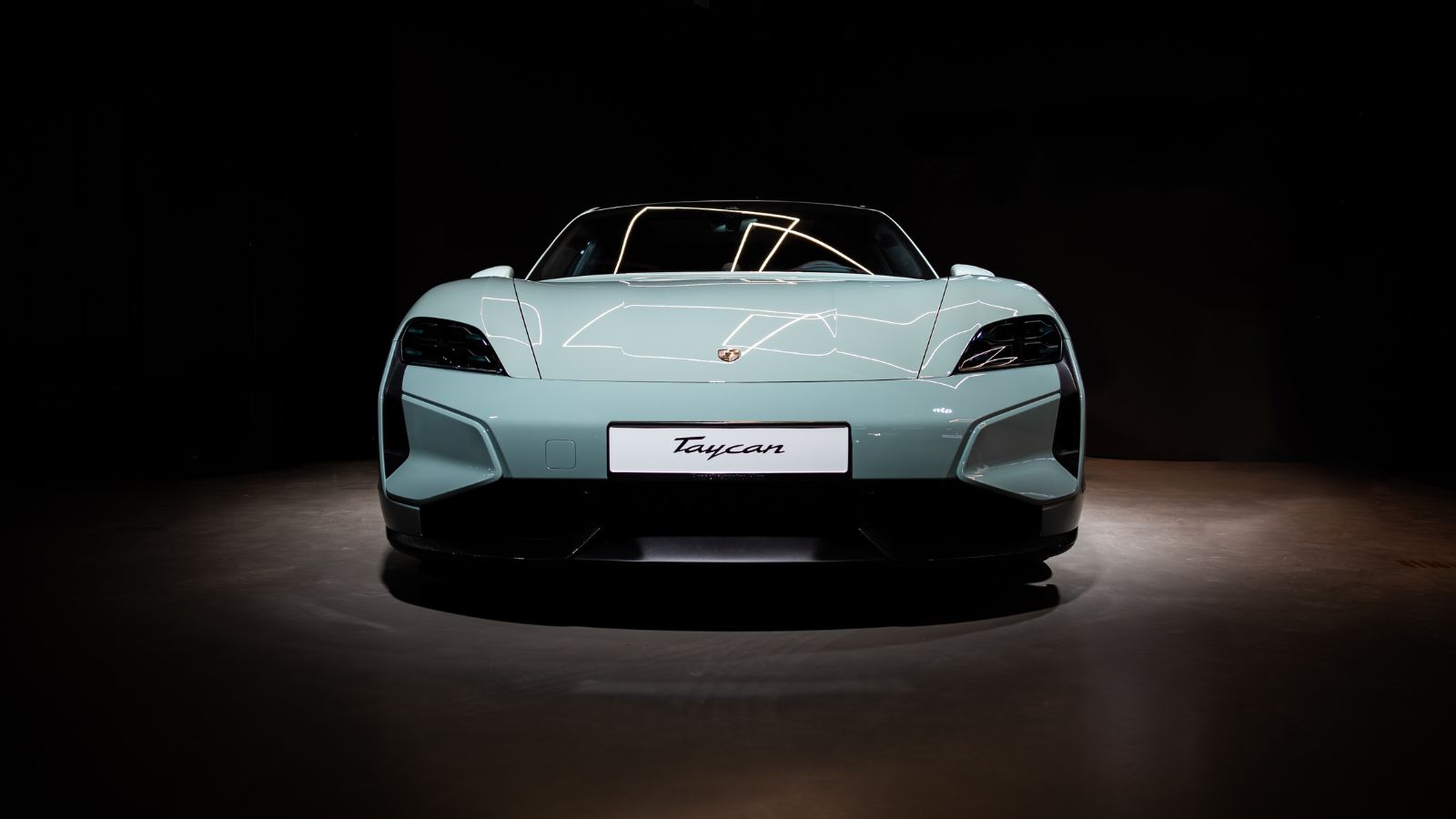
The Porsche Taycan blends performance with electric power. Repair costs follow the brand’s premium status. Battery-related damage is a major concern. Even minor impacts can raise inspection costs. Body panels are expensive and complex. Labor requires trained technicians. Parts availability can also slow repairs. Insurance companies often see high estimates. Some vehicles are written off after moderate damage. Owners may not expect this outcome. The car performs well, but repair economics remain challenging.
Lexus RX
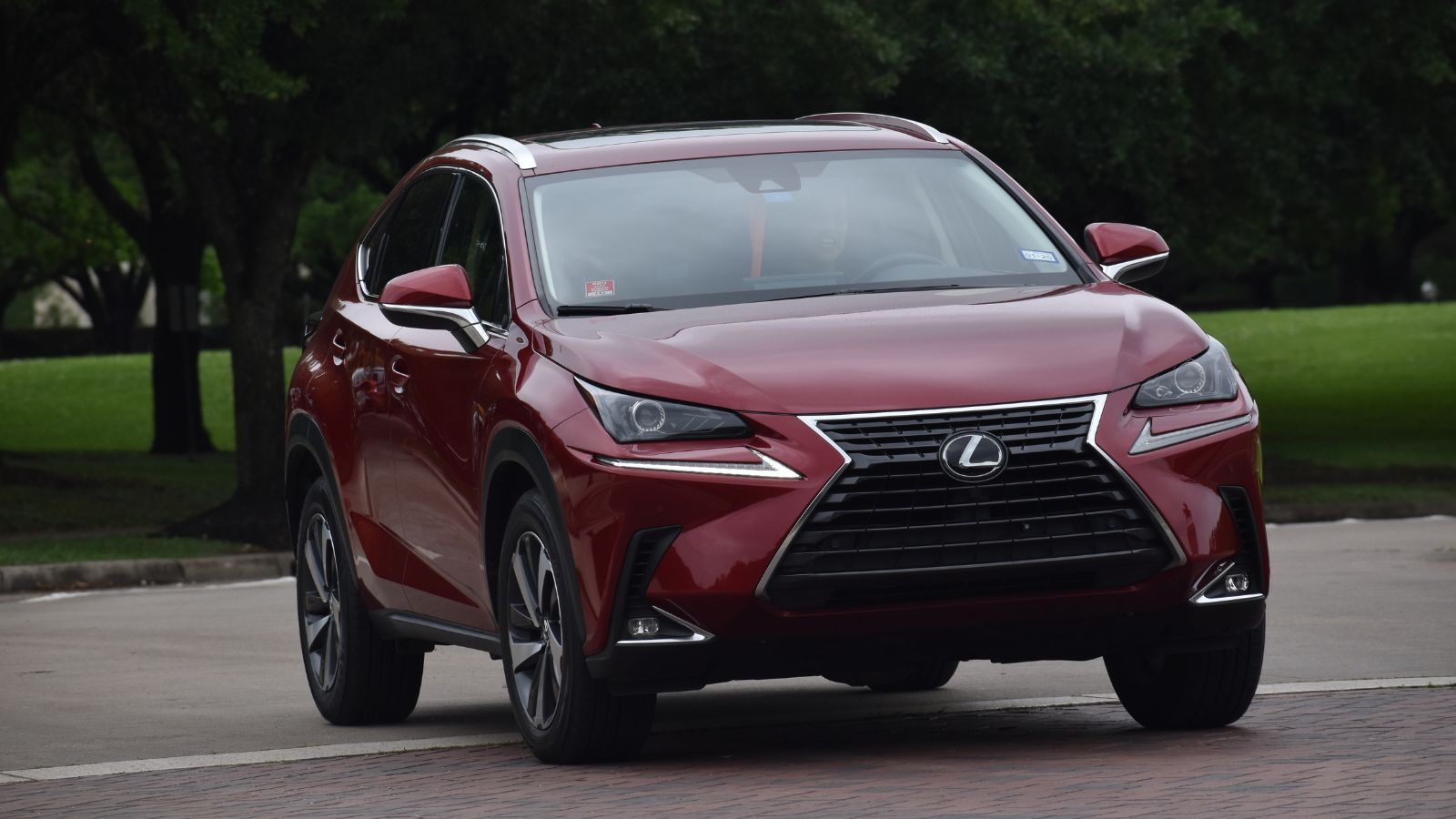
The Lexus RX is known for reliability and comfort. Repair costs still surprise many owners. Front-end components include sensors and cameras. These parts add to replacement costs. Paint finishes are also expensive to match. Labor time increases for precise alignment. Insurance companies factor in these details. Estimates can rise after small collisions. Some repairs approach write-off levels. Owners often expect lower costs from this brand. The reality depends on modern features. Reliability does not always mean cheap repairs.
Acura MDX
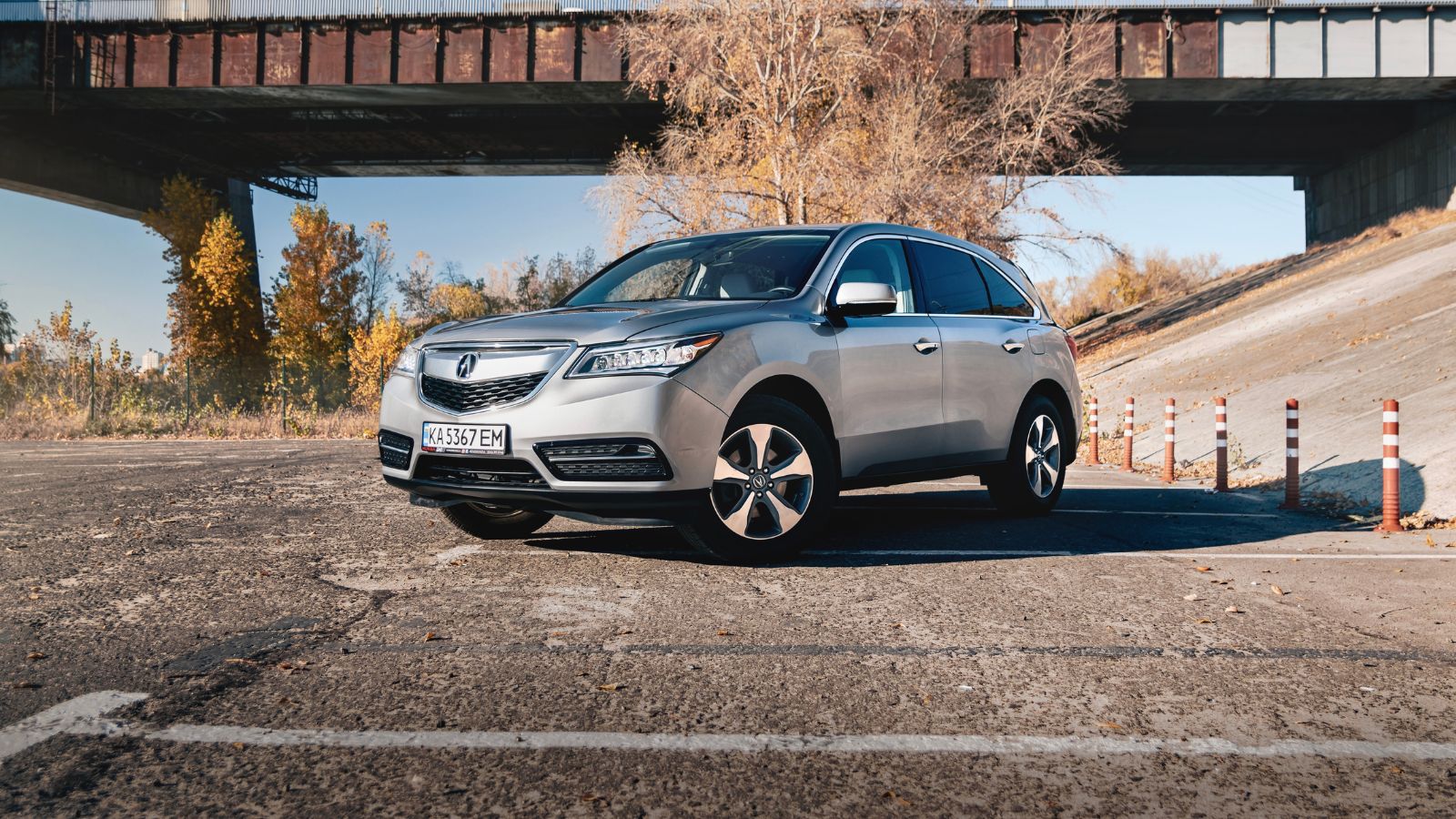
The Acura MDX offers space and technology for families. Repair costs reflect its advanced systems. Front and rear bumpers house multiple sensors. Replacing them involves more than basic parts. Calibration adds time and expense. Body panels are not cheap either. Labor costs increase with complexity. Insurance estimates often rise quickly. Even moderate damage can become costly. Some vehicles are written off earlier than expected. Owners may be caught off guard. The value proposition shifts after an accident.
Infiniti QX60
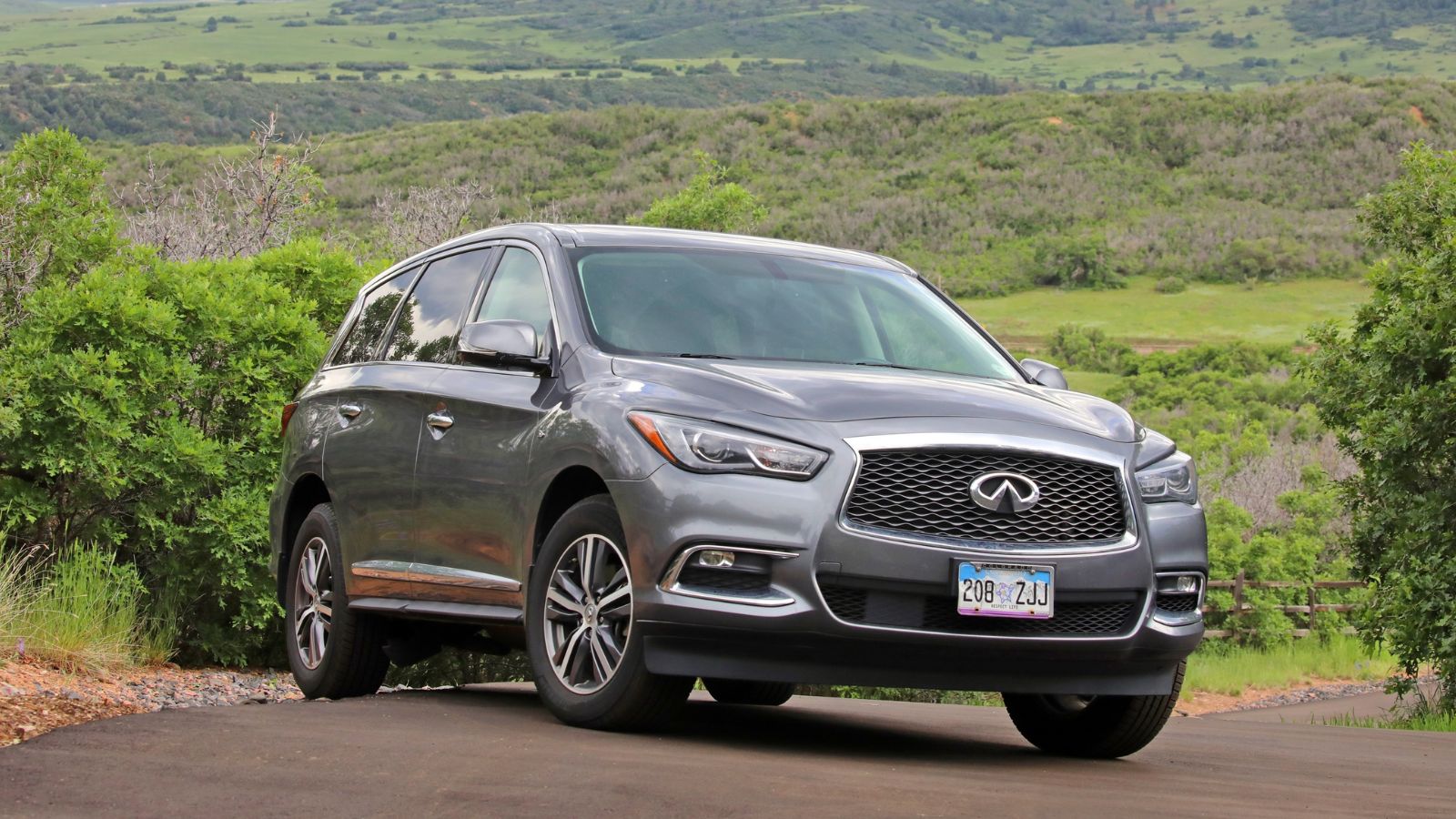
The Infiniti QX60 balances comfort with design. Repair costs can disrupt that balance. Parts pricing remains higher than that of mainstream brands. Sensors and cameras add hidden expenses. Labor costs increase due to system integration. Even small accidents can trigger multiple replacements. Insurance companies track these outcomes. Estimates often climb beyond expectations. Some repairs approach total loss territory. Owners may not anticipate this from a family SUV. The vehicle feels practical, but repairs tell another story.
Cadillac Escalade
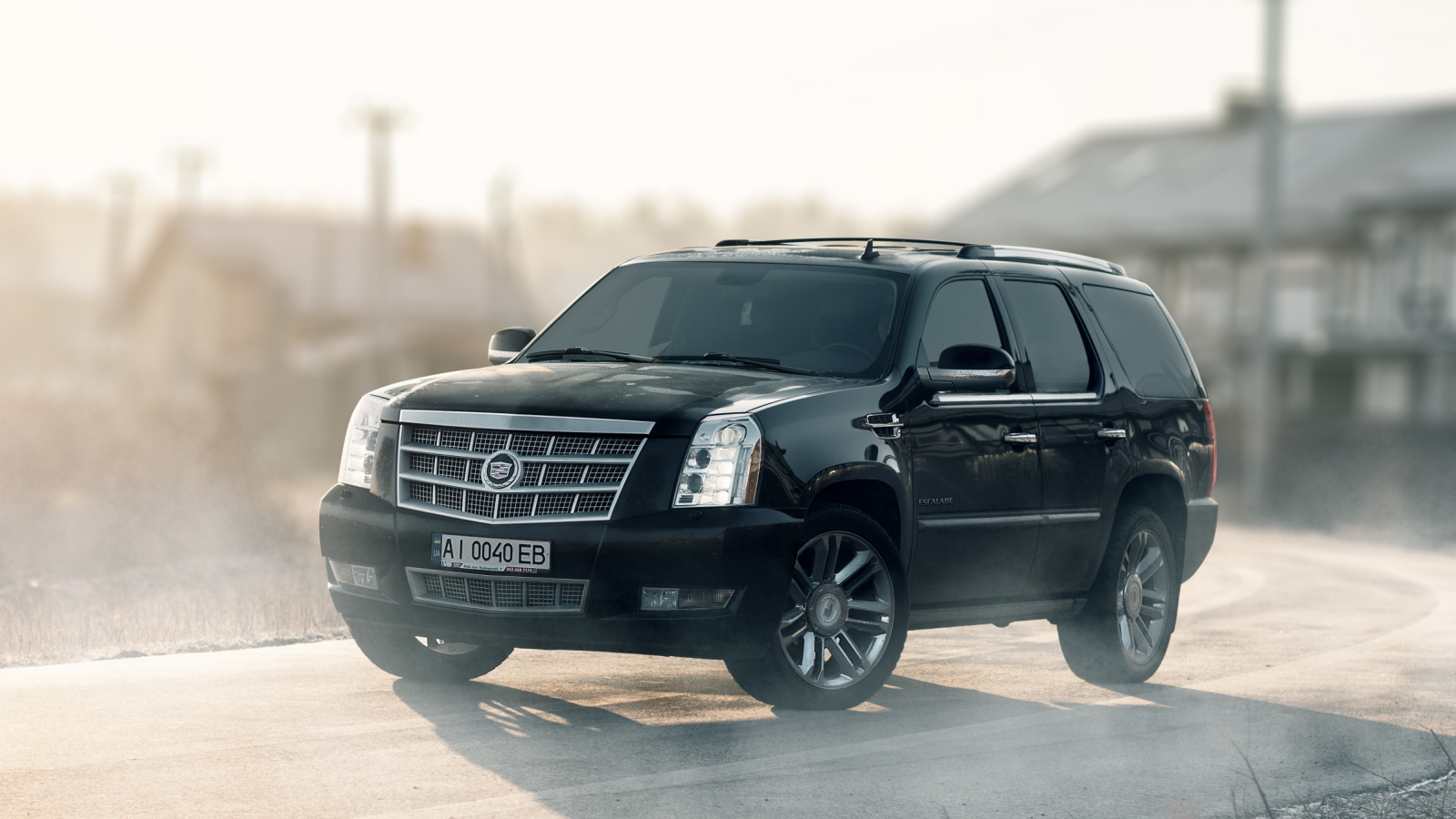
The Cadillac Escalade is large and feature-packed. Its size does not protect it from high repair costs. Panels are big and expensive to replace. Electronics are spread across the vehicle. Sensors add to the total cost. Labor time increases due to scale. Insurance estimates reflect these factors. Even minor damage can lead to large bills. Some repairs exceed reasonable thresholds. That pushes insurers toward write-offs. Owners may expect durability, but repair economics still matter.
Chevrolet Silverado High Country
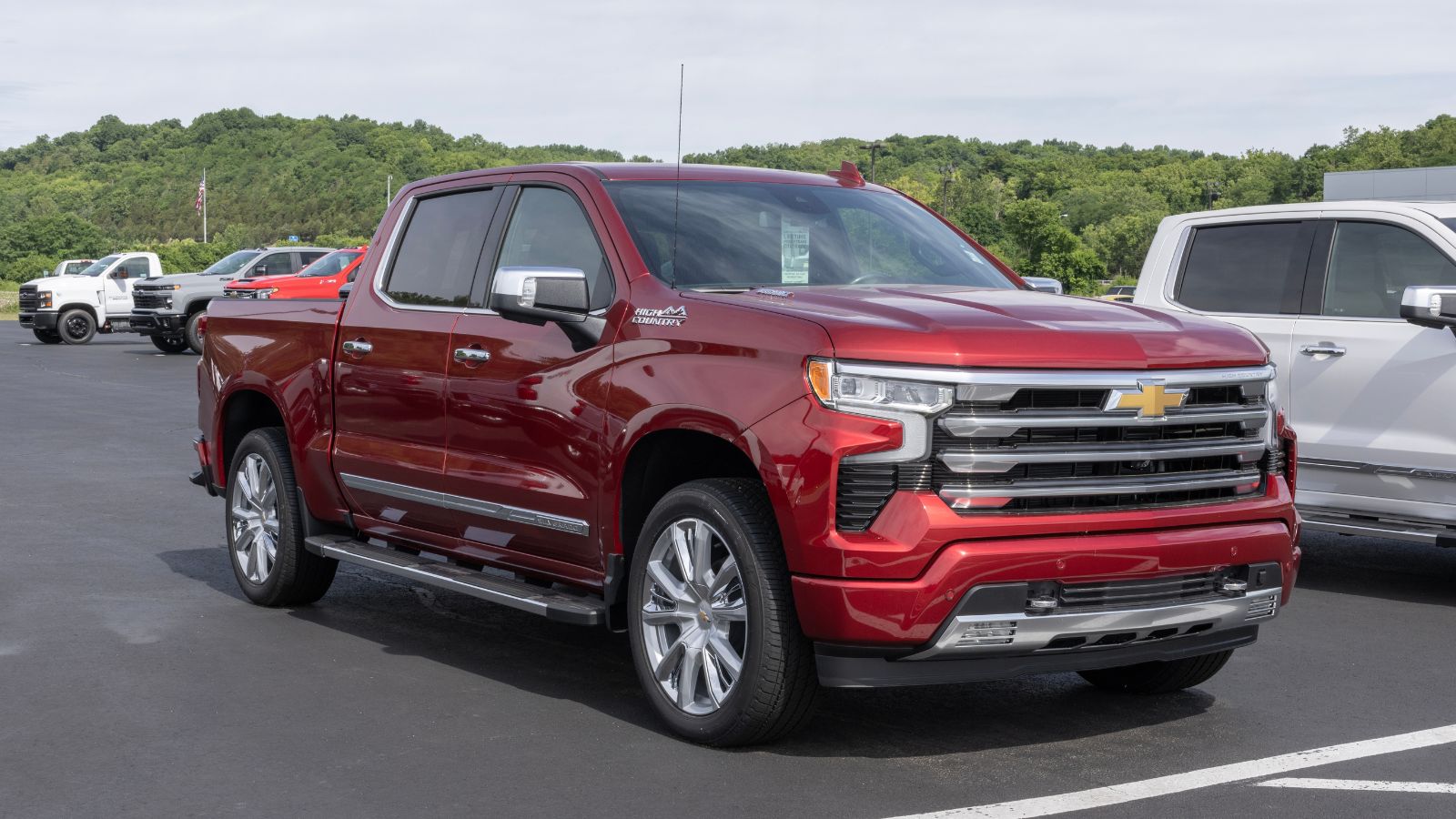
The Chevrolet Silverado High Country mixes work capability with premium features. Repair costs rise with added technology. Bumpers include sensors and cameras. Replacing them is not cheap. Large panels increase material costs. Labor time grows with size. Insurance companies consider these factors carefully. Estimates can climb after small accidents. Some trucks are written off sooner than expected. Owners may not expect this from a pickup. The added luxury changes repair economics.
Ford F-150 Limited
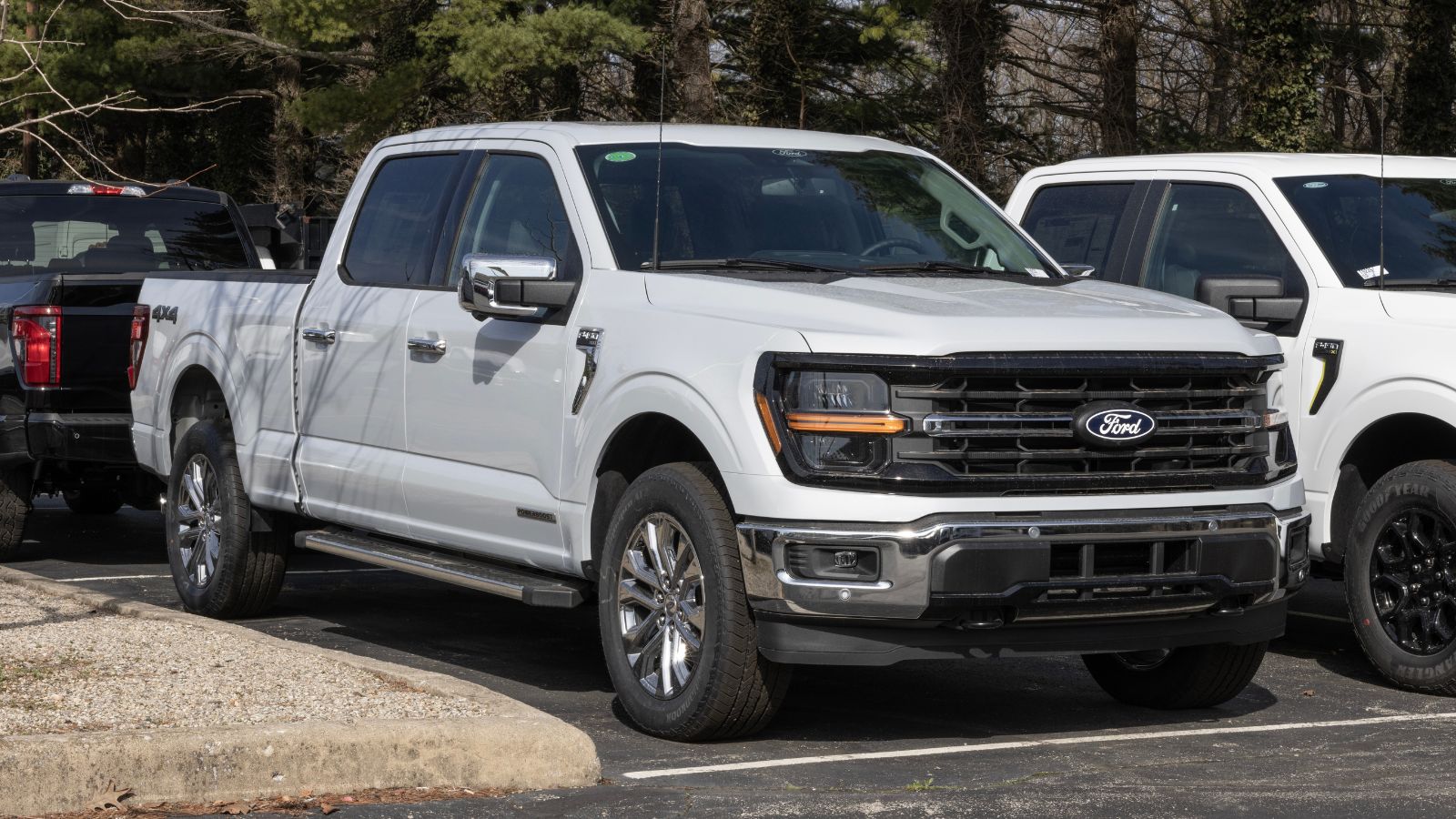
The Ford F-150 Limited brings high-end features to a popular platform. Repair costs reflect that upgrade. Aluminum body panels are harder to fix. They often need replacement instead. Specialized tools increase labor costs. Sensors and cameras add more expense. Insurance estimates rise quickly after damage. Even minor accidents can become costly. Some vehicles cross write-off thresholds earlier. Owners may be surprised by this outcome. The truck is capable, but repairs are not simple.
Hyundai Ioniq 5
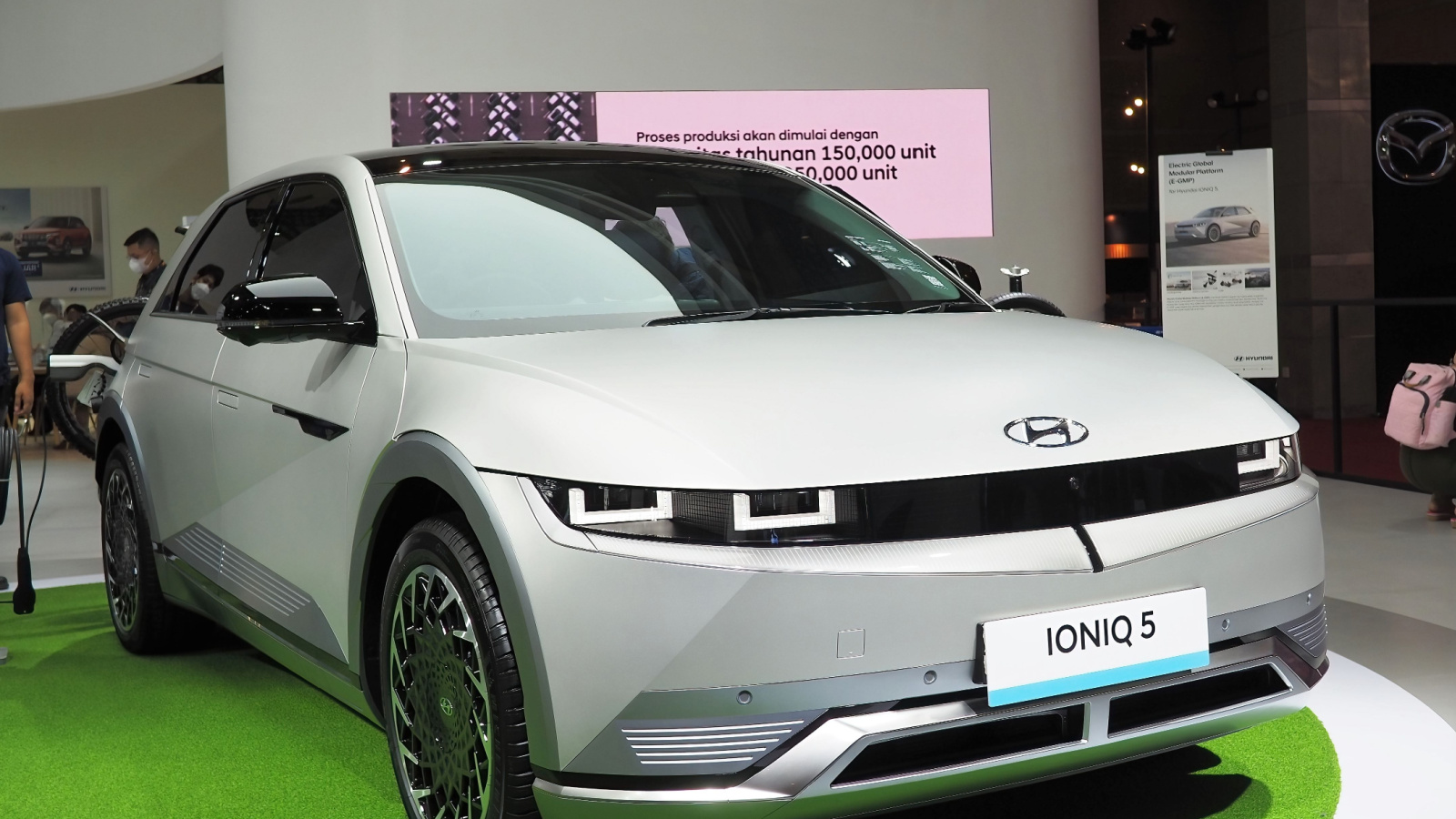
The Hyundai Ioniq 5 stands out with its design and technology. Repair costs follow modern EV trends. Body panels are not easy to repair. Parts pricing is higher than expected. Sensors and electronics add complexity. Labor requires trained technicians. Insurance estimates can rise quickly. Even small damage can become expensive. Some vehicles are written off after moderate accidents. Owners may not expect this from the brand. The car feels futuristic, and so do its repair costs.
Kia EV6
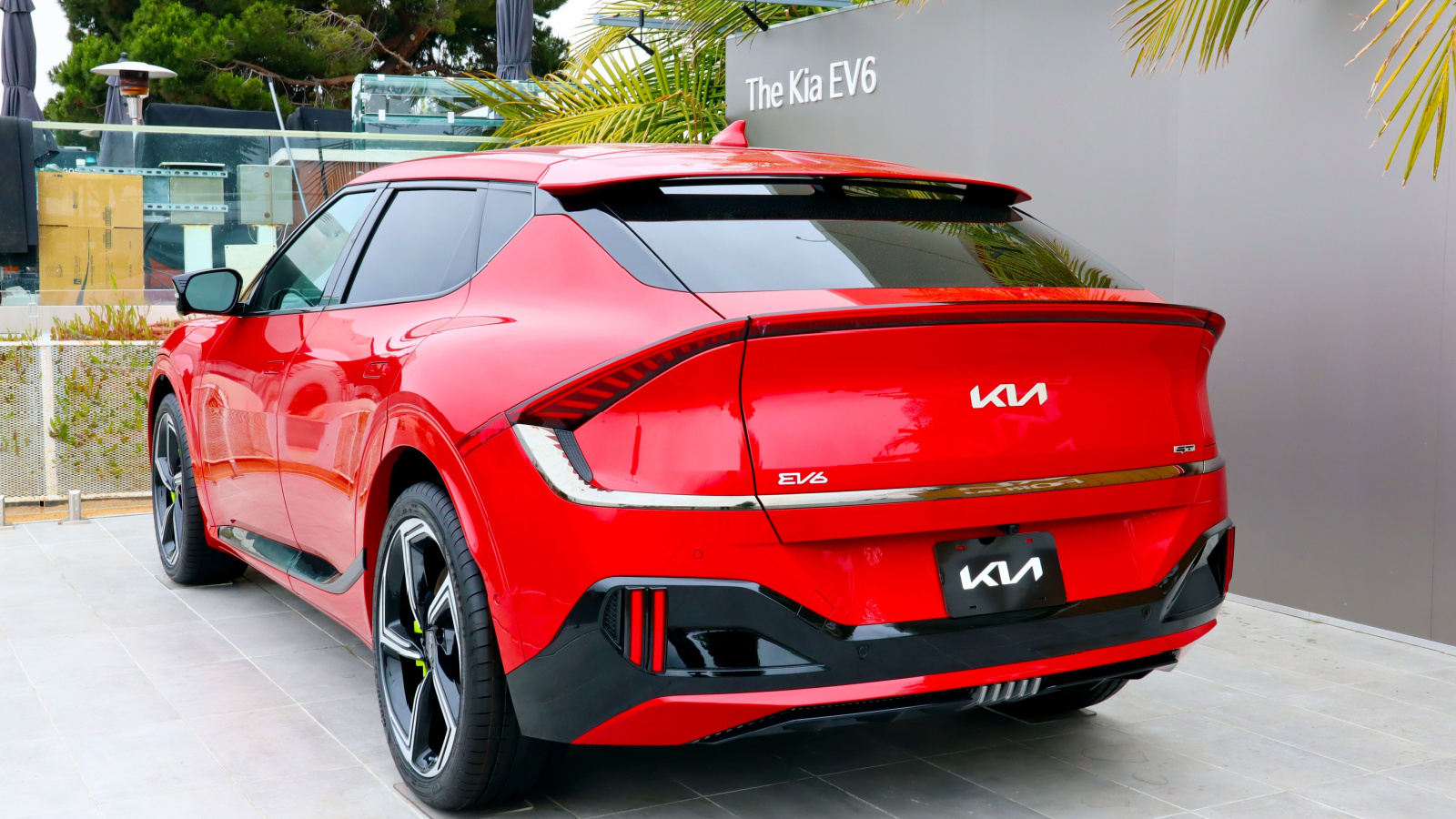
The Kia EV6 offers strong performance for its segment. Repair costs mirror those of other EVs. Panels are often replaced instead of repaired. Parts pricing remains high. Electronics increase overall complexity. Labor costs rise with specialized work. Insurance companies see these patterns often. Estimates can jump after small impacts. Some repairs approach total loss levels. Owners may not anticipate this. The vehicle delivers value upfront, but repairs change the equation.
Subaru Outback Wilderness
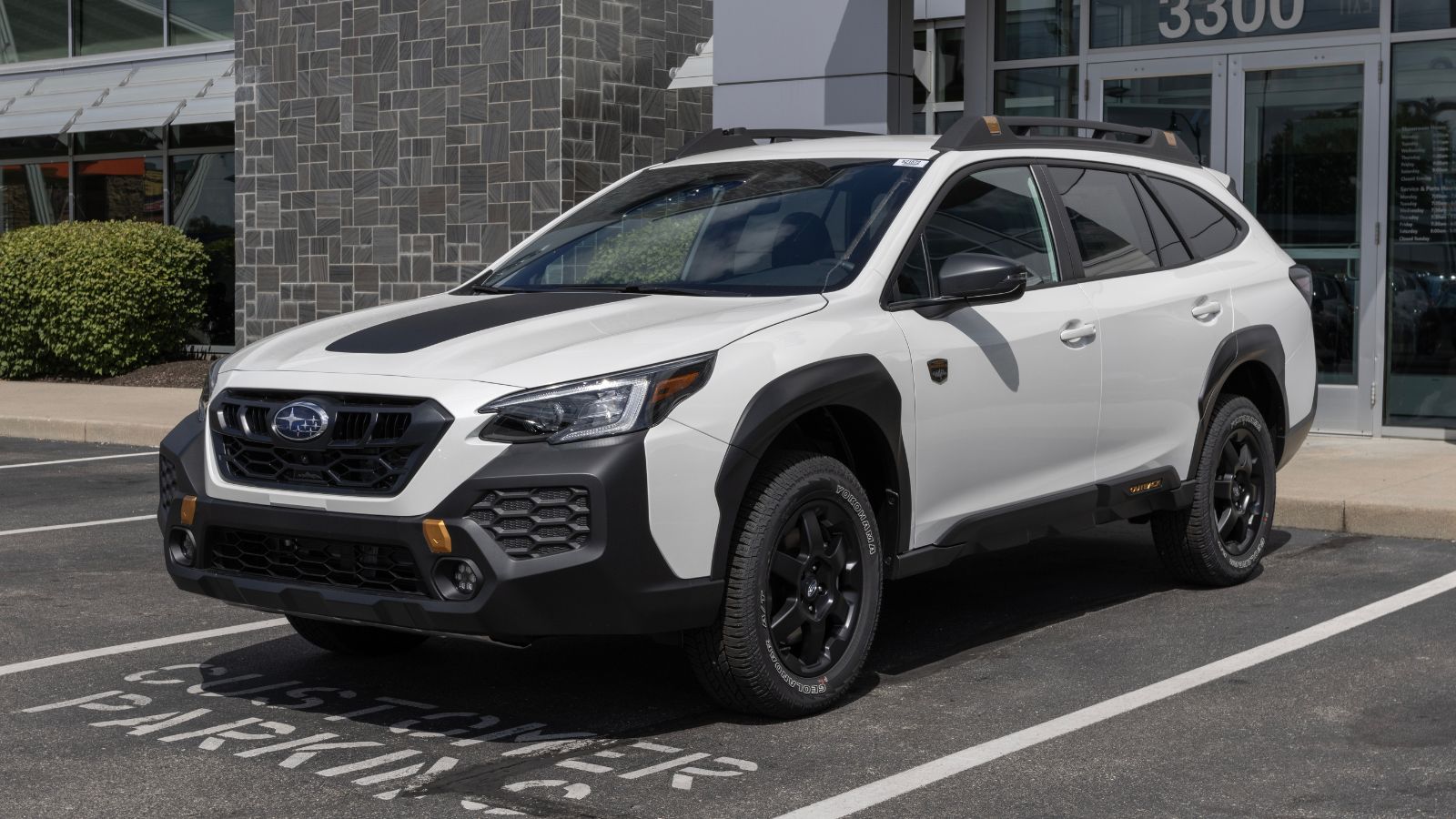
The Subaru Outback Wilderness is marketed for rough terrain and outdoor use. Its rugged styling suggests durability, but repairs can still get expensive quickly. The added cladding and off-road components are not cheap to replace. Sensors sit behind protective panels that still get damaged easily. Even a low-speed bump can affect multiple parts. Labor costs rise because of layered components. Insurance estimates often climb faster than expected. Some repairs approach write-off levels sooner. Owners trust its toughness, but repair bills can tell a different story.
Toyota Highlander Hybrid
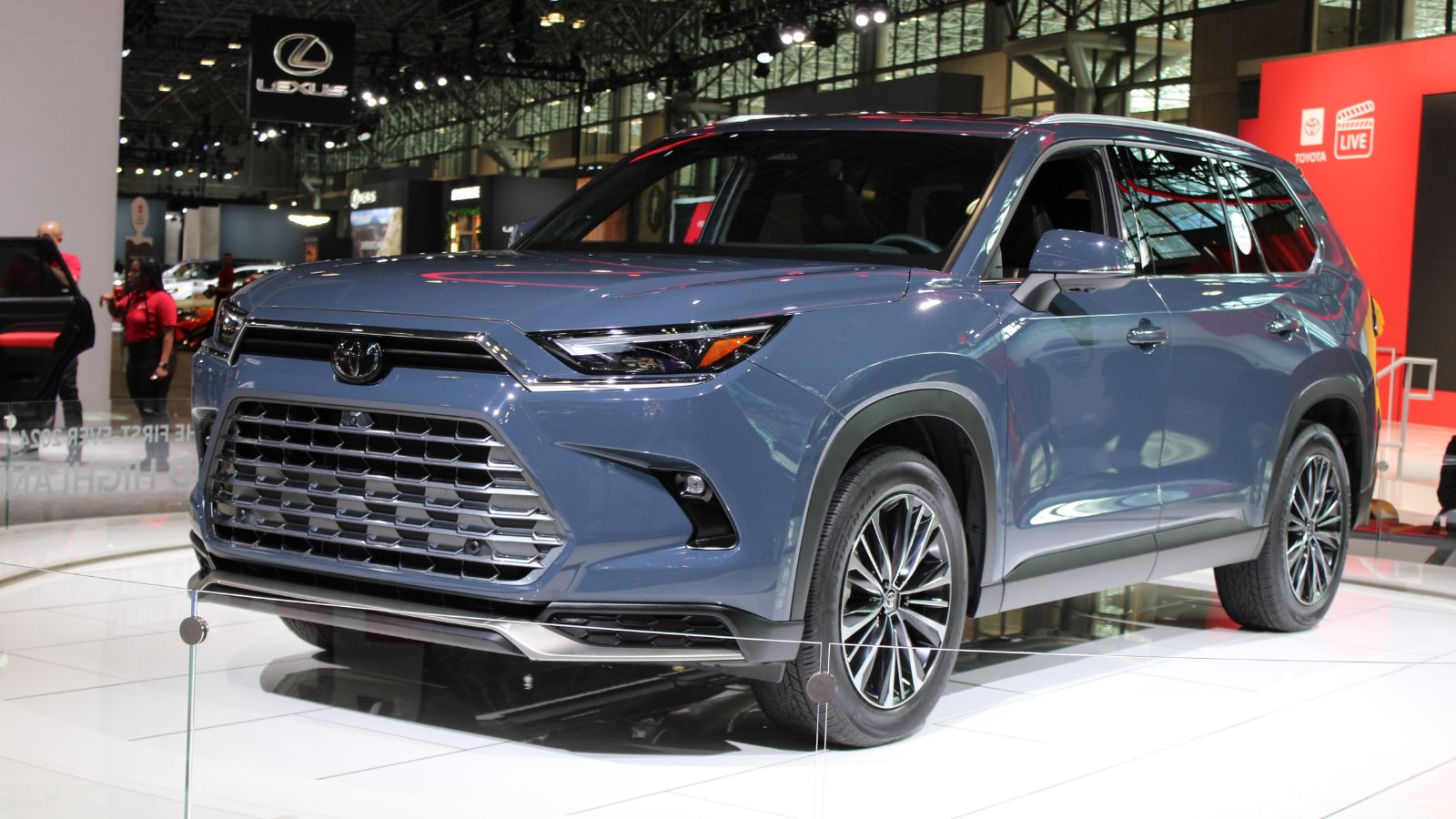
The Toyota Highlander Hybrid is popular for efficiency and family use. Repair costs can still surprise owners after an accident. Hybrid systems add complexity that raises expenses. Battery-related components require careful handling and replacement. Sensors and cameras increase the total cost further. Even front-end damage can involve multiple systems. Labor time increases due to calibration needs. Insurance companies often see higher estimates. Some vehicles approach write-off territory faster. Buyers expect low ownership costs, but hybrid repairs can shift that expectation after even moderate damage.
Honda CR-V Hybrid
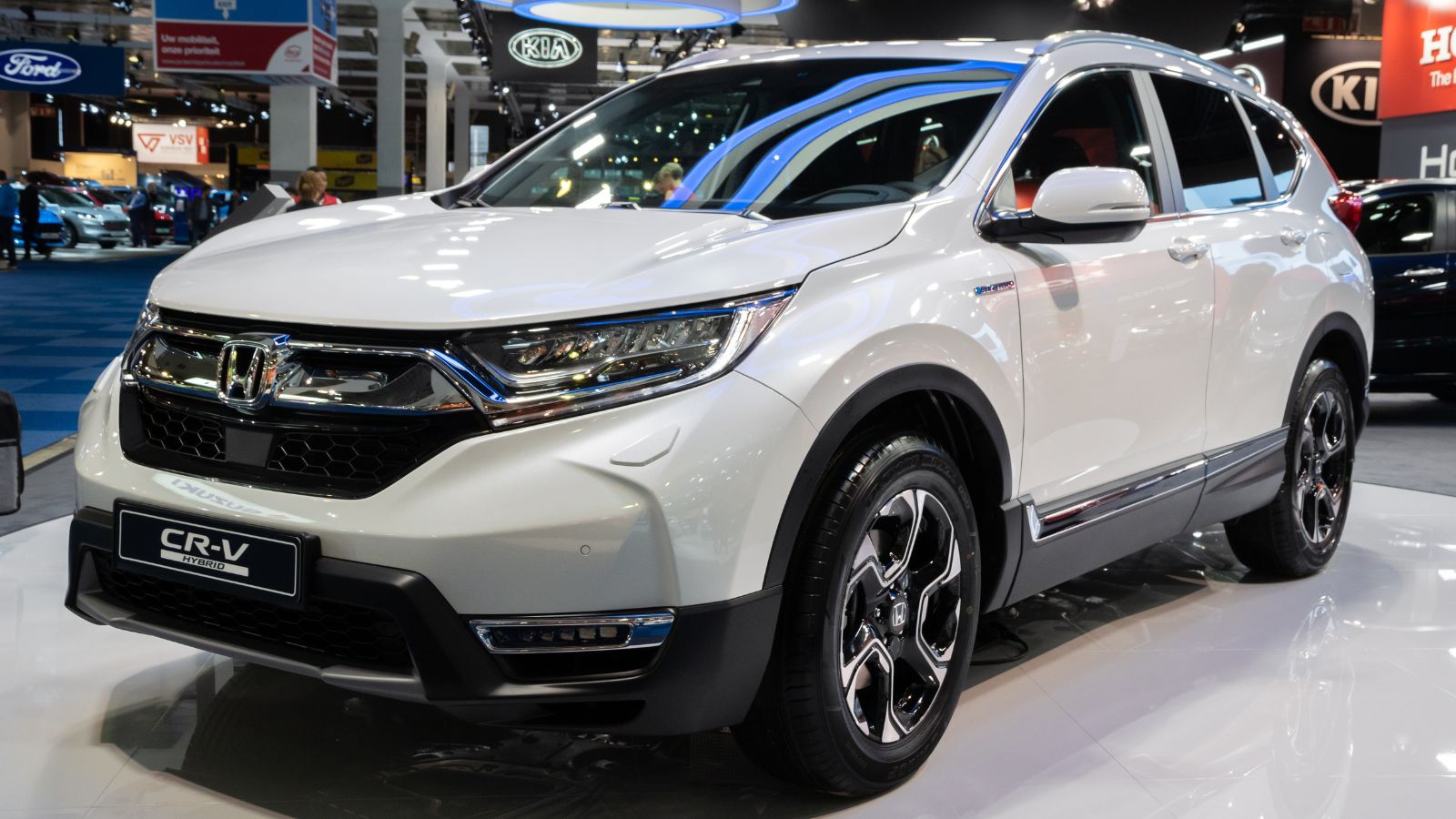
The Honda CR-V Hybrid is known for reliability and practicality. Repair costs do not always match that reputation. Hybrid components add layers of complexity. Sensors placed around the vehicle increase replacement expenses. Even small impacts can affect multiple systems. Labor time grows with required recalibration. Insurance estimates often rise faster than expected. Some repairs reach levels where writing off becomes likely. Owners expect affordability from this model. Modern technology changes that equation after accidents. The car remains practical, but repairs can quickly become costly.
Nissan Rogue
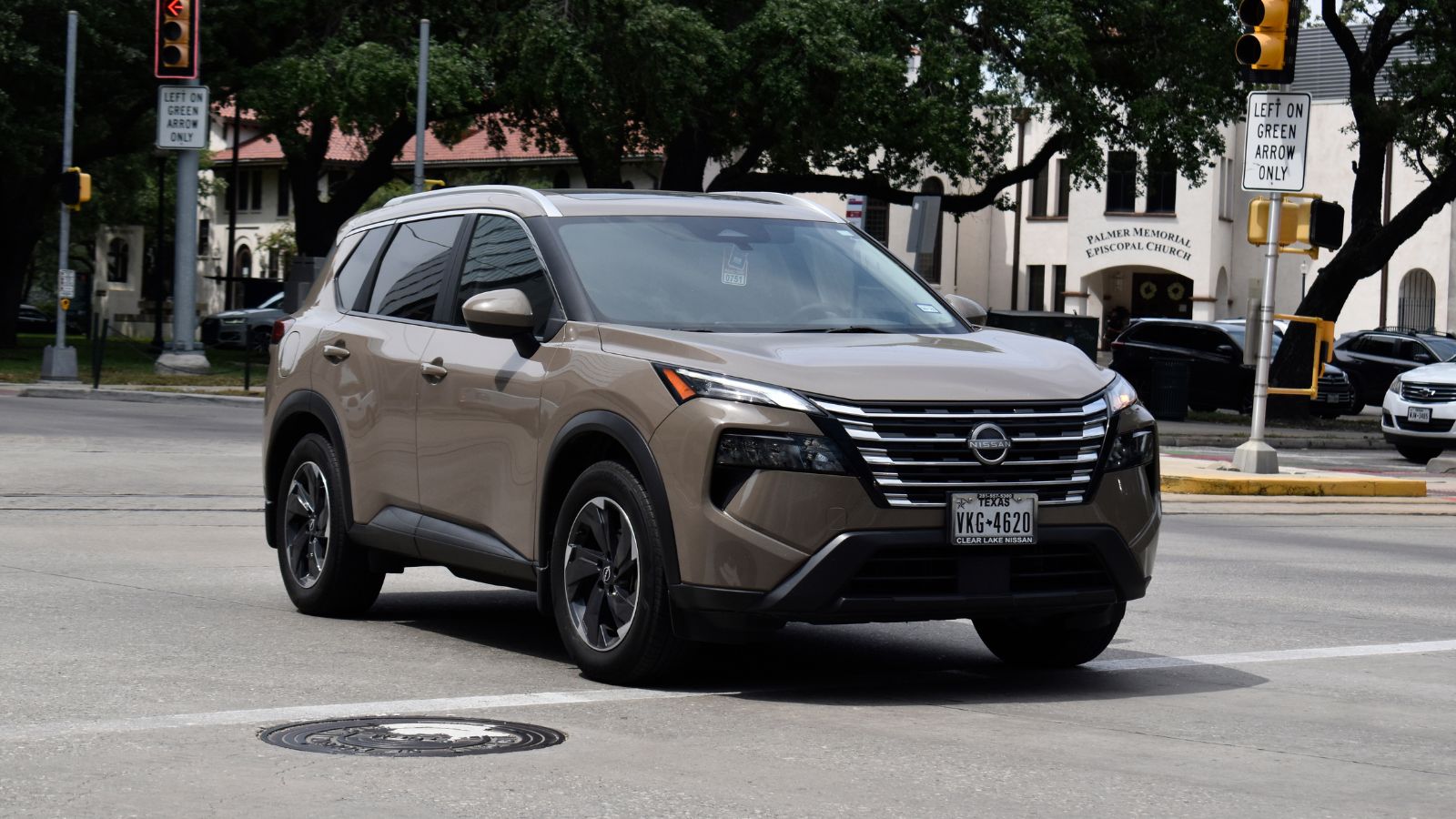
The Nissan Rogue is widely seen as an affordable family SUV. Repair costs can still catch owners off guard. Advanced safety systems rely on sensors placed in exposed areas. Even a minor bump can damage these components. Replacement costs add up quickly. Body panels are not always inexpensive either. Labor increases due to system calibration. Insurance estimates often rise sharply. Some vehicles approach write-off levels sooner than expected. Owners may not anticipate this from a budget-friendly SUV. Repair bills can shift that perception after accidents.
Mazda CX-5
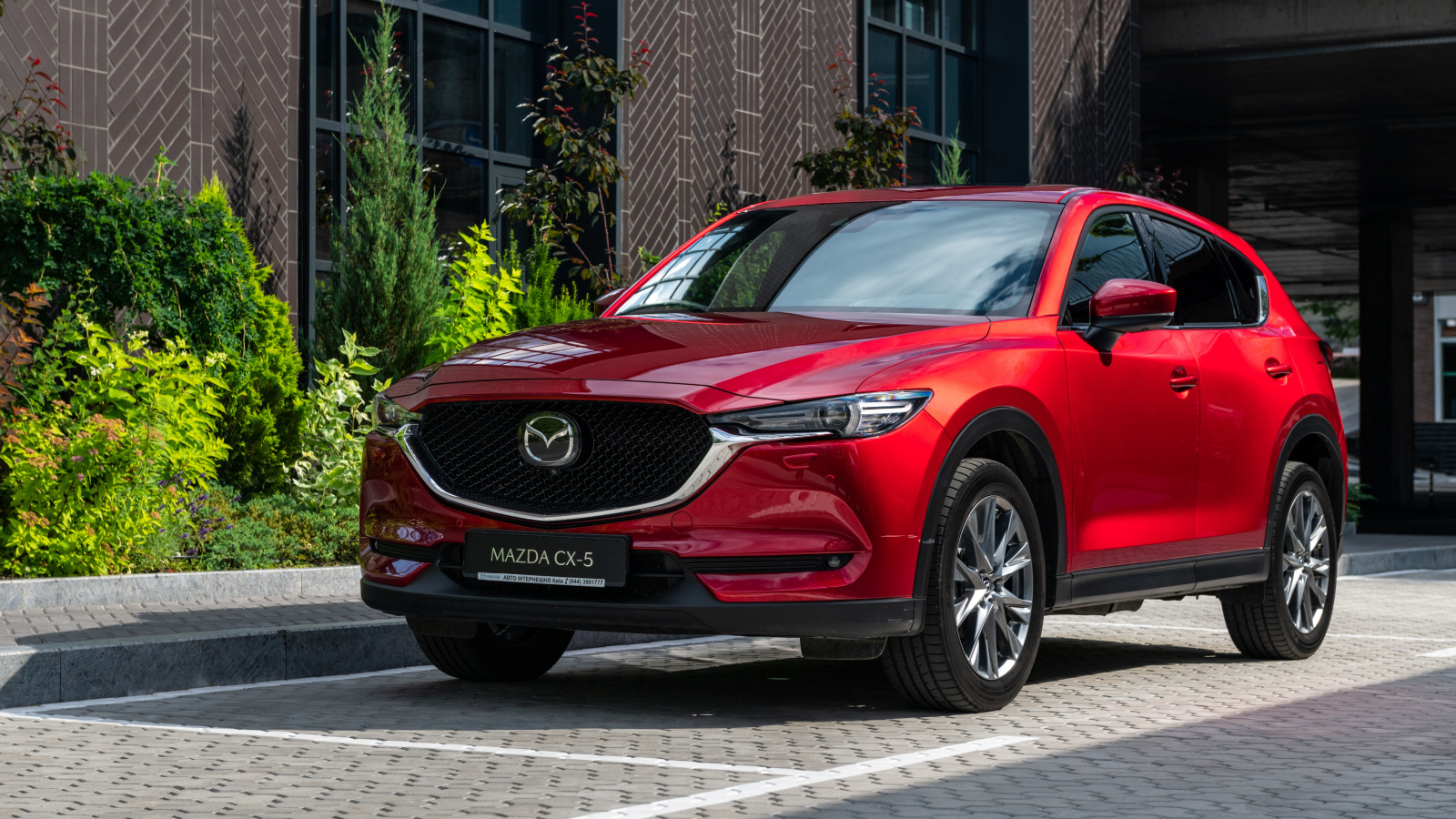
The Mazda CX-5 stands out for its refined design and driving feel. Repair costs can be less refined. Premium paint finishes are expensive to match properly. Sensors and cameras add hidden expenses. Even minor damage can involve multiple parts. Labor time increases due to precise alignment needs. Insurance estimates often climb quickly. Some repairs approach total loss territory sooner than expected. Owners may not expect this from a compact SUV. The vehicle feels upscale, but fixing it can reflect that same level of cost.
Genesis GV70
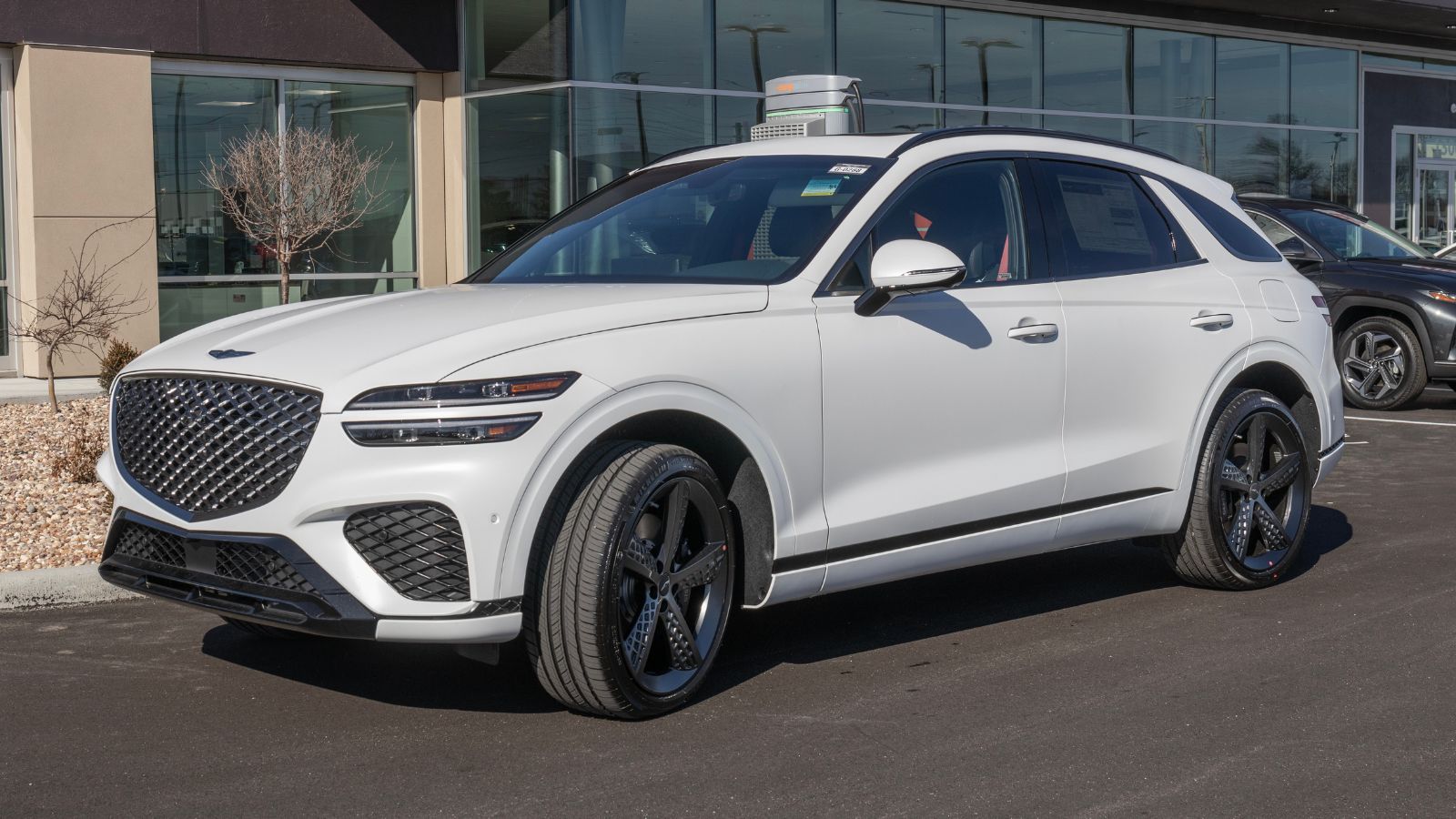
The Genesis GV70 offers strong value in the luxury space. Repair costs still align with premium vehicles. Parts pricing remains high across categories. Sensors and electronics increase complexity. Even small accidents can affect several systems. Labor requires trained technicians, raising costs further. Insurance estimates often escalate quickly. Some vehicles reach write-off thresholds earlier than expected. Buyers may expect savings compared to rivals. Repair economics can offset that advantage after damage. The GV70 feels premium on the road, and repairs reflect that same premium nature.
Alfa Romeo Stelvio
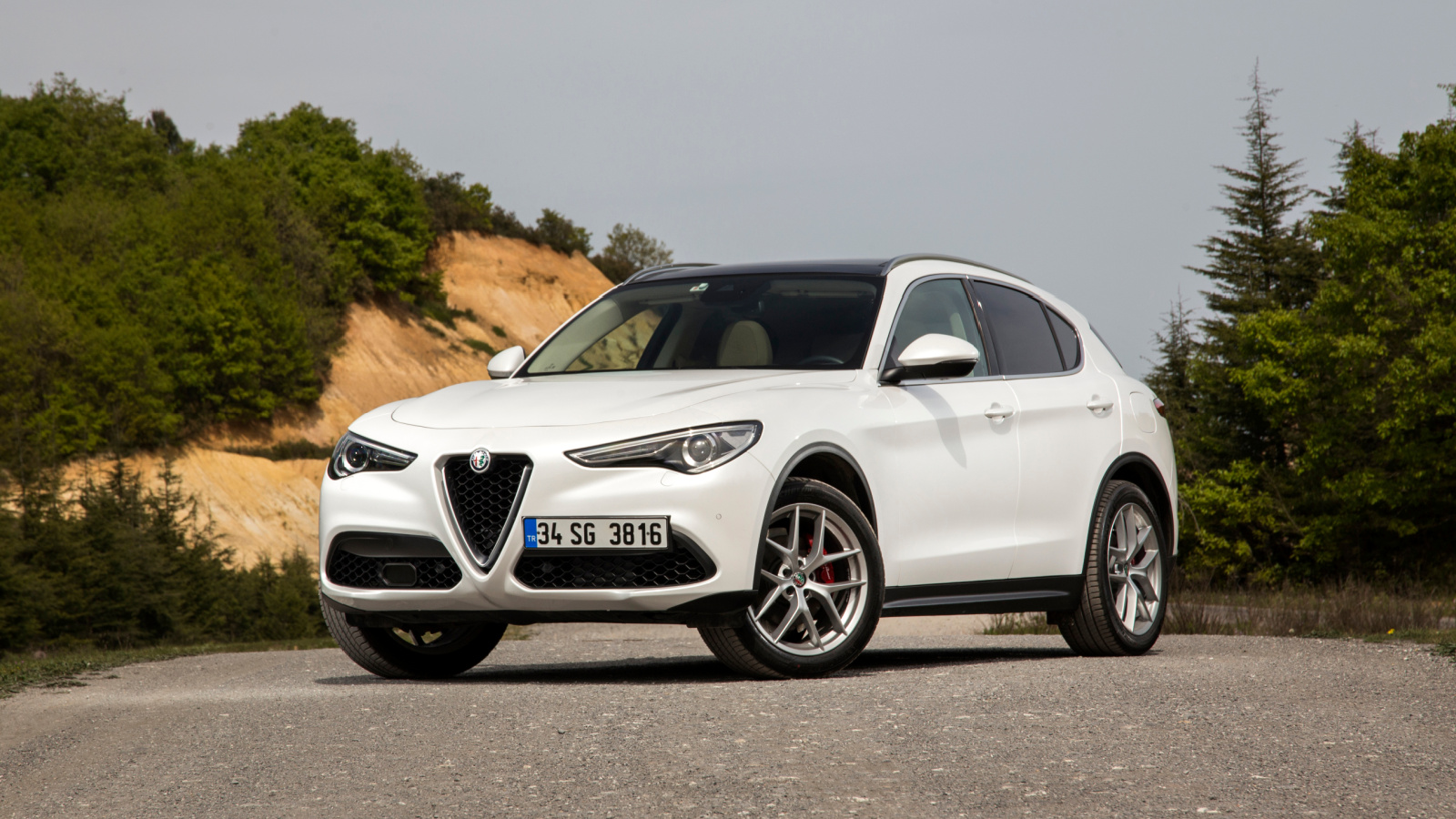
The Alfa Romeo Stelvio delivers style and sharp handling. Repair costs can be unpredictable and high. Parts availability is sometimes limited, increasing wait times. That delay often raises total repair expenses. Even moderate damage can involve multiple systems. Labor costs rise due to complexity and limited expertise. Insurance estimates can climb quickly. Some vehicles are written off sooner than expected. Owners may not anticipate this risk. The driving experience feels exciting, but repair situations can become stressful after even relatively small accidents.
22 Things Canadians Do to Their Cars in Spring That Mechanics Hate

Spring brings relief to many Canadian drivers after months of snow, freezing temperatures, and icy roads that put serious strain on vehicles. As temperatures rise across the country, drivers begin washing cars, switching tires, and preparing vehicles for warmer weather and upcoming road trips. However, mechanics across Canada notice the same mistakes every spring when drivers attempt to recover from winter damage. Road salt, potholes, and harsh winter driving conditions often leave vehicles with hidden problems that drivers ignore. Some spring habits even create new mechanical issues that could have been avoided with proper maintenance. Here are 22 things Canadians do to their cars in spring that mechanics hate.