
























The Canadian car market has become much less forgiving. A vehicle that looked sensible a year or two ago can now feel awkwardly timed once winter range realities, theft risk, insurance pressure, evolving charging standards, and fast product updates are factored in. That does not mean every model here is objectively bad. Some are still likable, comfortable, or even excellent in the right niche.
What has changed is the value equation. These 19 vehicles are the ones increasingly caught on the wrong side of that shift, whether because a much better replacement is arriving, a plug-in system has become harder to trust, or the ownership math in Canada is no longer as friendly as it once seemed.
1. 2025 Nissan Leaf
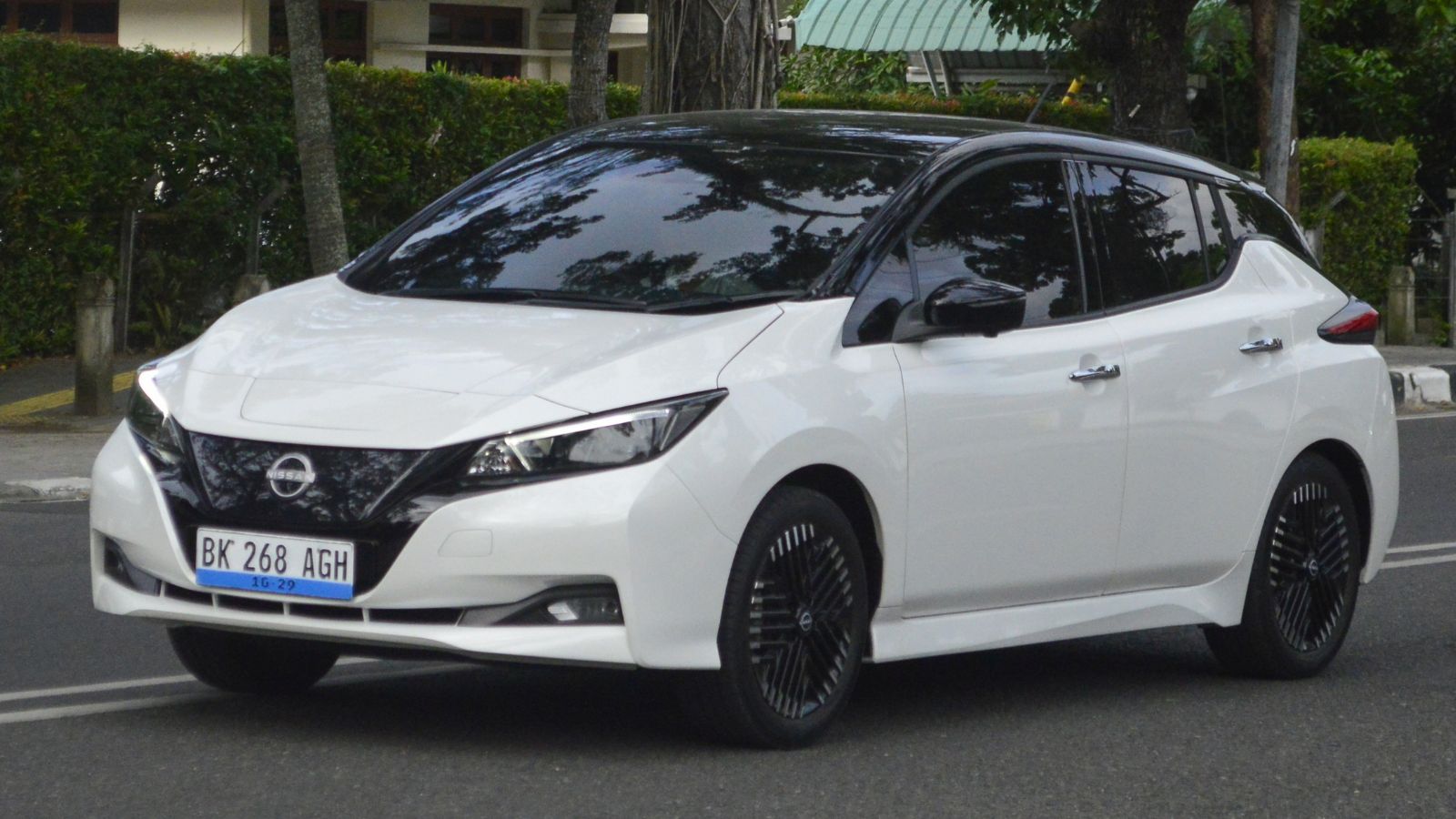
The Leaf still deserves credit for helping make EVs normal, but that history now works against it. In Canada, the current car’s range ceiling is modest by modern standards, and its charging hardware feels like a holdover from an older chapter of the EV market. That matters more in a country where winter can turn a comfortable summer estimate into a much tighter real-world buffer. As a second commuter car, the Leaf can still make sense. As a primary household EV, it increasingly asks buyers to rationalize compromises that newer rivals simply do not.
The bigger problem is timing. Nissan has already shown the all-new 2026 Leaf with a much more competitive range story and a more current charging direction. That makes the outgoing 2025 model feel like a placeholder rather than a long-term buy. For a Canadian shopper trying to protect resale value and everyday convenience, buying the old Leaf now can feel less like smart bargain hunting and more like stepping into yesterday’s solution just as tomorrow’s version is arriving.
2. 2024 Mazda MX-30 EV
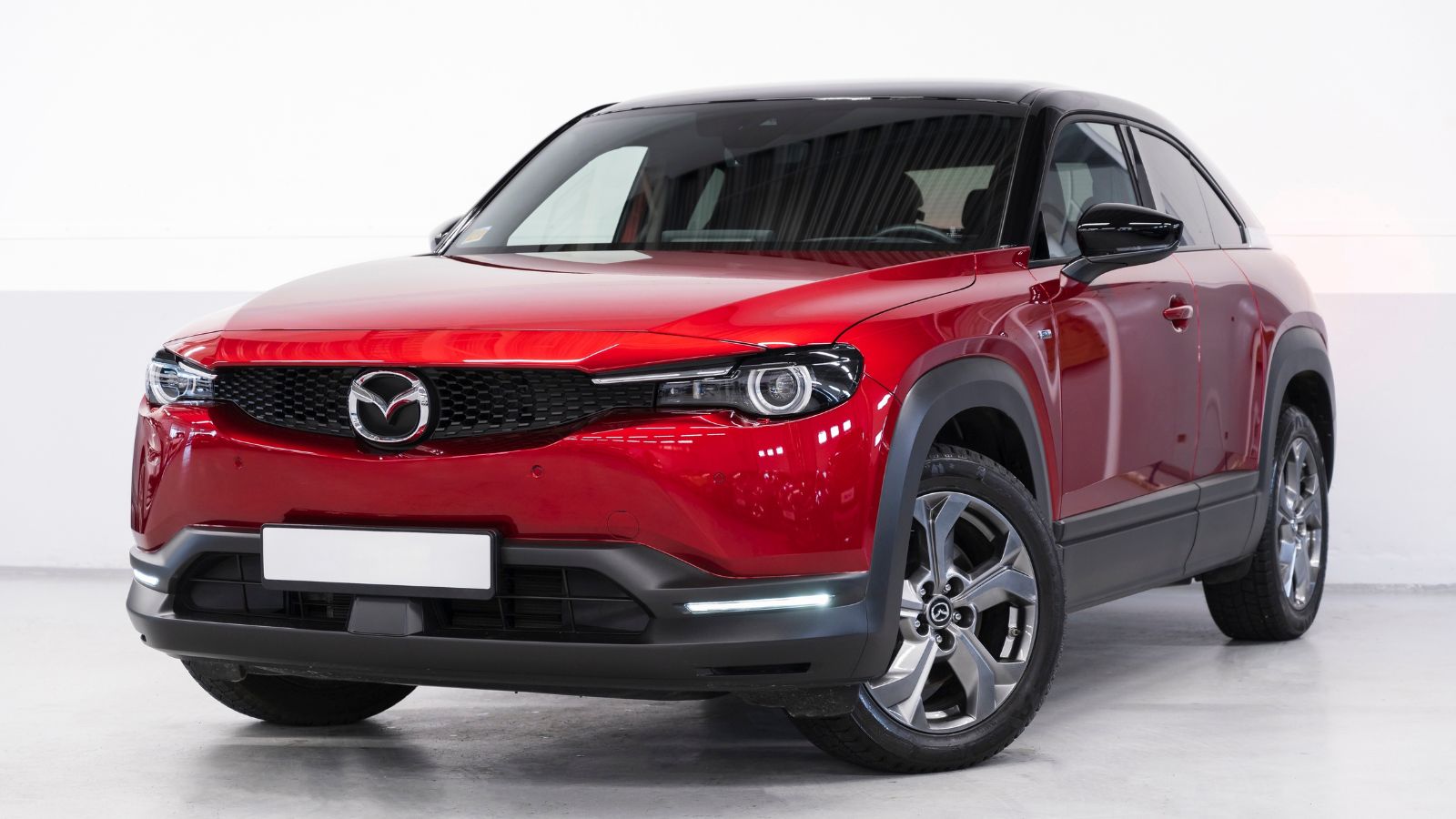
The MX-30 has always been easy to like in brief encounters. The cabin feels more upscale than expected, the design is distinctive, and the driving manners are very Mazda. The issue was never charm. It was the battery. In a country as large as Canada, a short-range EV needs to be either dramatically cheaper or much more future-proof to justify itself. The MX-30 was neither. It worked best as a carefully managed city car, not as a flexible family vehicle that could handle winter, detours, or spur-of-the-moment highway use without planning.
Now the case has become even harder to make because Mazda Canada decided to end MX-30 sales after the 2024 model year. That means anyone buying one in 2026 is buying into an EV that already feels like a discontinued experiment. There will still be buyers who love the design and use it purely for local driving, but most Canadians want more breathing room than this battery provides. Once that expectation is measured against a discontinued nameplate, the MX-30 starts to look less like a hidden gem and more like a stylish dead end.
3. 2025 Fiat 500e
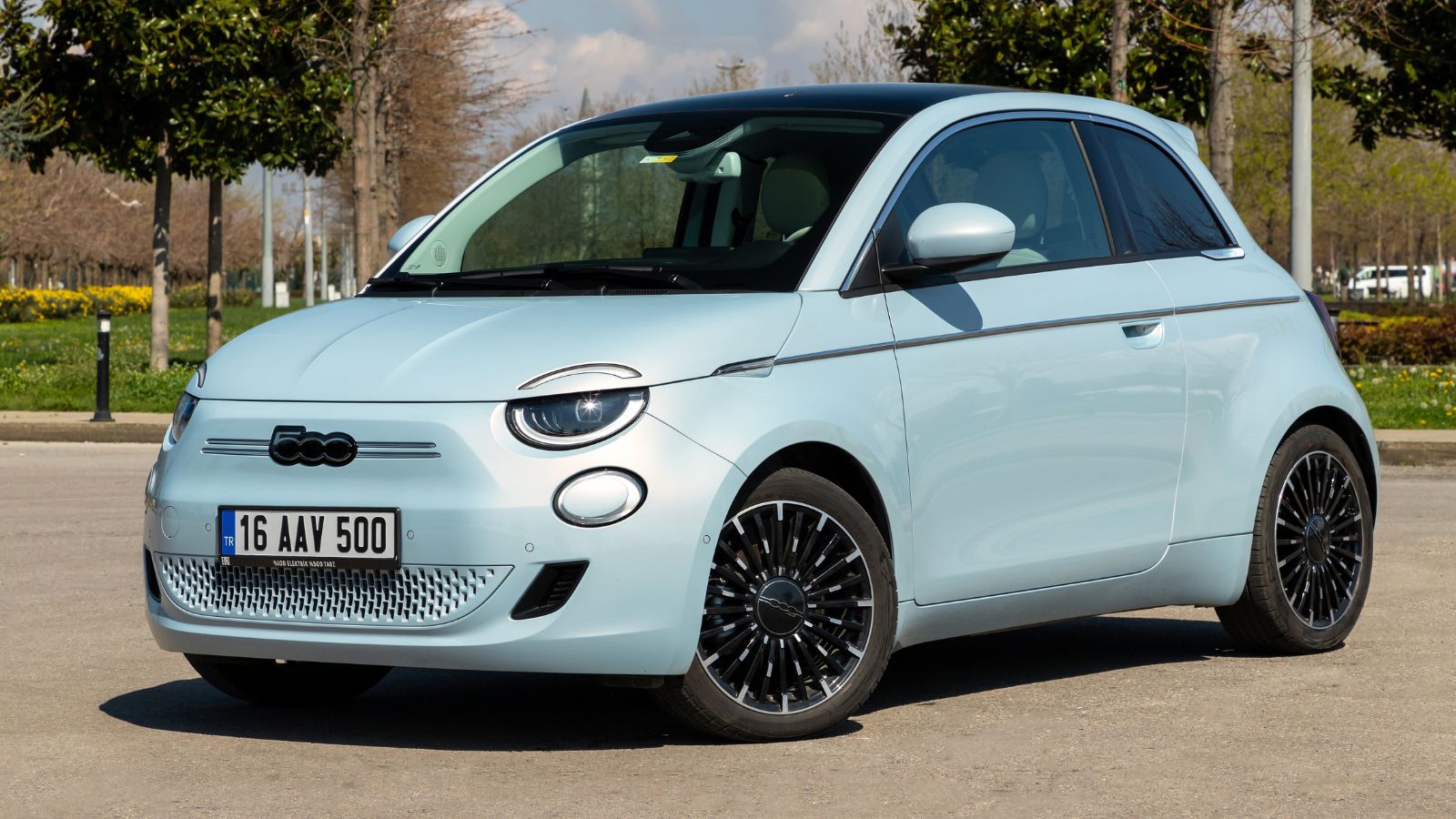
The Fiat 500e is one of those cars that can win hearts in a parking lot. It looks expensive, compact, and playful in a way most small EVs do not. For dense urban neighbourhoods, that formula is still appealing. The trouble is that Canada asks more from a car than downtown curbside charisma. A small battery, short range, and real winter weather can quickly turn a fashionable commuter into a carefully managed appliance. That is fine for some owners, but it narrows the buyer pool more than the cheerful styling suggests.
There is also a value trap here. The 500e can look affordable in EV terms, yet the ownership experience remains highly specialized. It is best when treated as a city-first second car, not as the household’s do-everything machine. Once Canadians start comparing it with slightly larger EVs that travel much farther on a charge, the Fiat’s appeal shifts from practical to emotional. There is nothing wrong with buying on emotion, but when a vehicle’s main advantage is personality rather than flexibility, it starts to feel like the wrong buy for anyone hoping one car can cover every season and every route.
4. 2025 Toyota bZ4X
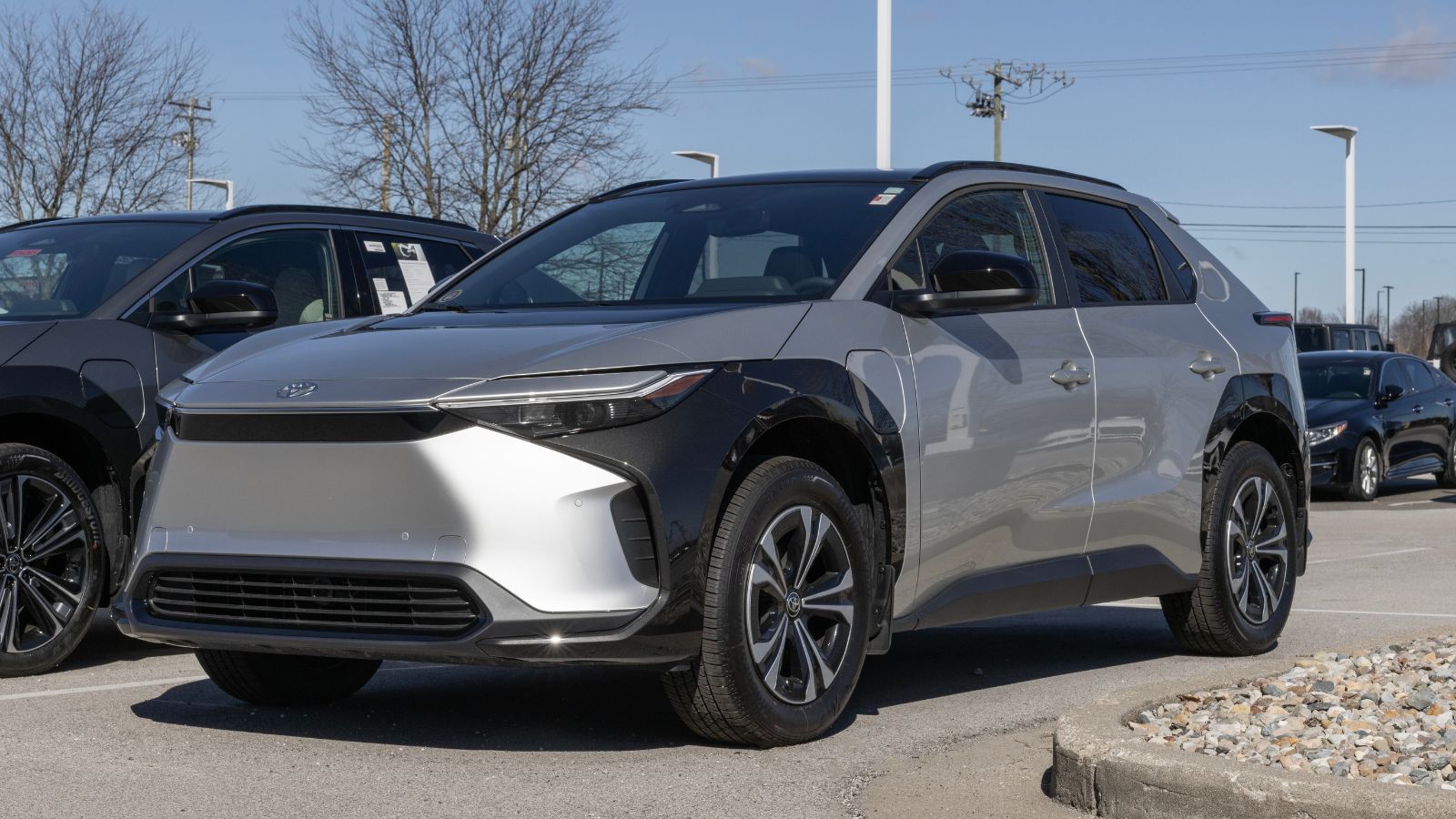
Toyota’s electric SUV has improved, but the 2025 bZ4X still feels like a vehicle caught between generations. On paper, the range is acceptable, especially in front-wheel-drive form. In practice, Canadian buyers do not shop on paper alone. They think about freezing mornings, highway charging stops, ski weekends, and whether a vehicle will still feel current three years from now. That is where the 2025 bZ4X becomes harder to defend. Toyota’s own charging guidance for pre-2026 BEVs makes it clear that repeated DC fast charging is not this vehicle’s happiest use case.
What really shifts the mood is the arrival of the 2026 Toyota bZ. Toyota has already boosted range significantly, especially on the AWD side, and expanded the fast-charging tolerance of the newer version. That does not make the 2025 model bad, but it does make it look like the draft before the cleaner final copy. For a Canadian buyer who values long-term satisfaction, that kind of visible near-term improvement matters. A vehicle that feels merely adequate in 2025 can feel instantly old once the next model fixes the exact issues shoppers were already noticing.
5. 2025 Subaru Solterra
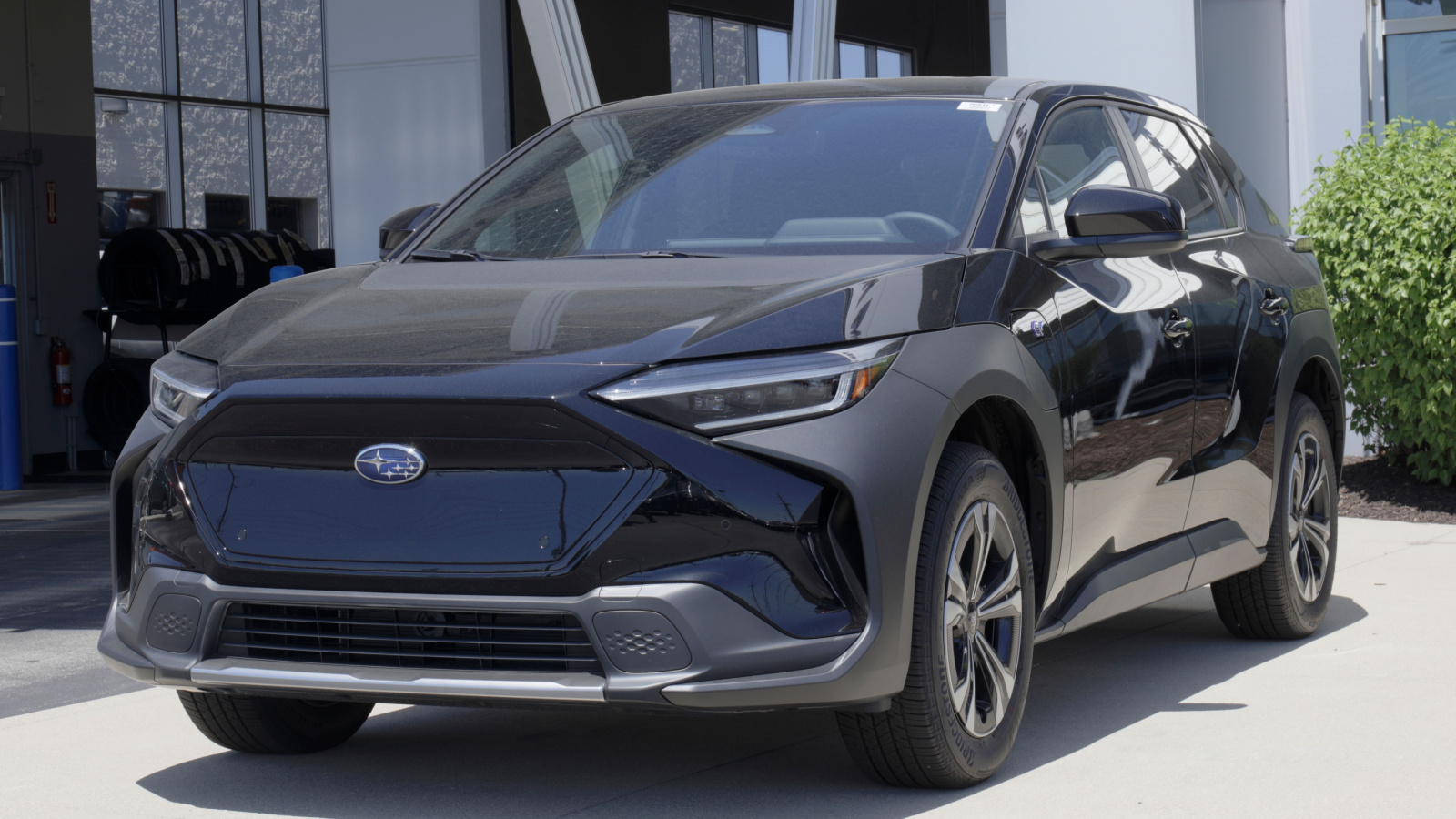
The Solterra always had a certain Canadian logic to it. Standard all-wheel drive, Subaru branding, and the promise of electric traction in poor weather gave it an identity that was easy to understand. The problem was that the real-world product never fully matched the image. Range was middling, charging was not class-leading, and the entire package often felt like a first serious attempt rather than a mature finished result. For drivers who wanted a winter-friendly EV, there were reasons to be interested, but there were also enough compromises to make the purchase feel tentative.
That tension gets sharper now that the 2026 Solterra has clearly moved the conversation forward. Subaru has already announced more range, stronger power, quicker charging, and hardware aimed at improving cold-weather usefulness. That is exactly the kind of upgrade path that makes the outgoing version feel like it arrived one model year too early. A discounted 2025 Solterra could still work for a local commuter who values AWD more than road-trip ability. But for most Canadian households, the smarter move is to avoid paying near-full money for the version that already looks like the one Subaru itself wanted to improve most.
6. 2025 Ford F-150 Lightning
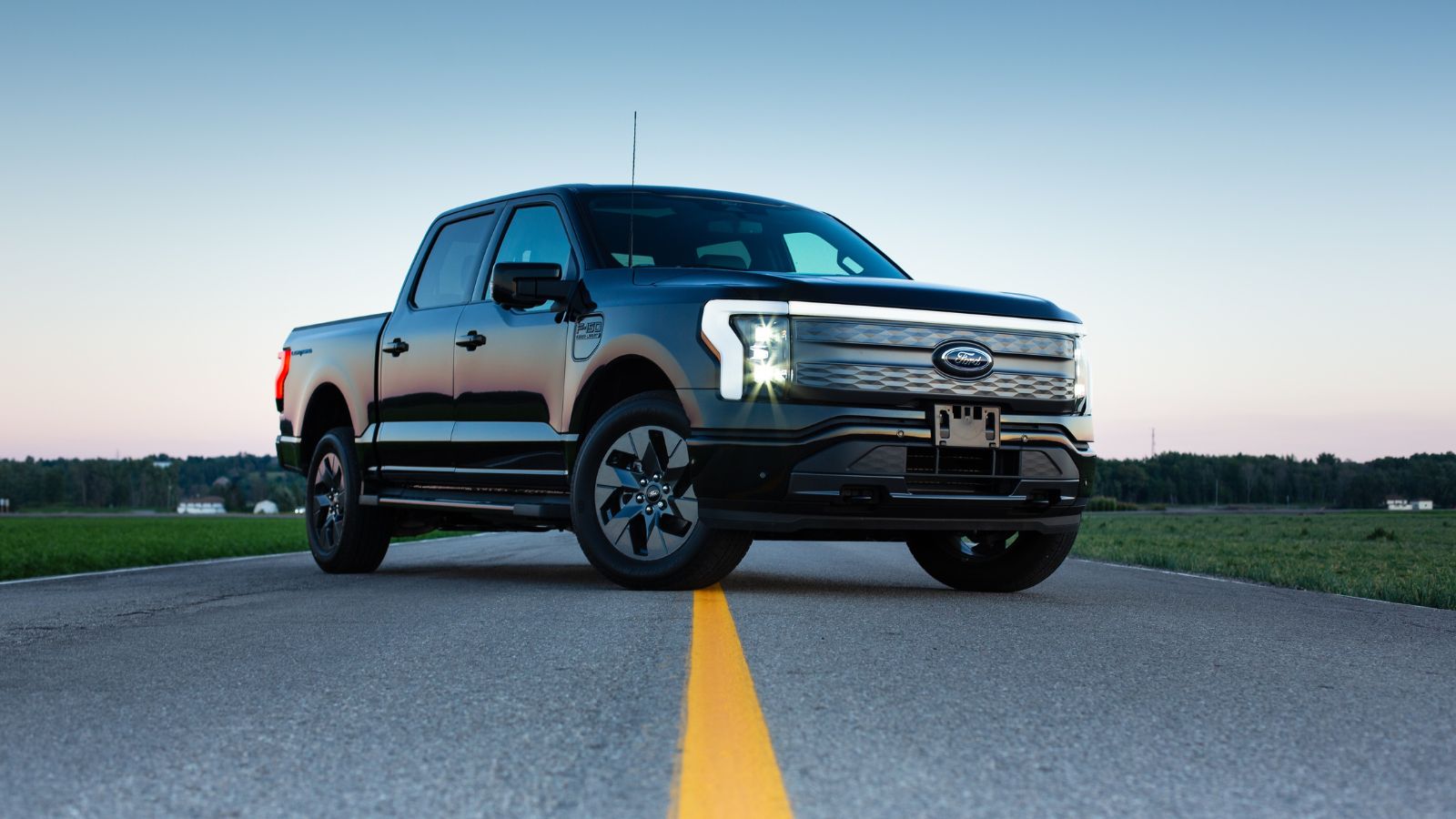
The Lightning remains one of the most impressive electric vehicles on sale because it genuinely feels like a truck first and an EV second. Around town, it is quick, quiet, and surprisingly easy to live with. The problem is that Canadian truck buyers rarely use their trucks in just one mode. They tow, haul, drive in deep cold, and stretch long distances between cities. That is where the Lightning’s appealing official range numbers stop telling the full story. Payload and towing can meaningfully reduce usable distance, and winter conditions do not do an electric pickup any favours.
That does not mean the Lightning is a failure. It means the wrong buyer can convince himself it is more universal than it really is. If the truck will live mostly in suburban or urban duty with dependable home charging, it can be excellent. But for the classic Canadian one-truck household that also tows, road-trips, and heads north in winter, the margin for disappointment is still real. A vehicle this capable should feel effortless. Too often, the Lightning still asks owners to manage conditions instead of simply getting on with the job, and that makes it easier to question at its price.
7. 2025 Jeep Wrangler 4xe
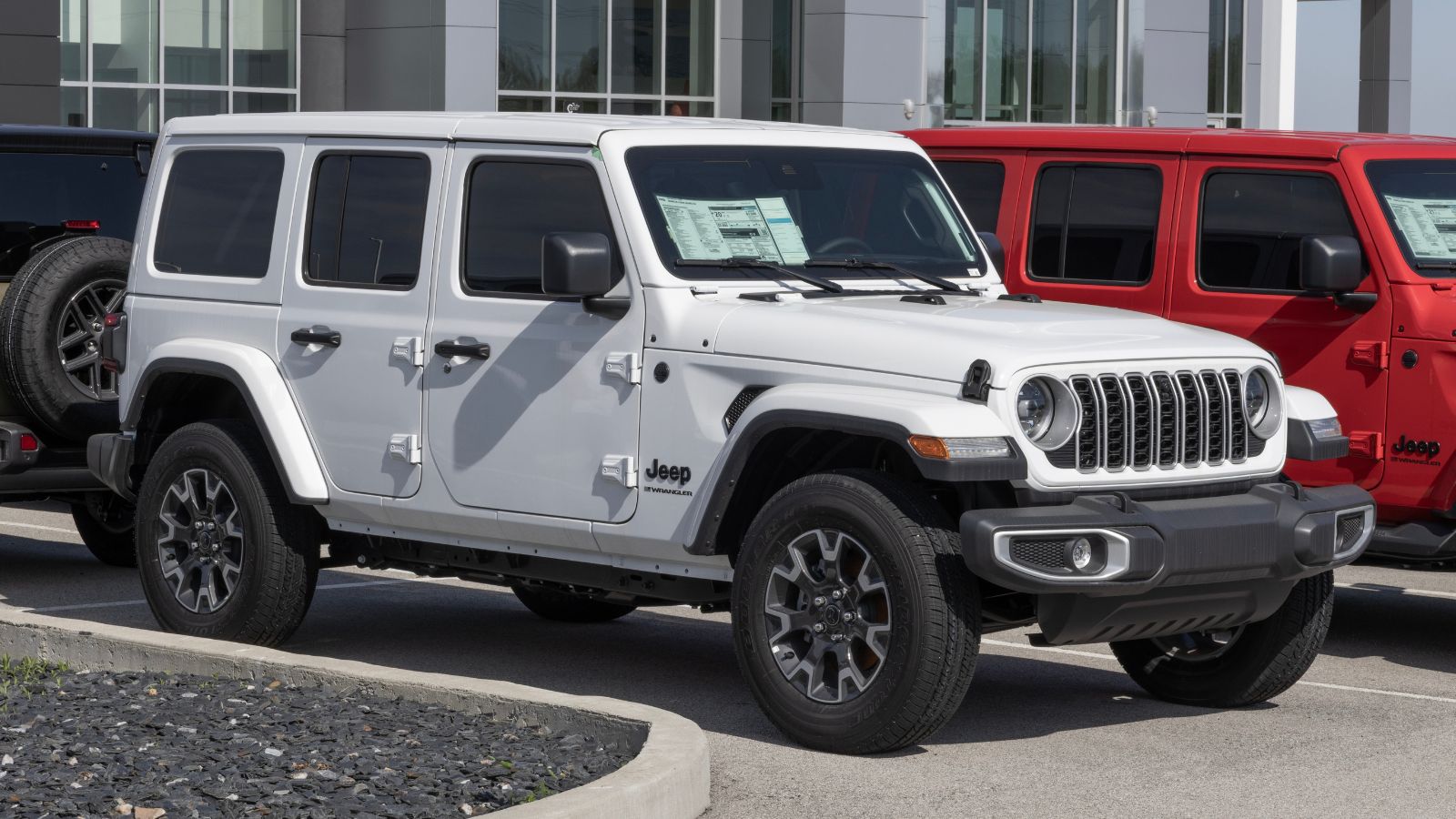
The Wrangler 4xe sounds like a perfect modern compromise: electric torque, local EV driving, and genuine Jeep trail credibility. That promise is why the vehicle still attracts buyers. Unfortunately, the ownership narrative has become harder to trust. Repeated recall activity tied to the high-voltage battery and additional concerns around engine-related failures have overshadowed the basic selling point. A plug-in hybrid only feels worth the premium if the plug-in half inspires confidence. Once that confidence weakens, the whole proposition starts to wobble.
There is also a philosophical problem here. The Wrangler is already a vehicle people buy with their heart more than their calculator. Add recall fatigue, battery-fire headlines, and the possibility that owners may feel uneasy about charging or parking habits, and the emotional equation changes. A buyer who wanted adventure now has to think about service campaigns and risk management. That is not where a fun vehicle should live in someone’s mind. The 4xe still has immense curb appeal, but the gap between idea and ownership reality has grown large enough that it no longer feels like the obvious smart splurge it once did.
8. 2025 Jeep Grand Cherokee 4xe
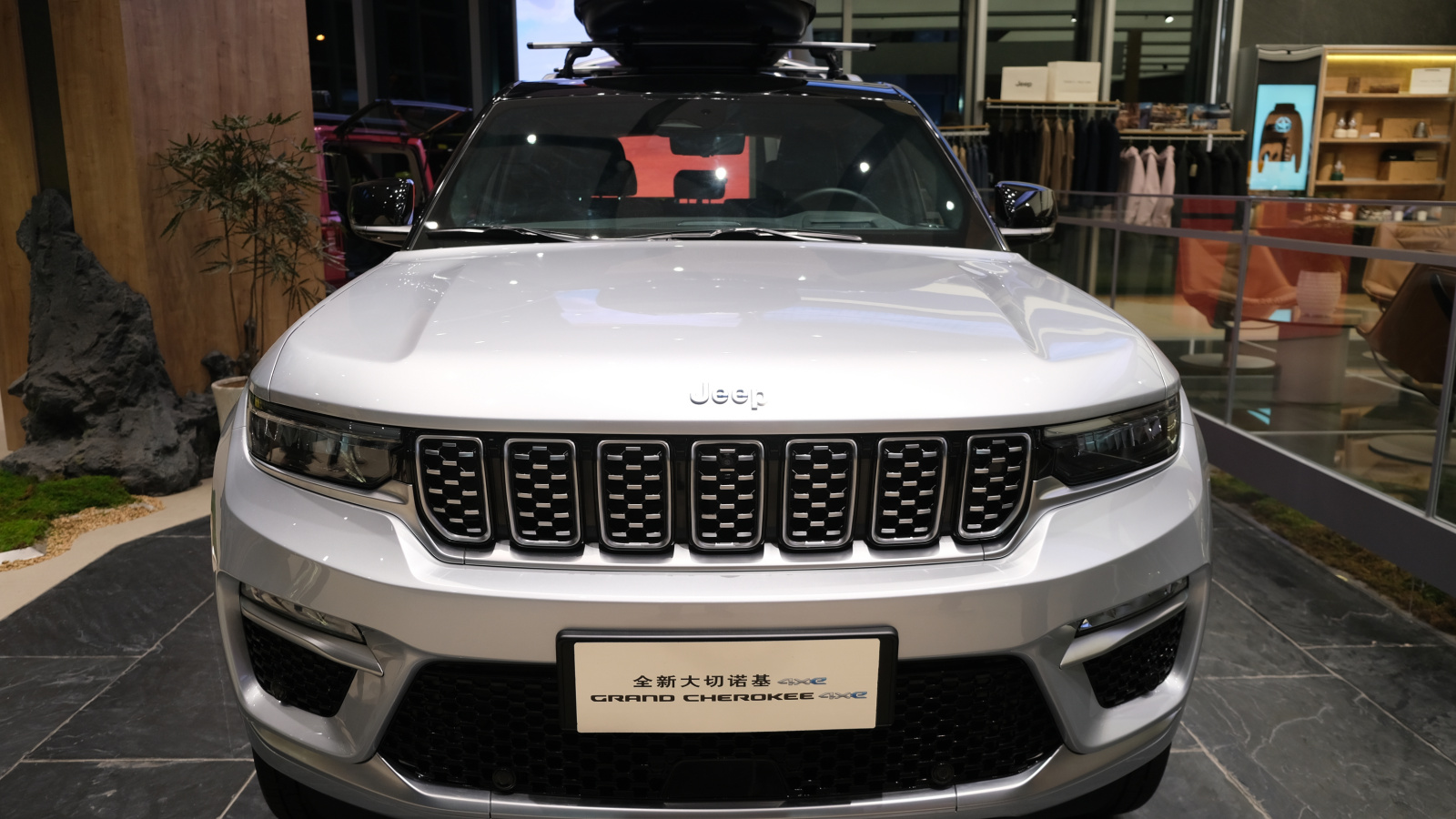
The Grand Cherokee 4xe was supposed to be the civilized expression of Jeep electrification. Unlike the Wrangler 4xe, this one targets buyers who want premium comfort, quiet daily commuting, and occasional electric driving without giving up SUV practicality. On paper, that is a strong Canadian formula. In reality, it inherits too much of the uncertainty that has dogged Stellantis plug-in products. Battery-related recall concerns and later engine-related recall news do not land softly in a family SUV that is supposed to feel polished, secure, and expensive for good reasons.
That matters because the 4xe version asks buyers to pay for sophistication. When a vehicle with that mission starts generating caution rather than confidence, the whole premium goes under review. If charging becomes something an owner thinks about nervously instead of casually, the powertrain stops feeling like an upgrade. It becomes baggage. The Grand Cherokee itself remains handsome and broadly appealing, but the 4xe version now feels like the trim where the promise is still stronger than the proof. In a market with plenty of hybrids and efficient gas SUVs that ask less trust from the customer, that is a difficult place to be.
9. 2025 Dodge Hornet R/T PHEV
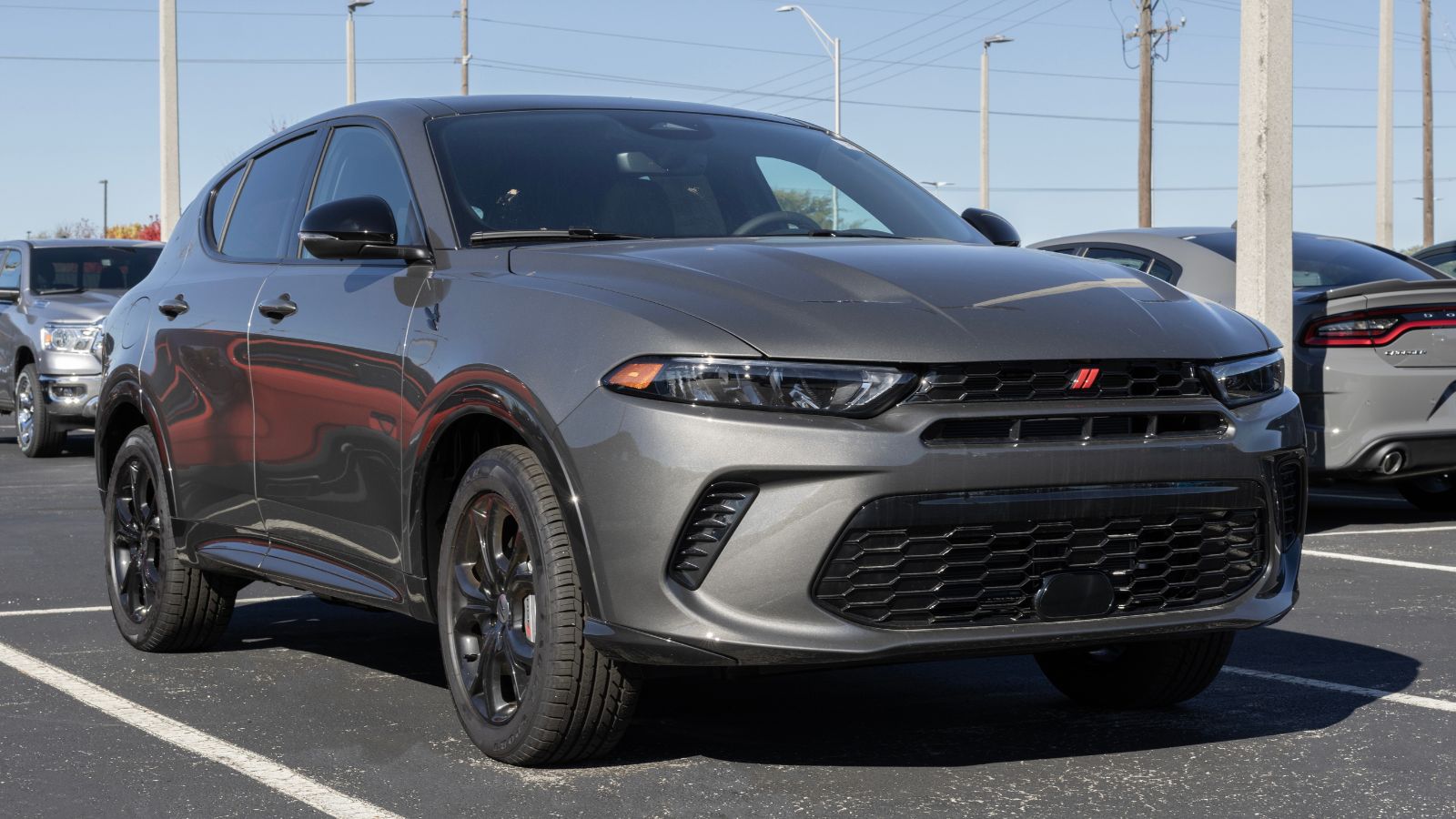
The Hornet R/T PHEV was meant to inject Dodge attitude into a compact plug-in crossover, and in flashes it succeeds. It is punchy, distinctive, and more interesting than many anonymous rivals. The trouble is that interesting is not enough when the rest of the ownership case gets shaky. Canada recall notices tied to brake-pedal failure and earlier PHEV-related fire-risk issues undercut the exact confidence a newcomer needs to build. A fresh nameplate can survive a rough launch if momentum stays strong. The Hornet has not had that luxury.
The market signal has become harder to ignore. Sales fell sharply in Canada, and Dodge’s 2026 Hornet program effectively went off the rails as production was halted. That leaves the current Hornet feeling less like the beginning of a promising line and more like an experiment that never fully settled. That does not mean every Hornet owner will have problems, but it does mean shoppers should think carefully before committing to a model with recall baggage and an uncertain future. In Canada, where resale confidence and service familiarity matter, that combination makes the Hornet feel like a riskier bet than its styling suggests.
10. 2025 Jeep Compass
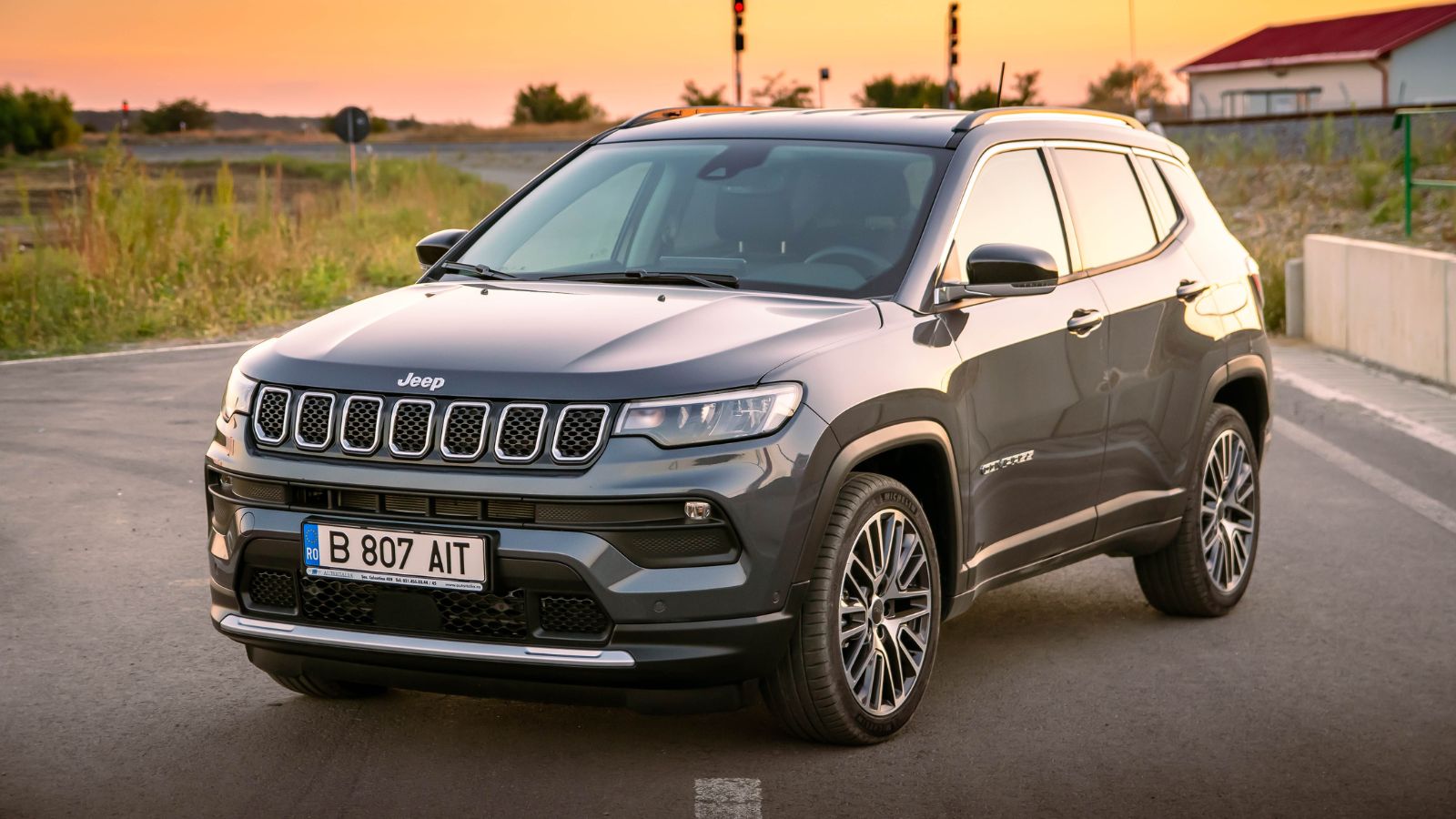
The Compass is not hard to understand. It gives Canadians the Jeep badge, standard four-wheel drive, a respectable feature list, and an entry price below the larger models in the lineup. For years, that was enough. Now it looks thinner. Official pricing and discounting tell part of the story, because vehicles that need heavy cash on the hood are often vehicles the market is already debating. The other issue is that the segment moved on. Compact SUVs have become brutally competitive, and buyers now expect strong crash-test results, great efficiency, and a cabin that feels modern without caveats.
The Compass still covers the basics, but “covers the basics” is not a compelling pitch in 2026. IIHS class-summary results now leave it looking weaker than many rivals in key areas, and its fuel economy is ordinary rather than exceptional. That might have been acceptable when the badge itself was enough to carry extra weight. It is less acceptable now that many competitors simply do the daily-driver part better. The Compass is not unworkable, but it increasingly feels like something people buy because it is a Jeep, not because it wins the compact-SUV argument on merit.
11. 2025 Mitsubishi Eclipse Cross
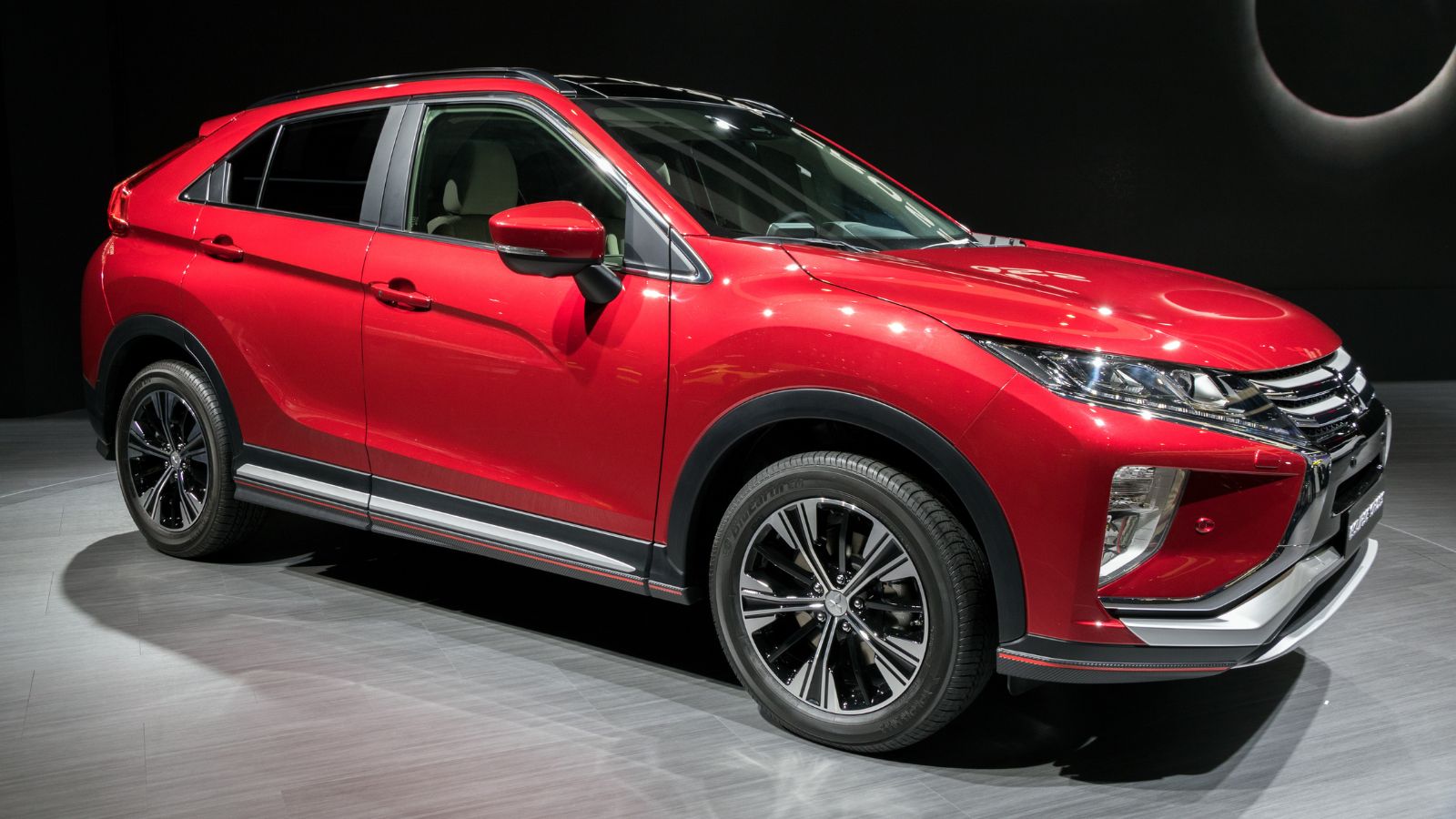
The Eclipse Cross has one strong Canadian selling point: it often looks like a lot of crossover for the money. Standard all-wheel drive availability and Mitsubishi’s long warranty story also help it stay on shopping lists. But once the conversation moves past headline value, the cracks show quickly. This is an older-feeling entry in a segment that now rewards efficiency, refinement, and safety depth. The Eclipse Cross can still handle daily life, yet it rarely feels like the vehicle setting the pace in any major category. That makes it vulnerable in a market where acceptable is no longer enough.
Safety is where the argument gets more uncomfortable. IIHS summary results place the Eclipse Cross in a visibly weaker position than many current alternatives, and the model’s age is difficult to ignore. Buyers can still rationalize it as a practical, low-drama utility vehicle, especially if they prioritize price and warranty over everything else. But that is exactly why it is starting to feel like the wrong buy. It is not obviously broken. It is simply too easy to outgrow. In Canada, where people often keep vehicles for years, buying a small SUV that already feels behind can become regrettable faster than expected.
12. 2025 Dodge Durango
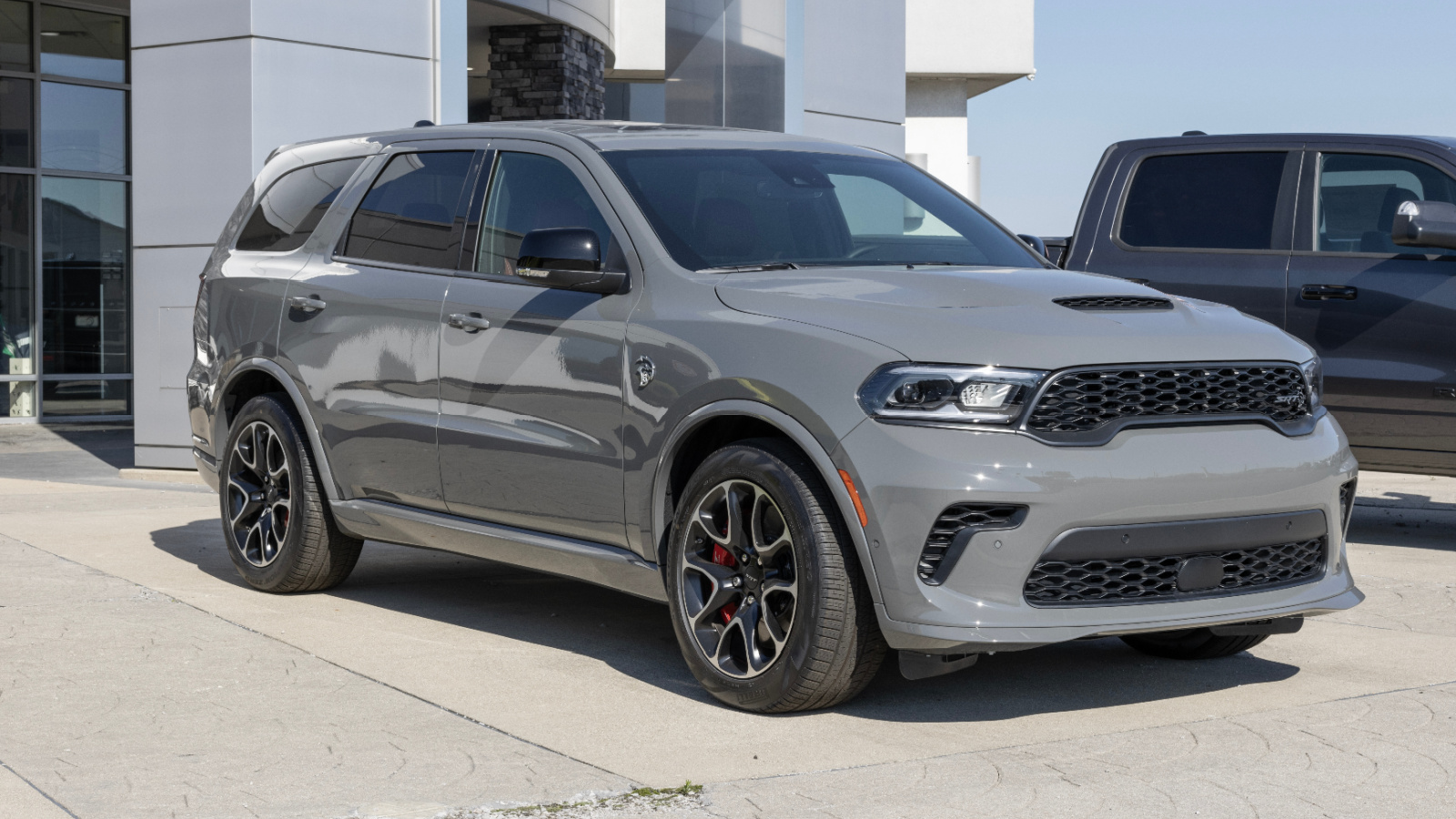
The Durango still has one thing many modern SUVs lack: presence. It looks tough, it can tow, and V8 versions still appeal to buyers who want something unapologetically old-school. There is a market for that, and it is not irrational. The issue is that the Durango now asks buyers to absorb a lot of outdatedness in exchange for that attitude. Fuel consumption is heavy, especially in the thirstier trims, and IIHS ratings no longer flatter it. In an era where even large family SUVs are expected to combine safety, tech, and efficiency with reasonable grace, the Durango feels increasingly stubborn.
That stubbornness can be charming until the bills arrive. Once fuel costs, financing, and insurance are layered onto a vehicle that is not meaningfully modern in crash-test terms, the appeal becomes narrower than the styling suggests. The Durango is best understood as a niche choice for someone who specifically wants its old-school personality. Outside that niche, it becomes hard to defend. Most Canadian family buyers are not looking for a nostalgic muscle-SUV vibe; they are looking for calm competence. The Durango still has character, but character alone is doing too much of the heavy lifting now.
13. 2024 Ram 1500 Classic
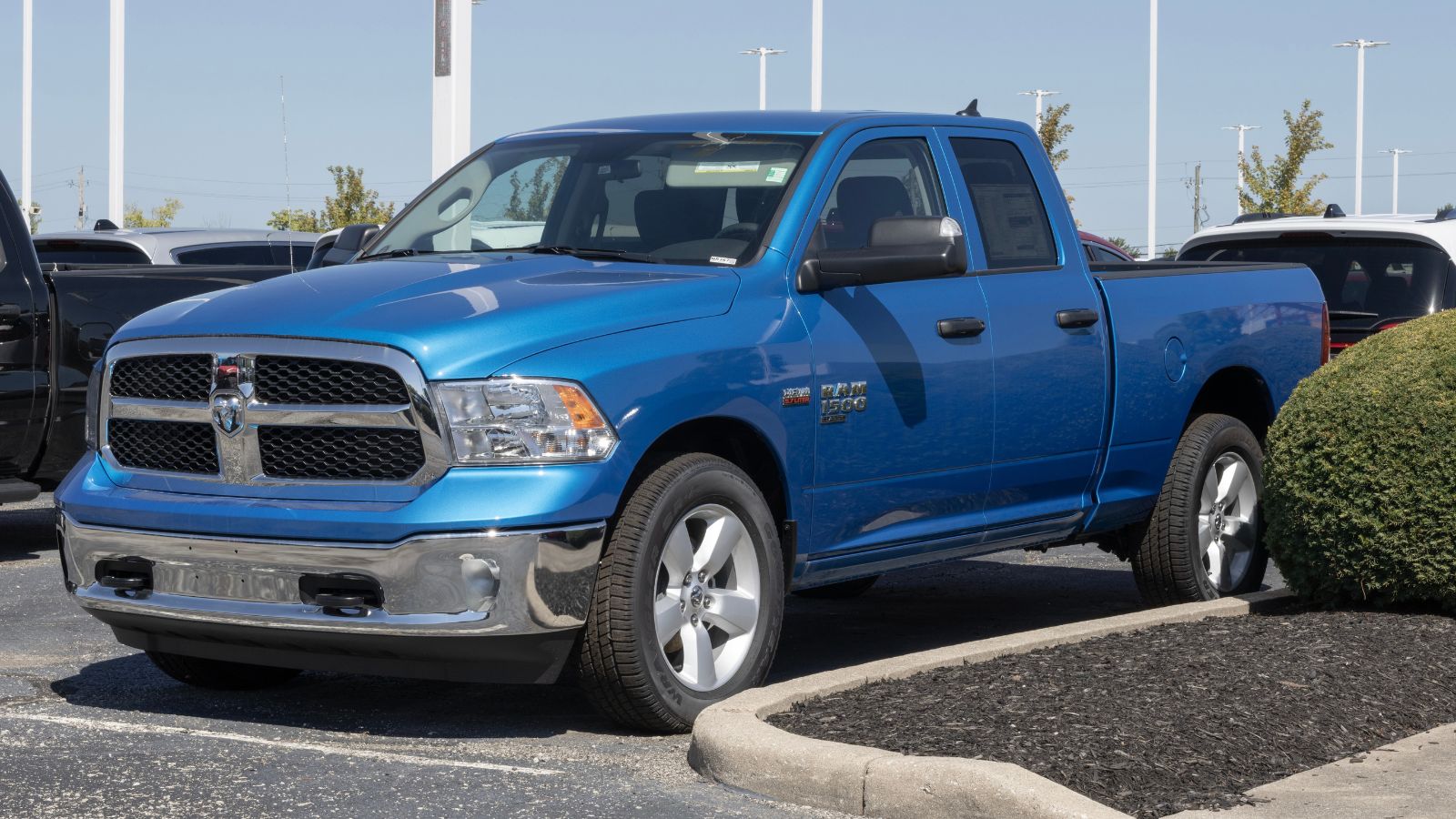
The Ram 1500 Classic remains attractive for one simple reason: it gives buyers a full-size pickup silhouette and useful capability at a lower entry point than newer trucks. That is why it keeps hanging around. The problem is right there in the name. It is a classic because it is old. IIHS makes clear that ratings for the redesigned Ram 1500 do not apply to the Classic, which is a reminder that buyers are choosing an earlier-generation truck, not a bargain version of the latest one. For value-focused shoppers, that distinction matters more than the monthly payment.
There is still a case for the Classic as a basic work truck, especially when simplicity and lower up-front cost trump everything else. But too many buyers will be tempted to treat it like a clever loophole, as if they are getting most of the modern Ram for less money. They are not. They are buying an older design that has survived because it fills a price slot. In Canada, where trucks are often daily drivers as much as tools, that compromise can wear thin fast. The Classic makes sense only when the buyer is brutally honest about what he is giving up.
14. 2025 Toyota RAV4
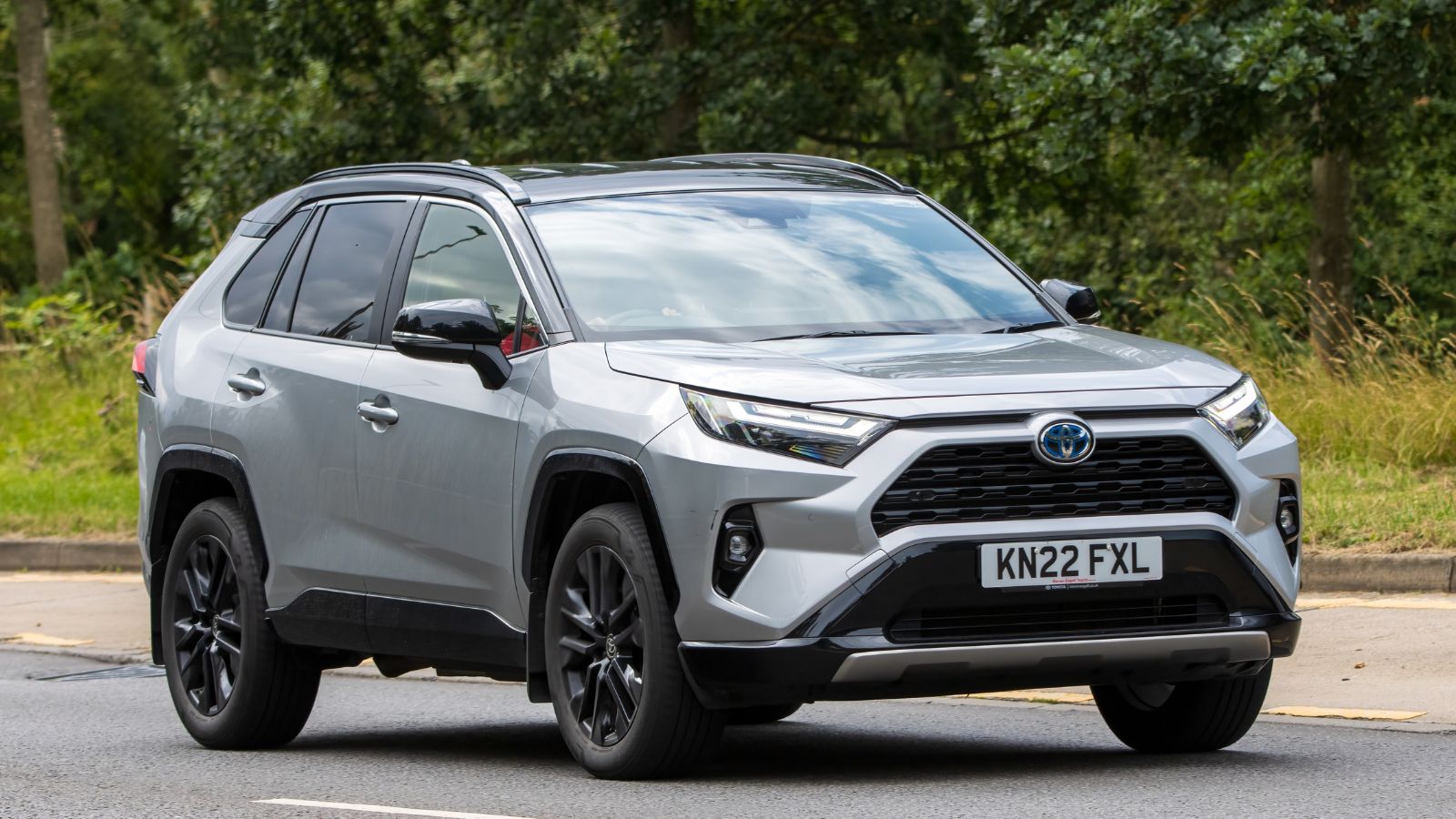
Normally, calling a RAV4 the wrong buy would sound absurd. It is one of the safest mainstream recommendations in the country for a reason. That is exactly why the 2025 version is in a strange spot. Toyota has already rolled out the all-new 2026 RAV4, and the shift is big enough to matter: the new Canadian-built model moves to an all-hybrid strategy, which instantly changes how late-cycle 2025 examples are perceived. If a buyer is paying near-full money for the outgoing version, especially a gas trim, the timing can feel rough almost immediately.
Then there is the theft problem. The RAV4 topped Équité’s national list for thefts in 2024, which is the kind of statistic that follows a vehicle into insurance conversations and buyer psychology. None of that erases the RAV4’s core strengths. It simply means the old advice to “just buy the RAV4” now needs more nuance. In 2026, with a redesigned all-hybrid generation arriving and theft pressure still very real, the outgoing version can start to feel less like the obvious safe pick and more like a vehicle that needs careful pricing to stay compelling.
15. 2025 Honda CR-V
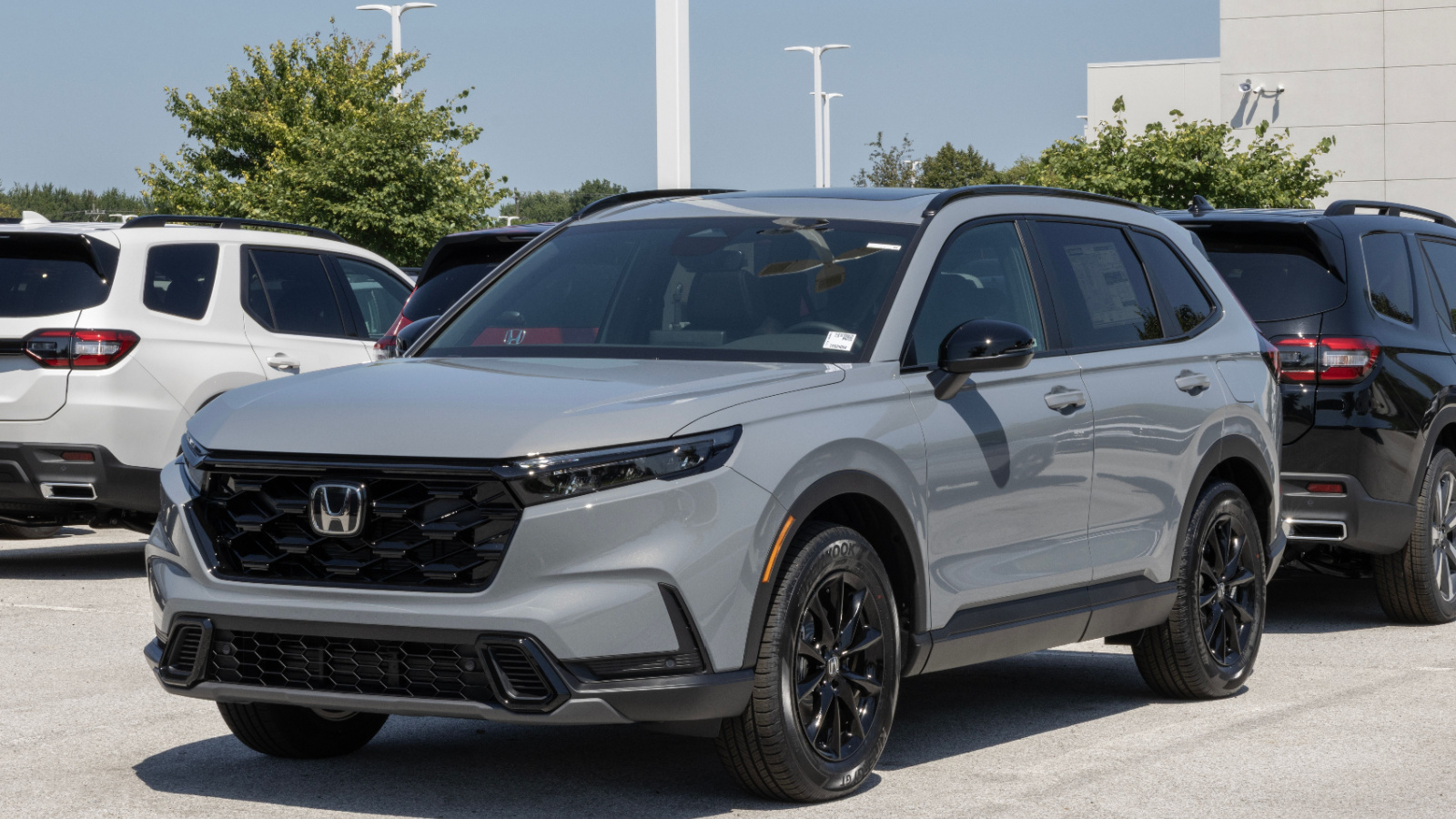
The CR-V remains one of Canada’s default answers because it is spacious, easy to drive, and consistently useful. That reputation is earned. But reputation can also hide timing risk. Honda’s 2026 CR-V brings more standard tech and adds a new TrailSport Hybrid trim, which means buyers grabbing a late 2025 model are doing so just before the lineup gets a little fresher. That alone would not put the CR-V on this list. What does is the Canadian theft equation, which continues to complicate ownership for some of the country’s most popular utility vehicles.
The CR-V has spent years near the top of theft rankings in Canada, and that matters because the vehicle’s entire appeal is built on being an easy, low-stress choice. Once insurance quotes, theft deterrence habits, and replacement headaches enter the chat, some of that ease disappears. The CR-V is still fundamentally good. The point is that it no longer feels automatically right at any price. In a normal market, the answer might still be yes without hesitation. In the current Canadian market, buyers should at least pause long enough to make sure the insurance math still matches the vehicle’s dependable reputation.
16. 2025 Toyota Highlander Gas
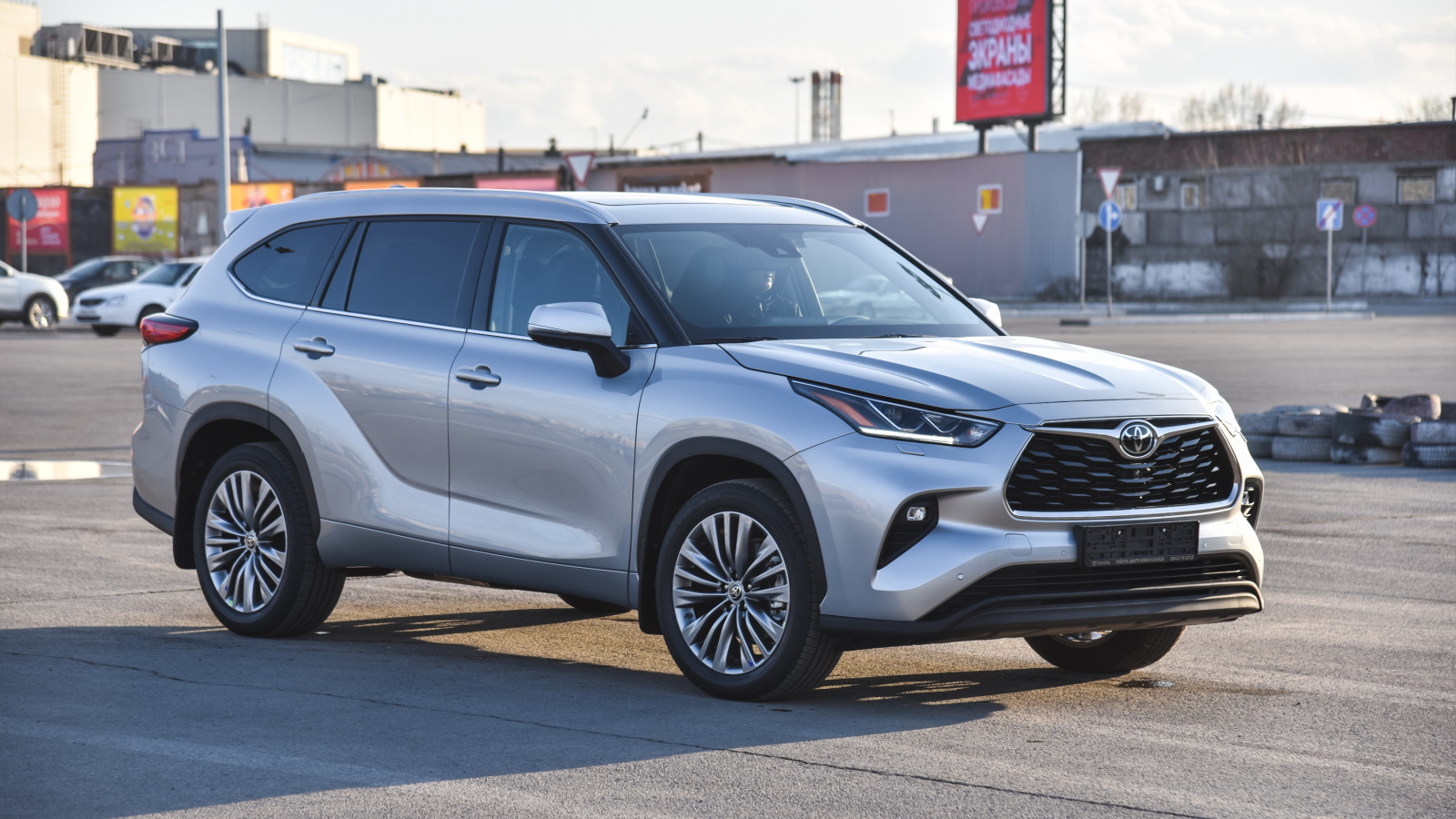
The Highlander has long been the sensible three-row choice for buyers who did not want drama. That is still true in broad strokes, but the gas version has started to look like the weaker side of the nameplate. In Canada, the Highlander has also been a frequent theft target, which adds a practical ownership headache to a vehicle that is supposed to be all about calm family dependability. That alone would be enough to invite more scrutiny. The bigger issue is that the Highlander Hybrid makes the gas model harder to justify than it used to be.
Toyota’s hybrid version delivers a much more compelling fuel-consumption story, and once that becomes part of the same showroom conversation, the gas Highlander can start to feel like the version bought by inertia. For many families, the old instinct was to choose the conventional powertrain to keep things simple. That logic is weaker now. If the vehicle already lives in a segment where theft is a concern and monthly operating costs matter, settling for the thirstier version looks less like prudence and more like leaving money on the table. The Highlander itself is still good. The gas one is where the hesitation begins.
17. 2025 Lexus RX 500h
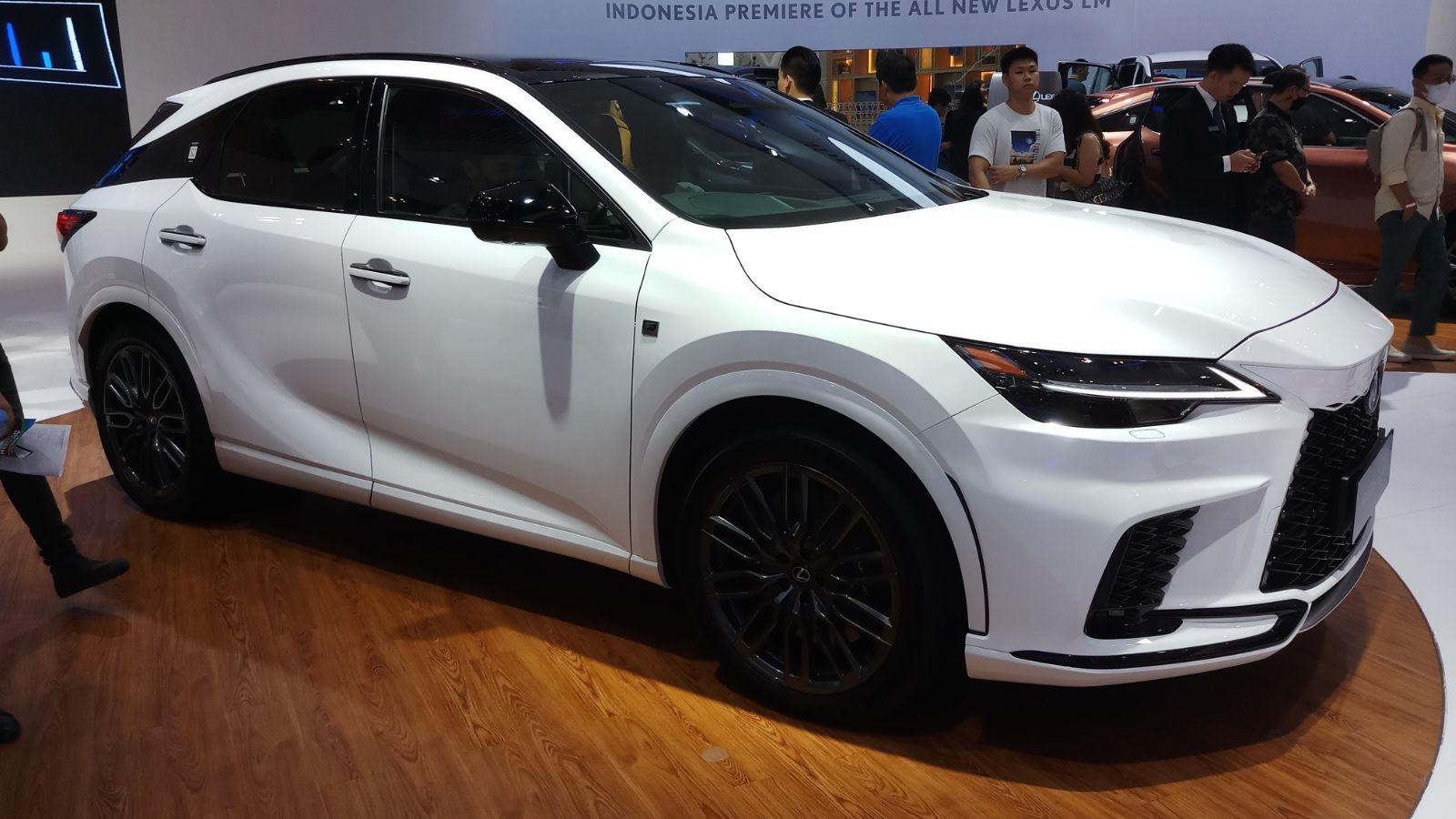
The RX is one of those vehicles that almost always makes a good first impression. It looks expensive, rides well, and carries Lexus’s hard-earned reputation for long-term satisfaction. But the 500h specifically is where the value story gets a little uncomfortable. Its official fuel numbers are not especially stunning for something wearing a hybrid badge, and real-world driving has not always flattered it. Add premium fuel to the equation and the performance-oriented hybrid starts to look less like the sweet spot of the lineup and more like the trim where the numbers stop matching the brand’s efficient-luxury image.
Theft risk makes that tension more Canadian. RX models have shown up prominently in national theft-rate discussions, which means the ownership experience can be more stressful than a Lexus badge normally implies. That is the core reason it is starting to feel like the wrong buy. The vehicle itself remains polished and desirable. The issue is that buyers are paying for serenity, and in Canada that serenity can be interrupted by both operating-cost reality and theft exposure. For some households, a different RX trim may still make perfect sense. The 500h, though, is not as automatically smart as the badge suggests.
18. 2025 Chevrolet Tahoe, Suburban, and GMC Yukon
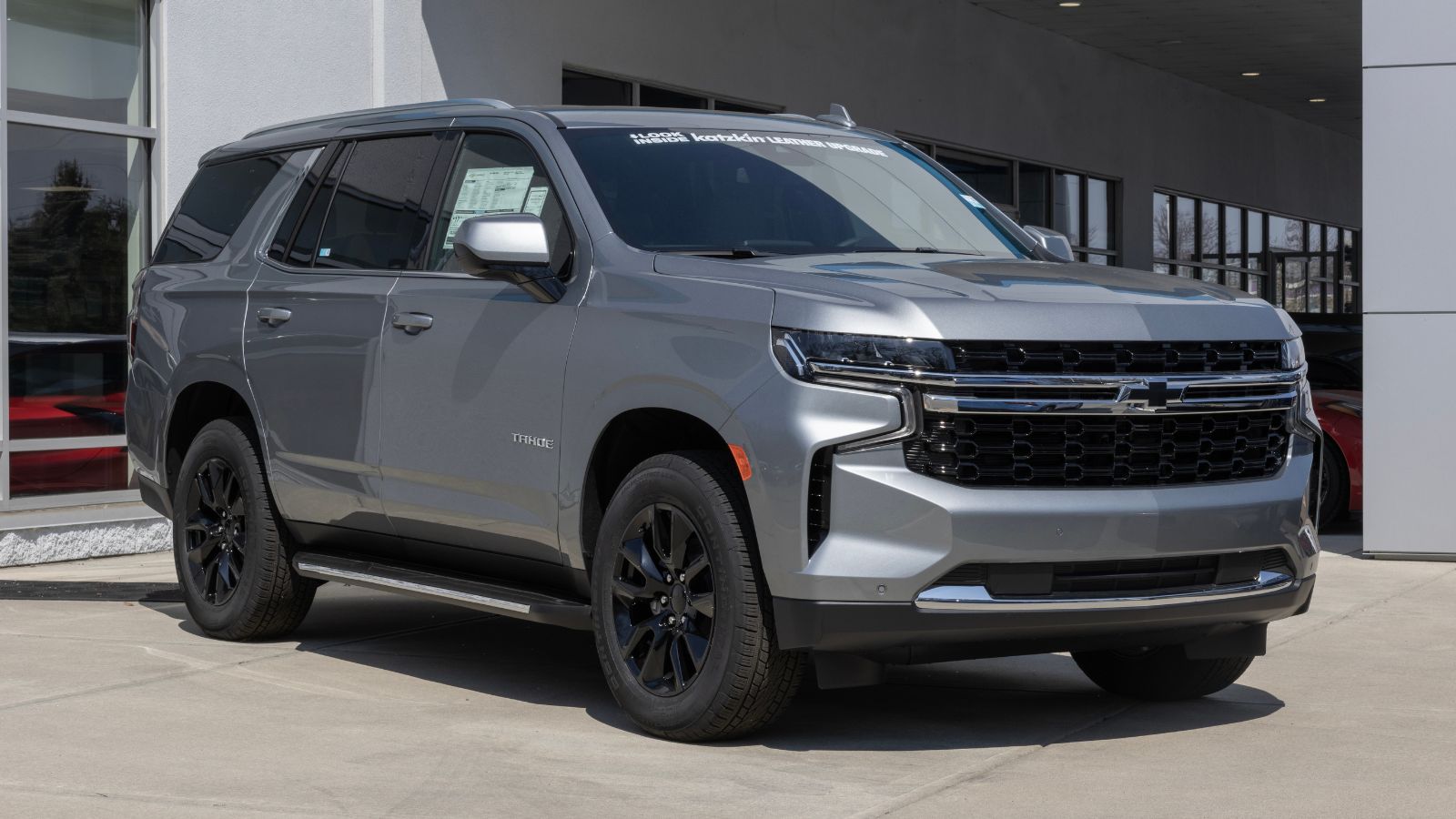
Big body-on-frame SUVs have not lost their appeal in Canada because many families genuinely need the space, towing ability, and road presence. The Tahoe, Suburban, and Yukon still deliver those things better than most vehicles on the road. The problem is that the ownership penalties have become harder to shrug off. Theft rates for this group remain notable in Canada, and V8 fuel consumption is firmly in the category where buyers feel it every week, not just on paper. That combination can turn a proud driveway purchase into a recurring budget reminder.
These SUVs still make sense for specific use cases. Large families, cottage routes, and towing-heavy lifestyles are real. But too many people buy them aspirationally rather than functionally, and that is when the math becomes uncomfortable. Once theft exposure, fuel appetite, and six-figure transaction prices start stacking up, the emotional payoff has to be very high to justify the practical cost. That is why they are beginning to feel like the wrong buy for more Canadians than before. The capability is real. The question is whether the average owner is using enough of it to make peace with everything else.
19. 2025 Range Rover
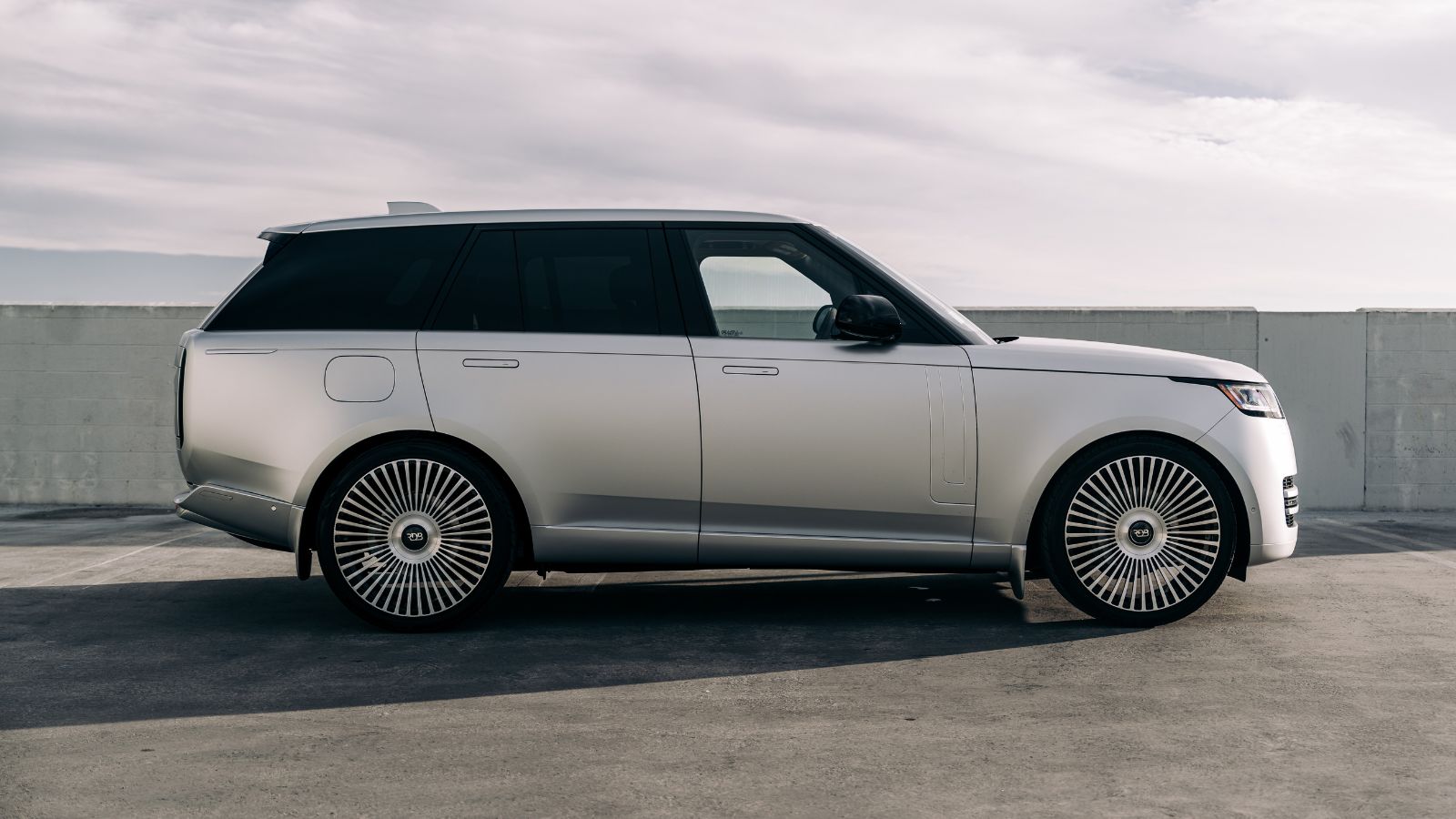
The Range Rover still represents a certain kind of automotive success better than almost anything else. It is elegant, commanding, and deeply desirable in exactly the way luxury SUVs are supposed to be. But desirability has its own downside in Canada. Vehicles in this class face meaningful theft exposure, and the Range Rover sits in the kind of price bracket where every added risk gets magnified. Once six-figure purchase prices, high running costs, and theft-rate data enter the picture, this stops being a simple luxury choice and becomes a risk-management decision in expensive clothing.
That is what makes it feel like the wrong buy for more Canadians than before. It is not that the Range Rover has lost its appeal. It is that the ownership case around it has become more fragile. A buyer spending this kind of money wants the experience to feel effortless, insulated, and calm. If insurance questions, security habits, and fuel costs become part of the mental load, the magic weakens. For some wealthy buyers, that may not matter. For everyone else, the current Canadian environment makes the Range Rover easier to admire from a distance than to justify on a spreadsheet.
22 Things Canadians Do to Their Cars in Spring That Mechanics Hate

Spring brings relief to many Canadian drivers after months of snow, freezing temperatures, and icy roads that put serious strain on vehicles. As temperatures rise across the country, drivers begin washing cars, switching tires, and preparing vehicles for warmer weather and upcoming road trips. However, mechanics across Canada notice the same mistakes every spring when drivers attempt to recover from winter damage. Road salt, potholes, and harsh winter driving conditions often leave vehicles with hidden problems that drivers ignore. Some spring habits even create new mechanical issues that could have been avoided with proper maintenance. Here are 22 things Canadians do to their cars in spring that mechanics hate.