


























Choosing a family car sounds simple until car seats and strollers come into the mix. Many vehicles look spacious on paper, yet daily use tells a different story. Tight rear doors, awkward seat angles, and small trunks quickly become frustrating. Parents often discover these issues after purchase, not during a quick showroom visit. What feels fine for adults can turn stressful with baby gear involved. This guide highlights vehicles that seem practical but fall short in real family scenarios. Here are 21 cars that are surprisingly bad for car seats and strollers.
Mazda CX-30
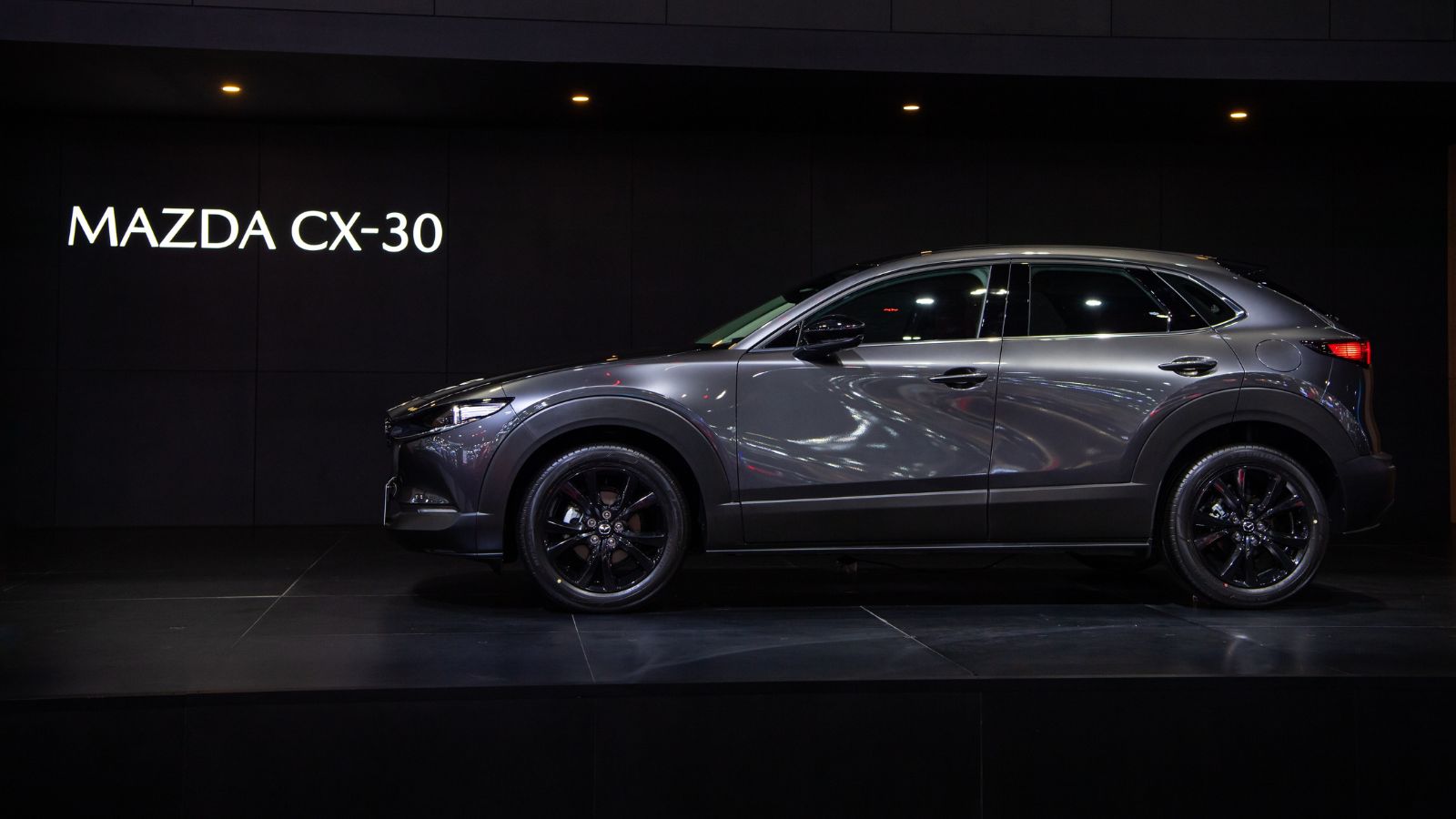
The Mazda CX-30 looks sleek and modern, but rear space quickly feels tight. Installing a rear-facing car seat often pushes the front seat forward. Taller drivers will notice this immediately. The rear doors open at a narrow angle, making it awkward to lift a child. The sloping roofline complicates the placement of carriers. Trunk space also limits stroller options. Bulkier strollers may not fit without folding down certain parts. It works for light travel but not daily parenting routines. Families expecting flexibility may find it frustrating after a few weeks of real use.
Toyota C-HR
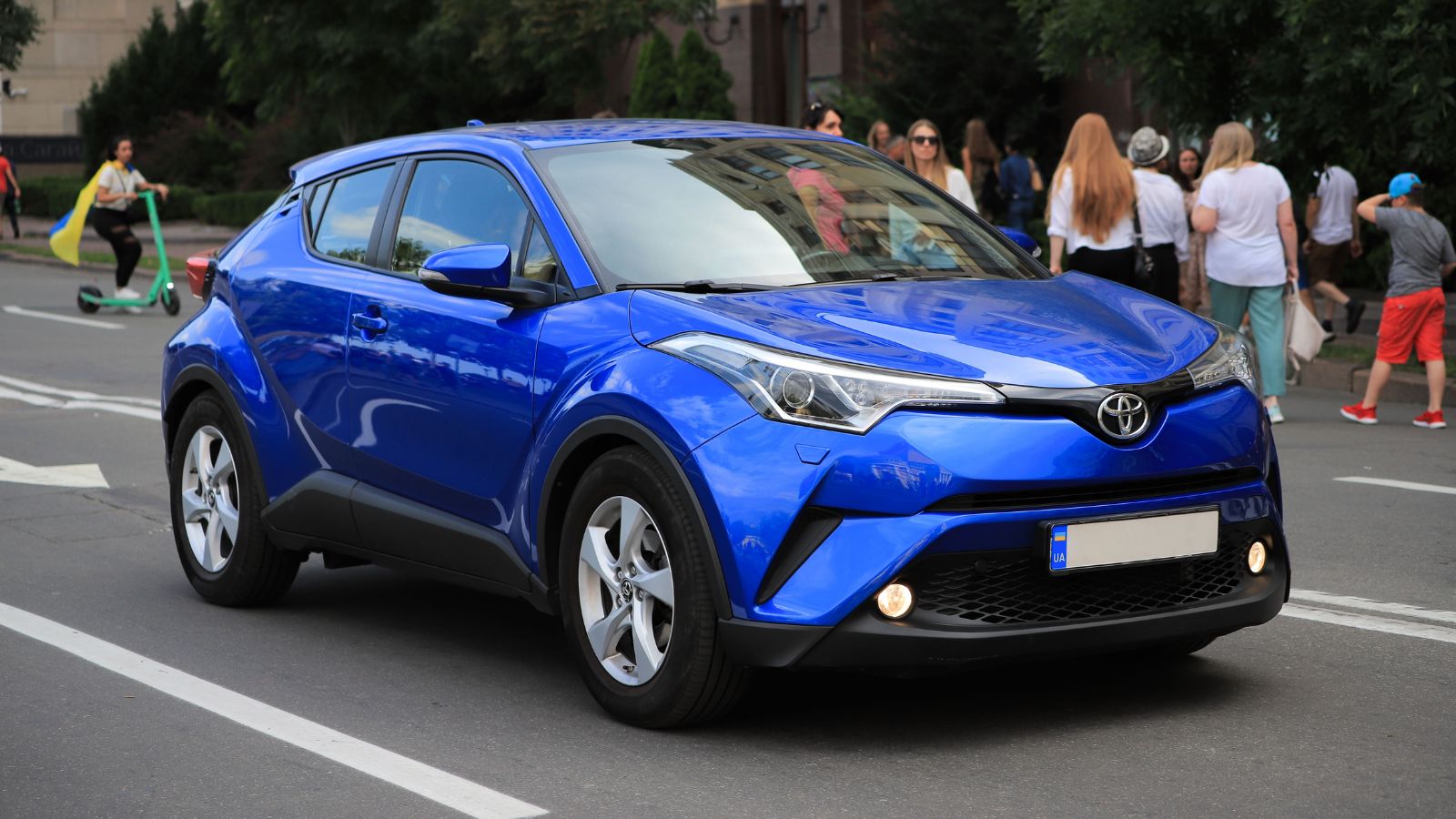
The Toyota C-HR has bold styling, but practicality takes a hit. The rear door handles sit high, which looks cool but feels inconvenient. The door opening itself is narrow and oddly shaped. Getting a car seat inside becomes a bit of a puzzle. The back seat space feels cramped for growing kids. Rear visibility is also limited, making checks harder. The trunk is small for a compact SUV. Larger strollers often require careful positioning. Families needing daily ease may find this design tiring over time. It suits style-focused buyers more than parents.
Jeep Wrangler
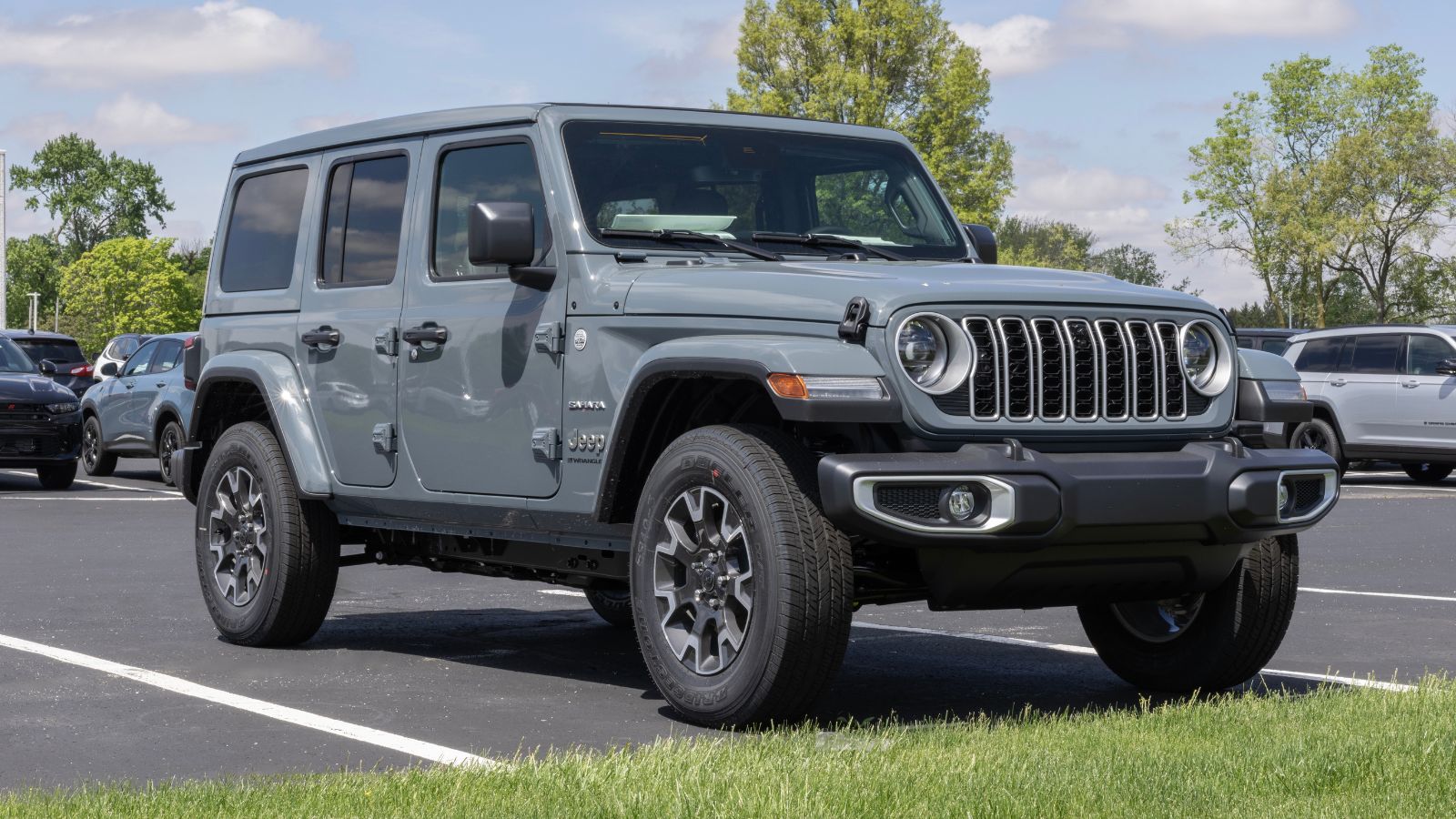
The Jeep Wrangler shines off-road but struggles in daily family use. The rear doors are small and open in a way that limits access. Installing a car seat requires patience and flexibility. The ride height also makes lifting children more difficult. Inside, space feels boxy but not always practical. The rear bench lacks comfort for longer trips. Trunk space is usable but not stroller-friendly with seats up. Removing the roof or doors adds fun, not convenience. For parents, it becomes more work than expected during regular routines.
Chevrolet Camaro
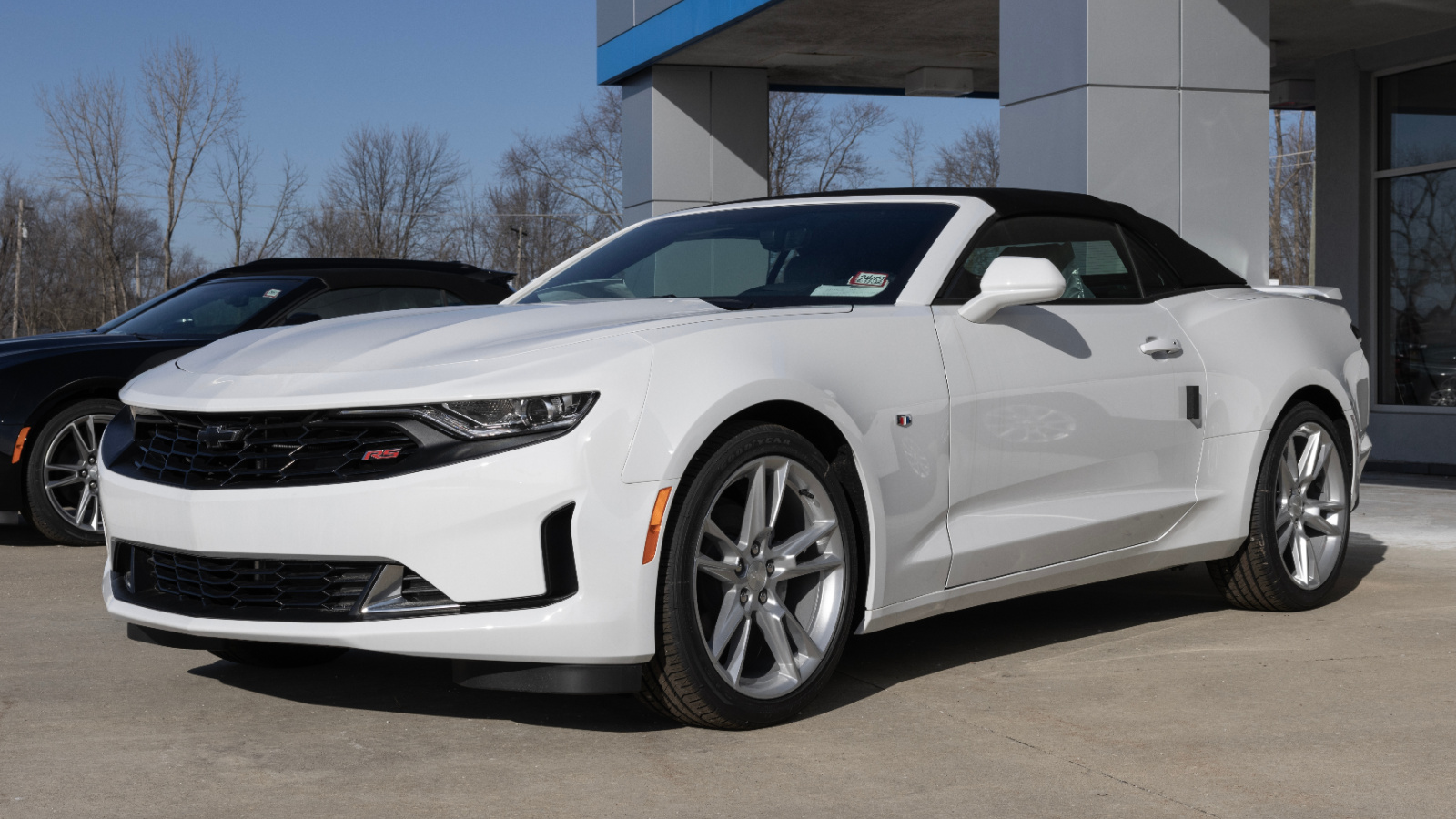
The Chevrolet Camaro offers performance but almost ignores rear-seat usability. The back seats are very tight and hard to access. The doors are long, but the opening space can still feel restricted. Placing a car seat inside requires twisting and patience. Rear headroom is limited, making it worse for taller passengers. The trunk opening is small despite decent depth. Many strollers simply do not fit easily. This car works better as a weekend vehicle. Families relying on it daily will face constant inconvenience.
BMW X2
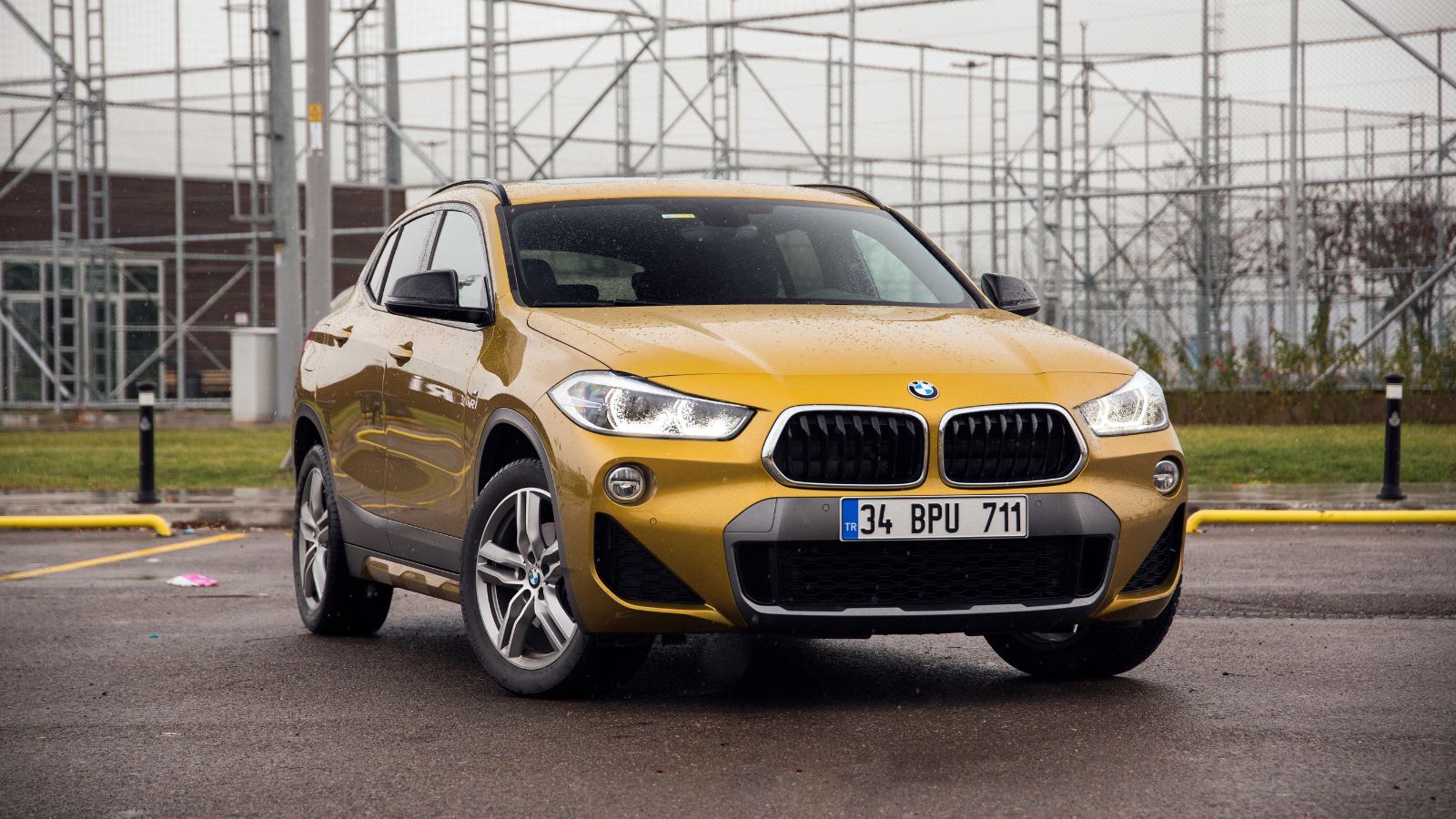
The BMW X2 leans more toward a sporty design than family use. The sloping roofline reduces rear headroom significantly. Installing a car seat feels awkward due to the limited space. The doors do not open very wide, which complicates daily use. Inside, the rear bench is tighter than expected for its class. The trunk is shallow compared to rivals. Strollers fit, but not comfortably with other items. This vehicle suits style-driven buyers more than parents. Families may feel restricted quickly.
Ford Mustang
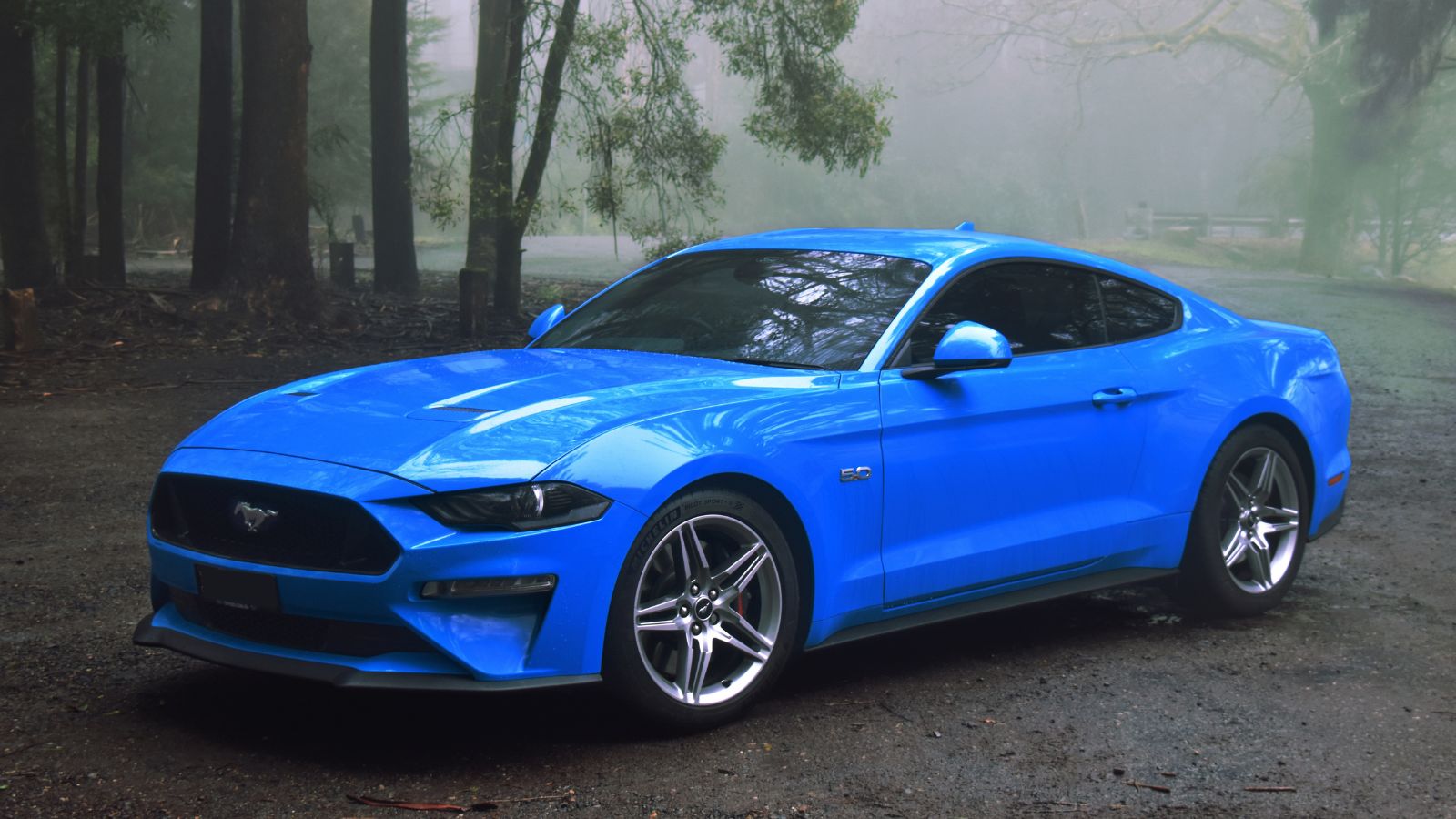
The Ford Mustang looks exciting, but daily family use feels like a stretch. The rear seats are hard to access, even with long doors. Getting a car seat inside takes effort and patience. Space in the back is very limited, even for small passengers. The roofline slopes down, making movement tighter. The trunk has decent depth, but the opening is narrow. Many strollers need extra folding to fit properly. Over time, this becomes frustrating. It works better as a personal car than something built around children.
Nissan Juke
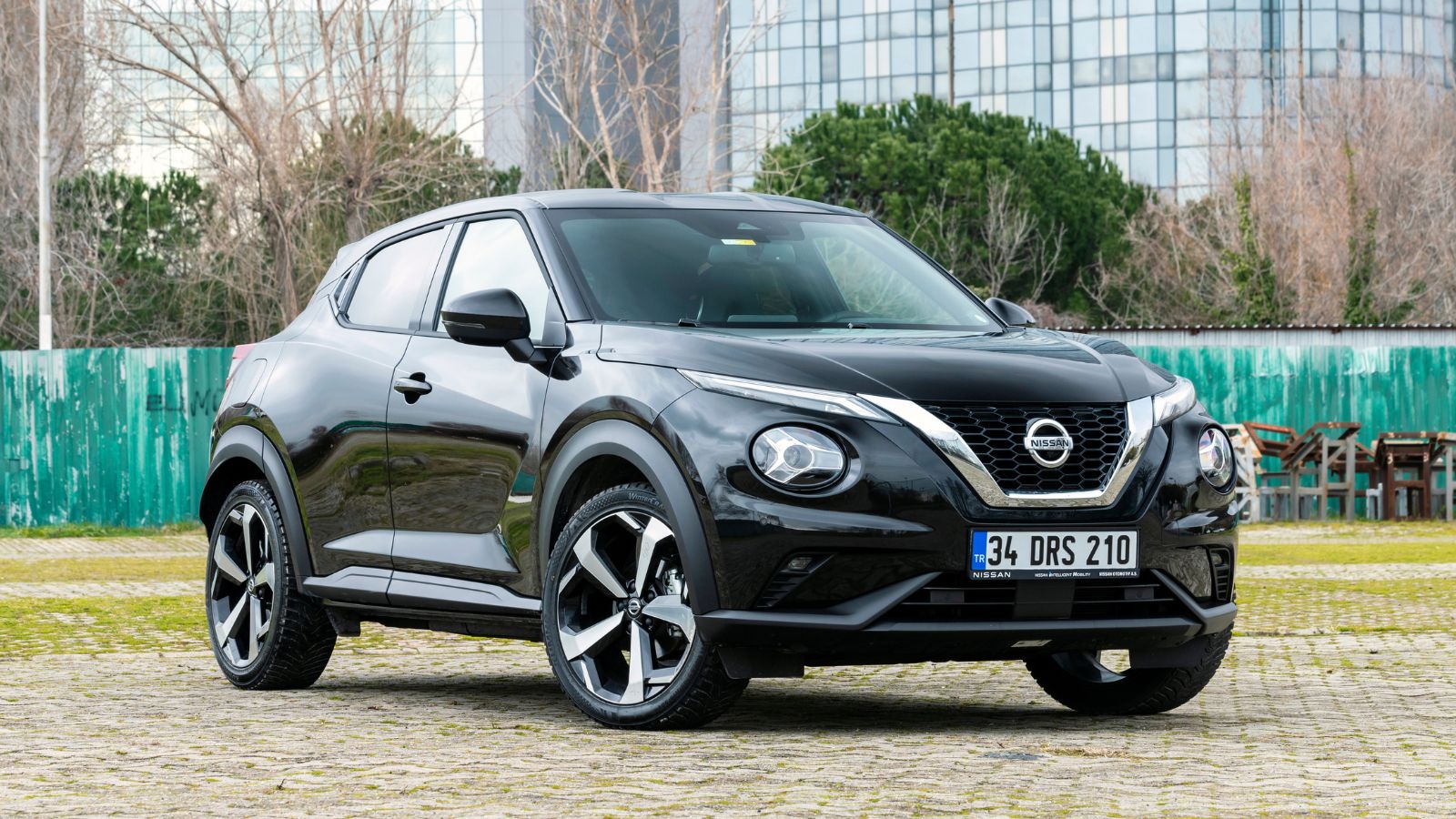
The Nissan Juke stands out with its bold shape, but that design brings trade-offs. The rear doors feel small and slightly awkward to use daily. Placing a car seat inside can feel cramped and uncomfortable. The sloping roof cuts into headroom, especially for growing kids. Inside, the cabin feels narrower than expected. The trunk does not offer much flexibility for larger strollers. Families needing space will notice the limits quickly. It suits light use, but not the demands of daily parenting routines.
Range Rover Evoque
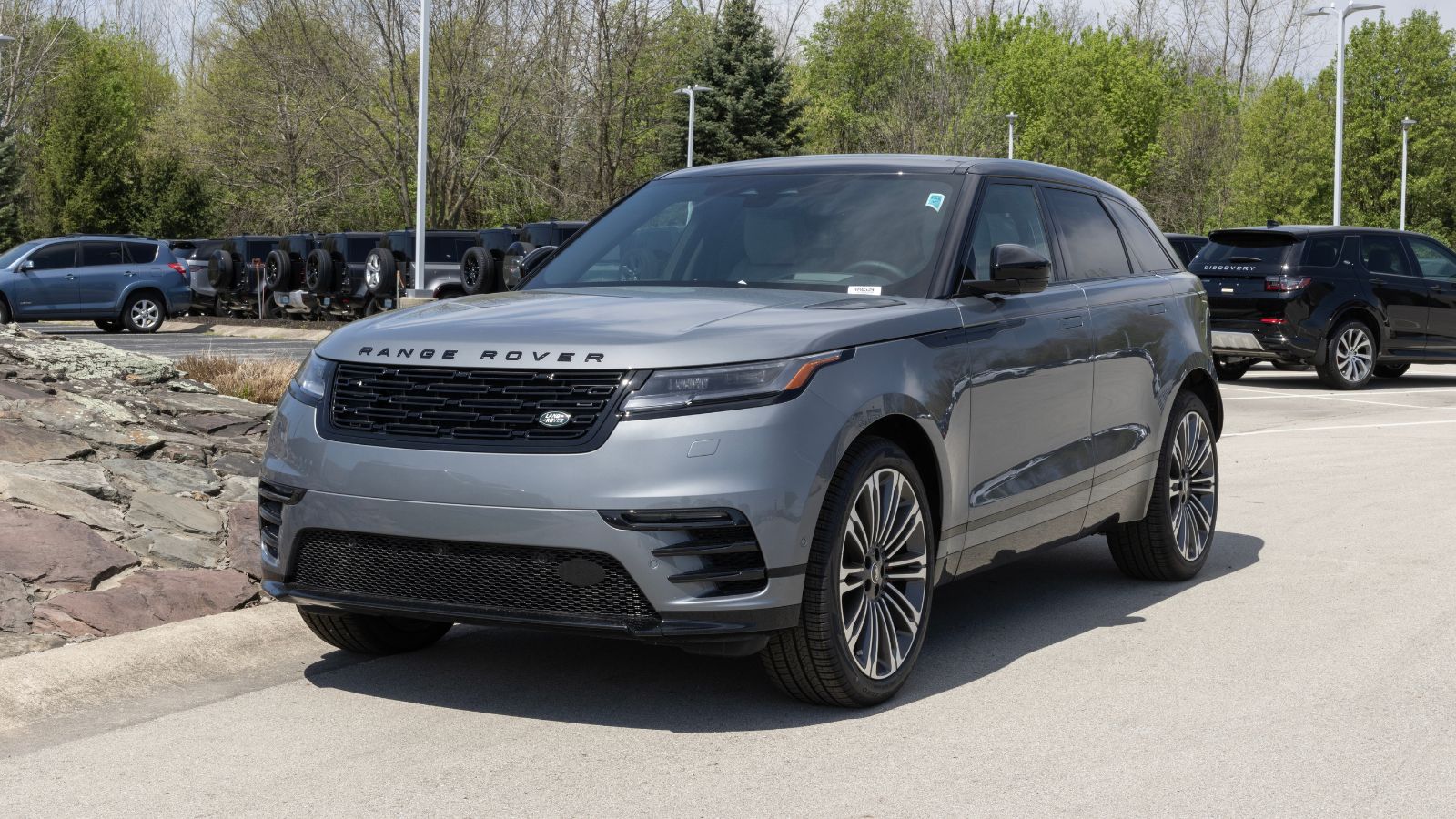
The Range Rover Evoque offers style and presence, yet family practicality feels secondary. The rear roofline slopes down, reducing usable space. Installing car seats can feel awkward in tight conditions. The doors look sleek, but do not open wide enough for easy access. Inside, the rear bench feels narrower than expected. The trunk space looks decent, but it fills up quickly with a stroller. Larger gear becomes difficult to manage. It works well for short trips, but daily parenting needs may highlight its limitations.
Mini Cooper 3-Door
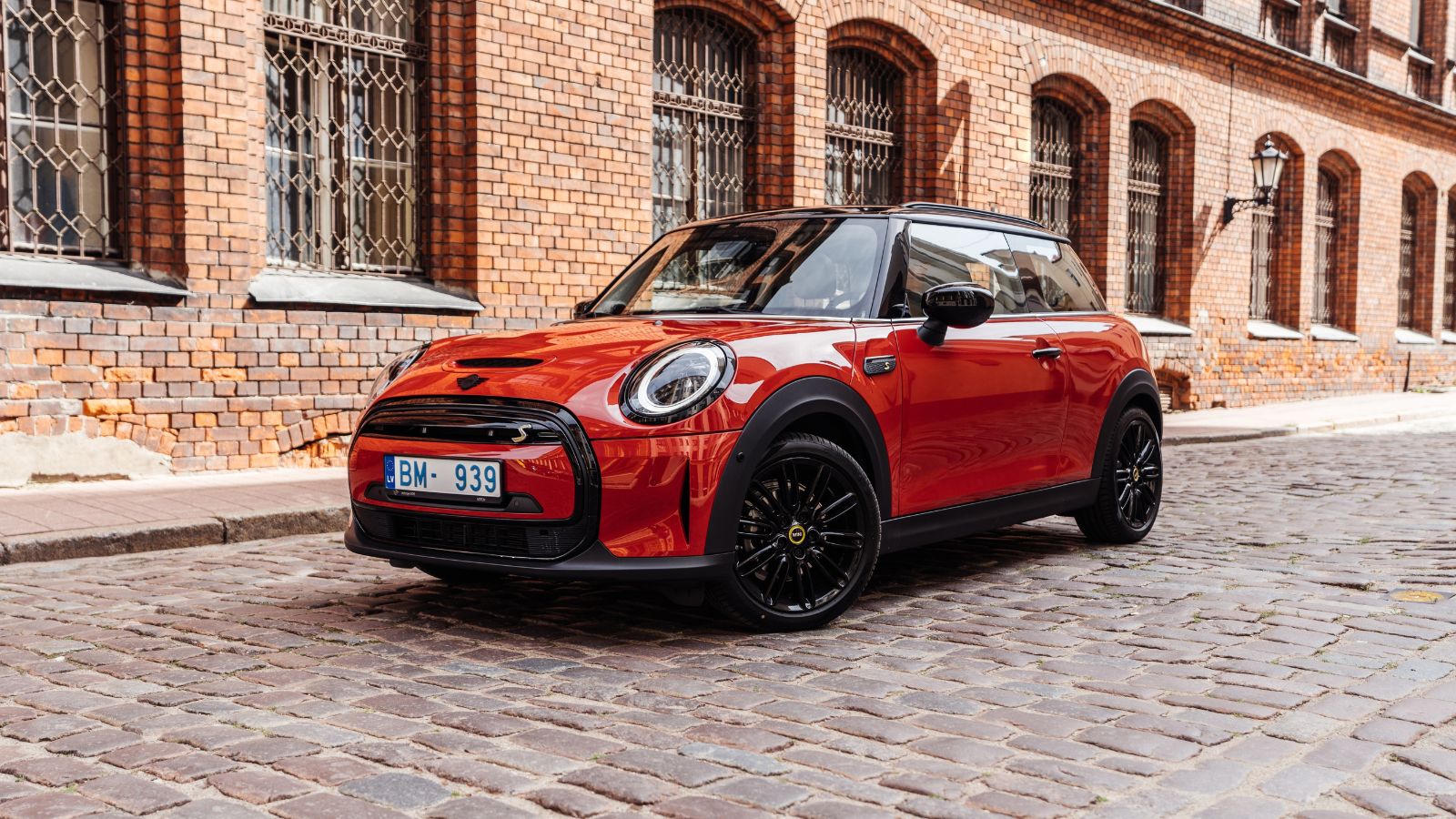
The Mini Cooper 3-Door brings charm, but family use feels like an afterthought. Rear access requires moving the front seats every time. This becomes tiring when handling a child or a car seat. The rear seats are small and not very accommodating. Installing a car seat takes extra effort due to limited space. The trunk is compact, limiting stroller options. Most larger strollers will not fit without effort. It suits city drives, but families may find it inconvenient over time.
Subaru BRZ
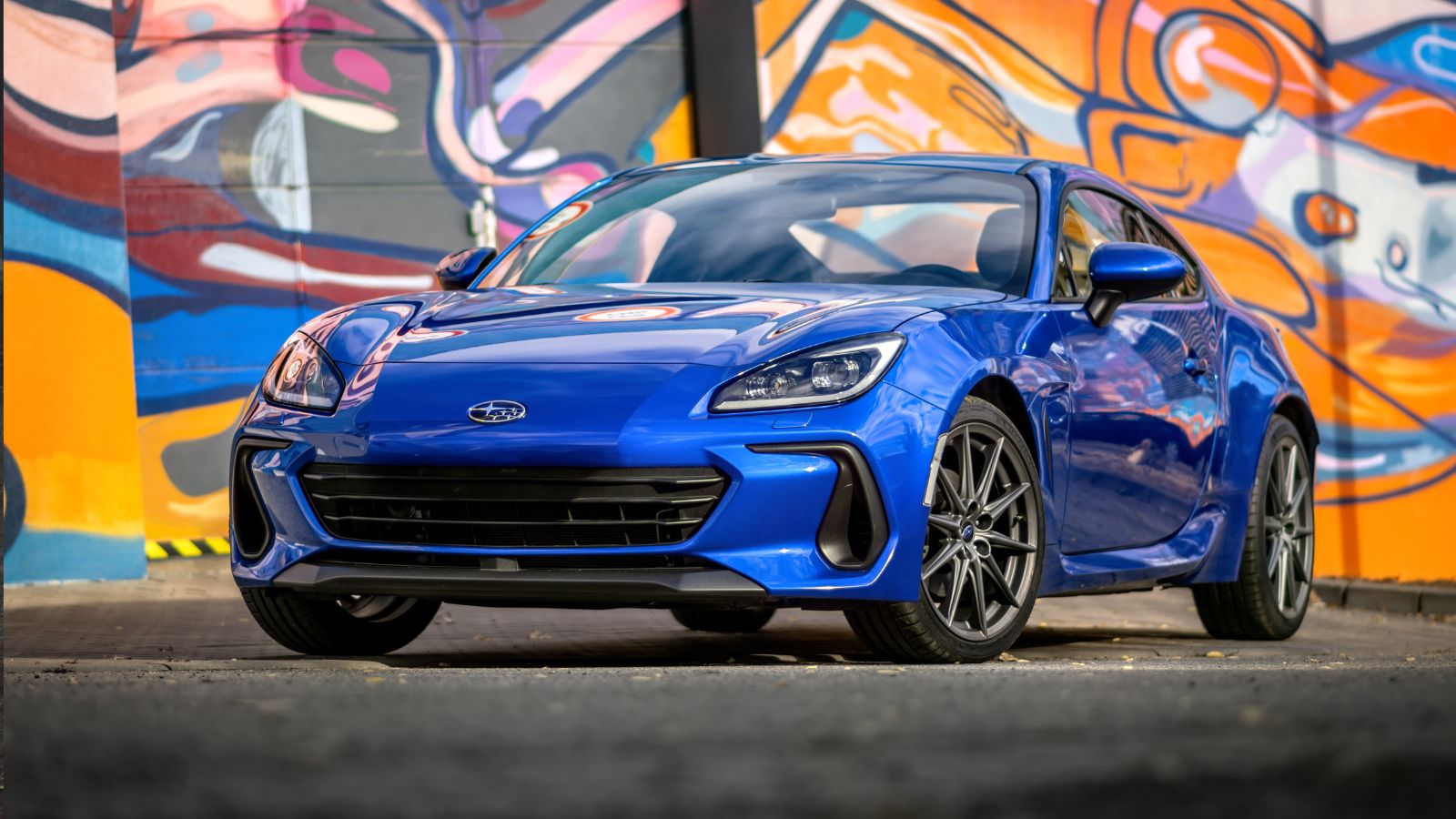
The Subaru BRZ focuses on driving enjoyment rather than daily practicality. The rear seats are extremely tight and hard to reach. Installing a car seat feels like a compromise from the start. The low roofline makes movement even more difficult. Trunk space is small and not designed for bulky items. Most strollers will struggle to fit without adjustment. Even smaller ones may require creative folding. It works best as a second car. Families relying on it daily may quickly feel limited.
Toyota GR86
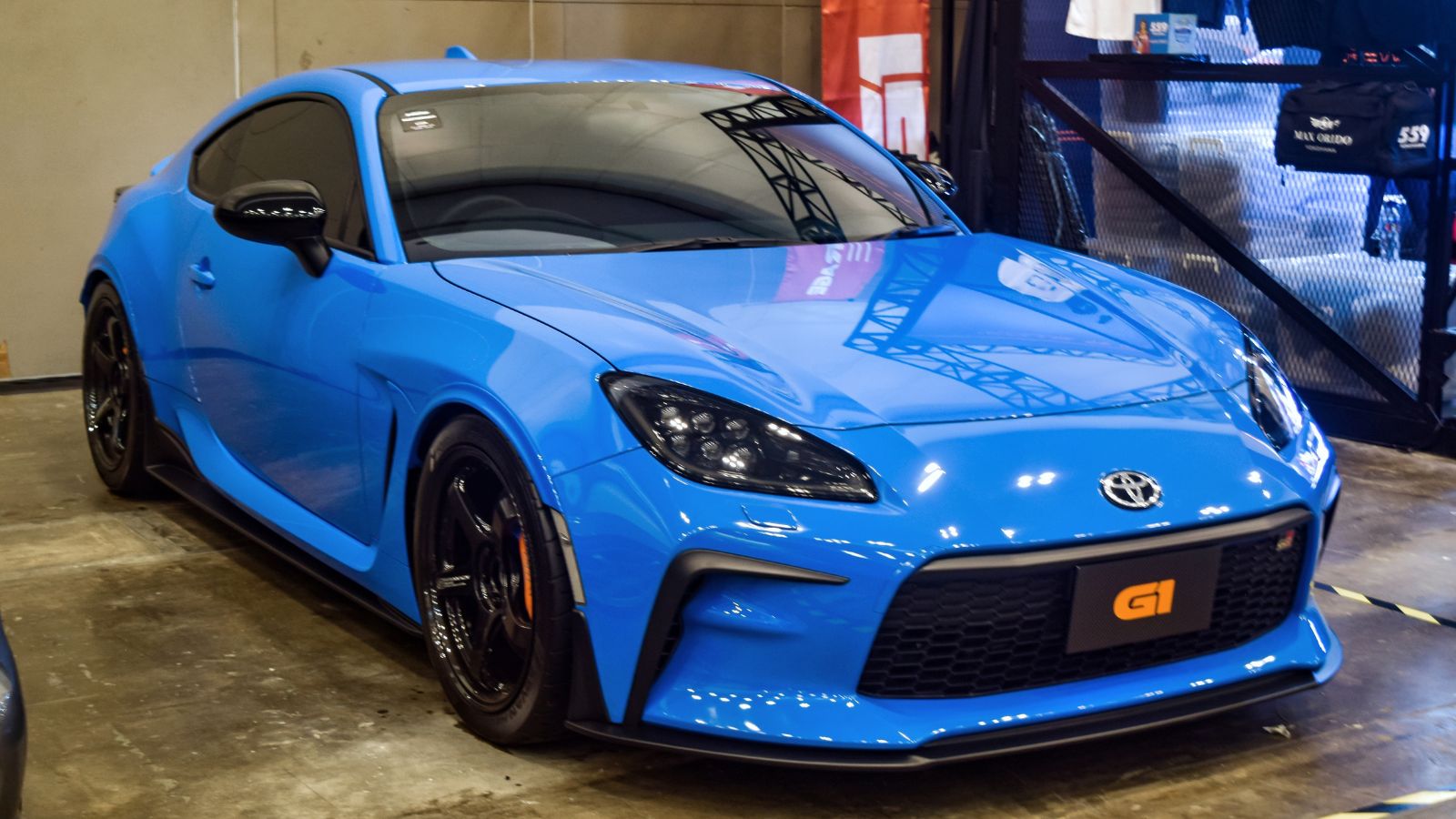
The Toyota GR86 shares many of the same limitations as similar coupes. Rear seats are small and difficult to access regularly. Installing a car seat requires effort due to the tight space. The low height makes lifting a child inside more challenging. The trunk is compact and has a narrow opening. Larger strollers often do not fit comfortably. Even compact ones need careful positioning. It delivers driving fun, but not family convenience. Parents may find it impractical after a short time.
Kia Seltos
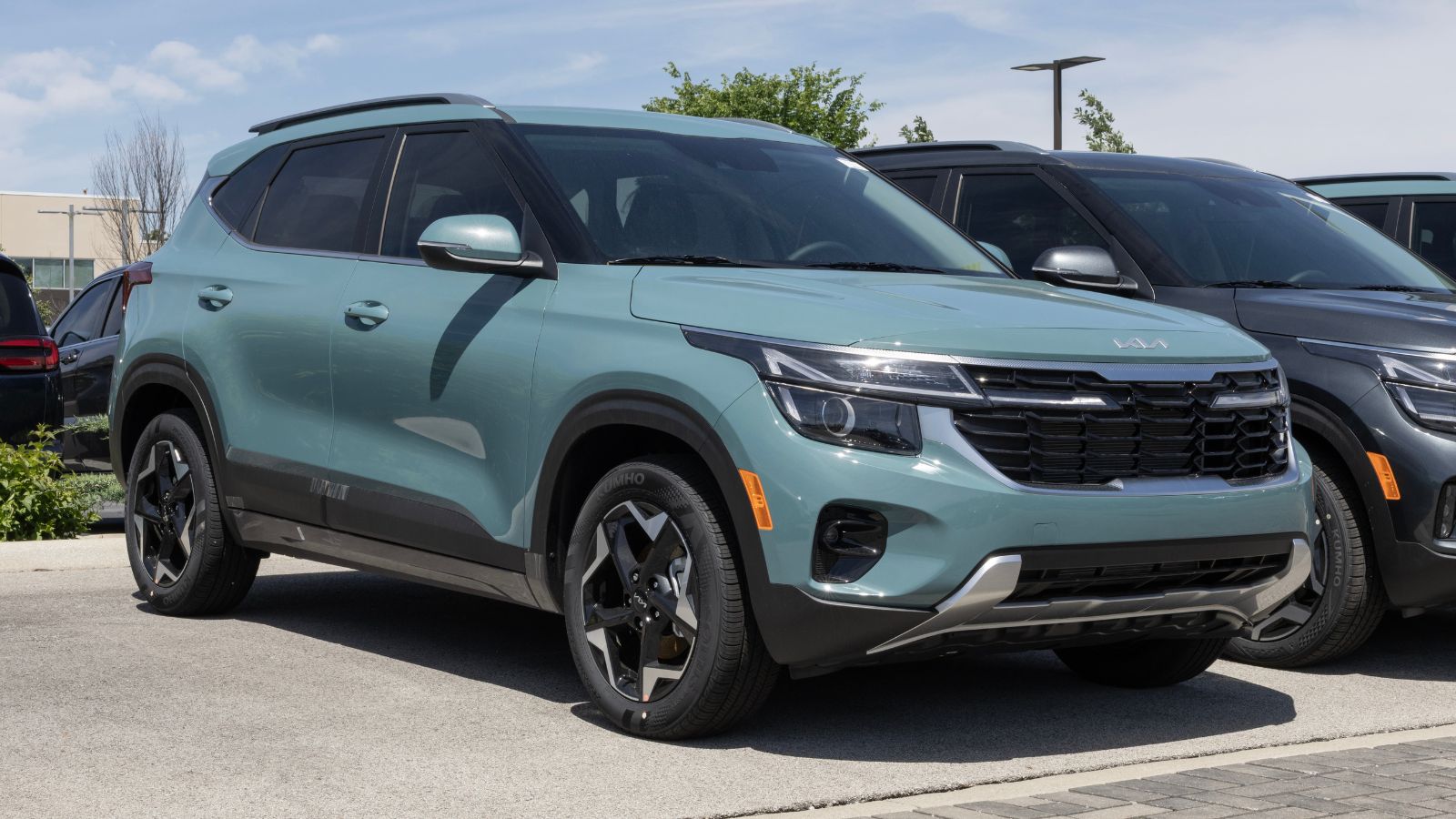
The Kia Seltos offers good features, but space management has limits. Rear seating can feel tight when using larger car seats. Installing them may reduce comfort for front passengers. The door openings are not as wide as expected for easy access. The trunk handles basic needs, but bigger strollers take up most of the room. Packing additional items becomes difficult. Families expecting more flexibility may feel restricted. It works fine for lighter use, but daily parenting needs highlight its tighter layout.
Honda HR-V
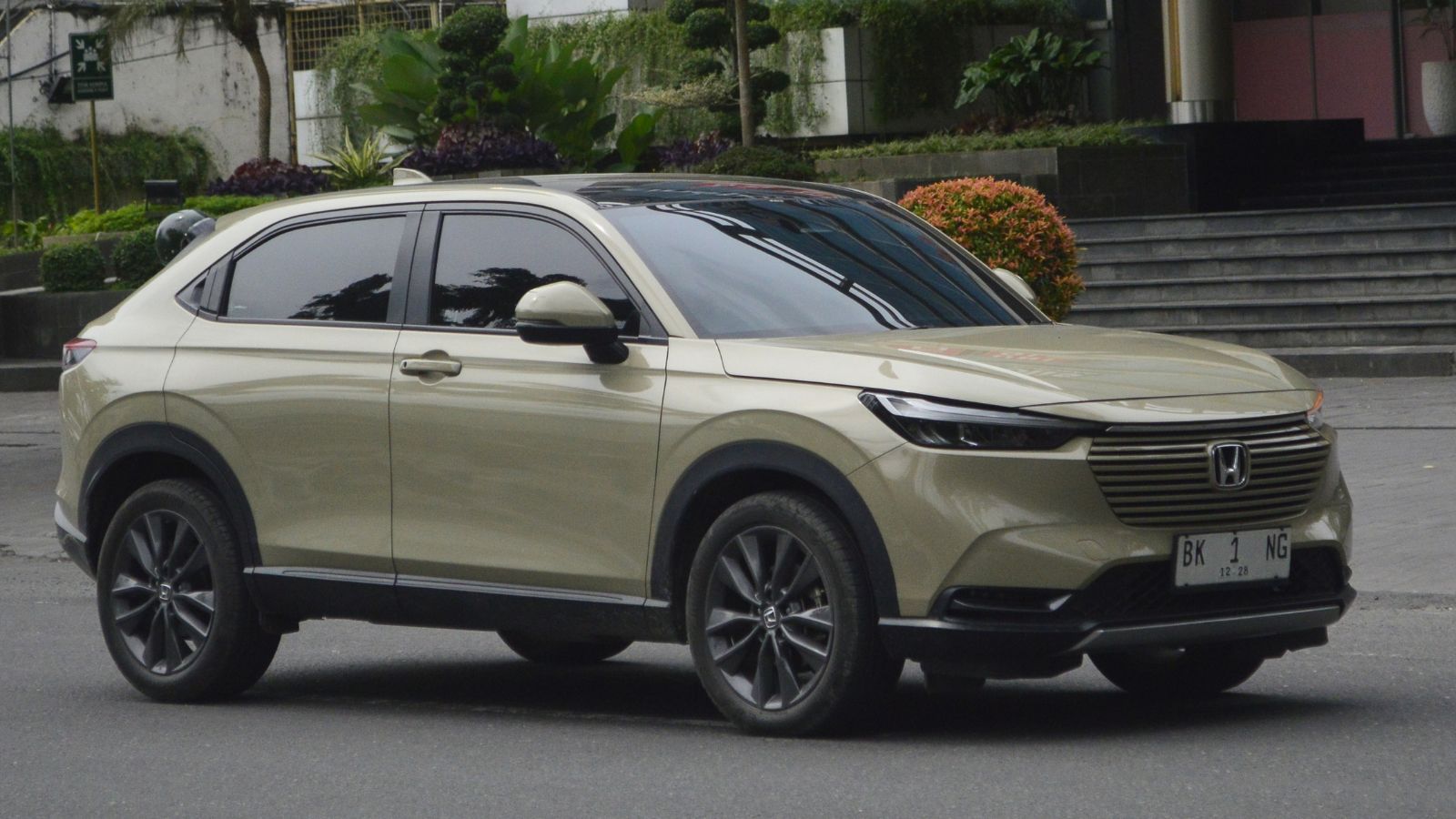
The Honda HR-V is often seen as practical, yet it has some drawbacks. The rear seating width can feel limited when using multiple car seats. Installing them side by side may feel cramped. The doors open reasonably well, but the space inside still feels tight. The trunk is versatile, though larger strollers fill it quickly. Additional storage becomes limited after that. Families needing room to grow may feel constrained. It works better for smaller setups rather than full family use.
Audi Q3
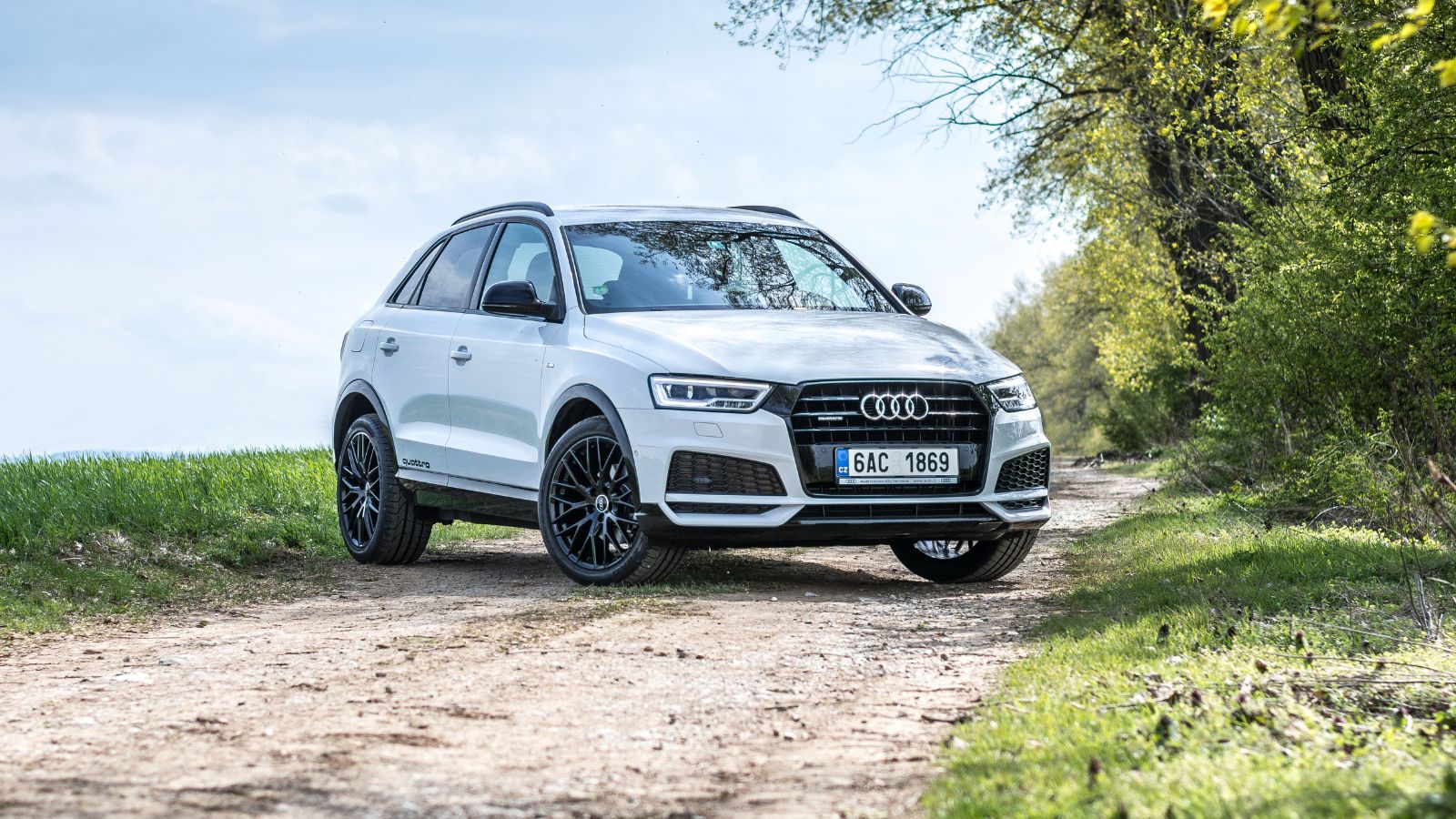
The Audi Q3 delivers a premium feel, but rear space tells a different story. Installing a rear-facing car seat often affects front-seat comfort. Taller drivers may need to adjust their position forward. The rear bench is not as spacious as expected. The trunk works for basic use, but larger strollers take up most of it. Packing extra items becomes a challenge. It looks like a family car, but daily use reveals its limits. Families may need to compromise on space.
Mercedes-Benz GLA
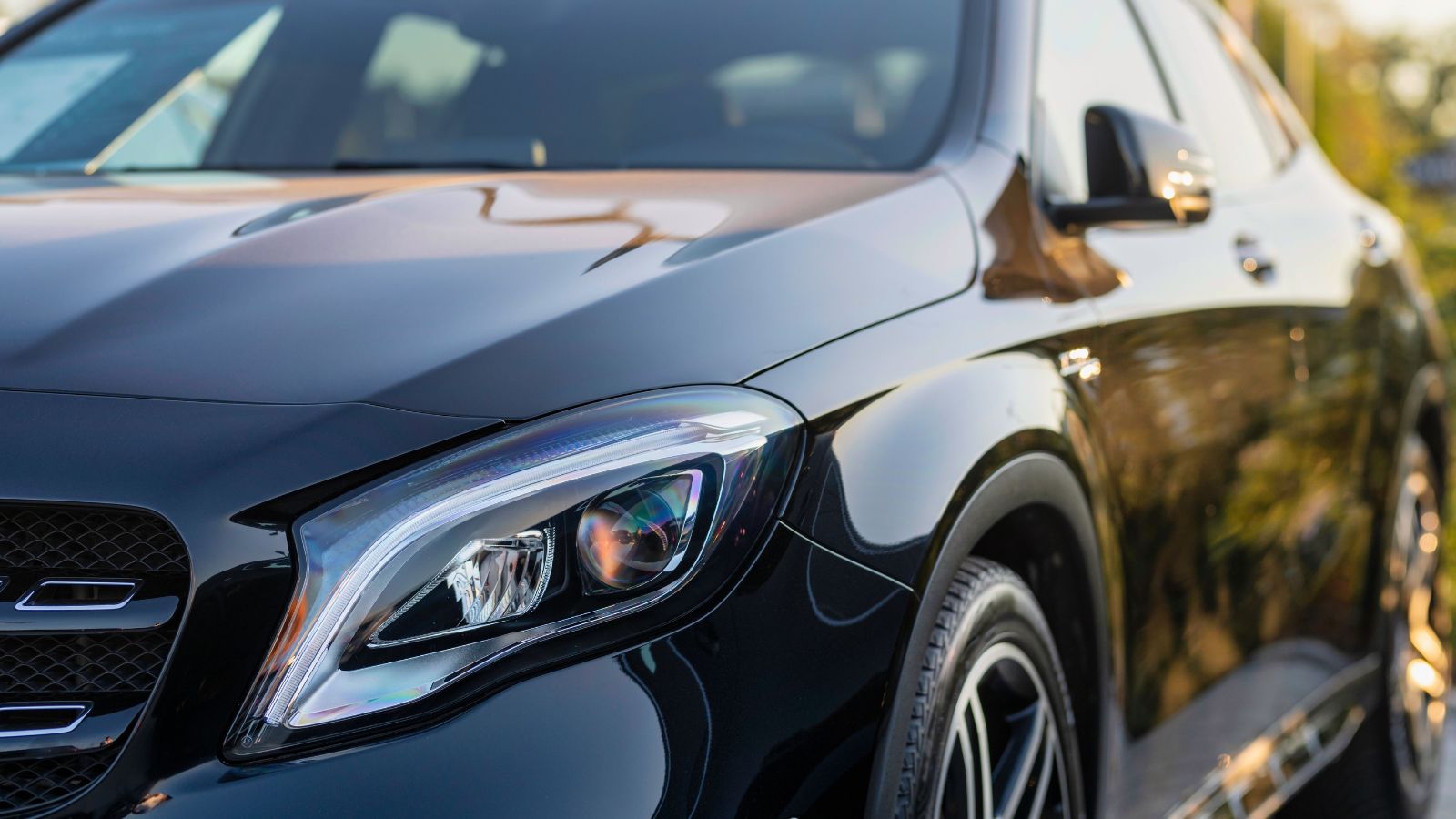
The Mercedes-Benz GLA focuses on style, but practicality feels secondary. Rear seating space is limited for larger car seats. Installing them can reduce front passenger comfort quickly. The rear bench is narrow compared to competitors. The trunk space also feels smaller than expected. Larger strollers may not fit without effort. Families may find themselves adjusting often. It suits couples or light use better. For daily parenting, the layout can feel restrictive over time.
Volkswagen Taos
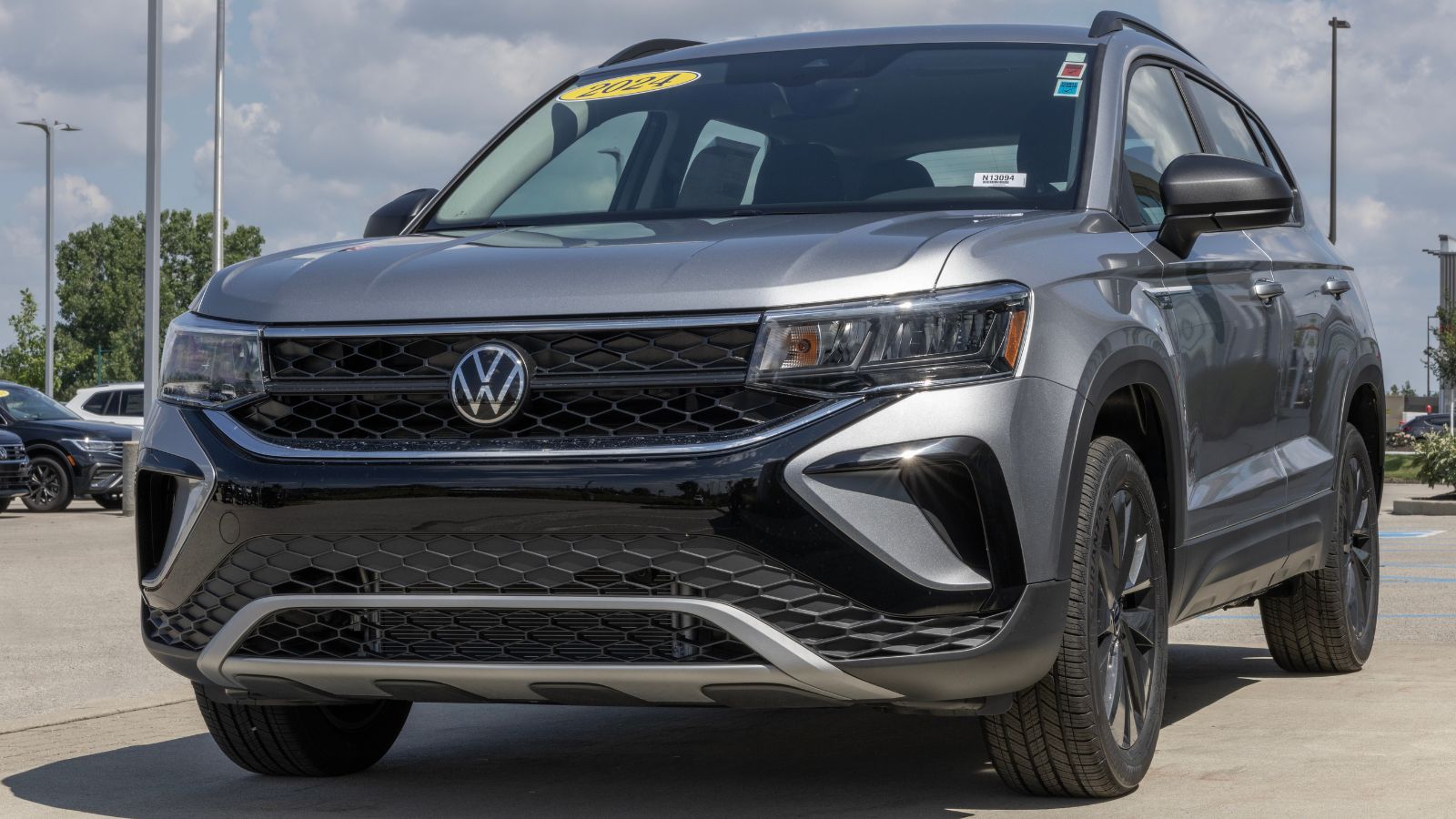
The Volkswagen Taos appears roomy at first glance, but details matter. The rear seating width can feel tight with multiple car seats installed. Access is decent, yet the space inside feels limited under pressure. The trunk offers usable space, but larger strollers quickly take up all of it. Packing additional items becomes difficult after that. Families needing flexibility may feel constrained. It handles everyday driving well, but parenting needs highlight its limits. Over time, small frustrations begin to add up.
Chevrolet Trailblazer
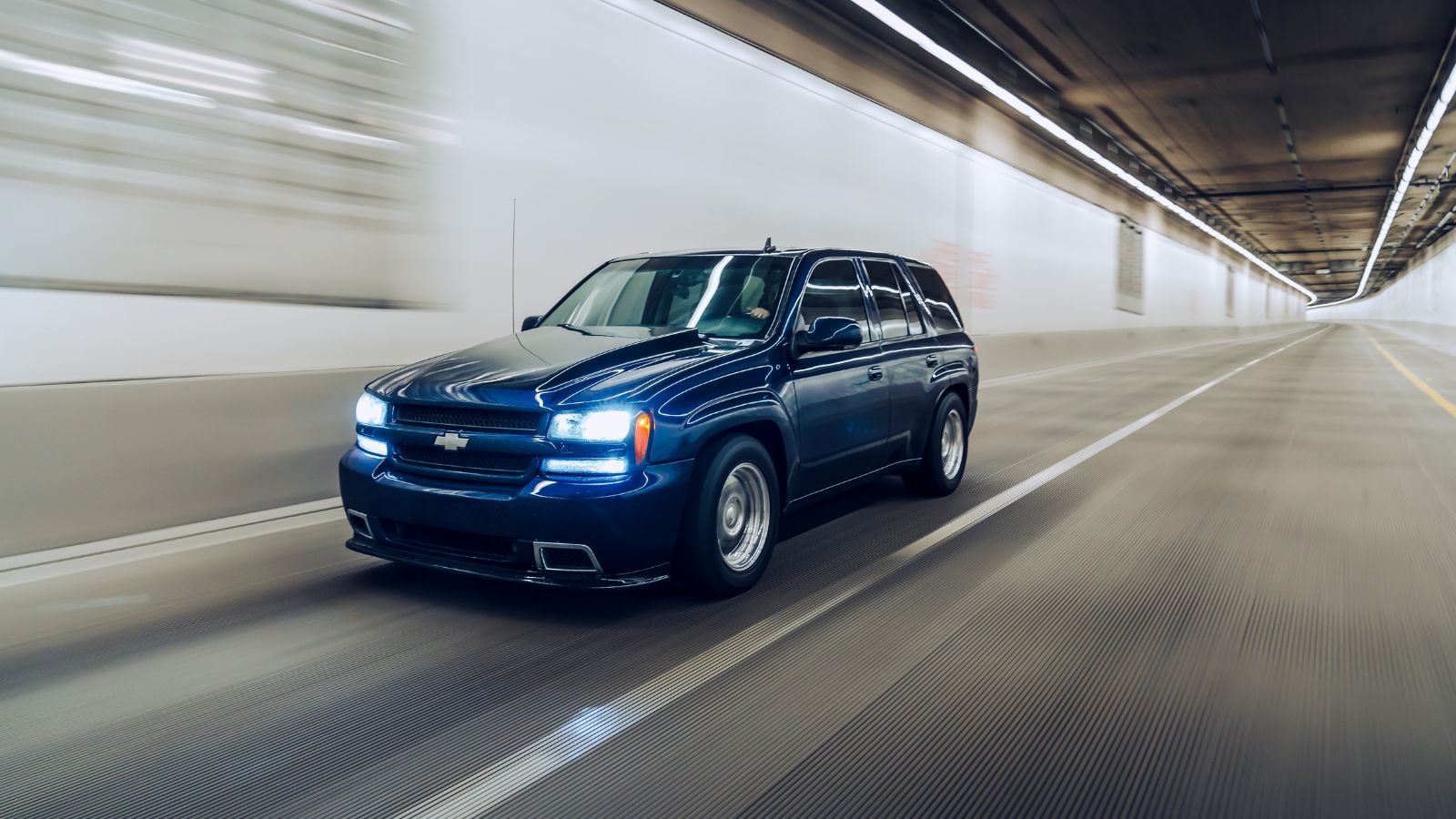
The Chevrolet Trailblazer looks practical, yet its rear space tells a different story. Legroom is modest when using rear-facing car seats. Installing them can noticeably affect front-seat comfort. The door openings could be wider for easier access. The trunk handles basic storage, but larger strollers fill it quickly. Carrying extra items becomes difficult. Families may find themselves adjusting often. It works for light use, but daily parenting routines expose its tighter layout.
Hyundai Venue
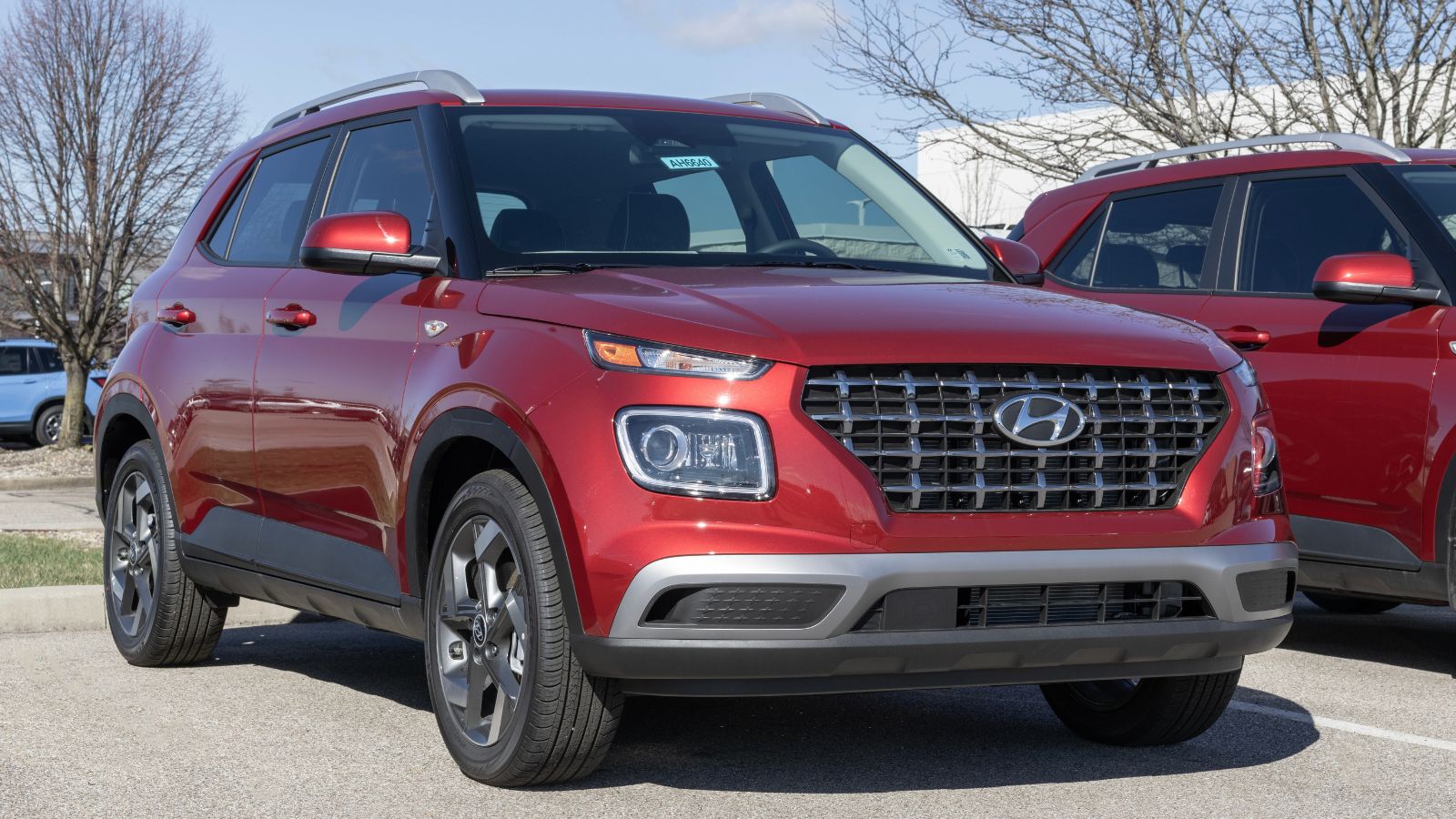
The Hyundai Venue is easy to drive, but space is limited. Rear seating feels tight when installing larger car seats. Front passengers may lose legroom as a result. The doors do not open very wide, making access harder. The trunk is small and restricts stroller options. Most larger strollers require careful folding to fit. Families needing more flexibility may feel restricted. It suits the city well, but growing needs can outpace its capacity.
Nissan Kicks
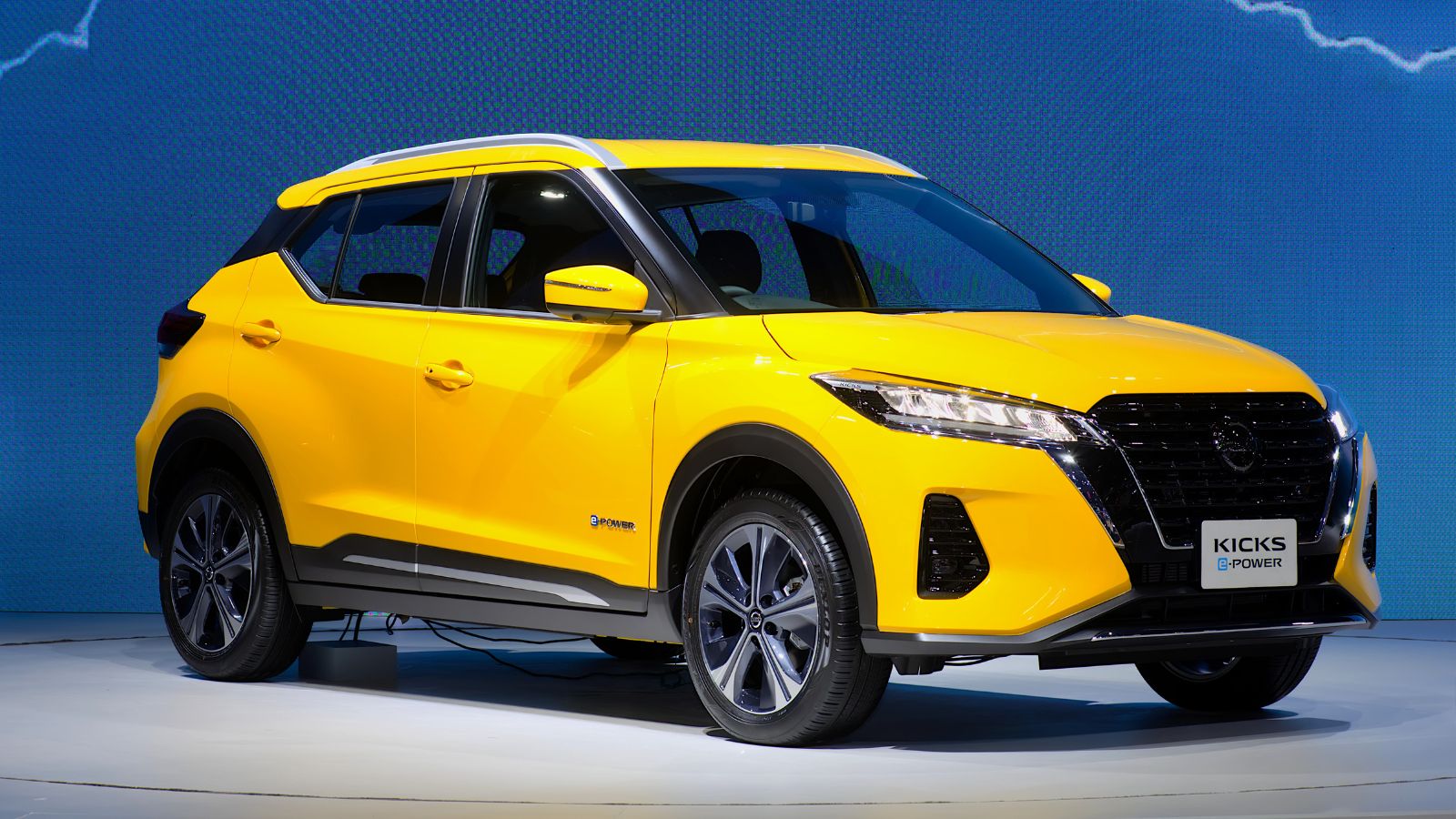
The Nissan Kicks focuses on efficiency, but space is not its strength. Rear seating can feel tight with car seats installed. Access is manageable, yet daily use may feel inconvenient. The trunk is shallow and limits stroller compatibility. Larger models often require extra effort to fit. Packing additional items becomes difficult. Families may need to compromise on gear. It works for minimal needs, but not for busy routines with children.
Toyota Corolla Hatchback
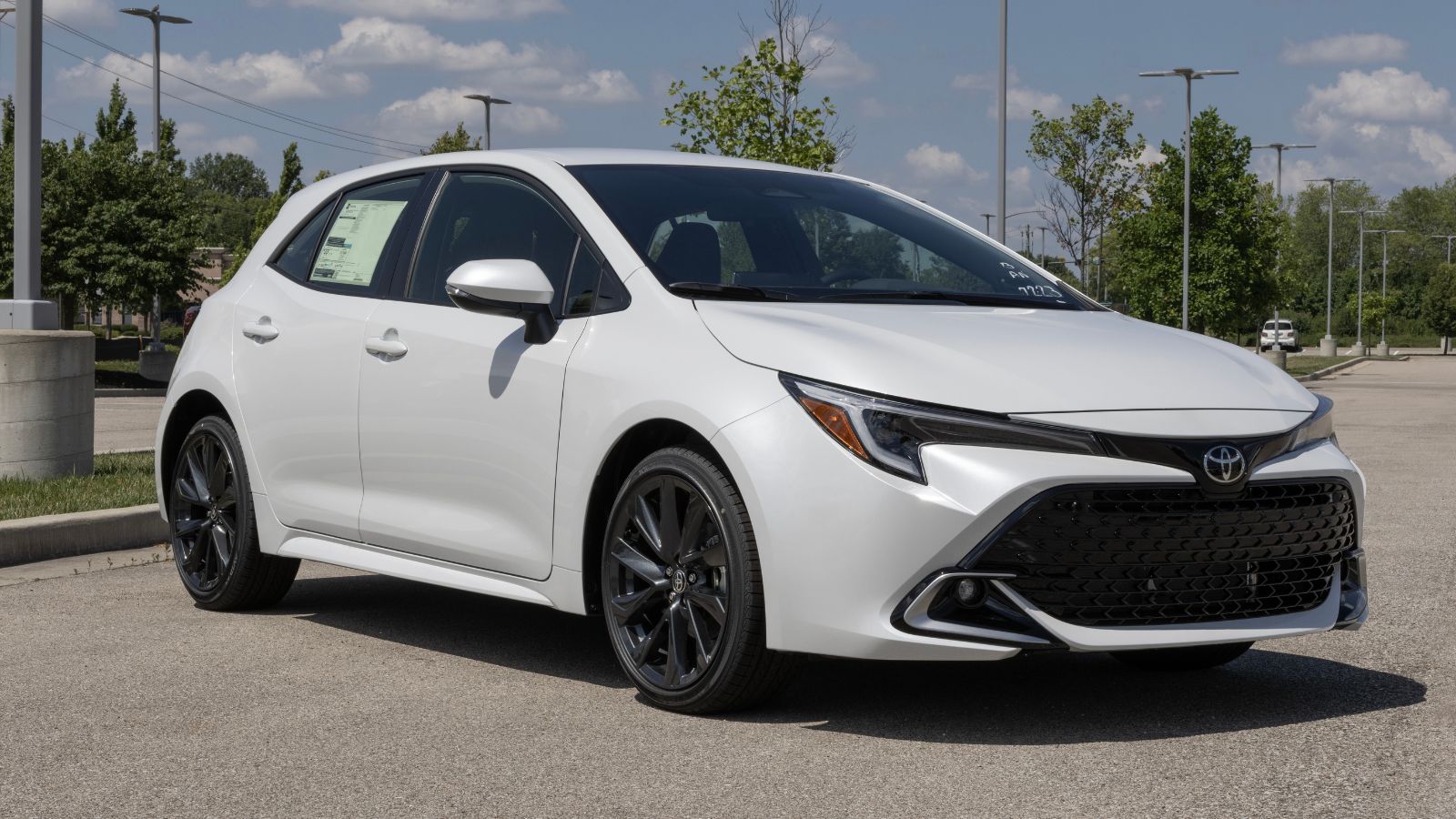
The Toyota Corolla Hatchback is reliable, but the space feels limited for families. Rear seating can become tight with car seats installed. Front seat comfort may be affected as a result. The trunk is smaller than the sedan version. Larger strollers often do not fit easily inside. Even compact ones require careful positioning. Families needing more flexibility may feel restricted. It works well for individuals, but a growing family’s needs can quickly outgrow it.
22 Things Canadians Do to Their Cars in Spring That Mechanics Hate

Spring brings relief to many Canadian drivers after months of snow, freezing temperatures, and icy roads that put serious strain on vehicles. As temperatures rise across the country, drivers begin washing cars, switching tires, and preparing vehicles for warmer weather and upcoming road trips. However, mechanics across Canada notice the same mistakes every spring when drivers attempt to recover from winter damage. Road salt, potholes, and harsh winter driving conditions often leave vehicles with hidden problems that drivers ignore. Some spring habits even create new mechanical issues that could have been avoided with proper maintenance. Here are 22 things Canadians do to their cars in spring that mechanics hate.