


























In a Canadian market dominated by pickups, SUVs, and a shrinking number of true passenger-car stars, popularity alone does not always guarantee substance. Some models climb the sales charts on incentives, familiarity, or fleet demand. Others keep selling because they genuinely make everyday life easier in a country that asks a lot from its vehicles, from winter traction and cargo room to long-distance comfort and resale confidence.
These 20 best-selling vehicles stand out for more than sheer volume. They continue to earn attention because they fit real Canadian needs, whether that means towing a trailer, surviving a January commute, carrying a family of five, or simply delivering dependable value without drama. In a crowded market, these are the nameplates that still back up the buzz.
1. Ford F-Series
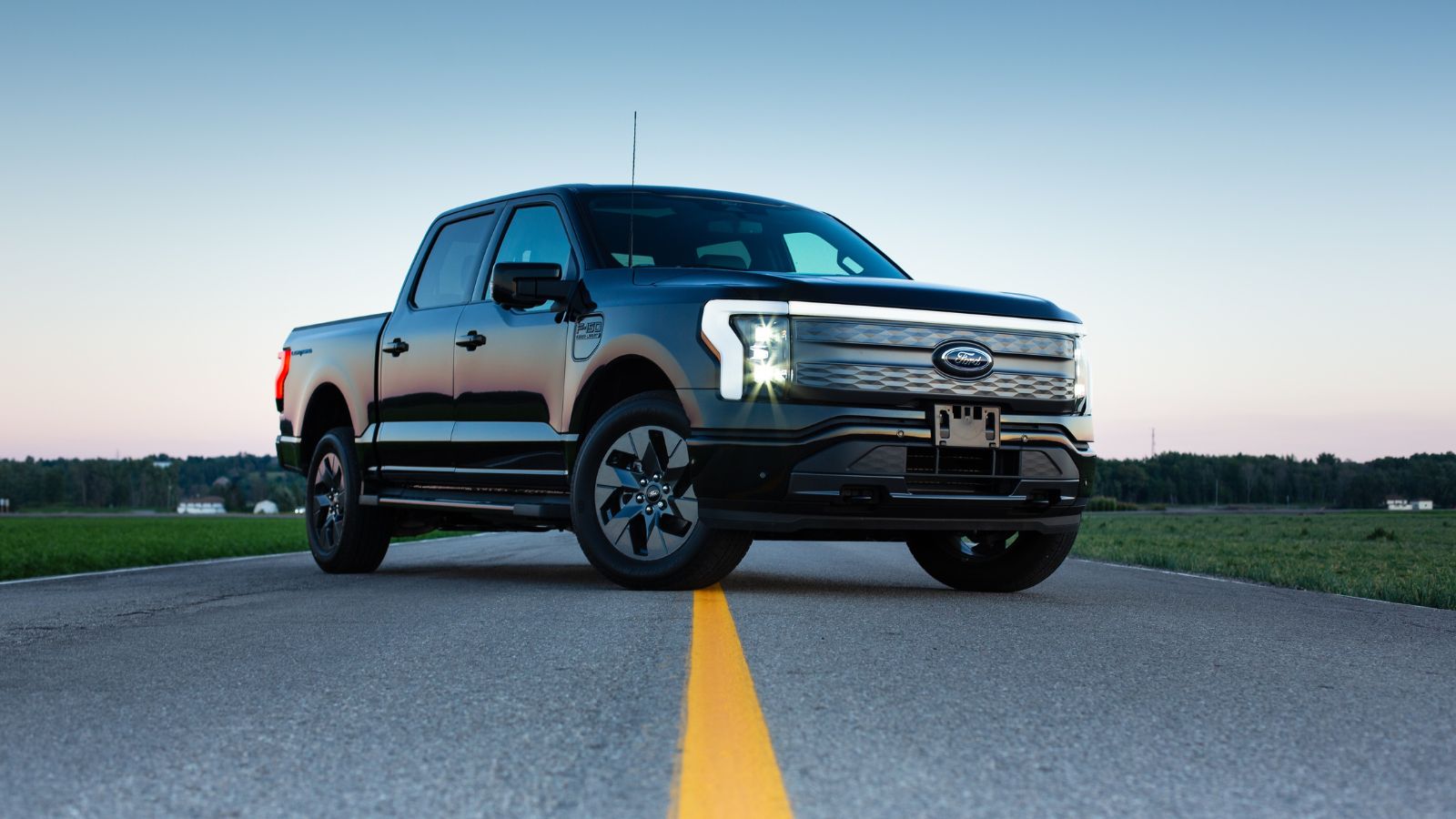
The Ford F-Series remains the default answer for a huge share of Canadian buyers because it still feels purpose-built for the way many people actually live and work. It is not just a farm truck or contractor truck anymore. It is a tow rig, family hauler, jobsite office, cottage runner, and daily driver all at once. That breadth matters in a country where one vehicle often has to cover multiple roles. The F-Series also benefits from something less flashy but more powerful: habit. In towns across Canada, entire driveways, business fleets, and municipal yards are built around the idea that an F-150 or Super Duty is the safest, easiest choice.
The reason the hype still holds is that Ford has kept evolving the formula instead of coasting on legacy. Hybrid power is part of the conversation now, and useful technology has moved from novelty to real-world benefit. Pro Power Onboard is the kind of feature that sounds gimmicky until someone uses it at a campsite, a hockey tournament, or a jobsite without easy access to power. For buyers who need real capability but still want modern comfort and tech, the F-Series continues to justify why it stays at the top.
2. Toyota RAV4
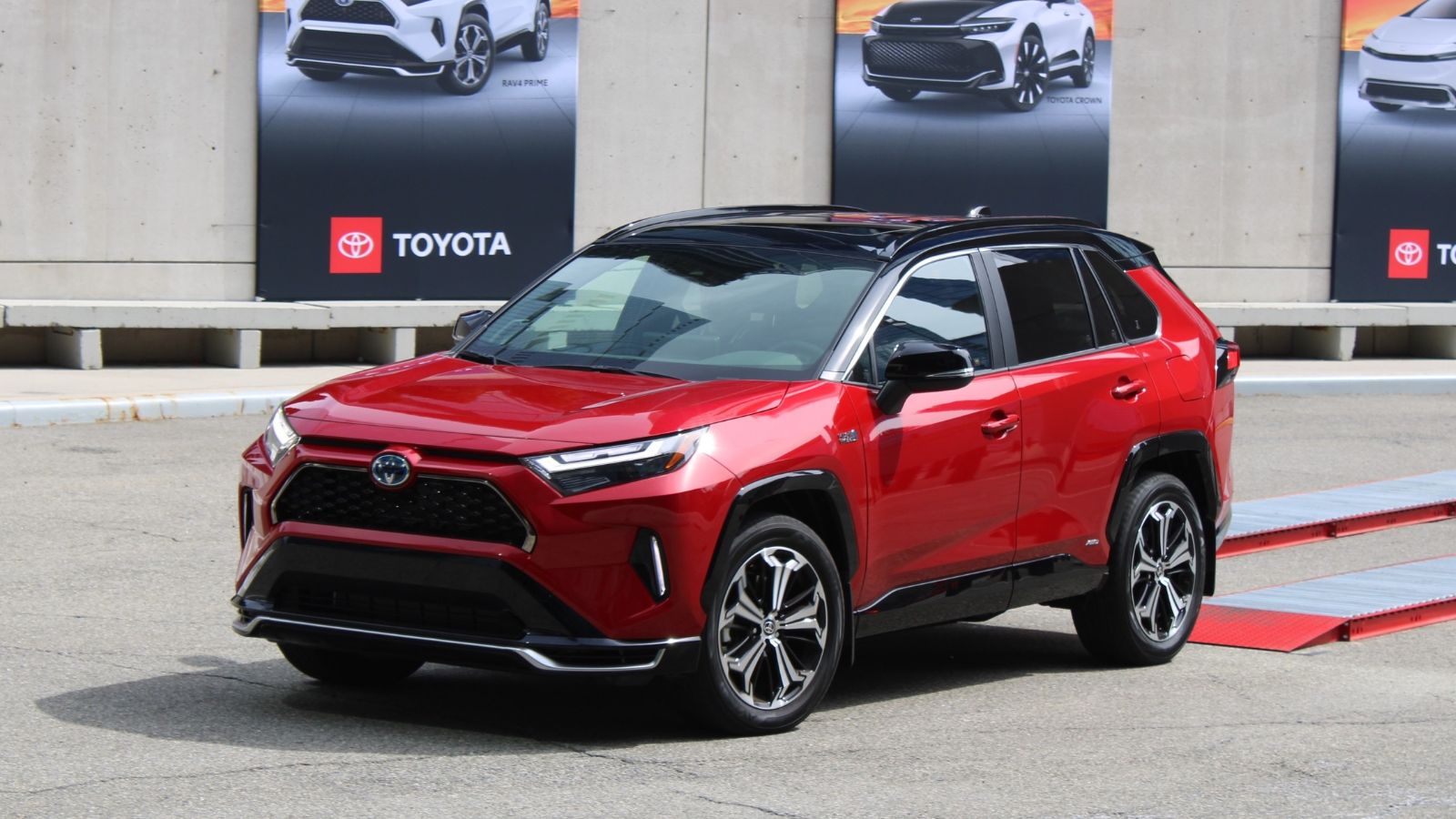
The Toyota RAV4 has become the modern Canadian default for people who want one vehicle that covers almost every base without demanding much sacrifice. It is the compact SUV equivalent of a reliable winter coat: maybe not the most exciting thing in the closet, but consistently the right call. That reputation matters in Canada, where buyers tend to be practical first and emotional second. The RAV4 keeps winning because it blends manageable size with family-friendly usefulness. It is easy to park in the city, roomy enough for road trips, and confident enough for bad-weather errands that turn into longer drives than expected.
What keeps the RAV4 deserving of its hype is how broad its appeal has become. Buyers can choose gas, hybrid, or plug-in hybrid flavours, and that flexibility has helped the nameplate stay relevant even as electrification has moved from niche to mainstream. It also helps that Canadian production gives the RAV4 a sense of local familiarity and long-term commitment. For many households, the RAV4 is not the vehicle that sparks the most excitement in the showroom. It is the one that keeps looking smarter after six months, two winters, and a few thousand kilometres of ordinary life.
3. GMC Sierra
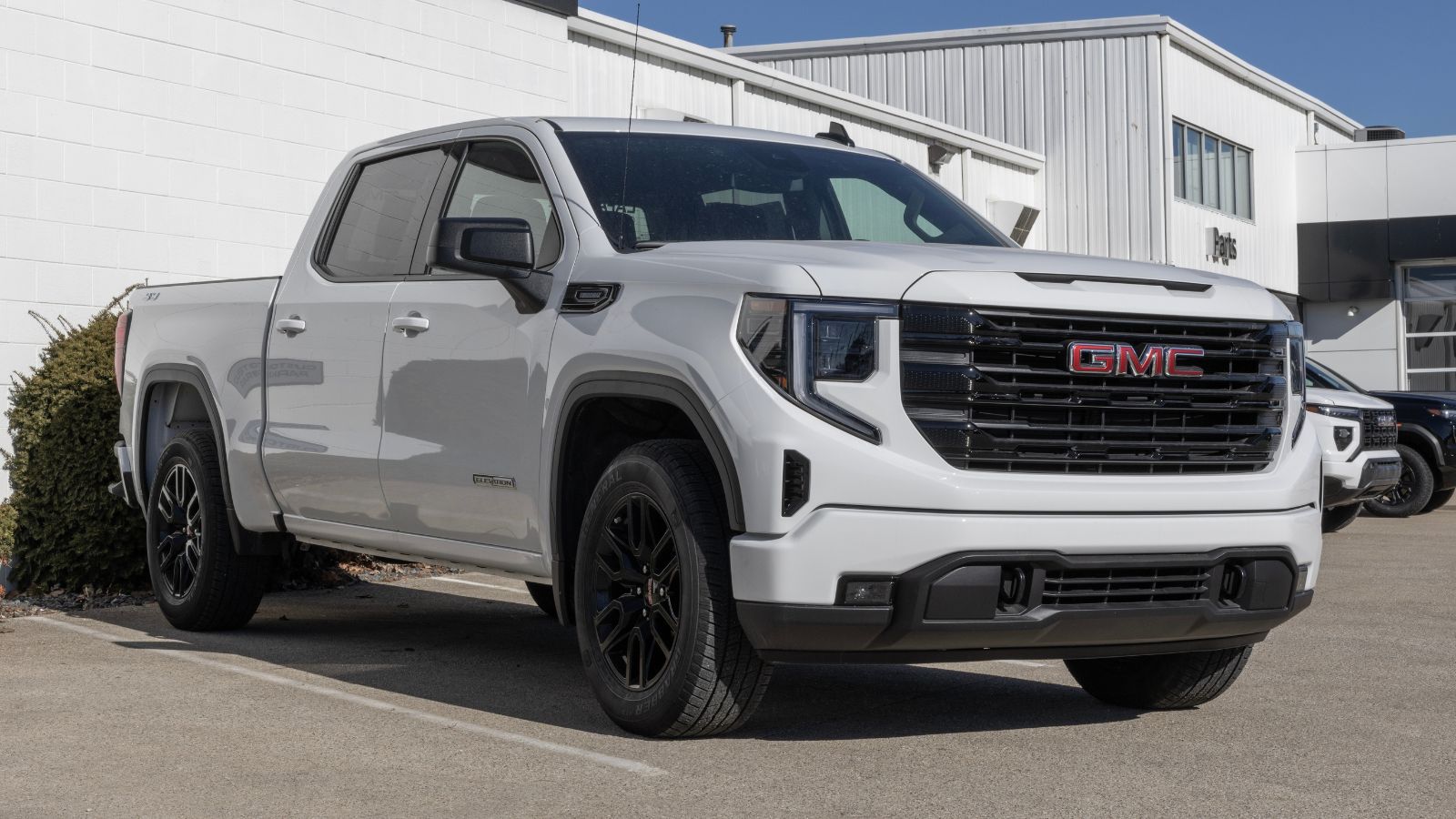
The GMC Sierra succeeds because it understands that a lot of Canadian truck buyers want capability without the stripped-down feel that used to define work-oriented pickups. The Sierra has long occupied that sweet spot between rugged and upscale, and that positioning still resonates. A contractor may appreciate its towing confidence and bed utility, while a family buyer might care more about cabin quality, room, and how it feels on a long highway run. In many ways, the Sierra sells not just on strength but on the idea that a truck can still feel polished and premium without turning soft.
That is why the hype still makes sense. GMC has leaned hard into making the Sierra easier to live with every day, especially when hauling, towing, or travelling with passengers. Camera systems and trailering tech may sound like brochure filler, but they become genuinely useful when backing into a narrow driveway, hooking up a trailer at dusk, or squeezing through a crowded parking lot after a weekend away. The Sierra also carries a certain image advantage in Canada. It feels a little more refined than the average full-size truck, and for plenty of buyers, that extra layer of comfort is exactly what makes it worth the attention.
4. Honda CR-V
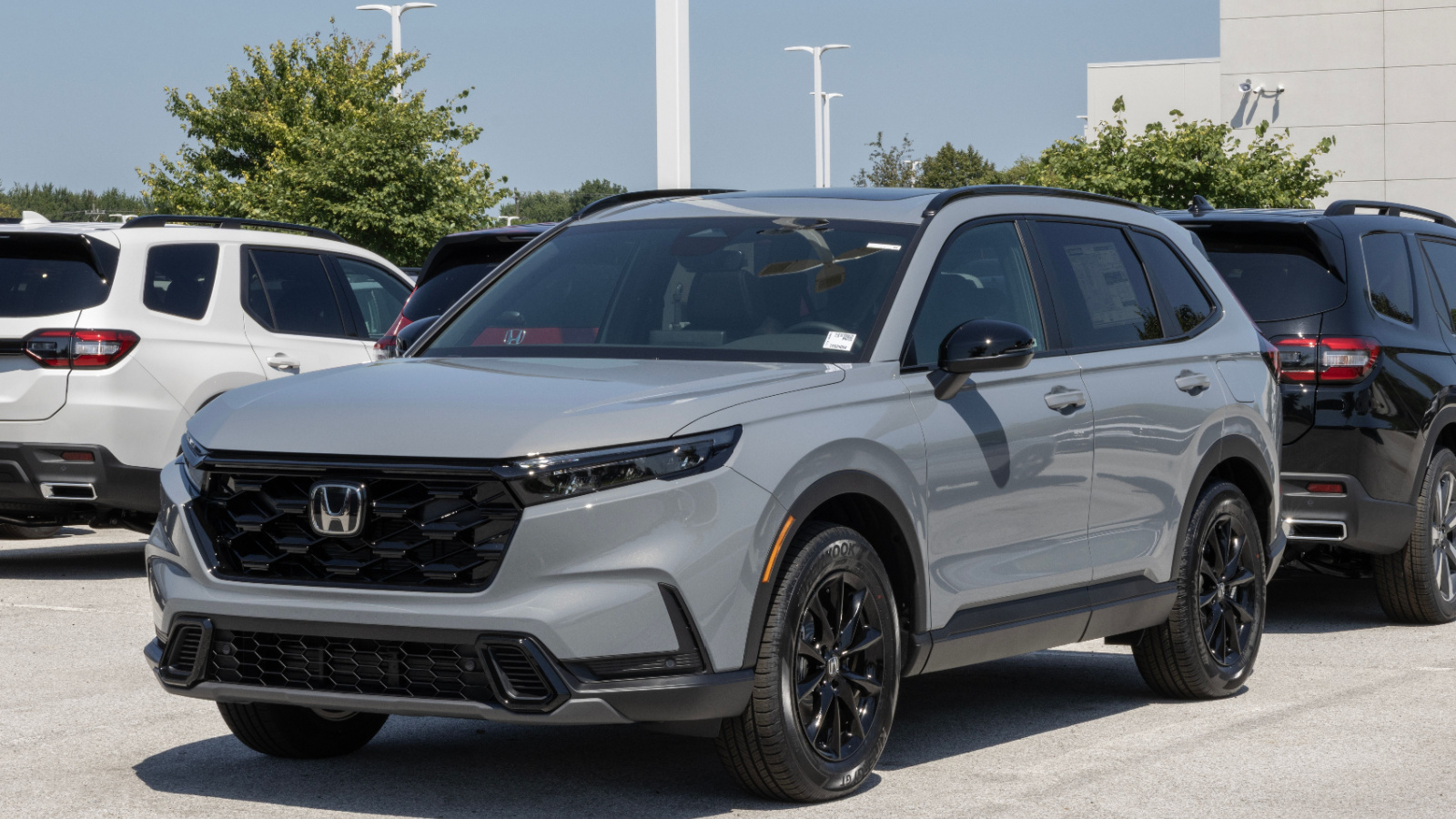
The Honda CR-V continues to earn its strong reputation because it rarely tries to be flashy. Instead, it focuses on the things that matter most over the long haul: comfort, packaging, efficiency, visibility, and a cabin layout that makes sense on the first drive. That sounds basic, but it is exactly why so many Canadian households keep circling back to it. The CR-V is the kind of vehicle that works for a young couple, a family with kids in hockey gear, or empty nesters heading north for the weekend. It does not ask buyers to adapt to it. It adapts easily to their routines.
Its current popularity also reflects how well Honda read the market. The CR-V’s hybrid momentum in Canada has become a major part of its story, not a side note, and that matters because many buyers now want better fuel economy without fully committing to an EV. Honda also gave the lineup a more adventurous edge with the TrailSport Hybrid, which helps the CR-V feel a bit more current and lifestyle-oriented. Even so, the biggest reason the hype still holds is simple: it remains one of the easiest crossovers in Canada to recommend without a long list of caveats.
5. Chevrolet Silverado
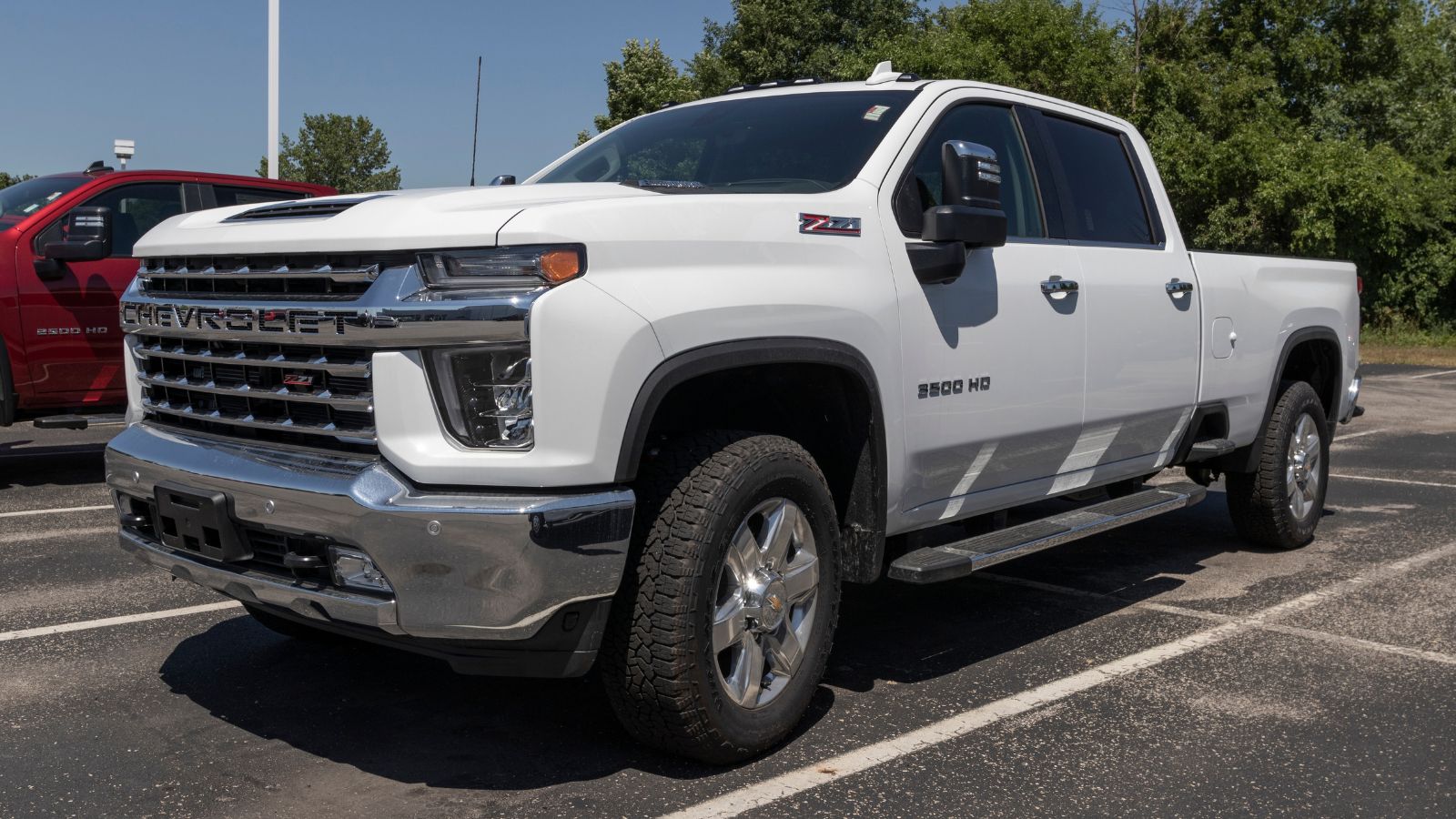
The Chevrolet Silverado still deserves serious respect because it remains one of the broadest truck lineups on the market. That flexibility is a big reason it continues to sell so well in Canada. Some buyers want a straightforward work truck that can take abuse. Others want a better-looking, more comfortable pickup that can pull camping duty in summer and commute duty through winter. The Silverado covers an enormous range of needs, and that keeps it relevant even as truck buyers have become more demanding. It helps, too, that Chevrolet has kept the Silverado competitive in the areas that matter most: towing confidence, powertrain variety, and useful cabin tech.
The hype still feels earned because this is not a one-dimensional truck. Chevrolet has invested heavily in trailering technology, and that is exactly the kind of thing that matters in a market where boats, enclosed trailers, utility trailers, and travel trailers are a regular part of life. Good towing numbers are one thing. Feeling less stressed while towing is another. The Silverado has become stronger on that second part of the equation. For Canadians who want a truck that still feels like a truck but no longer feels outdated inside, the Silverado remains a very rational reason to buy into the hype.
6. Ram 1500 / Heavy Duty
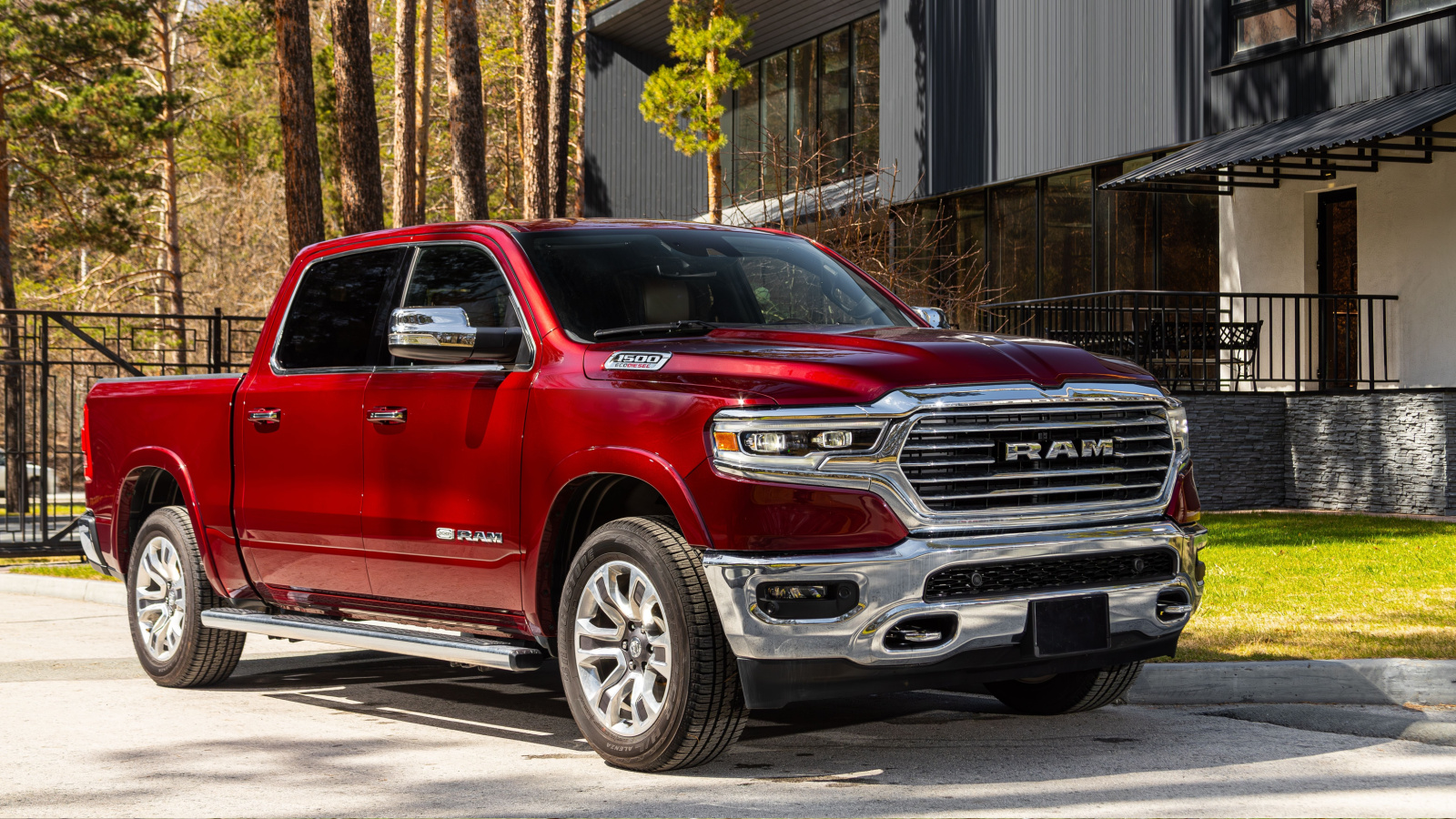
Ram’s pickup lineup still commands attention because it speaks to two kinds of buyers at once. On one side are people who want a serious truck for heavy work, towing, and rough-weather durability. On the other are buyers who want a full-size pickup that feels refined, comfortable, and almost SUV-like on long trips. Ram has spent years building a reputation for doing that second part especially well, and that reputation still carries weight. Even in a tougher sales year, the brand’s truck lineup remained a major force in Canada because the product still lines up with what many truck owners want their daily lives to feel like.
The reason the hype persists is that Ram continues to modernize without losing its identity. New engine choices give buyers something fresher to talk about, while trim strategies tailored to Canadian tastes keep the lineup relevant in this market specifically. Heated seats, heated steering wheels, and comfort-oriented equipment are not minor details in Canada; they are part of what makes a truck feel like it belongs here. Ram may not own the full-size pickup conversation the way it once threatened to, but it still earns its status as a truck that combines toughness with real day-to-day comfort.
7. Hyundai Tucson
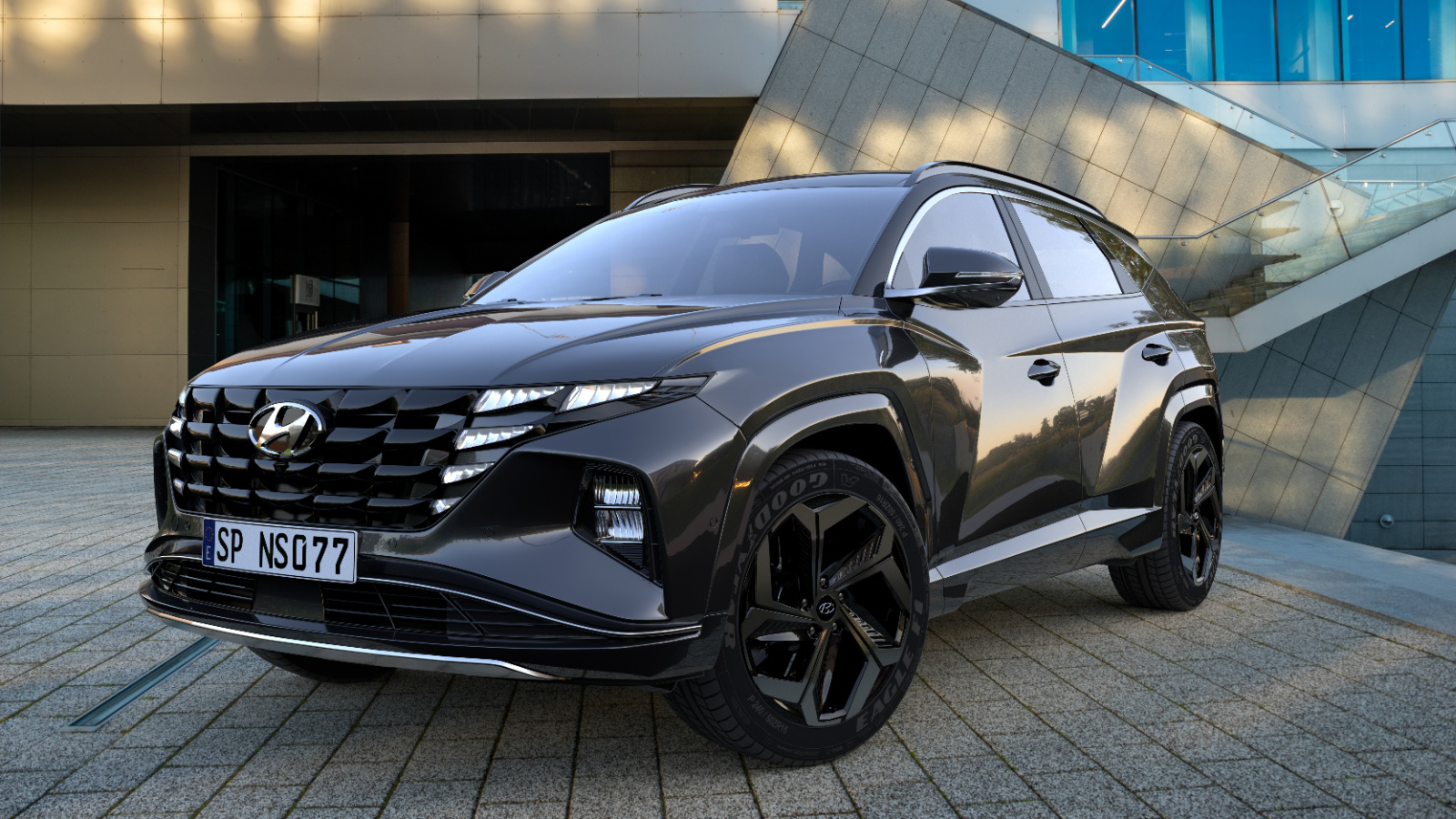
The Hyundai Tucson deserves its momentum because it has become one of the clearest examples of how mainstream vehicles can look and feel more premium than their price brackets suggest. In earlier eras, practicality often came with bland design. The Tucson pushed in the opposite direction. It gave buyers a crossover that stands out visually without becoming weird or overly polarizing. That matters in a segment full of safe, familiar shapes. For many Canadians, the Tucson feels like the more interesting alternative to the default compact SUV choices, yet it still delivers the everyday usefulness expected from the class.
What makes the hype stick is that Hyundai did not rely on styling alone. The Tucson lineup gives Canadians a broad mix of powertrain choices, including gas, hybrid, and plug-in hybrid versions, which makes it easier to find a version that fits both budget and lifestyle. Safety and tech have also become core parts of its appeal rather than optional extras buyers only notice late in the sales process. For a family trying to balance monthly payments, winter confidence, and a vehicle that still feels fresh after the honeymoon period, the Tucson makes a very convincing case that its popularity is not just a passing trend.
8. Nissan Kicks
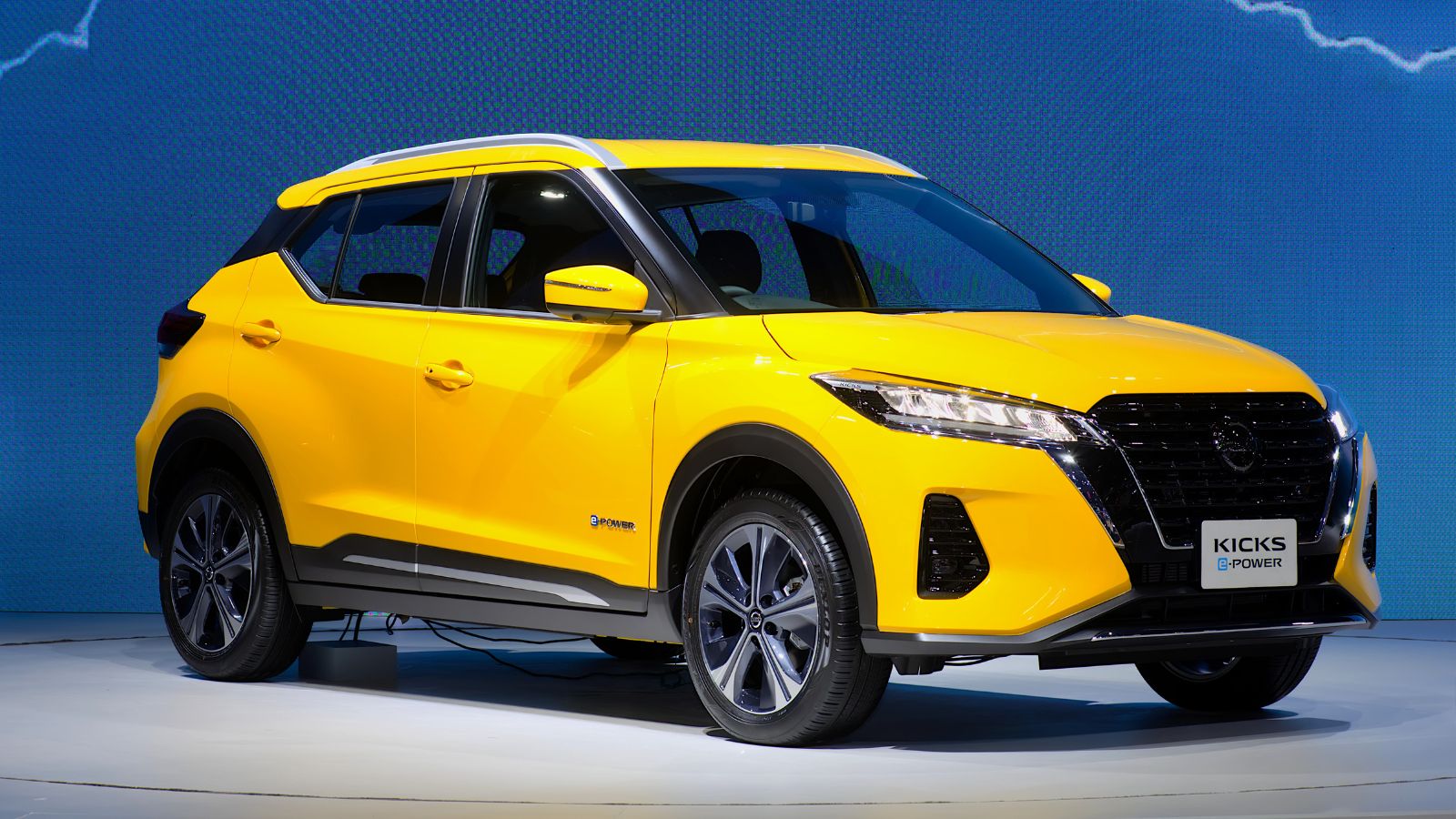
The Nissan Kicks has quietly become one of the smartest volume plays in the Canadian market because it understands exactly what a huge segment of buyers wants: affordable size, easy manoeuvrability, modern looks, and just enough versatility to feel like an upgrade from a small car. In Canada, that formula matters more than enthusiasts sometimes admit. A vehicle does not need to dominate drag races or mountain trails to deserve attention. It needs to fit condo parking garages, crowded urban streets, and modest household budgets while still feeling current. The Kicks has leaned hard into that reality, and the market has rewarded it.
The current hype is even more justified because Nissan gave the Kicks more substance. The redesigned model brought more power, optional all-wheel drive, and strong cargo practicality, while the Kicks Play kept a lower-cost entry point in the mix. That two-pronged approach was shrewd for Canada, where not every buyer wants the newest version if the older formula still hits the right price. The result is a vehicle that works particularly well for first-time buyers, downsizers, and small families who want crossover style without crossover bloat. It may not be glamorous, but it absolutely understands its assignment.
9. Nissan Rogue
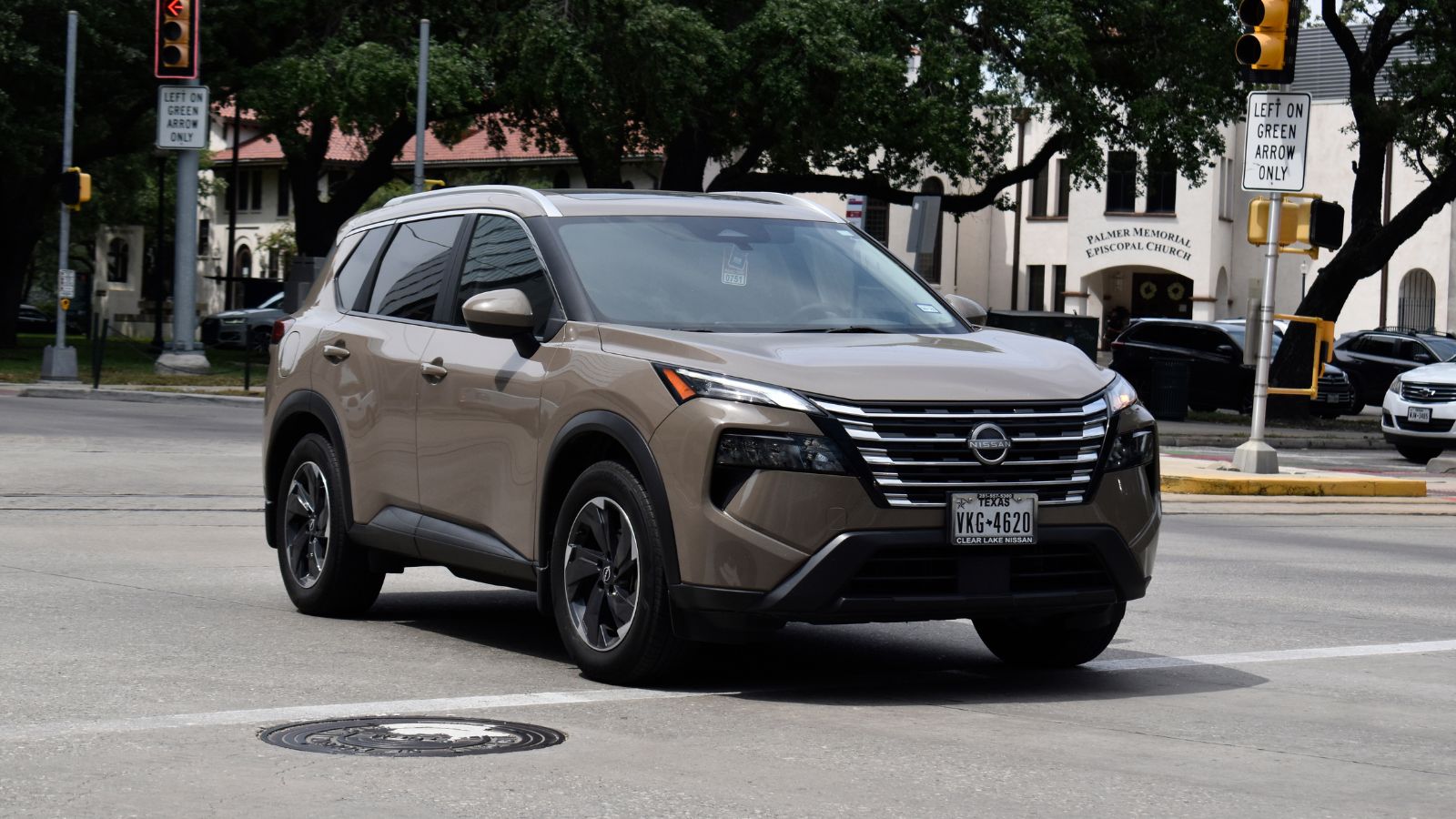
The Nissan Rogue remains popular because it hits one of the most valuable sweet spots in the Canadian market: big enough to feel substantial, but not so large that it becomes clumsy or expensive to feed. It is the kind of crossover that makes sense for buyers who are stepping up from a sedan or subcompact SUV and want something more grown-up without moving into a three-row price bracket. The Rogue also benefits from strong showroom presence. It looks modern, feels roomy, and typically presents itself well during a quick test drive, which still matters more than many buyers care to admit.
What keeps the hype alive is that Nissan has continued to add features that make the Rogue feel current rather than merely familiar. Driver-assistance tech, competitive pricing, and a generally family-friendly layout give it broad appeal. It is also the sort of vehicle that works well in suburban Canada, where one day may involve school drop-offs, a Costco run, and a snowy highway drive to visit relatives. The Rogue may not dominate enthusiast conversation, but that is partly the point. It is a mainstream crossover that focuses on ease, confidence, and functionality, and that is exactly why it keeps finding so many buyers.
10. Ford Escape
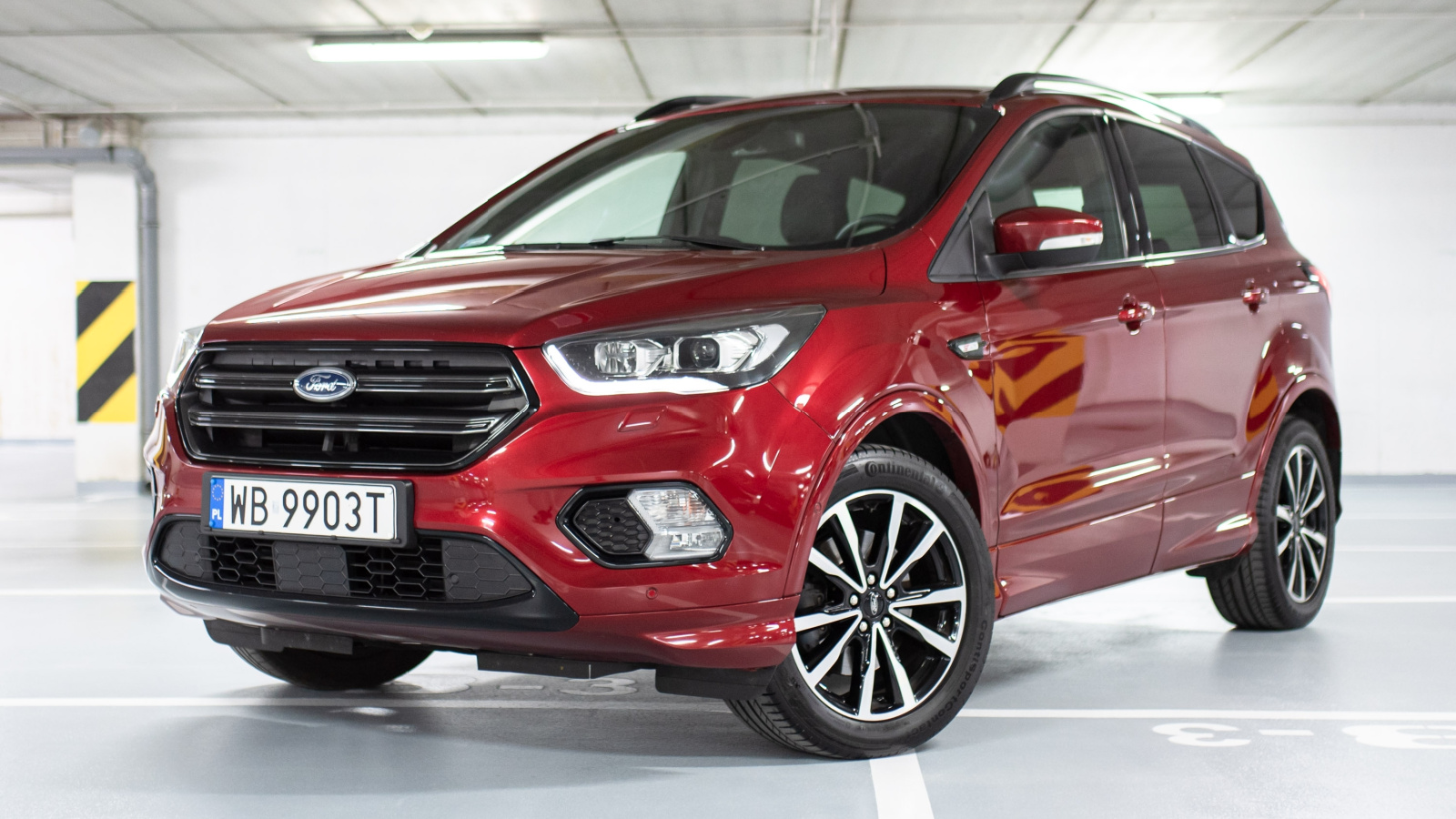
The Ford Escape still deserves more credit than it often gets because it offers something increasingly rare in mainstream crossovers: real choice. In a market where many vehicles feel narrowly defined, the Escape gives buyers multiple ways in. Gas engines, hybrid models, and a plug-in hybrid option make it easier for the vehicle to meet people where they are rather than forcing them into one trend or another. That flexibility matters in Canada, where driving patterns can vary wildly. One household may do mostly city errands. Another may cover long highway stretches every week. The Escape is one of the few compact SUVs that tries to serve both with meaningful variety.
Its continued relevance also comes from practical interior thinking. The sliding second row is the kind of feature that rarely dominates headlines but matters in daily use, especially when balancing rear-seat comfort against cargo needs. Ford has also kept the Escape easy to live with from a visibility and drivability standpoint, which helps it feel more approachable than some flashier rivals. For buyers who want a compact SUV without locking themselves into a single powertrain ideology, the Escape remains a very sensible choice. That may not generate viral excitement, but it is exactly the kind of logic that sustains long-running demand.
11. Subaru Crosstrek
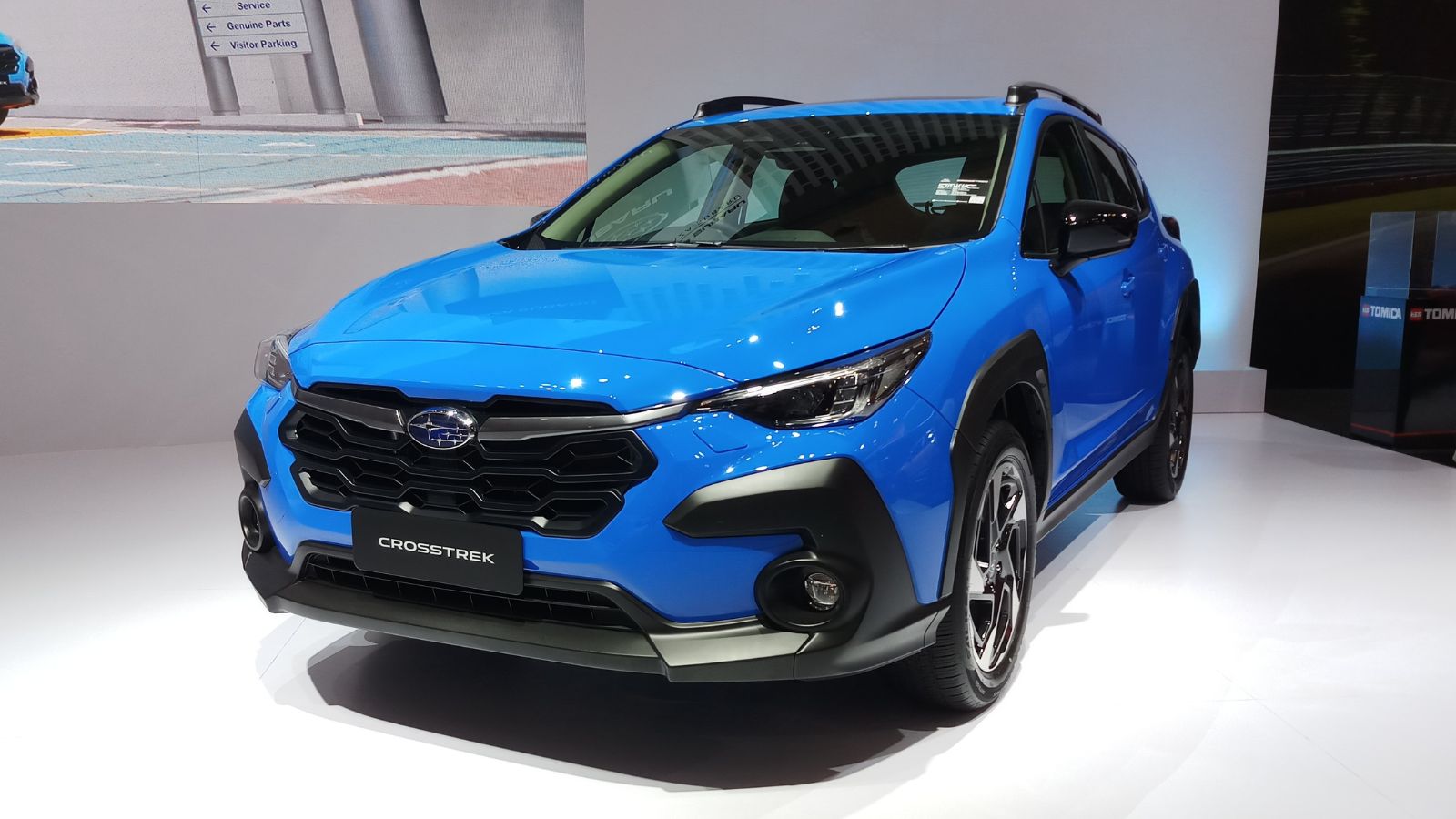
The Subaru Crosstrek continues to deserve the hype because it feels tailor-made for Canadian geography and weather. Plenty of vehicles offer all-wheel drive, but the Crosstrek has built its reputation around making that capability feel like part of the vehicle’s identity rather than just a box to tick. It appeals to buyers who like the idea of adventure without wanting a huge SUV, and that has proven to be a durable formula. In Canada, it works especially well for people whose lives mix city driving with ski weekends, cottage roads, trailhead parking lots, or simply unplowed side streets after a storm.
The reason the enthusiasm remains justified is that Subaru has kept the Crosstrek aligned with what its buyers actually value: standard all-wheel drive, useful ground clearance, straightforward packaging, and strong perceived durability. Recognition for retained value only strengthens that case, because many Canadian shoppers think beyond the monthly payment. A Crosstrek buyer is often not trying to make the boldest statement in the parking lot. They are trying to own the vehicle that feels ready for almost anything while staying compact enough for normal life. That balance between rugged image and real usability is why the Crosstrek still earns its reputation.
12. Honda Civic
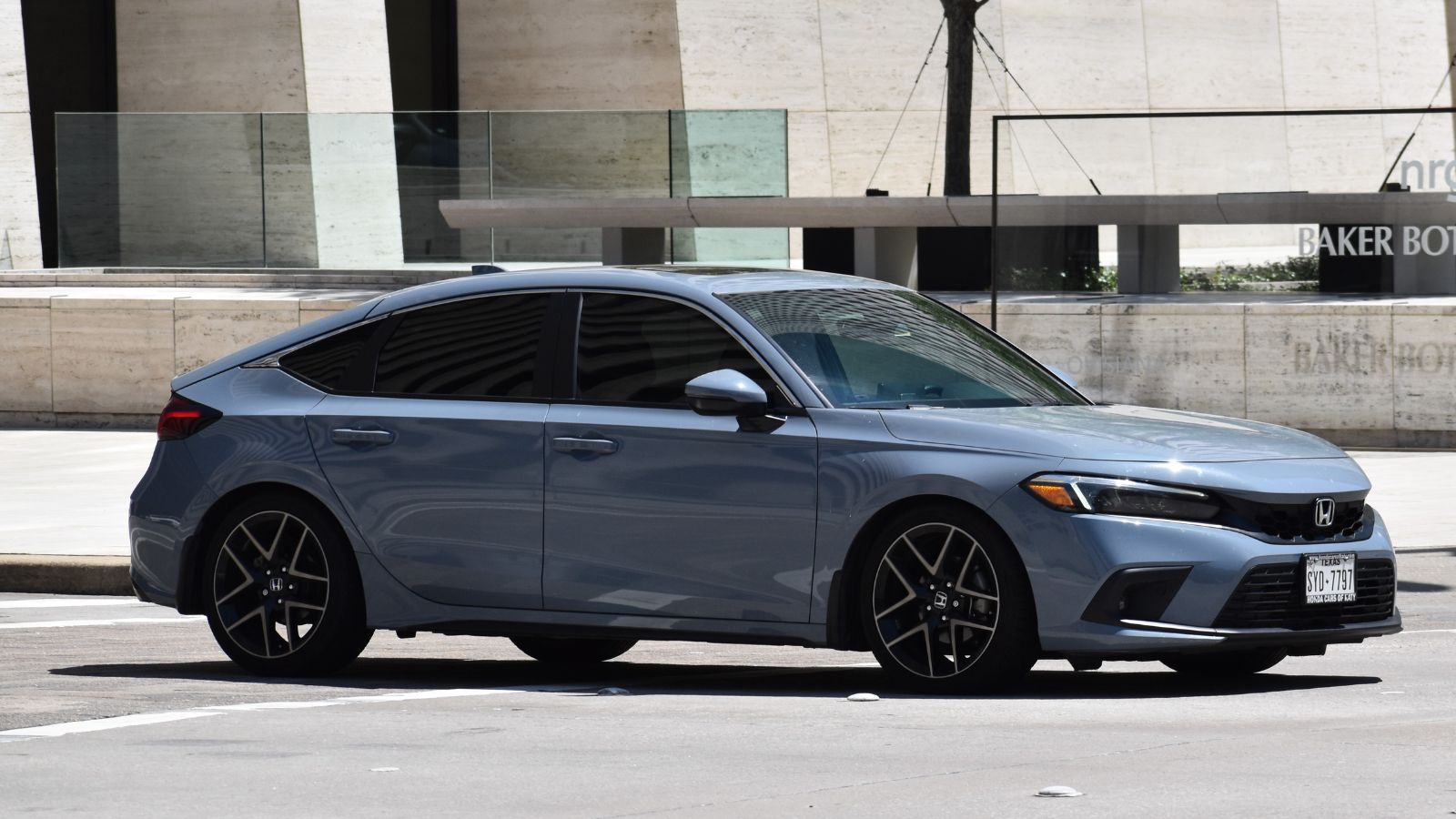
The Honda Civic still deserves every bit of attention it gets because few vehicles in Canada have managed to stay this relevant across so many generations of buyers. It has long been the compact car that parents trust, younger buyers want, commuters respect, and used-car shoppers hunt down. That kind of cross-generational staying power is not accidental. The Civic has consistently offered a mix of quality, efficiency, space, and road manners that feels slightly more polished than the basic compact-car brief requires. In a market where passenger cars no longer dominate, the Civic has become even more impressive simply by refusing to fade away.
Its hype still makes sense because the Civic remains one of the clearest proof points that good cars do not have to be oversized crossovers. It continues to offer the clean packaging, sensible dimensions, and everyday efficiency that many Canadians still want, especially those who spend more time on paved urban roads than backcountry routes. There is also a cultural side to the Civic story. It has been woven into Canadian driving life for decades, from student parking lots to suburban driveways. When a nameplate keeps that level of relevance for so long, it is not just popular. It is genuinely entrenched for good reasons.
13. Mazda CX-5
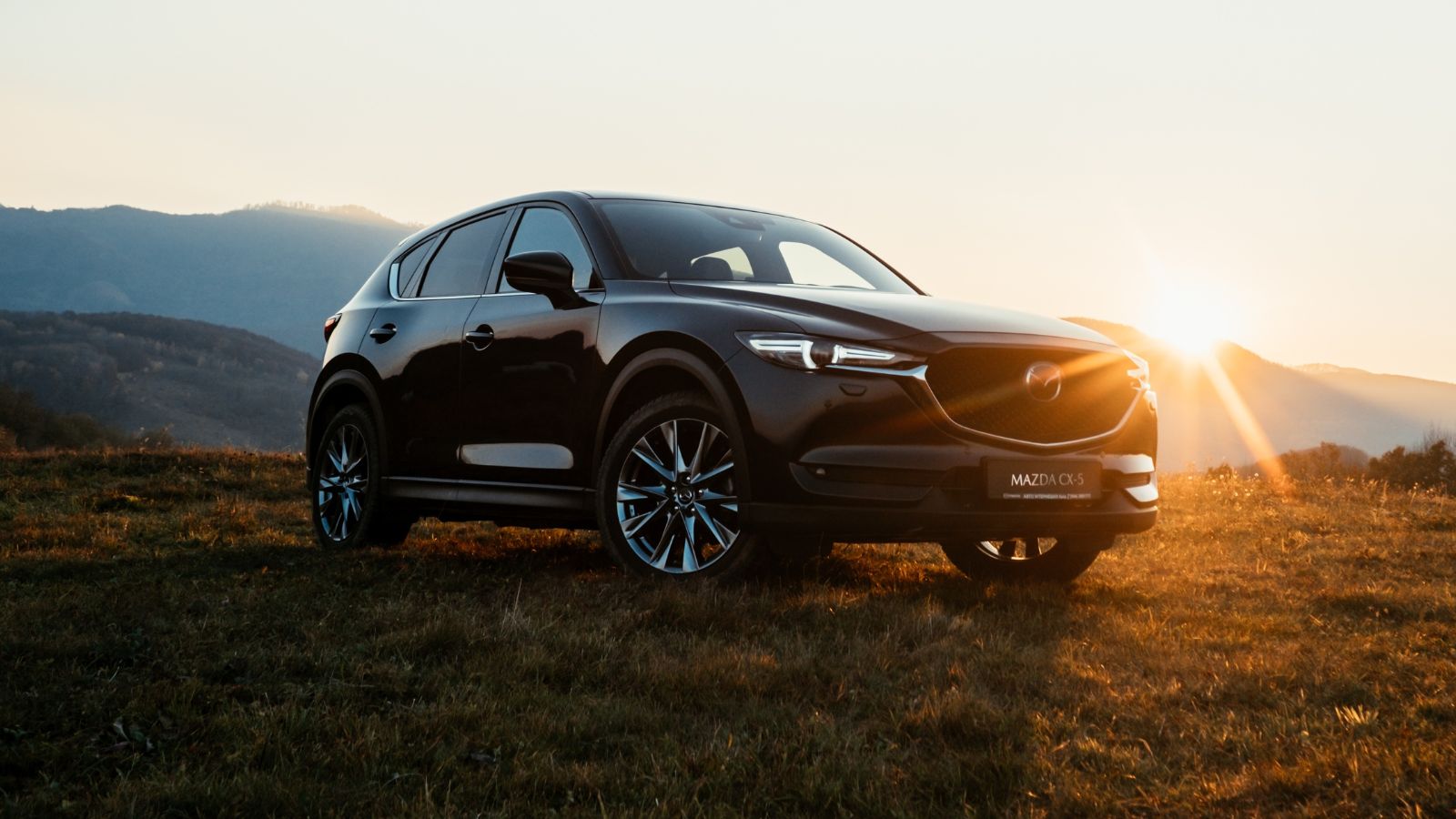
The Mazda CX-5 still earns its praise because it offers something many mainstream crossovers talk about but few fully deliver: a sense of style and driving polish that rises above the segment norm. It has long appealed to buyers who want a practical SUV but feel underwhelmed by vehicles that treat driving as an afterthought. The CX-5 manages to be useful without feeling purely utilitarian. That distinction matters. For Canadians spending a huge share of the year commuting in grey weather, running errands in traffic, and making weekend highway runs, a vehicle that feels a little more refined can make ordinary life less dull.
The hype remains justified because Mazda has not abandoned the fundamentals in pursuit of that premium-adjacent image. The CX-5 still gives buyers standard all-wheel drive, competitive efficiency, a strong safety story, and a cabin that feels thoughtfully finished. Its sales performance in 2025 showed that this formula still lands. There is also a certain emotional durability to the CX-5. It is the kind of vehicle that can still feel good to walk up to after the novelty of ownership wears off. In a crowded class, that ability to combine practicality with a touch of pride is a meaningful advantage.
14. Hyundai Kona
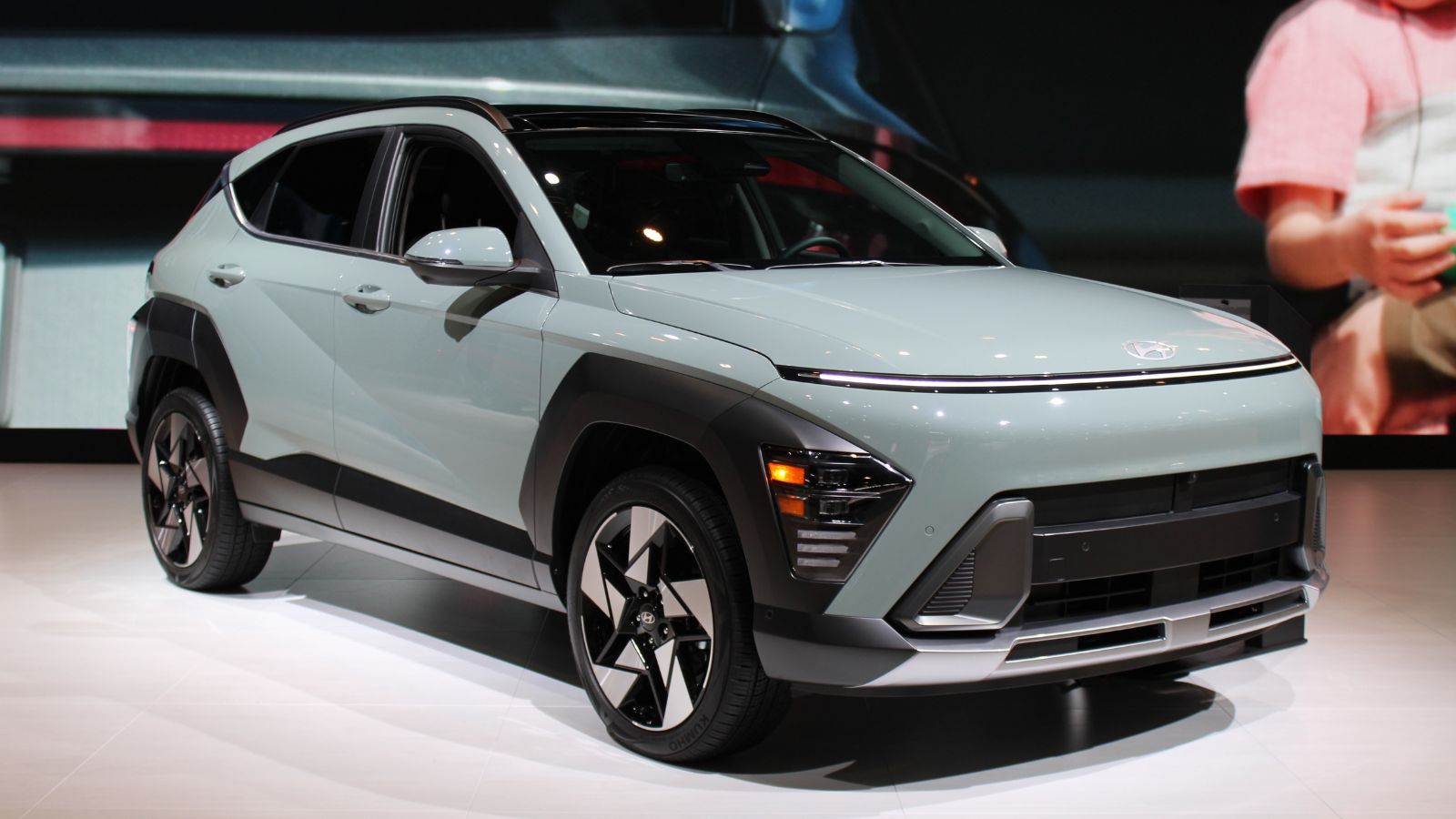
The Hyundai Kona deserves the hype because it has matured from a quirky small crossover into one of the more convincing compact utilities for buyers who want style, technology, and manageable size in one package. It feels especially well-suited to urban and inner-suburban Canada, where a big SUV can feel wasteful but a very small car may feel limiting in winter or on longer drives. The Kona’s appeal lies in its ability to offer a bit of everything without becoming intimidating. It is easy to place on the road, easy to park, and visually distinctive enough that it does not disappear into the sea of anonymous crossovers.
What makes the hype feel earned is that Hyundai has backed up the design with features buyers genuinely use. Safety tech, available all-wheel-drive confidence in the broader Kona family, and cargo-access convenience help it function as more than just a stylish commuter. The Kona also benefits from being a vehicle people can grow into rather than quickly outgrow. It works for a younger buyer moving up from a small car, but it also works for households that want an efficient second vehicle without feeling like they settled for something stripped down. That versatility keeps the Kona’s popularity grounded in real usefulness.
15. Toyota Corolla
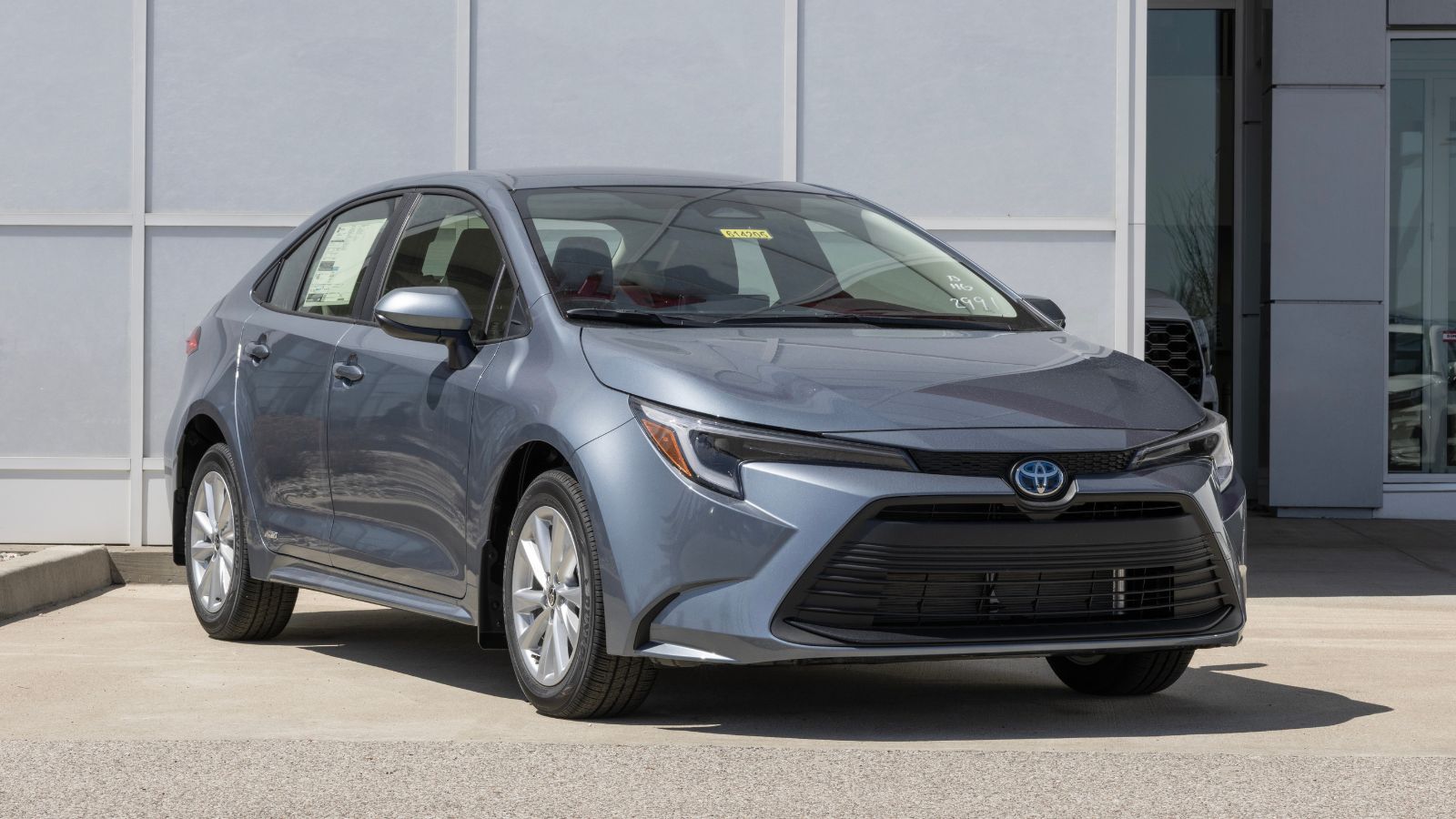
The Toyota Corolla still deserves the attention because it has never depended on drama to stay relevant. Instead, it has kept leaning into the traits that matter most over time: efficiency, reliability, sensible sizing, and a reputation for low-stress ownership. That formula may not dominate online hype cycles, but it remains powerful in the real world, especially in Canada, where households are watching costs carefully and many buyers want a vehicle that simply does its job well for years. The Corolla continues to appeal because it feels like a rational purchase without feeling completely stripped of modern features or personality.
Its current relevance is also helped by the breadth of the lineup. Toyota has kept the Corolla useful for buyers who want a straightforward gas compact, but the hybrid side of the story has become increasingly important. All-wheel-drive hybrid versions make the Corolla feel particularly well tuned to Canadian conditions, offering a compelling bridge between old-school car virtues and newer efficiency expectations. Safety and infotainment tech are no longer weak points, either. The Corolla may not dominate social-media conversations the way larger SUVs do, but in a market still hungry for value, durability, and predictable ownership costs, it continues to deserve its long-running hype.
16. Hyundai Elantra
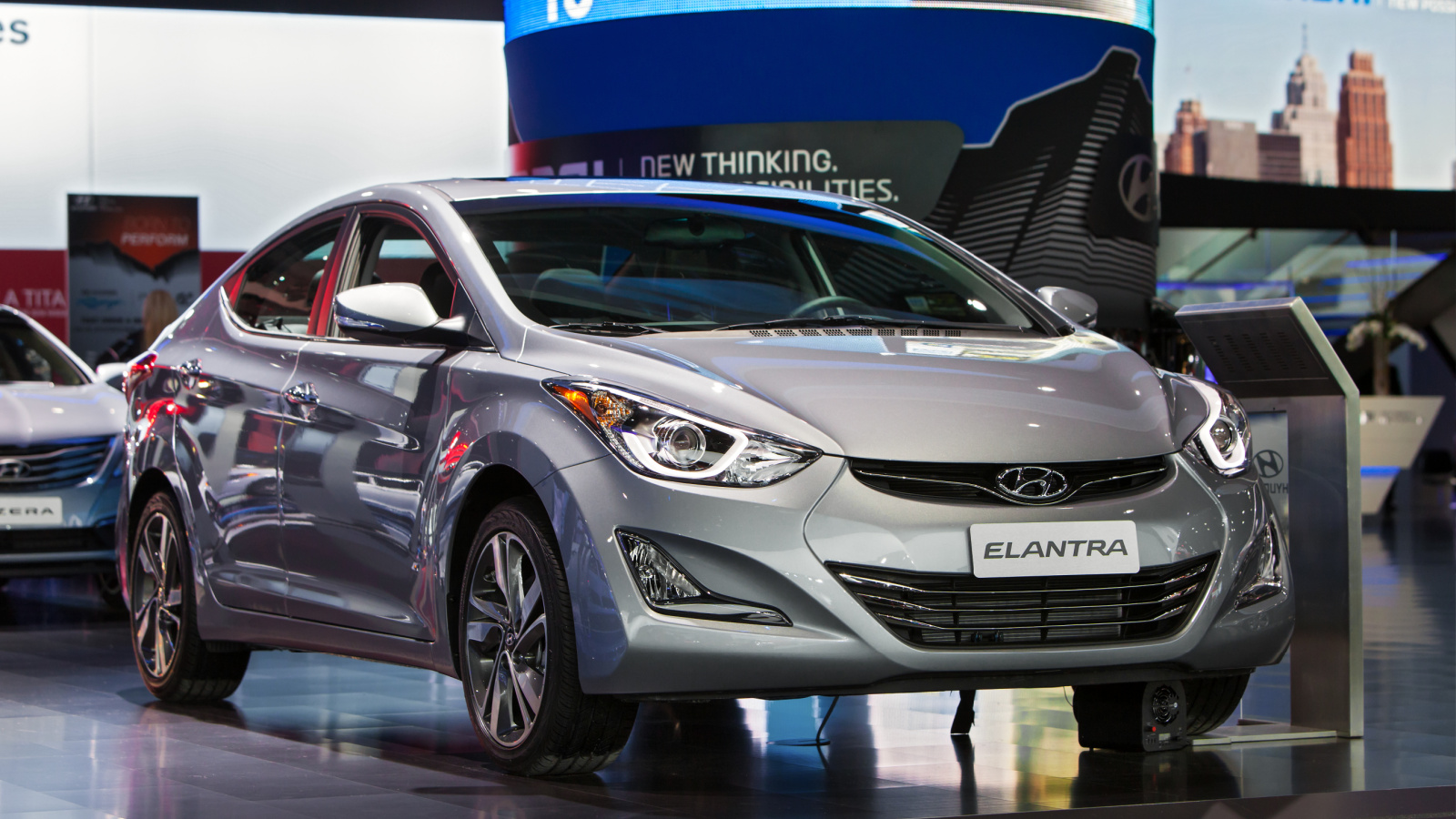
The Hyundai Elantra deserves more respect than compact sedans often get in today’s crossover-heavy market. It remains popular because it gives buyers a lot of what they want most right now: strong value, clean modern design, and an interior that feels more intentional than bargain-basement. In a market where many small cars have disappeared or lost relevance, the Elantra has stayed visible by refusing to look like an afterthought. That matters because first impressions still drive a lot of showroom traffic. The Elantra often feels like the car that surprises people by offering more perceived sophistication than expected at its price point.
The hype remains justified because the Elantra continues to make a practical argument without feeling dull. Heated seats, useful technology, and a driver-focused layout are the kinds of things Canadian buyers actually notice in everyday life, especially through long winters. It also benefits from still being a genuinely sensible commuter choice at a time when many buyers are rethinking monthly costs. For shoppers who do not need the ride height of an SUV, the Elantra still makes an excellent case for sticking with a compact sedan. It feels contemporary, economical, and just polished enough to feel like a smart upgrade rather than a compromise.
17. Mazda CX-30
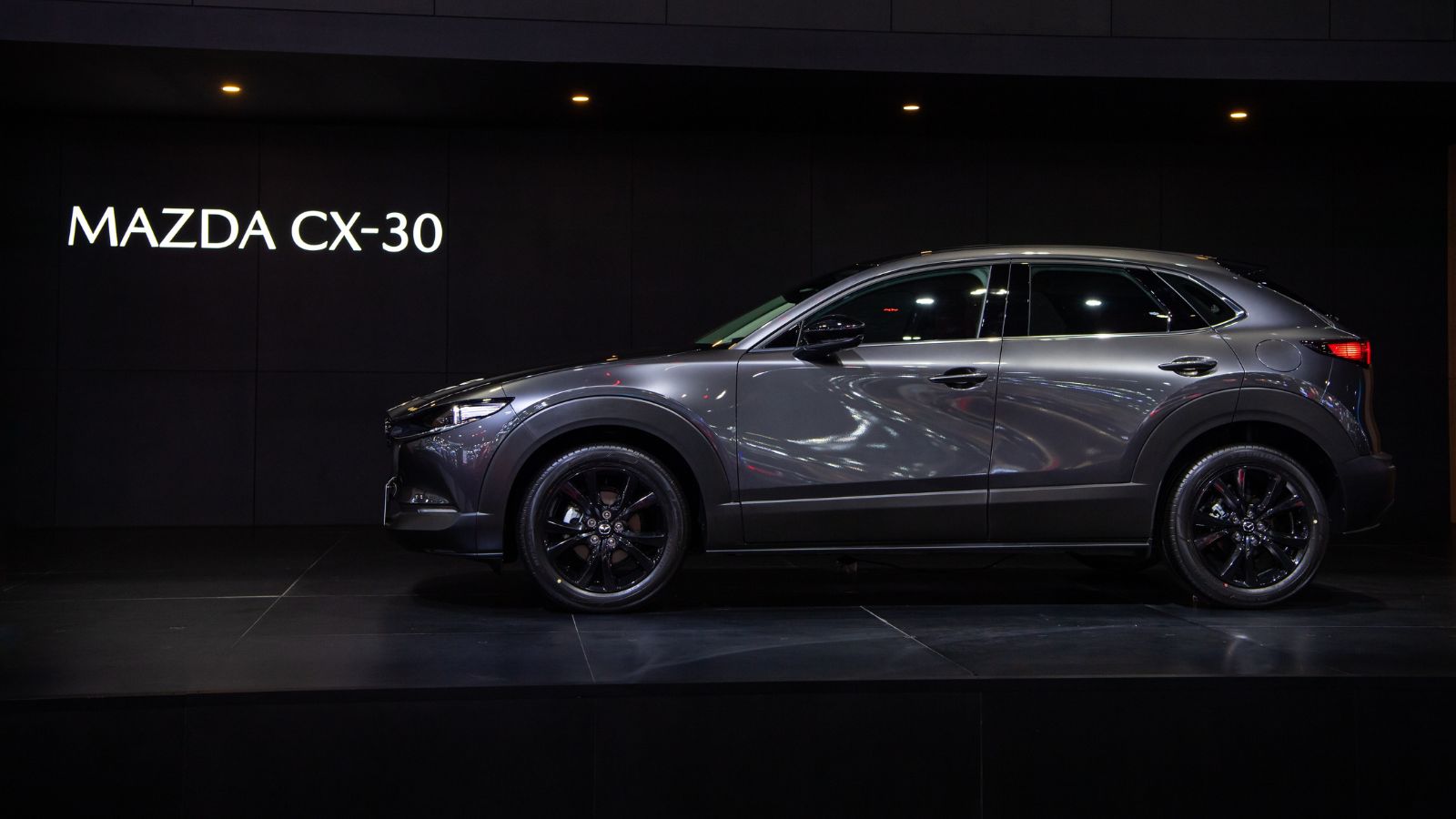
The Mazda CX-30 still deserves its growing reputation because it offers something rare among compact crossovers: a distinctly upscale feel without a luxury-brand badge or payment. It has the footprint many Canadians want, especially those who live in cities or denser suburbs, but it does not feel cheap or thinly executed. That alone helps explain why it continues to gain traction. A lot of buyers want a small crossover that feels mature and composed rather than toy-like. The CX-30 delivers that, and the standard all-wheel-drive setup strengthens its relevance in a country where weather confidence is part of the buying decision.
The hype also holds up because the CX-30 gives buyers meaningful substance under the skin. Its standard horsepower output is healthy for the class, and Mazda has paired that with the kind of quiet-cabin, thoughtful-tech approach that makes daily driving feel more premium. This is a vehicle that often wins people over not through sheer spec-sheet shock but through the way it feels in ordinary use. It looks good in a driveway, fits well in tight spaces, and makes common errands feel a little less mechanical. That combination of style, winter readiness, and daily refinement is exactly why the buzz around it remains credible.
18. Chevrolet Equinox
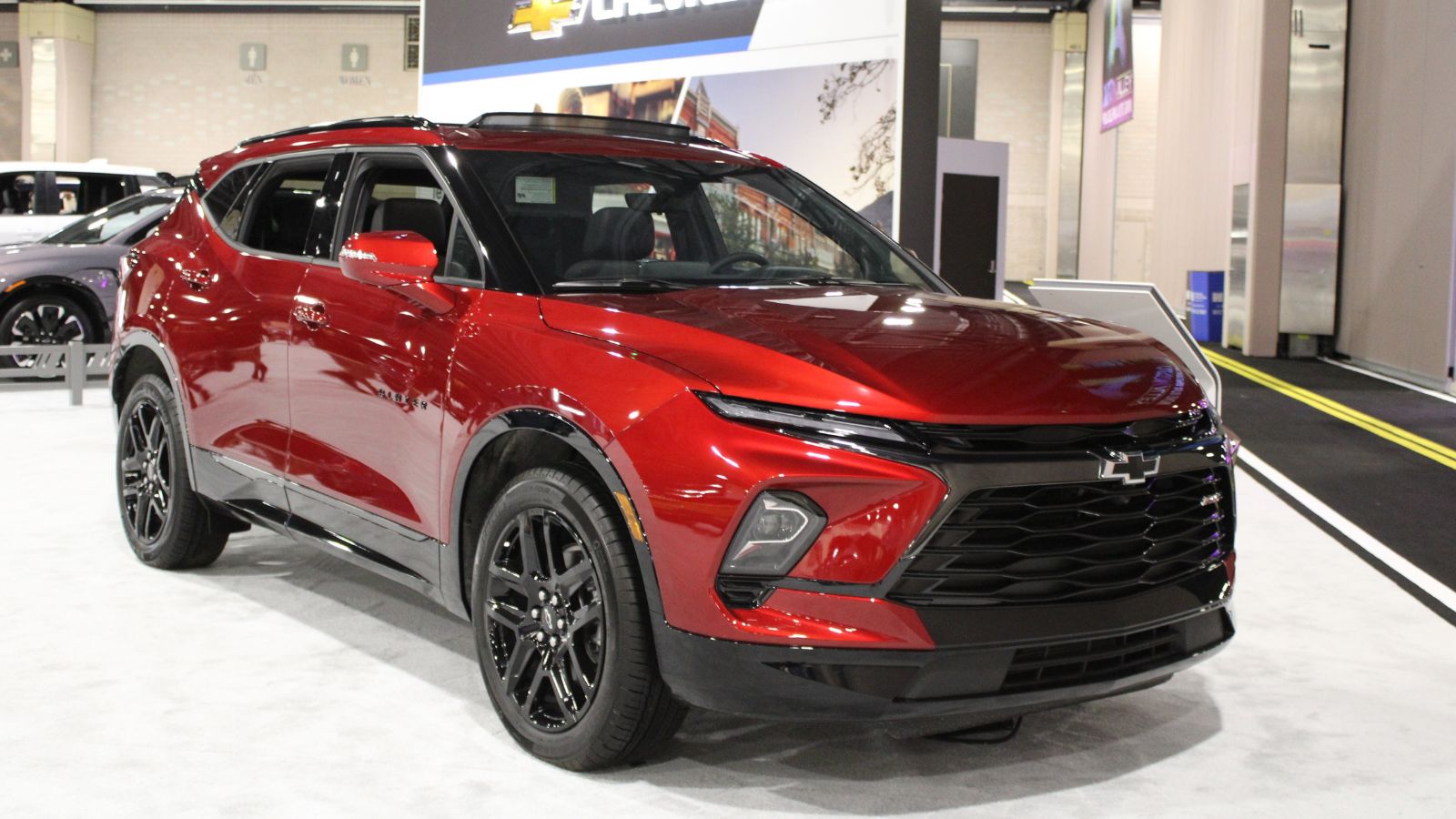
The Chevrolet Equinox still deserves the hype because it has figured out how to remain familiar while still moving forward. That balance is harder than it sounds. Too much change can alienate repeat buyers. Too little makes a model feel stale. The Equinox has long been one of Chevrolet’s most important SUVs in Canada, and its enduring popularity suggests the brand understands that middle ground. It appeals to buyers who want a mainstream compact crossover with recognizable Chevy DNA, but who also expect updated tech and a cleaner, more modern design than earlier generations delivered.
The current version earns its attention by addressing the right priorities. Safety tech is more central to the story now, and the new-generation design gives the Equinox more presence in one of the most brutally competitive segments in the country. It also benefits from a long-established history in Canada, which gives it a sense of familiarity for buyers who have already owned one or know someone who has. The Equinox may not generate the most passionate fan base in the segment, but it has become a dependable choice for people who want a capable, modern crossover from a brand they already understand.
19. Hyundai Venue
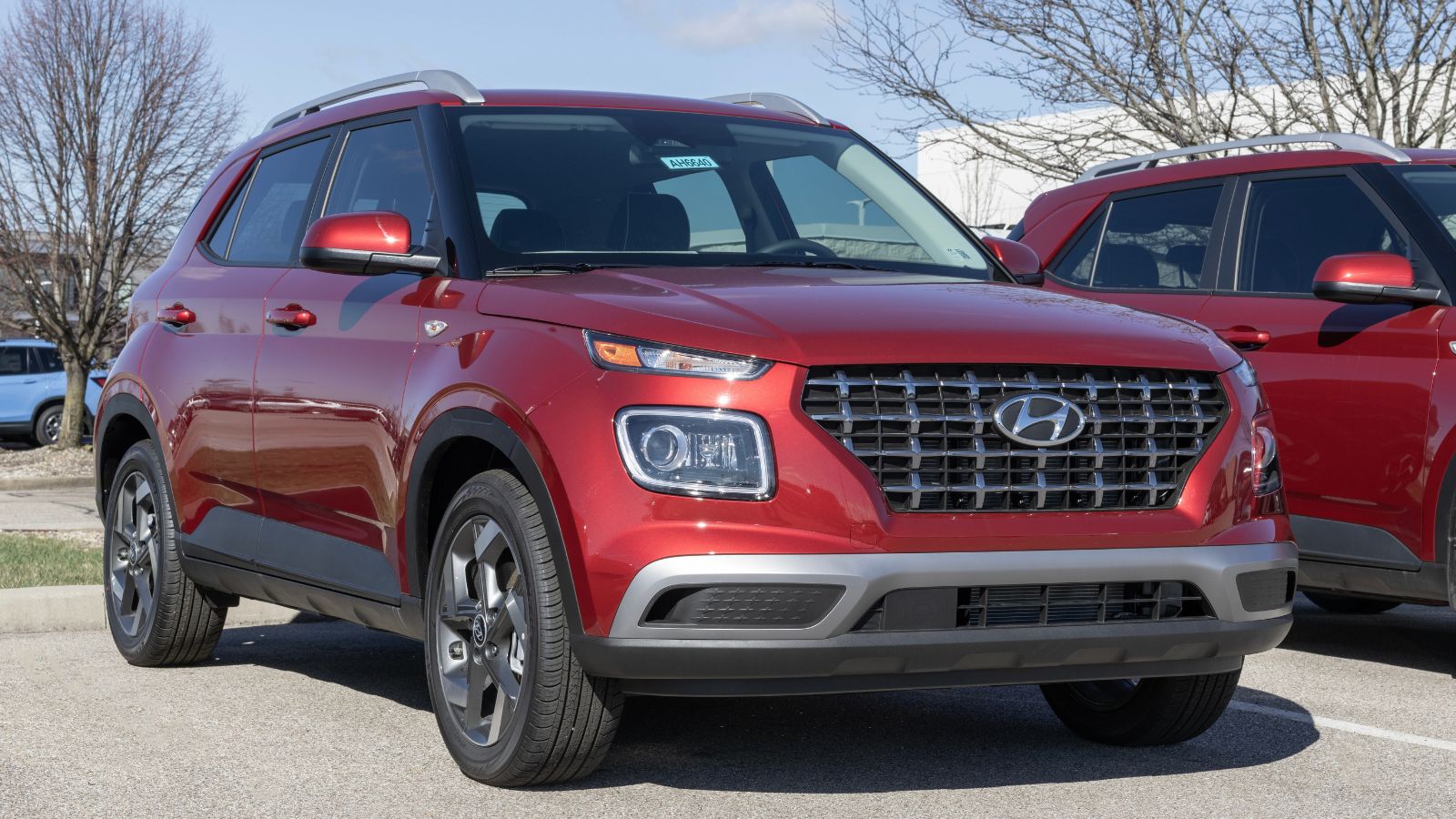
The Hyundai Venue still deserves the buzz because it knows exactly what it is and does not pretend otherwise. It is a small, urban-friendly crossover that prioritizes value, simplicity, and ease of use, and in Canada that remains a very relevant formula. Not everyone wants or needs a larger all-wheel-drive SUV with a correspondingly larger monthly payment. For plenty of buyers, especially those living in cities or looking for a practical second household vehicle, the Venue lands in a sweet spot. It offers crossover style and hatchback-like manageability, which makes it a strong fit for tight parking, short commutes, and cost-conscious ownership.
The hype remains fair because Hyundai has not stripped the Venue down to the point of feeling bare. Features people actually care about, such as heated front seats and a rearview camera, help it feel properly equipped for Canadian everyday life. Its compact dimensions also make it less intimidating for new drivers or buyers downsizing from something larger. The Venue’s front-wheel-drive-only layout will not suit every region or every buyer, but that honesty is part of its appeal. It is not trying to be everything to everyone. It is trying to be a smart, affordable, easy-to-own runabout, and it succeeds.
20. Mazda3
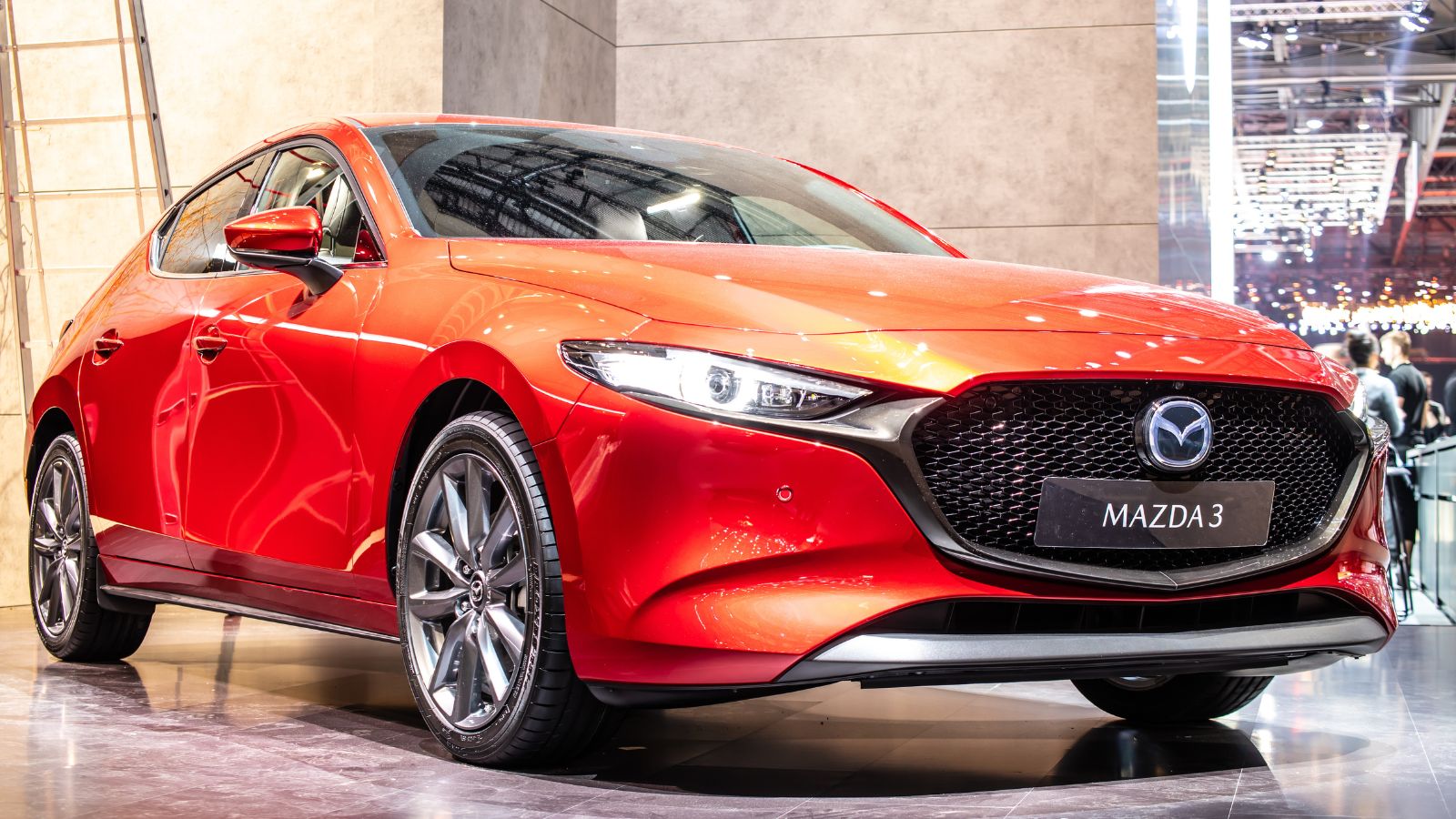
The Mazda3 still deserves the hype because it remains one of the few mainstream compact cars that feels built for people who actually enjoy driving. That alone gives it a distinct place in the Canadian market. While many small cars chase pure transportation value, the Mazda3 continues to blend practicality with a more elevated sense of design, cabin quality, and road feel. It appeals to buyers who want something efficient and manageable, but who still care about how a steering wheel feels in hand or whether the interior seems thoughtfully finished. In a market saturated with crossovers, that focus helps the Mazda3 stand out.
Its relevance is also supported by how well it has adapted to modern expectations. Available all-wheel drive, stronger safety equipment, and improved technology help the Mazda3 feel current rather than stubbornly old-school. Sales growth in 2025 suggested that there is still real demand for a compact car that feels a little more special than the norm. For Canadian buyers who are not ready to surrender to the SUV default, the Mazda3 remains one of the strongest arguments for staying with a car. It is stylish, usable, and still grounded in the kind of driving polish that gives ownership some emotional payoff.
22 Things Canadians Do to Their Cars in Spring That Mechanics Hate

Spring brings relief to many Canadian drivers after months of snow, freezing temperatures, and icy roads that put serious strain on vehicles. As temperatures rise across the country, drivers begin washing cars, switching tires, and preparing vehicles for warmer weather and upcoming road trips. However, mechanics across Canada notice the same mistakes every spring when drivers attempt to recover from winter damage. Road salt, potholes, and harsh winter driving conditions often leave vehicles with hidden problems that drivers ignore. Some spring habits even create new mechanical issues that could have been avoided with proper maintenance. Here are 22 things Canadians do to their cars in spring that mechanics hate.