


























Canadian winters can be harsh, not just on engines but also on car interiors. Cold temperatures, road salt, moisture, and frequent heating cycles take a toll over time. Materials like plastic, leather, and fabric can crack, fade, or wear faster than expected. Snow brought inside the cabin often leads to dampness and stains. Daily use during winter adds to this stress. Some vehicles handle these conditions better, while others show signs of aging much sooner. Owners often notice worn seats, peeling trims, or loose panels after a few seasons. Looking at real-world feedback helps identify these patterns. Here are 25 cars with interiors that age terribly after two Canadian winters.
Jeep Wrangler
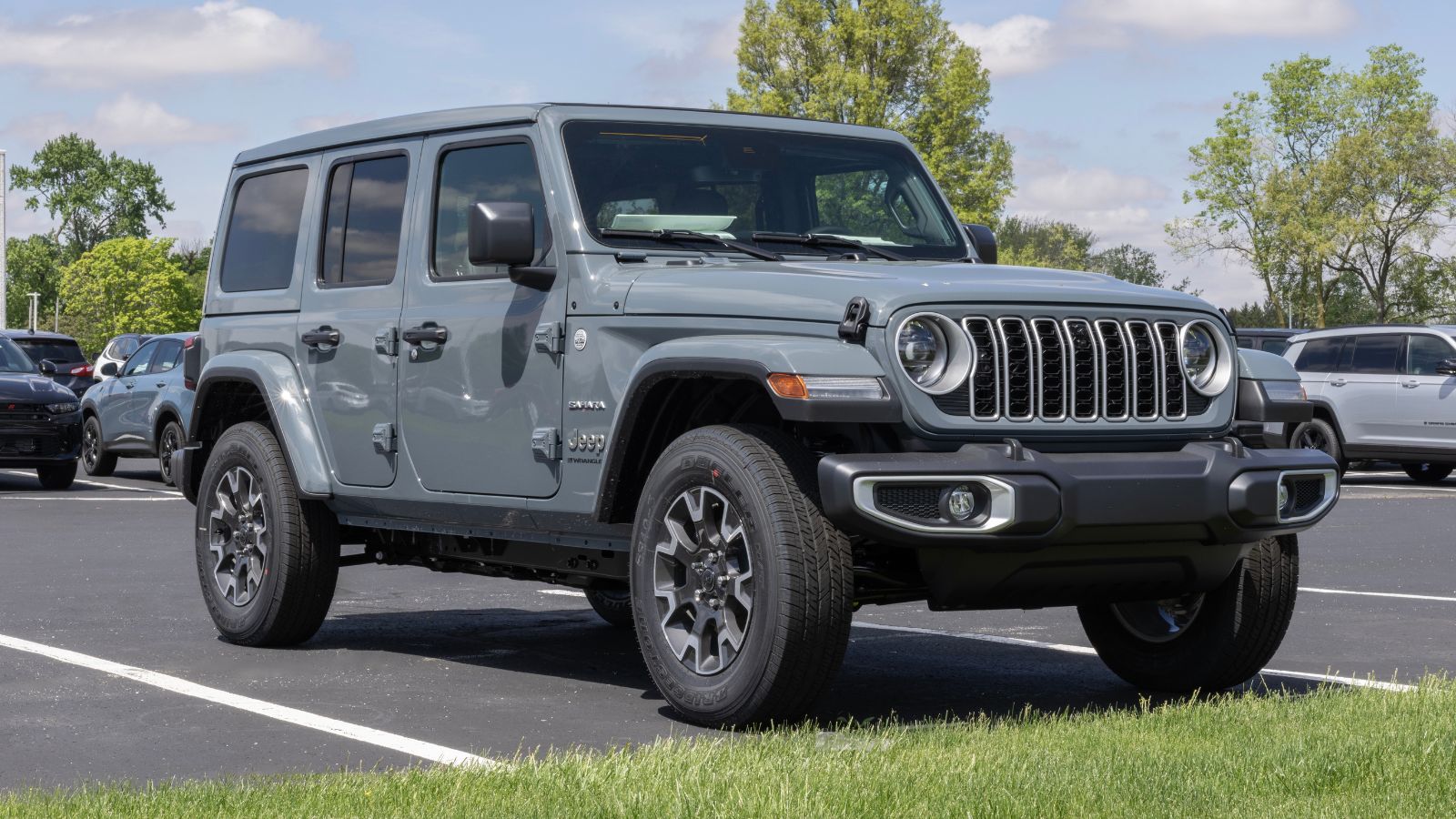
The Jeep Wrangler handles tough Canadian winters well on the outside. Inside, materials often show wear sooner than expected. The interior uses hard plastics that can scratch and fade quickly. Cold temperatures make these surfaces feel brittle over time. Moisture from snow and slush can collect on floors and seats. This leads to staining and faster wear on fabric or leather. Door seals may also allow some water entry during heavy snow. Heating cycles can cause trim pieces to loosen gradually. Owners often notice rattles after a couple of winters. While the Wrangler excels off-road, its interior durability remains a concern in harsh Canadian conditions.
Dodge Journey
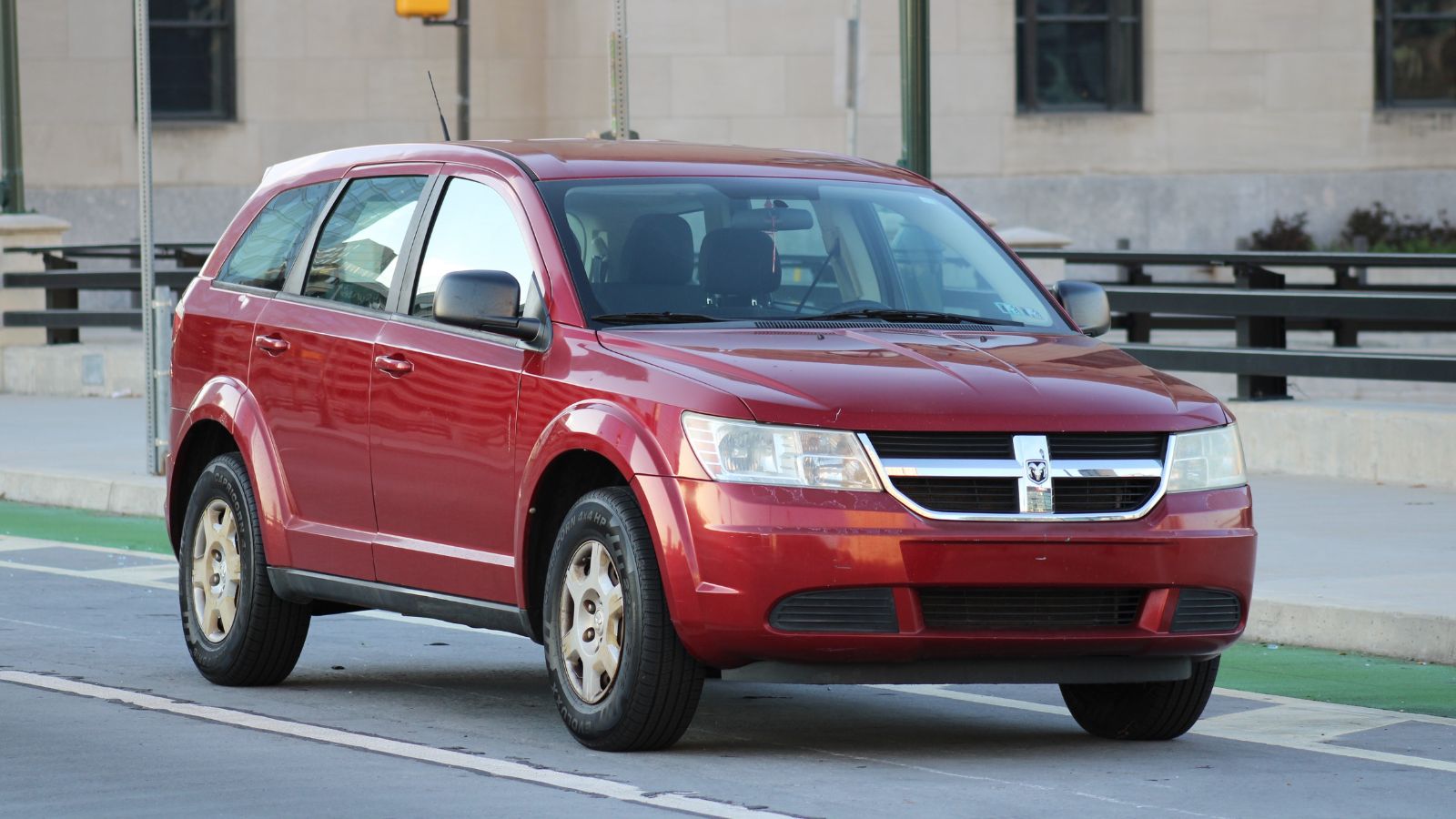
The Dodge Journey has been a practical SUV choice for many Canadian families. Its interior materials, however, tend to age quickly in winter conditions. The cabin uses lower-grade plastics that can fade and scratch easily. Cold weather makes surfaces harder and more prone to cracking. Seats may show wear, especially on edges and stitching. Moisture from boots and snow can lead to stains and damp odours. Interior panels may loosen over time due to repeated heating and cooling. Controls and buttons can also feel worn sooner than expected. While the Journey offers space and comfort, interior quality affects long-term durability in Canadian winters.
Chevrolet Trax
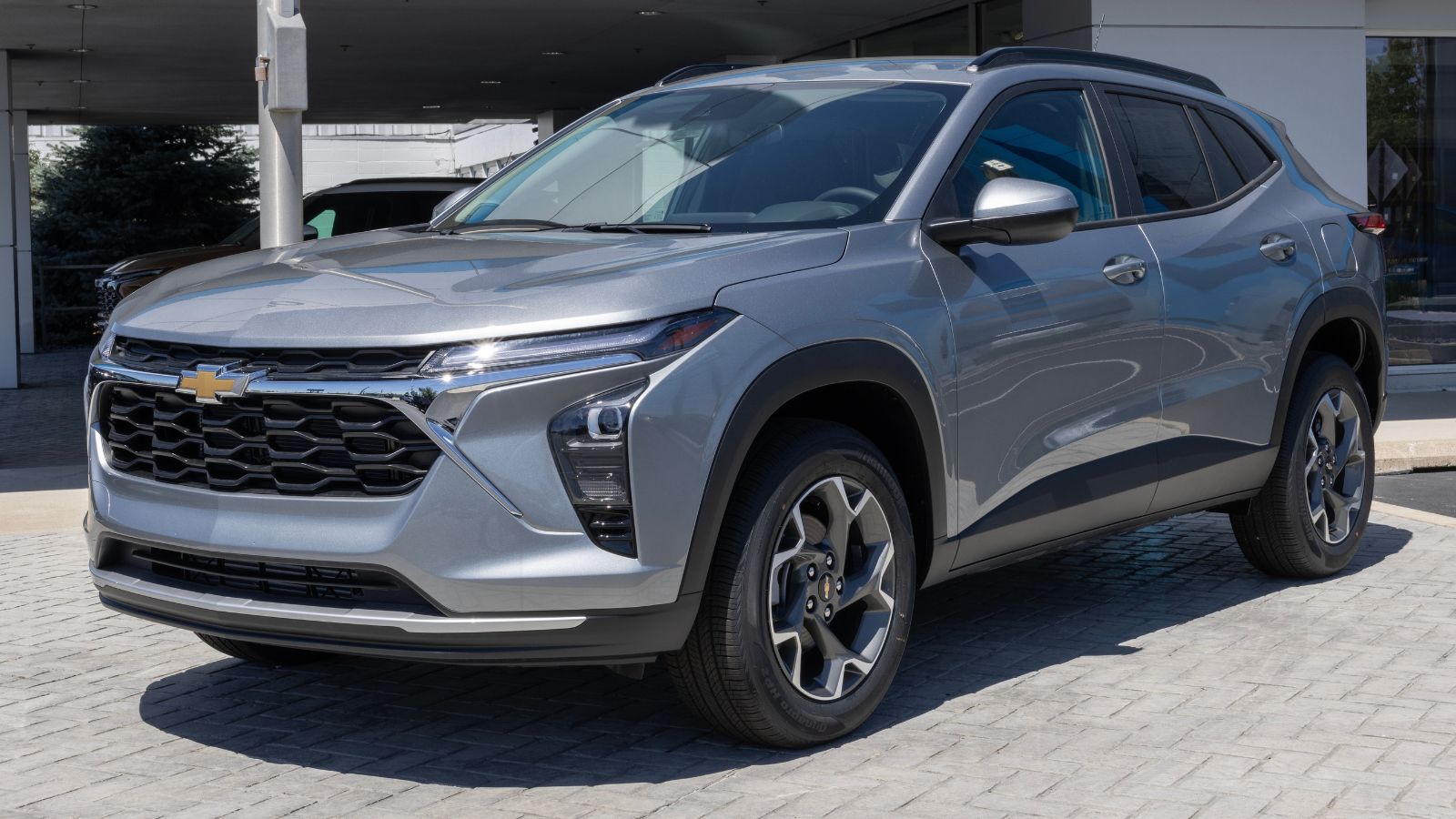
The Chevrolet Trax is popular in Canadian cities for its compact size. Its interior materials often struggle with long winters. Hard plastics inside the cabin can scratch and fade with regular use. Cold weather makes these surfaces feel less durable over time. Fabric seats may absorb moisture from snow, leading to stains. Cabin insulation may not fully prevent dampness during heavy winter use. Heating cycles can cause trim pieces to loosen slightly. Some owners report early wear on steering wheels and controls. While the Trax works well for daily driving, its interior may not age well after repeated winter exposure.
Nissan Versa
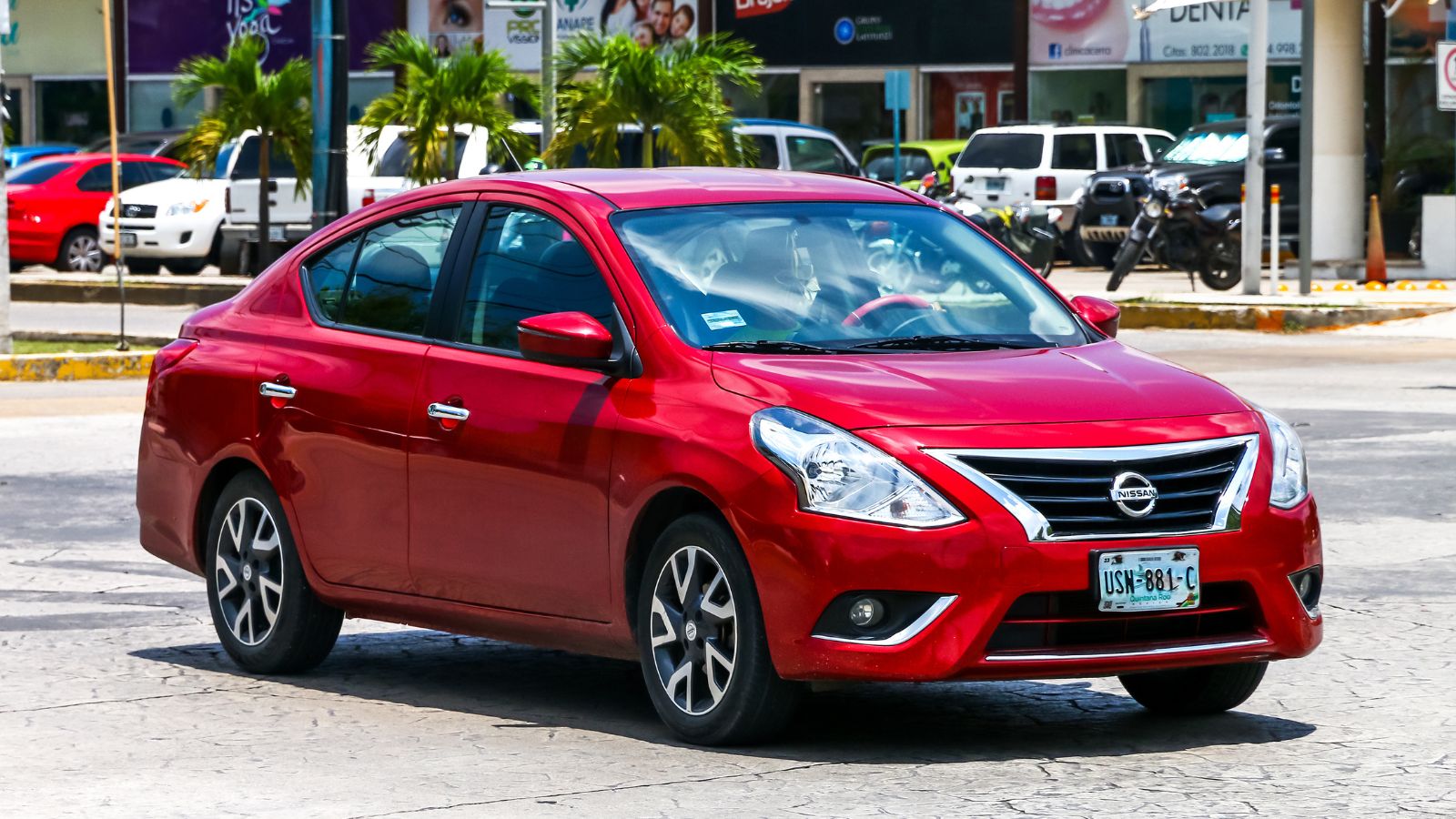
The Nissan Versa is known for affordability, making it a common choice in Canada. Interior materials reflect its budget-focused design. Plastics and fabrics may show wear sooner in harsh winter conditions. Cold temperatures can make surfaces feel stiff and less durable. Moisture from snow can lead to stains on seats and carpets. Frequent heating can cause fading or minor warping in some trim areas. Door seals and insulation may not fully prevent dampness. Over time, this can affect the overall cabin condition. While the Versa serves well as a basic commuter car, its interior durability remains limited in Canadian winters.
Mitsubishi Mirage
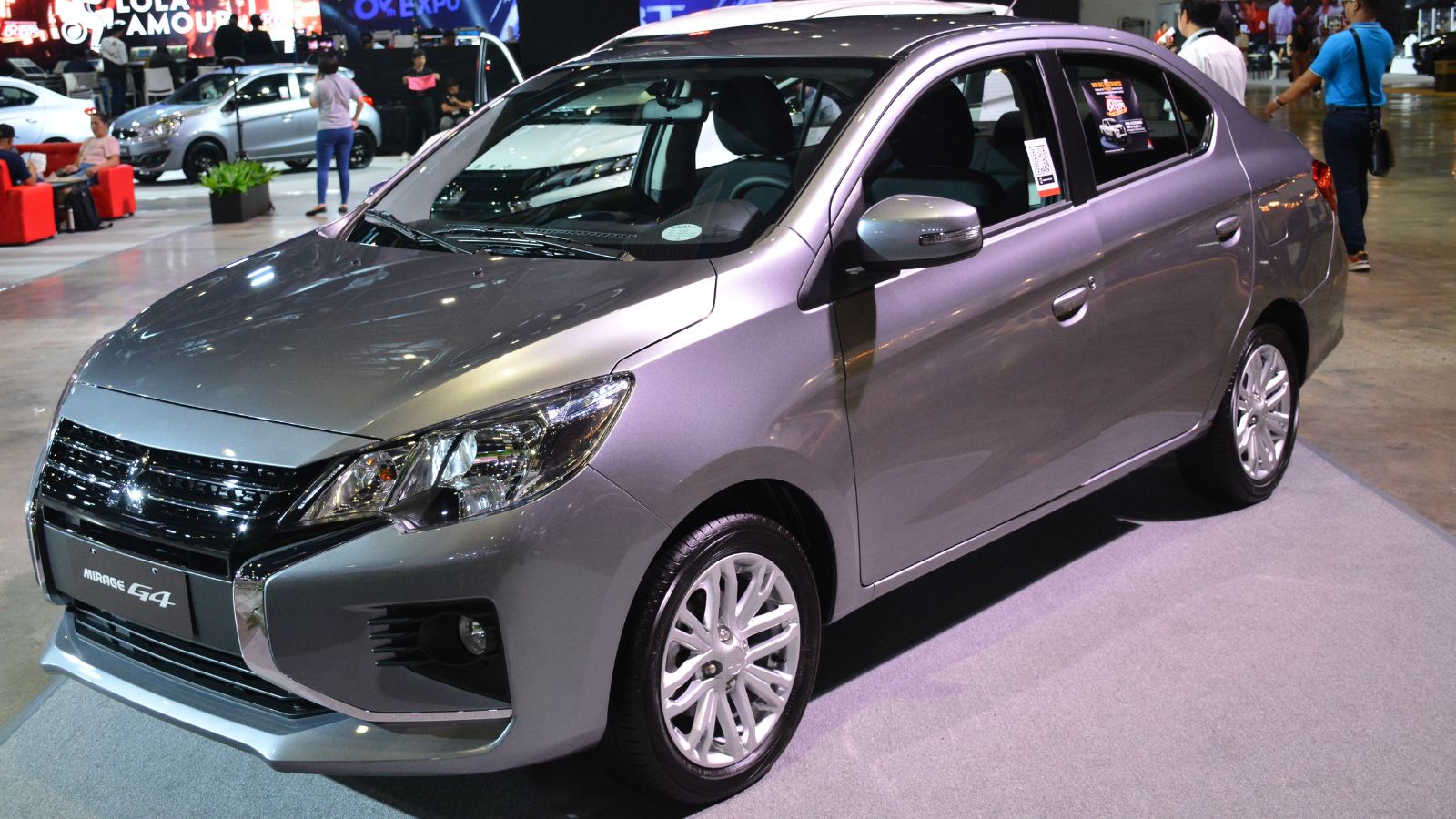
The Mitsubishi Mirage is chosen for its low cost and fuel efficiency in Canada. Its interior, however, uses basic materials that may not last well. Hard plastics are common and can be scratched easily with daily use. Cold weather makes these surfaces feel more fragile. Fabric seats can absorb moisture from snow and slush. This leads to stains and faster wear over time. Interior noise may also increase as panels loosen slightly. Heating cycles can affect trim alignment after repeated use. While the Mirage is practical for city driving, its interior tends to show signs of aging quickly in Canadian winter conditions.
Ford EcoSport

The Ford EcoSport offers a compact SUV option for Canadian drivers. Its interior quality has received mixed feedback over time. Materials inside the cabin may show wear after repeated winter use. Hard plastics can scratch and fade when exposed to cold. Moisture from snow often affects carpets and seat fabrics. This can lead to stains and damp odors if not managed properly. Heating and cooling cycles may gradually loosen trim pieces. Some owners report early wear on controls and upholstery. While the EcoSport performs well for daily use, its interior may age faster than expected in Canada’s harsh winters.
Hyundai Accent (Older Models)
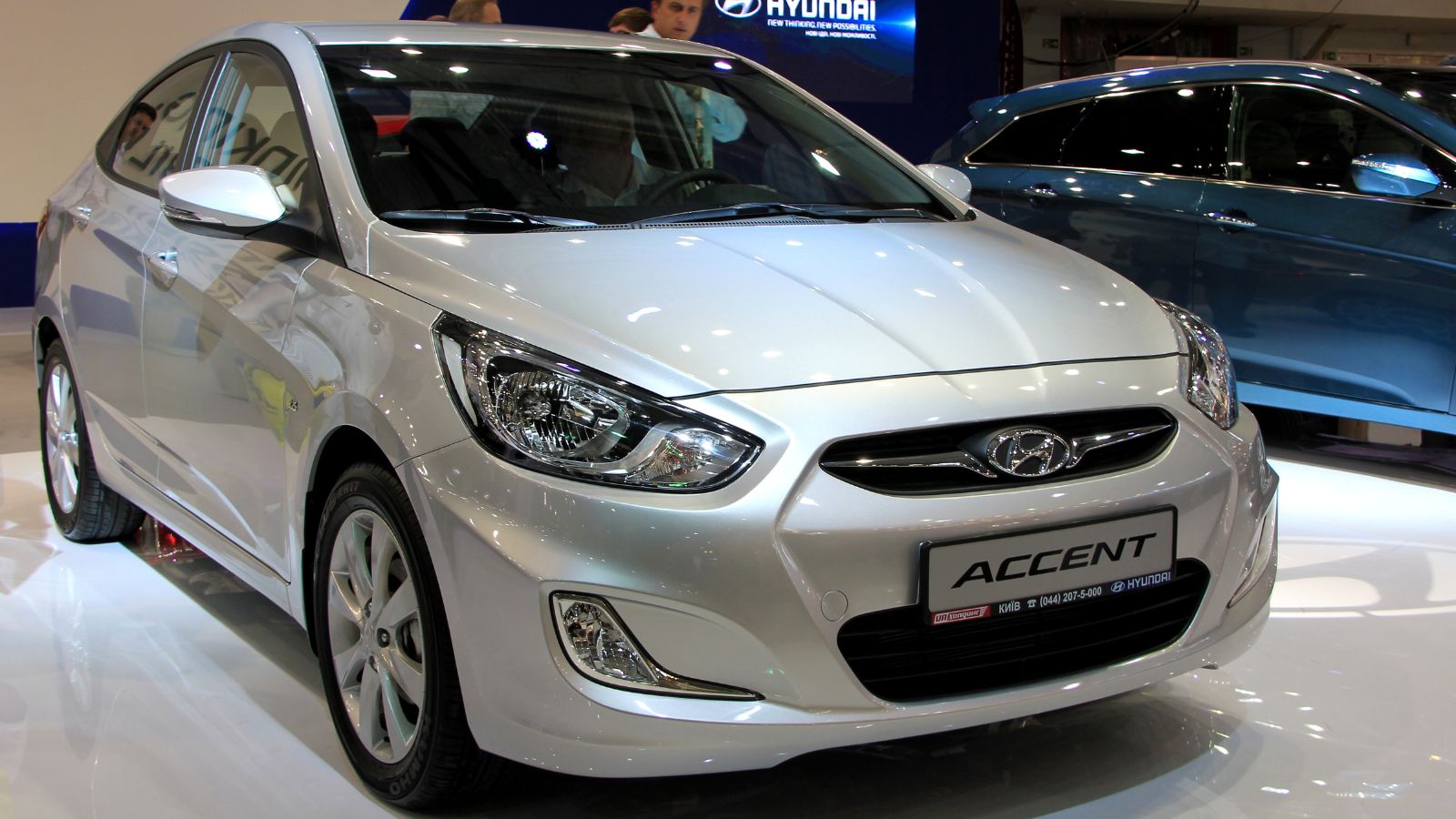
Older Hyundai Accent models have been widely used in Canada for daily commuting. Their interiors often show wear after a couple of winters. The cabin uses basic plastics that can fade and scratch easily. Cold temperatures make these materials feel stiff and less durable. Fabric seats may absorb moisture from snow and slush. This leads to stains and faster wear over time. Carpets can also hold dampness if not dried properly. Repeated heating cycles may cause slight warping in trim pieces. Buttons and controls can feel worn earlier than expected. While the Accent is affordable and practical, its interior durability remains limited in harsh Canadian winters.
Kia Rio (Older Models)
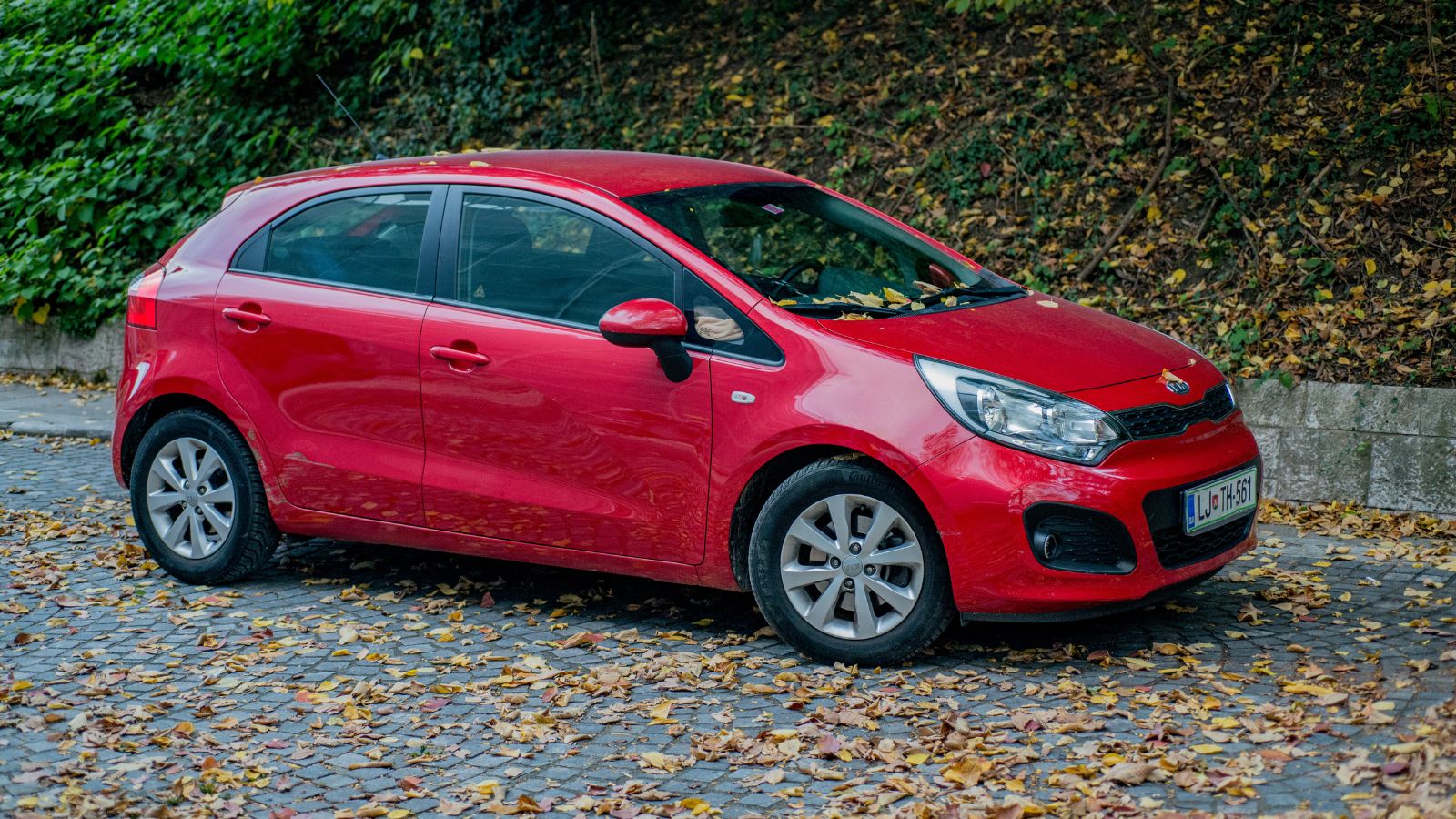
Older Kia Rio models offer good value for Canadian drivers. Their interior materials, however, tend to age quickly in winter conditions. Plastics inside the cabin can scratch and fade with regular use. Cold weather makes surfaces harder and more prone to damage. Fabric seats may soak up moisture from snow and wet clothing. This often leads to stains and unpleasant odours. Interior panels may loosen slightly due to repeated temperature changes. Controls and switches can also show early wear. While the Rio works well for everyday driving, its interior does not hold up as well after multiple Canadian winters.
Fiat 500
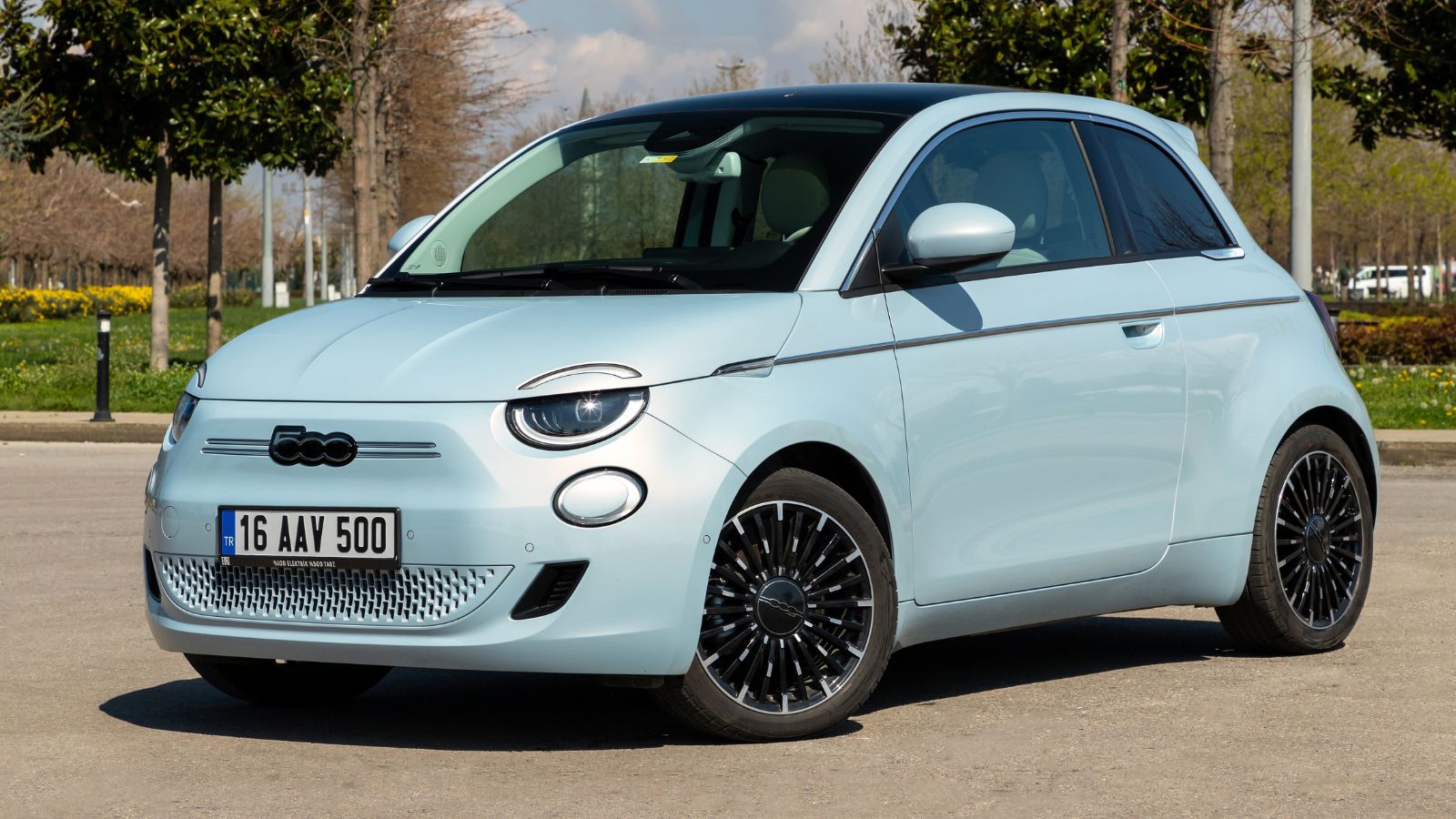
The Fiat 500 stands out for its compact design and style. Its interior materials may not handle Canadian winters well. Hard plastics can scratch easily and show wear quickly. Cold temperatures can make these surfaces feel brittle over time. Fabric or leather seats may absorb moisture from snow and slush. This can lead to staining and faster deterioration. Cabin insulation may not fully prevent dampness in colder months. Heating cycles can affect trim fit and alignment. Some owners notice rattles after repeated winter use. While the Fiat 500 suits city driving, its interior may age faster in harsh Canadian conditions.
Mini Cooper (Older Models)
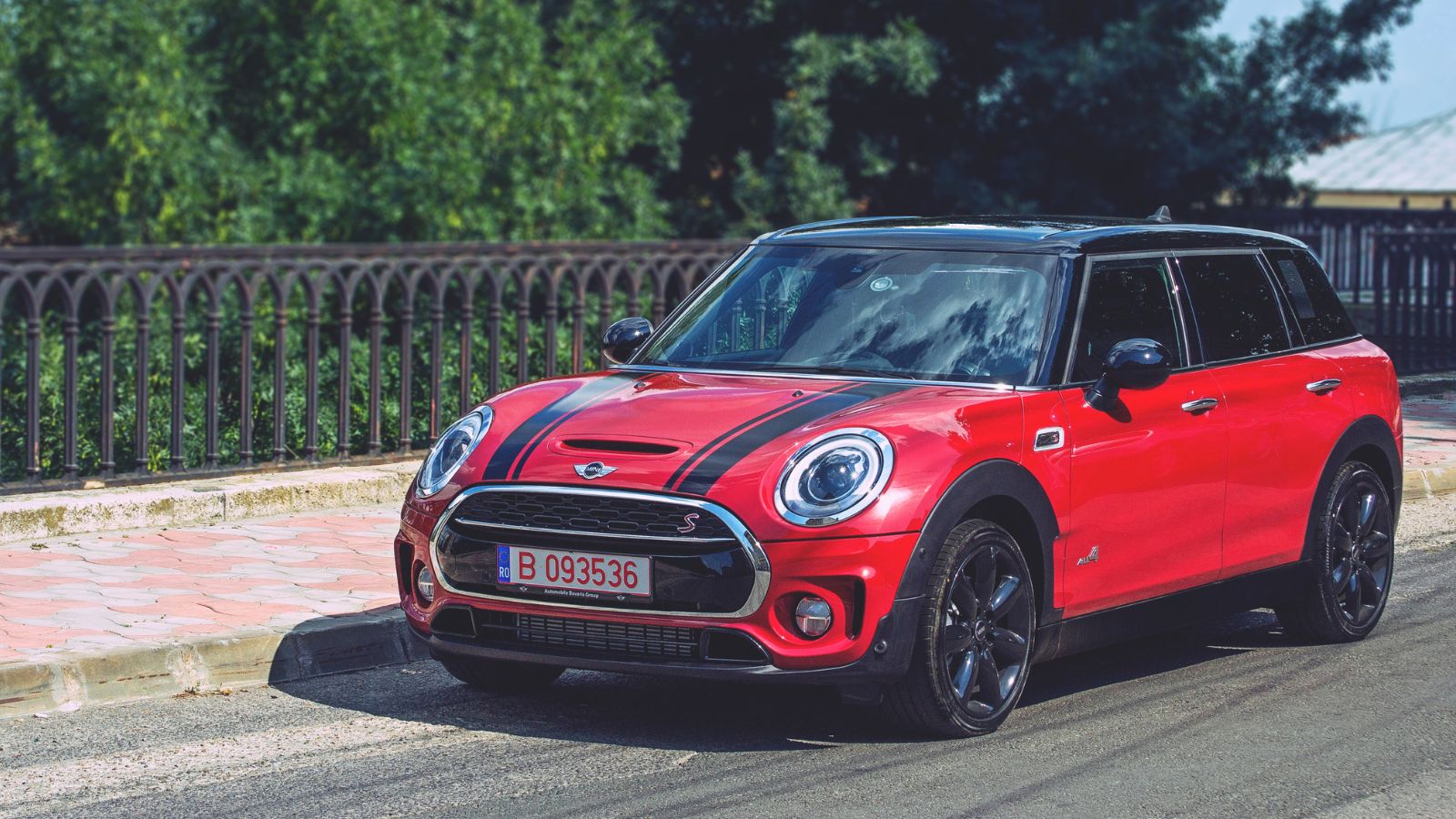
Older Mini Cooper models are popular for their design and driving feel. Their interiors can show aging signs after Canadian winters. The cabin uses a mix of plastics and soft-touch materials. These may wear unevenly with exposure to cold and moisture. Leather surfaces can dry out or crack without proper care. Fabric seats may stain easily from snow and wet clothing. Trim pieces may loosen due to repeated heating and cooling. Some controls can also feel worn earlier than expected. While the Mini offers a unique experience, its interior durability can be affected by harsh winter use in Canada.
Chevrolet Spark
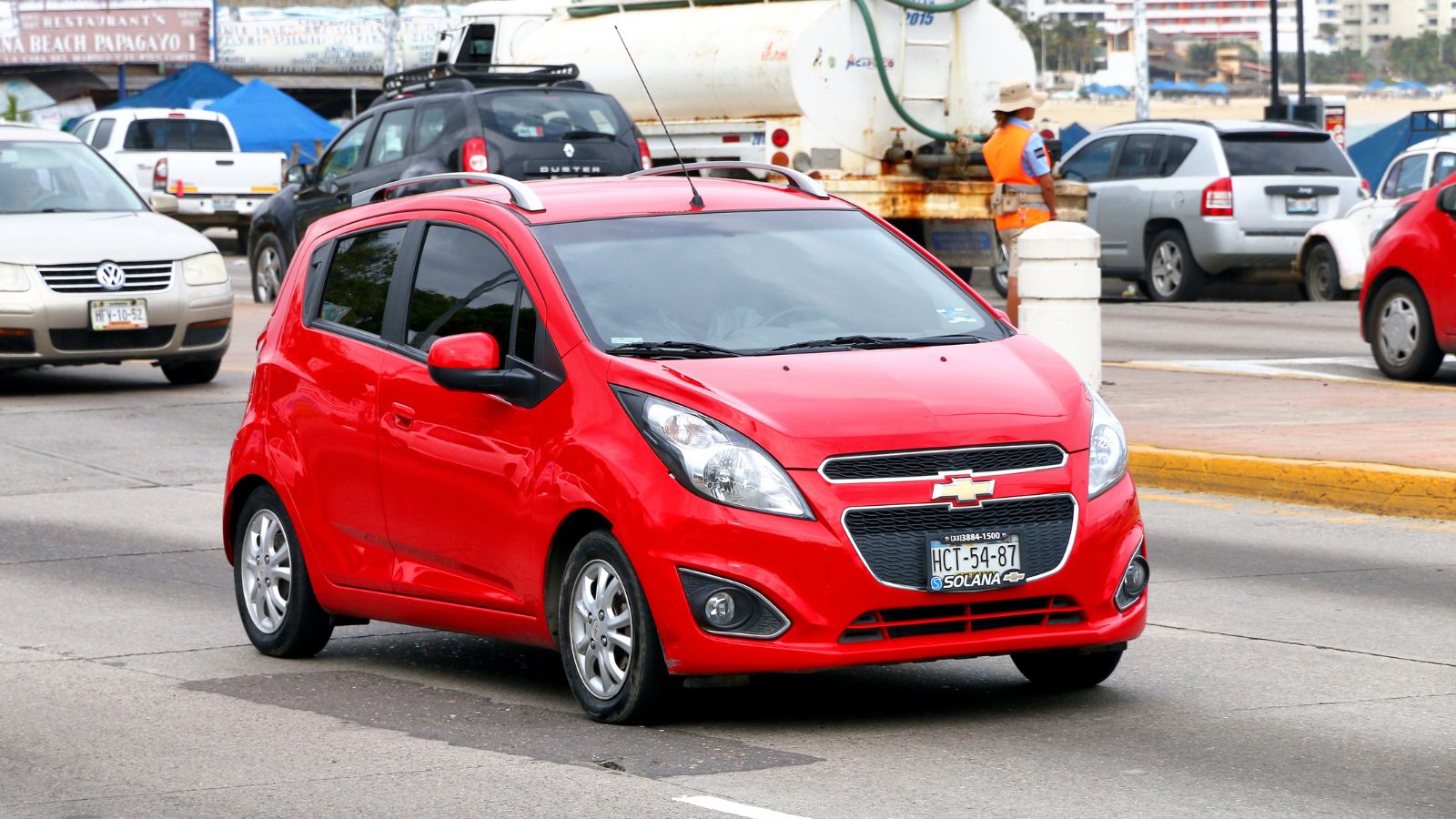
The Chevrolet Spark is a budget-friendly car widely used in Canadian cities. Its interior materials reflect its low-cost design. Plastics inside the cabin can scratch and fade quickly. Cold temperatures make these materials feel less durable. Fabric seats may absorb moisture from snow and slush. This leads to stains and faster wear over time. Carpets can remain damp if not cleaned regularly. Heating cycles may cause trim pieces to loosen slightly. Some owners report early wear on controls and upholstery. While the Spark is practical for short trips, its interior may not age well in Canadian winters.
Toyota Yaris (Older Models)
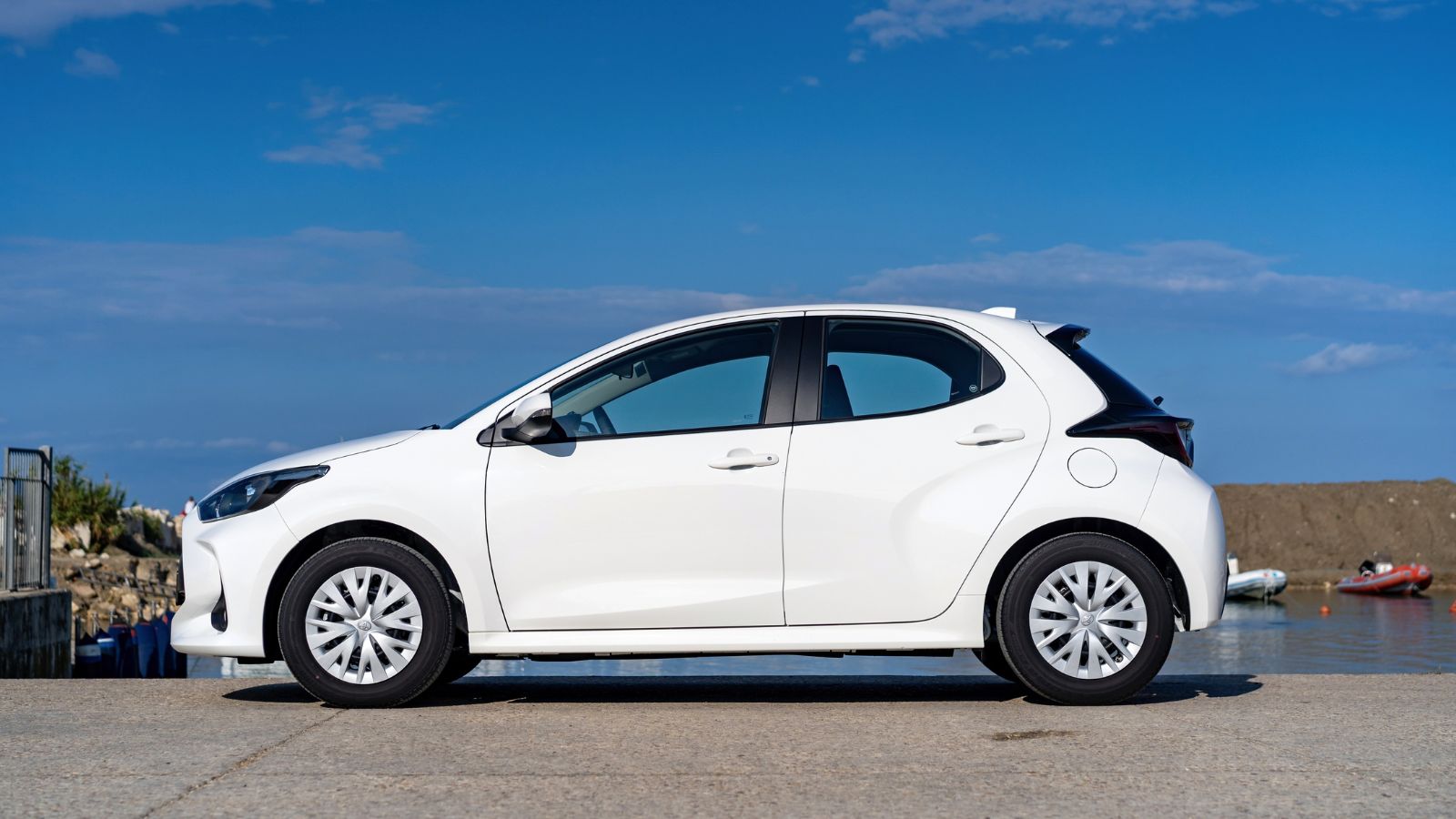
Older Toyota Yaris models are known for reliability and efficiency. Their interiors, however, may show wear after repeated winter use. The cabin uses simple materials that can scratch and fade easily. Cold weather can make plastics feel stiff and less durable. Fabric seats may absorb moisture from snow and wet clothing. This can lead to stains and faster aging. Carpets may also retain dampness during the winter months. Repeated heating can affect the trim fit over time. While the Yaris performs well mechanically, its interior may not hold up as well after multiple Canadian winters.
Nissan Sentra (Older Models)
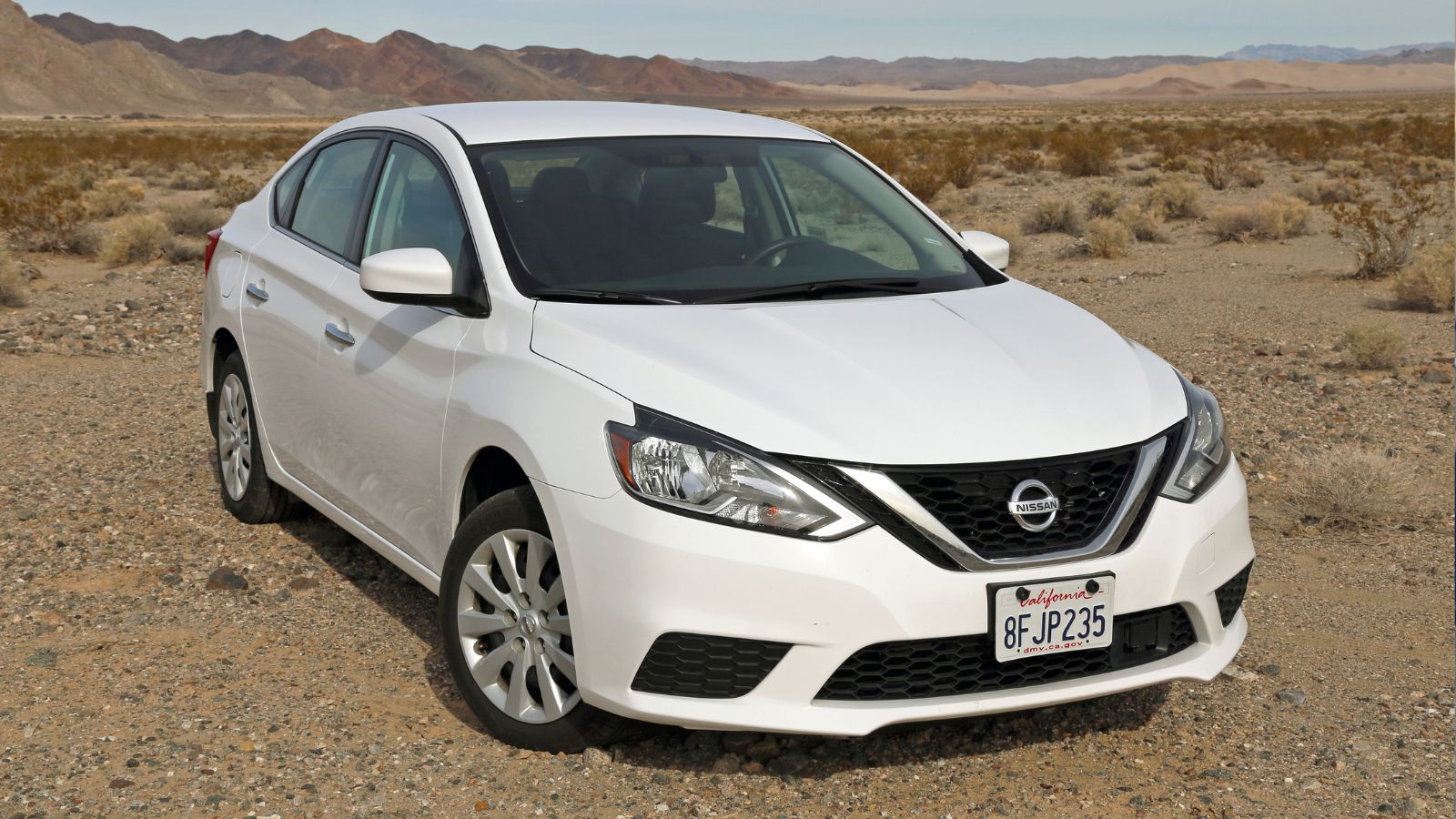
Older Nissan Sentra models have been a common choice for Canadian drivers. Their interiors, however, tend to show wear after a few winters. The cabin uses plastics that can scratch and fade with daily use. Cold temperatures make these surfaces feel harder and less durable. Fabric seats often absorb moisture from snow and wet clothing. This leads to stains and faster aging over time. Carpets may also remain damp if not cleaned regularly. Repeated heating can loosen trim pieces slightly. Some controls may feel worn earlier than expected. While the Sentra works well for commuting, its interior durability remains limited in Canadian winter conditions.
Volkswagen Jetta (Older Models)
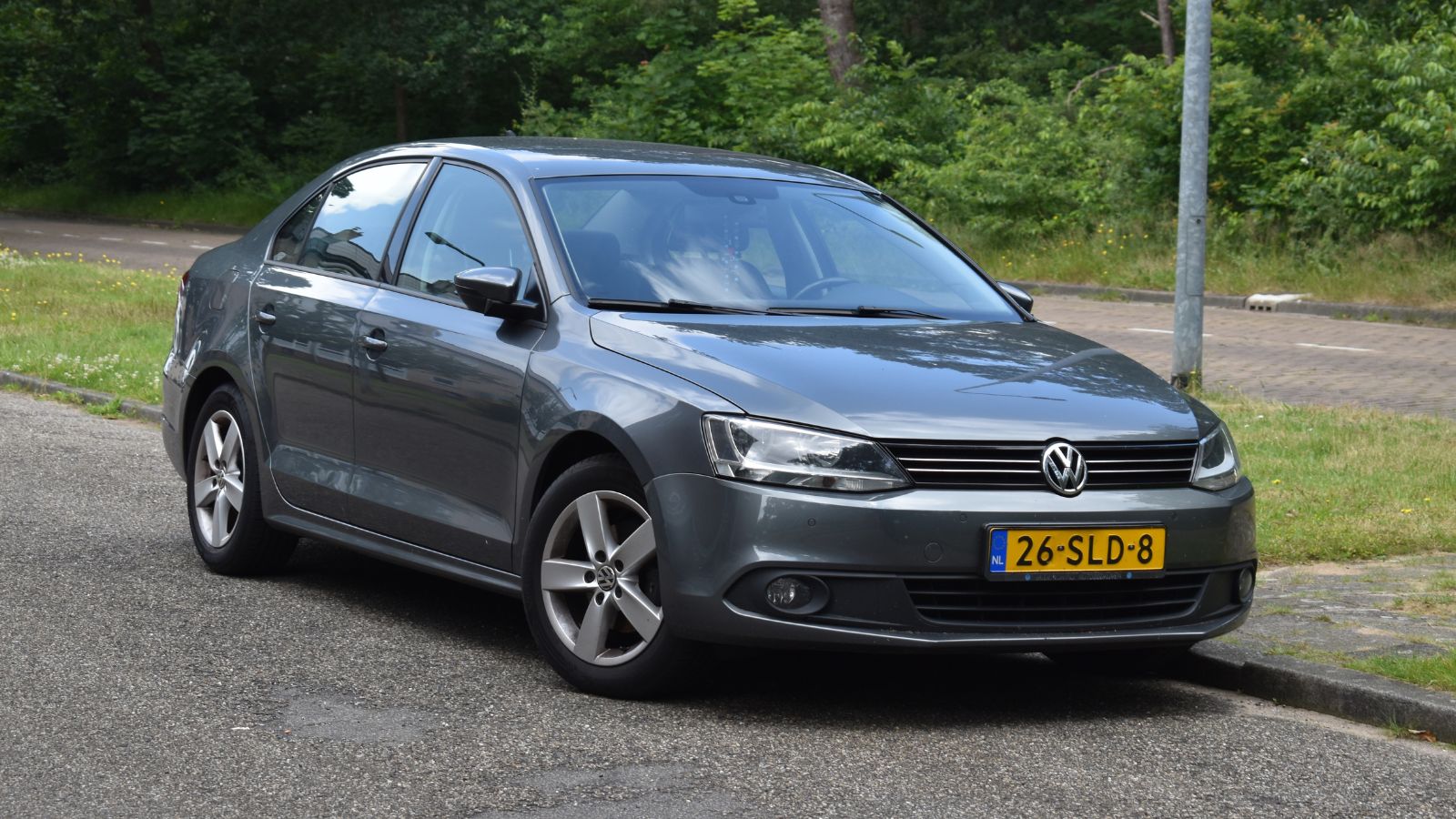
Older Volkswagen Jetta models offer a solid driving experience in Canada. Their interiors may not age well under harsh winter use. Soft-touch materials can wear unevenly with exposure to moisture. Plastics may fade or scratch more easily over time. Cold weather can make certain surfaces feel stiff and prone to damage. Fabric seats may absorb snow and slush, leading to stains. Door panels and trim pieces may loosen due to repeated temperature changes. Buttons and switches can also show early wear. While the Jetta remains practical, its interior may require extra care after multiple Canadian winters.
Subaru Impreza (Older Models)
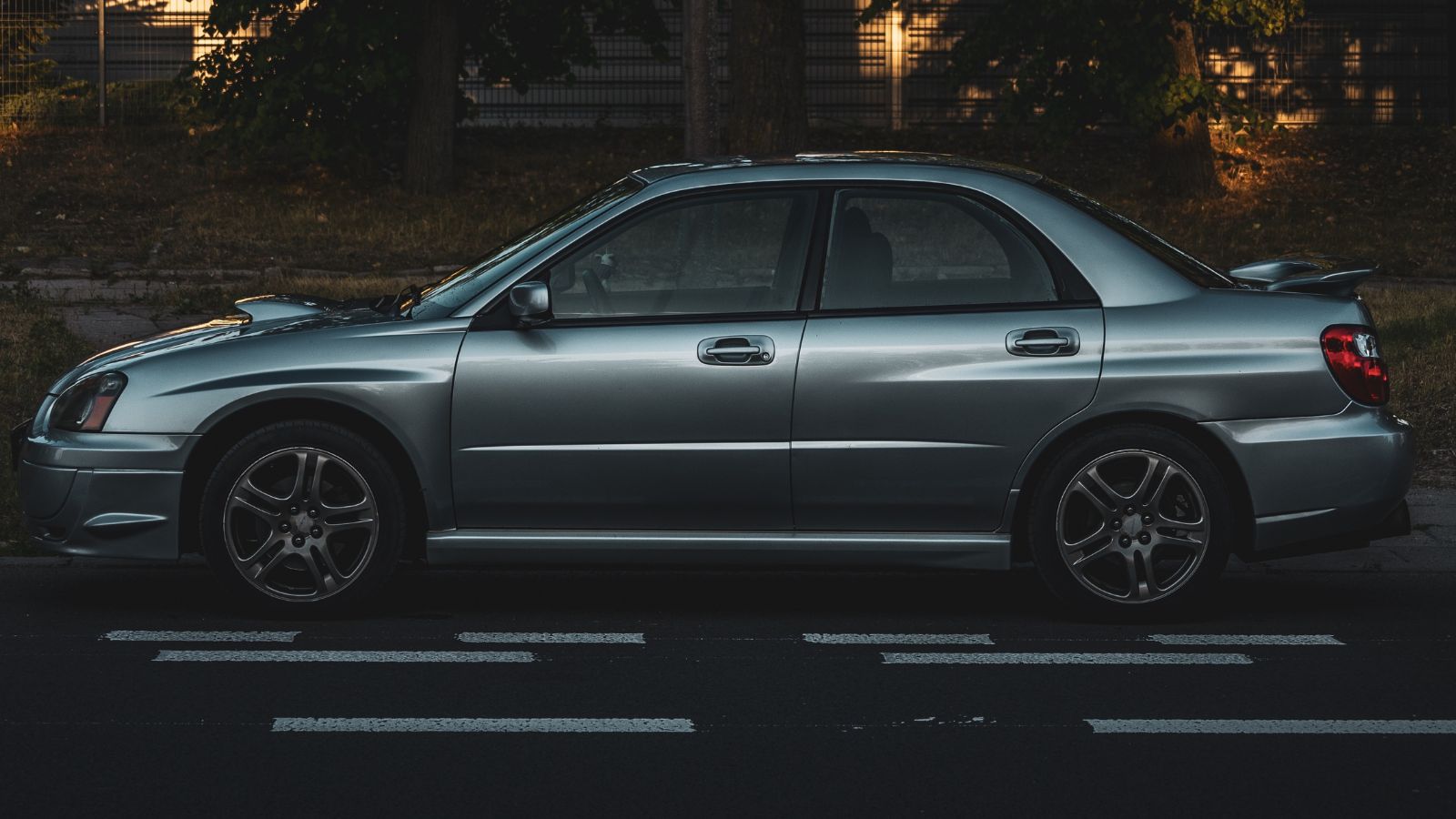
The Subaru Impreza is well-suited for Canadian winters with its all-wheel-drive system. Its interior materials, however, may show signs of aging sooner. Plastics used inside the cabin can scratch easily with regular use. Cold temperatures may make these surfaces feel less flexible. Fabric seats often absorb moisture from snow and wet gear. This can lead to stains and odours over time. Carpets may also retain dampness during the winter months. Repeated heating cycles can affect trim alignment. Some owners notice increased cabin noise as panels loosen. While the Impreza performs well mechanically, its interior durability may not match harsh winter demands.
Ford Focus (Older Models)
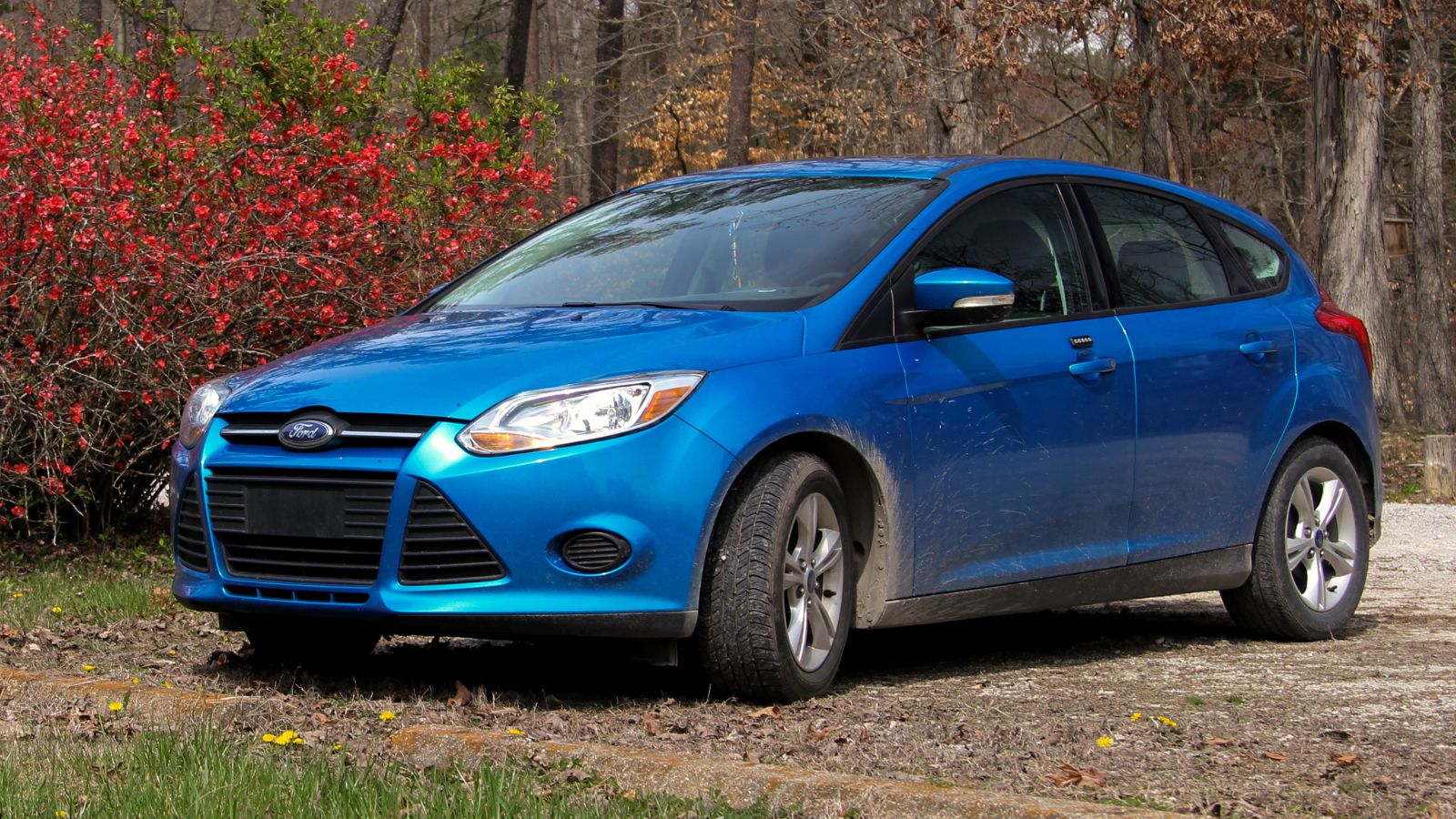
Older Ford Focus models have been widely used in Canada for daily driving. Their interiors often show wear after repeated winter exposure. Plastics inside the cabin can scratch and fade quickly. Cold weather can make these materials feel brittle. Fabric seats may absorb moisture from snow and slush. This leads to stains and faster wear. Carpets may remain damp if not properly dried. Heating cycles can cause trim pieces to loosen slightly. Some controls may also feel worn over time. While the Focus offers good handling, its interior may not hold up well after multiple Canadian winters.
Chrysler 200
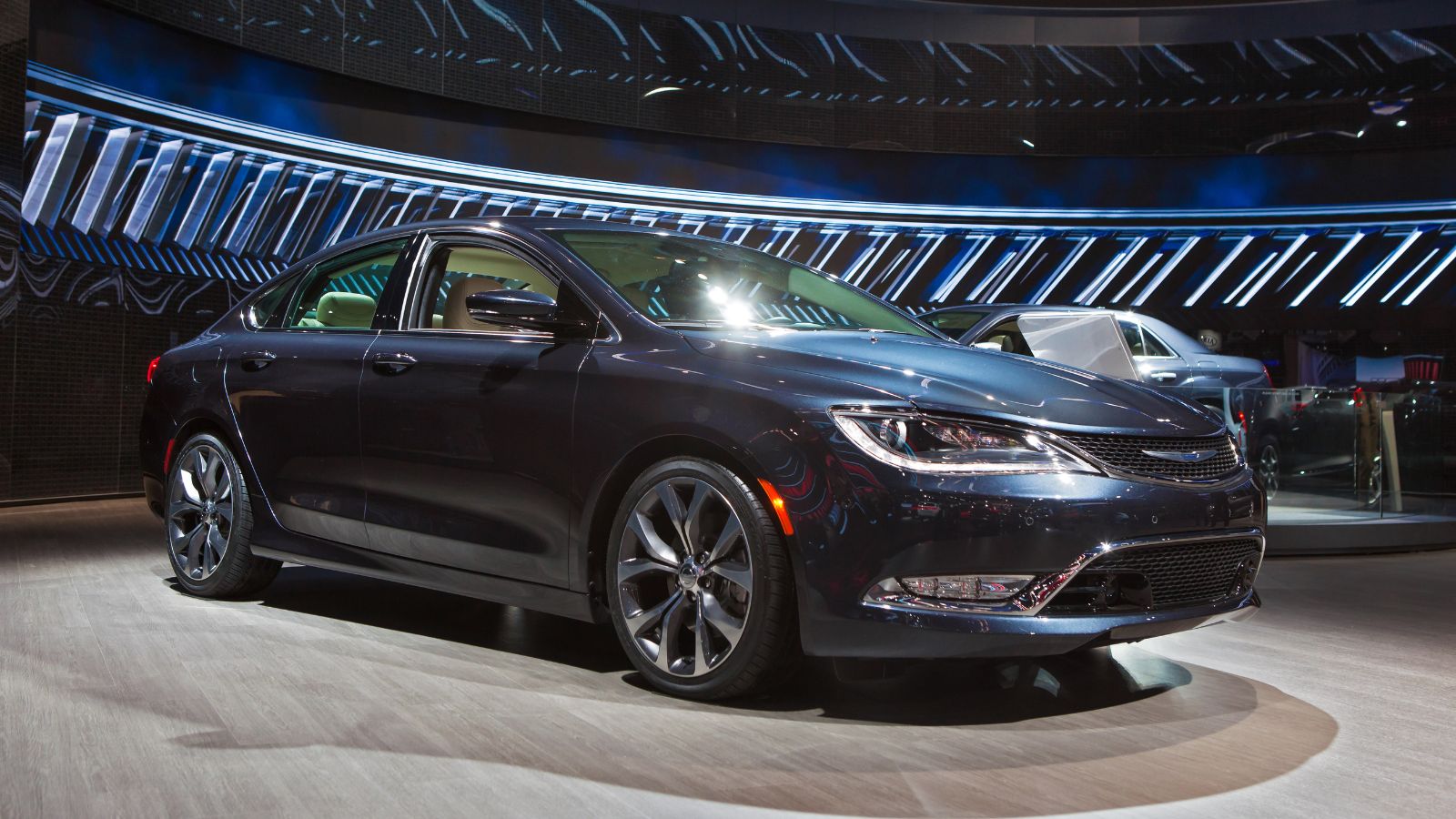
The Chrysler 200 offers a comfortable ride and modern design for Canadian drivers. Its interior materials may not age well in harsh winter conditions. Plastics and trims can scratch and fade with regular use. Cold temperatures can make these surfaces feel less durable. Seats may show wear, especially along edges and stitching. Moisture from snow can lead to stains and damp smells. Carpets may hold moisture if not cleaned regularly. Repeated heating can affect the trim fit over time. Some owners report minor rattles after a few winters. While the car feels refined initially, interior durability can decline with winter use.
Dodge Dart
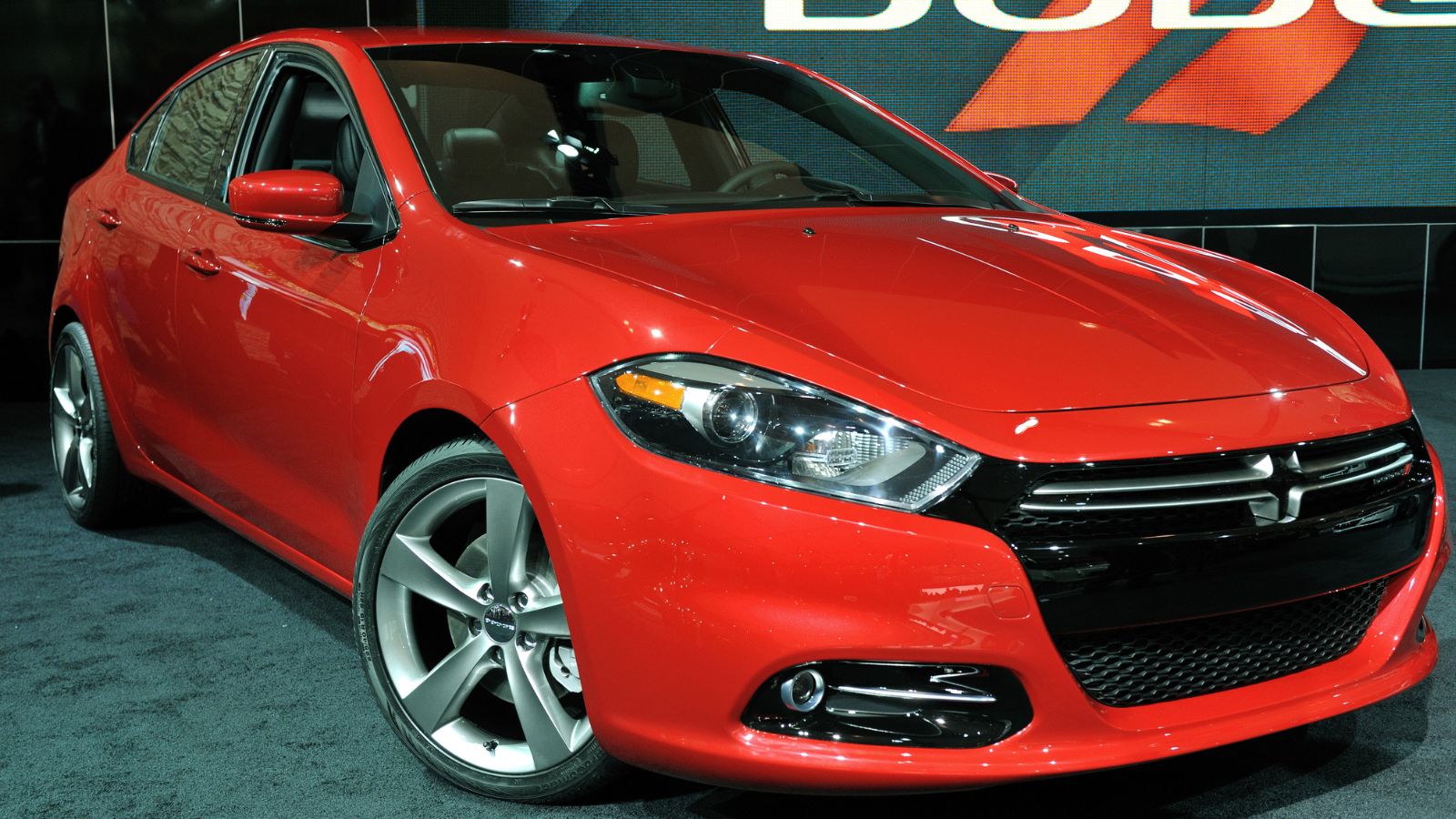
The Dodge Dart was designed as a compact sedan with modern features. Its interior, however, may show signs of aging in Canadian winters. Plastics inside the cabin can scratch and fade quickly. Cold weather can make these materials feel stiff and prone to damage. Fabric seats may absorb moisture from snow and wet clothing. This leads to stains and faster wear over time. Interior panels may loosen slightly with repeated heating cycles. Controls and buttons can also show early wear. While the Dart offers decent comfort, its interior may not hold up well after multiple winter seasons.
Chevrolet Cruze
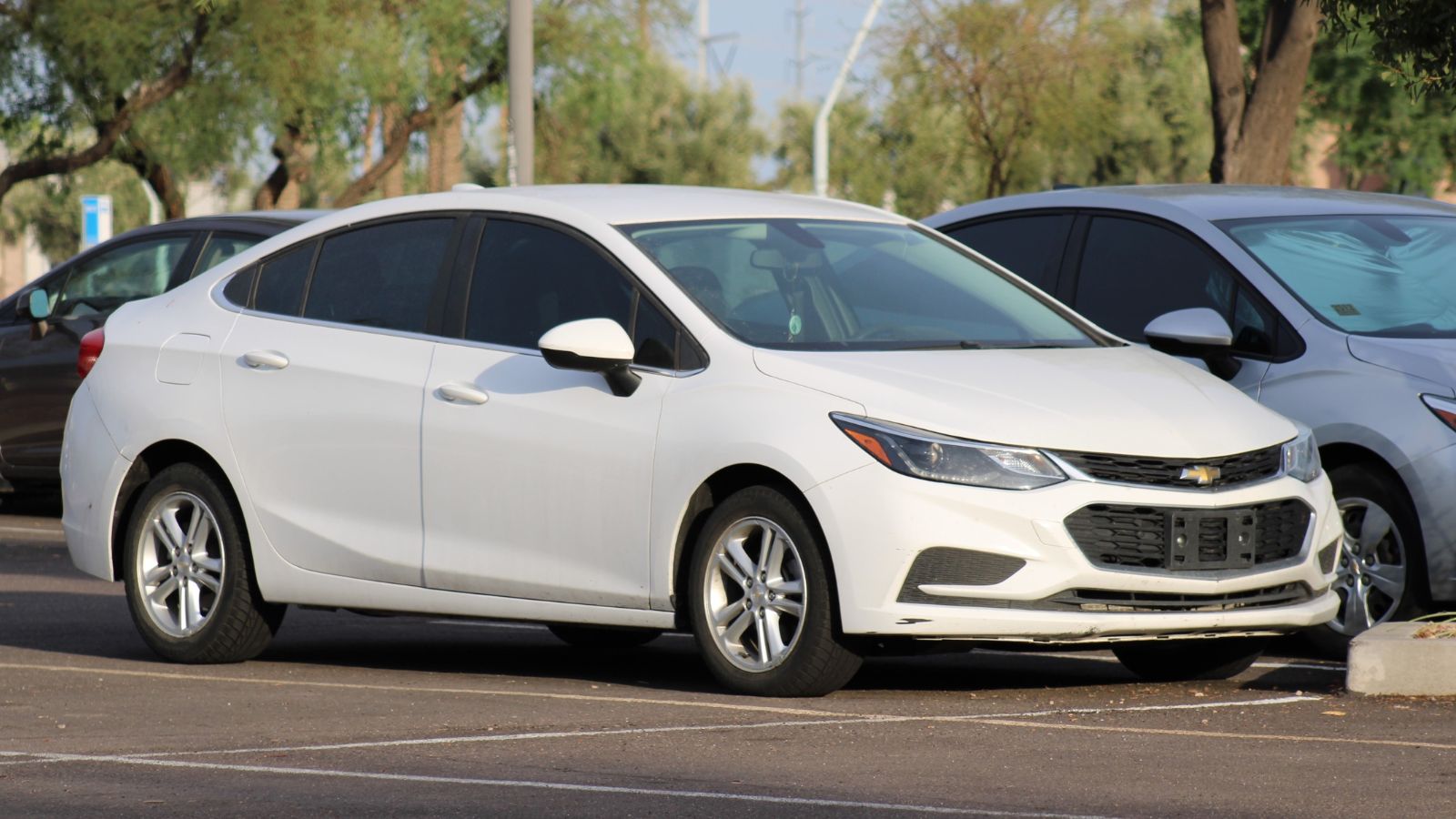
The Chevrolet Cruze has been a popular sedan choice in Canada. Its interior materials can show wear after a few harsh winters. Plastics inside the cabin may scratch and fade with regular use. Cold temperatures can make these surfaces feel less durable. Fabric seats often absorb moisture from snow and slush. This leads to stains and faster aging. Carpets may remain damp if not cleaned properly. Repeated heating can affect trim alignment over time. Some owners notice early wear on controls and upholstery. While the Cruze offers practicality, its interior durability may decline with continued winter exposure.
Buick Verano
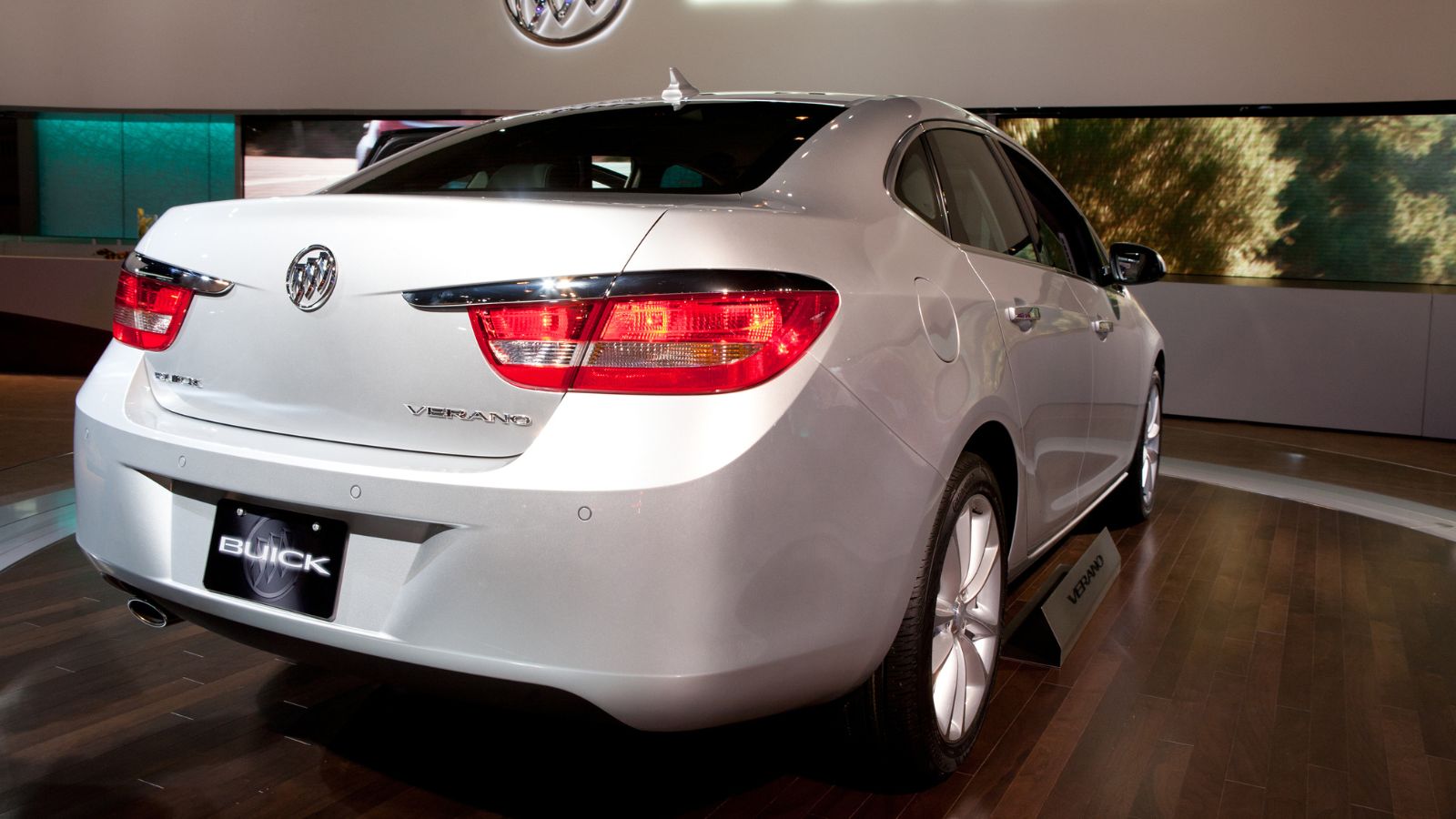
The Buick Verano offers a quiet and comfortable cabin for Canadian drivers. Its interior may still show wear after repeated winter use. Soft-touch materials can lose their finish over time. Cold temperatures can make plastics feel harder and more prone to marks. Leather or fabric seats may absorb moisture from snow and wet clothing. This can lead to stains and slight wear on edges. Carpets may retain dampness if not cleaned regularly. Repeated heating cycles can affect trim alignment. Some buttons and controls may feel worn sooner than expected. While the Verano feels refined initially, its interior may age faster in harsh Canadian winters.
Mazda 2
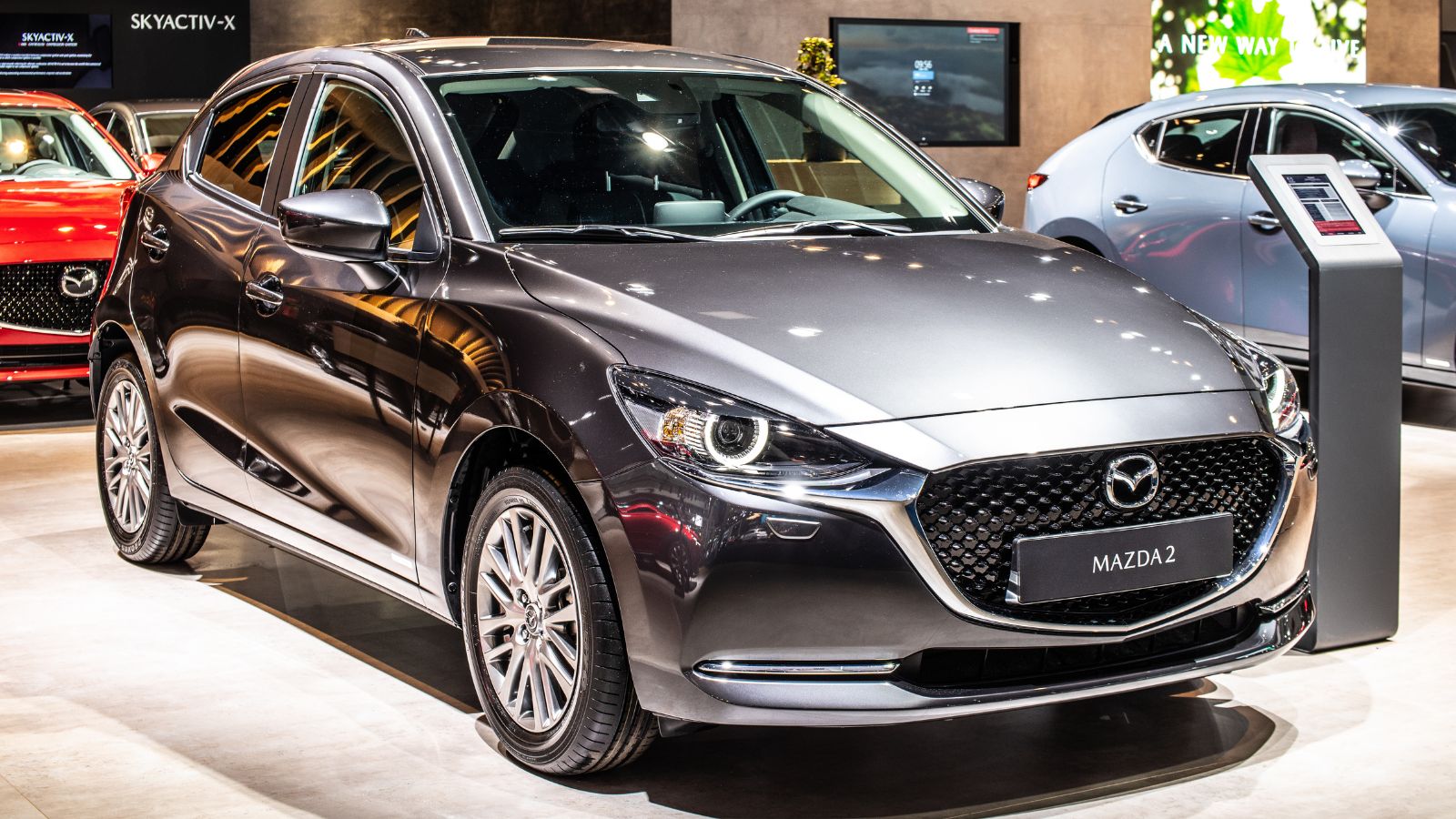
The Mazda 2 is a compact car used for city driving in Canada. Its interior uses basic materials that may not hold up well in winter. Hard plastics can scratch easily with daily use. Cold temperatures can make these surfaces feel less flexible. Fabric seats may absorb moisture from snow and slush. This leads to staining and faster wear over time. Carpets can remain damp if not dried properly. Heating cycles may cause slight loosening of trim pieces. Some owners notice increased cabin noise after repeated use. While the Mazda 2 is practical, its interior may show aging signs quickly in Canadian conditions.
Honda Fit (Older Models)
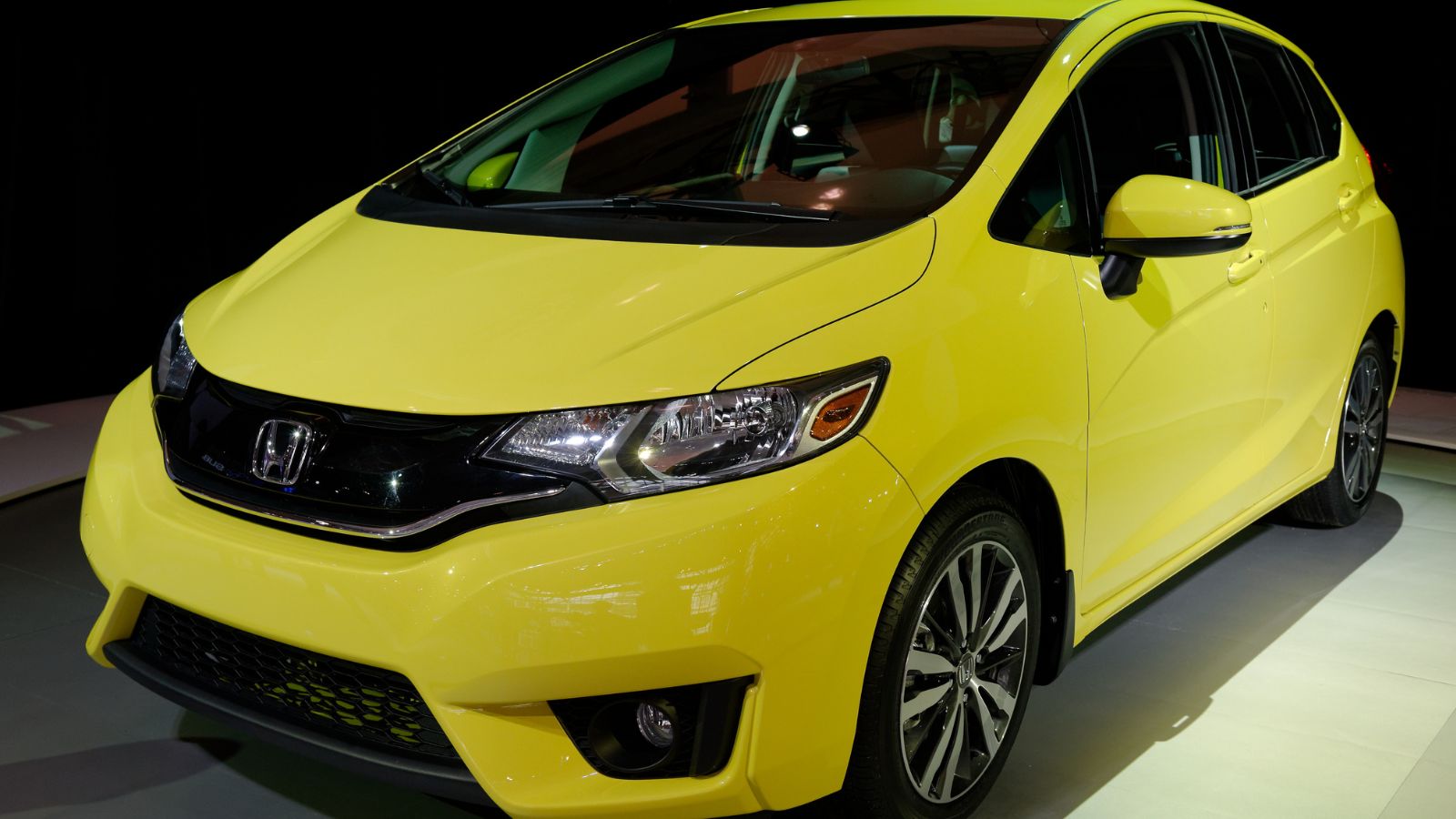
Older Honda Fit models are popular for their space and efficiency in Canada. Their interiors may show wear after a few winters. Plastics inside the cabin can scratch and fade over time. Cold weather can make these materials feel stiff. Fabric seats often absorb moisture from snow and wet items. This can lead to stains and quicker aging. Carpets may hold dampness if not cleaned regularly. Repeated heating cycles can affect the trim fit slightly. Some controls may also show early wear. While the Fit remains reliable, its interior durability may not match harsh Canadian winter conditions.
Scion iA
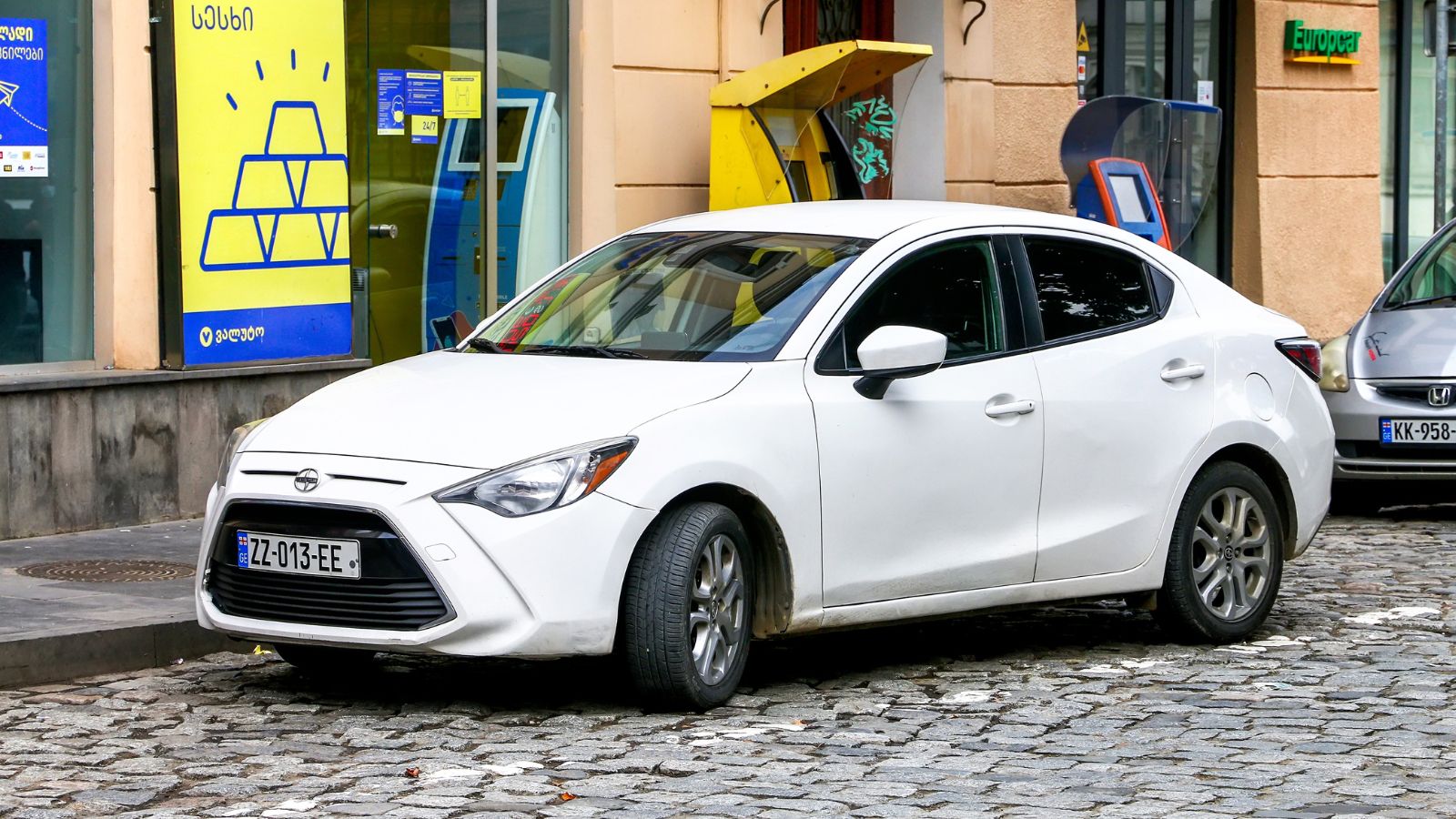
The Scion iA offers a simple and practical design for Canadian drivers. Its interior uses basic materials that may wear quickly in winter. Plastics inside the cabin can scratch and fade with regular use. Cold temperatures can make surfaces feel harder and less durable. Fabric seats may absorb moisture from snow and slush. This can lead to stains and faster wear. Carpets may remain damp if not dried properly. Heating cycles can affect trim alignment over time. Some owners notice early wear on controls. While the iA is efficient and reliable, its interior may age faster in Canadian winters.
Suzuki SX4
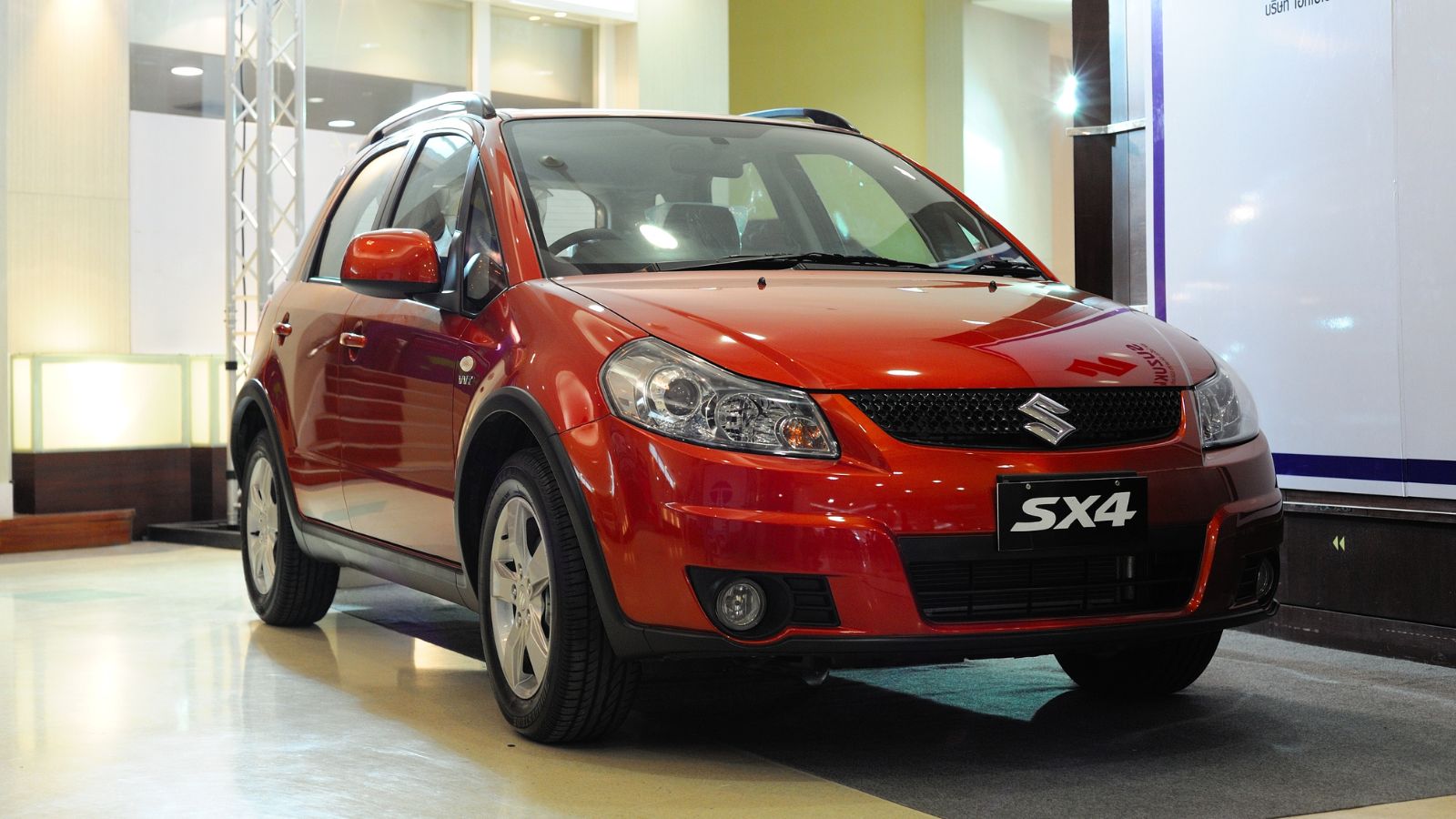
The Suzuki SX4 is known for its compact size and all-wheel-drive option. Its interior materials may show aging signs after repeated winter exposure. Plastics inside the cabin can scratch and fade easily. Cold weather can make these materials feel less flexible. Fabric seats may absorb moisture from snow and wet clothing. This leads to stains and faster wear. Carpets can hold dampness if not cleaned regularly. Repeated heating may loosen trim pieces slightly. Some controls may also show early wear. While the SX4 performs well in winter driving, its interior durability may not hold up over time.
Smart Fortwo
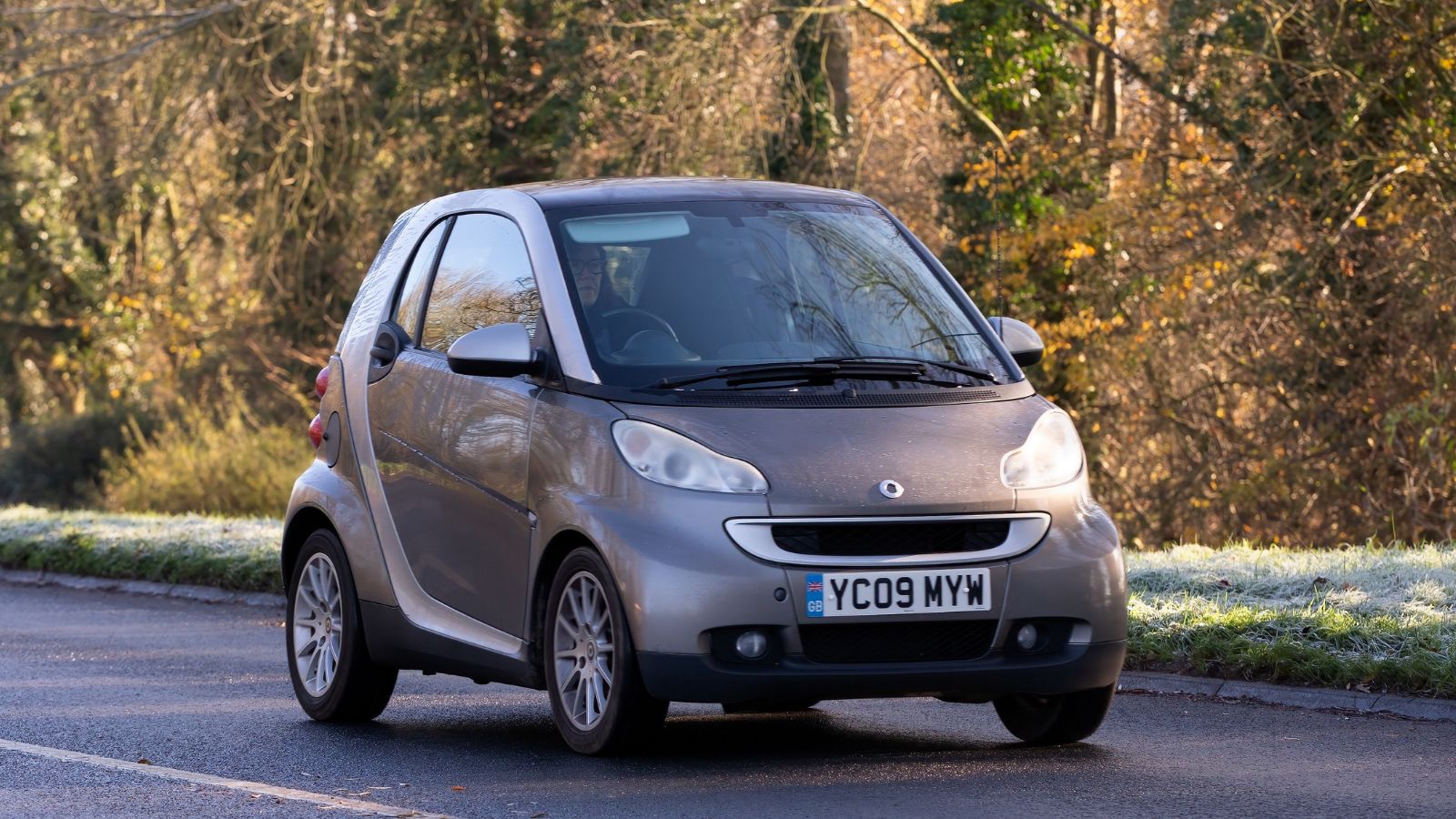
The Smart Fortwo is designed for compact city driving in Canada. Its interior uses simple materials that may not age well in winter. Hard plastics can scratch easily and show wear quickly. Cold temperatures can make surfaces feel brittle. Fabric seats may absorb moisture from snow and slush. This can lead to stains and faster aging. Limited cabin space can make moisture harder to manage. Heating cycles may affect trim alignment over time. Some controls may feel worn sooner than expected. While the Fortwo suits urban use, its interior may not handle Canadian winters well.
22 Things Canadians Do to Their Cars in Spring That Mechanics Hate

Spring brings relief to many Canadian drivers after months of snow, freezing temperatures, and icy roads that put serious strain on vehicles. As temperatures rise across the country, drivers begin washing cars, switching tires, and preparing vehicles for warmer weather and upcoming road trips. However, mechanics across Canada notice the same mistakes every spring when drivers attempt to recover from winter damage. Road salt, potholes, and harsh winter driving conditions often leave vehicles with hidden problems that drivers ignore. Some spring habits even create new mechanical issues that could have been avoided with proper maintenance. Here are 22 things Canadians do to their cars in spring that mechanics hate.