


























Seasonal tire swaps sound simple, yet they quietly cause expensive problems every year. Many drivers rush the process or skip small checks that matter later. Weather shifts across Canada demand proper timing, correct installation, and attention to wear patterns. A poor swap can affect braking, fuel use, and safety during sudden temperature changes. Even experienced drivers miss details that lead to uneven wear or reduced grip. A few minutes of care can prevent months of regret and added costs. Here are 27 tire swap mistakes Canadians make every year (and how to avoid them).
Swapping Tires Too Early
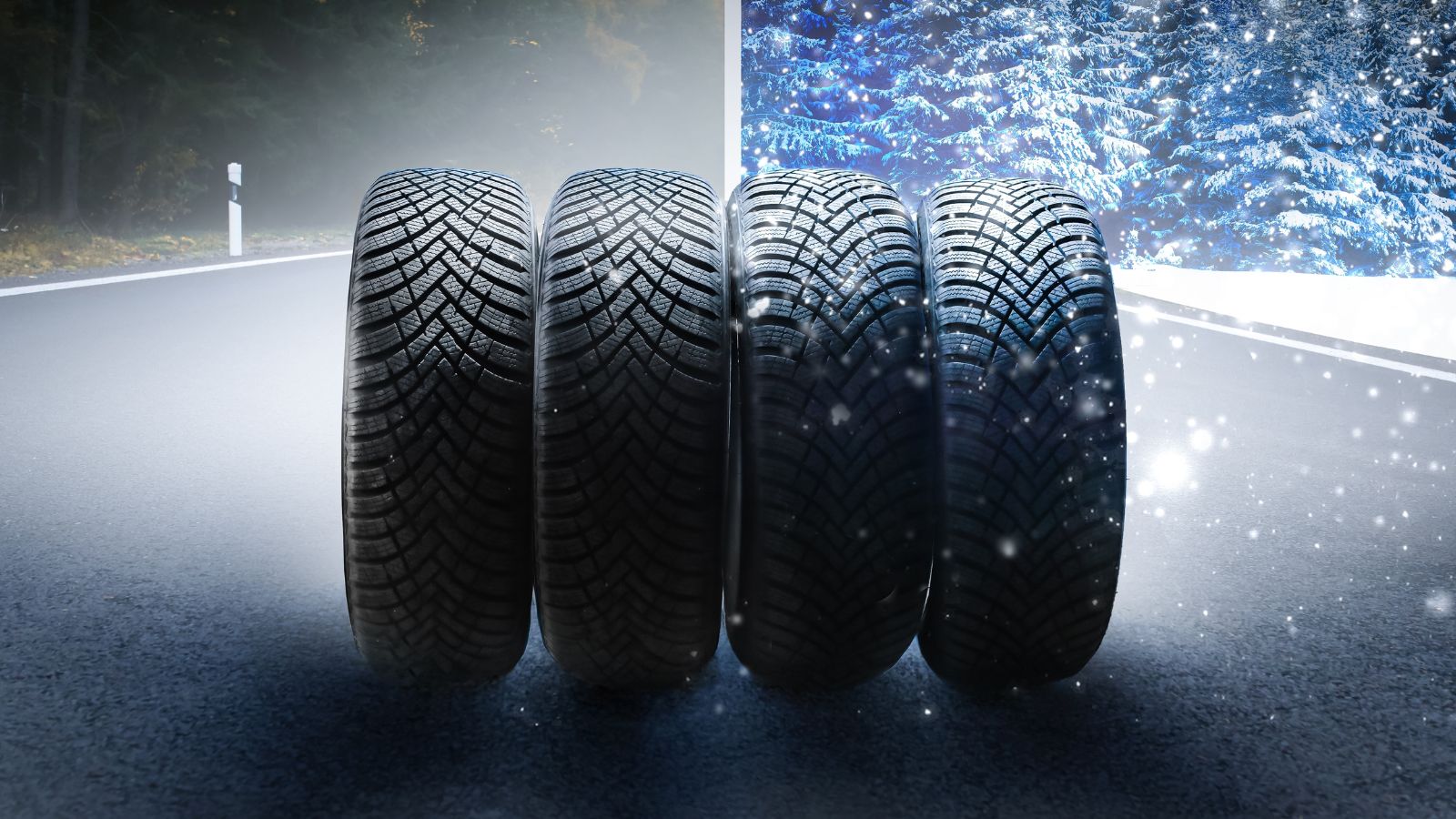
Many drivers switch tires as soon as the calendar changes. That approach ignores actual road temperatures. Winter tires wear faster in warmer conditions. Rubber compounds soften and lose structure above seven degrees Celsius. This leads to quicker tread loss and poorer handling. Drivers also risk needing another swap if temperatures drop again. Watching the forecast matters more than following a date. Wait for consistent conditions before changing tires. A few extra days can extend tire life. Planning around temperature trends avoids unnecessary wear. Timing the swap correctly helps both safety and long-term costs.
Waiting Too Long to Swap
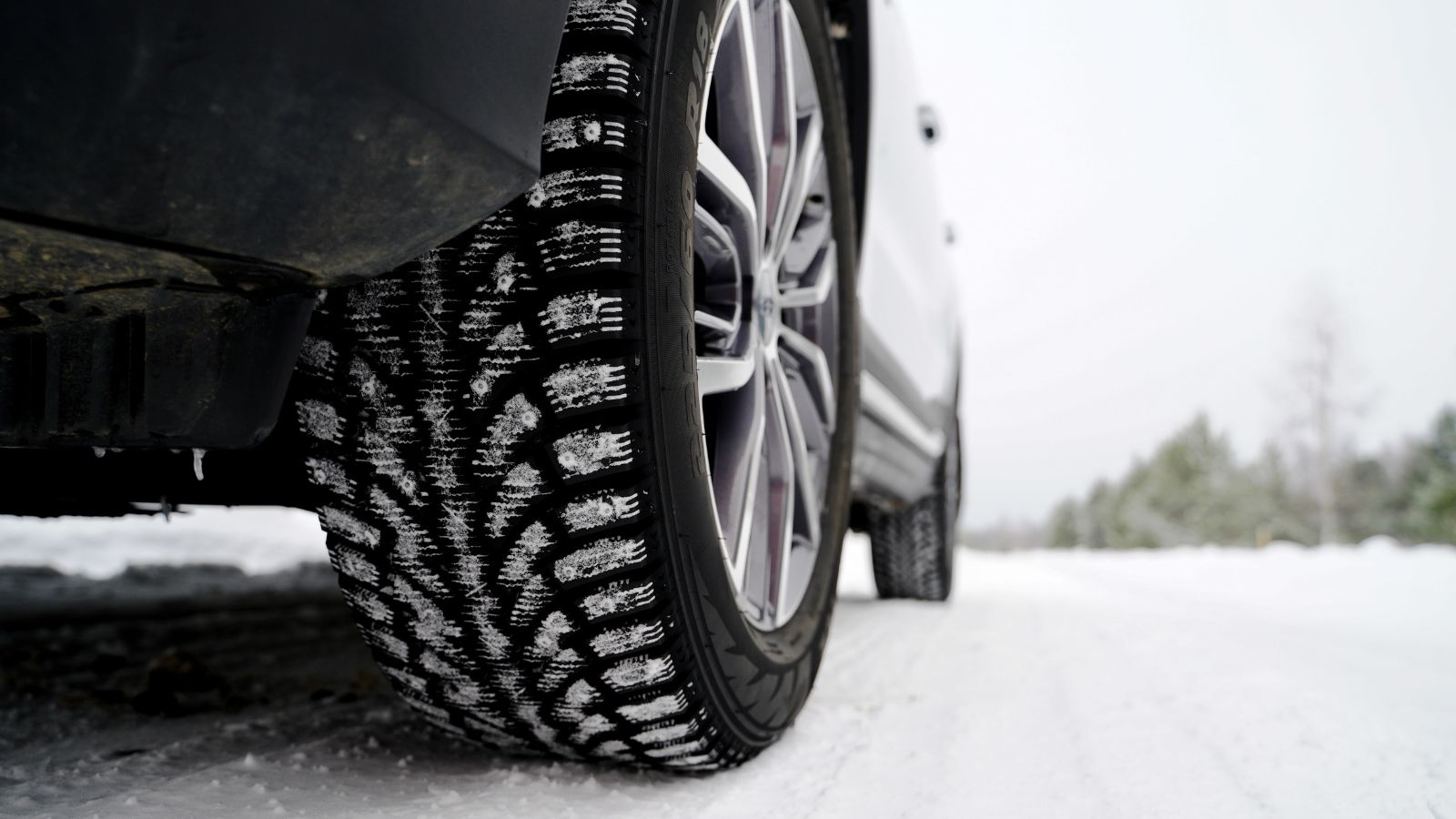
Delaying a tire swap can be just as costly. Winter tires struggle in warmer weather and increase stopping distances. Summer or all-season tires lose grip in cold conditions. This creates safety risks during early frost or late snow. Drivers often wait until the first storm hits. By then, road conditions may already be dangerous. Tire shops also become crowded, causing delays. Booking early helps avoid last-minute stress. Swapping at the right time keeps handling stable. Balanced timing prevents both wear and safety issues. Being proactive always beats reacting too late.
Ignoring Tire Pressure After Installation
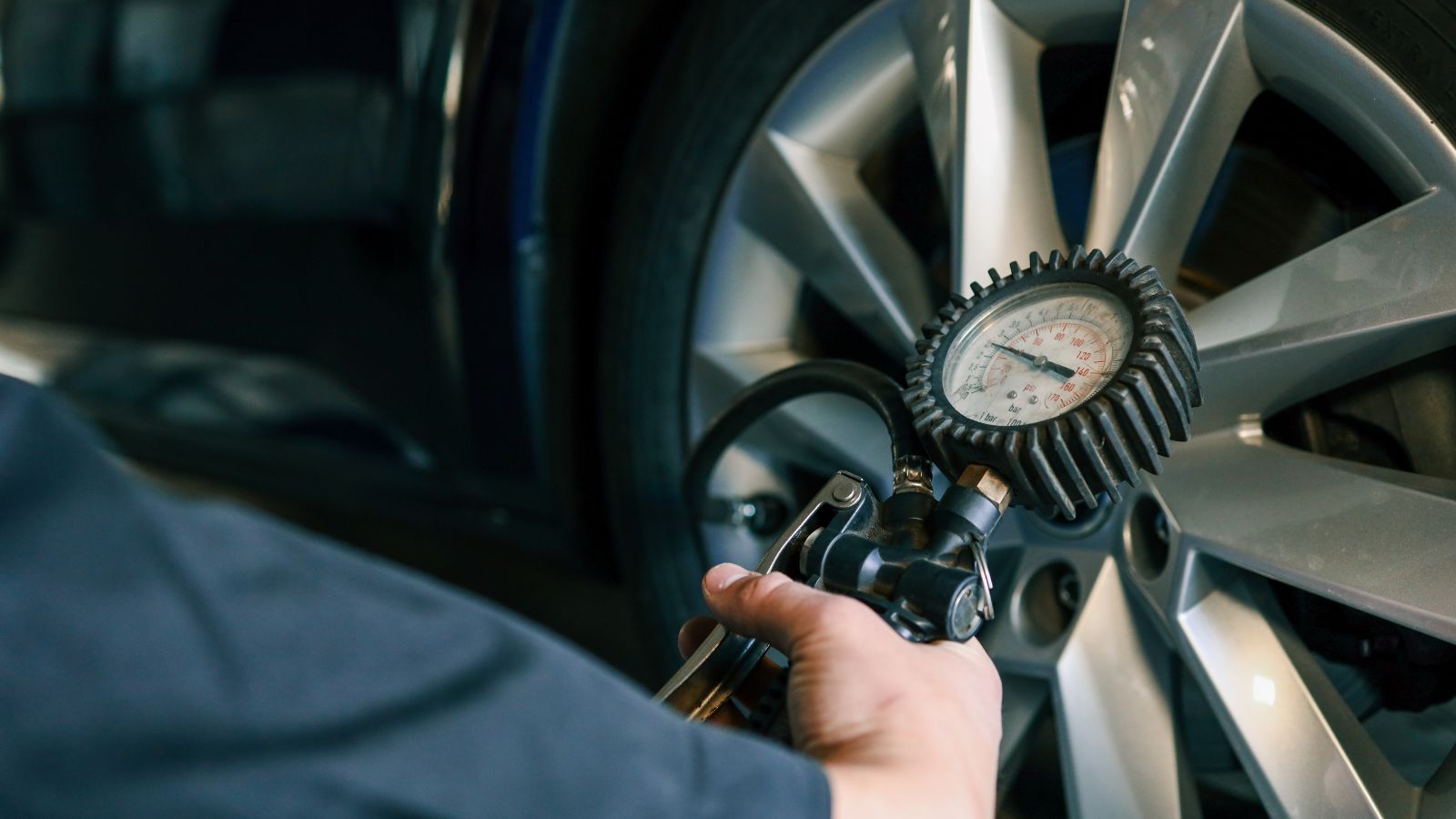
Many assume tire pressure stays correct after a swap. That is rarely true. Temperature changes affect air pressure quickly. Tires installed in warmer storage areas often lose pressure outdoors. Driving with incorrect pressure affects handling and fuel use. Underinflated tires wear unevenly and heat up faster. Overinflated tires reduce grip and comfort. Always check pressure after installation. Adjust according to your vehicle’s recommended levels. Recheck after a few days of driving. Small adjustments make a big difference. Proper pressure improves safety and extends tire life.
Forgetting to Retorque Lug Nuts
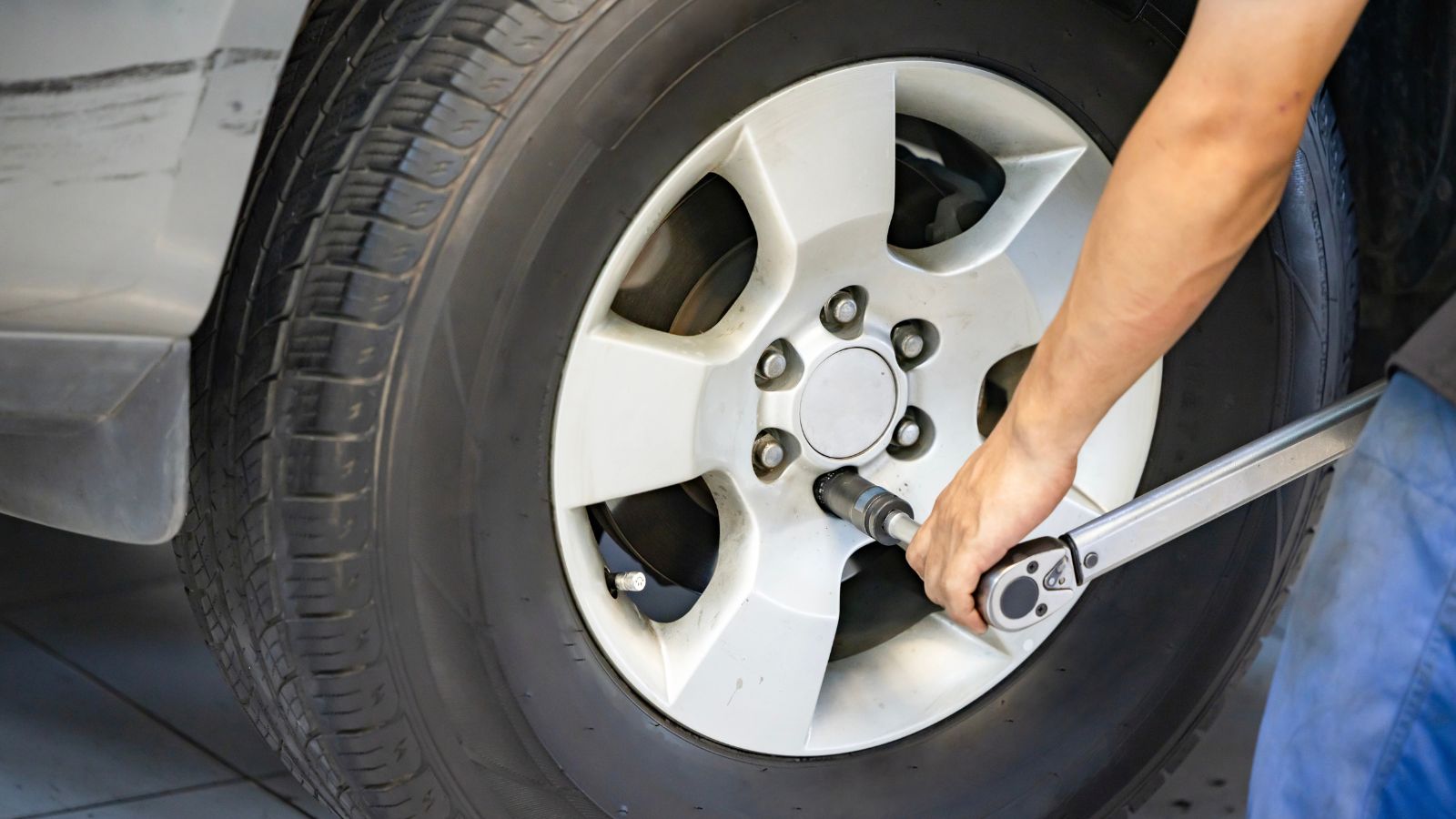
Lug nuts can loosen after a tire swap. This happens as wheels settle into place. Many drivers skip the follow-up check. That can lead to vibrations or even wheel detachment. Retorquing after about 100 kilometers is important. Use a torque wrench to match manufacturer specifications. Avoid guessing or tightening unevenly. Shops often remind customers, but it is easy to forget. Setting a reminder helps prevent issues. Properly secured wheels keep driving smoothly and safely. This simple step reduces risk significantly. It takes minutes but prevents serious problems.
Mixing Tire Types on the Same Vehicle
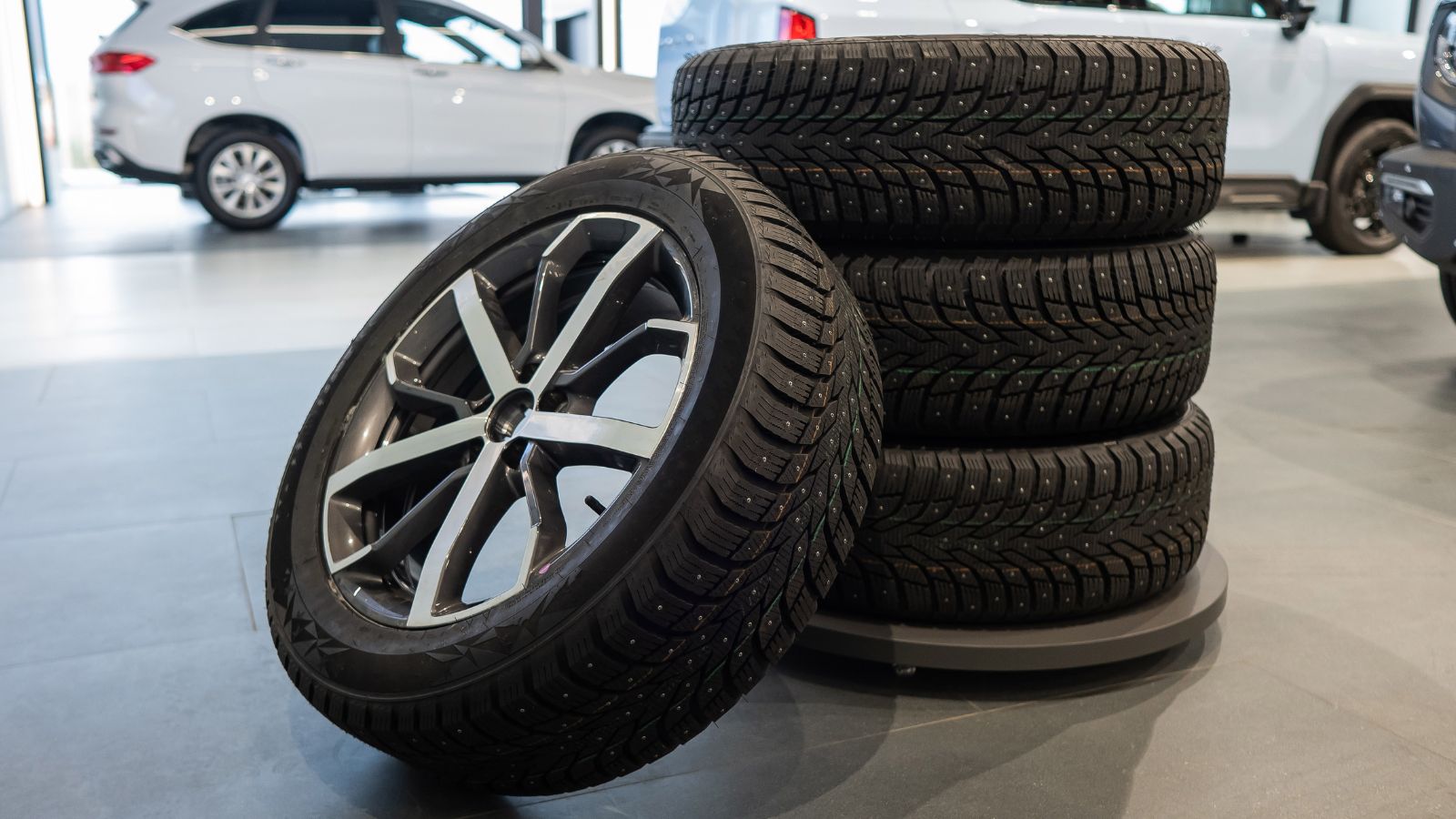
Some drivers replace only two tires instead of a full set. That creates an imbalance in grip and handling. Mixing winter and all-season tires causes unpredictable traction. Braking distances may increase during sudden stops. The vehicle may also pull to one side. Always use the same type of tire on all wheels. If replacing two tires, match them carefully. Install them on the correct axle for better control. Consistency matters more than saving money in the short term. Balanced tires improve stability. Avoid mixing types unless absolutely necessary.
Skipping Tire Rotation During the Swap
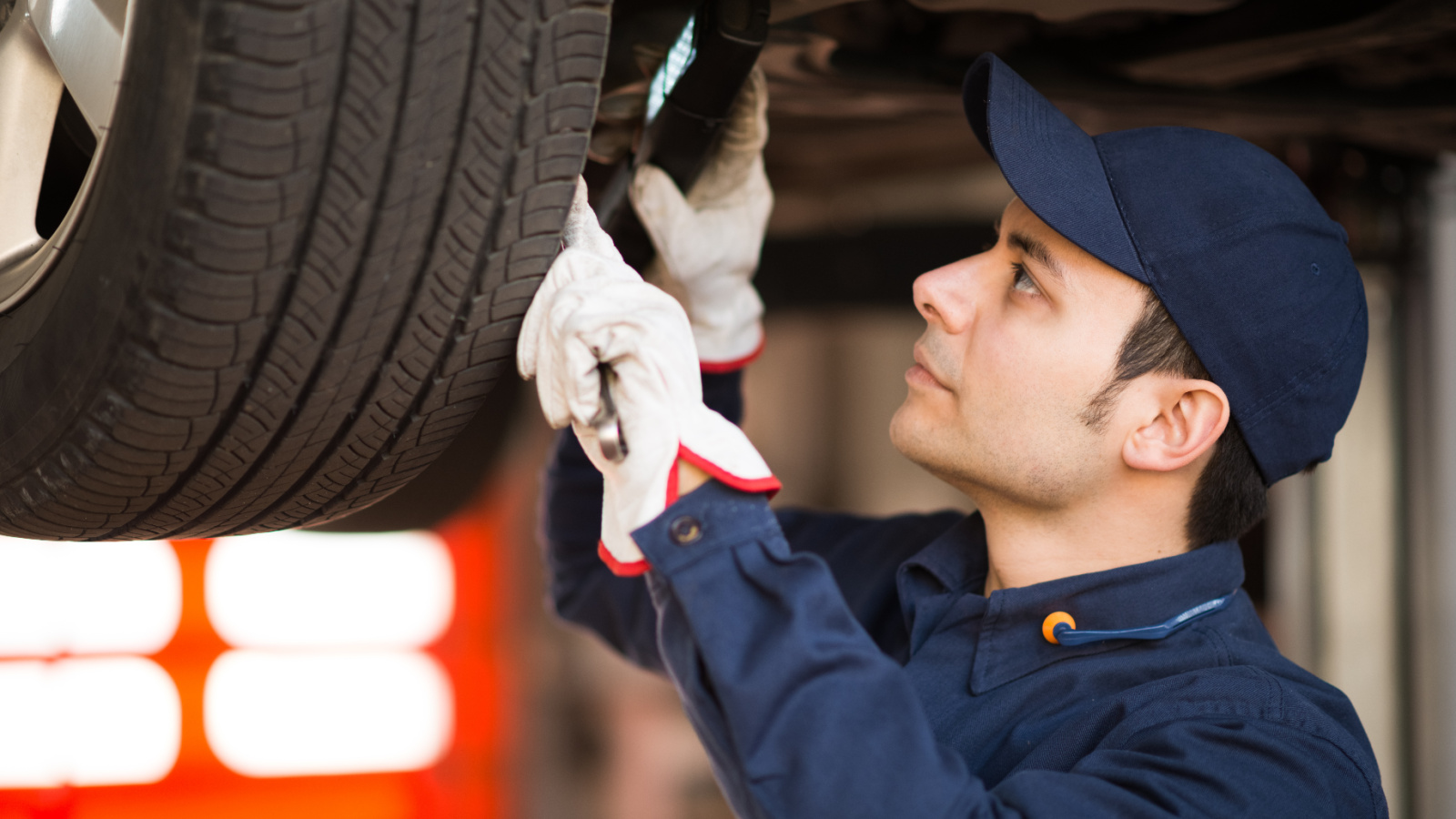
A tire swap is the perfect time to rotate tires. Many drivers overlook this step. Tires wear differently depending on their position. Front tires often wear faster due to steering and braking. Without rotation, uneven wear develops quickly. This shortens tire lifespan and affects performance. Rotating tires distributes wear evenly. Follow your vehicle’s recommended rotation pattern. Regular rotation improves handling and extends usability. Skipping it means replacing tires sooner. Taking advantage of the swap makes maintenance efficient. It is a small effort with long-term benefits.
Not Checking Tread Depth

Drivers often assume their tires are still good. Visual checks can be misleading. Tread depth affects grip, especially in wet or snowy conditions. Worn tires increase stopping distance significantly. Use a tread gauge or simple coin test. Replace tires before they reach unsafe levels. Swapping worn tires back onto your car defeats the purpose. Proper tread ensures better traction and safety. Ignoring this check can lead to dangerous driving conditions. Always inspect before installing. Good tread is essential for reliable performance.
Installing Tires Incorrectly
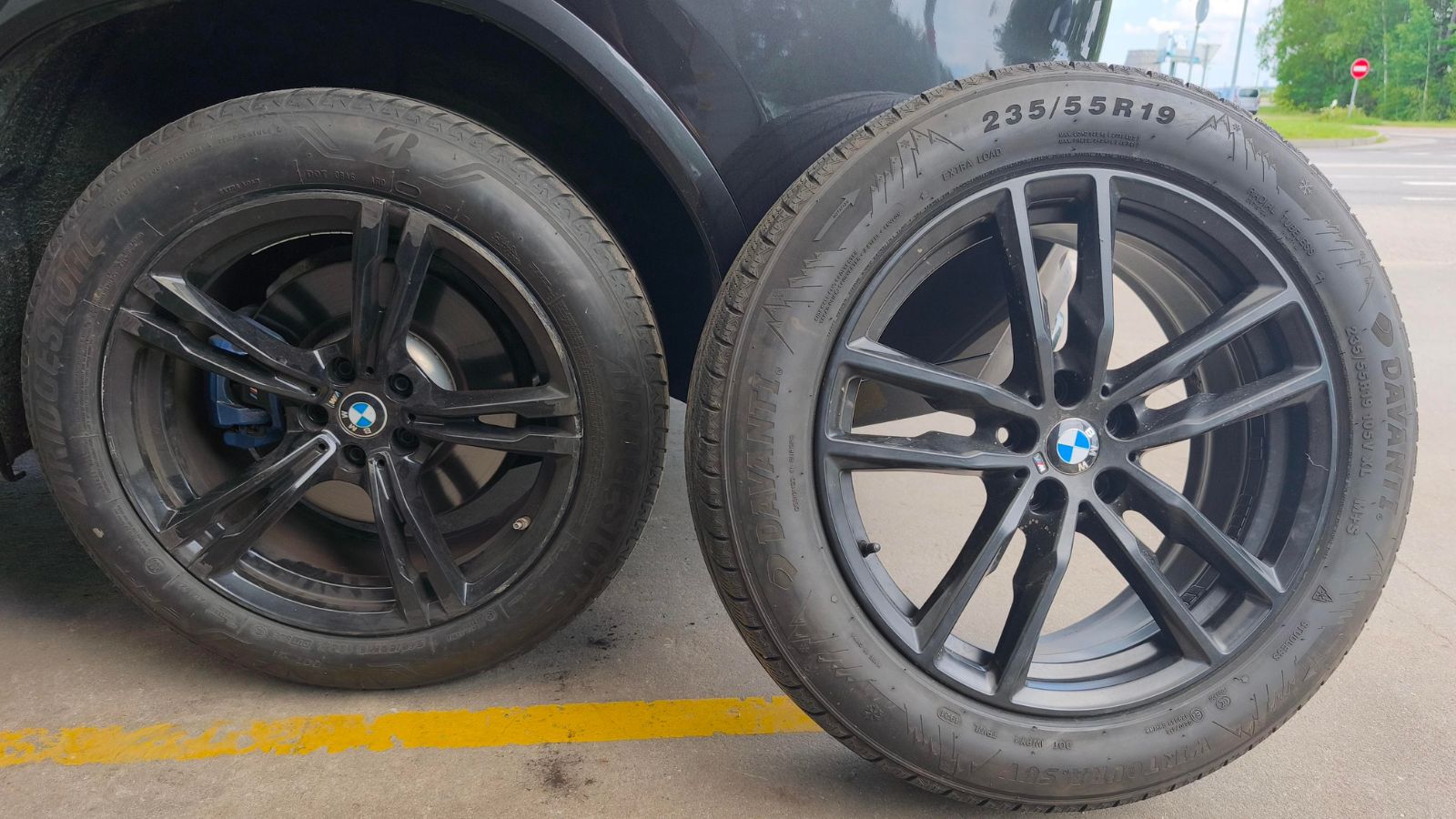
Directional tires must face a specific direction. Many drivers overlook this detail. Installing them incorrectly reduces performance and safety. Water evacuation becomes less effective. This increases the risk of hydroplaning. Check sidewall markings before installation. Ensure arrows point in the correct rotation direction. Asymmetrical tires also have inside and outside markings. Ignoring these can affect handling. Proper installation ensures optimal performance. Taking a moment to verify alignment prevents costly mistakes. Correct placement keeps tires working as designed.
Using the Wrong Tools
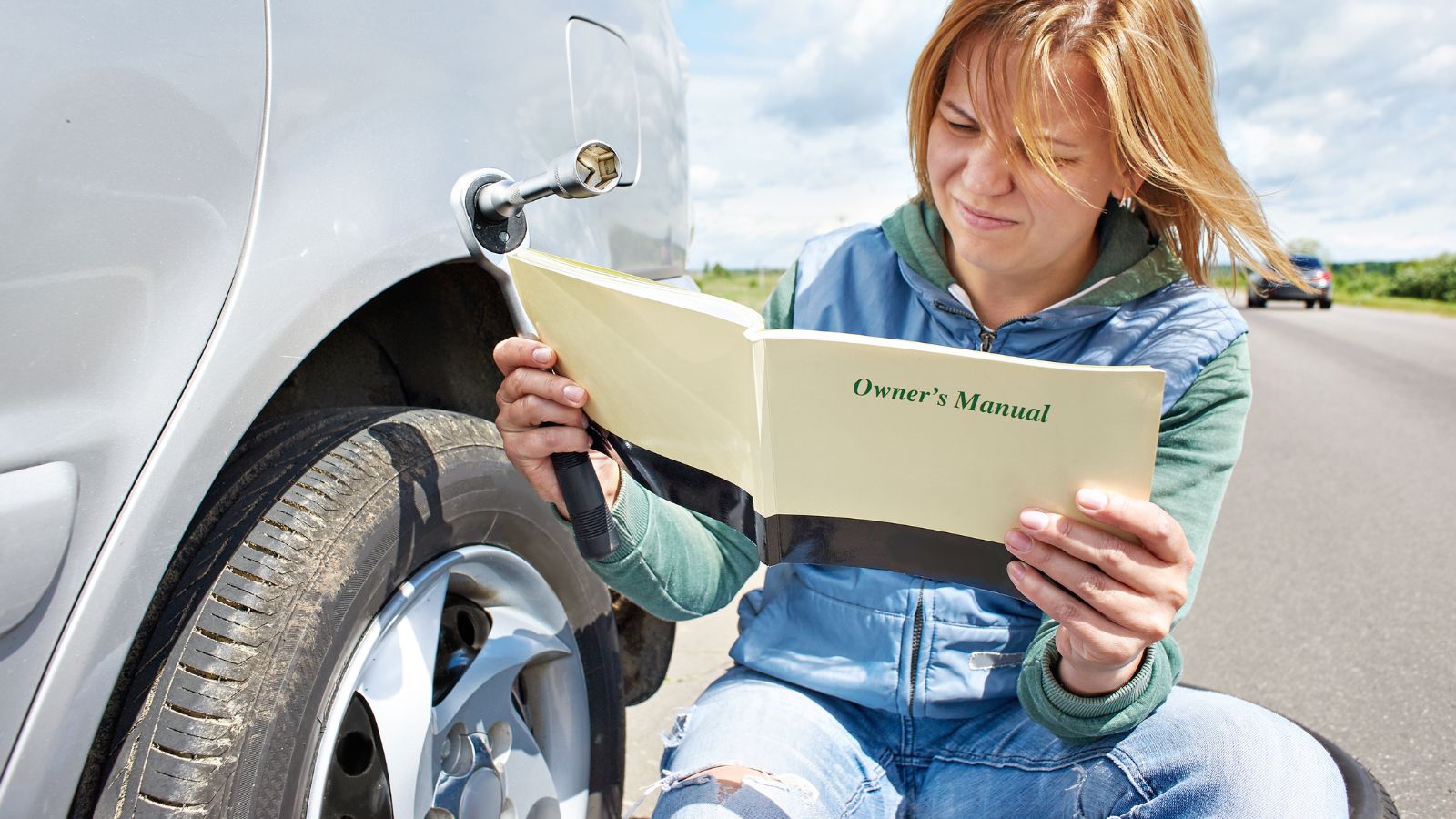
Improper tools can damage wheels or nuts. Many drivers rely on basic kits or incorrect equipment. Over-tightening with impact tools is common. This can strip threads or warp brake components. Using a torque wrench provides accuracy. It prevents excessive force on lug nuts. Proper tools make installation safer and more reliable. Investing in the right equipment saves money later. Avoid shortcuts that risk damage. Precision matters during a tire swap. Using the correct tools ensures long-term durability.
Not Cleaning the Wheel Hub
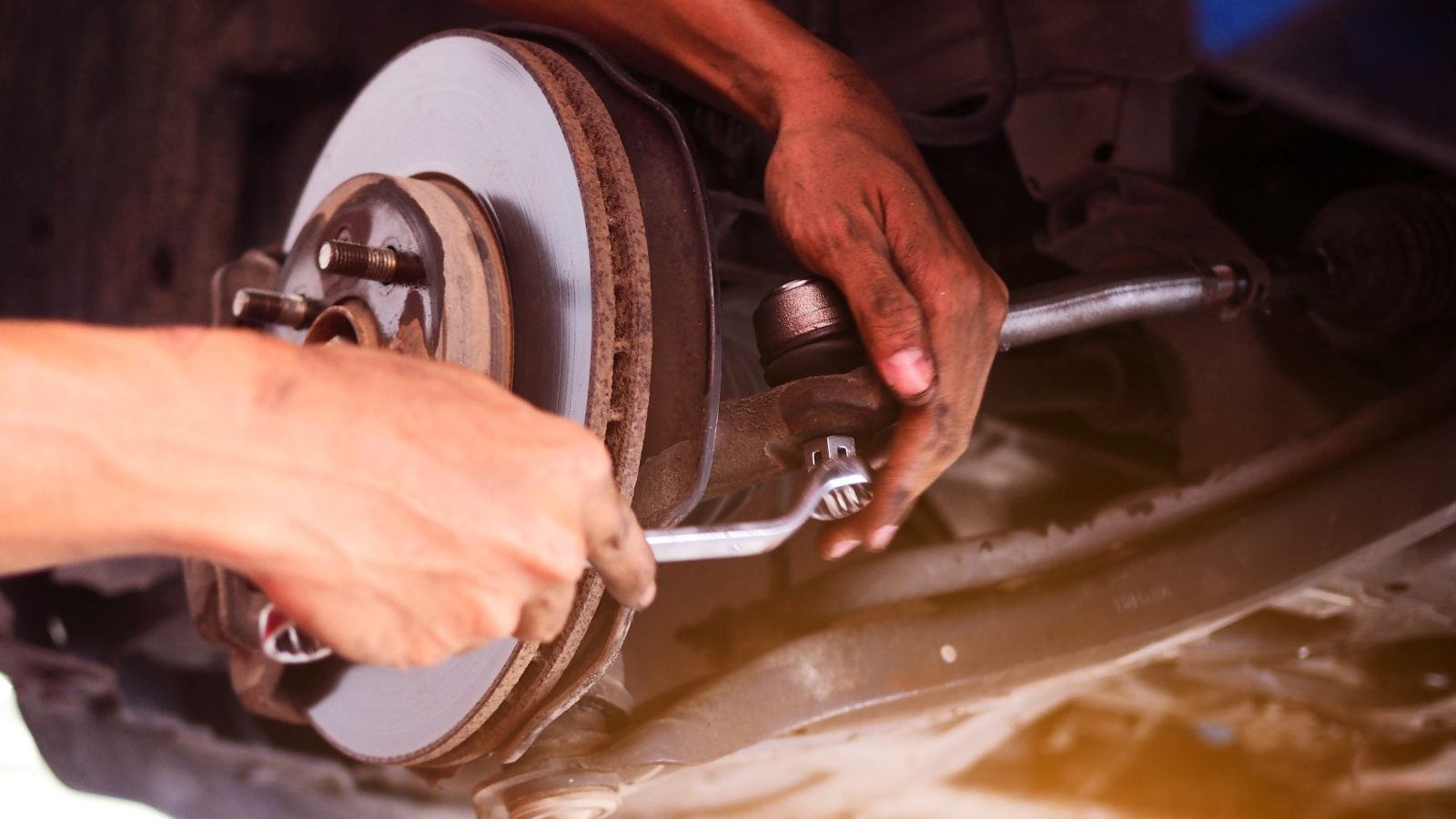
Debris can build up on the wheel hub over time. Dirt, rust, and corrosion affect how wheels sit. Installing tires without cleaning leads to uneven mounting. This can cause vibrations while driving. Cleaning the hub ensures a proper fit. Use a wire brush to remove buildup. A clean surface improves wheel alignment. This simple step enhances ride quality. Ignoring it may lead to unnecessary balancing issues. Proper preparation makes installation smoother. Clean hubs support better performance and safety.
Skipping Wheel Balancing
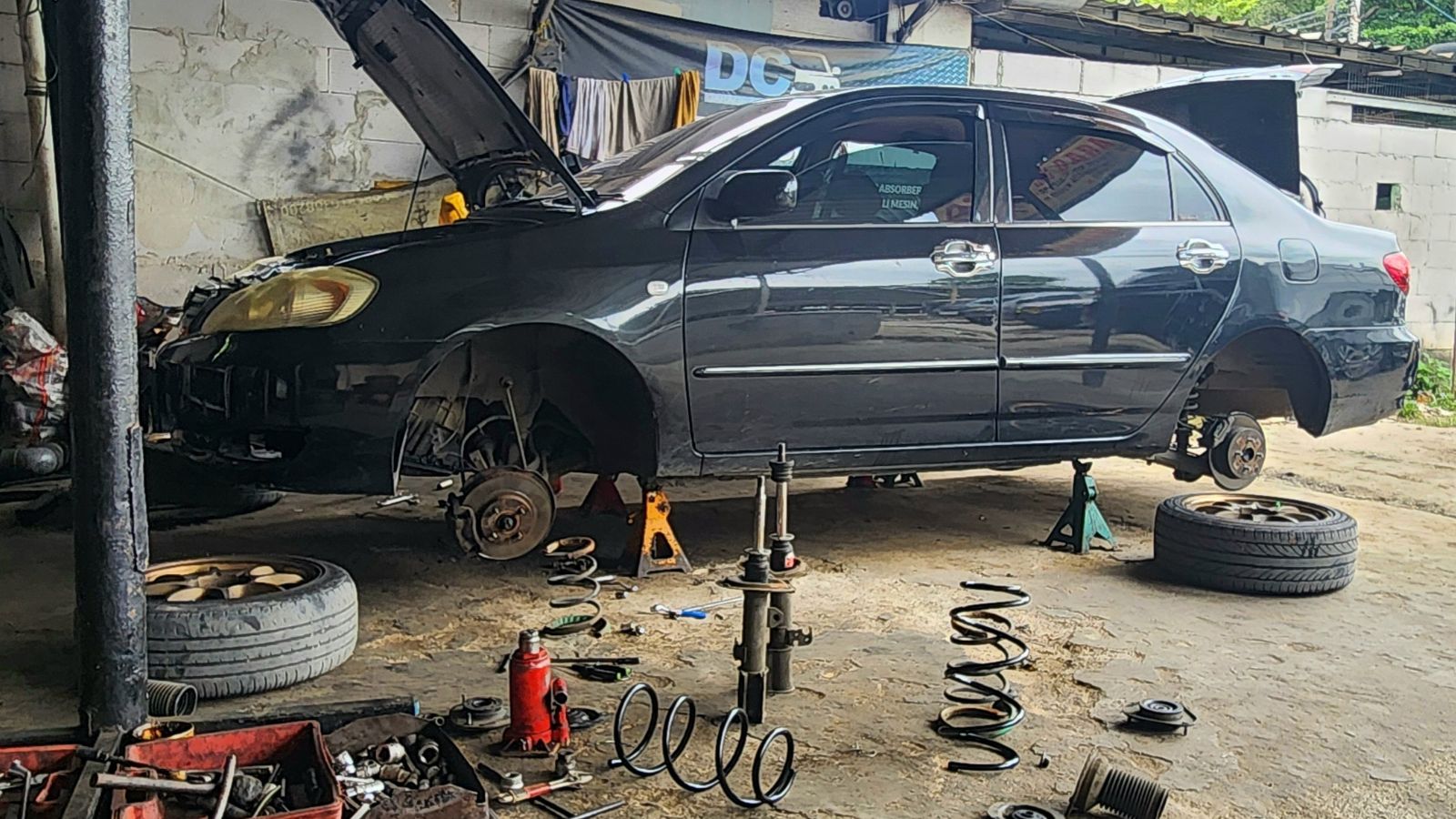
Unbalanced tires cause noticeable vibrations. Many drivers skip balancing during a swap. This leads to uneven wear and discomfort. Balancing ensures weight distribution is even. It improves smoothness at higher speeds. Ignoring this step affects suspension components over time. Regular balancing extends tire life. It also enhances driving comfort. Shops often include it with tire services. Taking advantage of this helps prevent issues. Balanced wheels make a clear difference. Do not overlook this essential step.
Overlooking Alignment Issues
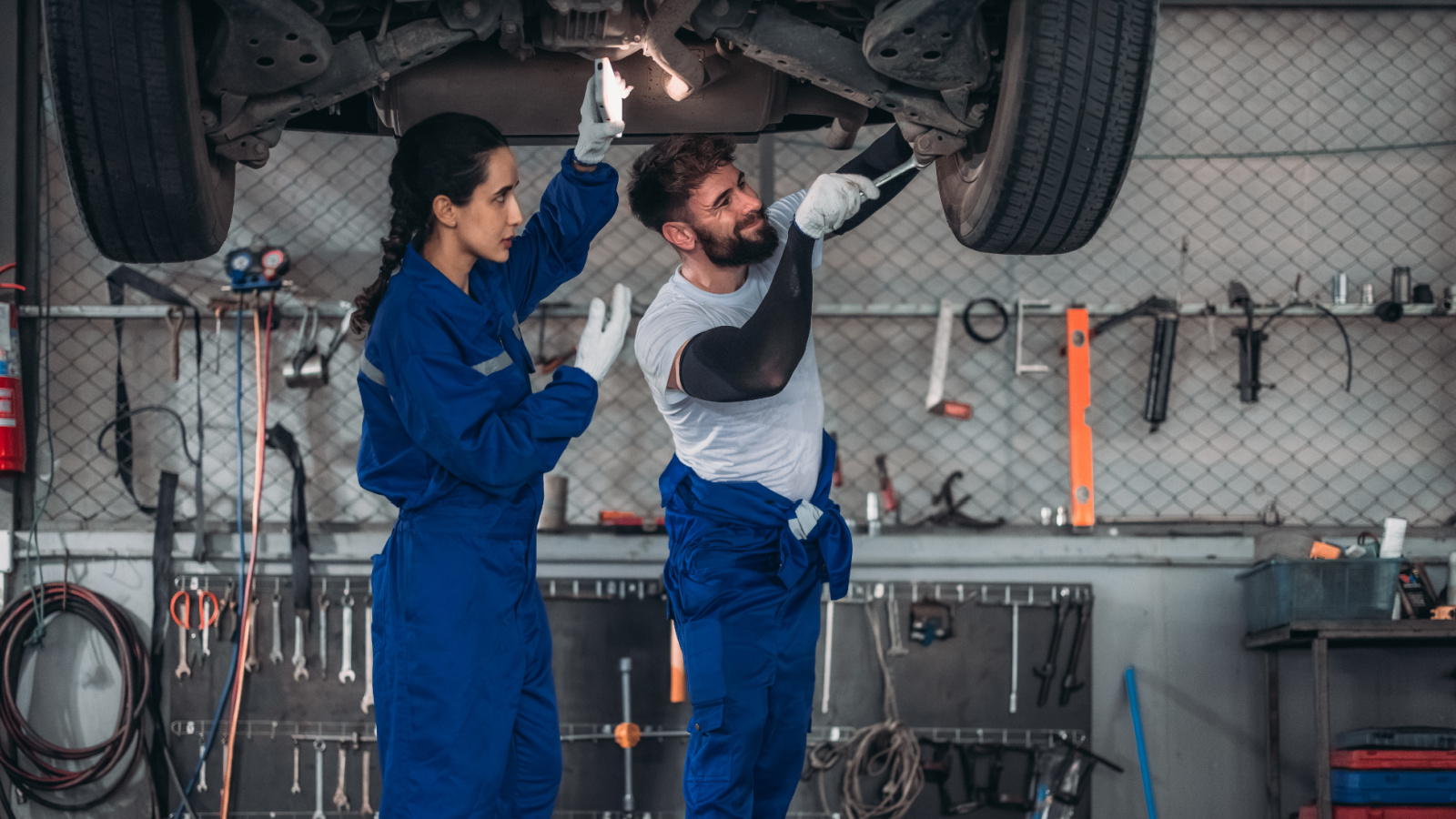
A tire swap does not fix alignment problems. Misaligned wheels cause uneven wear quickly. Drivers often blame tires instead of alignment. Pulling to one side is a common sign. Ignoring it leads to faster tire degradation. Alignment checks should be part of routine maintenance. Proper alignment improves handling and efficiency. It also extends tire lifespan. Skipping this step results in avoidable costs. Address alignment issues early. This keeps your tires from wearing unevenly.
Storing Tires Improperly
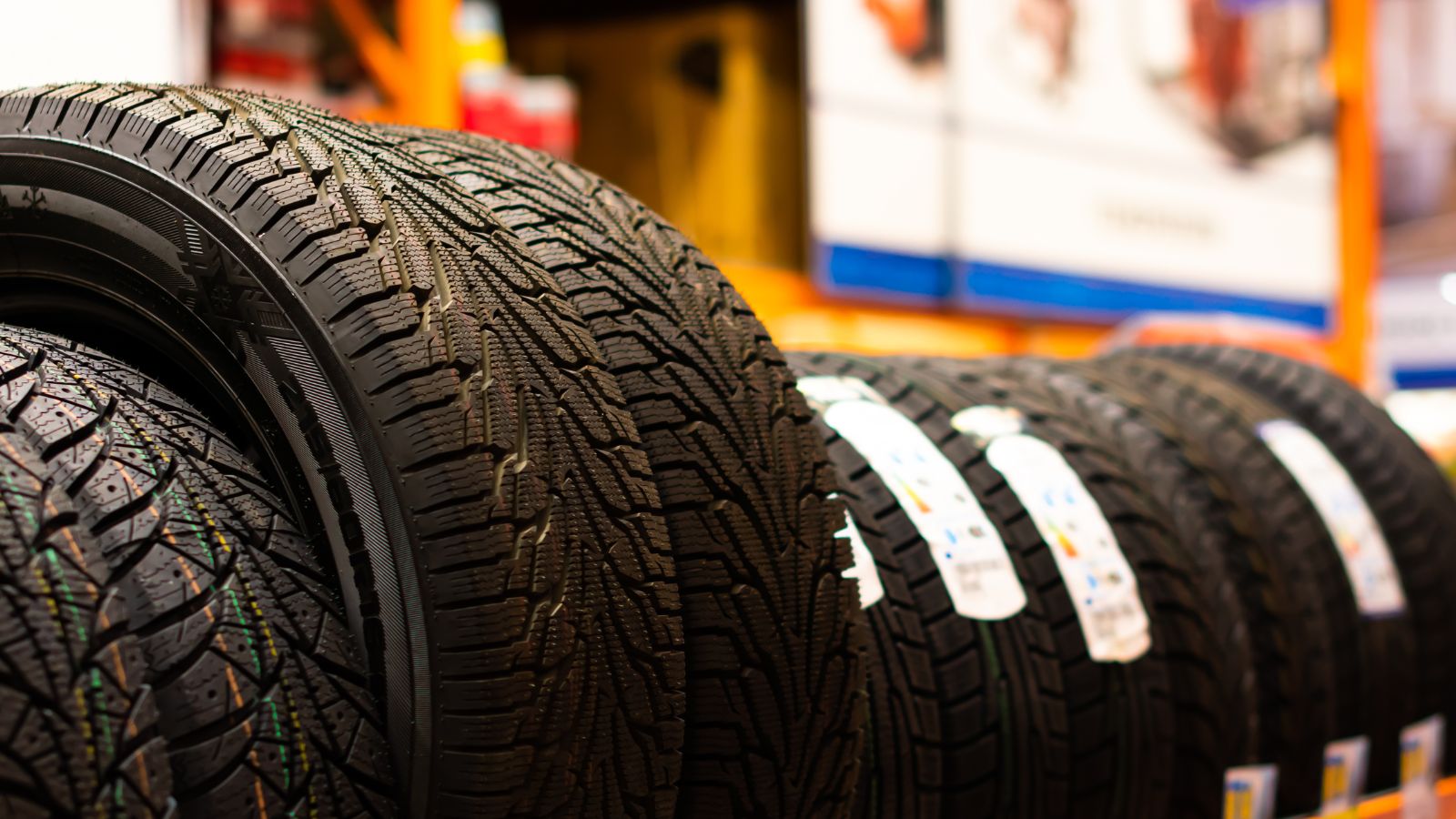
Storage affects tire condition more than many drivers expect. Leaving tires exposed to sunlight damages rubber compounds over time. Heat and moisture also cause cracking and stiffness. Tires should be stored in a cool, dry, and shaded area. Avoid placing them near chemicals, fuel, or sharp objects. Stack them correctly or hang them if recommended. Using tire bags helps limit exposure to air. Poor storage reduces performance during the next season. Proper care during off months keeps tires reliable. A controlled environment preserves flexibility and extends usability.
Forgetting Tire Marking
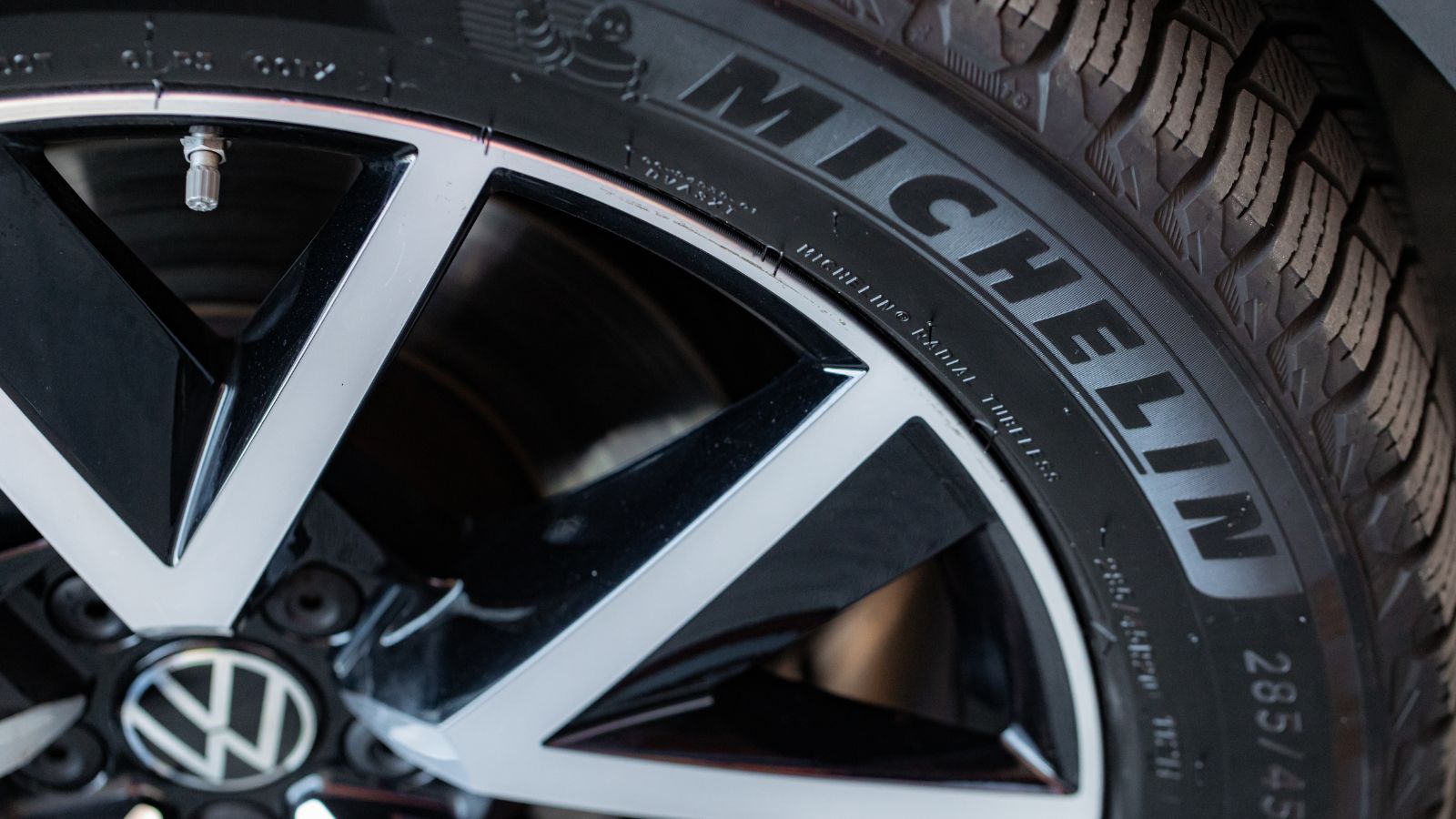
Marking tire positions makes future swaps easier and more effective. Many drivers skip this step and forget where each tire was placed. Without markings, rotation patterns become harder to follow. This can lead to uneven wear over time. Use chalk or labels to note positions like front left or rear right. Organized labeling saves time later. It also supports better maintenance decisions. Keeping track of placement improves tire longevity. A simple marking habit prevents confusion during installation. Consistency helps maintain balanced wear across all tires.
Ignoring Valve Stem Condition
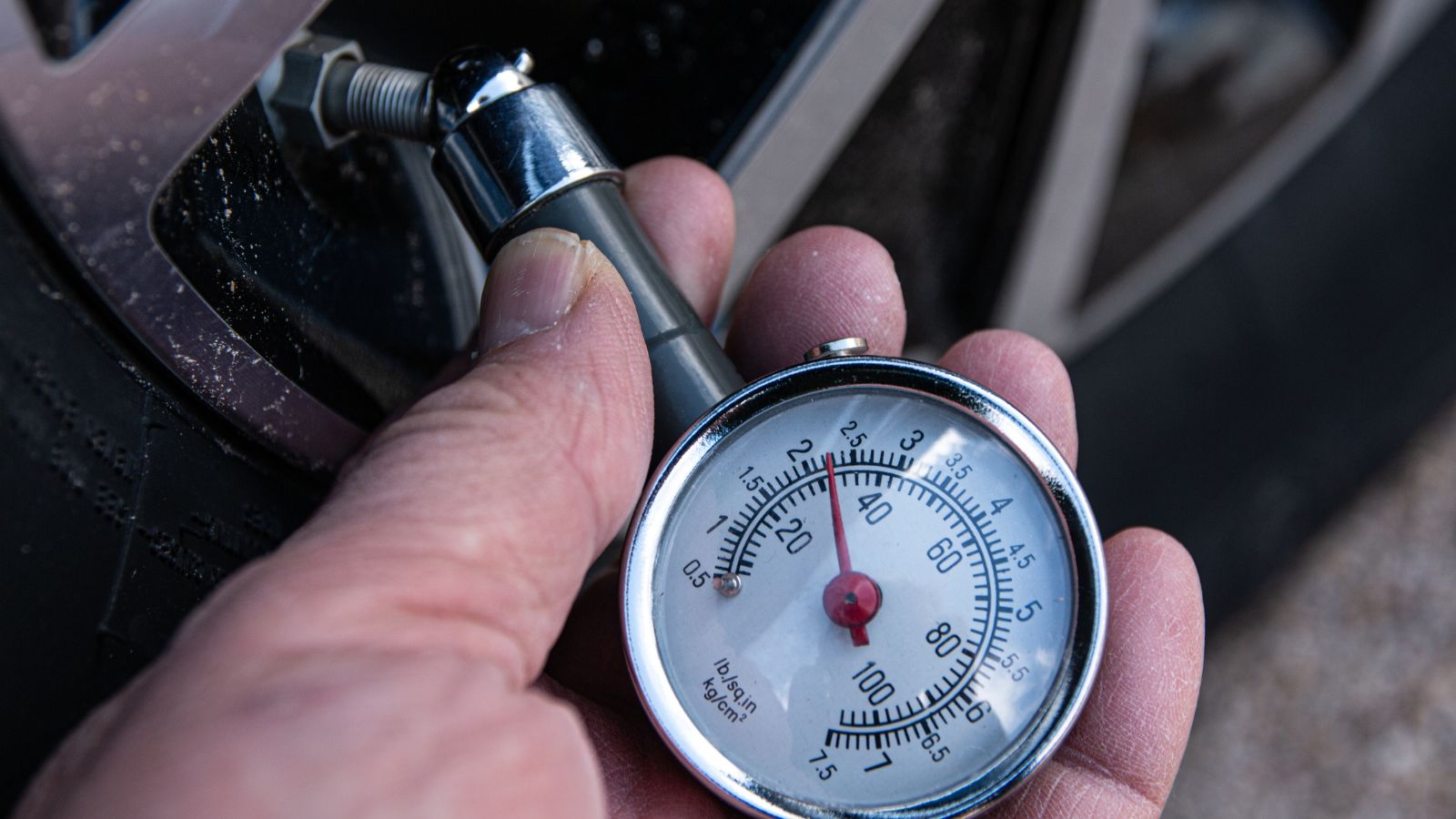
Valve stems often get ignored during tire swaps, yet they play a key role. Old or cracked stems can leak air slowly. This leads to frequent pressure drops and uneven performance. Replacing them is inexpensive and quick. Checking their condition during installation prevents future problems. Damaged stems may fail suddenly while driving. That creates unnecessary risk. Fresh valve stems support stable pressure levels. They also improve long-term reliability. Taking a moment to inspect them avoids repeated adjustments. Small components like these still matter greatly.
Not Checking Spare Tire
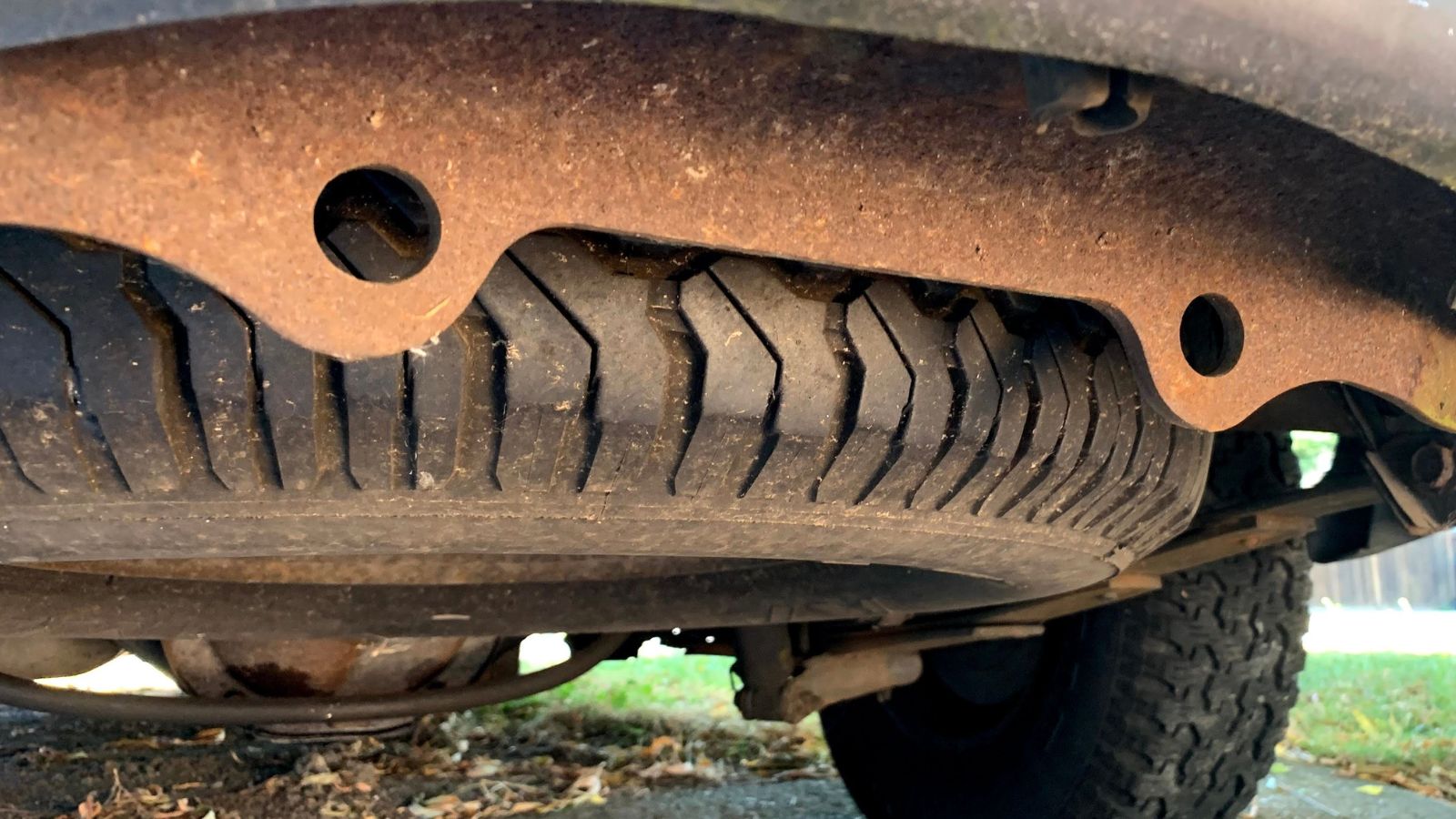
Spare tires are easy to forget until an emergency happens. Many drivers never check their condition or pressure. A flat spare becomes useless when needed most. Regular inspection keeps it ready for unexpected situations. Check air pressure and look for visible damage. Make sure it is properly secured in its place. Replace it if it shows wear or age. A reliable spare adds peace of mind during long drives. Being prepared reduces stress during roadside issues. Ignoring the spare can turn a minor problem into a major inconvenience.
Over-Tightening Lug Nuts
Applying too much force when tightening lug nuts can cause damage. Threads may strip, and components can warp over time. Many drivers rely on guesswork instead of proper tools. This leads to uneven pressure across the wheel. Using a torque wrench provides accurate tightening. Follow the recommended specifications for your vehicle. Controlled force keeps everything secure without causing harm. Over-tightening also makes removal difficult later. Proper technique protects both wheels and tools. Balanced tightening ensures safety and prevents costly repairs.
Under-Tightening Lug Nuts
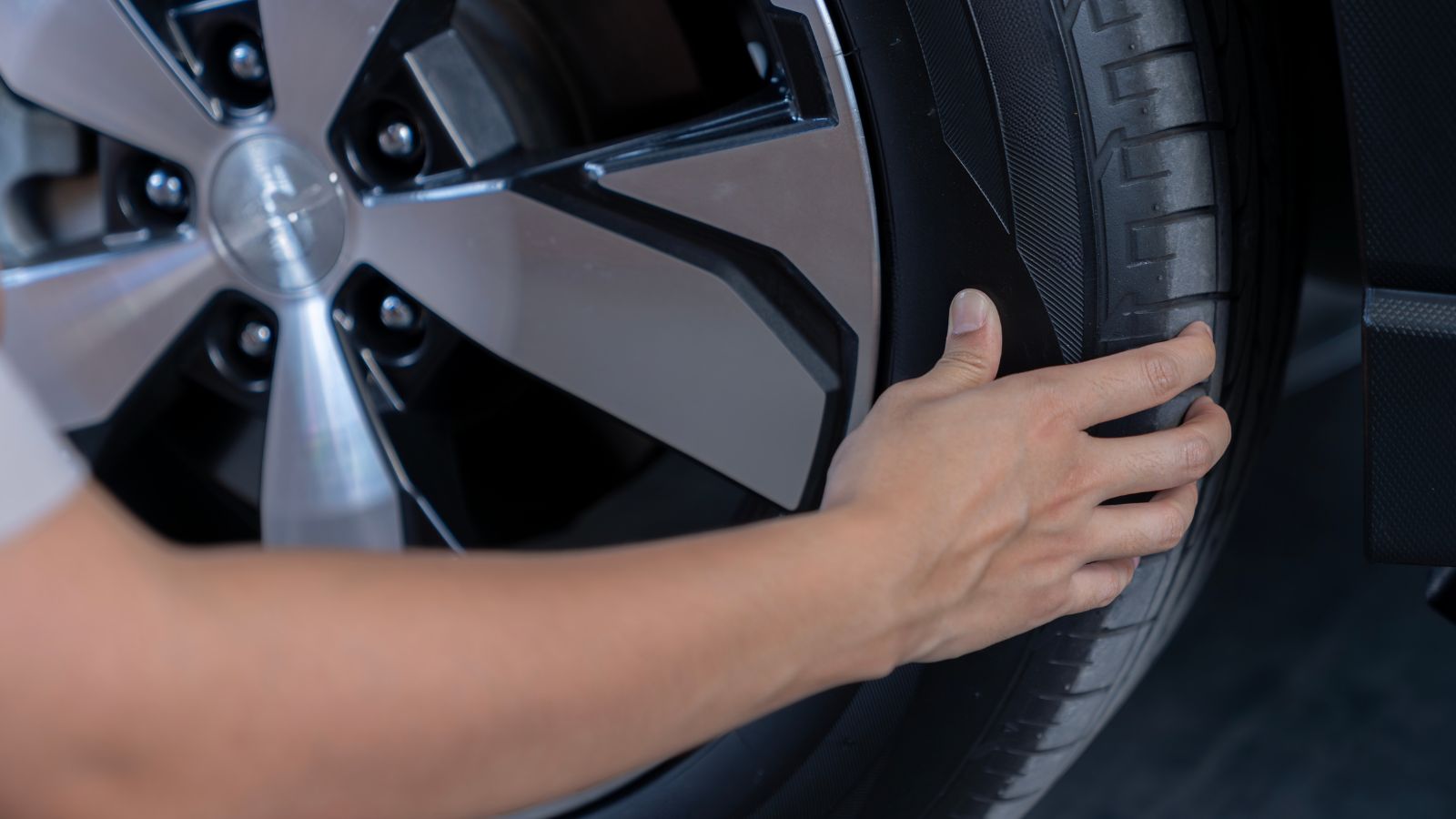
Loose lug nuts create serious safety risks while driving. Wheels may shift slightly, causing vibrations and noise. Over time, this can damage studs or lead to wheel detachment. Many drivers assume tightening by hand is enough. That approach often falls short. Always tighten nuts to the correct torque level. Double-check after installation to confirm stability. Retorque after some driving to maintain security. Properly tightened lug nuts keep the wheel firmly in place. Skipping this step increases danger on the road. Consistency in tightening improves safety.
Ignoring TPMS Reset

Modern vehicles rely on tire pressure monitoring systems for safety alerts. After a tire swap, these systems often require resetting. Many drivers ignore warning lights, assuming nothing is wrong. This can hide real pressure issues later. Follow your vehicle manual to recalibrate the system. Accurate readings help maintain proper pressure levels. A functioning system supports safer driving conditions. Ignoring alerts creates confusion and reduces awareness. Resetting the system takes only a few minutes. Staying attentive to these signals improves overall vehicle performance and reliability.
Using Worn Winter Tires Again

Winter tires lose effectiveness as tread depth decreases. Many drivers reuse them longer than recommended. Reduced tread limits grip on snow and ice. This increases stopping distance and reduces control. Visual inspection alone may not reveal true wear. Measure tread depth before reinstalling them. Replace tires when they reach unsafe levels. Reliable traction depends on healthy tread patterns. Using worn tires defeats their purpose entirely. Proper replacement improves safety during harsh conditions. Do not stretch their lifespan beyond limits. Fresh tires provide better confidence on winter roads.
Not Checking Brake Components
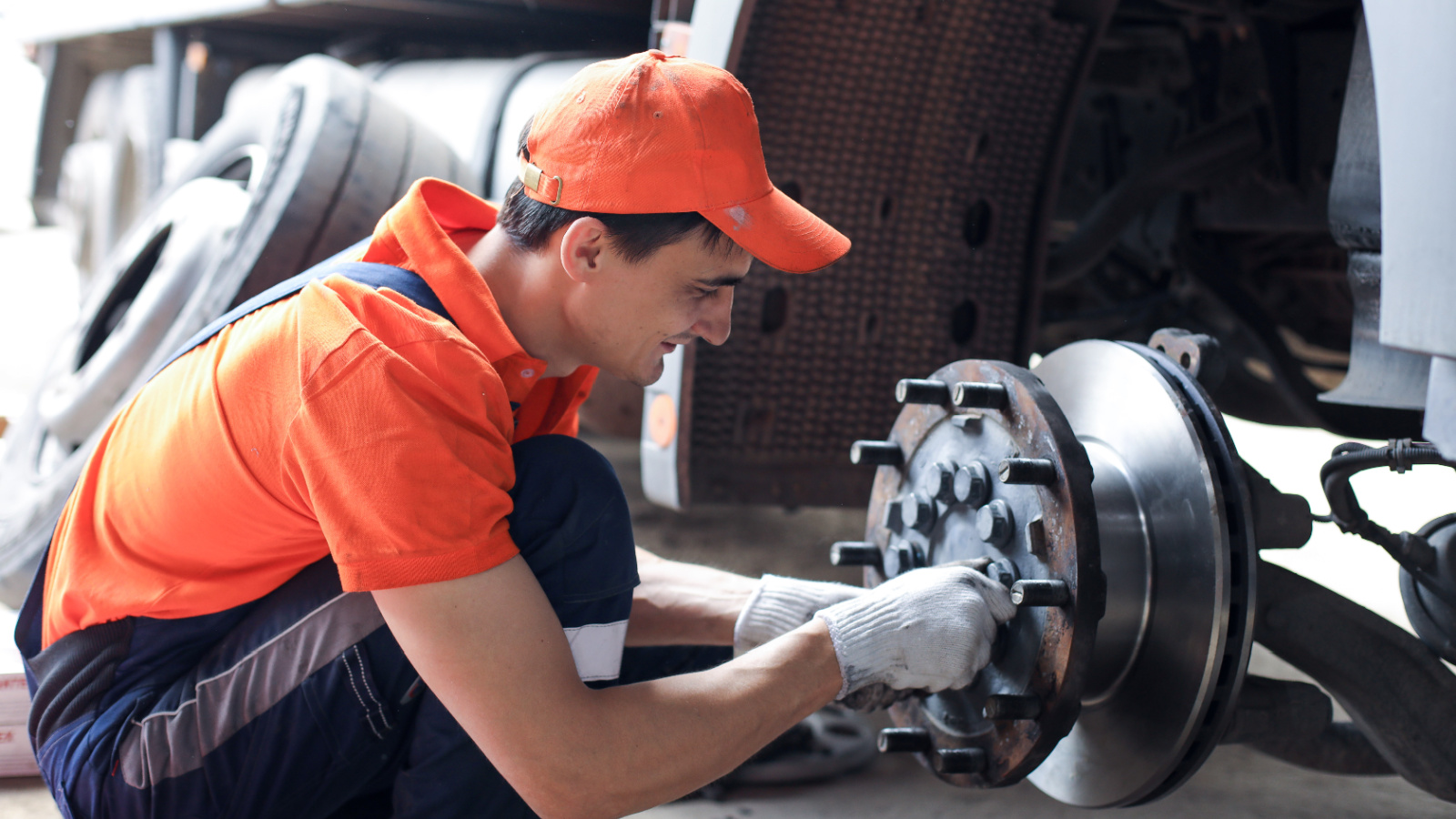
A tire swap provides clear access to brake components. Many drivers miss this opportunity to inspect them. Worn brake pads reduce stopping power and increase risk. Damaged rotors can cause vibrations during braking. Checking for wear takes only a few minutes. Early detection prevents expensive repairs later. Addressing issues promptly keeps braking performance consistent. Ignoring this step allows problems to grow unnoticed. Regular inspection supports safer driving conditions. Combining brake checks with tire swaps makes maintenance more efficient and effective overall.
Forgetting Wheel Locks
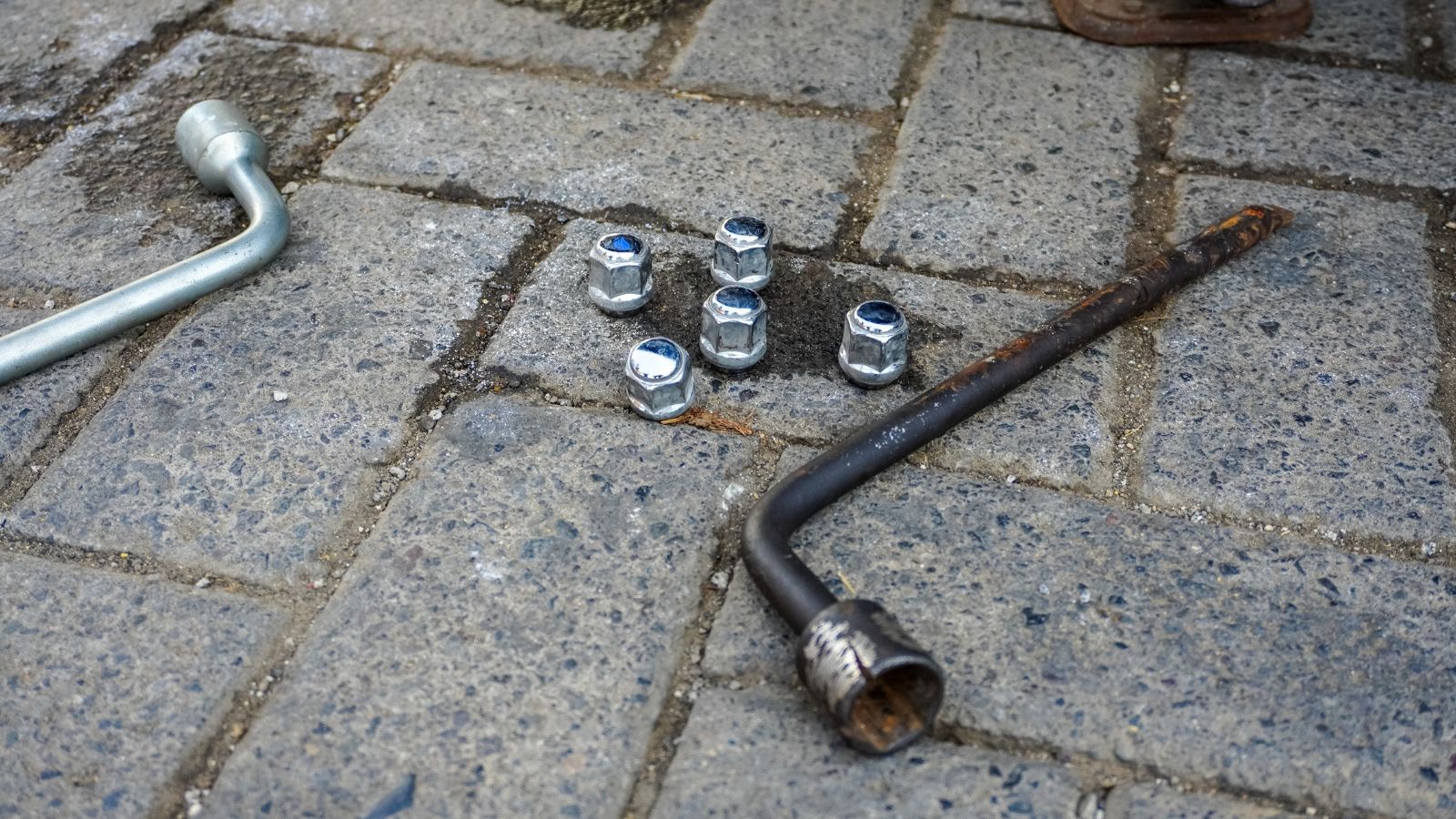
Wheel locks protect against theft but can complicate tire swaps. Many drivers forget where the special key is stored. Without it, removing wheels becomes difficult or impossible. This leads to delays and frustration. Always keep the key in an accessible and safe location. Check for it before starting the swap. Organized storage prevents last-minute searching. Losing the key may require professional removal. That adds unnecessary cost. Being prepared saves time and effort. A simple check avoids avoidable inconvenience during installation.
Not Testing After Installation
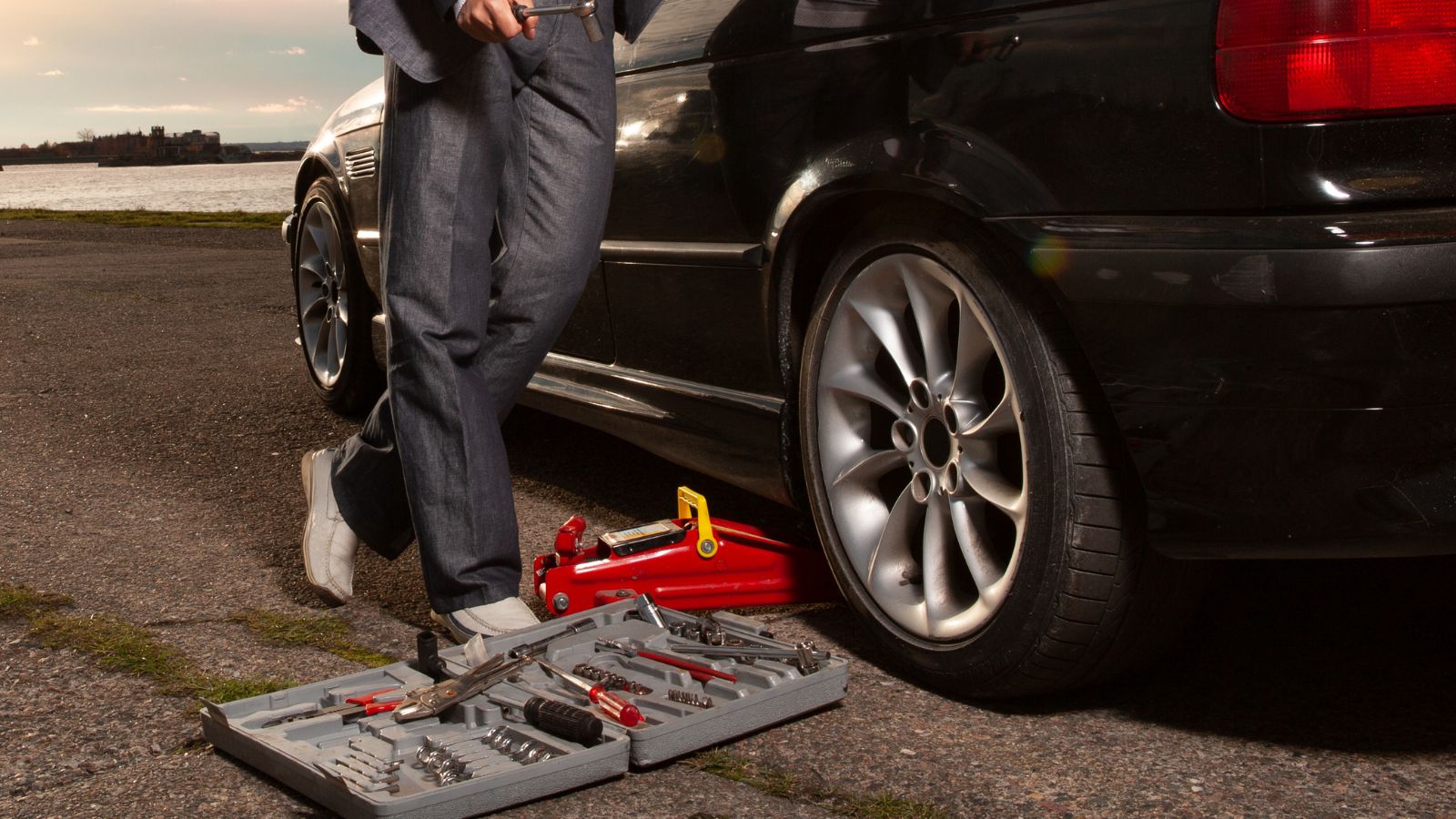
Driving immediately without checking the setup can lead to problems. A short test drive helps confirm everything works properly. Listen for unusual sounds or vibrations. Pay attention to steering and braking response. Early detection makes fixing issues easier. Ignoring this step allows small problems to worsen. Testing ensures the tires are installed correctly. It also provides confidence for longer trips. A few minutes of checking can prevent future trouble. Always verify performance after completing a swap.
Using Incorrect Tire Size

Installing the wrong tire size affects multiple aspects of driving. It can alter handling, braking, and fuel efficiency. Speedometer readings may also become inaccurate. Some drivers choose sizes based on availability rather than specifications. Always follow manufacturer recommendations for your vehicle. Correct sizing ensures proper fit and performance. Mismatched tires create imbalance and safety concerns. Checking specifications before installation prevents mistakes. Proper size maintains stability and comfort. Avoid experimenting without guidance. Accurate sizing keeps your vehicle performing as intended.
Neglecting Seasonal Maintenance
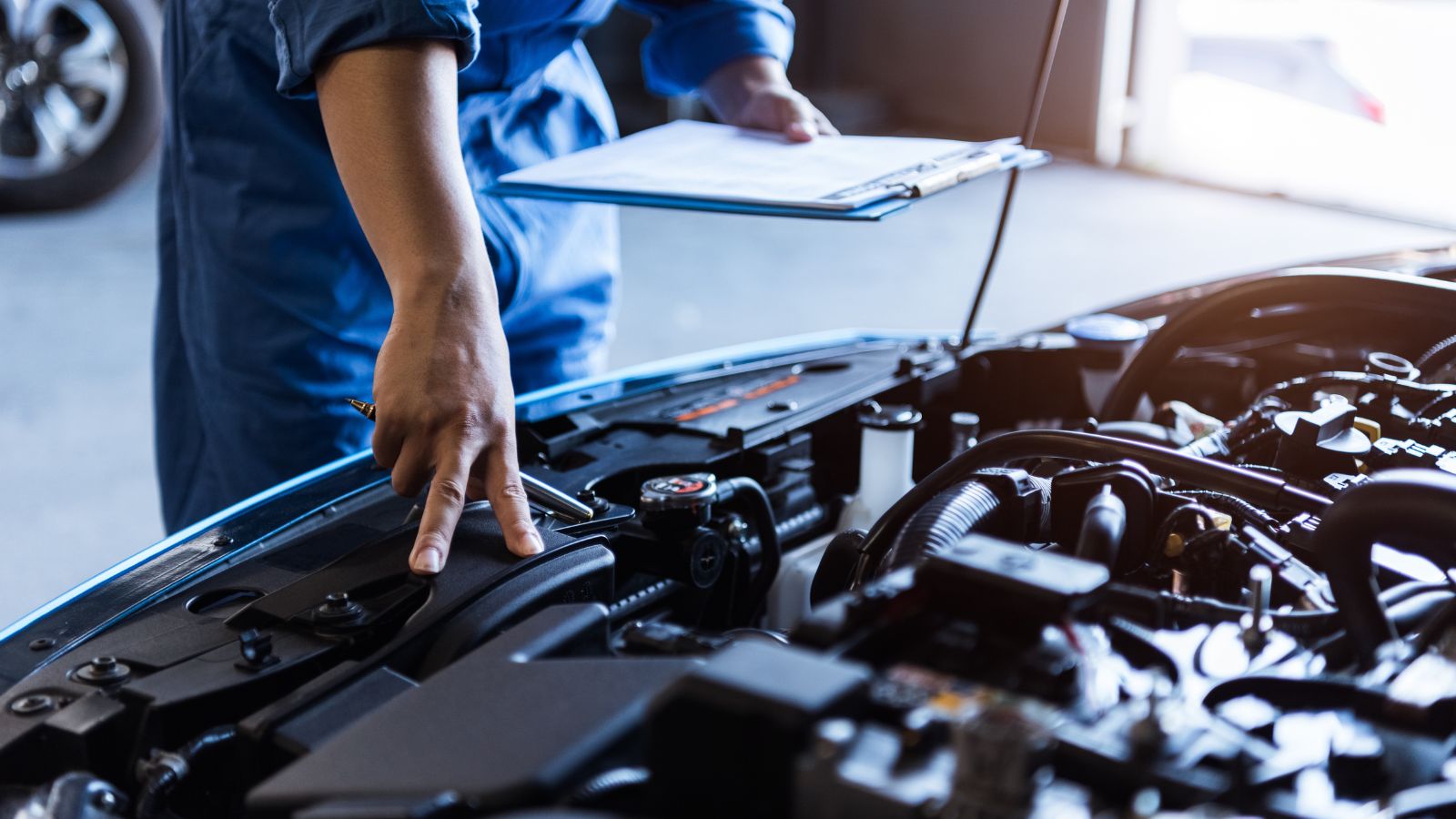
A tire swap should include more than just changing tires. Seasonal transitions affect many vehicle components. Fluids, lights, and wipers also require attention. Many drivers focus only on tires and skip these checks. This leads to overlooked issues later. A quick inspection improves reliability. Combining maintenance tasks saves time and effort. Checking multiple systems ensures better performance. Preventative care reduces unexpected repairs. Taking a broader approach keeps your vehicle ready for changing conditions. Small checks during swaps make a noticeable difference over time.
22 Things Canadians Do to Their Cars in Spring That Mechanics Hate

Spring brings relief to many Canadian drivers after months of snow, freezing temperatures, and icy roads that put serious strain on vehicles. As temperatures rise across the country, drivers begin washing cars, switching tires, and preparing vehicles for warmer weather and upcoming road trips. However, mechanics across Canada notice the same mistakes every spring when drivers attempt to recover from winter damage. Road salt, potholes, and harsh winter driving conditions often leave vehicles with hidden problems that drivers ignore. Some spring habits even create new mechanical issues that could have been avoided with proper maintenance. Here are 22 things Canadians do to their cars in spring that mechanics hate.